


Language is a shortcut. We compress complicated ideas into familiar phrases and pass them along without much scrutiny. Most of the time that works fine, but science is one area where the shortcut frequently leads somewhere wrong. Certain expressions have become so embedded in everyday speech that they feel self-evidently true, even when the science beneath them is thin, outdated, or simply backward.
The gap rarely announces itself loudly. It hides inside sentences that sound perfectly reasonable at a dinner table or in a classroom. What follows are eleven of those phrases, and the science each one quietly gets wrong.
1. “It’s Just a Theory”
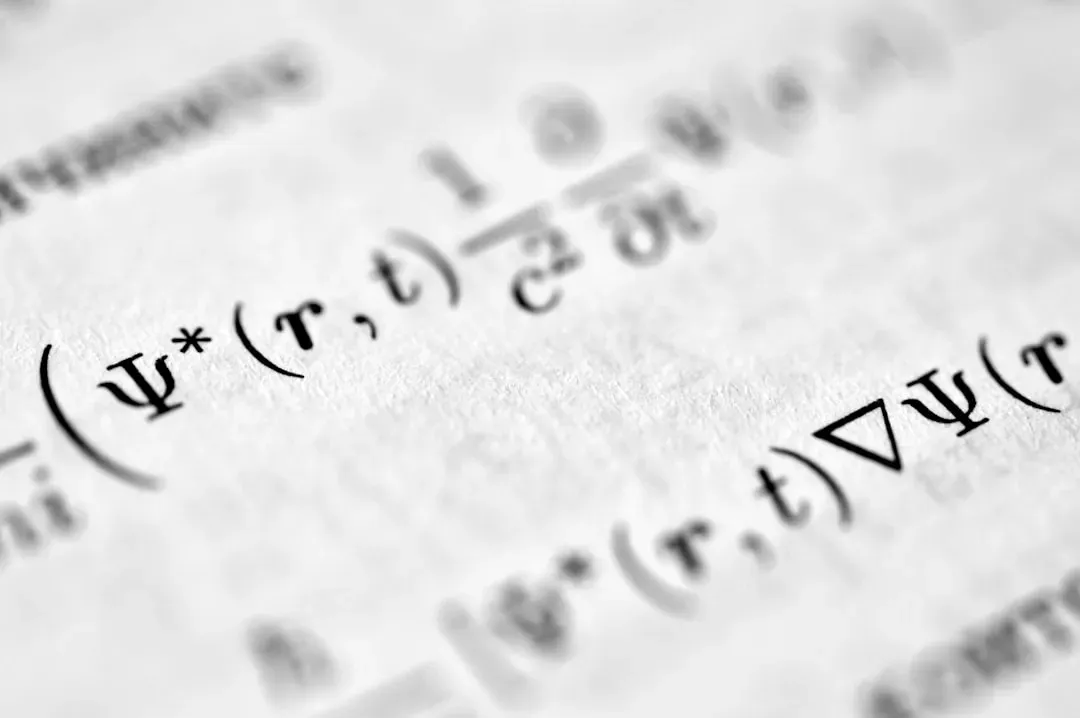
In everyday language, a “theory” often refers to a guess or speculation. Scientifically, however, a theory is a comprehensive explanation of aspects of the natural world that has been repeatedly confirmed through observation and experimentation. The two uses of the word couldn’t be further apart in meaning.
Part of the problem is that the word “theory” means something very different in lay language than it does in science: a scientific theory is an explanation of some aspect of the natural world that has been substantiated through repeated experiments or testing, but to the average person, a theory is just an idea that lives in someone’s head, rather than an explanation rooted in experiment and testing. Dismissing evolution or climate science as “just a theory” reflects a misunderstanding of what the word actually means in a scientific context.
2. “Survival of the Fittest”

Survival of the fittest is one of the most misunderstood phrases in biology. Most people hear it and think of the strongest, fastest, or toughest organism winning a fight. But in evolutionary biology, “fittest” means the organism that leaves the most surviving offspring, not the one that wins a wrestling match. Physical dominance is mostly beside the point.
While the phrase is often used to mean “natural selection,” it is avoided by modern biologists because it can be misleading. Survival is only one aspect of selection, and not always the most important. Another problem is that the word “fit” is often conflated with physical fitness, when in the evolutionary meaning, “fitness” is the rate of reproductive output among a class of genetic variants. The phrase is also often incorrectly attributed to Darwin. In fact, it was coined by the philosopher Herbert Spencer in response to reading Origin of Species five years after the first edition was published.
3. “We Only Use 10% of Our Brains”
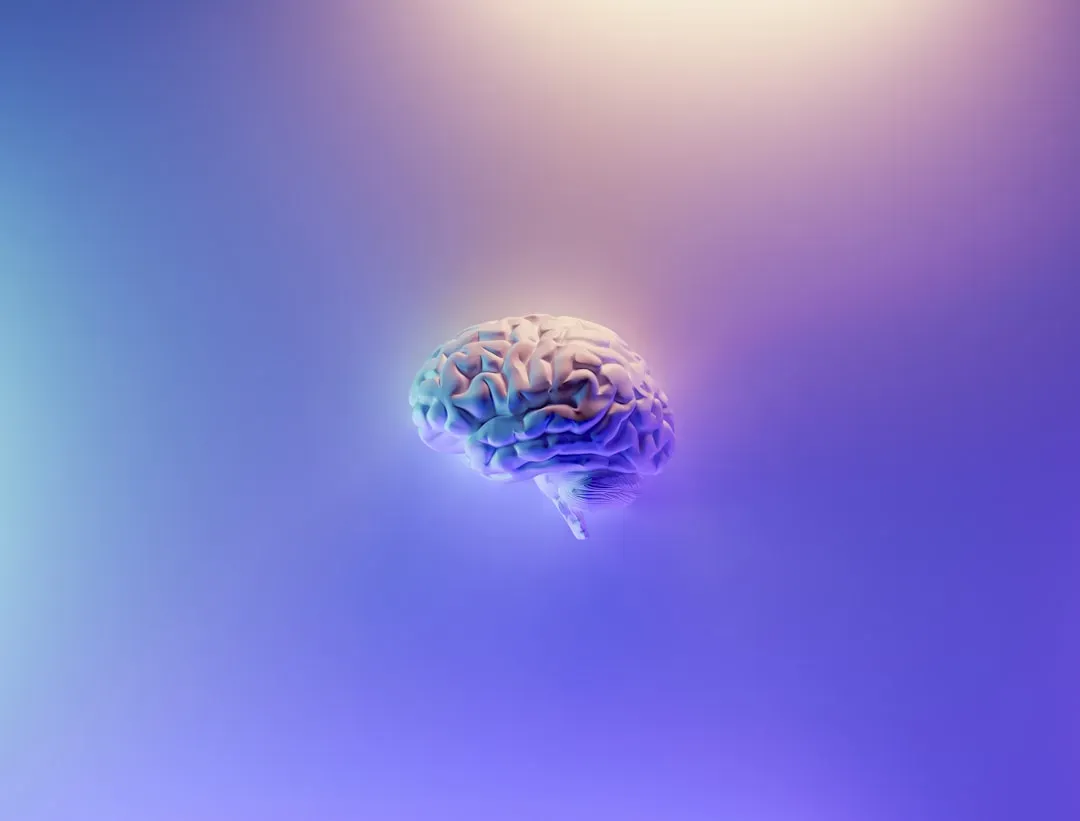
Humans use 100% of their brains, not 10%. This persistent myth ranks among the most widespread misconceptions in popular psychology, believed by roughly two thirds of Americans and nearly half of schoolteachers worldwide. The scientific evidence against it is overwhelming: brain imaging shows activity across all regions, the brain consumes about a fifth of the body’s energy despite being just two percent of body weight, and damage to any brain area causes measurable deficits.
Evolutionarily, it would make no sense for the human brain, which consumes about 20 percent of the body’s energy despite accounting for only about 2 percent of its mass, to be largely unused. From an adaptive standpoint, such metabolic expense must correspond to high utility. One of the most enduring myths in pop psychology is that humans use only 10 percent of their brains, a notion repeated in movies, motivational speeches, and even some classrooms that implies a vast cognitive potential remains untapped. However, this idea is scientifically inaccurate and undermines our understanding of human mental capacity.
4. “Lightning Never Strikes the Same Place Twice”
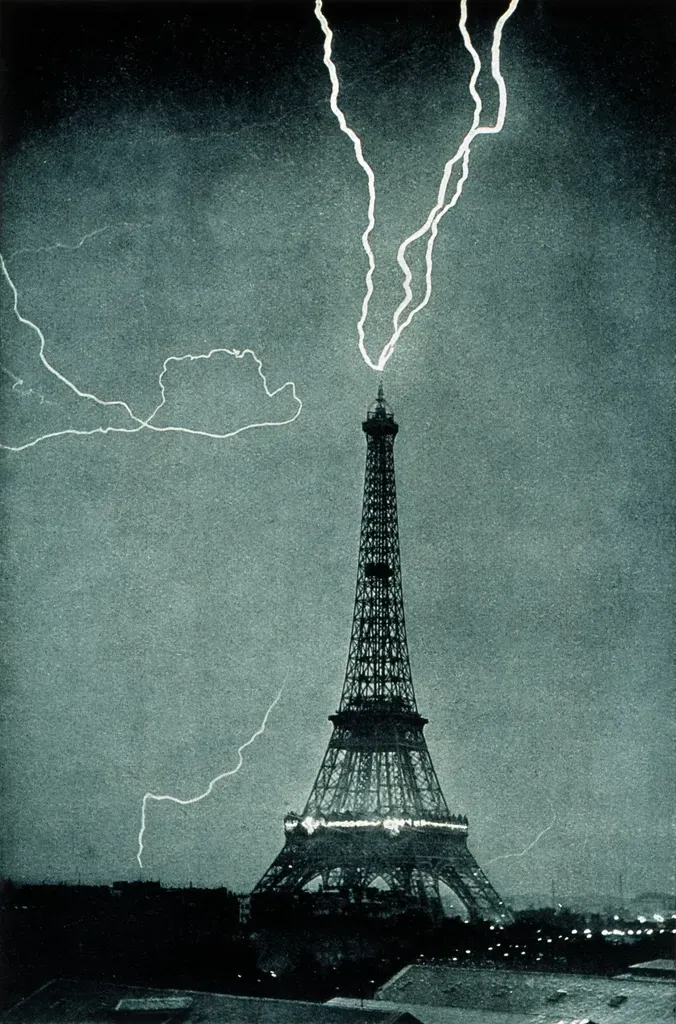
The saying “lightning never strikes the same place twice” is demonstrably false and potentially dangerous if believed literally. Lightning frequently strikes the same locations repeatedly, particularly tall, isolated, or pointed structures. It isn’t a matter of probability working against repetition. It’s actually the opposite.
Lightning frequently strikes the same place multiple times, especially if that location is tall, conductive, or isolated. Lightning tends to follow the easiest path between clouds and the ground, and structures such as skyscrapers, towers, and trees provide convenient pathways. A famous example is the Empire State Building, which is struck by lightning dozens of times each year. Lightning rods installed on tall structures are specifically designed to attract strikes and safely channel the electrical energy into the ground.
5. “That’s Exponential Growth”
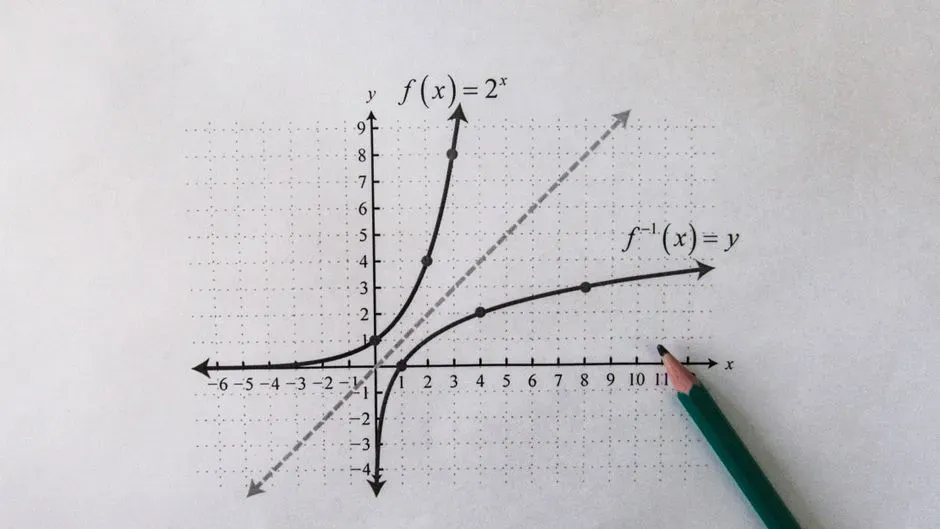
In everyday use, exponential has come to mean extremely large or rapid, but mathematically speaking, exponential growth simply means that something is growing at a rate proportional to its size. The rate of growth may be large or small – if an economy grows at 0.1 percent a year, that’s exponential growth, but it’s hardly impressive. People routinely use the word to mean “massive” when it technically means something far more specific.
Another common misconception is that if something is growing exponentially, it must be increasing by powers of two, three, and so on. If we hear that Earth’s population is increasing exponentially, we may be horrified at the thought of astronomical numbers suddenly fighting for resources. But exponential population growth means that the change in population over a given period of time is proportional to the population size. The rate can be slow, moderate, or fast, depending on context.
6. “Blind as a Bat”
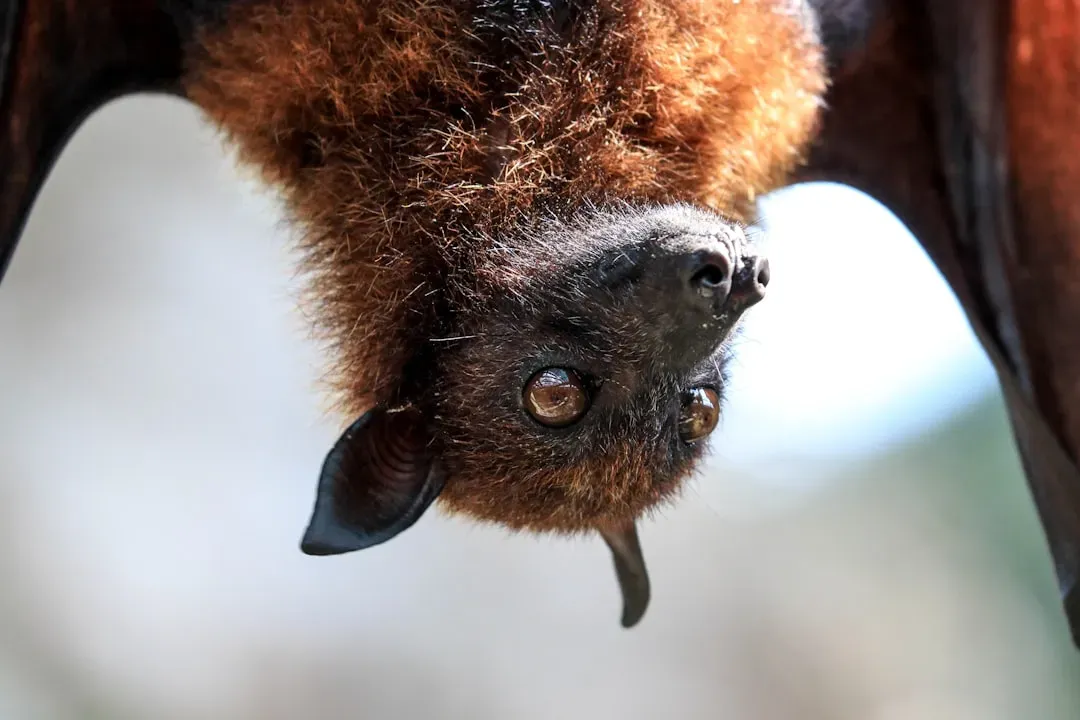
The phrase “blind as a bat” has led to widespread belief that bats cannot see, but all bat species have functional eyes and can see to varying degrees. While many bats rely heavily on echolocation for navigation and hunting in darkness, their vision is often quite good, particularly in low-light conditions. Some fruit bats have excellent vision comparable to humans and rely primarily on sight rather than echolocation.
This idea likely arose because bats rely heavily on echolocation, emitting high-frequency sounds and interpreting the echoes to navigate and hunt. However, bats are not blind. Most bat species have functional eyes and can see quite well, and some species even possess good night vision adapted for low-light environments. Vision helps bats navigate over longer distances where echolocation may be less effective.
7. “The Dark Side of the Moon”

Many people imagine that one side of the Moon is permanently shrouded in darkness, hidden from sunlight forever. This idea likely comes from the phrase “dark side of the Moon,” which became popular in culture and music. In reality, every part of the Moon receives sunlight. The reason we always see the same lunar face from Earth is because the Moon is tidally locked, meaning its rotation period matches its orbital period around Earth, causing the same hemisphere to face our planet. The opposite hemisphere is better described as the “far side” rather than the dark side.
Both sides experience day and night cycles lasting about two Earth weeks each. When the near side is illuminated during a full moon, the far side is experiencing lunar night. The phrase isn’t just poetic license. It has genuinely shaped how many people picture the Moon, and that picture is wrong.
8. “Statistically Significant” Means Important
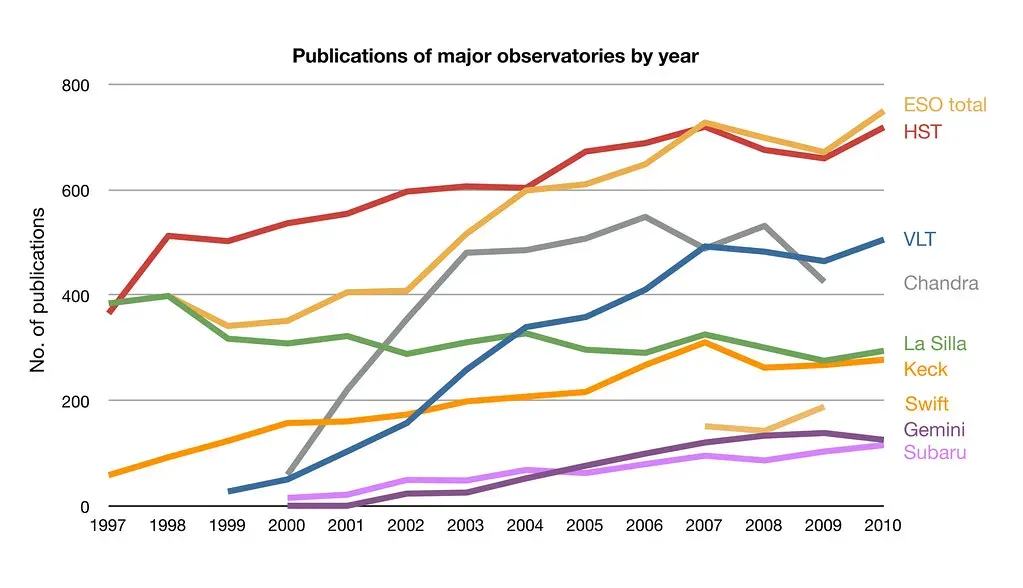
Statistically significant is thrown around in everyday life to describe something very important. The word “significant” carries a precise, technical meaning in science that has essentially nothing to do with importance. In a scientific setting, “significant” doesn’t mean “important.” Statistically speaking, something that is “significant” is simply something that is unlikely to occur given random chance, which doesn’t necessarily mean there is actually a meaningful result.
If a scientific experiment is set up correctly, then a statistical significance might reveal a lot. If the experiment is set up poorly, as is the case with many pseudosciences, then significance doesn’t mean anything because all of the variables weren’t controlled. A result can be statistically significant and still be practically meaningless, or even the product of a flawed design. The conflation of the two meanings has fueled decades of misreported science.
9. “We Have Five Senses”

The belief that humans have just five senses, sight, hearing, touch, taste, and smell, is a classic oversimplification. In reality, our bodies are equipped with many more senses, including balance, temperature, and body position. Neuroscientists now recognize anywhere from nine to twenty-one distinct senses, depending on the definitions used. This myth lingers due to how senses are traditionally taught in schools.
A significant problem with the idea that we have five senses is that there is no uncontroversial definition for what constitutes a discrete sense. Regardless of how you define a sense, it’s clear that we have many more than five of them. The “non-traditional” senses include nociception (the sense of pain), thermoception (the sense of temperature), and equilibrioception (the sense of balance). There’s also proprioception, which tells you where your limbs are in space without looking. That one alone is remarkably easy to take for granted.
10. “A Steep Learning Curve Means It’s Hard”
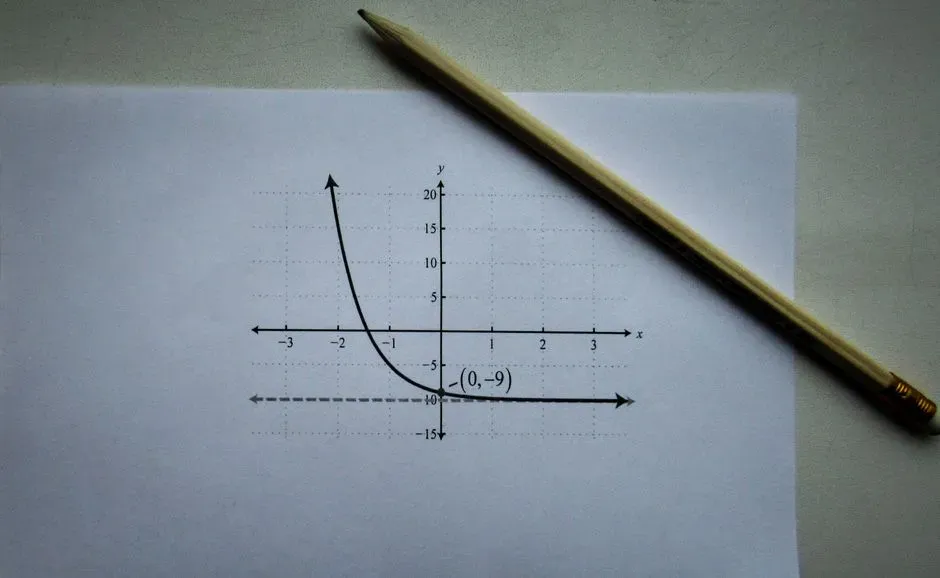
The phrase “steep learning curve” could be considered an inaccurate or misleading term. It is commonly used to imply a task is difficult to learn, by both psychologists and the general public. Yet the phrase, or a curve with a large positive slope, can actually suggest a task is rather easy to learn. In a learning curve graph, the vertical axis typically represents mastery or performance. A steep incline means you’re gaining skill rapidly, not struggling.
The phrase has essentially been flipped in popular usage. When someone warns you that a new software tool has a “steep learning curve,” they usually mean the opposite of what the graph would show. Specialized scientific words often have very specific meanings, and when they get diluted through frequent misuse in everyday language, it can bog down the original science and potentially change the research’s meaning. This example is a tidy case of that exact problem.
11. “Nature Versus Nurture”
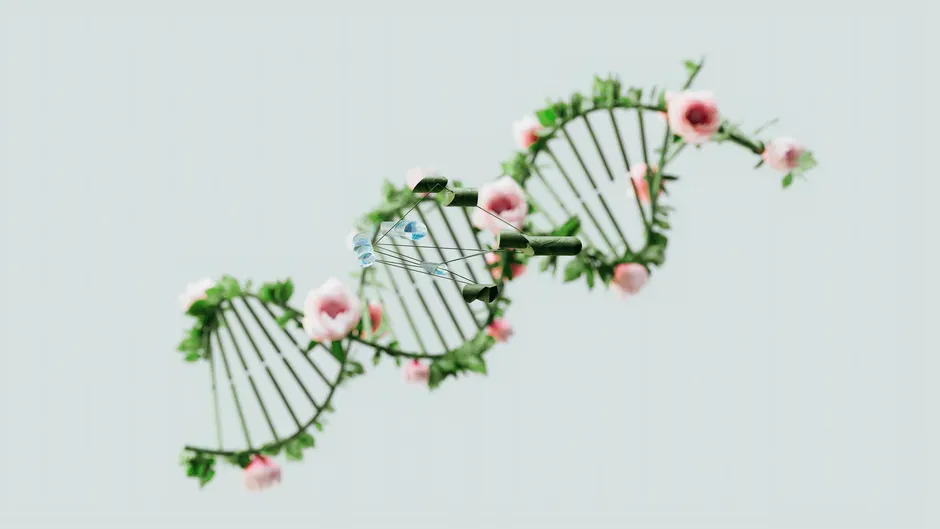
The phrase “nature versus nurture” gives scientists a headache, because it radically simplifies a very complicated process. The word “versus” is the real culprit. It suggests a competition with a clear winner, when modern biology shows the two forces are deeply entangled. Genes may influence human beings, but so, too, do epigenetic changes. These modifications alter which genes get turned on, and are both heritable and easily influenced by the environment. The environment that shapes human behavior can be anything from the chemicals a fetus is exposed to in the womb to the block a person grew up on to the type of food they ate as a child, and all these factors interact in a messy, unpredictable way.
The framing of nature “versus” nurture implies you could separate them cleanly and measure each one in isolation. Common misconceptions are widely accepted viewpoints or factoids that are actually false, and they often arise from conventional wisdom, stereotypes, superstitions, logical fallacies, misunderstandings of science, or the popularization of pseudoscience and pseudohistory. The nature-nurture binary fits that pattern precisely. It offers the comfort of a clear framework, and science keeps showing it’s far more complicated than that.
None of these phrases make their speakers careless or uninformed. These myths often survive because they are simple, memorable, and repeated frequently in popular culture, school lessons, and everyday conversations. Sometimes they arise from outdated scientific ideas that were once believed to be true, sometimes from misunderstandings of complex scientific concepts, and sometimes they simply spread because they sound plausible. Knowing where the language drifts from the science isn’t about being pedantic. It’s about staying a little closer to how things actually work.
