

- The Compostable Cup Left Intact for Years – 5 Backyard Composting Failures - November 15, 2026
- Fast-Fashion “Conscious” Lines Under Scrutiny – 5 Red Flags in Eco-Clothing - November 15, 2026
- Space Engineers Explain 5 Quiet Changes Making Rocket Launches Safer Than Ever - November 15, 2026
1. Water main breaks are becoming a routine part of city life
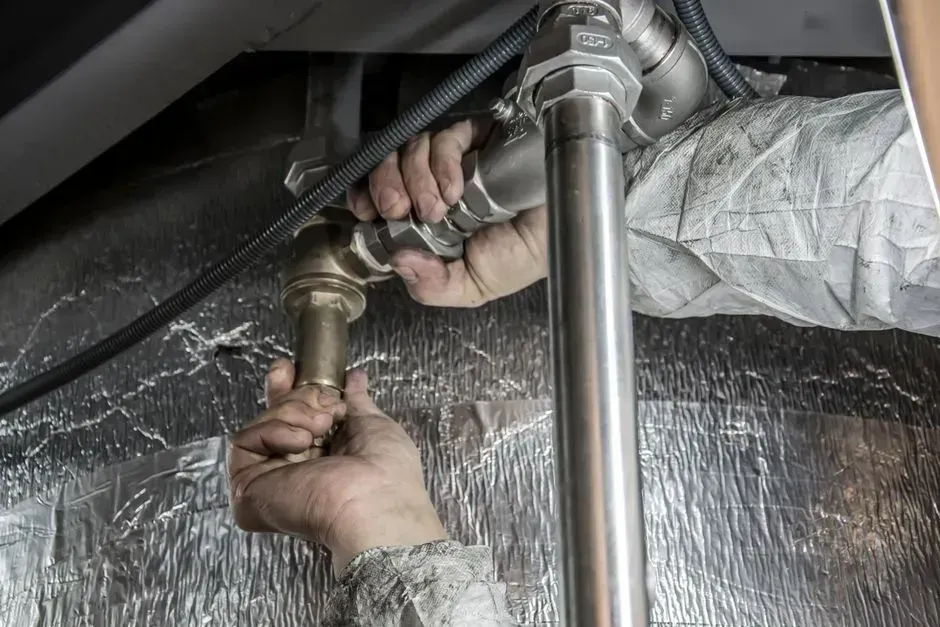
If it feels like there’s always a crew out fixing a broken pipe somewhere in town, that’s not just a local impression. Engineers note that many of the nation’s water pipes were installed generations ago, and approximately 240,000 water main breaks occur annually. A separate binational study puts the figure even higher, finding that the United States and Canada experience 260,000 water main breaks annually with $2.6 billion in annual repair costs.
The material matters as much as the age. Researchers found that older cast iron and asbestos cement pipes carry the highest failure rates, and since 2018, there has been a 20% annual reduction in water main breaks per 100 miles of pipe, much of it resulting from a nearly 8% decrease in the use of cast iron and asbestos cement pipes, which have been replaced by ductile iron and polyvinyl chloride. Even so, replacement is slow going in many cities, and ductile iron pipes still experience a break rate six times higher in highly corrosive soil, so the improvement is uneven from one neighborhood to the next.
2. Water bills are climbing faster than paychecks

A rising bill is one of the clearest signals that a utility is scrambling to cover overdue repairs. In Detroit, for instance, the Great Lakes Water Authority voted unanimously in February 2026 to increase water rates by 5.8% and sewer rates by 4.26% for its customers, following a similarly sized hike the year before. Nationally, the pattern isn’t unique to one city; water rates are rising exponentially, faster than inflation and all other utility costs, and in one American Water Works Association survey, 1 in 3 respondents reported struggling to pay their water bill on time.
For lower income households, these increases can hit especially hard. In Detroit specifically, the average residential water bill can consume up to 25% of disposable income for households living below the poverty line, well above the EPA’s affordability threshold of 4.5% of disposable income. Utility experts describe this as an affordability gap, the widening space between what it actually costs to run a modern water system and what customers can reasonably pay through their bills.
3. Pipes are older than the people relying on them
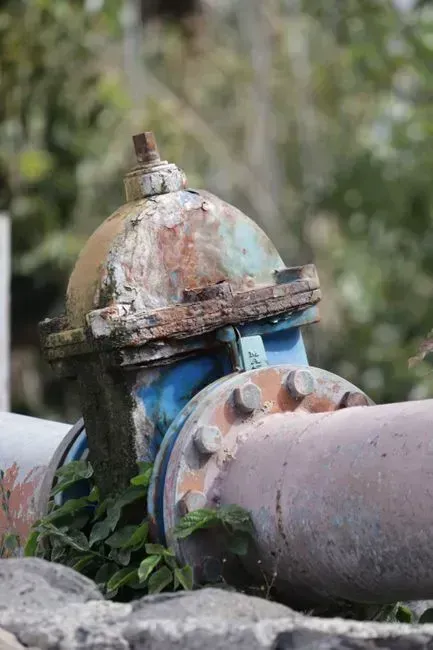
Age alone doesn’t doom a pipe, but it’s a strong predictor of trouble ahead. According to the EPA, many drinking water pipes currently in service are between 45 and 100 years old, and one industry estimate puts the average age of water mains in the U.S. at 45 years, though many pipes have been in service for over a century. That means a sizable share of the underground network was built for a smaller population, a different climate, and lower daily demand than what it’s asked to handle now.
The scale of what still needs replacing is sobering. More than 450,000 miles of water mains have exceeded their useful life and await replacement, and lead is part of the concern too, since more than 9 million existing lead service lines pose health concerns across the country. The American Society of Civil Engineers has repeatedly flagged this in its report cards, giving the nation’s drinking water systems a grade that reflects deterioration rather than steady improvement.
4. Boil water advisories are popping up more often
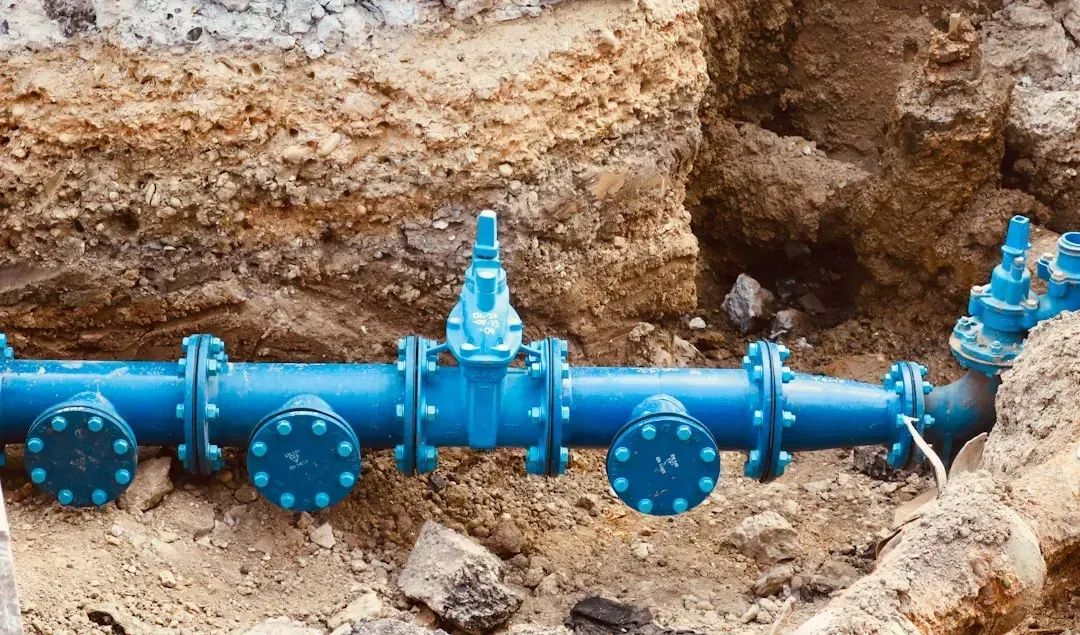
A boil water notice used to feel like a rare event tied to a specific accident. Now it’s becoming a more common occurrence, often triggered by treatment failures, pressure loss, or contamination in the distribution system. In the Washington, D.C. area, for example, a DC Water pump station experienced a loss of power in June 2025 which resulted in pump failures and a subsequent boil water advisory for several neighborhoods.
These events tend to cluster in places with older infrastructure and tighter budgets, and they’re rarely isolated incidents. In Iowa, depressurization in a regional water system’s towers led to a boil water advisory in May 2025, partly due to drought impacted wells struggling to meet water demands. The overlap of aging equipment, drought stress, and treatment strain is exactly the combination water utility experts point to when they talk about systems approaching their limits.
5. Treated water is leaking away before it reaches anyone’s tap
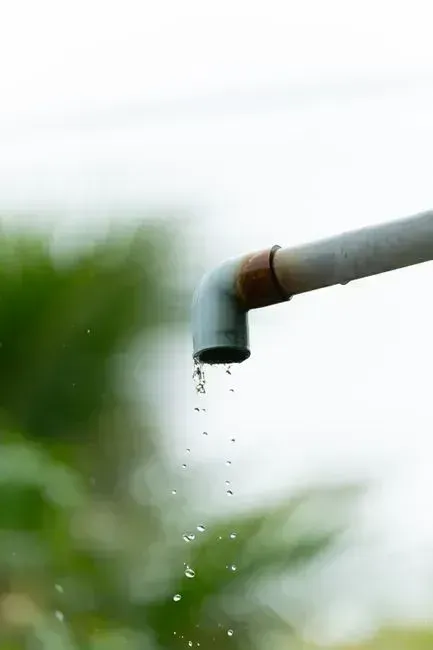
Non-revenue water, the treated water that never makes it to a paying customer because it leaks out of the system, is one of the quieter but more expensive signs of strain. Industry figures suggest that a break in the water pipework occurs every 2 minutes on average in the US, losing 6 billion gallons of water every day, and each year, 2.1 trillion gallons of water are lost due to breakdowns in the water infrastructure. That’s treated, paid-for water disappearing into the ground instead of into homes and businesses.
The financial toll compounds over time in ways that aren’t always visible to ratepayers. Lost pressure from these leaks forces pumps to work harder, and one industry analysis describes this as a hidden tax on utility budgets that provides zero service value, as pumps must work overtime to compensate for lost pressure. Utilities that can’t get ahead of this loss end up spending more on energy and treatment just to deliver the same amount of usable water, which eventually shows up as pressure to raise rates again.
6. There aren’t enough skilled workers left to keep up
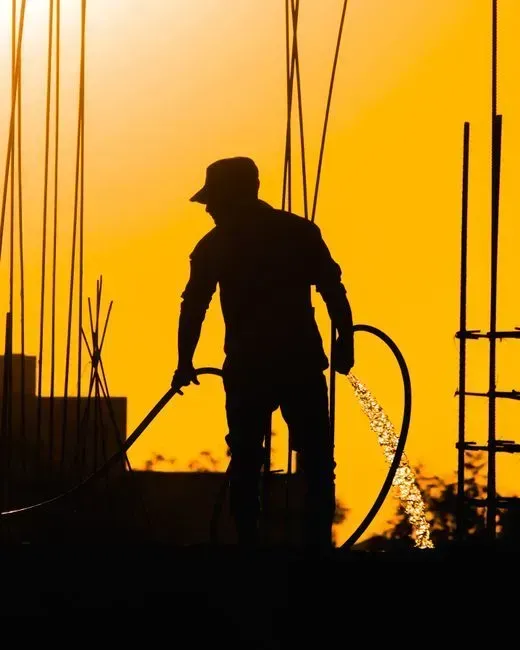
Pipes and treatment plants don’t run themselves, and the workforce behind them is thinning out fast. Industry estimates warn that up to one third of the current US water sector workforce is expected to retire within the next decade, a wave of departures that many utilities, especially smaller ones, aren’t fully prepared to replace. Fewer experienced operators means slower response times to breaks, delayed inspections, and less capacity to plan ahead rather than just react.
The strain shows up in day-to-day operations too. As one industry review put it, aging pipes and staffing pressures feed into each other, since aging pipes increase emergency work orders, which strain a shrinking workforce, while manual billing systems fail to capture non-revenue water losses from those same aging mains. A utility short on trained staff has a harder time modernizing anything, which locks in exactly the kind of reactive, catch-up mode that experts say defines a system under strain.
None of these six signs occur in isolation. A city dealing with frequent main breaks is usually also facing higher bills, an aging pipe network, and a workforce stretched too thin to catch problems before they become public emergencies. Recognizing the pattern matters, because the fixes, replacing pipes, training new operators, rebuilding treatment capacity, take years and real money, and the earlier a city acknowledges the strain, the more options it has for addressing it before the next break, advisory, or rate hike forces the issue.
