

- Phantom Energy Sucking Power 24/7 – 7 Home Electronics Quietly Inflating Utility Bills - November 14, 2026
- A Million-Mile Storm Raging for Centuries – 6 Violent Weather Wonders in Our System - November 14, 2026
- Animals Flee Hours Before the Tremor – 7 Natural Warnings Before Disasters Strike - November 14, 2026
A tick found crawling through the snow in Quebec would have seemed impossible twenty years ago. Now it barely raises an eyebrow among researchers who track these things for a living. Public health officials across North America and Europe are watching disease maps redraw themselves in real time, and the common thread running through nearly every case is the same: winters just are not cold enough, for long enough, anymore.
The shift is not theoretical or confined to distant projections. It is showing up in surveillance data, hospital records, and insect traps from Arizona to Newfoundland to Scandinavia, and the pattern is consistent enough that scientists who study vector-borne illness say the old assumptions about where certain diseases can and cannot take hold no longer hold up.
Lyme disease is following the ticks north
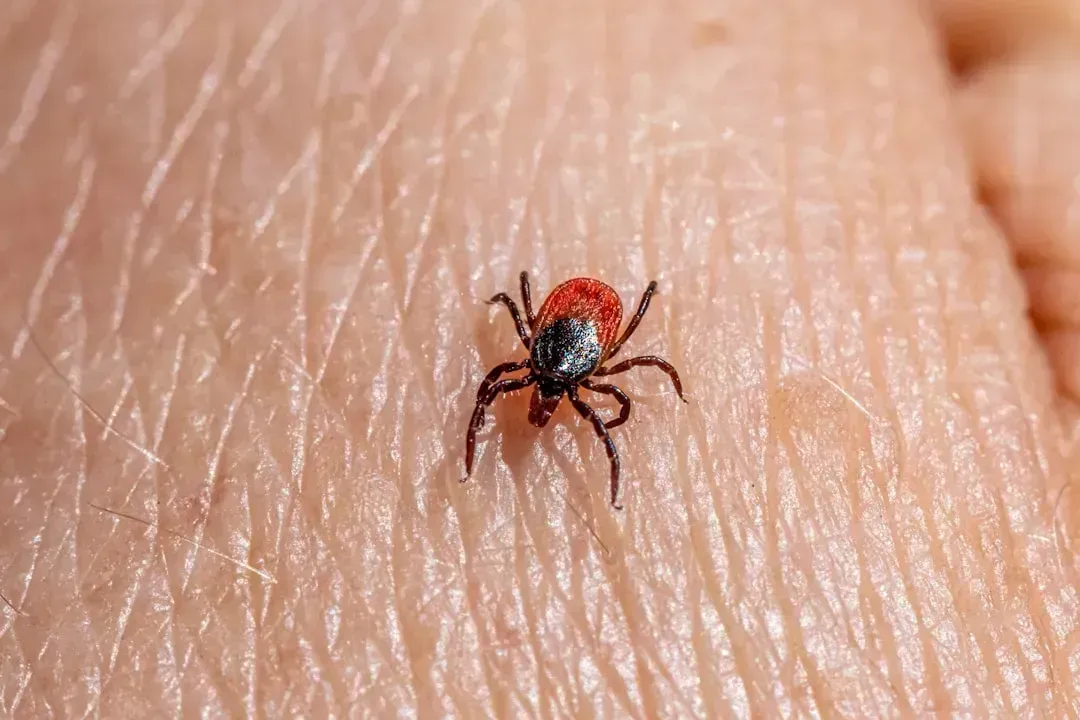
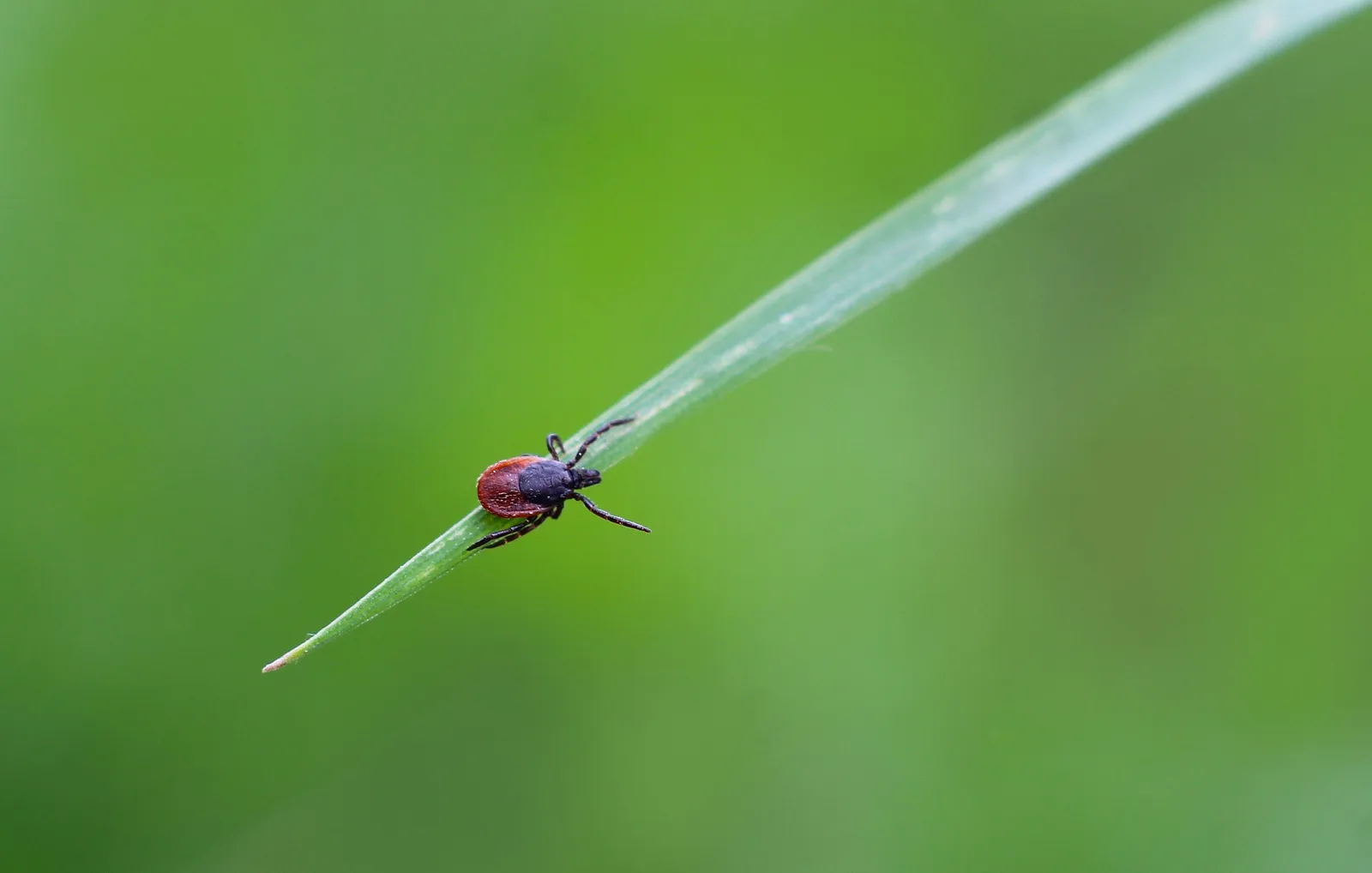
The blacklegged tick, the species responsible for spreading Lyme disease, has become the poster insect for this whole phenomenon. A 2025 study tracking the tick’s movement found it is a biological vector of human pathogens including Borrelia burgdorferi, the bacteria causing Lyme disease, undergoing rapid and persistent expansion into Canada, exposing new human populations to zoonotic diseases. Researchers built that picture using thousands of community-reported sightings collected between 2017 and 2022 across the US and Canada.
The pace of that spread is not gradual. In Canada specifically, ticks are spreading northward at a rate of 35-55 kilometers per year, carrying with them not only Lyme disease but also emerging threats like Anaplasmosis, Babesiosis, Powassan virus, and Borrelia miyamotoi disease. Land surface temperatures across the region have climbed noticeably during the same window, which lines up with what the tick data shows.
Milder winters mean ticks survive longer, in more places

Ticks do not vanish once the temperature drops the way people assume. Instead, they don’t completely die off in winter, they hide in leaf piles, soil, or on animals to stay warm. A colder winter used to thin those hidden populations out considerably before spring arrived.
That die-off is happening less reliably now. When winters are mild, ticks remain active for longer periods, increasing the chance of finding a host even in the colder months, and with fewer cold days to slow them down, these pests are less likely to go dormant. The species itself is picky about conditions too. Deer ticks specifically are most active when temperatures exceed 45°F (7°C) and thrive in areas with at least 85% humidity, thresholds that used to be rare during a northern winter and now show up with growing regularity.
Mosquitoes are moving into places that used to freeze them out
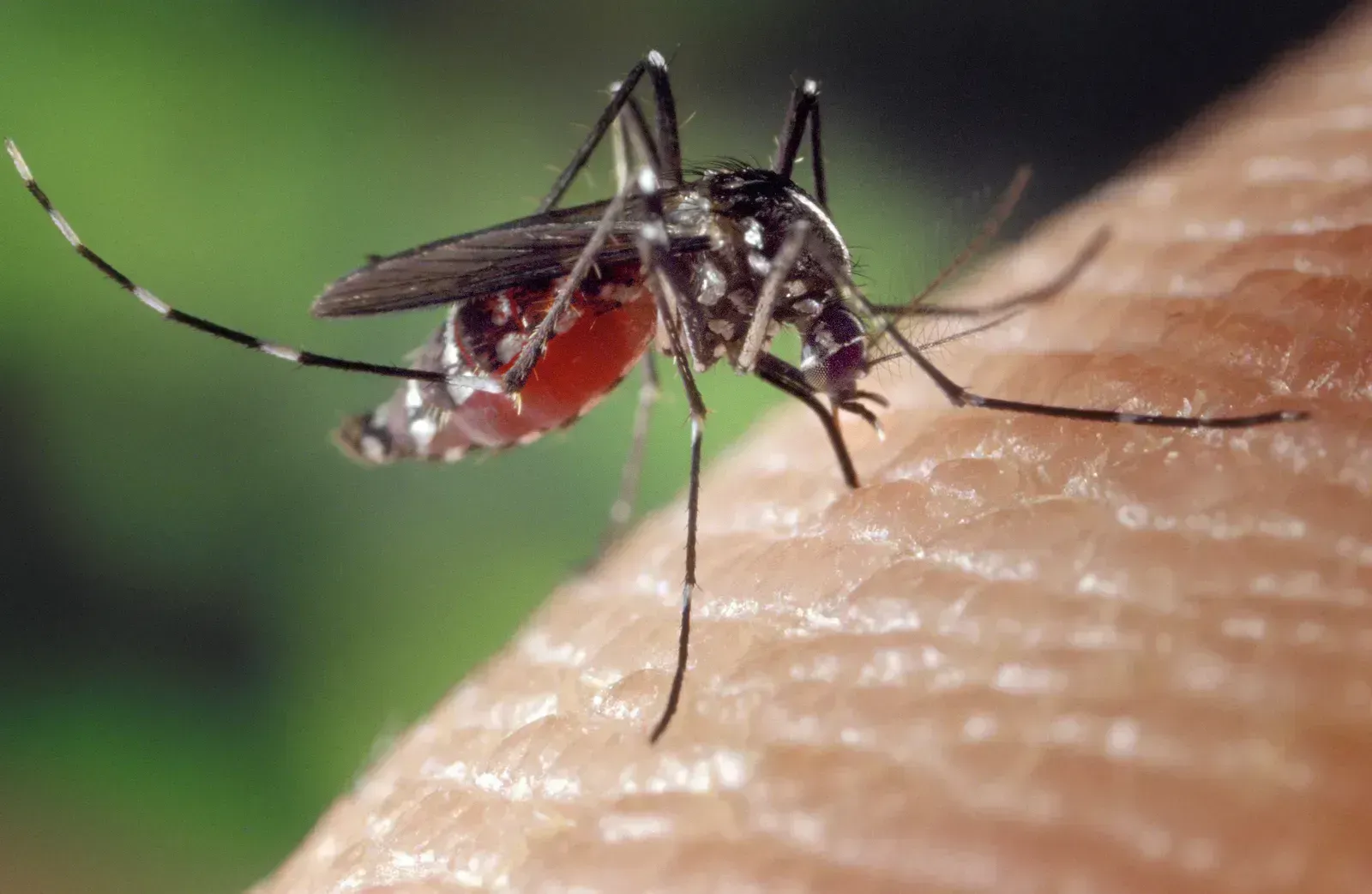
Mosquitoes face a similar calculus, though their biology works a bit differently than a tick’s. Because they are cold-blooded, their body functions are regulated by external temperatures, and warmer temperatures accelerate vector reproduction rates, extend their active seasons, and allow them to survive in previously inhospitable regions. That single fact underlies most of the mosquito-related disease news coming out of temperate climates over the past several years.
The Asian tiger mosquito is a clear example of the trend in motion. It is one of several invasive species thriving in new regions with warmer climates, and these aggressive biters can carry dangerous diseases such as Zika and dengue. Its cousin, Aedes albopictus, has already pushed deep into Europe and North America, a shift researchers attribute directly to milder winters removing a barrier that once kept it contained further south.
West Nile virus season is stretching out on both ends
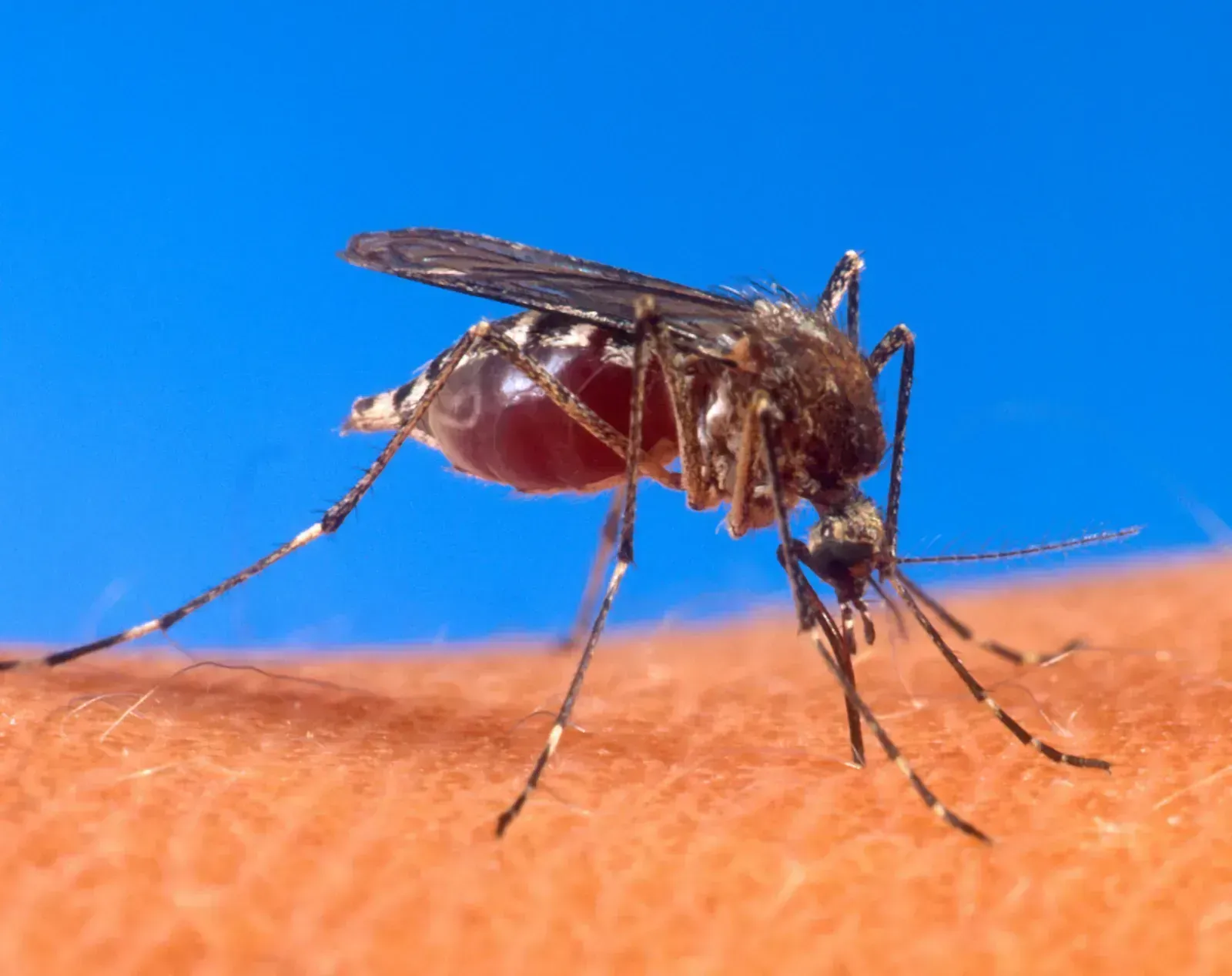
West Nile virus offers one of the clearest data trails linking warming to actual disease timing, rather than just insect range. A 2025 study out of New York, which tracked temperature and case data going back to 1999, found that the WNV season has extended by an average of 24.8 days, starting 4 days earlier and ending 20 days later. That extra window is not just an inconvenience for mosquito control crews.
It translates into more human illness. The same research team found that climate change is accelerating the spread of vector-borne diseases like West Nile virus, which is highly temperature-sensitive, and WNV is the most widespread mosquito-borne disease in the continental United States, with over 2,400 reported cases in 2024. Longer transmission seasons were also tied to earlier and more frequent human infections, not just a wider window with the same risk level.
Valley fever is drifting out of its old desert boundaries
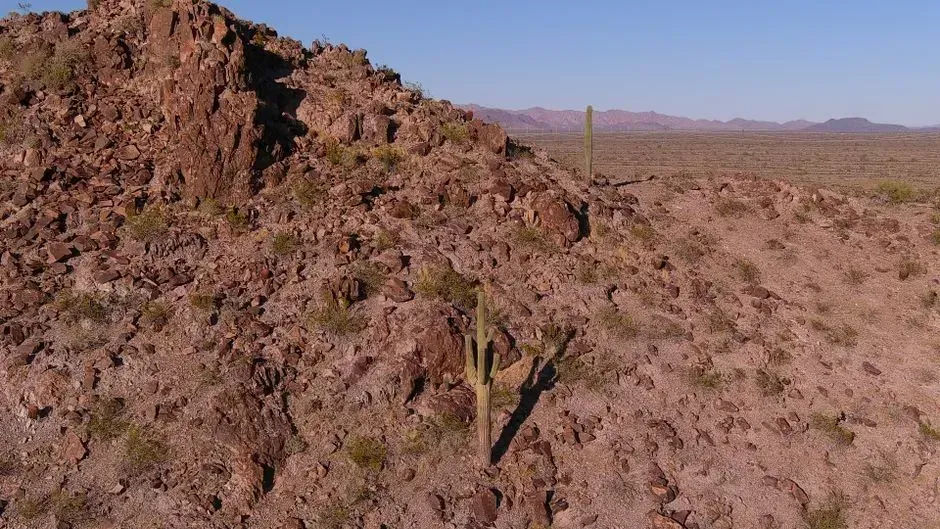
Not every climate-linked disease depends on an insect at all. Valley fever, caused by a soil fungus in the arid Southwest, has been climbing sharply in places it has always circulated and appearing in places it historically did not. In 2024, Arizona confirmed 14,787 cases of Valley Fever, more than 58% of the national total, and the disease has since turned up in states with no known established soil populations of the fungus.
Researchers modeling the fungus’s future range see a clear northward drift ahead. One federal-adjacent projection concluded that by 2100, under a high-warming scenario, the area of climate-limited endemicity will more than double, the number of affected states will increase from 12 to 17, and the Valley fever endemic region will expand north into dry western states, including Idaho, Wyoming, Montana, Nebraska, South Dakota, and North Dakota. That is a fungus historically associated with the Sonoran Desert reaching toward the Canadian border within a lifetime.
Tick-borne encephalitis has already reached the subarctic
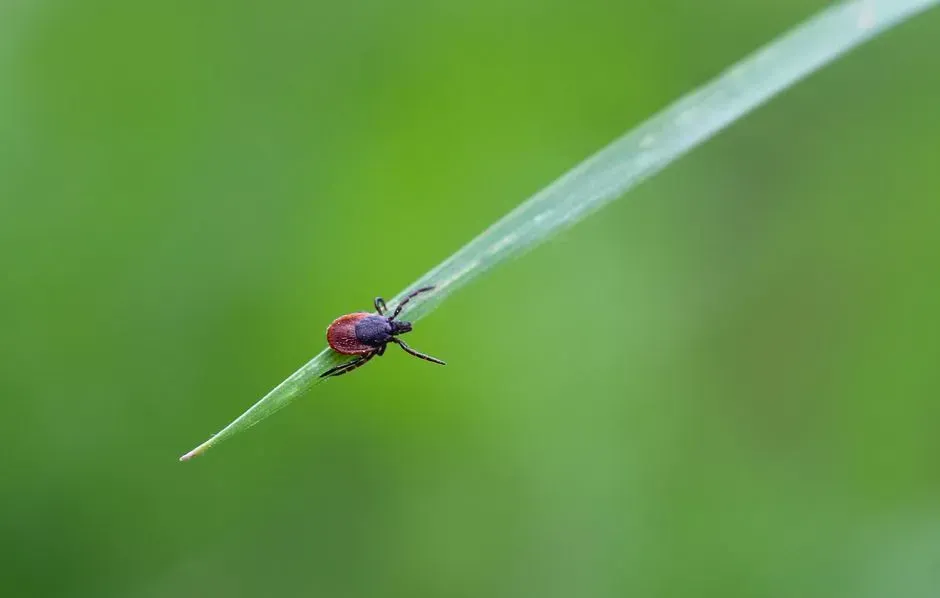
Europe and northern Asia are living through a version of this same story with a different disease. Tick-borne encephalitis, once confined to more temperate latitudes, has followed its host insects into territory that used to be far too cold. Health researchers tracking the shift note that tick expansion is promoted by the warmer winters in the last decade due to global warming, and ticks that carry the virus that causes tick-borne encephalitis have moved into northern subarctic regions of Asia and Europe.
An even stranger data point turned up in Germany a few years back, and it has stuck with researchers since. Scientists there discovered that tropical disease-carrying ticks were also found to have survived in Germany through the winter months, a discovery that could indicate these ticks are moving towards establishing themselves in new northern territories. A tick species built for tropical heat surviving a German winter is exactly the kind of anomaly epidemiologists watch closely, because it usually signals a broader shift already underway.
Dengue just had its biggest year on record
Dengue does not typically make headlines in temperate countries, but 2024 changed that conversation somewhat. Public health researchers confirmed that 2024 was definitely the largest on record, at least for dengue, though they were candid about the uncertainty going forward. As one researcher put it when discussing 2025 trends, “We didn’t know whether 2025 would be as significant as 2024 or whether we would see an abating”.
That uncertainty is worth sitting with, because it is a reminder that climate is one driver among several. Outbreak size also depends heavily on which viral strains are circulating and how much immunity a population has built up from prior exposure, and researchers describe a recurring pattern where a massive outbreak year is often followed by a few quieter ones before another surge arrives. Warming winters set the stage for wider mosquito range, but the size of any single year’s outbreak still hinges on these other, harder to predict factors.
The long-term mosquito map looks dramatically different
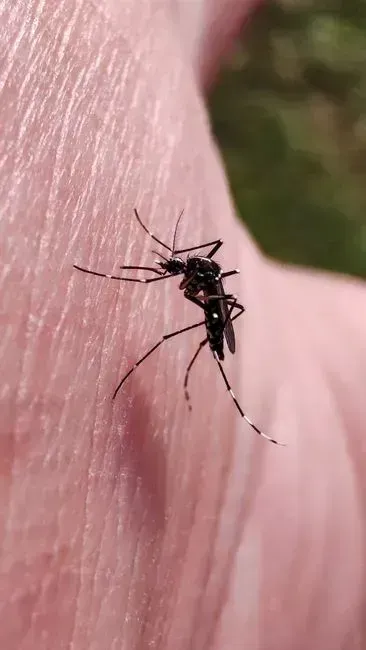
Zooming out from any single virus, the broader mosquito range picture is stark. Researchers who modeled decades of historical distribution data alongside climate projections found that by 2050, two of the world’s most dangerous disease-carrying mosquito species will expand enough to threaten Aedes aegypti and Aedes albopictus, will significantly expand their range, posing a threat to 49 percent of the world’s population. Nearly half the planet’s population living within reach of these species is a very different world than the one most current disease surveillance systems were designed for.
The speed of that spread is already measurable. The same team calculated that in the last five years, Aedes aegypti has spread northward in the U.S. at about 150 miles per year, and in Europe, Aedes albopictus has spread at a rate of 93 miles per year. Interestingly, human travel and migration are expected to drive most of the near-term spread, with climate change and urbanization becoming the dominant forces only after that initial wave settles in.
Epidemiologists are redrawing the risk maps clinicians rely on

Perhaps the most practical consequence of all this is that the maps doctors have used for decades to guide diagnosis are quietly becoming outdated. In the case of Valley fever, one recent report noted bluntly that the maps that clinicians have relied on for half a century to guide diagnosis of this disease have not been meaningfully updated since the 1970s. A physician in Oregon or Washington unfamiliar with a fungal infection historically tied to Arizona soil is far less likely to catch it early.
This lag between where diseases actually are and where medical training assumes they are is becoming a recurring theme across vector-borne illness generally. Public health researchers describe it plainly, noting that these changes extend the period during which humans and other hosts may be exposed to infectious bites, which increases overall disease risk, and taken together, these climate-driven changes are reshaping the geography, seasonality, and intensity of vector-borne diseases across the United States. Updating surveillance systems, training programs, and diagnostic checklists to match this new reality has become one of the quieter but more urgent projects in public health right now.
Final thoughts
None of this points to a single dramatic turning point. It is closer to a slow, steady redrawing of borders that most people never think about until a disease shows up somewhere unexpected. A tick in a place it has never been, a mosquito surviving a winter it once could not, a fungus drifting hundreds of miles from where textbooks say it should live.
What ties these threads together is not any one virus or fungus or insect, but the shrinking margin that cold weather once provided. That margin was never permanent to begin with, and epidemiologists tracking these shifts seem to agree on one thing above all: the maps will keep moving, and public health systems will need to keep pace with them rather than catch up after the fact.
