

- I Asked ChatGPT Which Extinct Animals Scientists Want to Bring Back First – Here’s What It Said - July 11, 2026
- The “Bomb Cyclone” Threat: Why These Storms Are Intensifying Faster Than Ever - July 11, 2026
- The “Off-Grid Boom”: Why More Families Are Quietly Disconnecting From Utilities - July 11, 2026
Urban Coyotes and the Rise of Fast-Food Scavenging
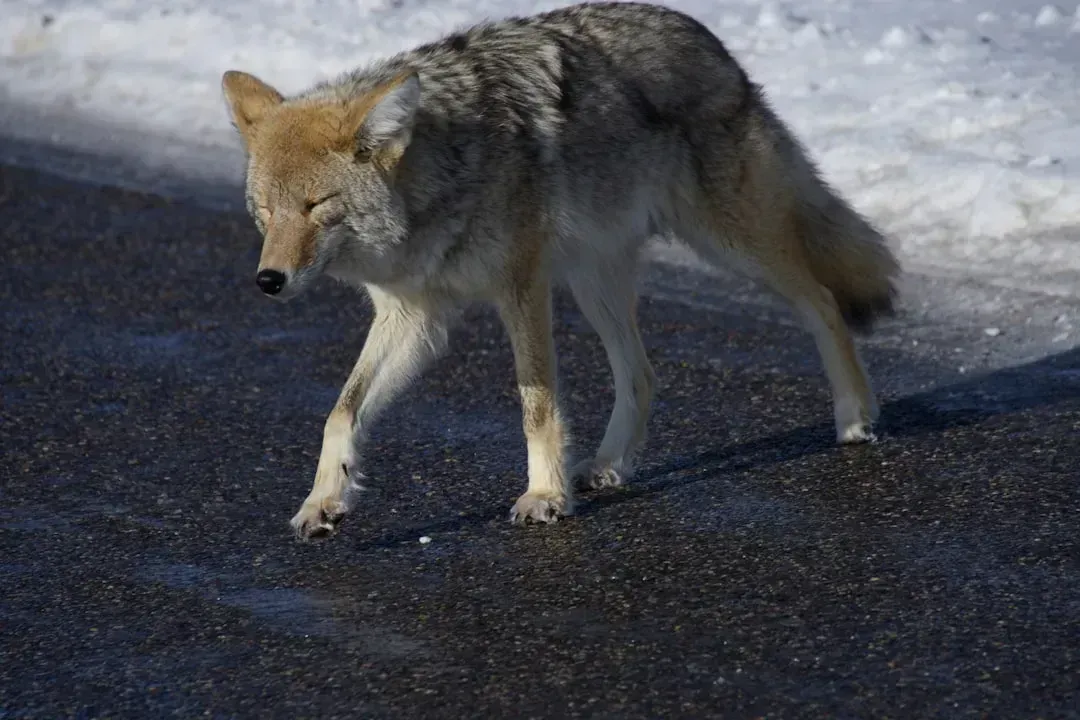
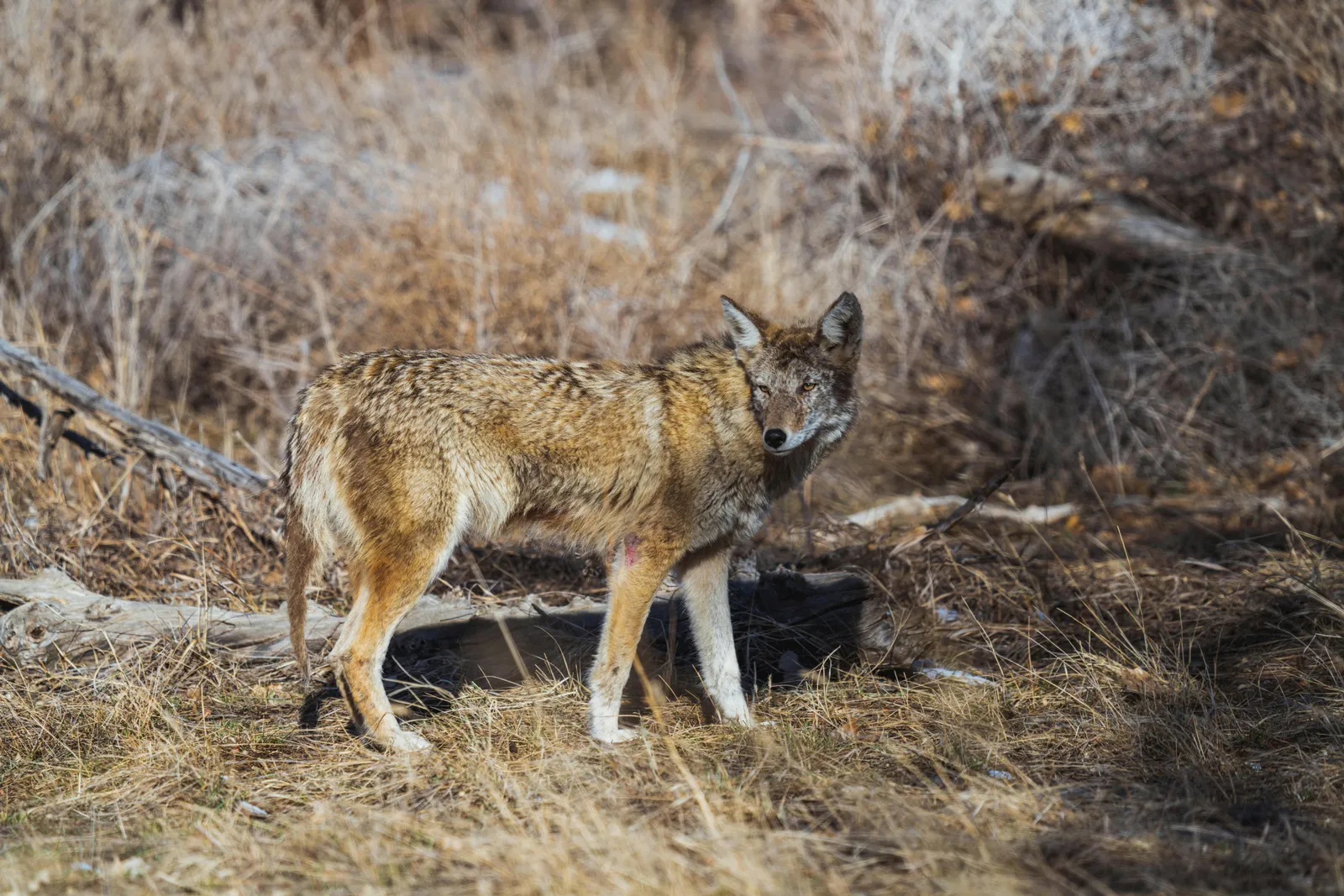
Coyotes were built for chasing rabbits and rodents across open plains, not picking through takeout bags behind restaurants. Yet a multi-year study by California State University Northridge and the National Park Service found that human food resources including garbage, ornamental fruits, and domestic cats accounted for between 60 to 75 percent of urban coyote diets. Researchers used two methods, scat dissection and stable isotope analysis of whiskers, because scat can only tell so much about an animal’s diet since it doesn’t preserve foods that are highly digestible, like burgers or bread.
The isotope data told a striking story on its own. Analyses of whisker tissues indicated that in both urban and suburban areas, a hefty 38 percent of coyotes’ diet could be coming from human leftovers. Fast food wrappers themselves turned up constantly in the samples, showing up in a large share of scat collected across the Los Angeles region. It’s a reminder that adaptability, not raw predatory skill, is what has let coyotes colonize nearly every American city.
Herring Gulls Learning to Steal Chips (and Read Packaging)
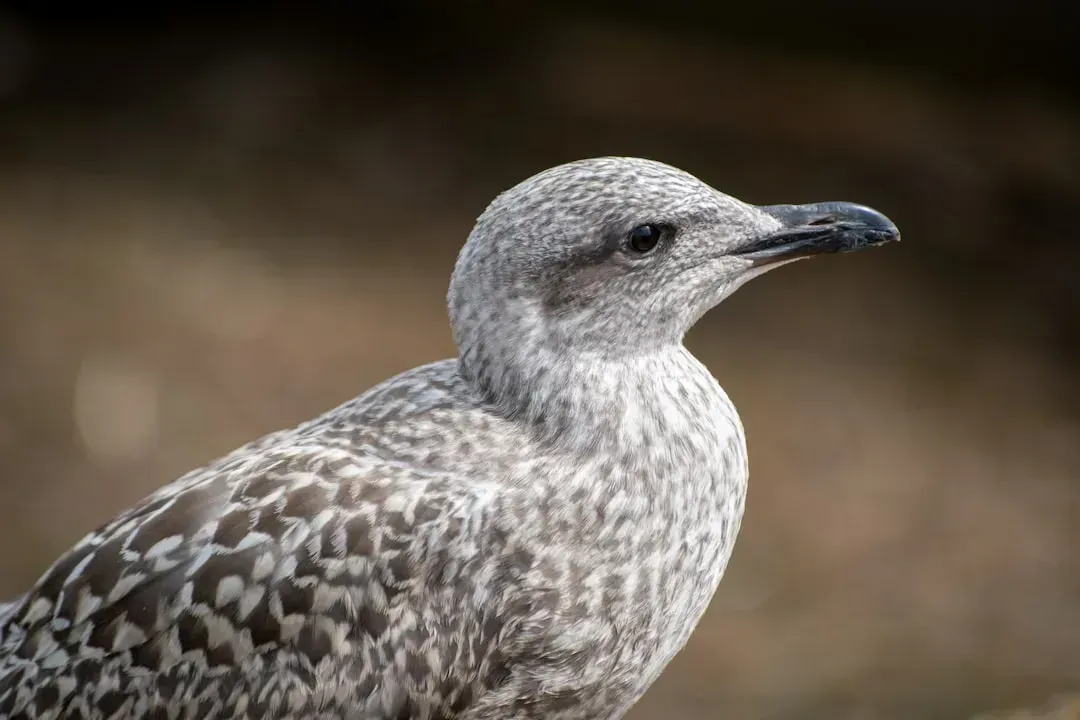
Herring gulls have never been shy about grabbing an unattended lunch, but a 2023 University of Sussex study revealed something more calculated than opportunism. Researchers placed a blue and a green crisp packet near gulls on Brighton’s seafront, then had a person eat from one of the colors nearby. As Sussex neuroethologist Paul Graham put it, “we rarely see animals learning from a totally different species when it comes to food preferences. Gulls didn’t evolve to like chips.”
The results were almost eerie in their precision. Gulls that approached the packets chose the same color bag as the one from which the experimenter ate 95% of the time. This behavior is layered on top of a broader lifestyle shift, since herring gulls have changed their habits, from being largely coastal to coming inland and feeding from landfill sites. Chips, in other words, are not just an easy snack, they’re a food source gulls have learned to hunt for by watching us.
Sri Lankan Elephants and the Deadly Lure of Garbage Dumps
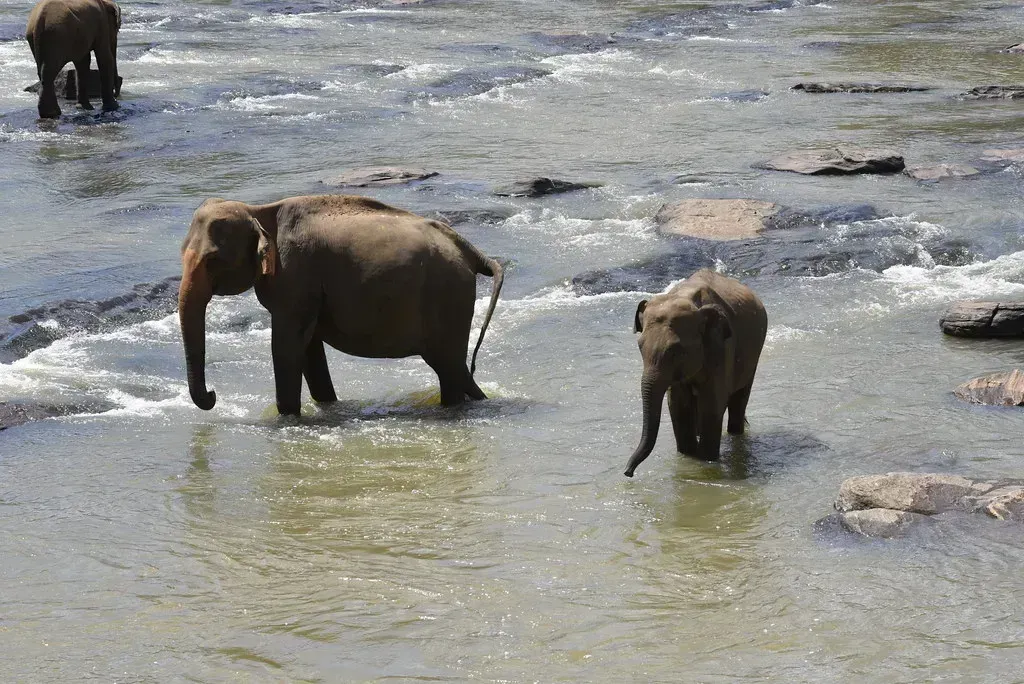
Nothing on this list carries higher stakes than what’s happening at open landfills in eastern Sri Lanka. Wild elephants, drawn by the smell of discarded food, have taken to foraging directly through trash piles, and the consequences have been fatal. Wildlife veterinarian Nihal Pushpakumara has documented the damage firsthand, noting that “polythene, food wrappers, plastic, other non-digestibles and water were the only things we could see in the post mortems” of elephants that died at one dump site.
The scale of this behavioral shift is larger than a handful of unlucky animals. Researchers surveying the country found 54 open garbage dumps visited by elephants, and one analysis estimated a population of roughly 1,000 elephants now regularly feeding on refuse across those sites. Around 20 elephants have died over the last eight years after consuming plastic trash in the dump in Pallakkadu village alone, a grim illustration of how quickly a learned food habit can turn into a survival trap.
Kea Parrots Trading Alpine Foraging for Rubber and Snacks
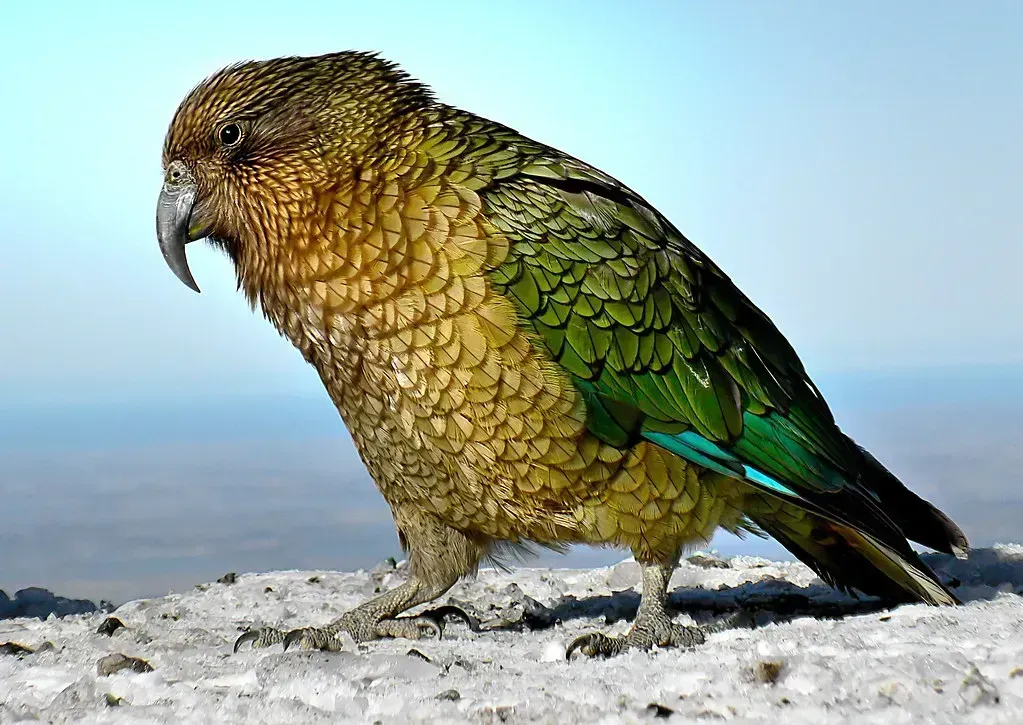
New Zealand’s kea, the world’s only alpine parrot, evolved to dig grubs out of rotten logs and scavenge carcasses in the Southern Alps. Somewhere along the way, this famously curious bird also developed a taste for car parts and processed snacks left behind by tourists. Conservation officials have watched the pattern closely, and Department of Conservation staffer Bruce McKinlay has observed that “kea can adapt their behaviour to explore new things in their environment very quickly. However, from an evolutionary perspective, humans and kea have only shared the land for the blink of an eye. People bring objects into the environment and create situations that kea are not really biologically equipped to handle.”
The rubber fixation isn’t random destruction either. One researcher who studies the birds noted that keas seem to work out that food might be hidden inside a vehicle, since they are apparently smart enough to realize that if they are denied food by traveling humans, that food may remain inside the vehicle, hence the toying with and ripping of rubber parts. Bread and other starchy human snacks are easy for kea to digest partly because they belong to one of the only omnivorous parrot lineages on Earth, a trait originally shaped by scarce alpine fruit rather than by tourist handouts.
White-Tailed Deer Turning Opportunistic Carnivores
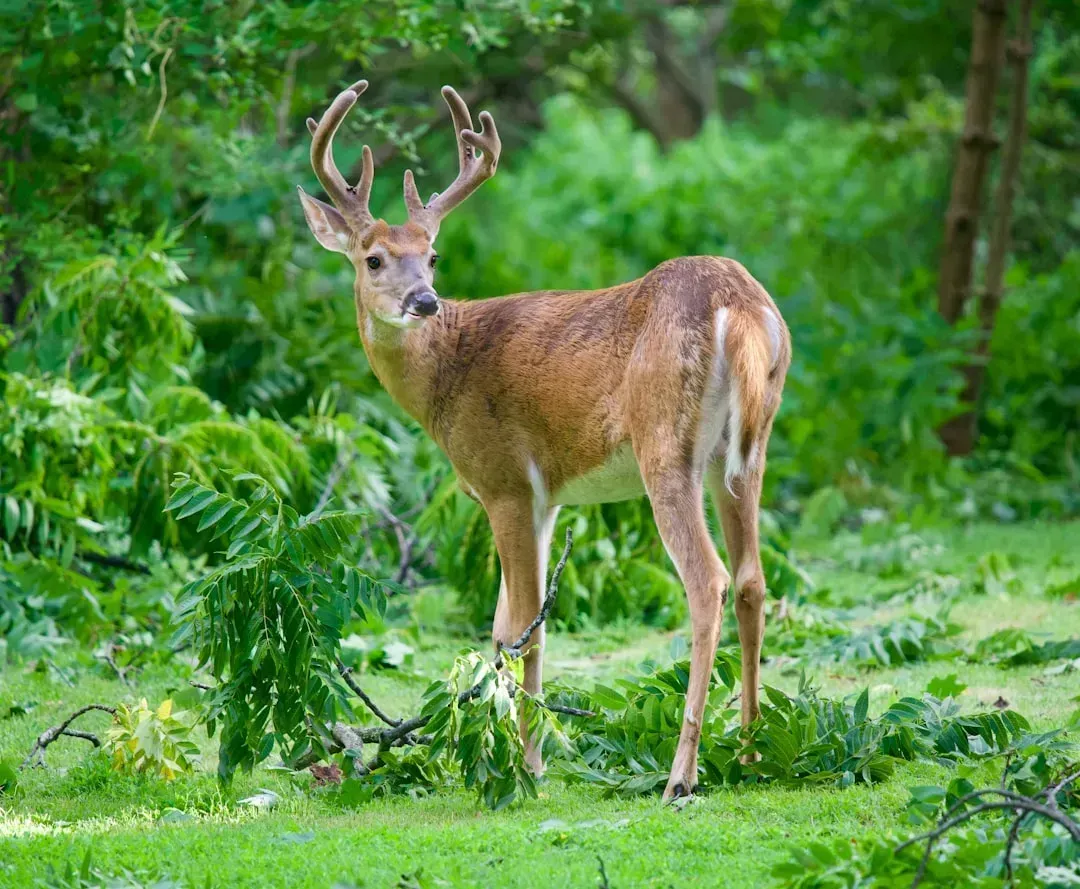
Few animals seem less likely to eat meat than a white-tailed deer, an herbivore built around a four-chambered stomach designed for digesting plant fiber. Yet field researchers keep documenting deer chewing on things that have nothing to do with grass or acorns. A North Dakota nest-camera study looking at predation on songbirds found a surprising culprit, since researchers discovered that deer were the main raiders of the nests they set their cameras on, and to the surprise of the researchers, deer ate the nestlings and un-hatched eggs too.
This isn’t an isolated quirk of one population. Deer along coastlines and lakeshores have been observed doing something similar with fish carcasses, and one long-running account notes that white-tail deer have been recorded eating injured birds, bird nestlings, quail eggs, carrion (especially dead fish), and insects. Scientists believe the behavior often traces back to a mineral shortfall, since deer may reach for protein-rich flesh when their usual diet can’t supply enough phosphorus or calcium, particularly in lean winter months.
Red Foxes Thriving on Urban Takeaway Leftovers
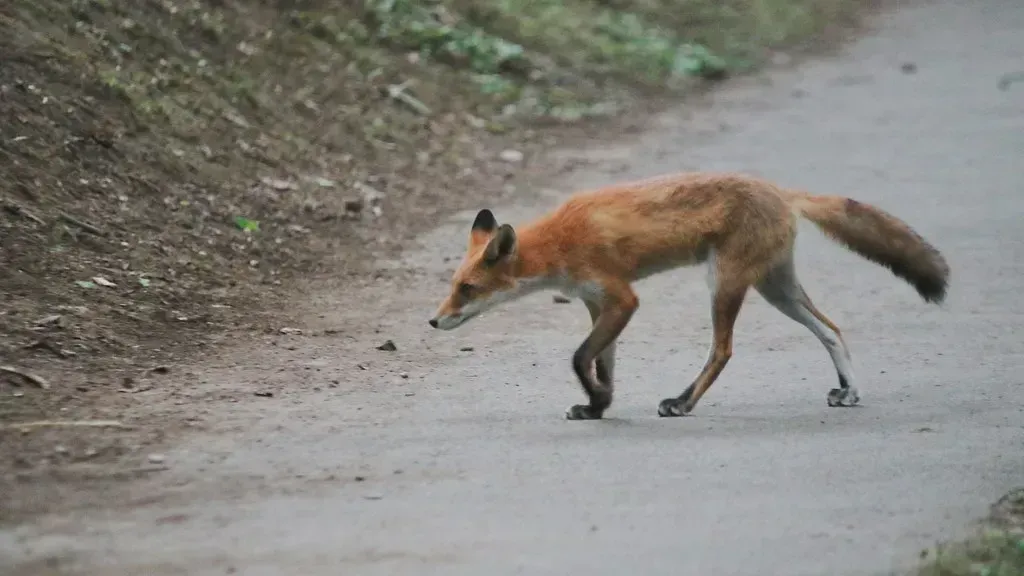
Red foxes have colonized cities across Britain, Europe, and parts of North America partly because they’ve stopped relying on the small mammals and insects that once made up the bulk of their diet. In urban neighborhoods, foxes now regularly patrol bins, gardens, and the areas behind restaurants for discarded fried chicken, bread, and other takeaway remnants. This dietary flexibility isn’t new to canids generally, but foxes have shown a particular knack for timing their foraging around human schedules, appearing near bins on collection nights or lingering by late-night food outlets when leftovers are most plentiful.
What makes fox adaptation notable to biologists is how little it seems to cost them in terms of body condition. Urban foxes often maintain healthy weights and reproductive rates despite diets heavy in processed carbohydrates and fats that bear no resemblance to the small rodents and berries their rural cousins depend on. Their success illustrates a broader pattern seen across this list: species with naturally varied, opportunistic feeding strategies tend to be the ones that slide most easily into human-dominated food webs.
Raccoons Rewiring Their Diet Around Human Trash
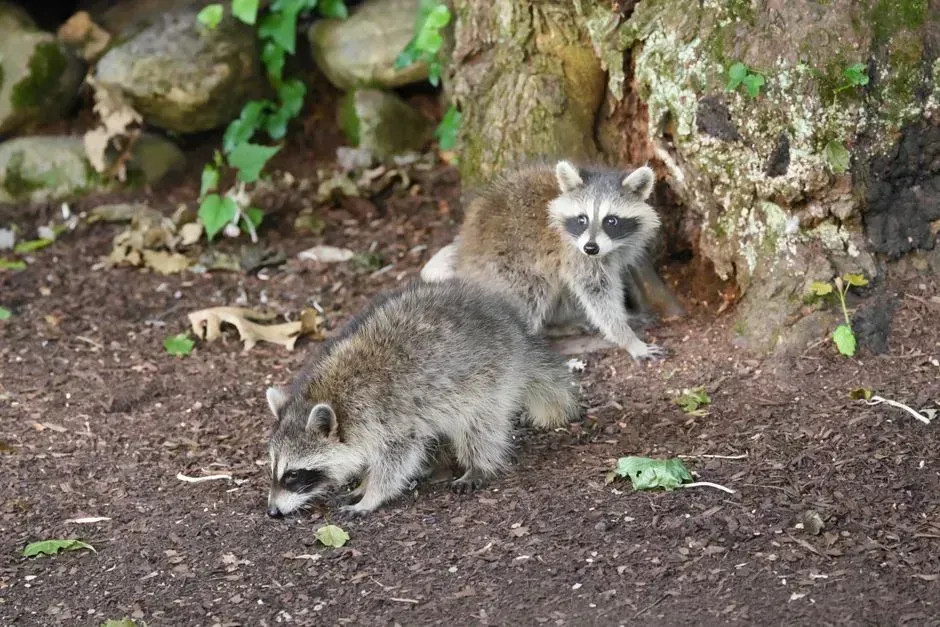
Raccoons were already generalist omnivores before cities existed, eating crayfish, eggs, fruit, and insects depending on season and location. What’s changed is the sheer proportion of their calories now coming from garbage cans, pet food bowls, and compost bins in suburban and urban settings. Their famously dexterous front paws, originally adapted for foraging along streambanks, turn out to be remarkably well suited for popping open trash can lids and manipulating latches, a mechanical skill set that happens to translate perfectly into a human-built environment.
This shift has practical consequences that researchers are still tracking. Raccoons that rely heavily on processed human food tend to concentrate in smaller home ranges than their rural counterparts, since a reliable trash source removes the need to travel far for calories. That concentration, in turn, can increase disease transmission risk within local raccoon populations, an unintended side effect of a species simply following the easiest available food.
Black Bears and the Campground Buffet
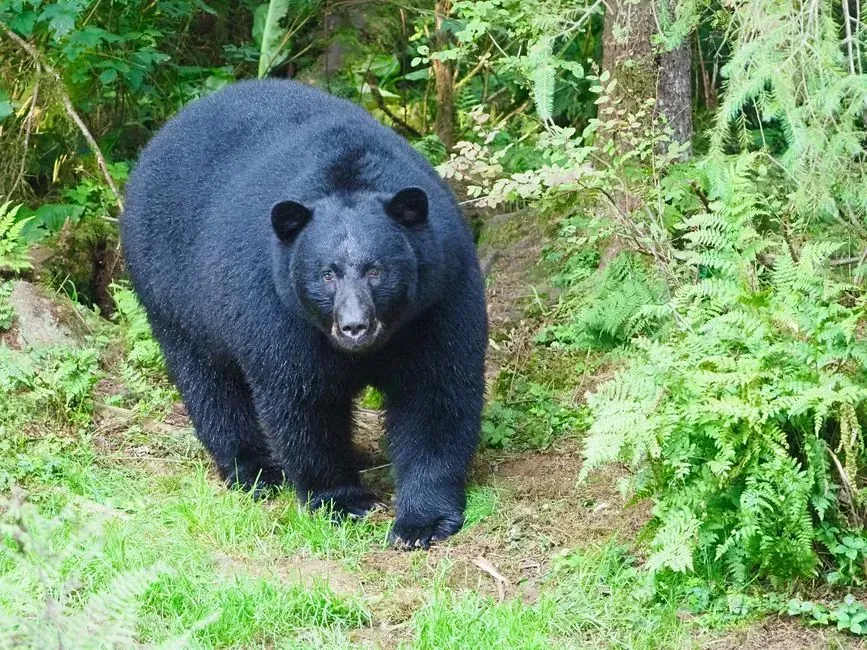
Black bears across North America have built a reputation for raiding coolers, dumpsters, and campsite food stashes, a behavior that puts them squarely on this list. Bears possess an extraordinarily powerful sense of smell, one that can detect food sources from remarkable distances, which makes campground kitchens and picnic areas nearly impossible to hide from a determined animal. Wildlife agencies in bear country have spent decades developing bear-proof canisters and food storage regulations specifically because bears learn quickly which human spaces reliably produce calories.
The concern among wildlife managers isn’t just property damage or safety incidents, though those matter too. Bears that become food-conditioned to human sources often lose their natural wariness, approaching campsites and residential areas more boldly over time. Once that pattern sets in, relocation efforts frequently fail because the bear has learned to associate people with an easy meal rather than a threat to avoid.
Long-Tailed Macaques and the Tourist Snack Economy
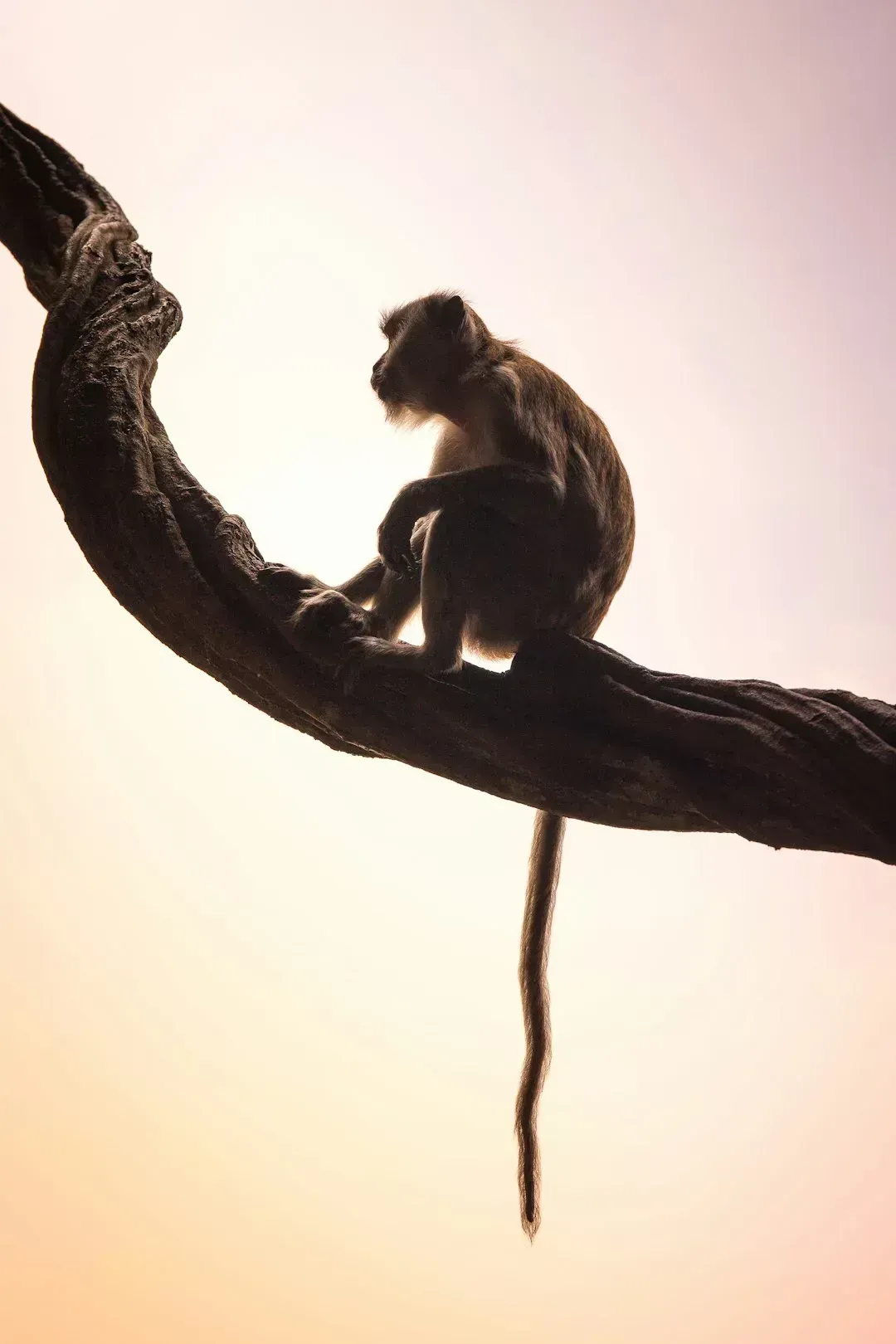
Long-tailed macaques across Southeast Asia, particularly at temple sites and tourist attractions in Indonesia and Thailand, have built entire foraging strategies around human visitors. Troops in heavily visited areas now spend a notable share of their day near paths and food stalls rather than foraging in forest canopy the way their ancestors did. Researchers studying these populations have documented macaques learning to snatch sunglasses, phones, and bags specifically because tourists will trade snacks to get the item back, a behavior some primatologists describe as a form of learned bartering.
The dietary shift carries real health tradeoffs for the monkeys. Diets heavy in processed sugar and starch from tourist handouts have been linked to higher rates of obesity and dental problems in some macaque populations compared to troops living farther from human activity. It’s a case where behavioral flexibility, the very trait that makes macaques so successful around people, ends up working against their long-term physical health. Across all nine cases, a common thread emerges. Animals with naturally flexible, opportunistic feeding strategies are the ones most able to fold new, unnatural foods into their diets, often within a single generation. That adaptability can look impressive from a distance, but biologists studying these shifts consistently flag the same trade-off: easier calories today can mean serious health, safety, or survival costs tomorrow. As human development continues to press into wild spaces, the line between an animal’s natural diet and its actual diet looks likely to keep blurring rather than settling back into place.
