A Number That Refuses To Move
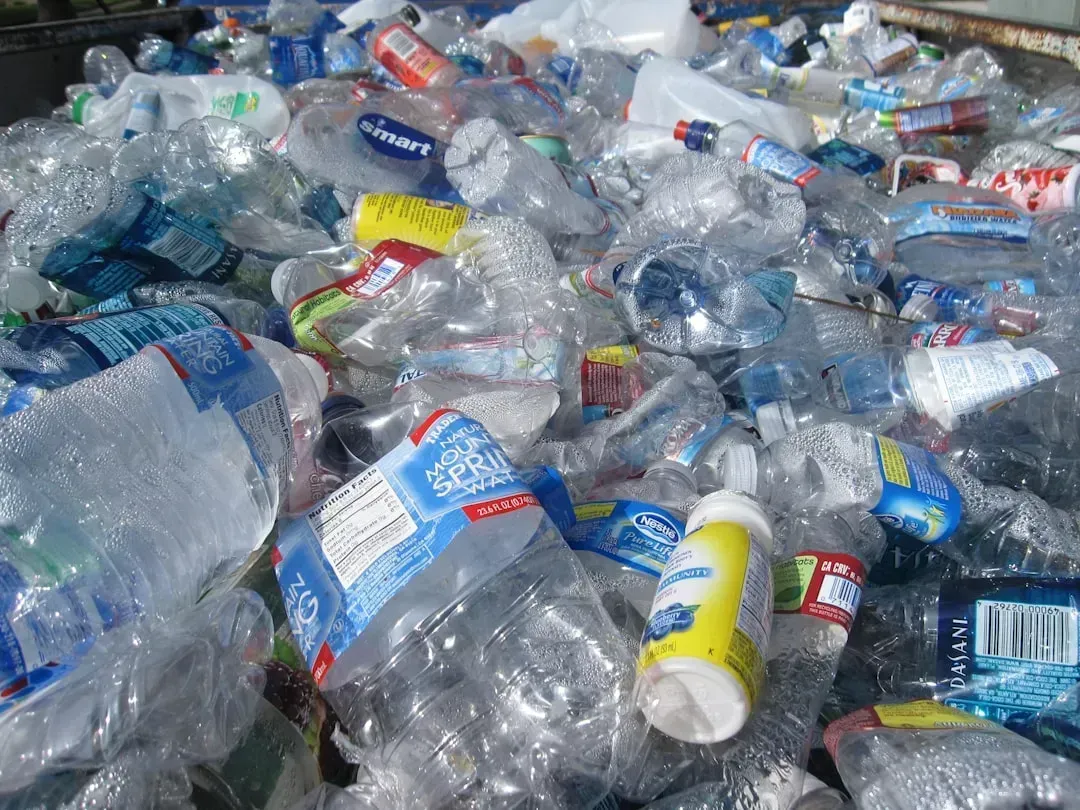
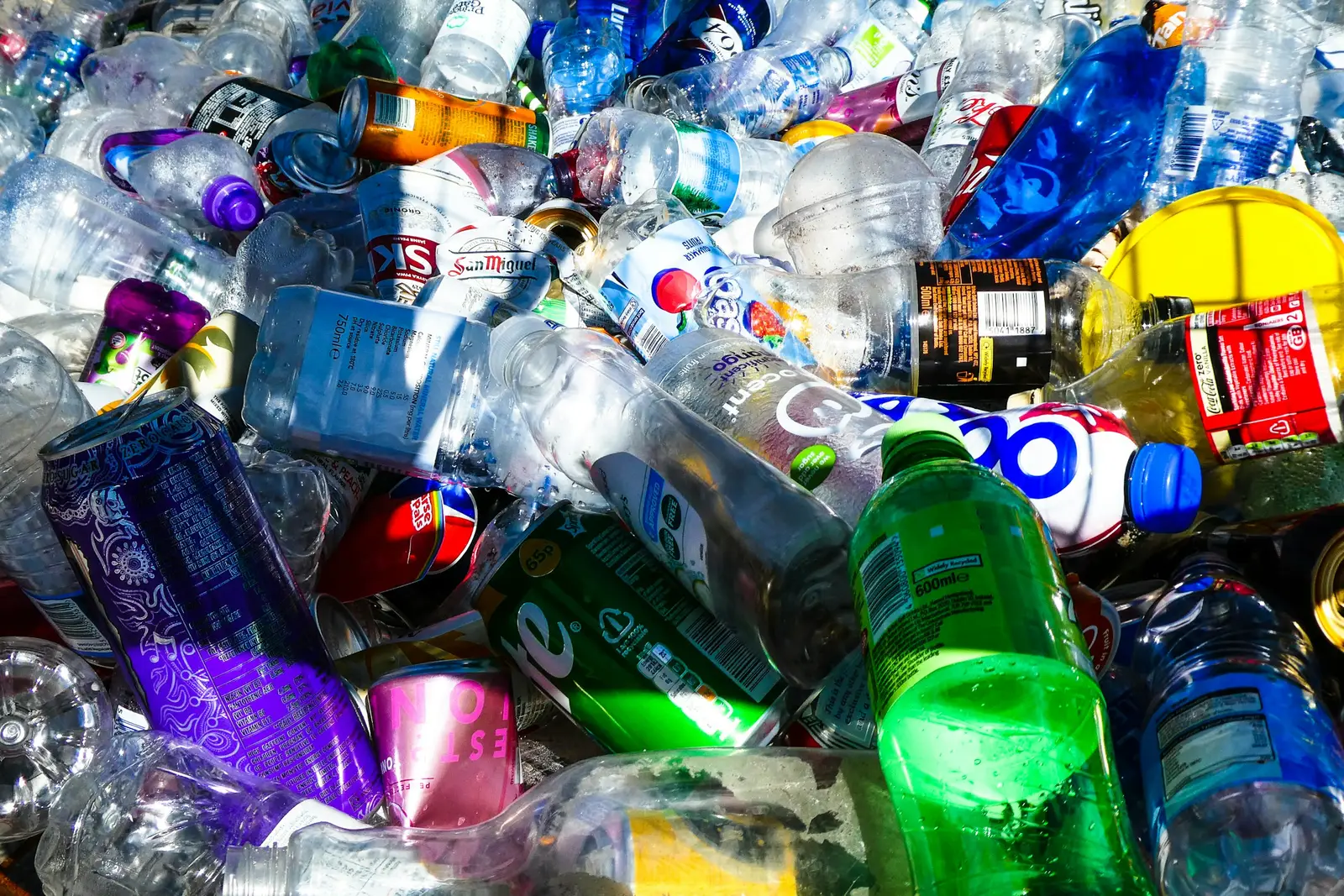
A 2025 study from researchers at Tsinghua University, published in the journal Communications Earth & Environment, offered one of the most detailed pictures yet of the global plastics supply chain. Global plastic recycling rates are now stuck at under 10 percent, a comprehensive new study shows, with plastic production having exploded in the meantime. The researchers found that just 9 percent of the 437 million tonnes of new plastic produced in 2022 came from recycled materials.
The United States fares even worse. The US, the largest consumer of plastic per capita, has one of the world’s lowest recycling rates at just 5 percent reuse, and the situation worsened after China imposed a ban on plastic waste imports in 2018. Older figures make the decline even clearer. Plastic recycling rates in the United States have been cut in half since 2014, dropping from 9.5 percent to roughly 5 to 6 percent today.
Awareness Has Never Been Higher
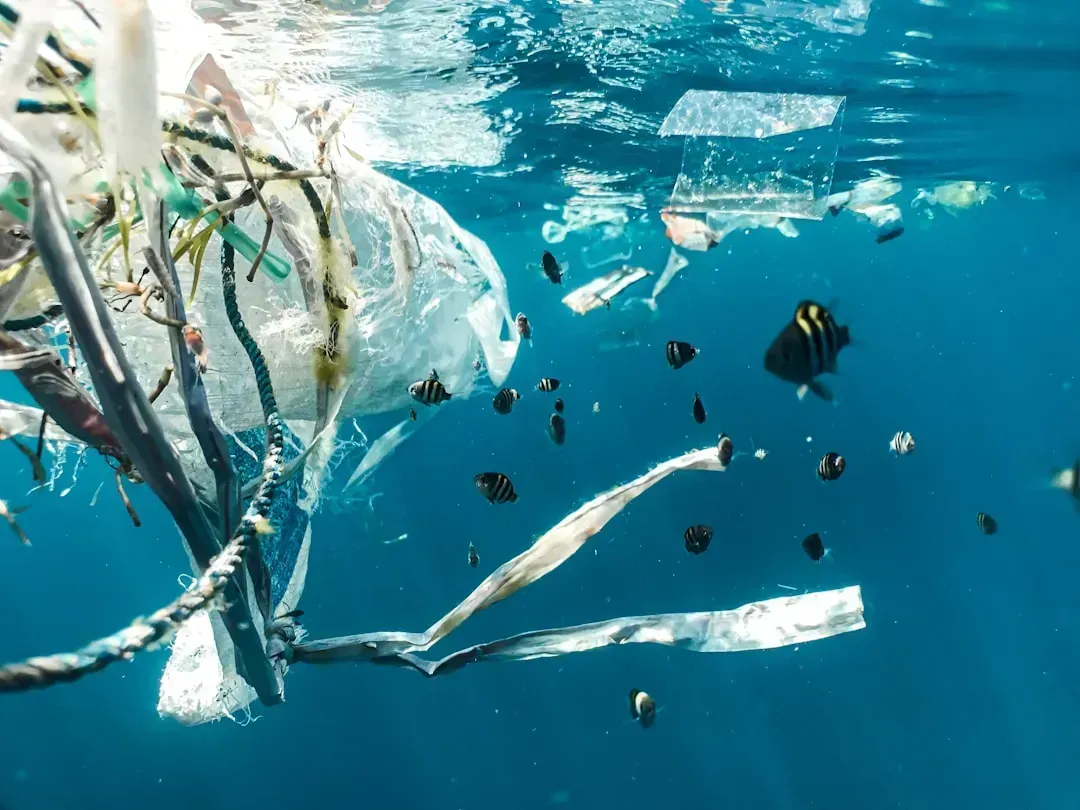
None of this is happening because people have stopped caring. If anything, concern about plastic pollution has become one of the more consistent findings in environmental polling. An Ipsos survey commissioned by WWF and the Plastic Free Foundation found that an average of 85 percent of respondents want unnecessary, avoidable, and harmful single-use plastics banned worldwide through a Global Plastics Treaty.
Domestic surveys echo that mood. In one 2024 consumer poll, around 79 percent of respondents thought brands should be doing more to tackle plastic pollution, while 84 percent said they were somewhat or very concerned about microplastics and their effects on human health. People are paying attention. The trouble is that attention alone does not build sorting facilities or change the economics of virgin plastic.
The China Shock and Its Long Shadow
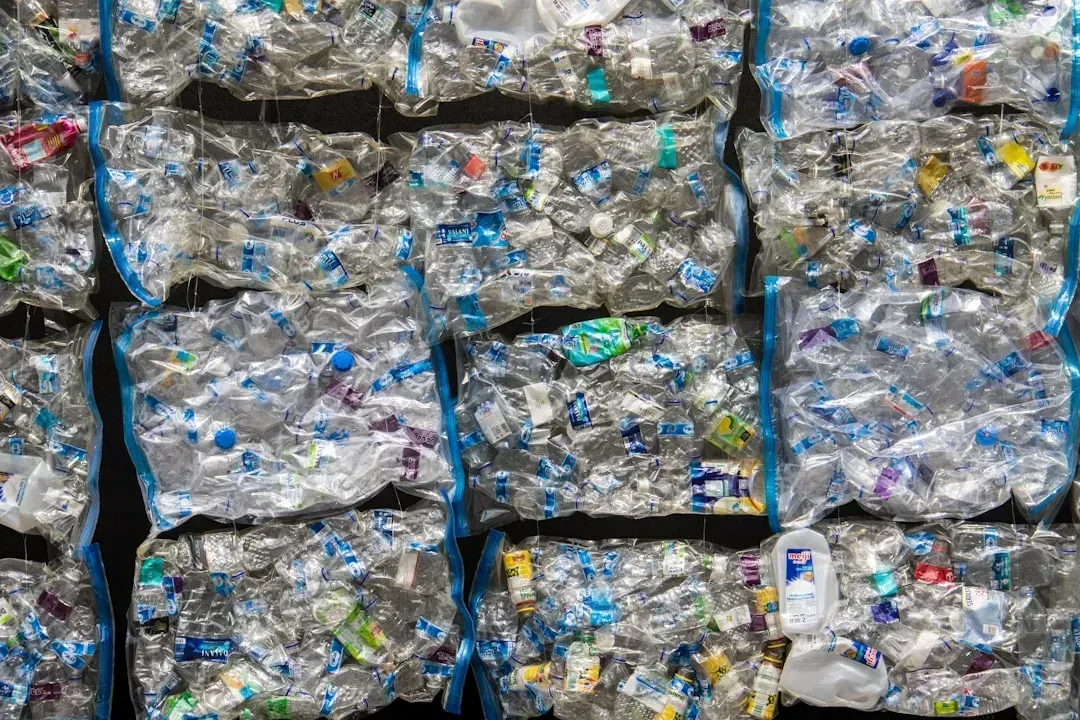
For years, a large share of what Americans and Europeans tossed into recycling bins was shipped overseas, mostly to China, for processing. That system collapsed abruptly. Plastic recycling was estimated to have declined to about 5 to 6 percent in 2021, down from a high of 9.5 percent in 2014 and 8.7 percent in 2018, a period when the US exported millions of tons of plastic waste to China and counted it as recycled even though much of it was burned or dumped.
When China closed its doors to foreign scrap, the domestic recycling industry in the US and elsewhere was left scrambling for buyers and processing capacity it never had to build at scale. Some of that material found new destinations in Southeast Asia, but many of those countries eventually tightened their own import rules too. The result was less a smooth transition and more a slow unraveling of a system that had quietly depended on someone else doing the hard, dirty work of sorting.
Wish-Cycling and the Contamination Problem

Ask most people what happens after they toss a greasy pizza box or a half-empty shampoo bottle into the recycling bin, and they will assume it gets sorted out downstream. That assumption is often wrong. Food smeared onto plastic, labels, and other kinds of contamination further impede the process at recycling facilities.
This habit of tossing questionable items into the bin and hoping they get recycled has earned its own nickname among waste professionals: wish-cycling. Contaminated loads can spoil an entire batch of otherwise recyclable material, forcing facilities to send the whole thing to landfill. It is a case where good intentions, applied without accurate information, can actively undermine the system they are meant to support.
Too Many Plastics, Too Few Real Markets
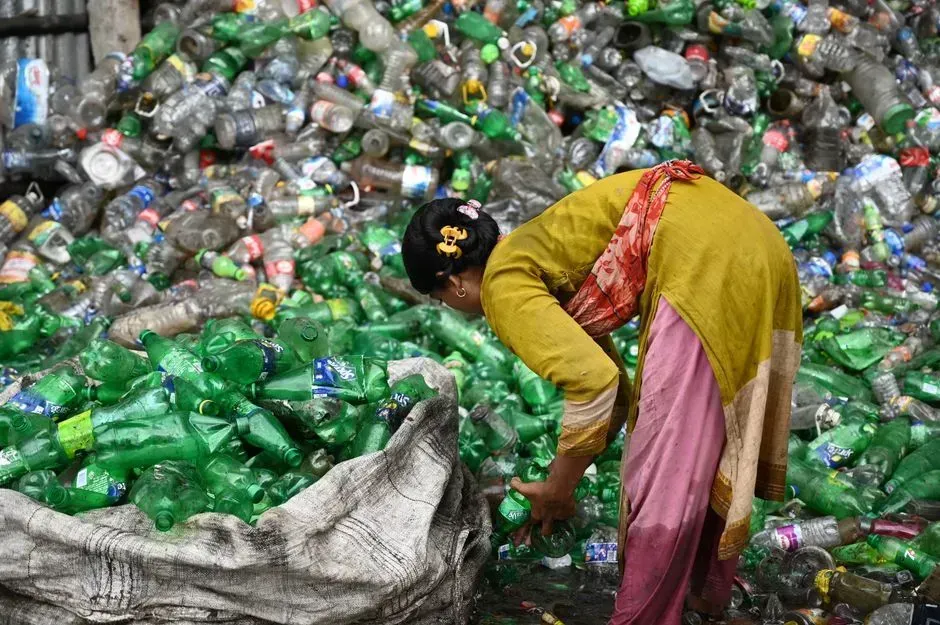
Not all plastic is created equal, and that variety is a major part of the problem. Under the standard used by the Ellen MacArthur Foundation’s New Plastic Economy Initiative, an item must have a 30 percent recycling rate to be classified as recyclable, yet two of the most common plastics in the US, PET number 1 and HDPE number 2, only achieve reprocessing rates of 20.9 percent and 10.3 percent respectively.
Most other plastic types fall even further behind. A shampoo bottle can combine several different resins with different melting points, which makes mechanical sorting difficult and expensive at any meaningful scale. Even when materials are technically recyclable in a lab sense, there often isn’t a functioning market willing to buy the resulting output, which leaves processors with a pile of sorted plastic and nowhere profitable to send it.
The Economics Nobody Wants To Talk About
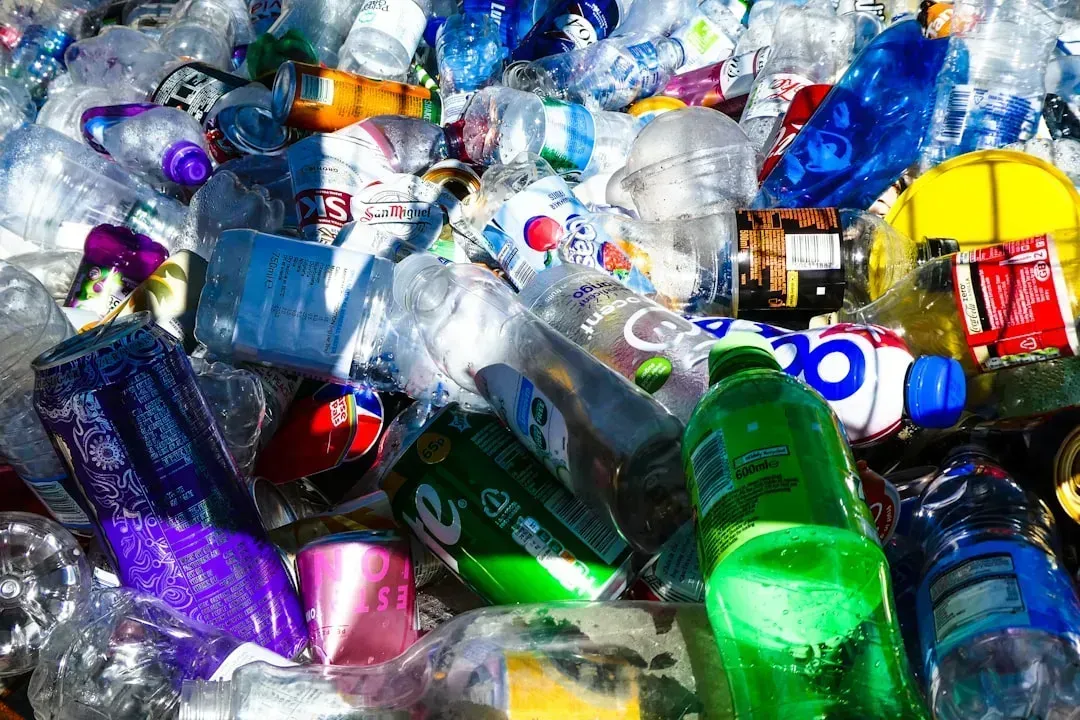
Underneath all the technical hurdles sits a blunter problem: money. Virgin plastic can often be cheaper to work with than recycled plastic, largely due to fluctuating oil prices, and this discourages investment in recycling infrastructure and technology, keeping recycling rates low.
That price gap has real consequences for what gets built and what gets funded. When oil prices dip, virgin resin becomes even more attractive relative to recycled content, and recyclers who invested in sorting and processing capacity can suddenly find themselves undercut. Some 2025 industry analysts note that rising landfill tipping fees and new taxes on virgin plastic in a handful of markets are starting to shift that math, but the underlying imbalance has not gone away for most of the country.
Access Gaps Nobody Chose
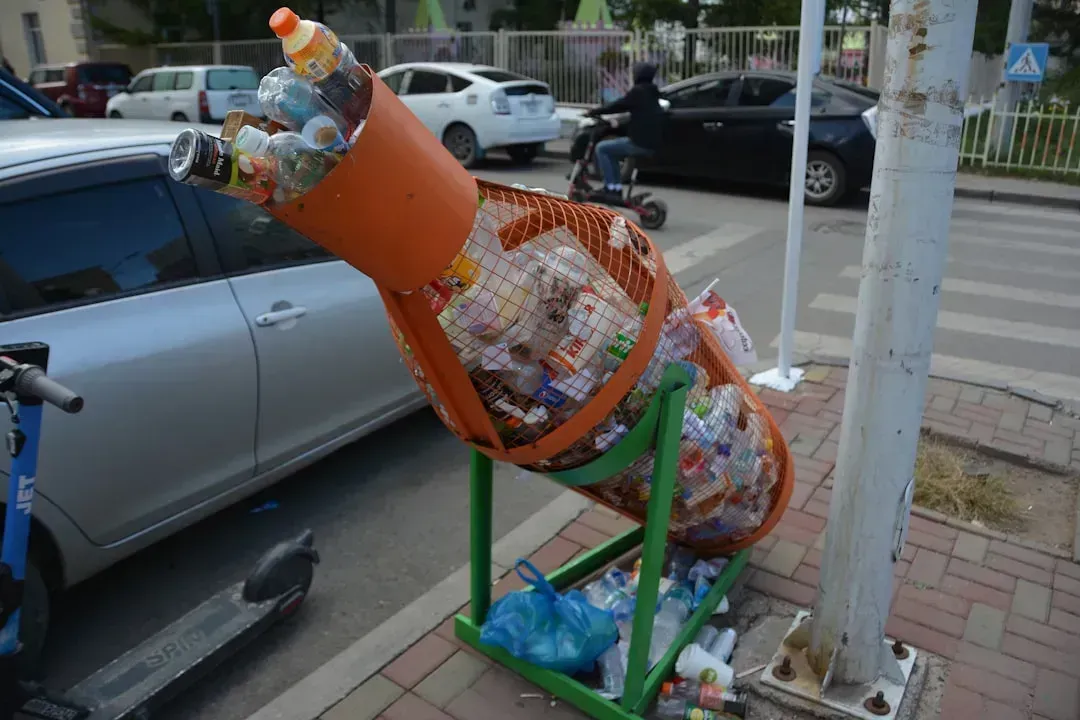
Even people who want to recycle correctly cannot always do so, because the infrastructure simply is not there. A December 2025 Greenpeace USA report found that up to 43 percent of US households lack access to basic recycling services, and participation in recycling is also decreasing.
The processing side is just as constrained. Of the 380 municipal recycling facilities nationwide, only 46 are capable of processing common consumer plastics, and only one of six advanced recycling plants can handle mixed post-consumer waste, meaning even at full capacity these facilities cannot meet the 60 percent recycling rate required by law in some states. That mismatch between legal targets and physical capacity helps explain why ambitious state goals keep slipping.
Corporate Pledges, Quiet Retreats
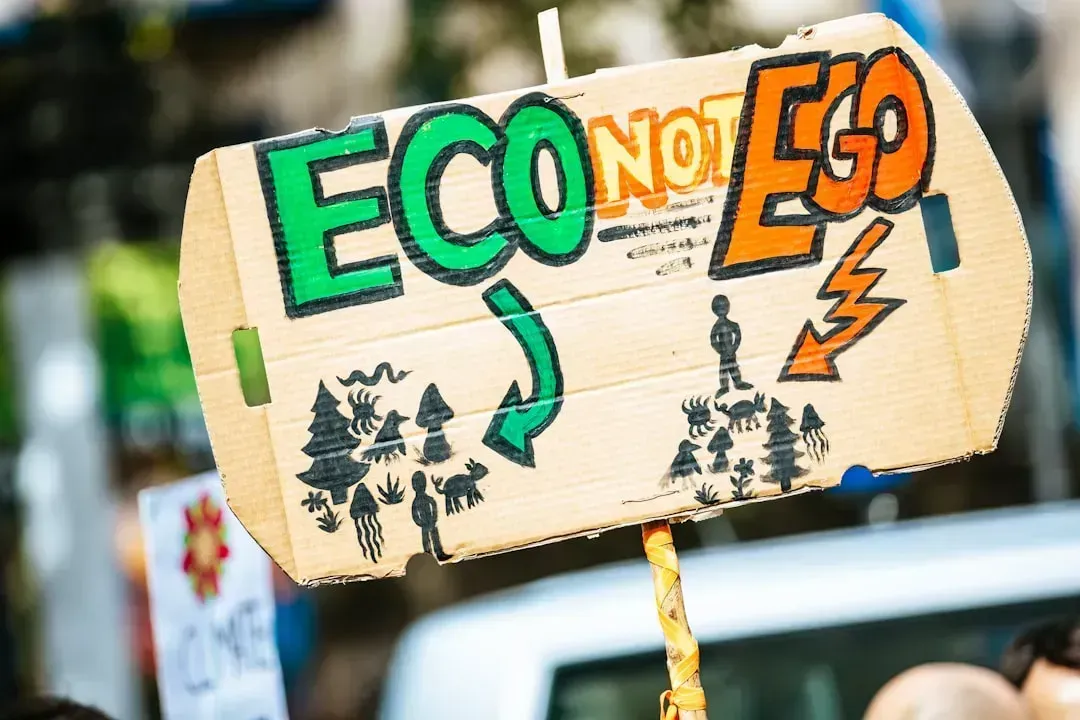
Major consumer brands have spent years promoting recycling as the solution to plastic waste, often through partnerships with industry groups. That messaging has not always matched internal behavior. Major brands like Coca-Cola, Unilever, and Nestlé have been quietly retracting sustainability commitments while continuing to rely on single-use plastic packaging.
Lobbying efforts tell a similar story. McDonald’s, Coca-Cola, Kraft Heinz, Mondelez, McCormick, Molson Coors, and Ball Corporation were among 138 corporations that sent a private letter urging European leaders to delay and weaken the Packaging and Packaging Waste Regulation. Corporate sustainability reports and public policy positions do not always point in the same direction, and that inconsistency has become harder to ignore.
States Try A Different Fix: Extended Producer Responsibility
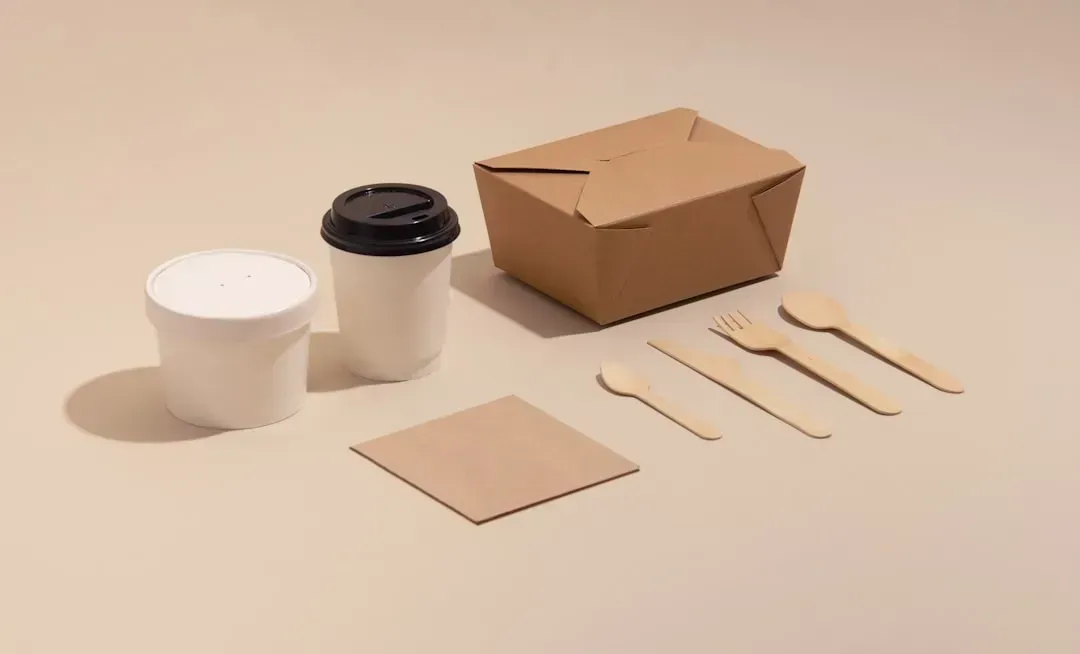
Frustrated by decades of voluntary pledges that never quite delivered, a growing number of US states have shifted toward a legal mechanism called extended producer responsibility, or EPR, which makes companies pay for the end-of-life management of their own packaging. By late June 2026, seven states had enacted comprehensive packaging EPR laws, including California, Colorado, Maine, Maryland, Minnesota, Oregon, and Washington, though the movement remains state-led rather than governed by one national statute.
The approach has not gone unchallenged. In February 2026, a federal court granted a preliminary injunction against Oregon’s Recycling Modernization Act after industry groups argued the law violated due process and burdened interstate commerce. Across the Atlantic, the European Union is moving in a similarly firm direction, with its new Packaging and Packaging Waste Regulation set to take effect on August 12, 2026, imposing broad rules including recyclability requirements, reuse targets, and a PFAS ban in food packaging.
What It Would Actually Take To Close the Gap
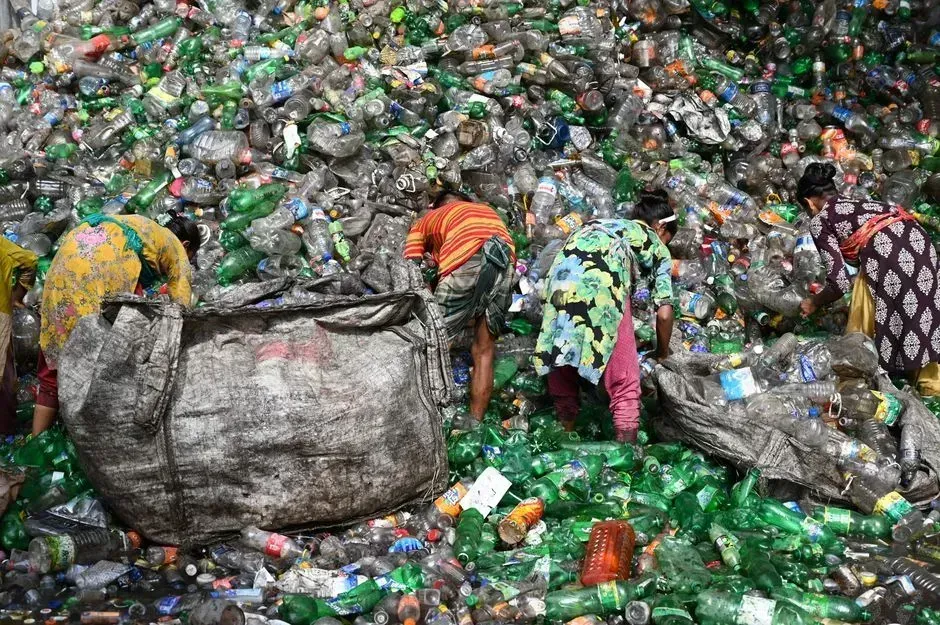
Fixing the paradox is less about convincing people to care and more about rebuilding a system that was never designed to handle today’s volume or variety of plastic. Some of the more credible paths forward involve product design that limits the number of resin types used in a single package, stronger price signals that make recycled material genuinely competitive with virgin resin, and continued investment in sorting technology like AI powered optical scanners and robotics.
None of these fixes are quick, and none of them are free. What the last several years have made clear is that public concern, however sincere, cannot substitute for the physical infrastructure, market demand, and regulatory pressure needed to actually turn a used bottle into a new one. The paradox will likely persist until those underlying pieces move as fast as public opinion already has.

