
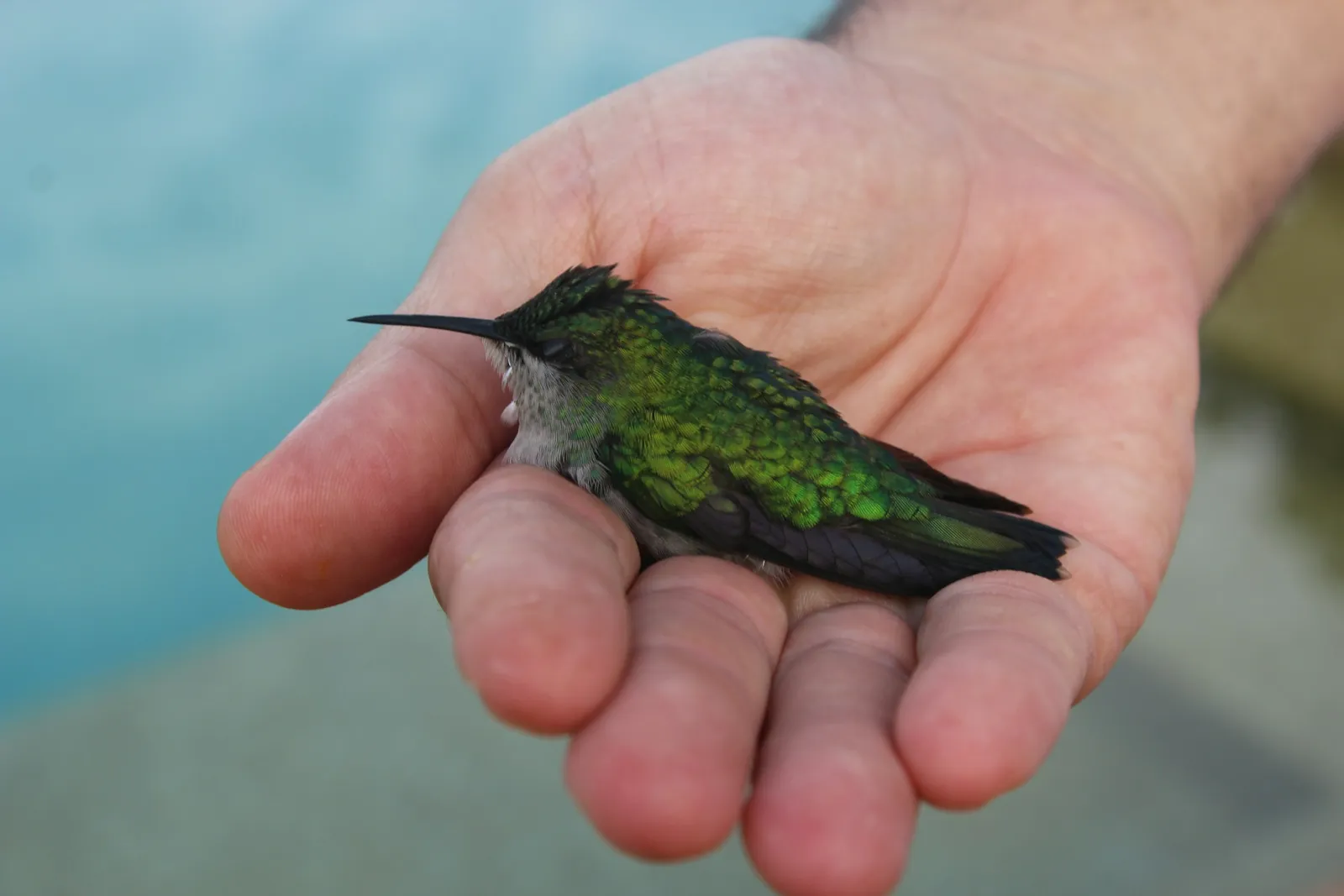
A hummingbird can’t coast through the night the way most birds do. It’s tiny and burns energy fast, and it has no fuel supply until the flowers open again. So the bird does something that looks a lot like shutting itself down.
The state is called torpor. Researchers have spent years measuring it in the lab and in the wild, and each study has added detail about how precisely these birds control it.
A Body Temperature Drop of About Twenty Degrees

A hummingbird’s normal daytime body temperature is more than 100 degrees Fahrenheit, even in colder weather. That’s a hot, expensive engine to keep running overnight.
In shallow torpor, body temperature drops by about 20 degrees Fahrenheit. That’s a large saving for a bird that weighs only a few grams.
Deep Torpor Is Rare Among Birds
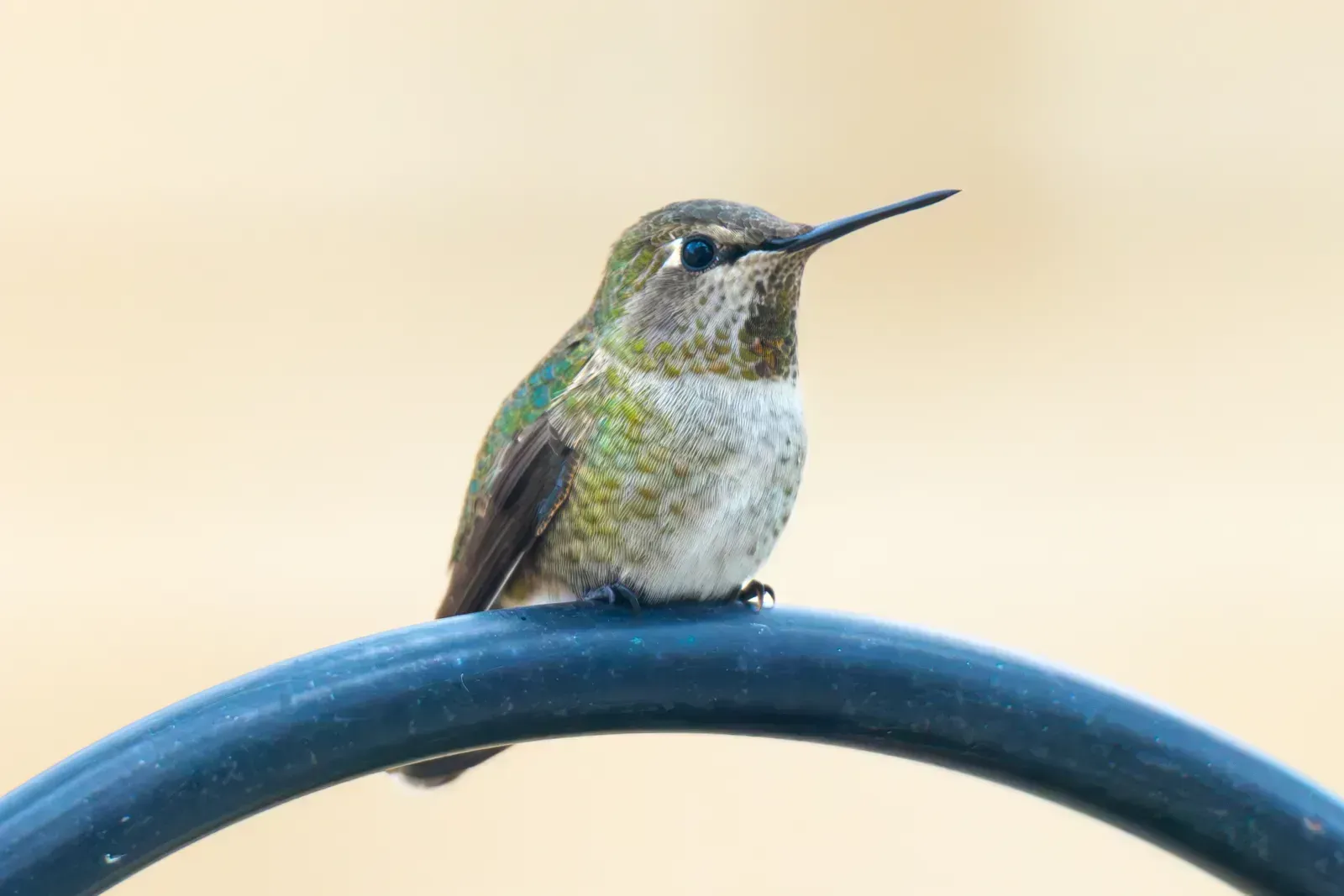
Torpor isn’t unique to hummingbirds. Biologist Shankar says at least 42 bird species use torpor, but only hummingbirds, nightjars, and one species of mousebird go into deep torpor.
That puts hummingbirds in a small group. Studying them may help explain the evolution of thermoregulation in birds.
Cold Levels That Rival Hibernating Mammals
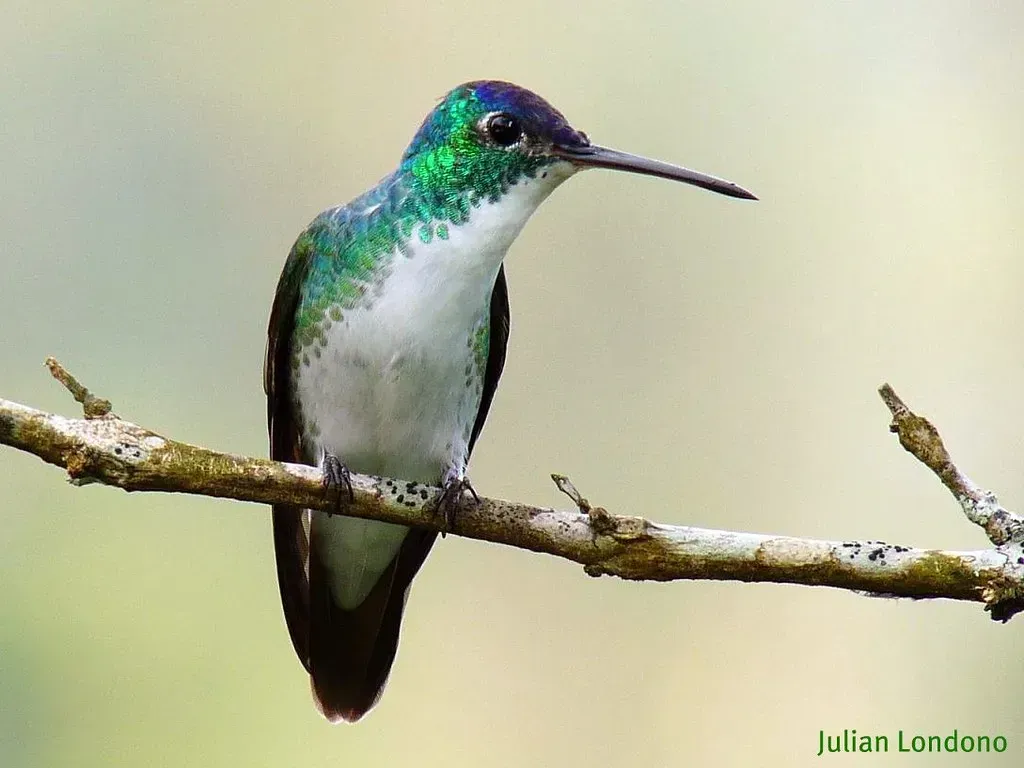
In the high Andes, the numbers get more extreme. Researchers studied six species living at about 3,800 meters. They concluded that these birds have evolved pronounced, but variable, capacities for torpor, with minimum body temperatures rivalling those of temperate and boreal mammalian hibernators.
Across species, the reported minimum body temperature ranges from about 4 to 18 degrees Celsius. The range suggests the trait is tuned to each species rather than being one fixed setting.
More Than One Gear: Shallow, Deep, and In Between
Torpor isn’t a simple on and off switch. A study using infrared thermal imaging on three Arizona species found shallow and deep torpor, plus a transition stage between torpor and normal sleep.
Size seems to matter. The study found the smallest bird used deep torpor every night, while the bigger birds sometimes used deep, sometimes shallow, and sometimes none. Shallow torpor may balance the savings against the risks of going fully cold.
A Built In Fat Budget
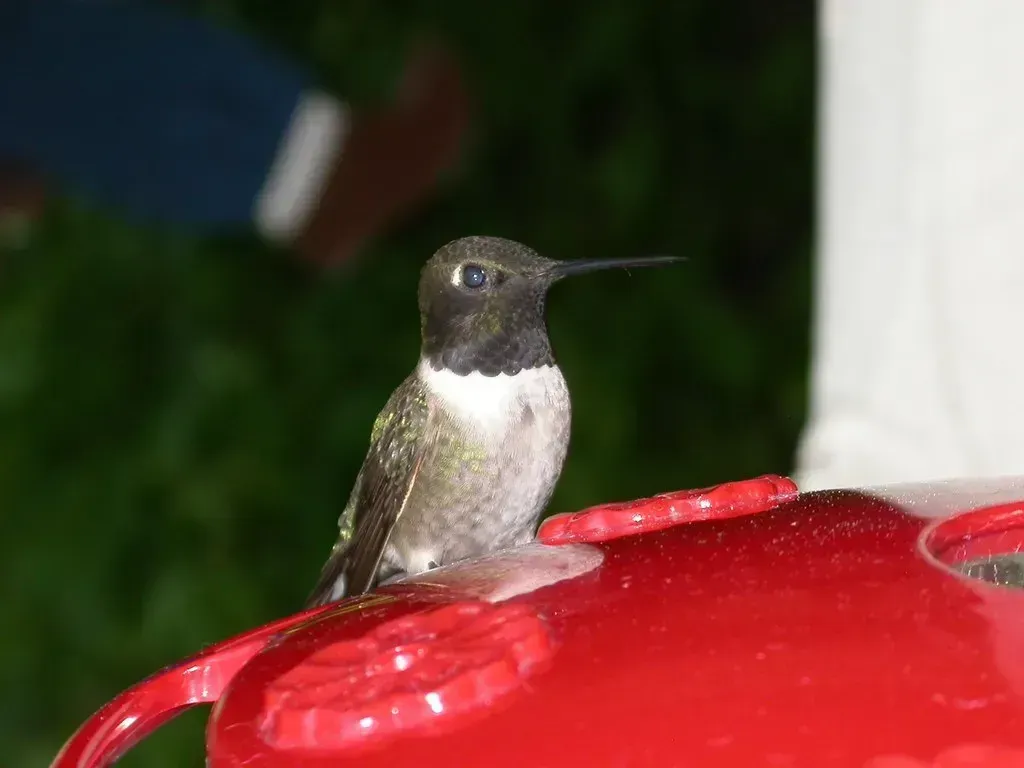
Hummingbirds appear to monitor their own reserves. In work on rufous and calliope hummingbirds, researchers found torpor occurred when fat levels fell below 500 milligrams, with minimum morning fat reserves of roughly 180 milligrams.
The birds only use torpor if needed and adjust its duration to meet the minimum morning fat reserve. That work was published in Proceedings of the Royal Society B, by Shayne Halter and Blair Wolf of the University of New Mexico, with Carlos Martinez del Rio as co-author.
Timing the Wake Up and Using Torpor to Prepare for Migration
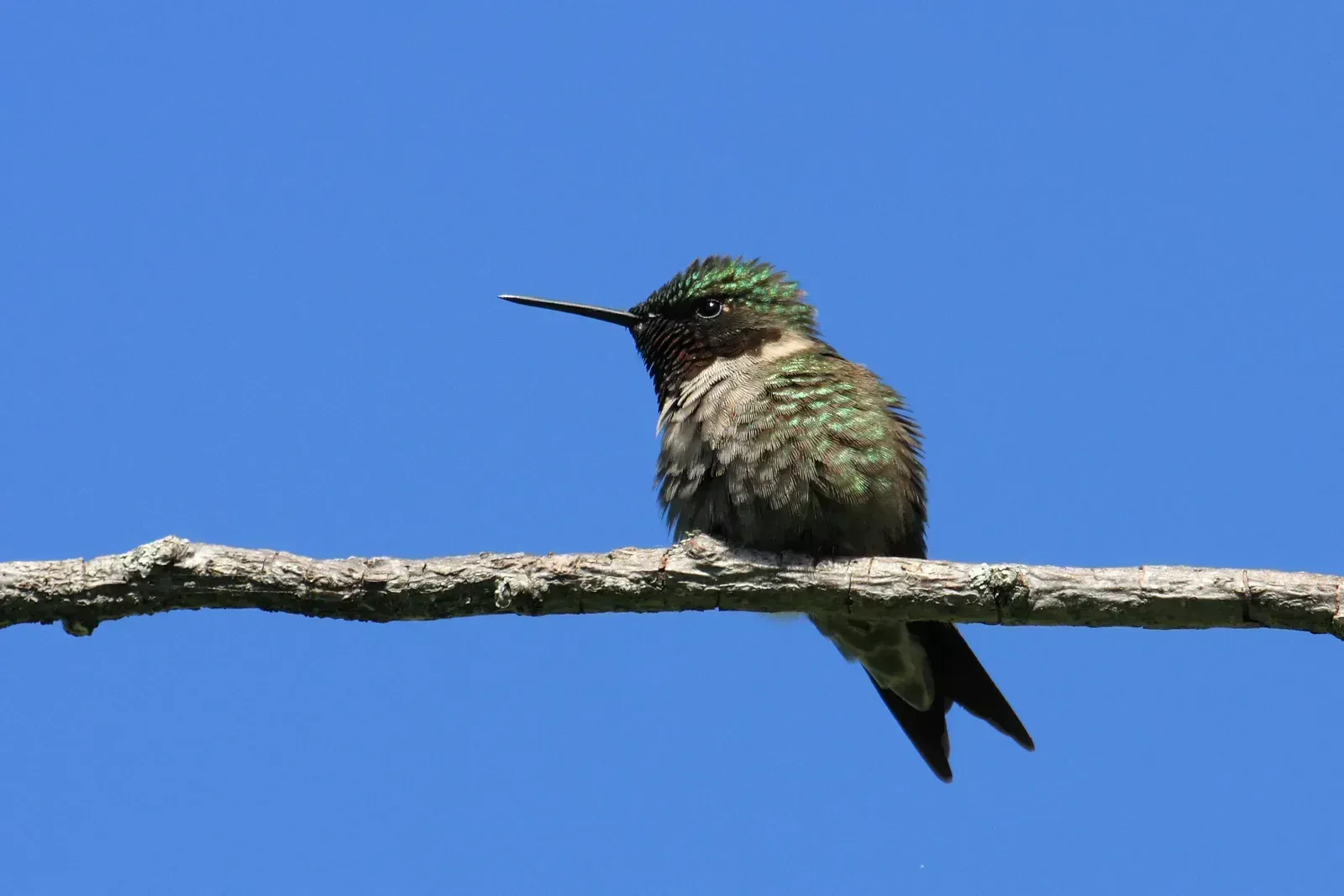
Waking isn’t random either. In tropical species studied by Washington University and Colombian biologists, hummingbirds can begin coming back from torpor hours or just minutes before sunrise. Some warm up gradually, while others return quickly to normal body temperatures.
Torpor also serves more than emergencies. Research on ruby-throated hummingbirds found they switch from using torpor to survive mid-summer nights at critically low energy to using it to build fat stores for migration in late summer. The cost is real, though. During torpor, hummingbirds are unaware of their surroundings, which makes them more vulnerable to predation.
What the Research Shows
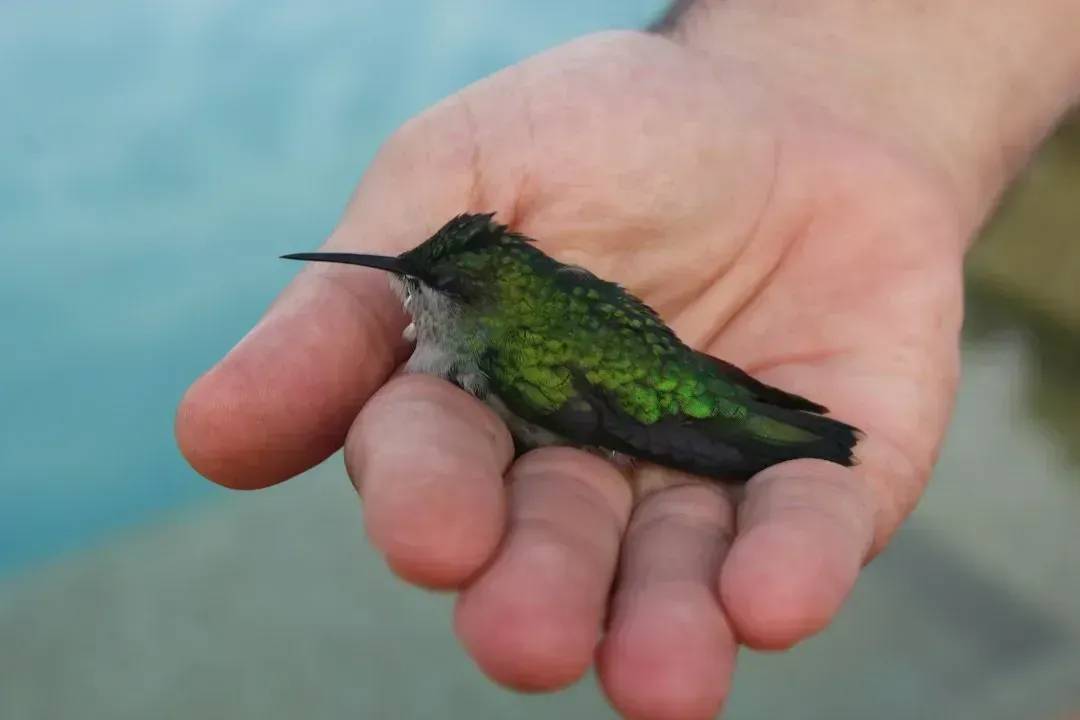
Hummingbird torpor varies with body size, elevation, fat reserves, and season. The birds cool to different depths, stay under for different lengths of time, and wake on a schedule tied to dawn.
Scientists say models predicting torpor frequency, duration, and fat reserves could help define the birds’ energetic limits and guide conservation measures.

- Crows Remembering Human Faces for Decades – 6 Bird Behaviors Far Smarter Than We Knew - November 15, 2026
- 8 Things Astronauts Do on Their First Day in Orbit That Rookies Find Strange - November 15, 2026
- 11 Everyday Routines That Are Completely Normal on the Space Station but Baffle Everyone on Earth - November 15, 2026
