
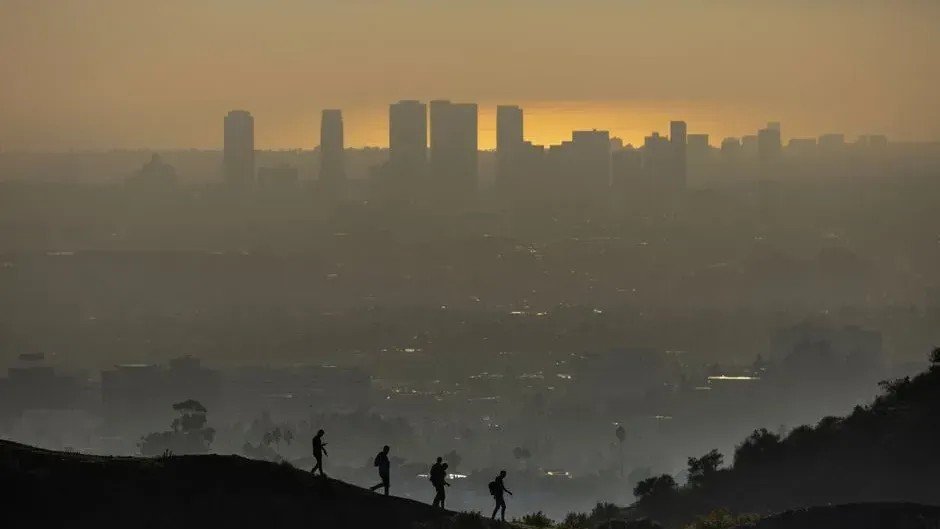
It started as a straightforward curiosity. I typed the question into ChatGPT one evening, half expecting a generic answer about Los Angeles or some other obvious candidate. What came back was more nuanced, more geographically specific, and honestly more unsettling than I anticipated. The model didn’t just name a city. It walked through the factors that make certain places uniquely vulnerable: geography, heat, wildfire exposure, wind patterns, and the slow unraveling of regulatory momentum.
The conversation sent me down a research path that took a few days to untangle. The cities ChatGPT flagged as most at risk aren’t random. They share overlapping pressures that climate scientists and public health researchers have been tracking for years. Whether you’re a concerned resident, a curious reader, or someone who simply wants to know what the air might feel like in a few decades, the picture that emerges is worth understanding clearly.
Why Asking an AI This Question Actually Makes Sense

There’s a reasonable skepticism toward using a chatbot as a starting point for environmental research. ChatGPT doesn’t run its own atmospheric models or publish peer-reviewed projections. What it does well, though, is synthesize large bodies of existing research into a coherent framework that you can then verify against primary sources. That’s essentially what it did here.
Artificial intelligence is transforming how we analyze environmental data through advanced machine learning and predictive modeling, enabling real-time insights and early warnings of pollution spikes. When I framed my question around long-term trends rather than today’s readings, ChatGPT leaned on exactly the kind of multi-variable reasoning these systems are designed for. The result was a shortlist of cities, with Bakersfield, California, sitting firmly at the top.
Bakersfield, California: The City That Already Struggles Most
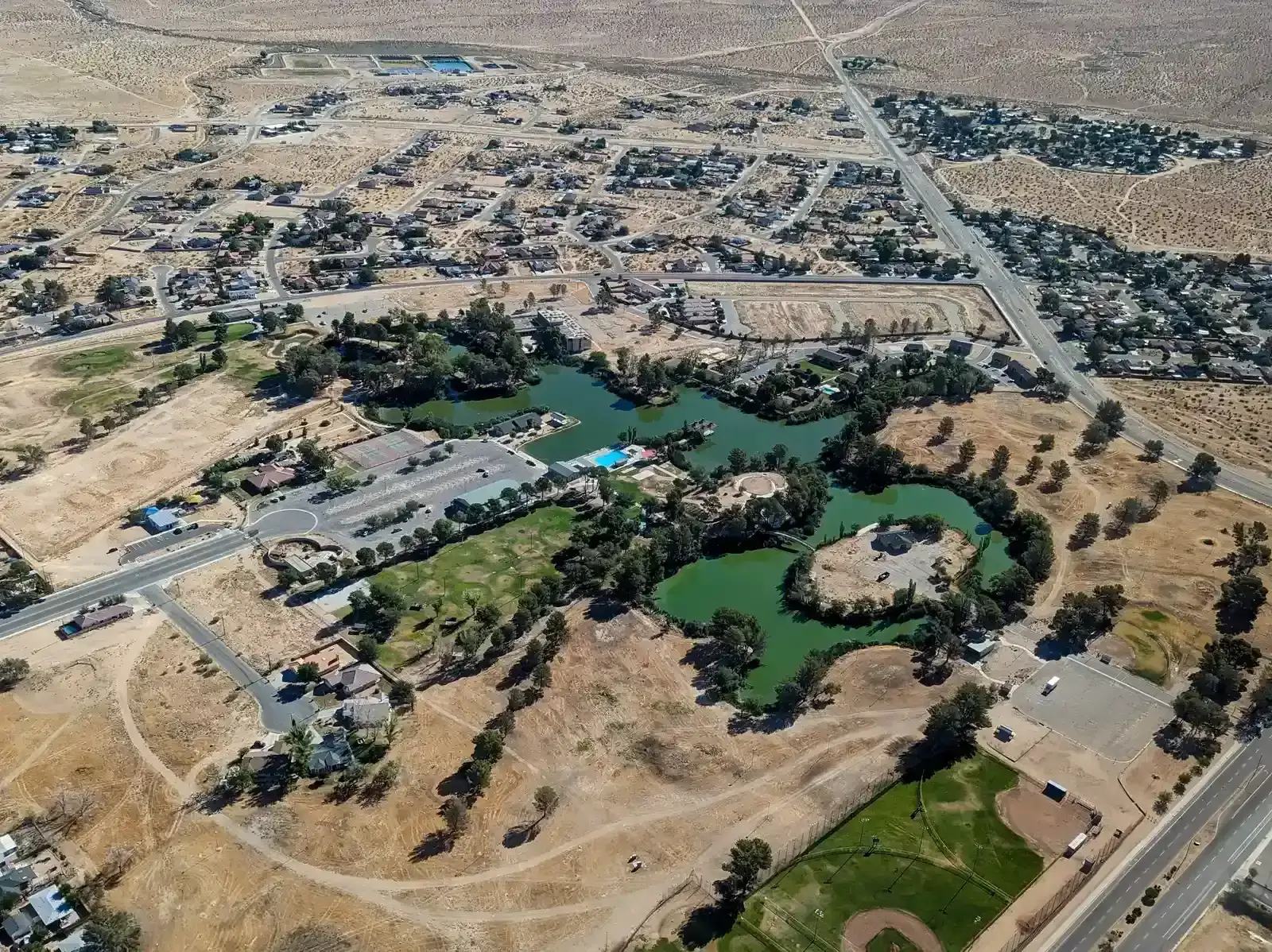
If you wanted to design a city for terrible air quality, you’d build something like Bakersfield. Its geographic location in a bowl contributes to high-pressure systems that stagnate polluted air and prevent it from dispersing for weeks at a time, while the lack of prevailing winds from the nearby Pacific worsens the situation even compared to larger cities like Fresno. The terrain is essentially a trap.
Bakersfield has a hot, desert-like climate that promotes the prevalence of both ozone and particle pollution. Ozone requires sunlight and warm temperatures over 84 degrees to form, and from May through September those conditions are abundant. On average, one in every three days is an unhealthy ozone day in Bakersfield. That’s a baseline that would be alarming for any city, let alone one facing accelerating climate pressures through 2050.
What the Heat Projections for Bakersfield Actually Look Like

By 2050, people in Bakersfield are projected to experience an average of roughly 33 days per year above 104.6 degrees Fahrenheit, as climate change continues increasing the frequency and intensity of heat waves. For context, around 1990 that number was closer to seven days a year. That’s not a marginal shift. It’s a fundamental change in what summers feel and breathe like in the San Joaquin Valley.
As climate change contributes to increasingly hot temperatures, moderating ozone levels will become even more challenging. Higher temperatures don’t just make residents uncomfortable. They accelerate the chemical reactions that produce ground-level ozone, making pollution harder to reduce even when vehicle and industrial emissions stay flat. The heat itself becomes a pollutant multiplier.
Wildfire Smoke Is the Variable That Changes Everything
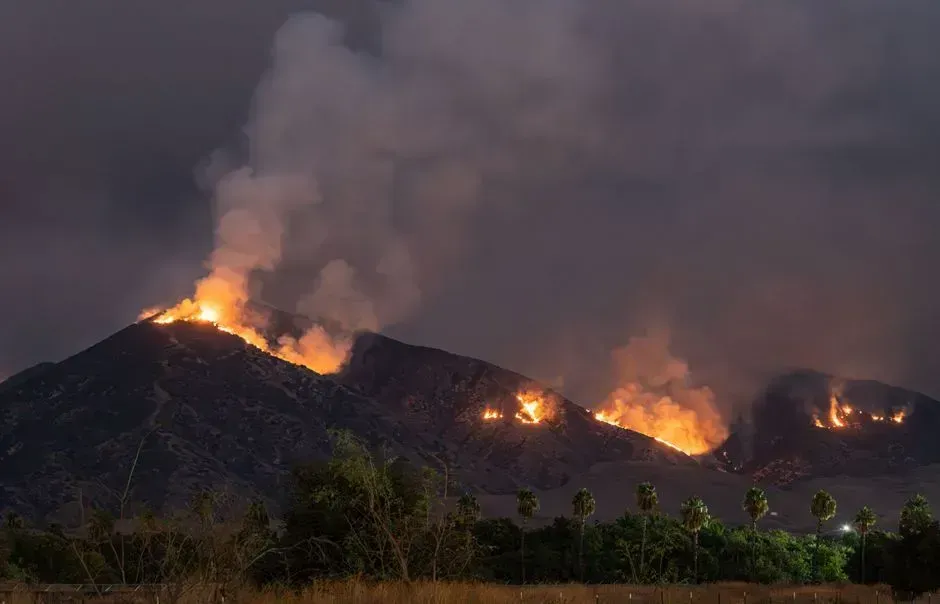
ChatGPT was direct about this: wildfire smoke is the factor that could push several California cities from “very bad” to “genuinely dangerous” by mid-century. Climate change enhances conditions for ozone pollution to form and makes it harder to clean up communities where ozone levels are already high, while also increasing the risk of wildfires whose smoke spreads dangerous particle pollution. These two dynamics reinforce each other in ways that are difficult to address independently.
About nearly three in five buildings in Bakersfield are already at risk of wildfire, the risk level for those buildings is rated extreme, and the number of dangerous fire weather days per year is expected to keep increasing through 2050. In any given year, California’s most polluted cities tend to be the cities most affected by that year’s wildfire season. The two threats are now effectively inseparable.
Los Angeles: Still a Serious Contender Despite Progress
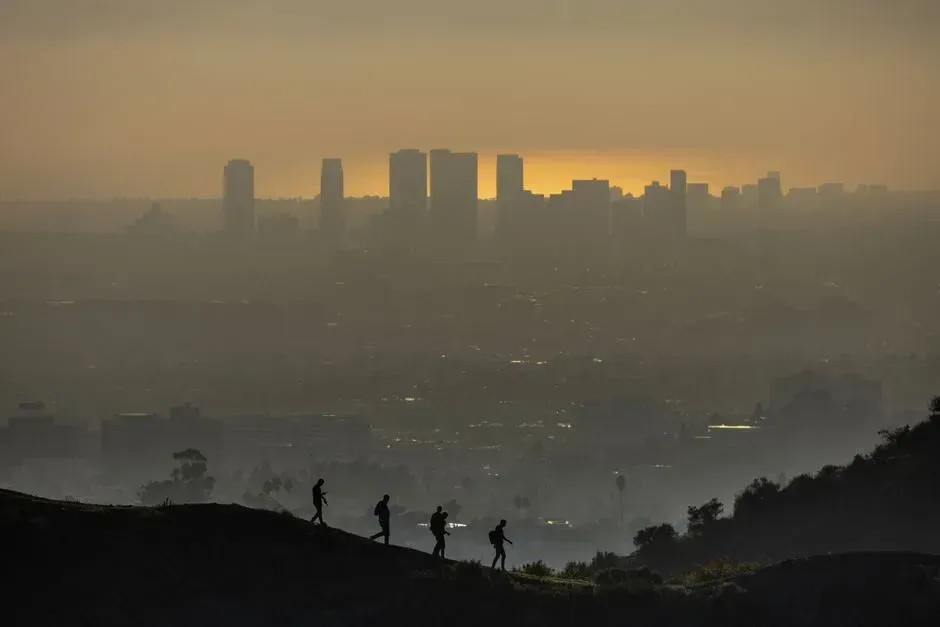
ChatGPT didn’t dismiss Los Angeles. The city carries a structural pollution problem that decades of regulation have only partially addressed. The large population of roughly four million residents in Los Angeles, with another six million in the surrounding county, contributes significantly to its nonattainment air quality status, and it’s estimated there are around 6.5 million vehicles in the city alone. That vehicle density isn’t going away quickly.
Stagnant air can cause emissions to become trapped in the L.A. Basin, while strong winds can move them out through the narrow outlets of the San Gabriel Mountains. When wildfire smoke arrives on top of that trapped baseline pollution, the combination can reach genuinely hazardous levels. Los Angeles does not currently meet the EPA’s national air quality standards for both PM2.5 and ozone, and according to the County of Los Angeles Public Health Department, one in ten children has been diagnosed with asthma.
Fresno and the San Joaquin Valley: A Region, Not Just a City
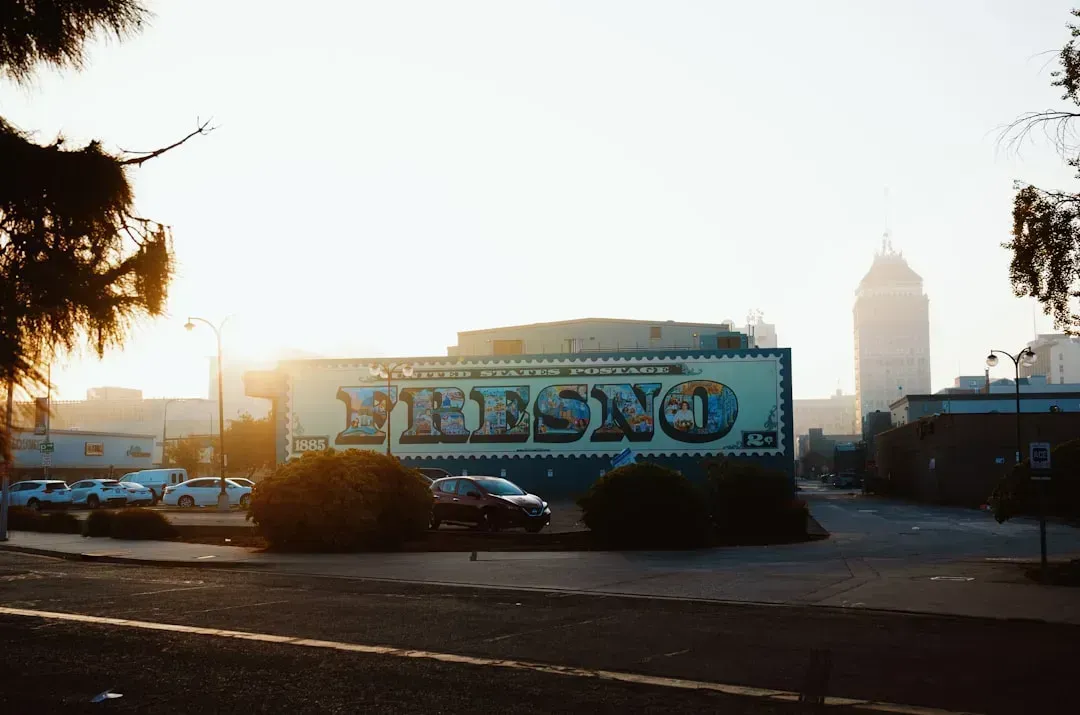
One of the more interesting points ChatGPT raised was that the worst outcomes by 2050 might not belong to a single city but to a region. The San Joaquin Valley functions as a collective air quality failure, with Fresno and Bakersfield at its center. California holds all of the top five cities in the country for worst ozone, including Los Angeles-Long Beach, Visalia, Bakersfield, Fresno-Madera-Hanford, and Sacramento-Roseville.
Communities around Fresno and Bakersfield have been shrouded in ash and smoke from multiple wildfires burning across the state, and large wildfires have become a more common occurrence in recent years, making fighting local pollution more difficult. The valley’s agricultural sector adds its own layer of particulate matter through dust, equipment exhaust, and field burning, none of which is disappearing on a short timeline.
Phoenix: The Desert Heat and Dust Equation
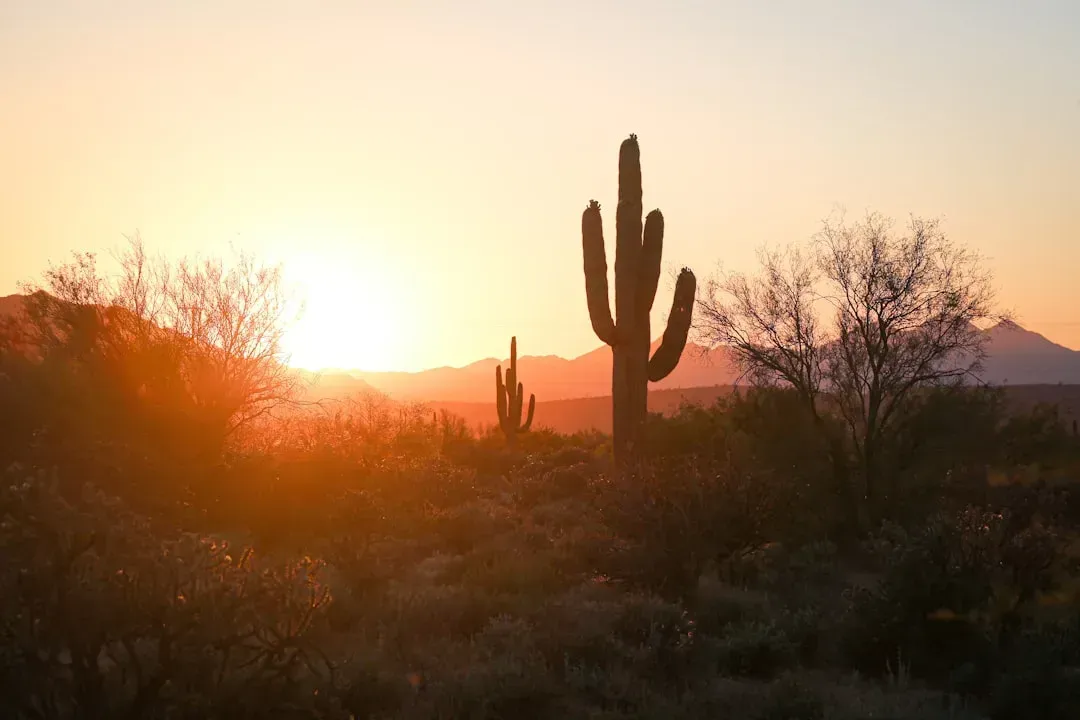
Phoenix came up repeatedly in my conversation with ChatGPT as a city where heat-driven pollution dynamics could worsen meaningfully by 2050. The greatest challenge to Phoenix air quality is ozone pollution, a gas pollutant formed when nitrogen oxides and organic substances react under sunlight. Since ozone is not released directly but formed in the atmosphere, it’s considered difficult to control, and abundant sunlight and heat mean Phoenix ozone levels tend to be worst in summer.
According to the American Lung Association’s State of the Air report, Maricopa County, of which Phoenix is the county seat, was rated an “F” and ranked among the worst metropolitan areas for high ozone days. A warming climate means Phoenix summers grow longer and hotter. The changing and warming climate plays a significant role in this trend, as the past several years have been among the warmest on record globally, and those extreme temperatures combined with droughts and wildfires add to increased particle pollution.
The Broader National Picture and What the Data Says Now
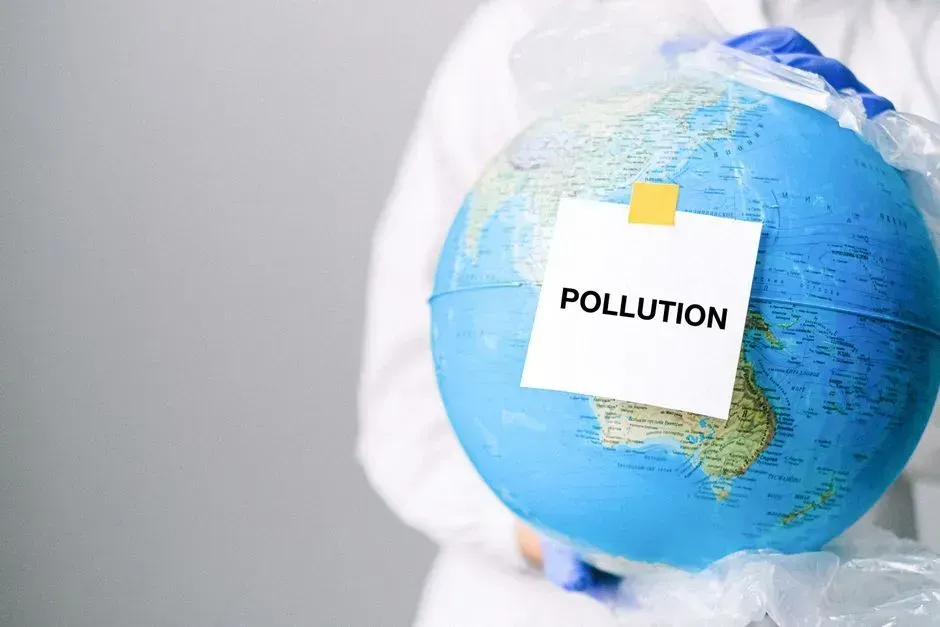
More than 33.5 million children, representing nearly half of all kids in the U.S., live in an area that received a failing grade for at least one measure of air pollution, while more than four in ten people of all ages in the U.S. live where the air they breathe earned an F in the State of the Air 2026 report. That’s not a future projection. That’s where things stand right now, in 2026.
Global environmental forecasts foresee only a slight drop in overall air pollution by 2050, but because of increasing urbanization, the absolute number of people exposed to airborne pollutants will actually rise, with an estimated 4.2 billion people regularly inhaling dangerous levels of PM2.5 by mid-century. For American cities already struggling, that global trajectory offers little comfort. The question isn’t whether air quality will remain a problem. It’s how unevenly that burden will fall.
What ChatGPT Got Right, and Where AI Analysis Has Limits

The answer ChatGPT gave me was well-reasoned and largely aligned with what researchers and air quality organizations have been documenting for years. It correctly identified geography, heat amplification of ozone, wildfire risk, and the compounding nature of these pressures in the Central Valley as the core factors separating future worst-case cities from the rest. That’s not a trivial synthesis.
The honest caveat is that AI models like ChatGPT don’t generate new data. As urbanization and population growth continue, exposure to harmful airborne chemicals and particles is expected to worsen, making the prediction of air quality index values both in the short-term and long-term increasingly crucial. ChatGPT can point you toward the right questions and frame the right variables, but the actual forecasting work belongs to atmospheric scientists, epidemiologists, and climate modelers whose research it draws from. Think of it less as an oracle and more as a very well-read research assistant.
What Could Actually Change the Outcome
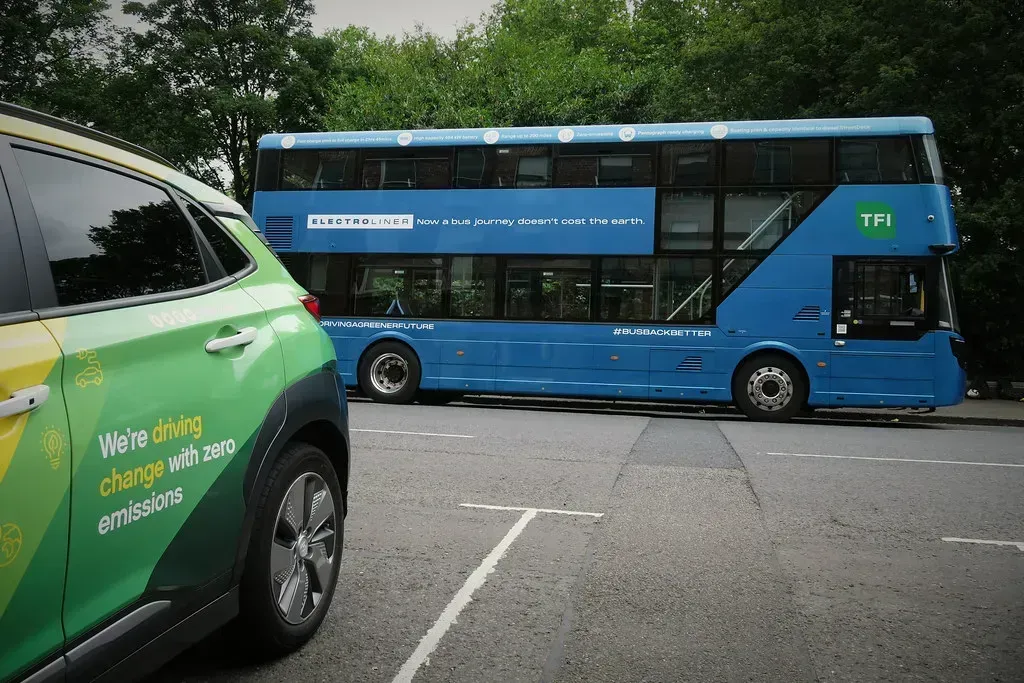
Air quality is determined by factors like traffic, industry, geography, and climate, but cities can promote cleaner air through policies like low-emission zones, cleaner transport, and better monitoring. None of those interventions are science fiction. Several are already being deployed at various scales across the country, with uneven results. Through deliberate action and clean air policies, San Francisco was able to reduce levels of both fine particulate matter and nitrogen dioxide by more than twenty percent within fifteen years.
The American Lung Association estimates that a full transition to zero-emission transportation and electricity could result in roughly 1.2 trillion dollars in public health benefits and over 110,000 lives saved by 2050. The technology and policy frameworks to shift the trajectory exist. Whether they get deployed at the scale and speed needed in the communities that need it most is a different question entirely, and one that ChatGPT, appropriately, declined to answer with any certainty.

- South America Sees 7 Animal Species Rebound After Years of Decline - September 14, 2026
- Marine Life Is Rebounding Faster Than Expected in 8 Coastal Regions - September 14, 2026
- U.S. Observatories Detect 8 Exoplanets With Earth-Like Characteristics - September 14, 2026
