

Saturn is the second largest planet in the solar system, and it’s also the only one whose average density is lower than that of water. NASA’s Saturn fact sheet lists its mean density at about 0.687 grams per cubic centimeter, while water sits at roughly one. That gap is the whole reason for the famous claim.
The claim is fun, but it needs some careful reading. A tub that could hold a planet doesn’t exist, and a real Saturn wouldn’t behave like a rubber duck. Still, the numbers behind the idea are solid and say a lot about how the planet is built.
What Density Actually Means

Density is simply mass divided by volume, or how much stuff is packed into a given space. An object floats in a liquid when its average density is lower than the liquid’s. A steel ship floats for the same reason, because its hollow shape lowers its overall average.
Saturn’s average works out to roughly two thirds that of water. Anything with that profile would sit partly above the surface in a calm, deep enough pool. The planet’s size doesn’t change the rule, only the scale of the bathtub.
The Numbers Behind Saturn
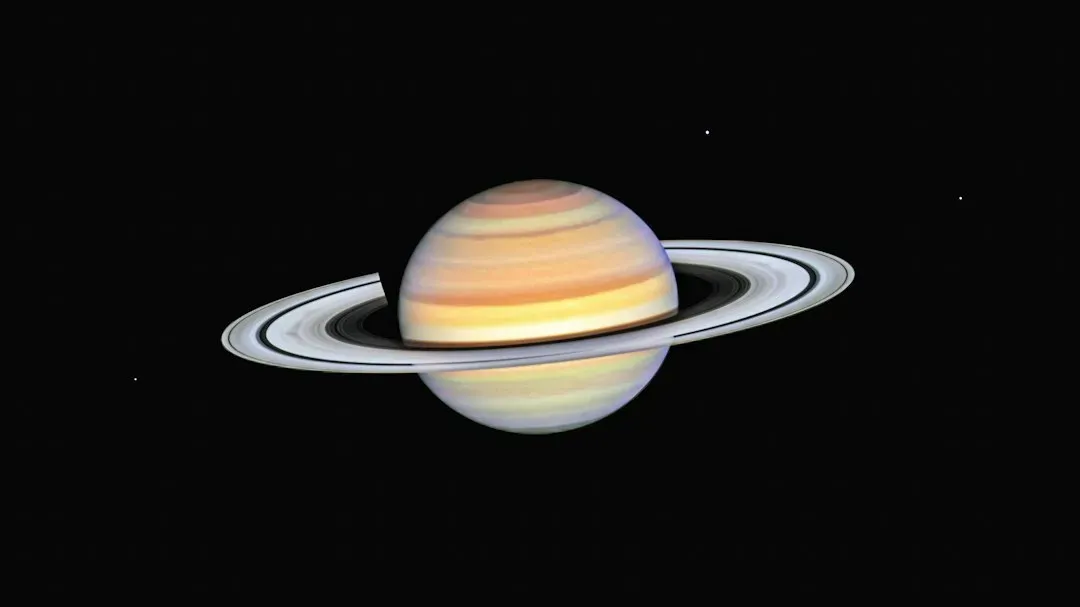
Saturn’s mass is about 95 times that of Earth, and its volume is roughly 760 times larger, according to NASA’s planetary data. Mass grows far more slowly than volume, which drags the average density down. Earth, by contrast, has a mean density of about 5.5 grams per cubic centimeter, the highest of any planet in our solar system.
That makes Saturn less than one eighth as dense as our own world. It is huge, yet strikingly light for its size. NASA also notes that its equatorial diameter is about nine and a half times Earth’s.
A Gas Giant Built Mostly of Hydrogen
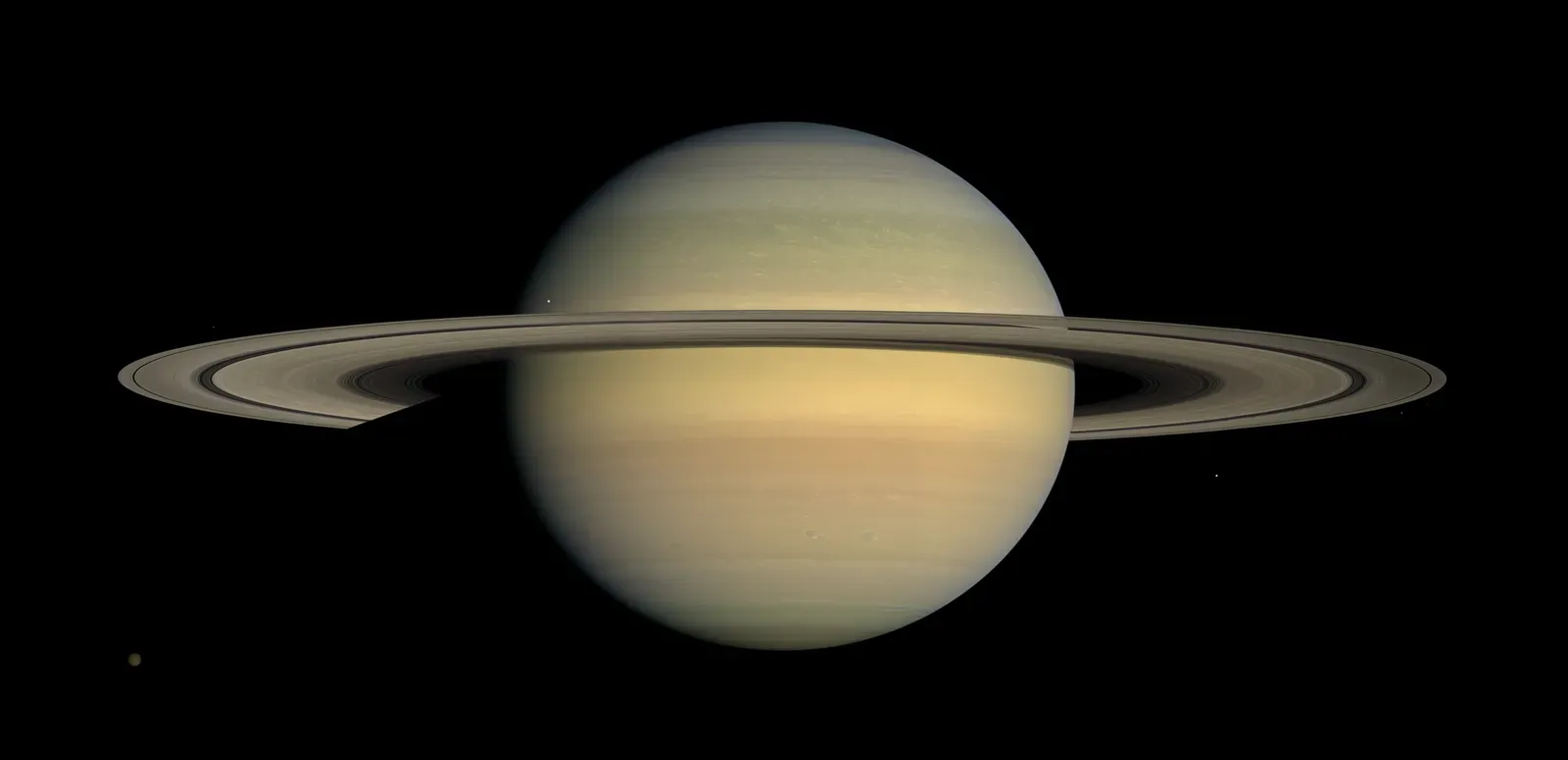
Saturn is made mostly of hydrogen and helium, the two lightest elements. Its atmosphere is about 96 percent hydrogen by volume, with helium making up most of the rest, based on NASA’s description. These gases are far lighter than the rock and metal that dominate Earth.
Deeper inside, the pressure becomes enormous, and hydrogen behaves like a liquid and then like a metal. Even so, the overall mix stays light. That’s why Saturn doesn’t have a solid surface you could stand on.
What Lies at the Core
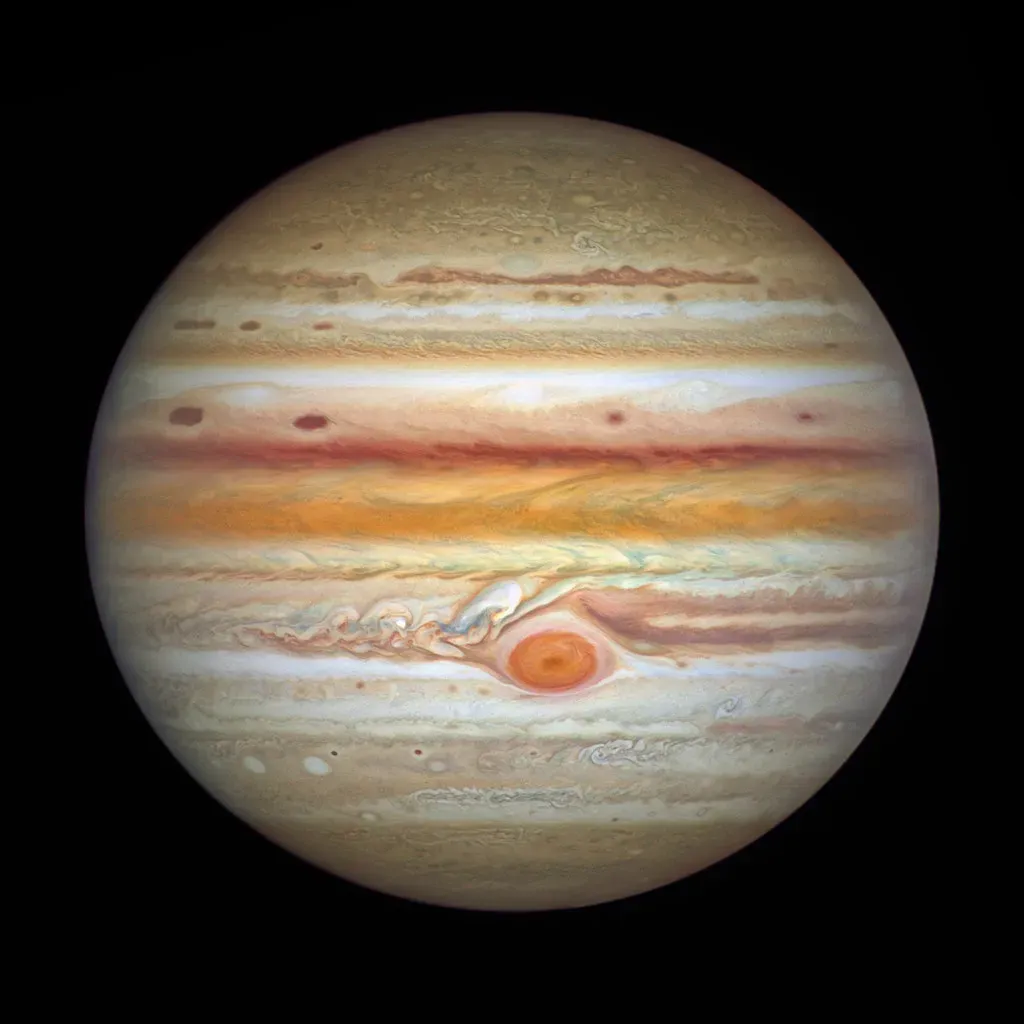
Beneath the thick envelope of gas, scientists think Saturn has a denser core. Estimates have varied for years, and the exact makeup is still debated. Analysis of the planet’s ring seismology, using data from NASA’s Cassini mission, has suggested the core may be a diffuse, fuzzy region instead of a sharp ball of rock.
A 2024 study published in Nature Astronomy used ring wave data to support the idea of a stable, partly dissolved core. That would mean heavy elements blend gradually into the hydrogen above them. The finding refines the picture without changing the average density.
Why a Planet Can’t Really Float
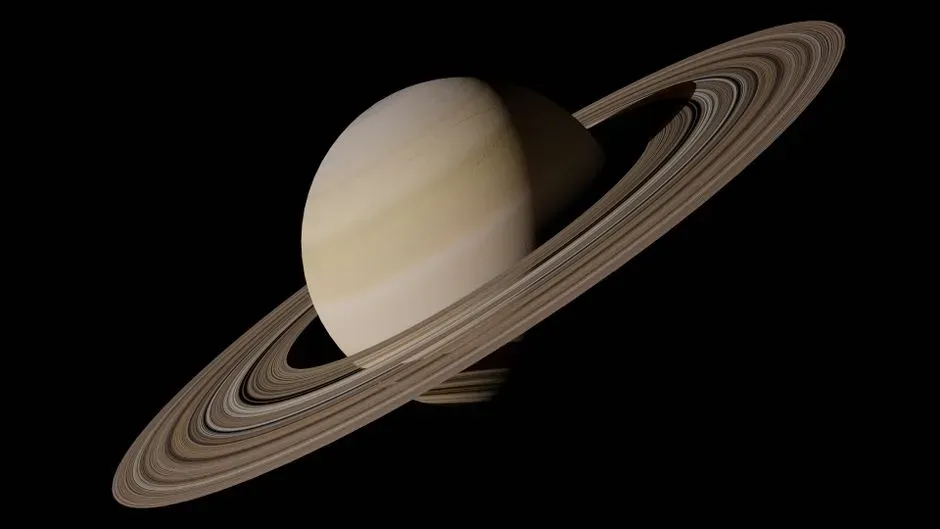
The thought experiment breaks down quickly in practice. Saturn’s gravity is strong enough to hold its gases together, and its average density hides large internal differences. Its outer layers are far thinner than water, while the deep interior is much denser.
Dropped into a giant pool, Saturn wouldn’t stay in neat, intact form. Its gaseous outer layers would mix, boil, and disperse instead of bobbing calmly. The floating idea only works as a statement about the average, not a prediction of what would happen.
How Big the Bathtub Would Need to Be
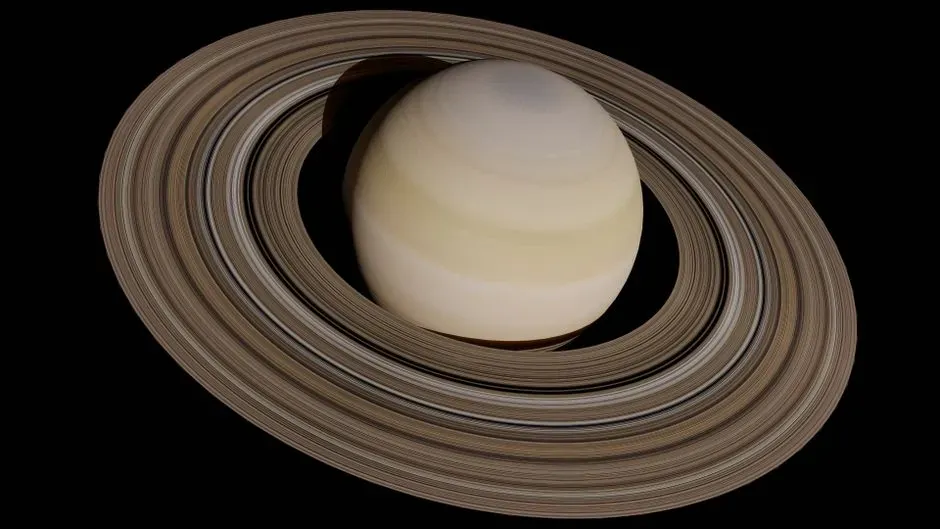
Saturn’s equatorial diameter is about 120,500 kilometers, per NASA. A tub would need to be wider than that and deeper than half that distance to float it properly. For comparison, Earth’s entire diameter is about 12,700 kilometers.
No such container could exist on Earth, and the water inside would be heavier than the planet’s own gravity could tolerate. Such a mass of water would collapse into a body of its own. The bathtub is a joke about scale, not a design problem.
Saturn Isn’t the Only Light Planet

Saturn gets the attention, yet it isn’t alone in being low in density. Some exoplanets, often called super puffs, have masses only a few times Earth’s but are much larger in radius. Astronomers have found several of these, with Kepler 51 d among the best known examples.
These worlds are less dense than Saturn, and some are comparable to cotton candy in average density. Their existence suggests that planetary formation can produce an unexpectedly wide range of structures. Saturn is just the closest example we can study in detail.
Rings, Moons, and More Saturn Facts
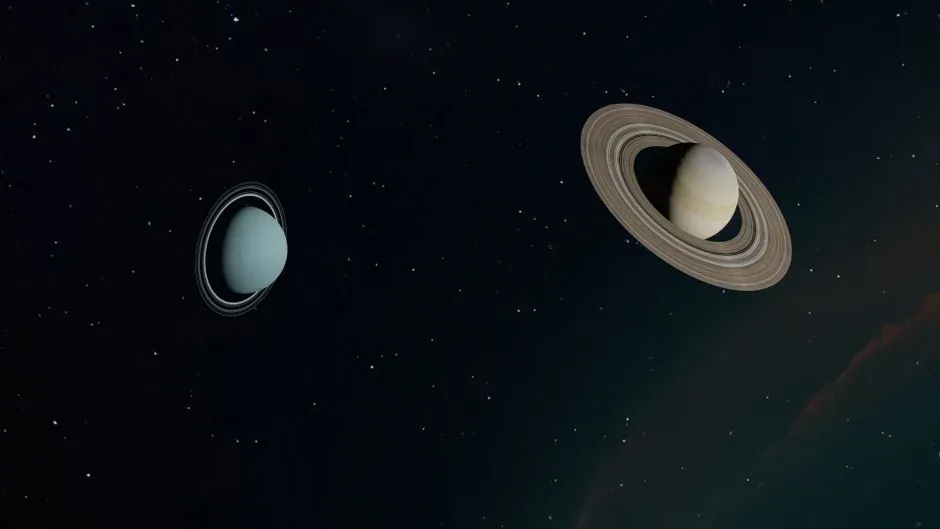
Saturn’s ring system is famous, but it’s mostly water ice. The rings stretch hundreds of thousands of kilometers across, yet they are remarkably thin, often only tens of meters thick in places. Cassini studied them for years before ending its mission in 2017.
The planet also has a large family of moons. In 2023, astronomers confirmed 62 new moons, pushing the total to 145, and the International Astronomical Union’s Minor Planet Center has continued to track additions. Titan, the largest, is bigger than the planet Mercury by diameter.
Why the Fact Still Matters

The floating claim is a handy way to understand density without a lab. It shows that size and weight don’t always go together. A larger object isn’t necessarily a denser one.
Planetary scientists use average density as a first clue to what a world is made of. Rocky planets cluster at higher values, gas giants at lower ones. Saturn sits at the low end of that range, which tells us it’s overwhelmingly gas.

- The Shoreline Sucked Dry in Seconds – 5 Tsunami Signals Beachgoers Mistake for Low Tide - November 14, 2026
- 9 Dark-Sky Destinations Around the World Where the Stars Look Unreal - November 14, 2026
- The Fault Line That Never Slips – 7 Locked Seismic Zones Overdue for a Massive Release - November 14, 2026
