

- The Most Underrated Scientific Discoveries of the Last Decade - September 19, 2026
- 6 Scientific Terms That Sound Made Up – But Aren’t - September 19, 2026
- Top 12 Destinations for Stargazers Who Hate Light Pollution - September 19, 2026
Aoraki Mackenzie International Dark Sky Reserve, New Zealand
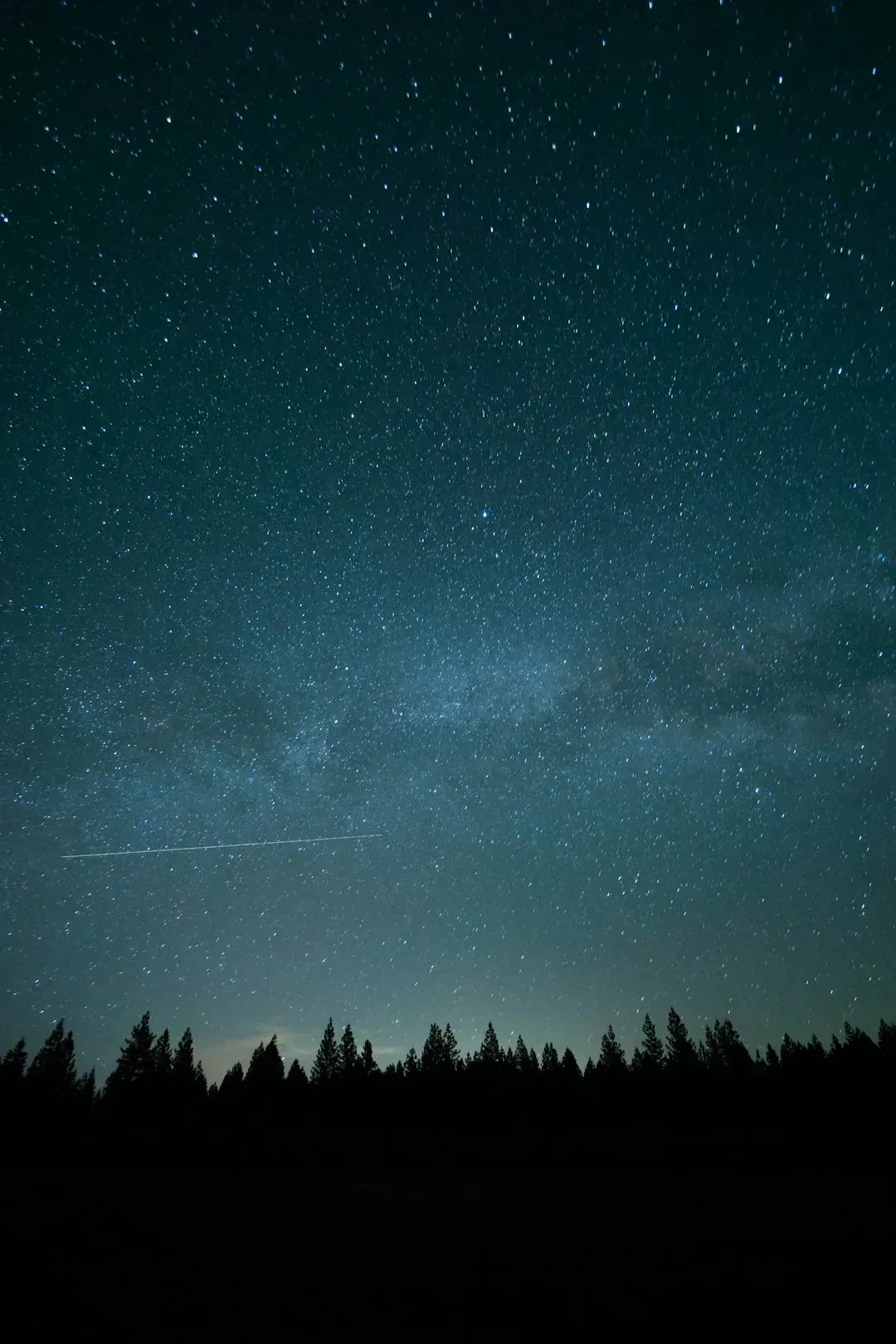
This reserve in the Mackenzie Basin on New Zealand’s South Island is one of only a handful of Gold Tier Dark Sky Reserves on the planet, meaning its core skies rate at the very darkest end of the Bortle scale. It offers Bortle 2 skies over Lake Tekapo, the Southern Cross, and a Mount John Observatory tour. The reserve was established in 2012 and remains a benchmark for what a properly protected sky actually looks like.
Visitors come for the reserve’s planetarium, telescope areas, and observatories, where guided tours are offered at the Lake Tekapo Earth and Sky and Aoraki/Mount Cook visitor centers. Because it sits in the Southern Hemisphere, travelers coming from northern latitudes get a genuinely different view, including the Magellanic Clouds and a different angle on the Milky Way’s core.
Atacama Desert, Chile
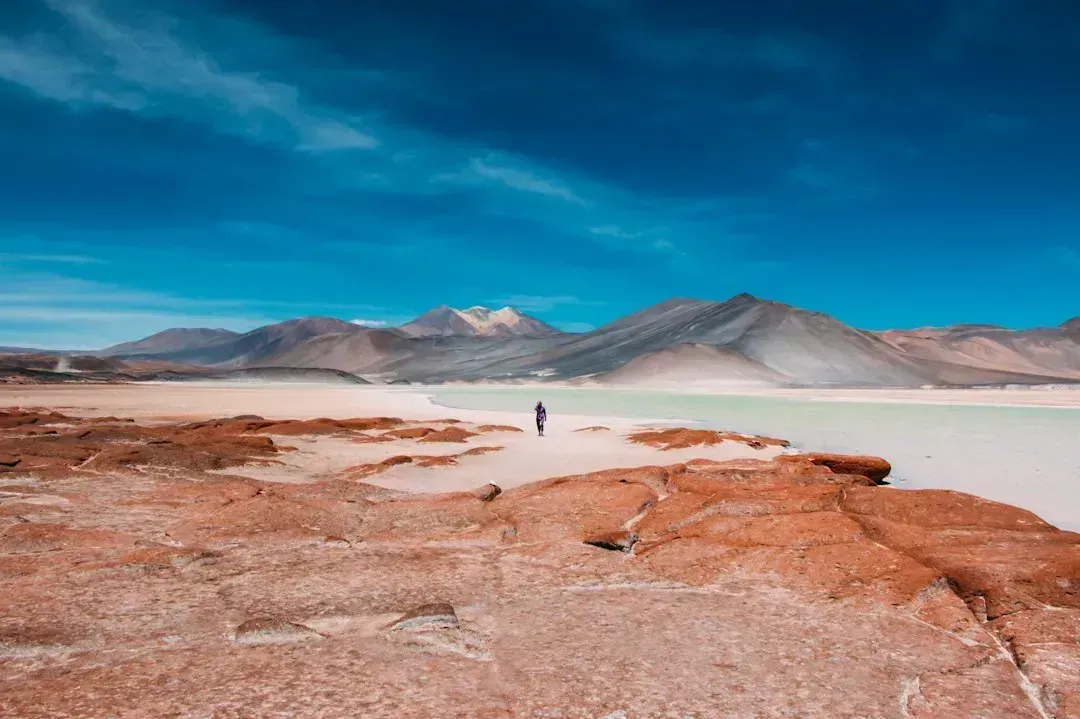
The Atacama is often described as the driest desert on Earth, and that dryness translates directly into some of the clearest, most transparent skies anywhere. Earth’s driest desert delivers Bortle 1 to 2 skies, with over 330 clear nights a year. It’s no accident that several of the world’s most powerful astronomical observatories, including ALMA and the Very Large Telescope, are built in this region.
For casual visitors, towns like San Pedro de Atacama offer accessible tour operators running nightly stargazing sessions with professional telescopes. The high altitude, low humidity, and near total absence of artificial lighting combine to make this one of the most technically ideal stargazing environments on the planet, not just a scenic one.
NamibRand Nature Reserve, Namibia
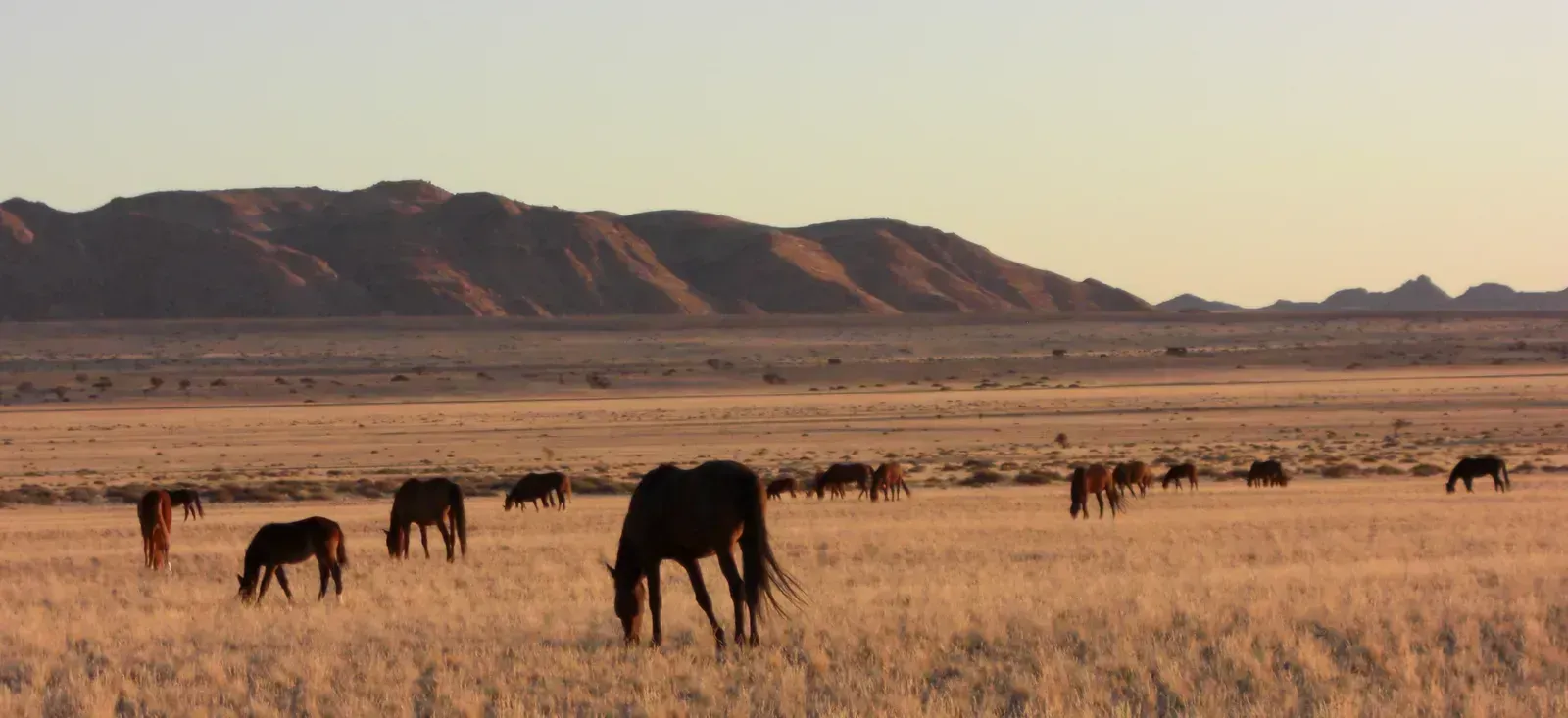
Namibia has some of the lowest population density of any country on Earth, and NamibRand sits in the middle of that emptiness, far from any significant source of artificial light. The reserve was one of the first in Africa to receive International Dark Sky Reserve status, and its combination of desert dunes and open horizon makes for dramatic, unobstructed views of the Milky Way’s galactic core.
Lodges within the reserve often run their own astronomy programs, since the darkness is essentially a built-in amenity rather than something guests need to seek out separately. Because the region gets so little rainfall, cloud cover is rarely an issue, which means a booked stargazing night here is far less likely to be a disappointment than in wetter parts of the world.
Kerry International Dark Sky Reserve, Ireland
Ireland’s Kerry International Dark-Sky Reserve is one of the world’s four Gold Tier Dark Sky Reserves designated by IDA. It occupies the southwest area of Ireland on the Iveragh Peninsula and along the Wild Atlantic Way, offering a dark and starry sky undisturbed by the nine inhabited villages within its perimeter. That’s a notable achievement in a country with a damp, cloud-prone climate, and it speaks to how deliberately the local lighting policies have been managed.
Guests to this remote part of Ireland can stay at a number of locally owned properties around the reserve. The setting between mountains and the Atlantic Ocean gives the reserve a moody, atmospheric quality that pairs well with clear autumn and winter nights, when the air tends to be at its most transparent.
Cherry Springs State Park, Pennsylvania
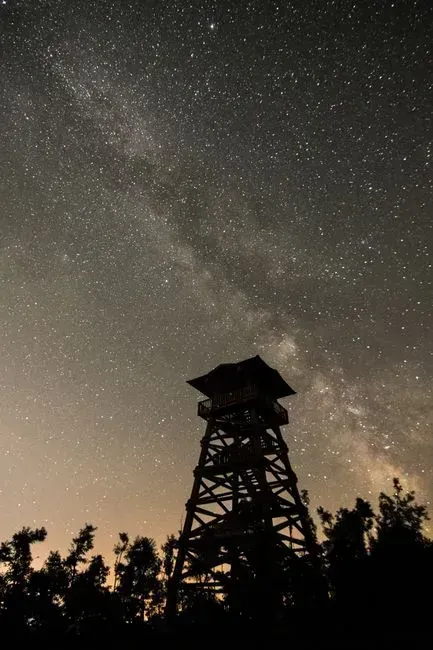
Cherry Springs is something of an anomaly on the East Coast of the United States, a place with genuinely dark skies despite sitting close to one of the most densely populated corridors on the continent. Tucked away in the high country of the Pennsylvania Wilds, it maintains a rare Bortle Class 2 rating despite sitting right next to the massive urban sprawl of the Mid-Atlantic. That contrast alone makes it a favorite weekend trip for stargazers from Philadelphia, New York, and Washington D.C.
The park has hosted organized astronomy events for decades and has dedicated fields set aside specifically for telescopes and astrophotography setups. Its isolation, sitting on an elevated forested plateau, does most of the work in keeping the surrounding glow of cities at bay.
Big Bend National Park, Texas
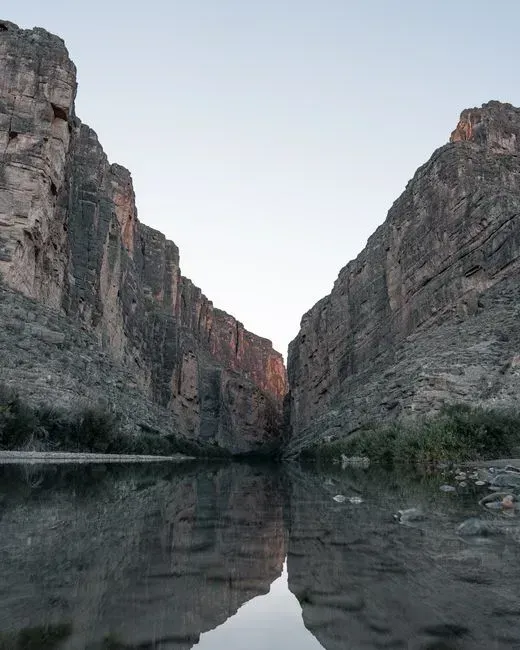
Big Bend sits along the Rio Grande in one of the most sparsely populated corners of the continental United States, and its remoteness shows in its sky quality. It’s routinely named among the top U.S. destinations for dark skies, alongside Great Basin National Park in Nevada. Its vast open horizon is ideal for Milky Way photography.
The park’s size and low visitor density mean that even during peak season, it’s not difficult to find a stretch of desert with no other light sources in sight. Winter nights, when humidity drops and the air clears, tend to offer the sharpest views of deep sky objects.
Death Valley National Park, California
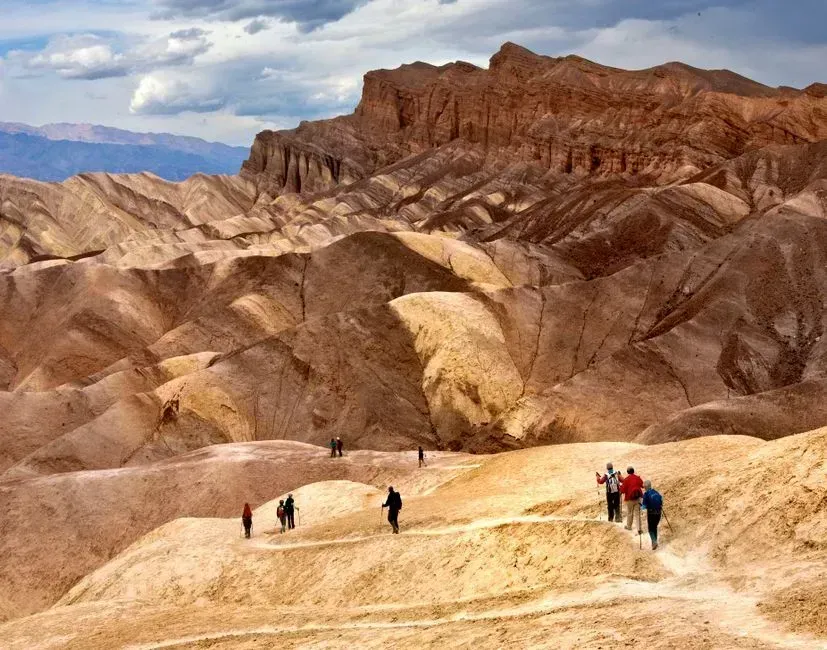
Death Valley holds Gold Tier dark sky status, the same top-tier designation as Aoraki Mackenzie, which is a striking fact given how close it sits to greater Los Angeles and Las Vegas. Its Gold-tier dark sky sits at the lowest point in North America. The extreme aridity and low elevation combine to create unusually still, clear air for observing.
The park also hosts an annual Dark Sky Festival in early 2026, drawing amateur astronomers and photographers from across the region. Visitors do need to plan around the punishing summer heat, which makes spring, fall, and winter the more comfortable windows for an overnight stargazing trip.
Natural Bridges and the Bears Ears Region, Utah
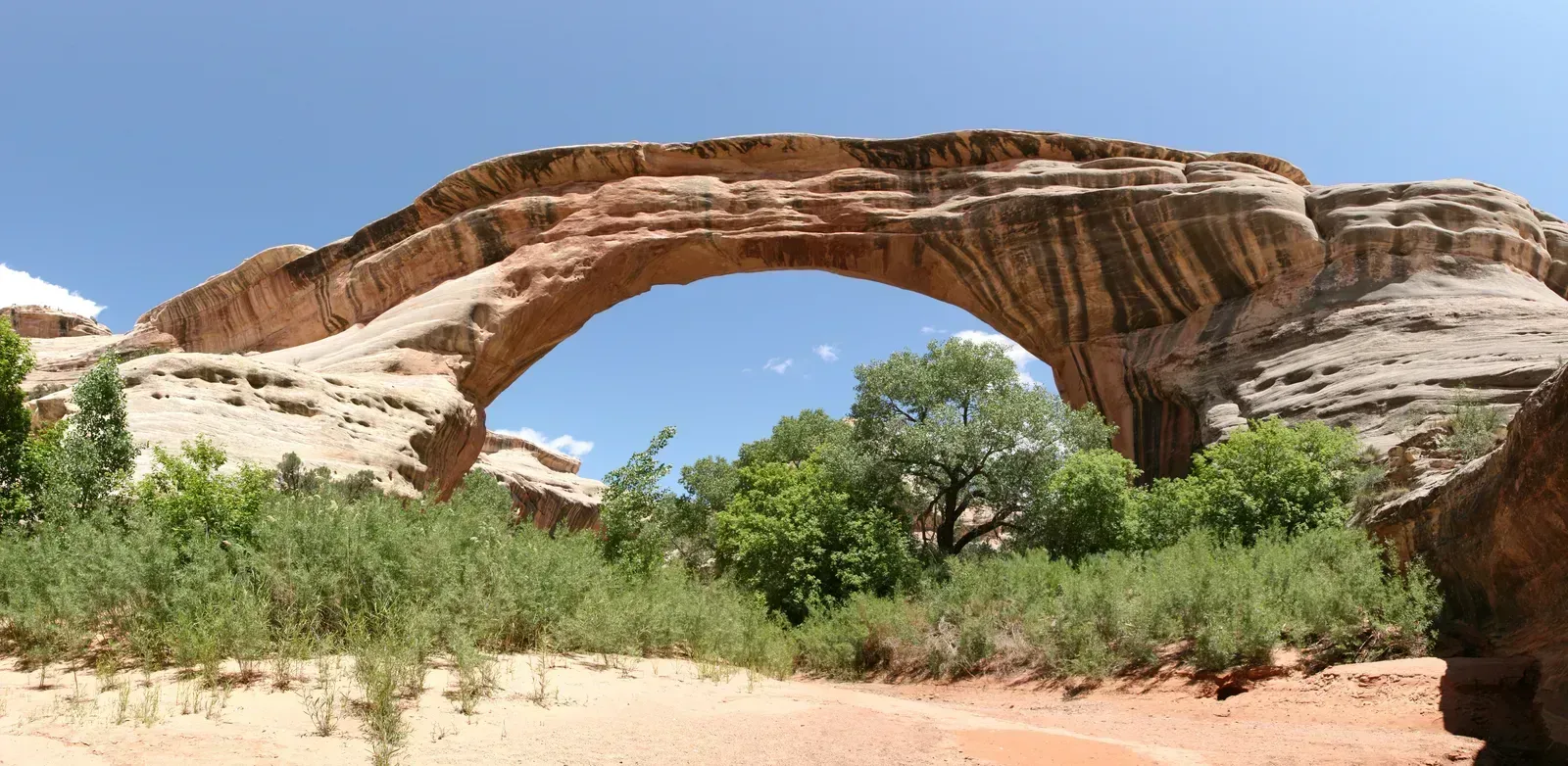
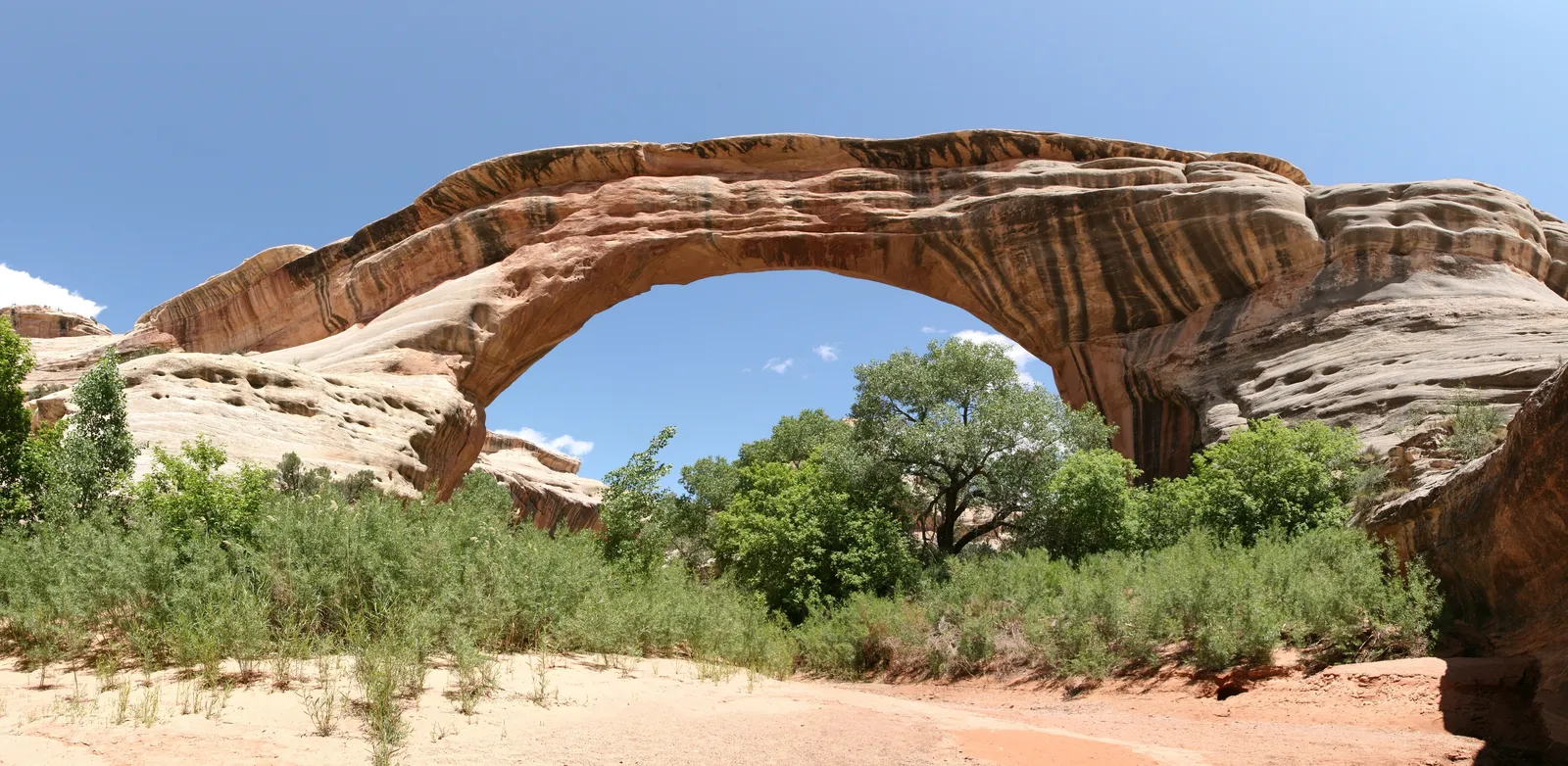
Utah’s Colorado Plateau has quietly become one of the most concentrated dark sky regions on Earth, and Natural Bridges was actually the first National Park Service unit ever certified as an International Dark Sky Park, back in 2007. The Colorado Plateau region, including Natural Bridges, Hovenweep, and Goosenecks Dark Sky Parks alongside the broader Bears Ears and Valley of the Gods area, offers an unusually large concentration of certified dark sky parks within a relatively compact, drivable region.
That density lets visitors combine several excellent stargazing sites into a single road trip rather than committing an entire vacation to just one park. Some itineraries now pair the astronomy with Indigenous-owned guided experiences offering sunset walks and cultural context alongside the stargazing itself.
Westhavelland Nature Park, Germany
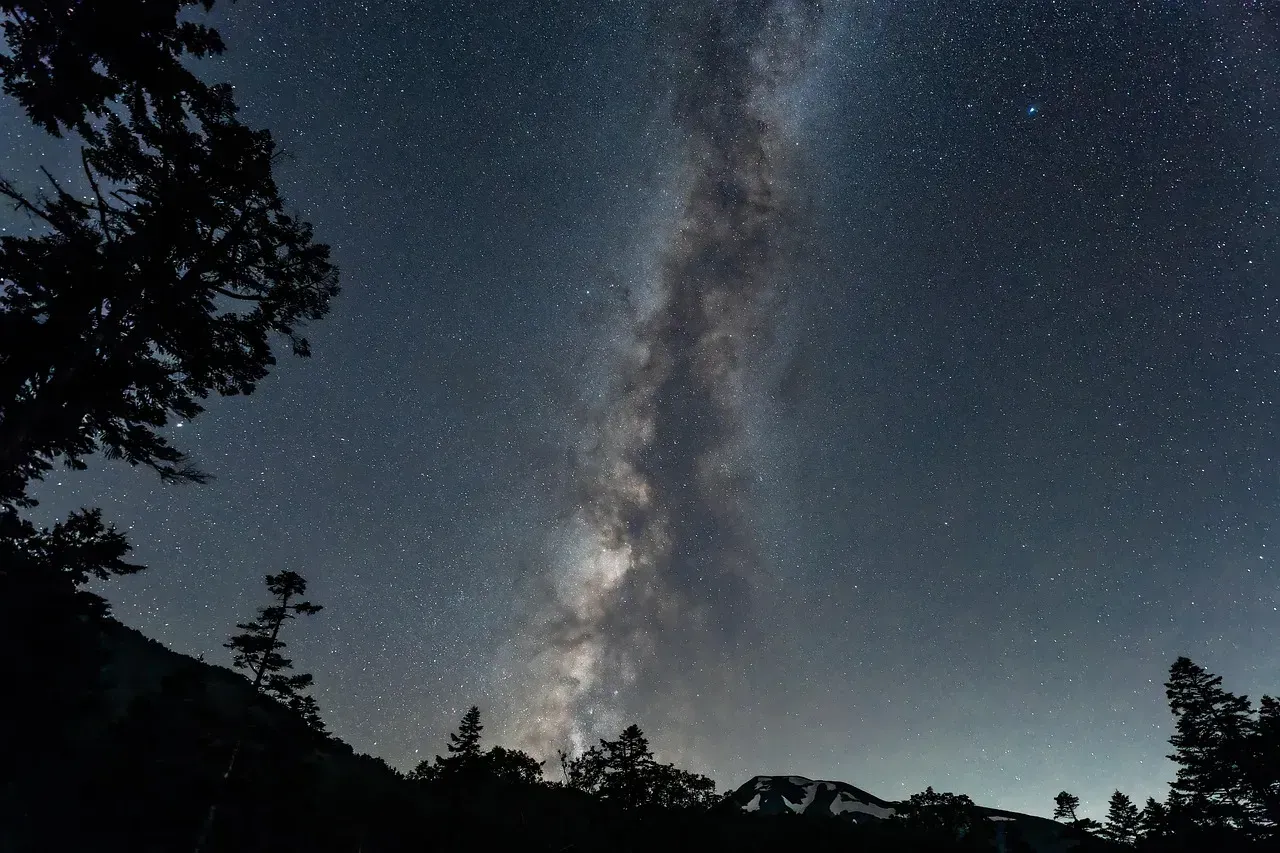
Westhavelland proves that dark skies don’t require total wilderness or extreme remoteness. It’s Europe’s largest dark sky reserve and sits only about 90 minutes from Berlin, one of the continent’s biggest cities. The flat Brandenburg lowland landscape looks unremarkable in daylight, which makes the transformation after dark all the more striking.
The unobstructed 360 degree horizon and genuine darkness are notable enough that on a clear autumn night, visitors can spot the Andromeda Galaxy with the naked eye. For anyone based in central Europe who assumes dark skies mean a long journey, Westhavelland is a useful reminder that isn’t always true.
Pic du Midi, France
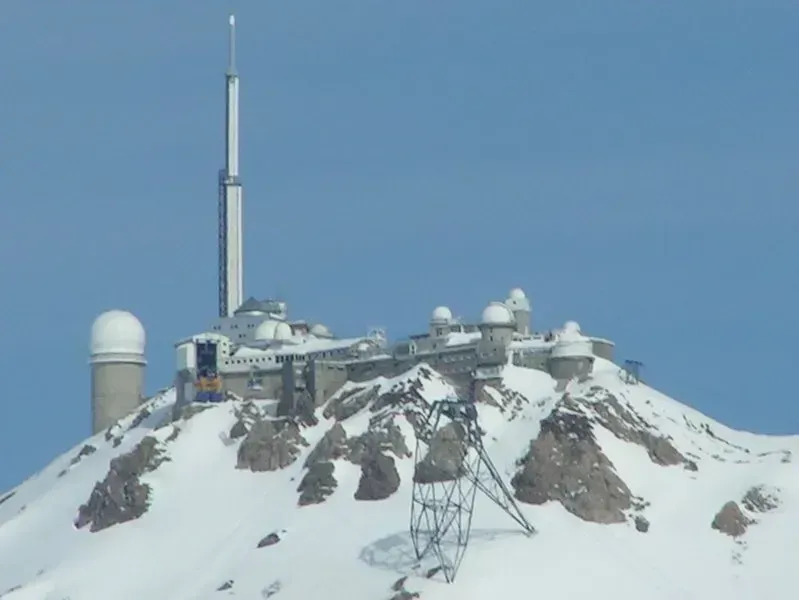
Perched high in the French Pyrenees, Pic du Midi combines a working astronomical observatory with reserve status covering a wide swath of surrounding mountain terrain. It’s home to France’s first International Dark Sky Reserve, centred on the Pic du Midi observatory and covering a large area of the Pyrenees. The altitude alone puts visitors above much of the atmospheric haze that dulls skies at lower elevations.
The reserve has strict lighting regulations and offers organized stargazing nights throughout the summer. A cable car ride to the observatory itself turns the trip into as much of an experience as the stargazing that follows.
Teide National Park, Tenerife
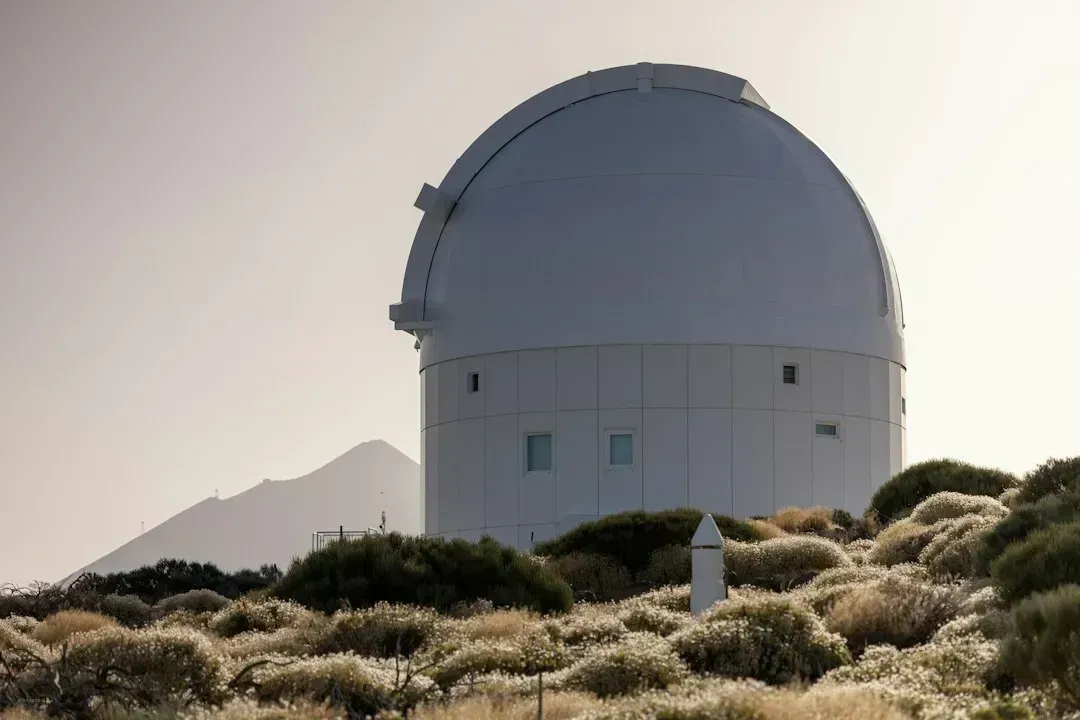
Tenerife’s Teide National Park sits on volcanic terrain at high altitude, above the cloud layer that typically forms over the Canary Islands, which gives it unusually stable and transparent skies for an island destination. It’s a UNESCO site with Bortle 2 skies where roughly 83 constellations are visible, with observatory visits starting from around 21 euros. That accessibility, paired with the island’s mild climate, makes it one of the easiest dark sky destinations in Europe to reach on short notice.
The park’s professional observatory infrastructure means casual visitors can join guided sessions with serious equipment rather than relying solely on their own gear. Clear, dry nights are common for much of the year, which keeps the odds of a wasted trip relatively low compared with many mainland European sites.
Great Basin National Park, Nevada
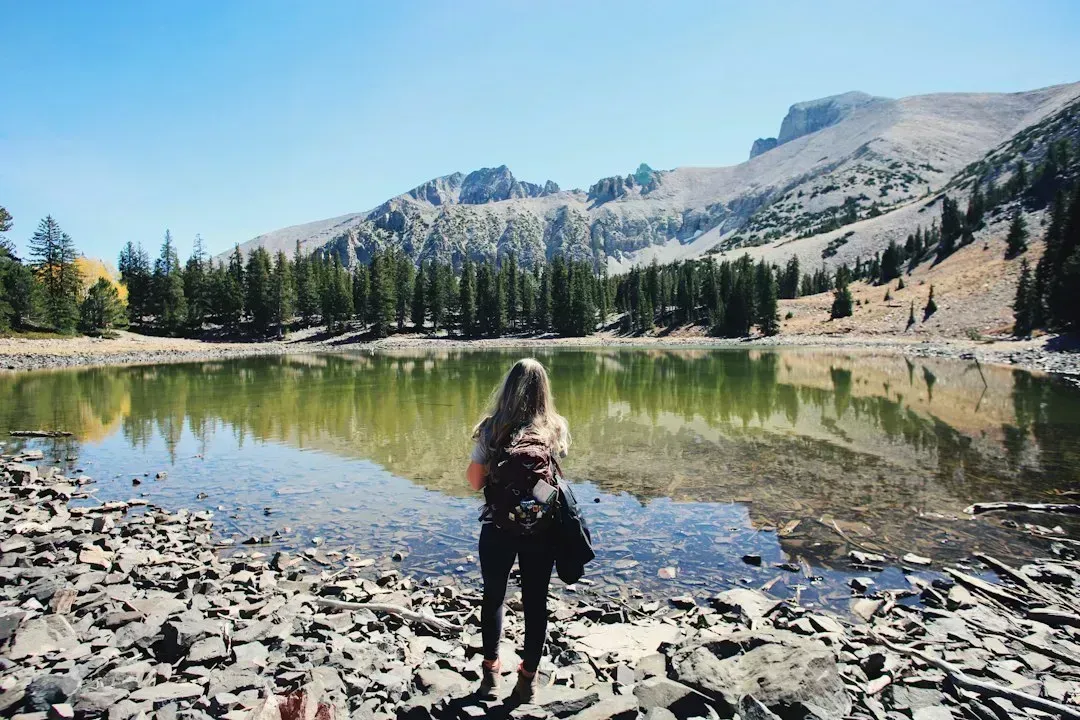
Great Basin sits in one of the least populated parts of the American West, and that isolation is exactly what makes it valuable to stargazers. It offers remote desert skies with exceptional darkness, drawing serious astronomy enthusiasts each year. The park’s high elevation adds an extra layer of atmospheric clarity that lower desert sites don’t always have.
Rangers here run regular astronomy programs, and the park has invested specifically in protecting its night sky as a core visitor draw rather than an afterthought. Because it draws far fewer visitors than more famous parks like Zion or Bryce Canyon, it’s often easier to find a genuinely quiet, unlit spot to set up for the night.
Chasing dark skies has become less of a niche hobby and more of a deliberate travel category, helped along by better mapping tools and a growing network of certified sites worldwide. Whether the goal is a quick weekend escape from city glow or a once-in-a-lifetime trip to the Southern Hemisphere, these twelve places share the same basic promise: a sky that looks the way it was always meant to, before artificial light got in the way.