
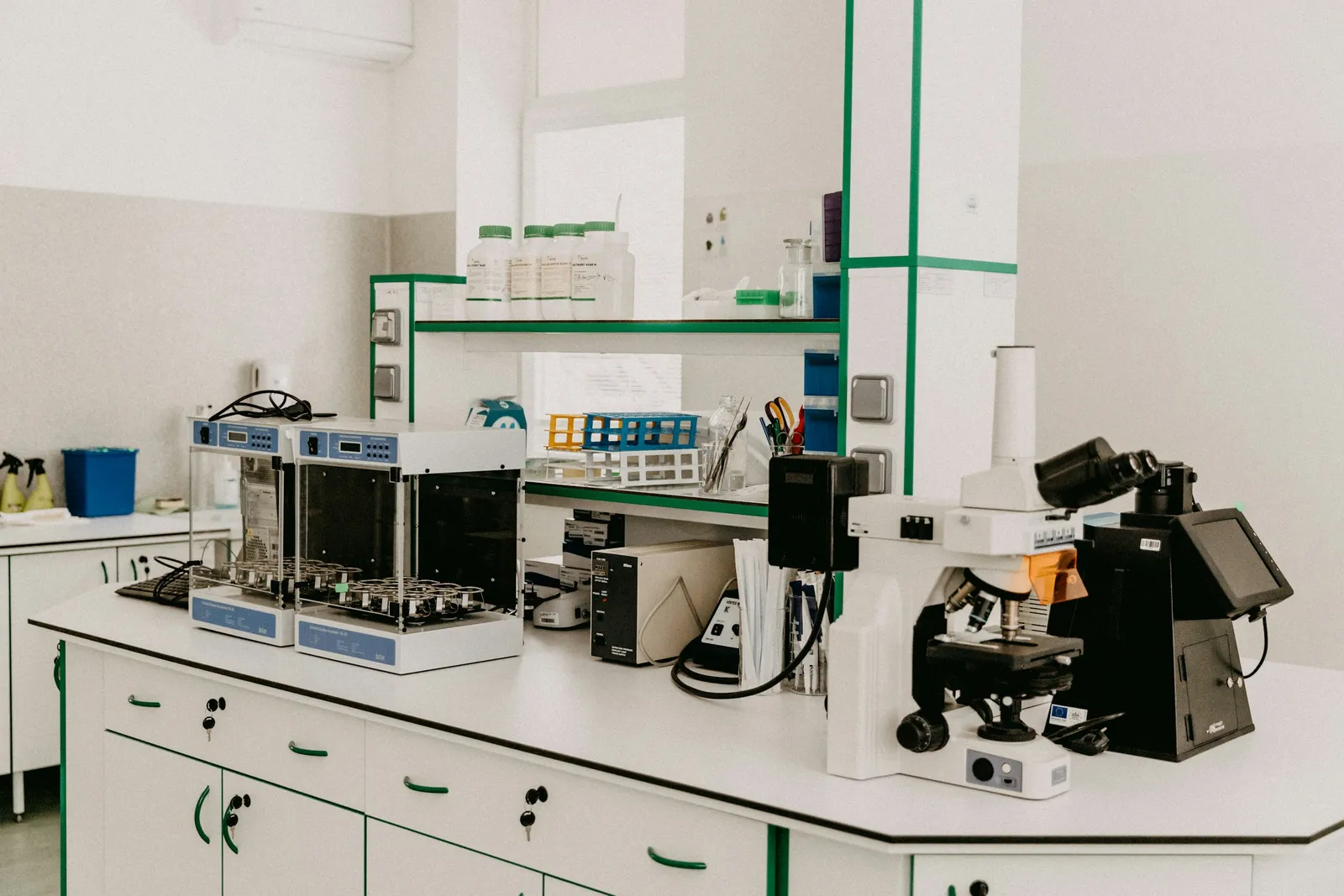
1. Working alone with hazardous materials
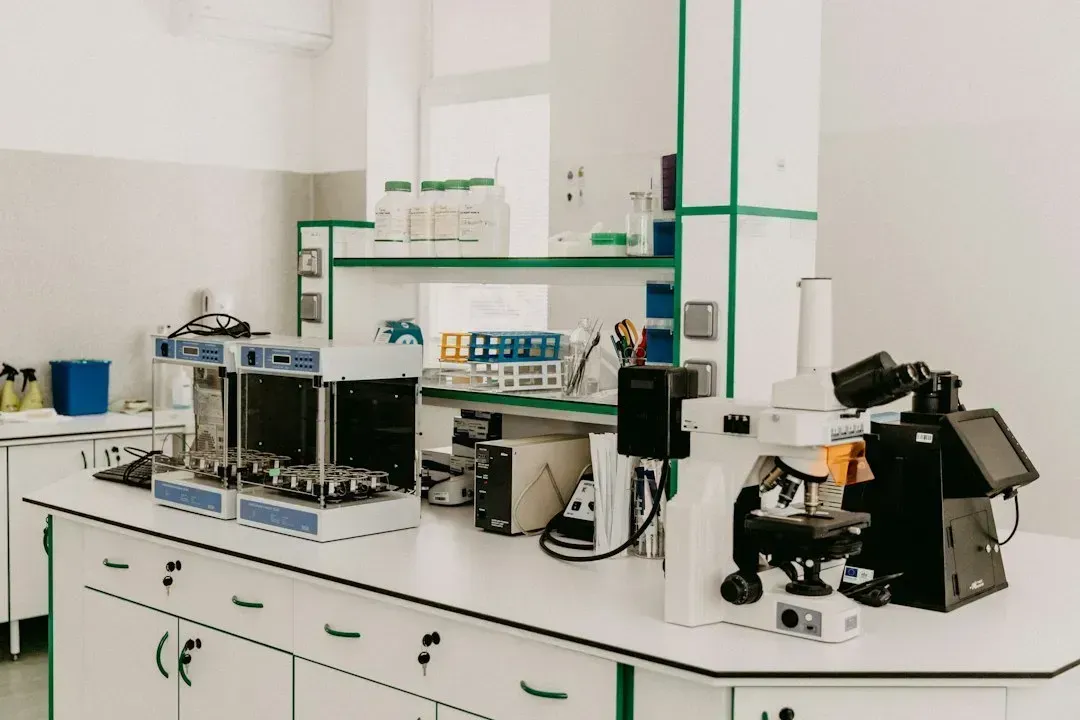
Many institutions require a buddy system when someone is handling pyrophoric chemicals, high-voltage equipment, or biological agents above a certain risk tier, yet solo work after hours remains common. Grad students and postdocs often stay late specifically because the lab is quieter and equipment is free, which ironically is when supervision is thinnest. If something goes wrong, whether it’s a chemical splash or a fall, there may be no one around to help for hours.
The justification is almost always the same: the task feels routine, so the risk feels low. But routine tasks are precisely where injuries happen, since familiarity breeds a kind of casualness that more novel procedures don’t get. Safety officers consistently flag after-hours solo work as one of the hardest habits to enforce because it’s invisible until something actually happens.
2. Skipping proper PPE for “quick” tasks
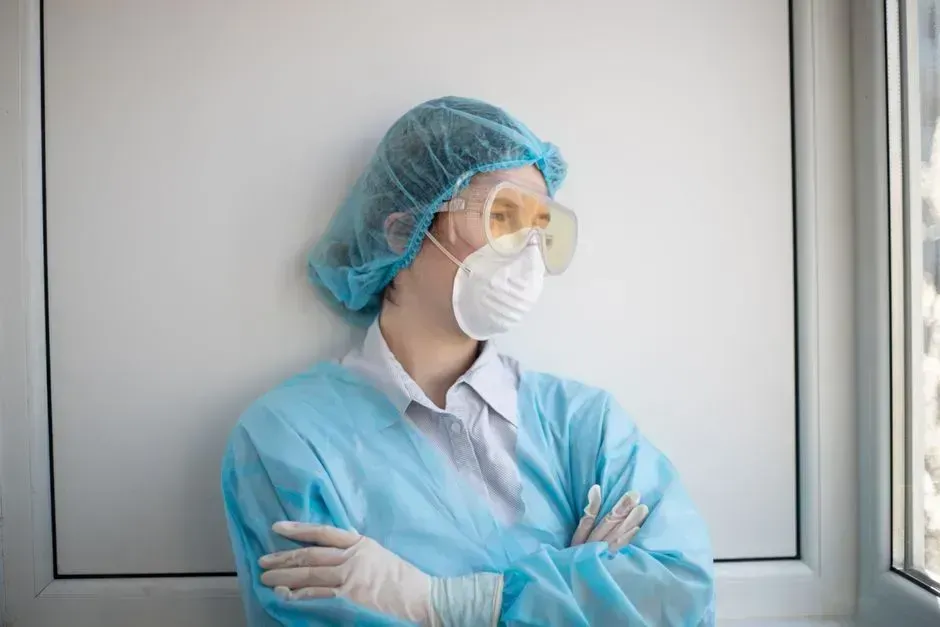
Goggles get pushed up onto the forehead, gloves come off to answer a phone, and lab coats get left unbuttoned because a task will “only take a second.” This kind of PPE noncompliance is one of the most frequently cited issues in internal safety audits across academic and industry labs alike. The logic behind skipping protection for brief tasks ignores that most chemical splashes and needle sticks happen during exactly those quick, seemingly low-risk moments.
Closed-toe shoes, safety glasses, and gloves matched to the specific hazard are baseline requirements in nearly every lab safety manual, yet enforcement varies wildly by supervisor and by day. Researchers often develop a mental hierarchy of which tasks “count” as dangerous and which don’t, and that hierarchy is frequently wrong. A pipetting step that seems harmless can still involve a corrosive reagent or an unexpected splash.
3. Eating or drinking at the bench
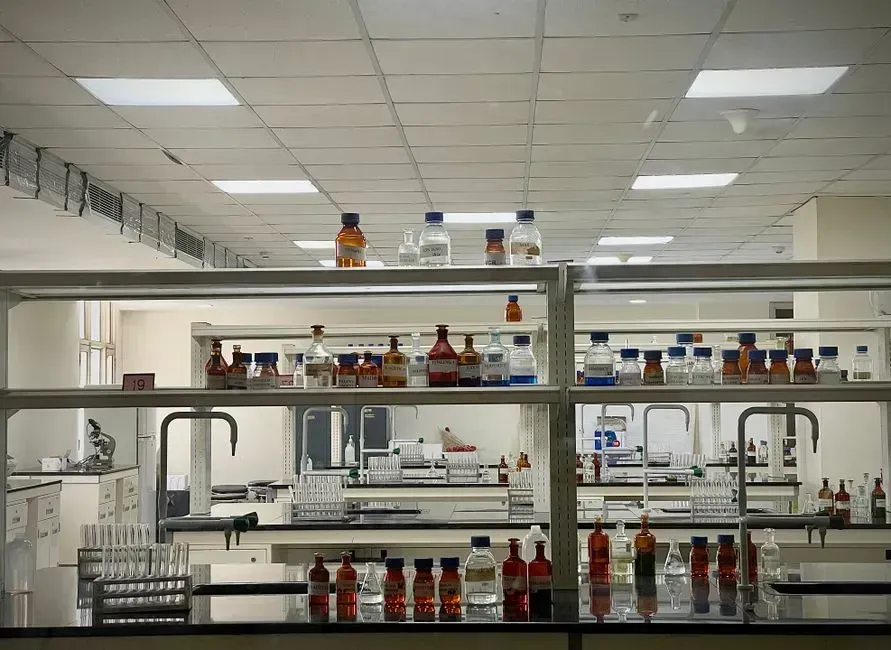
Coffee cups on lab benches remain a stubbornly common sight despite being one of the clearest violations in any safety handbook. The rule against food and drink near work areas exists because contamination doesn’t announce itself, and residue on a bench or glove can transfer to a mug rim without anyone noticing. This is especially risky in labs working with biological samples, radioactive tracers, or heavy metals, where exposure can be cumulative and symptomless for years.
Many researchers rationalize this by keeping food “on the other side” of the bench or in a drawer, treating distance as a substitute for a genuine barrier. Designated eating areas exist in most institutions for exactly this reason, yet the walk to a break room can feel like an unnecessary interruption during a long protocol. The convenience of a five-second sip often outweighs, in the moment, a risk that is statistically small but never actually zero.
4. Overriding or disabling safety interlocks
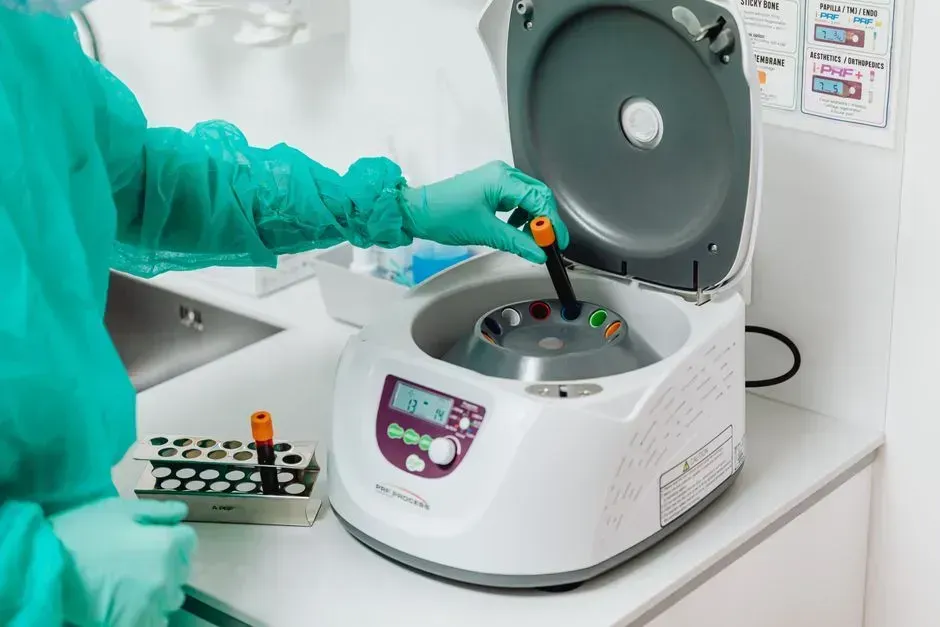
Equipment like centrifuges, autoclaves, and laser systems often come with interlocks designed to stop operation if a door or panel isn’t properly secured. Researchers under time pressure sometimes find workarounds, taping down a switch or jamming a sensor, because the interlock is triggering on a piece of equipment they consider reliable enough without it. This kind of tampering is explicitly against manufacturer guidelines and most institutional biosafety and chemical safety policies.
The problem is that interlocks are rarely there for the ninety-nine times equipment behaves normally. They exist for the one time a rotor is unbalanced or a door seal fails, and by then the override has already removed the one thing standing between a malfunction and an injury. Reported cases of centrifuge and autoclave incidents frequently trace back to disabled safety features rather than random equipment failure.
5. Ignoring chemical labeling and storage rules
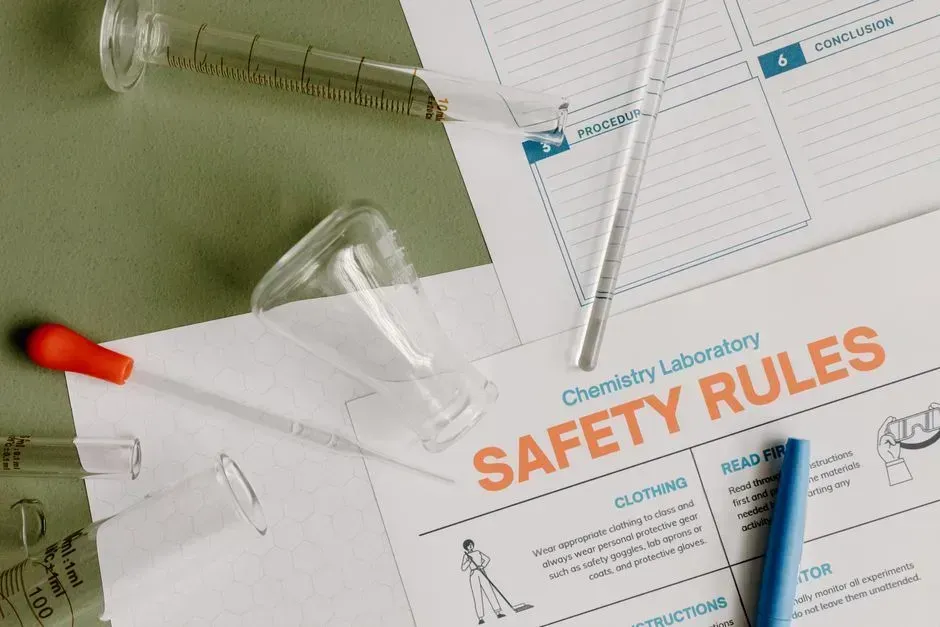
Secondary containers, the small bottles researchers fill from a larger stock, are supposed to carry proper hazard labels under OSHA’s Hazard Communication Standard, but in practice many end up marked with handwritten shorthand or nothing at all. This becomes a real problem when a different lab member later needs to identify the contents, especially in an emergency. Incompatible chemical storage, such as keeping oxidizers next to flammables, is another common infraction that inspectors flag repeatedly during routine walkthroughs.
Storage cabinets are often organized alphabetically for convenience rather than by chemical compatibility, which sounds harmless until an acid and a base end up sharing a shelf. Spill trays go unused, expired reagents linger for years, and flammable cabinets get treated as general storage rather than fire-rated enclosures. Each of these habits is individually minor, but together they represent one of the most persistent categories of safety violations documented in academic lab audits.
6. Using expired or improperly maintained safety equipment
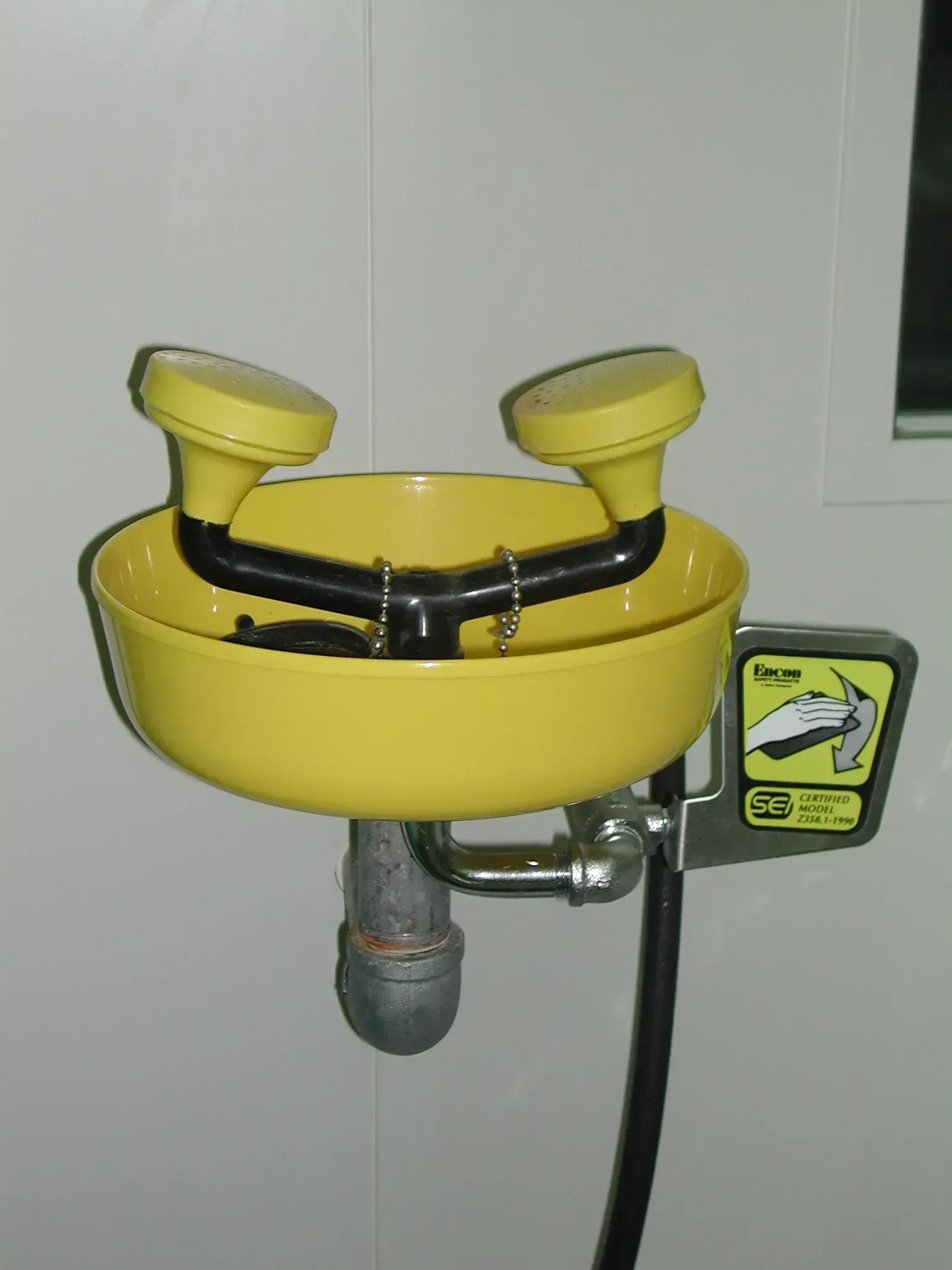
Eyewash stations and safety showers require regular testing, typically weekly flushes to prevent bacterial buildup and confirm functionality, yet many labs let this slide for months. Fire extinguishers need inspection tags checked annually, and fume hood airflow should be verified on a set schedule, but these checks often become an afterthought once initial training is complete. When equipment does get used, it’s frequently discovered mid-emergency that it doesn’t work as expected.
Fume hoods present a particularly common issue since researchers sometimes prop the sash open wider than the marked safe limit to fit larger equipment, defeating the airflow calculations that keep fumes from reaching the breathing zone. A fume hood operating with the sash improperly positioned can lose most of its containment efficiency almost immediately. This is a case where the safety feature is still physically present but functionally useless, which can be more dangerous than having no system at all because it creates false confidence.
7. Improper waste disposal
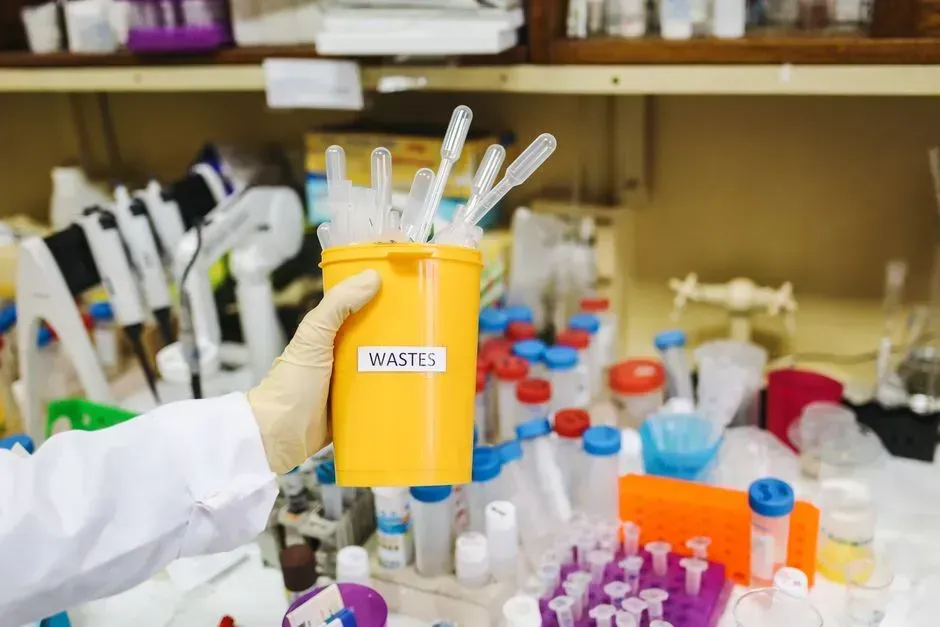
Sharps containers get overfilled past the fill line, biohazard bags end up in regular trash, and chemical waste sometimes gets poured down the drain when a proper disposal container isn’t immediately on hand. Each of these actions violates both institutional policy and, in many cases, federal or local environmental regulations. The consequences aren’t always immediate, but drain disposal of certain solvents and reagents can damage plumbing systems or violate wastewater discharge permits.
Segregating waste streams correctly, biological, chemical, sharps, and radioactive, takes extra time and often extra containers, which makes it an easy corner to cut when a bench is already cluttered. Mislabeled or mixed waste creates real danger for custodial staff and waste handlers who may have no idea what they’re actually dealing with. Institutional environmental health and safety offices consistently rank improper waste segregation among the top compliance issues found during lab inspections.
8. Pipetting by mouth or improvising with makeshift tools

Mouth pipetting is banned in essentially every modern lab safety code, largely because of documented cases of accidental ingestion of hazardous or infectious substances decades ago that led to the current mechanical pipetting standard. Even so, older habits occasionally resurface in informal settings, or researchers improvise tools in ways that weren’t designed for the task, using a random glass rod instead of a proper stirring implement, for example, or repurposing broken glassware rather than discarding it. These improvisations often stem from a shortage of proper tools rather than deliberate carelessness.
The risk isn’t just contamination; it’s unpredictability. Equipment that wasn’t designed or tested for a specific use can behave in ways researchers don’t anticipate, whether that’s a container cracking under pressure it wasn’t rated for or a tool slipping in a way a properly designed one wouldn’t. Safety protocols exist partly to remove this kind of improvisation from the equation entirely, replacing guesswork with tested, predictable behavior.
9. Bypassing training requirements for new equipment or procedures

Institutional policy typically requires documented training before anyone uses new equipment, especially lasers, radioactive sources, or biosafety level 2 and 3 materials. In busy labs, a senior student sometimes shows a newcomer the ropes informally instead of waiting for the formal training session to be scheduled, especially when that session is weeks away. This peer-to-peer shortcut can work fine, but it also means gaps in a person’s understanding go unnoticed until something unexpected happens.
Formal training programs are usually designed to cover edge cases and failure modes that an informal walkthrough simply won’t include. A rushed five-minute explanation from a labmate rarely covers what to do if a laser interlock fails or a biosafety cabinet loses negative pressure. Regulatory bodies like OSHA and institutional biosafety committees require documented training precisely because informal knowledge transfer tends to lose the parts that matter most in an emergency.
10. Propping open doors to controlled-access areas
Labs working with select agents, radioactive materials, or certain biosafety level 2 organisms are required to maintain controlled access, meaning doors should stay closed and often locked. In practice, doors frequently get propped open for convenience during busy stretches, especially when people are moving equipment or samples back and forth repeatedly. This defeats the access control system entirely and can also compromise negative-pressure airflow systems designed to contain aerosols within the room.
Security concerns aside, propped doors also undermine emergency containment plans that assume a room can be sealed quickly if something goes wrong. Biosafety cabinets and room-level ventilation are often engineered together as a single containment strategy, and an open door can pull air in the wrong direction, effectively short-circuiting the design. Institutional biosafety officers frequently cite this as a recurring finding during compliance walkthroughs, particularly in shared-use facilities where multiple groups pass through the same space.
11. Failing to report near-misses and minor incidents

Small spills, brief chemical exposures, or minor equipment malfunctions often go unreported because nothing seemed to happen and no one wants the paperwork or the perceived scrutiny. Yet near-miss reporting is one of the most valuable tools safety officers have, since patterns in minor incidents frequently predict where a larger one is likely to occur. A cracked seal that leaks a little today can fail completely next month, and without a report, no one tracks that trajectory.
Underreporting is a well-documented problem across research institutions, and safety culture surveys have repeatedly found that fear of blame or extra scrutiny discourages people from filing reports for anything short of a serious injury. This creates a feedback gap: the data that would help prevent future incidents simply doesn’t exist because the minor version of the incident was never logged. Institutions that actively encourage blame-free near-miss reporting tend to see better long-term safety outcomes, precisely because they’re not flying blind on the small stuff.
None of these habits are unique to any one field or institution. They show up in chemistry labs, biology labs, materials science facilities, and clinical research settings alike, largely because they stem from the same root causes: time pressure, familiarity, and a belief that rules are written for someone else’s mistakes. The gap between what safety protocols require and what actually happens day to day isn’t usually the result of recklessness. It’s the slow accumulation of small compromises that feel reasonable in isolation but add up to real risk over time.
- 8 Space Missions Many Think Were American – But Weren’t - September 20, 2026
- 7 Inventions Commonly Believed to Be American – Despite Being Discovered Elsewhere - September 20, 2026
- 12 Countries Where Rising Sea Levels Are Already Displacing Residents - September 19, 2026
