

- Space-Based Solar Power Could Beam Energy To Earth. How Close Is It To Reality? - November 19, 2026
- 6 Outdated Storm Habits That Alarm Emergency Experts When They Still See Them - November 19, 2026
- Food Waste Makes Up A Large Share Of Landfills. Here’s What Happens To It There - November 19, 2026
Nobody agrees on exactly how many garments the world makes in a year. Estimates run from roughly 80 billion to well above 100 billion, depending on who is counting and how. The spread says something about how hard the industry is to measure.
Resale, meanwhile, has become one of the few parts of fashion posting steady growth. The question is whether secondhand clothing is growing fast enough to matter against a production system that keeps accelerating. The numbers from 2025 and 2026 give a clearer picture than the slogans do.
Counting garments is harder than it sounds
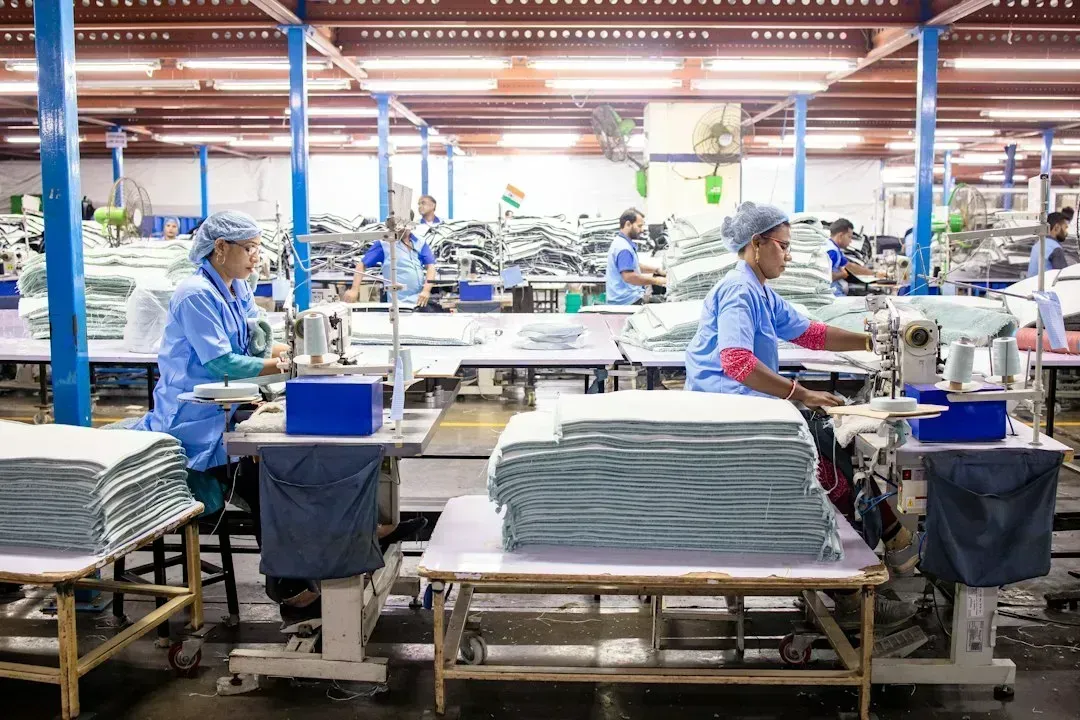
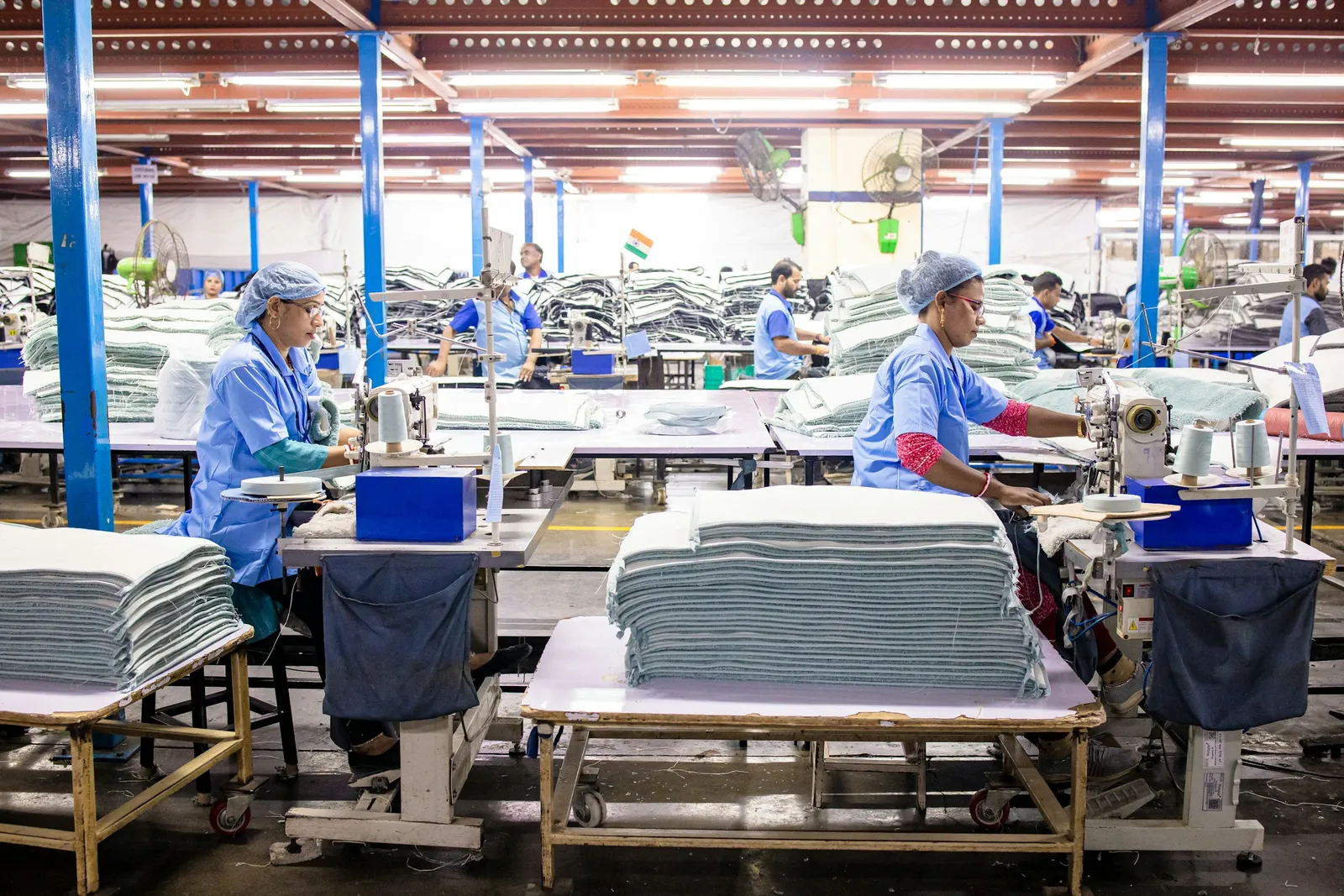
One widely repeated range puts annual output at between 80 and 100 billion garments. Other trackers go higher, with one 2026 compilation citing over 100 billion garments a year, roughly 13 items for every person on Earth. A magazine feature went further still, claiming some 170 billion garments a year.
These figures are estimates, and they rely on different definitions of what counts as a garment. Still, they point in the same direction. Production has doubled since 2000, and no serious source suggests it is shrinking.
How ultra fast brands changed the clock

Traditional retailers once planned around seasons with lead times of six to twelve months. Zara cut that to two to three weeks from design to shelf. Shein, with a purely digital model, compressed it to roughly 10 days across what analysts call 52 micro seasons.
Shein has been reported to upload thousands of styles daily. One source says up to 6,000 new items per day at its peak, while others cite figures as high as ten thousand. Its approach relies on initial runs of just 100 to 200 units per design, scaled up only if demand shows.
How big resale has become
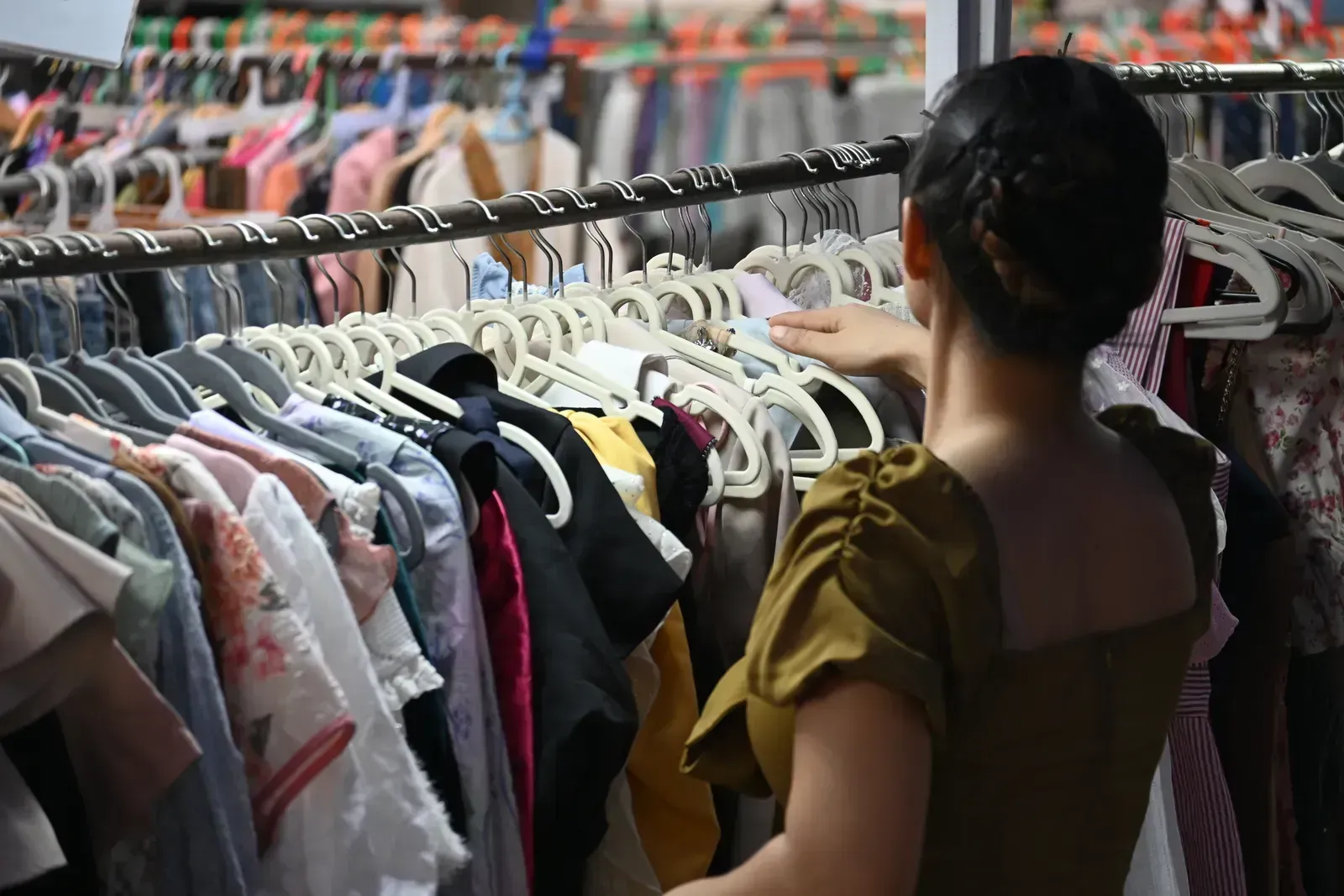
ThredUp’s 2026 Resale Report, built on research by the analytics firm GlobalData, found that the global secondhand apparel market grew by 13 percent last year, outpacing new apparel, where sales were nearly flat. The report projects the market will reach $393 billion by 2030, representing about 10% of global apparel spend.
In the United States, the pace is stronger. The U.S. secondhand market grew nearly four times faster than the broader retail clothing market in 2025. One summary of the report estimates the global market at $289 billion in 2026.
A caveat is worth keeping in mind. ThredUp is a resale company, so its report naturally frames the sector favorably, even though the underlying data comes from a third party.
Younger shoppers are driving it
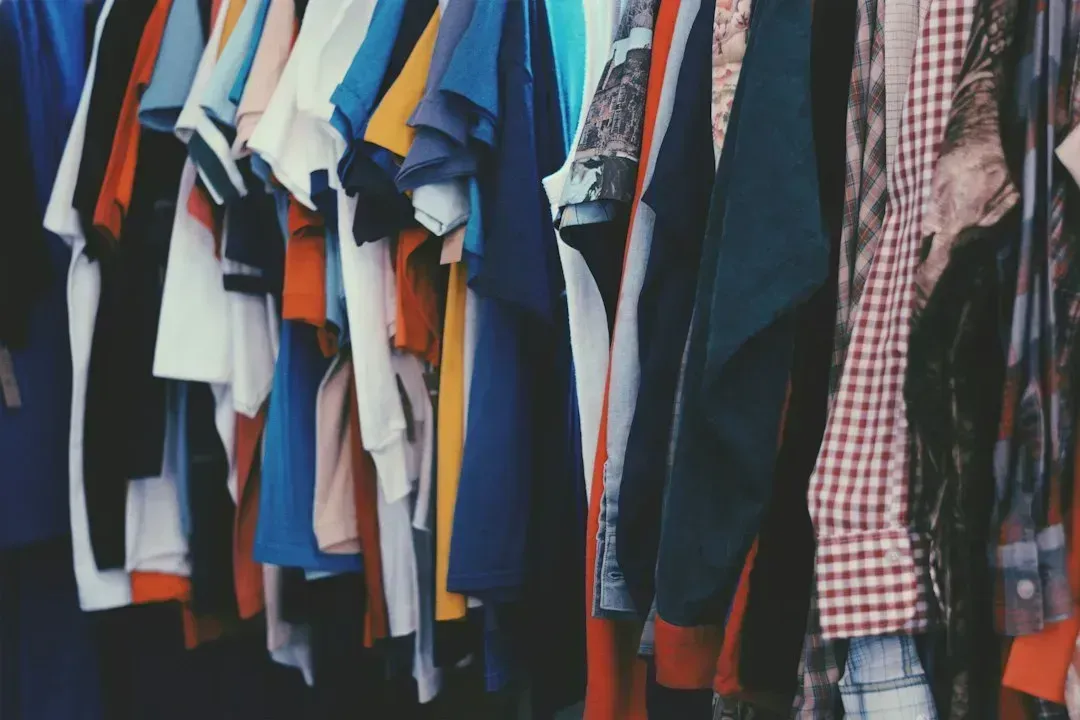
Secondhand shopping is now a mainstream habit. A majority of consumers, 59 percent, shopped secondhand apparel in 2025, up seven points in three years. That is nearly six in ten shoppers.
Younger generations carry much of the momentum. Gen Z and millennials are expected to foster more than 70% of the market growth through 2030. For many of them, buying and selling a wardrobe is simply how clothes are acquired.
Supply, not demand, is the bottleneck
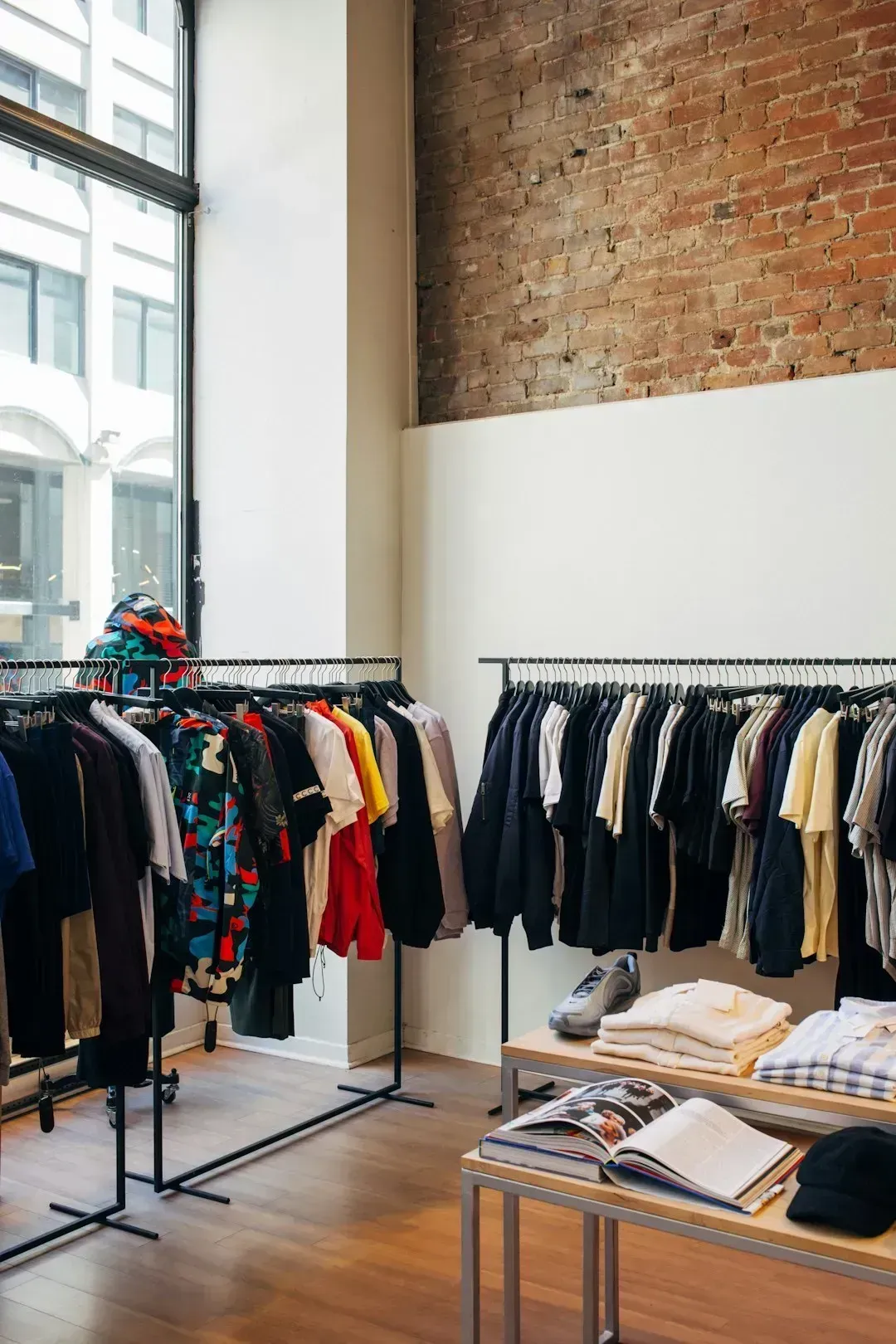
Here the story gets less tidy. The same report found that the supply of secondhand goods, not consumer demand, is resale’s primary constraint. Shoppers want more used clothing than the system can currently list, sort and sell.
That matters because resale depends on what people are willing to part with. Closets don’t empty on schedule, and sorting, photographing and pricing each item takes labor. Platforms are betting that technology can speed up that process.
Fast fashion is filling the resale racks
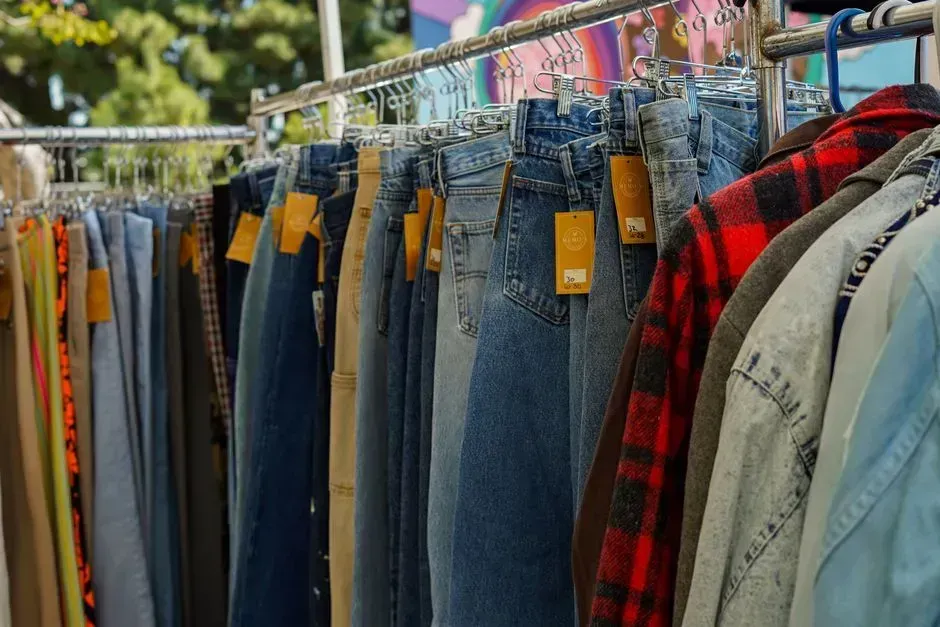
Resale does not only trade in vintage and luxury pieces. ThredUp’s data lists the most shopped brands by volume as J.Crew, Zara, Ann Taylor LOFT, Old Navy, and Gap. Zara’s place on that list shows that fast fashion pieces are circulating a second time.
Quality sets a limit, though. Garments built for a handful of wears may not survive a second owner, and ultra cheap items often sell for too little to justify the cost of processing them. Brands with sturdier construction tend to hold value better, which is a pattern worth watching rather than a proven rule.
Discovery is moving to social feeds and AI
Where people find secondhand clothes is changing. According to ThredUp’s report, nearly half, 46 percent, of shoppers are finding resale products via their social media feeds, content creators and in person browsing. Resale is no longer confined to its own apps and stores.
AI is part of the shift as well. The report found that 48% of shoppers said they use AI shopping tools during their secondhand shopping journey. The same report says AI is reducing friction across the resale experience, making buying and selling more efficient and scalable.
Waste, and why scale matters
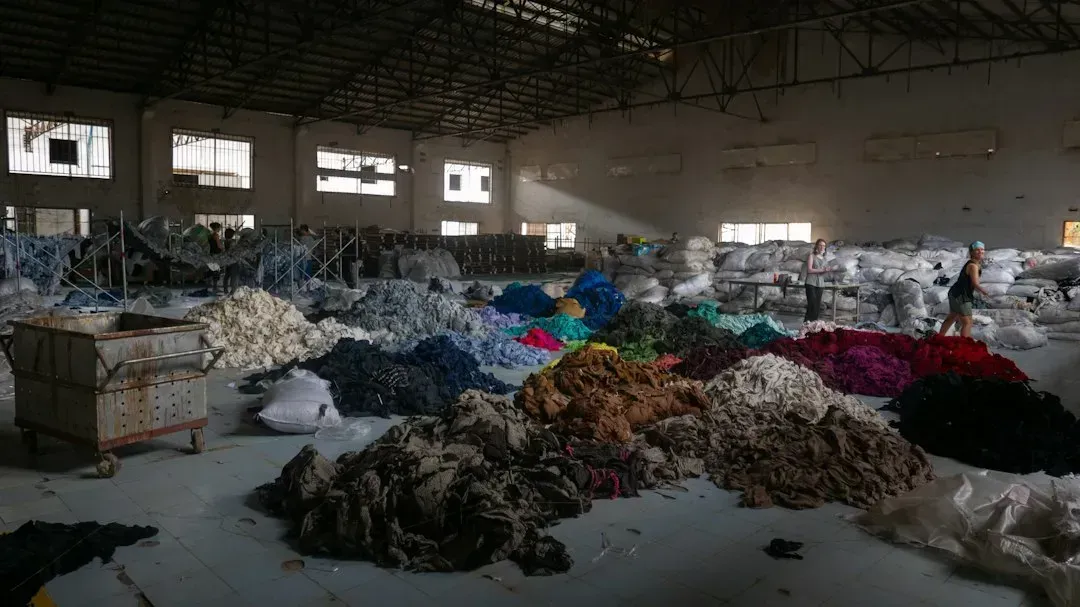
The environmental backdrop is stark. UNEP figures cited in a 2026 analysis put textile waste at 92 million tonnes produced globally each year, while less than 1% of clothing is recycled into new garments. Estimates for unsold stock vary widely, with one range running from 8 billion to 60 billion garments a year.
Against that, resale’s share of spending is still small, near one tenth of global apparel spend by 2030 on current forecasts. One tracker projects that production could reach 200.5 billion pieces by 2030, though that is a projection rather than a measured result. Resale is growing about twice as fast as the overall apparel market, yet new clothing still makes up the large majority of what gets sold.
