
Cities rarely change their streets in one big move. Most of the time it happens in pieces: a few extra kilometers of protected lane, a rail line that finally opens after years of delay, a bike share fleet that gets bigger. Across North and South America, 2026 has produced a handful of those pieces at once.
The six cities below are at different stages and have very different budgets. Some are building bike infrastructure first, some are pouring money into rail, and a few are doing both. Where the public record is thin, I’ve said so.
Bogotá, Colombia
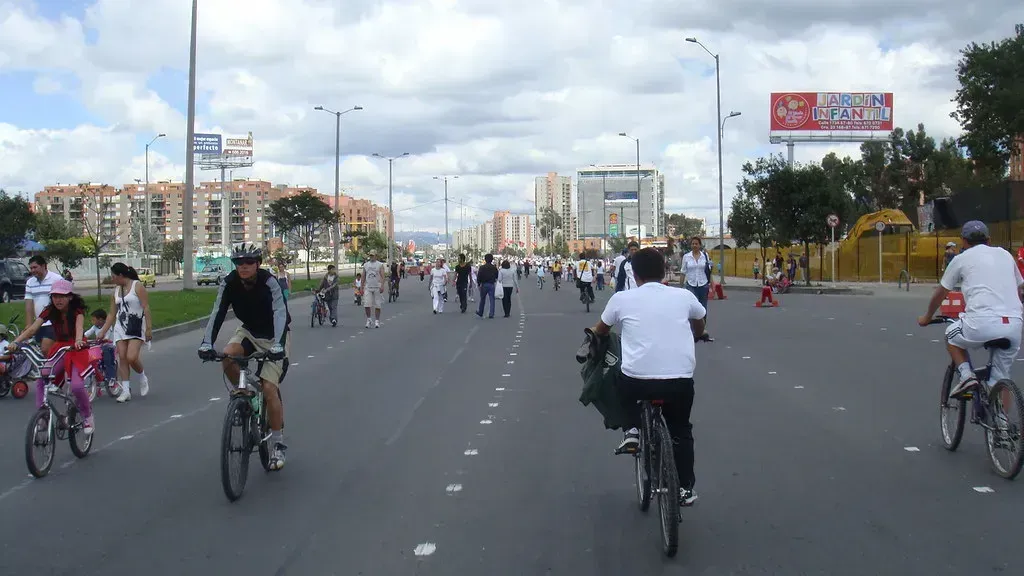
Bogotá has long been the reference point for cycling in Latin America. According to the District Mobility Secretariat, its bike path network exceeds 630 kilometers, and over 683 km open on events like Car Free Day. That’s up from 623 kilometers of bike paths as of 2023, so the permanent network is still growing, though slowly.
The most recent concrete change is to the Sunday Ciclovía. On April 19, 2026, the city’s recreation institute added 3.22 kilometers of space for exercise and recreation. The new route runs along Avenida Boyacá between calles 170 and 183, and along calle 183 between carreras 72 and 54D. The total Ciclovía network went from 138.24 to 141.46 kilometers. Keep in mind this is a recreational program for Sundays and holidays, not a permanent commuter lane.
Mexico City, Mexico
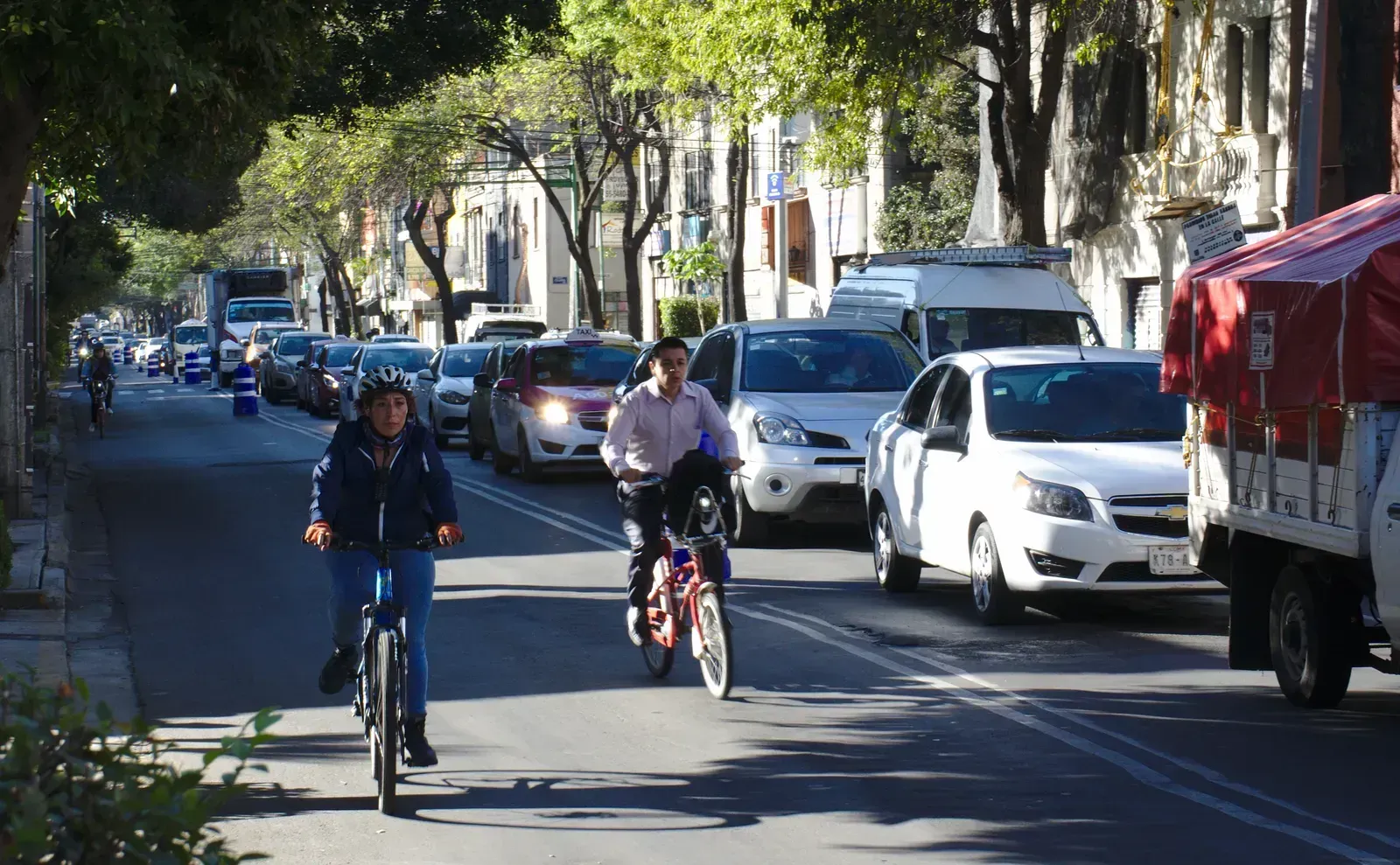
Mexico City picked a symbolic route for its biggest recent bike project. The Great Tenochtitlán Bike Path covers 15 kilometers in each direction, with 17 eventually planned, and runs along Calzada de Tlalpan. Mayor Clara Brugada inaugurated it with more than 10,000 cyclists riding the corridor. She described it as part of a wider plan to add 300 kilometers of bike lanes across the city.
Transit is moving alongside it. Ecobici is set to add 15,000 bicycles to the 9,300 already operating. Major 2026 projects include work on Metro Line 3 and construction of three new Cablebús lines. The Buenavista to AIFA train line was inaugurated on April 26, 2026. The bike path hasn’t been universally welcomed, as a sex workers’ collective has protested that it disrupted business along the avenue.
Toronto, Canada

Toronto’s big transit story this year is a long one. Line 5 Eglinton opened to TTC customers on February 8, 2026. It has 25 stations and stops across 19 kilometers, with more than 10 kilometers underground. Construction on the Crosstown began in 2011, so riders waited a very long time for it.
The bike side is less settled. Cycle Toronto notes that the planned eglintonTOday bikeways are meant to be installed when the LRT opens, as authorized by council. In December, council approved 20 km of new bike lanes, after approving none in the summer. The advocacy group also points to the province’s push to remove 19 km of bike lanes, so Toronto’s cycling network is being expanded and contested at once.
Santiago, Chile
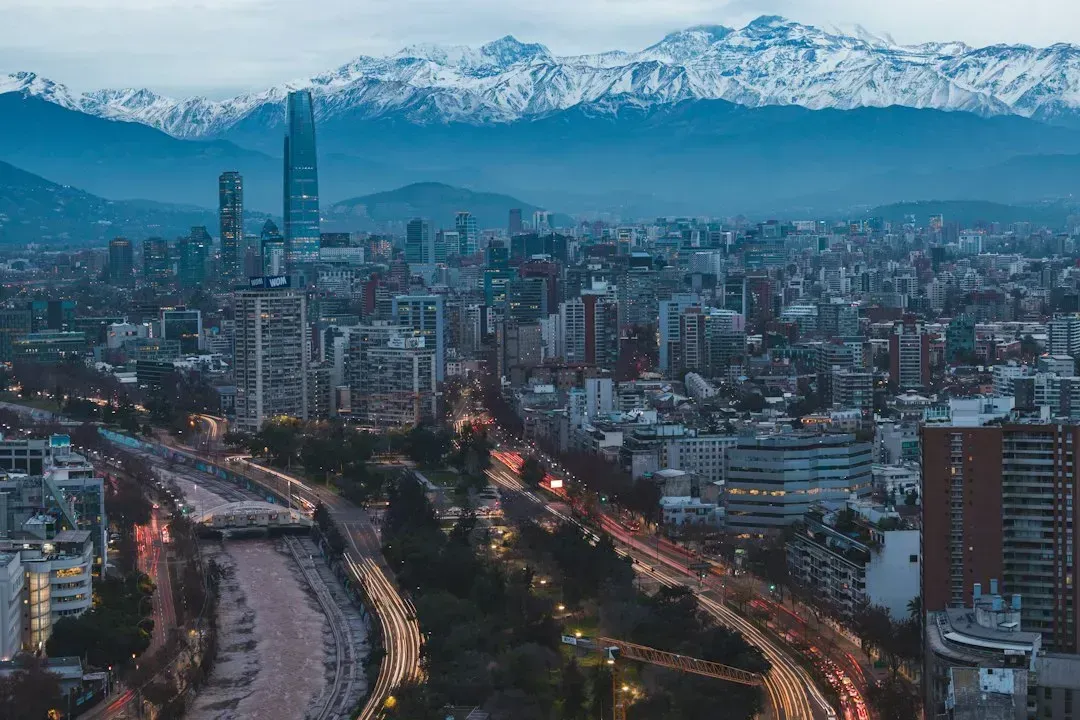
Santiago’s Metro is already large. It has 7 lines, 149 kilometers of track and 143 stations as of March 2026. The next big piece is Line 7, which has 26 kilometers and 19 stations planned, with opening set for late 2028. Metro said in May 2026 that the works were 42 percent complete, with 17.7 kilometers excavated.
The line matters for who it reaches. It will serve Renca, Cerro Navia and Vitacura for the first time. Further out, a regional commission unanimously approved Line 8’s environmental review on May 6, 2026, and a light rail Line A to the airport is planned for 2032. On bikes, I found little recent data. The one thing I could confirm is that Santiago built many bike lanes during the Covid-19 pandemic.
New York City, United States

New York’s transit funding changed in a notable way at the start of 2025, when congestion pricing began charging vehicles entering the lower part of Manhattan. The tolls are meant to help pay for the MTA’s capital program, which covers things like signal upgrades and accessibility work. It’s one of the clearer examples in the country of a city tying driving costs directly to transit investment.
The Second Avenue Subway extension toward 125th Street is also under construction. As for bike lanes, the city has continued to add protected lanes over the years. I wasn’t able to confirm specific 2026 mileage figures, so I won’t offer a number here. Readers who want exact totals should check the city’s transportation department directly.
Monterrey, Mexico

Monterrey is building rail in a car heavy metro area. Metrorrey Line 6 is a monorail of about 26.9 km, under construction and owned by the Nuevo León state government. The state launched an international tender for its construction in April 2022, and it was announced that infrastructure work would begin on February 11, 2023.
The projects haven’t all gone smoothly with neighbors. Residents in southern Monterrey protested a planned high viaduct for Line 5, arguing it would harm the area. I couldn’t verify recent bike lane totals for the city, so this entry rests on its rail expansion. Opening dates for the new lines should be checked against the latest state announcements.

- Rooftop Gardens Can Cool Buildings. Cities Are Adding Them To Fight Heat - November 19, 2026
- 6 Cities In The Americas Expanding Bike Lanes And Public Transit - November 19, 2026
- Sunbeams Piercing Low Clouds – The Particle Scattering Behind Crepuscular Rays - November 18, 2026
