
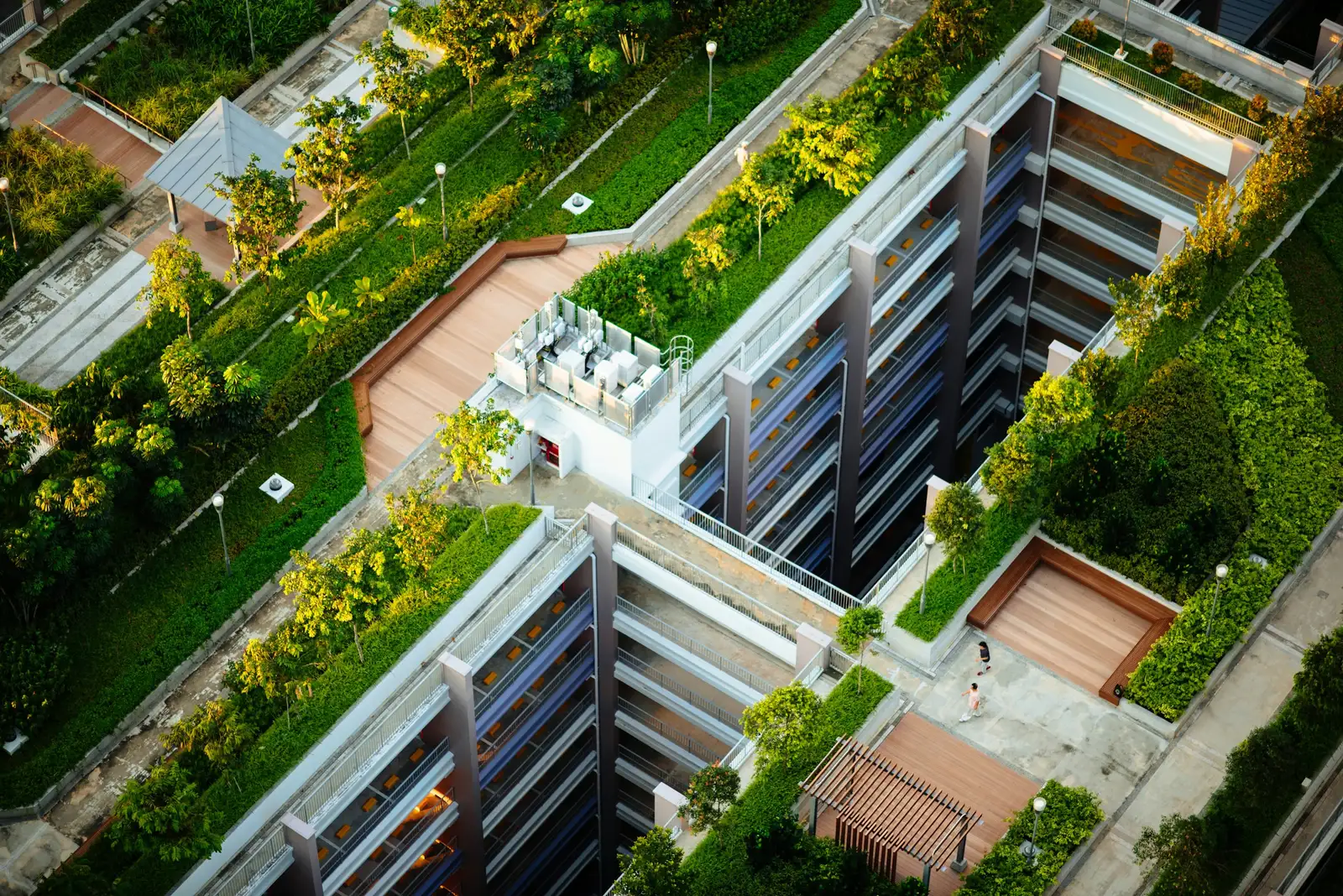
A flat, dark roof in July does a lot of quiet damage. It soaks up sunlight, radiates the heat back into the air, and pushes indoor temperatures up. Multiply that by thousands of buildings and you get part of the urban heat island effect.
A growing number of cities now treat the roof as space to be used rather than wasted. Plants, soil and a bit of water can change how a building handles a heatwave. The research is encouraging, though it comes with some caveats worth knowing.
How a Planted Roof Actually Cools
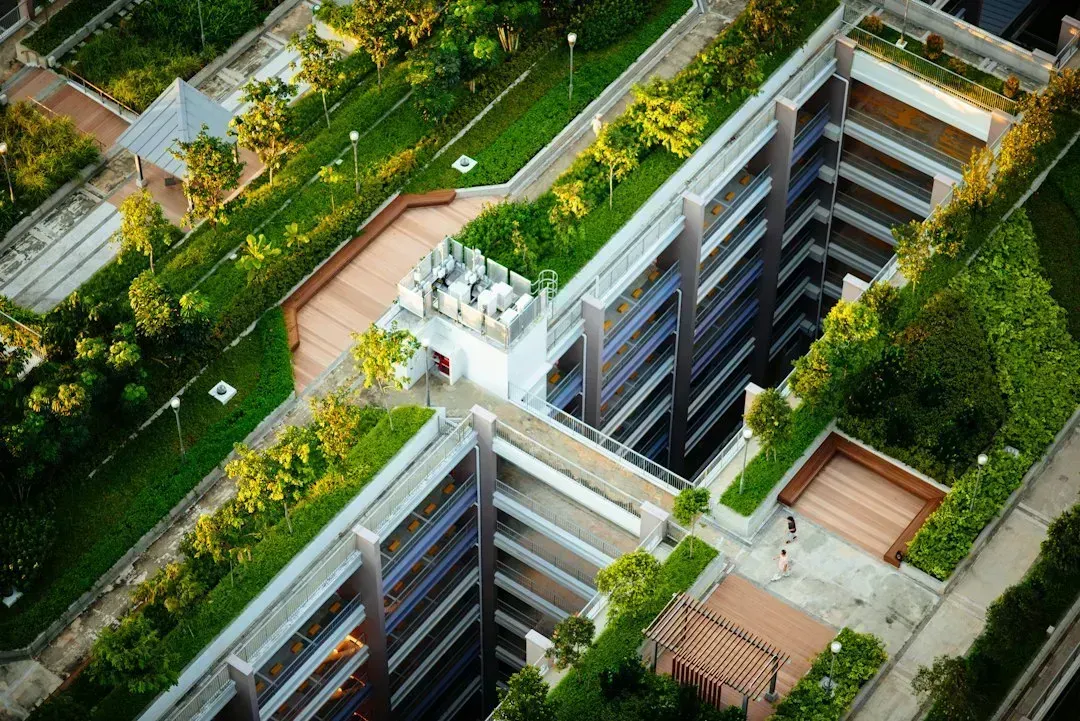
Vegetation works in two main ways. Green roofs act as insulation and cool the surrounding air through evapotranspiration, and they also give birds and insects shelter. In plain terms, the soil layer blocks heat, and the plants release water vapor, which takes energy out of the air.
The effect isn’t uniform. Cooling capacity depends on the type of vegetation and on irrigation requirements. A well watered roof will usually do more than a dry, stressed one.
What Field Measurements Show on the Roof Itself
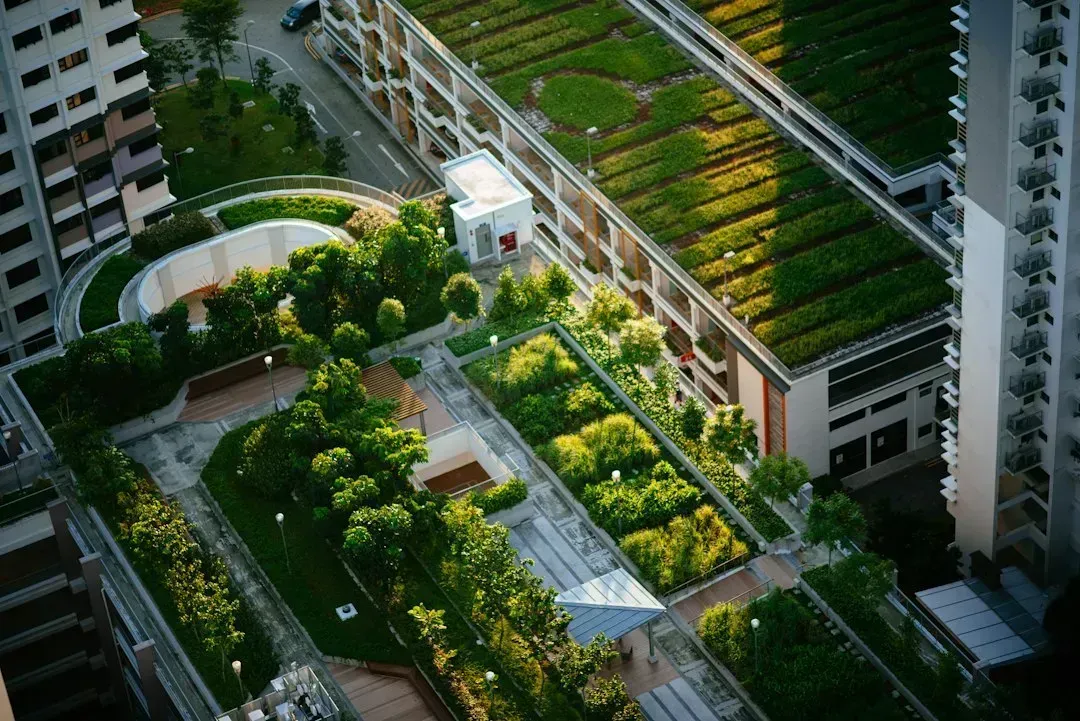
Roof surface temperatures drop sharply. A 2025 systematic review and meta-analysis found that green roofs cut roof surface temperatures by an average of 10.88°C compared with bare concrete roofs. The same review reported that indoor temperatures fell by an average of 2.4°C compared with conventional roofs.
Individual studies back this up. In a tropical retrofit, the green roof averaged about 34°C, while the concrete slab averaged nearly 48°C and the fiber cement tile above 51°C. Results vary by climate and design, so the best comparison is always against the specific roof being replaced.
Evidence From Mediterranean Roofs
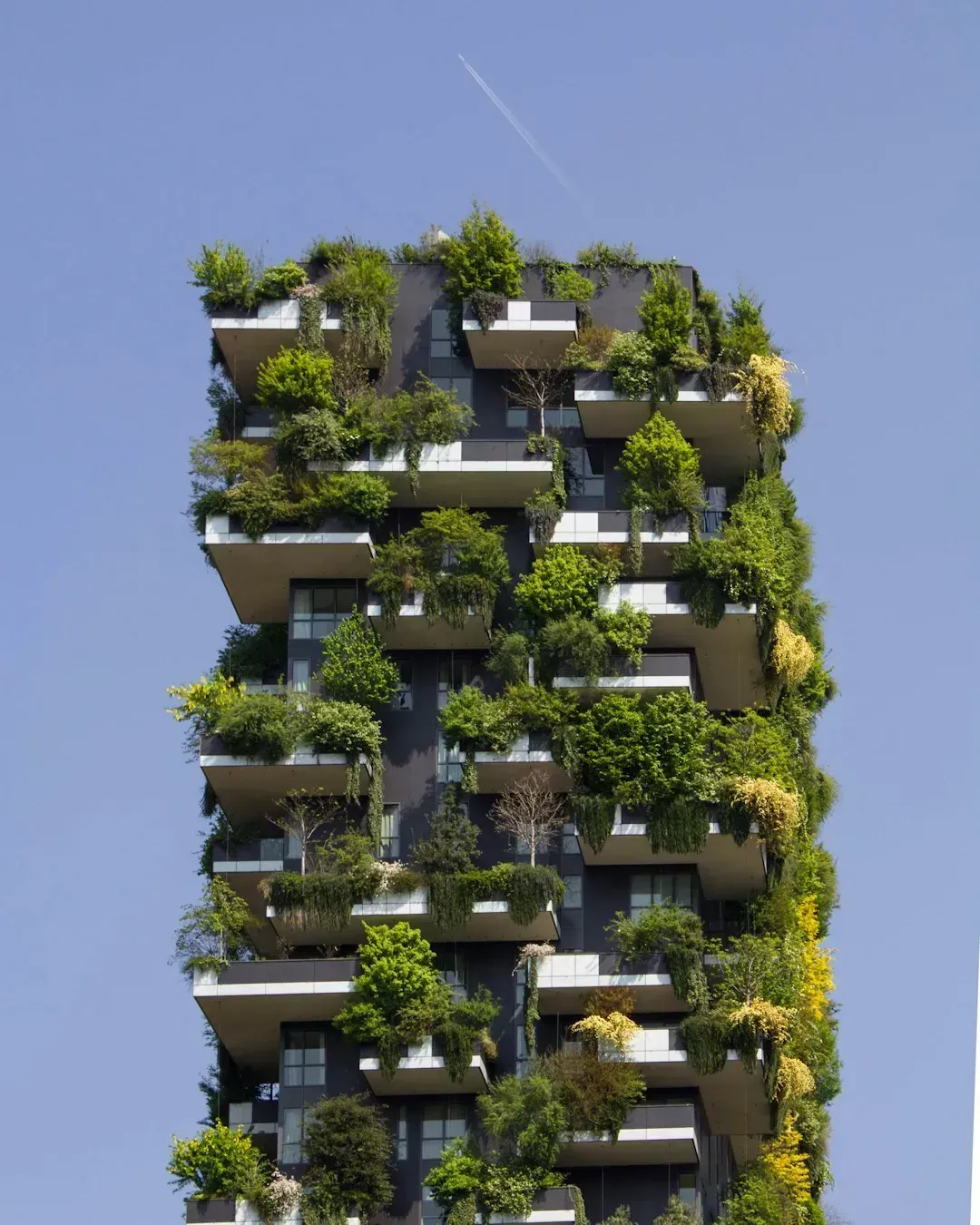
Hot, dry regions are a tougher test. In Catania, Sicily, researchers monitored three semi intensive green roof systems across 2024 and 2025. They recorded substrate surface temperature reductions of 3 to 5°C during warm periods compared with a conventional roof.
The authors noted something subtler as well. The main thermal benefit was the attenuation of daily temperature swings, not only lower peaks. A steadier roof means less strain on cooling systems through the day.
Energy Savings Inside the Building
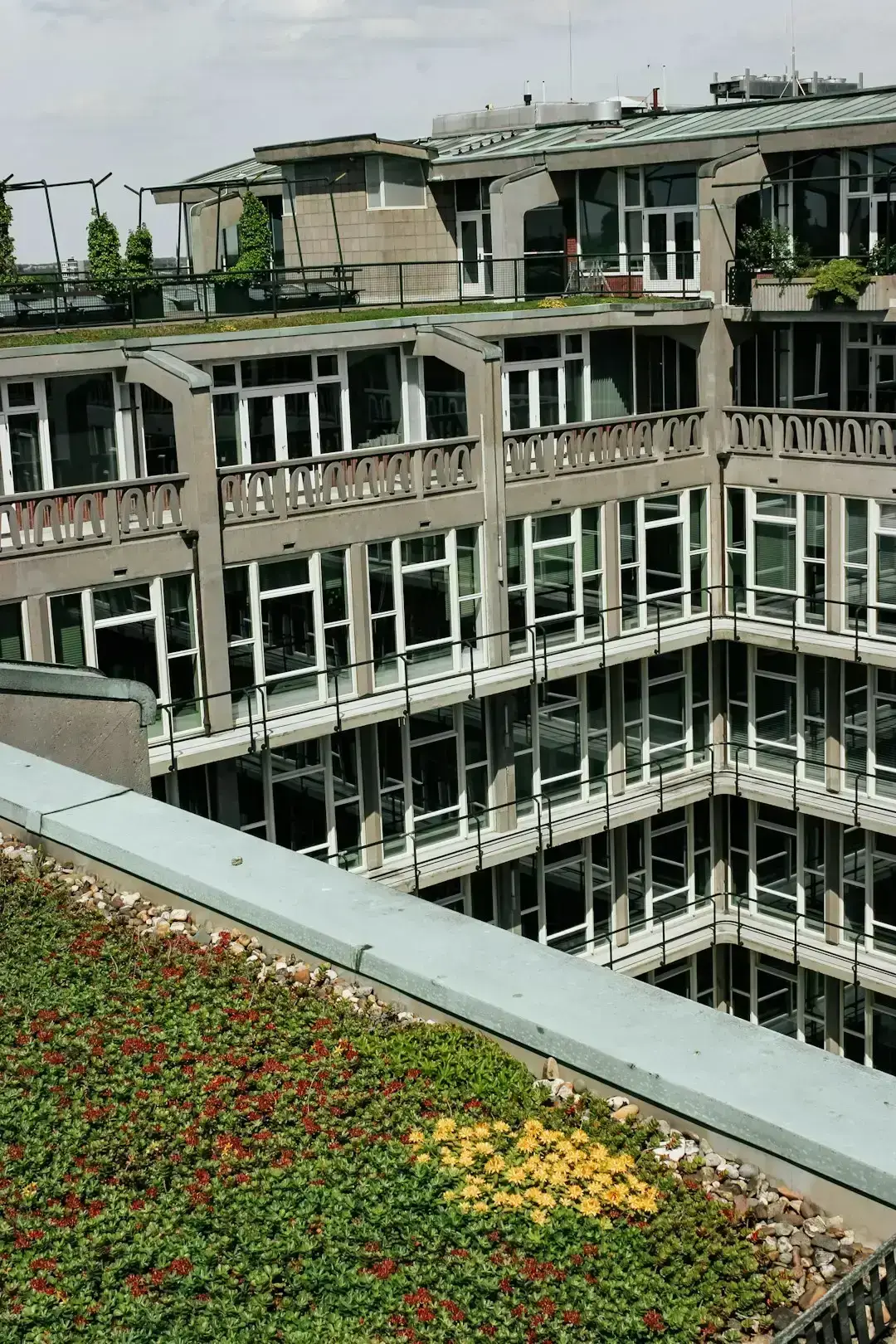
Cooler roofs should mean lower air conditioning demand. A Mediterranean trial compared three technologies, and the best one, which added biochar to the substrate, cut surface temperature by up to 9.8°C and total energy use by about one tenth over the simulation period.
A simulation study of housing in Saudi Arabia pointed the same way. Green roofs reduced external roof surface temperature by between about a quarter and a half, and showed energy savings of roughly one fifth. These were modeled results rather than measured ones, so treat them as indicative.
How Much Can a City Cool Down?
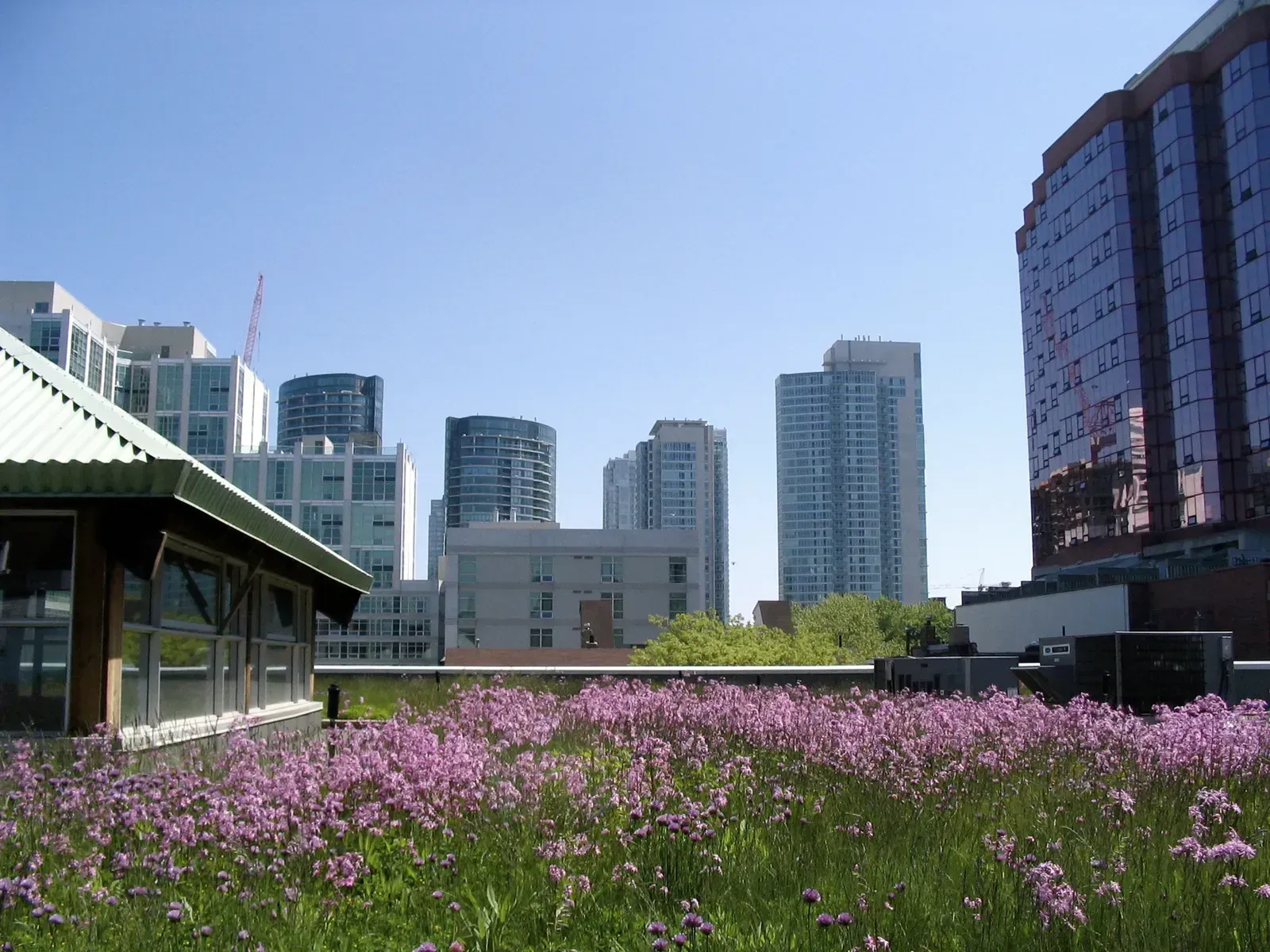
Scaling up is where the numbers get more modest. A 2026 global analysis of urban roof greening found that average daytime land surface cooling was 0.57, 1.12 and 1.58°C under low, medium and high greening scenarios. Nighttime cooling was smaller, between about 0.14 and 0.39°C.
Barcelona modeling offers a similar reality check. Green roofs modestly reduced daytime heat by 0.37°C but contributed to a nighttime increase of 0.24°C. That study found a combination of white roofs and urban parks looked the most promising for the most sensitive areas.
Green Roofs Versus White Roofs
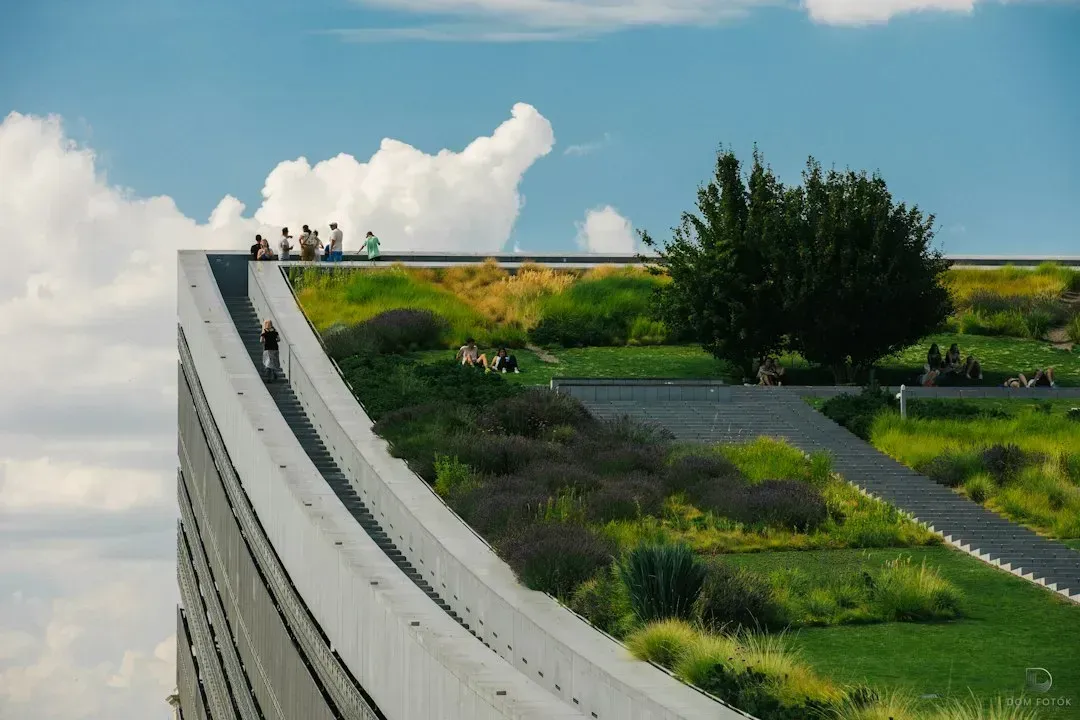
Reflective roofs are the main rival, and they’re cheaper. One review found that there wasn’t a statistically significant difference between green roofs and painted roofs for roof surface and indoor temperatures. That’s a useful reminder that green isn’t automatically better for cooling alone.
Green roofs earn their place through extra benefits. They slow rainwater, for instance: a 2025 field study in São Paulo found an extensive green roof retained 73 percent of rainfall over 41 events. They also support wildlife, which a white coating can’t do.
Cities Writing Green Roofs Into Law
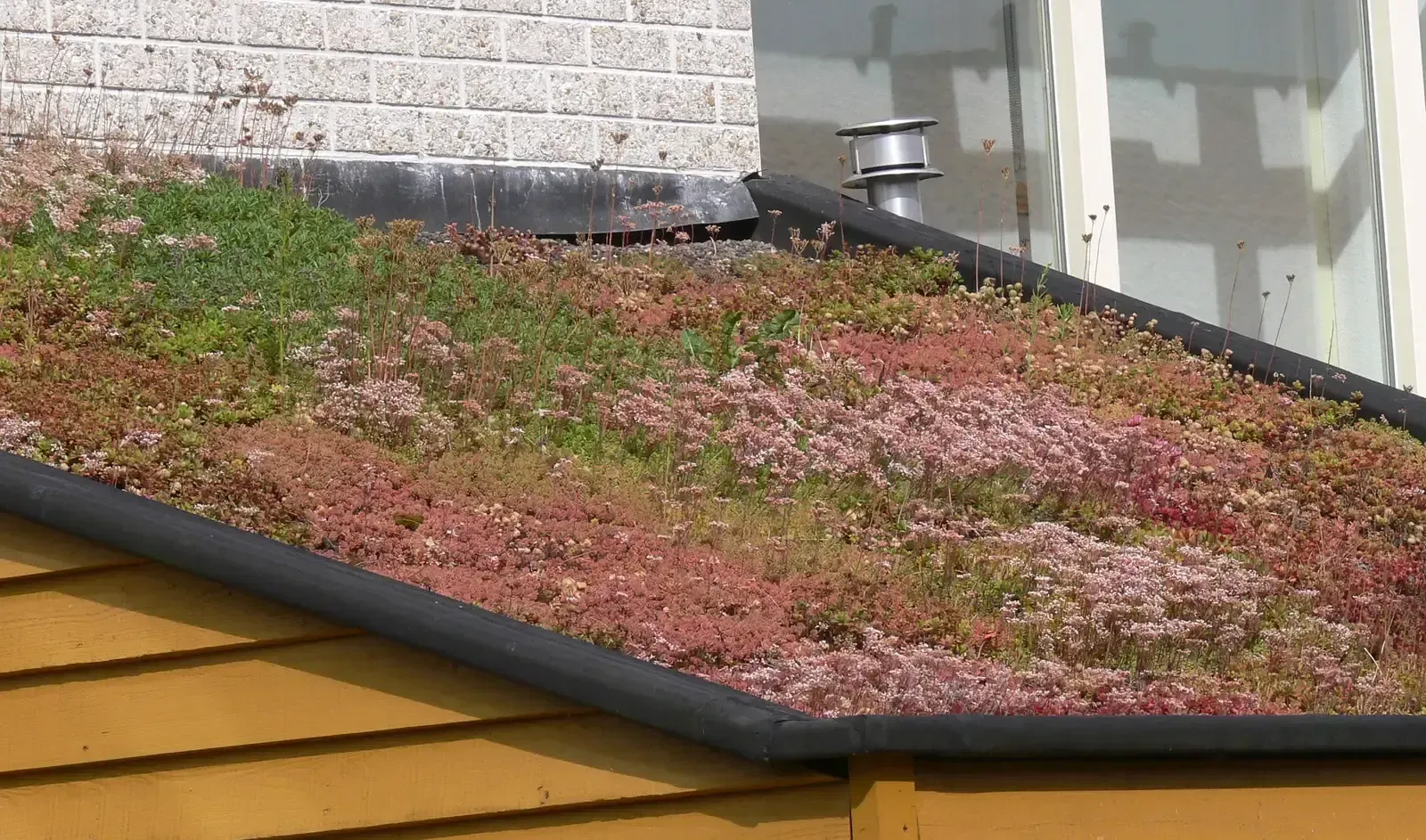
Mandates are spreading. France requires qualifying projects from July 1, 2026 to cover at least two fifths of the relevant rooftop with renewable energy, vegetation or an equivalent solution. The same source notes that the share rises to half from July 2027.
North America has older examples. Toronto’s bylaw requires green roofs on large new buildings covering between one fifth and three fifths of available roof area, scaled by size. San Francisco asks for solar on part of the roof or a living roof on roughly three tenths of it for most new construction.
Rules Are Shifting Toward Flexibility
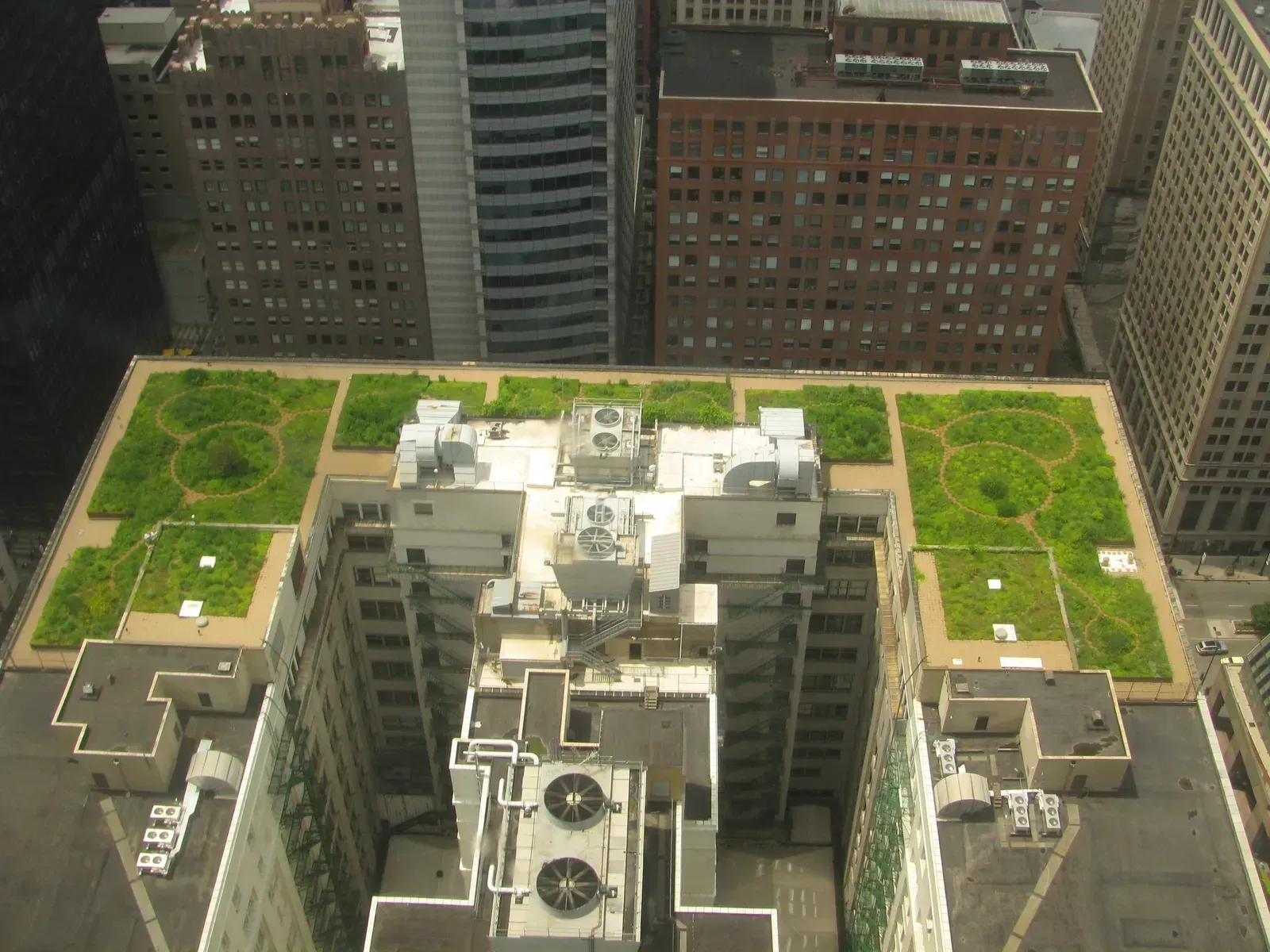
Some cities have softened strict green roof rules. Denver’s original Green Roof Initiative was replaced by the broader Green Buildings Ordinance. Under it, new roofs on large buildings need a cool roof plus one green option.
Cool roof requirements are also growing. As of October 2026, they’re in force in New York City, Chicago, Philadelphia, Los Angeles, Denver and Atlanta, plus statewide in California. The trend is toward mixing tools, with green roofs as one option among several.
Limits Cities Still Have to Manage
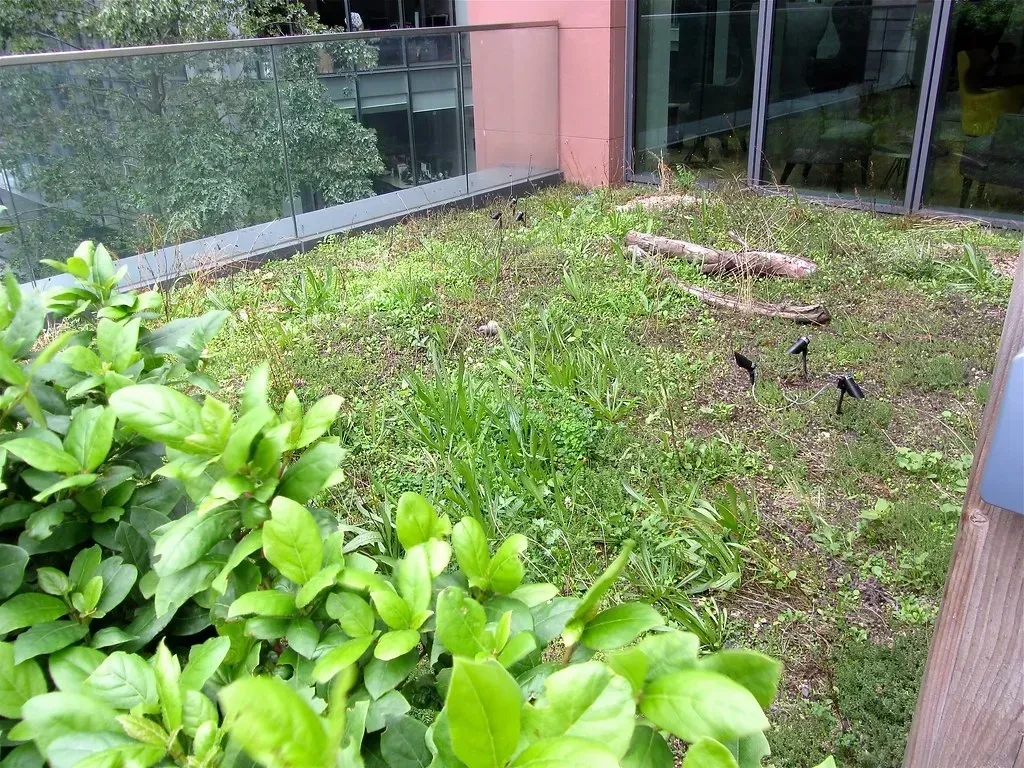
Not every roof can take a garden. The global study cautioned that historical or cultural buildings and roofs with functional equipment aren’t always suitable for retrofitting. The authors also argue that financial subsidies and legal obligations are needed to support adoption.
Air cooling is another limit. One review noted that green roofs can reduce surface temperature effectively in compact high rise settings, while their potential to reduce air temperature is limited. The strongest gains are on the roof and just beneath it.
Where Things Stand
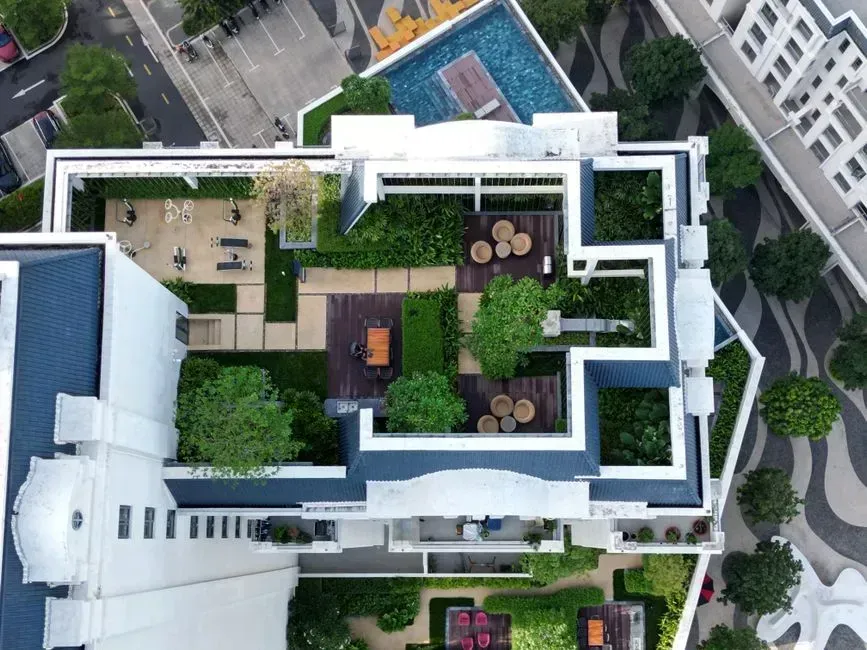
Green roofs reliably cool the roofs they sit on and often the rooms below. Their effect on citywide air temperature is real but small, measured in fractions of a degree to about one and a half degrees in a high greening scenario. Cities are pairing them with reflective roofs, parks and trees, and writing the mix into building codes.

- Rooftop Gardens Can Cool Buildings. Cities Are Adding Them To Fight Heat - November 19, 2026
- 6 Cities In The Americas Expanding Bike Lanes And Public Transit - November 19, 2026
- Sunbeams Piercing Low Clouds – The Particle Scattering Behind Crepuscular Rays - November 18, 2026
