


- The Most Weather-Resistant Creatures in the Animal Kingdom - May 30, 2026
- These 9 Destinations Leave Travelers Shocked by Their Extreme Weather - May 30, 2026
- Why Bull Sharks Thrive in Murky, Stormy Waters - May 29, 2026
Weather can be lethal. Blizzards, desert heat, ocean pressure, polar winds – most organisms have narrow comfort zones they can’t stray far from. Yet a handful of species have pushed past what seems biologically possible, surviving conditions that would destroy almost any other form of life. Their adaptations aren’t just impressive; they’re often scientifically baffling.
What makes these animals so remarkable isn’t just toughness in one dimension. Many of them handle temperature extremes, moisture loss, physical pressure, or radiation in ways that researchers are still trying to fully understand. Here’s a look at the creatures that weather, in every sense of the word, the most extreme conditions on Earth.
The Tardigrade: Nature’s Most Indestructible Traveler
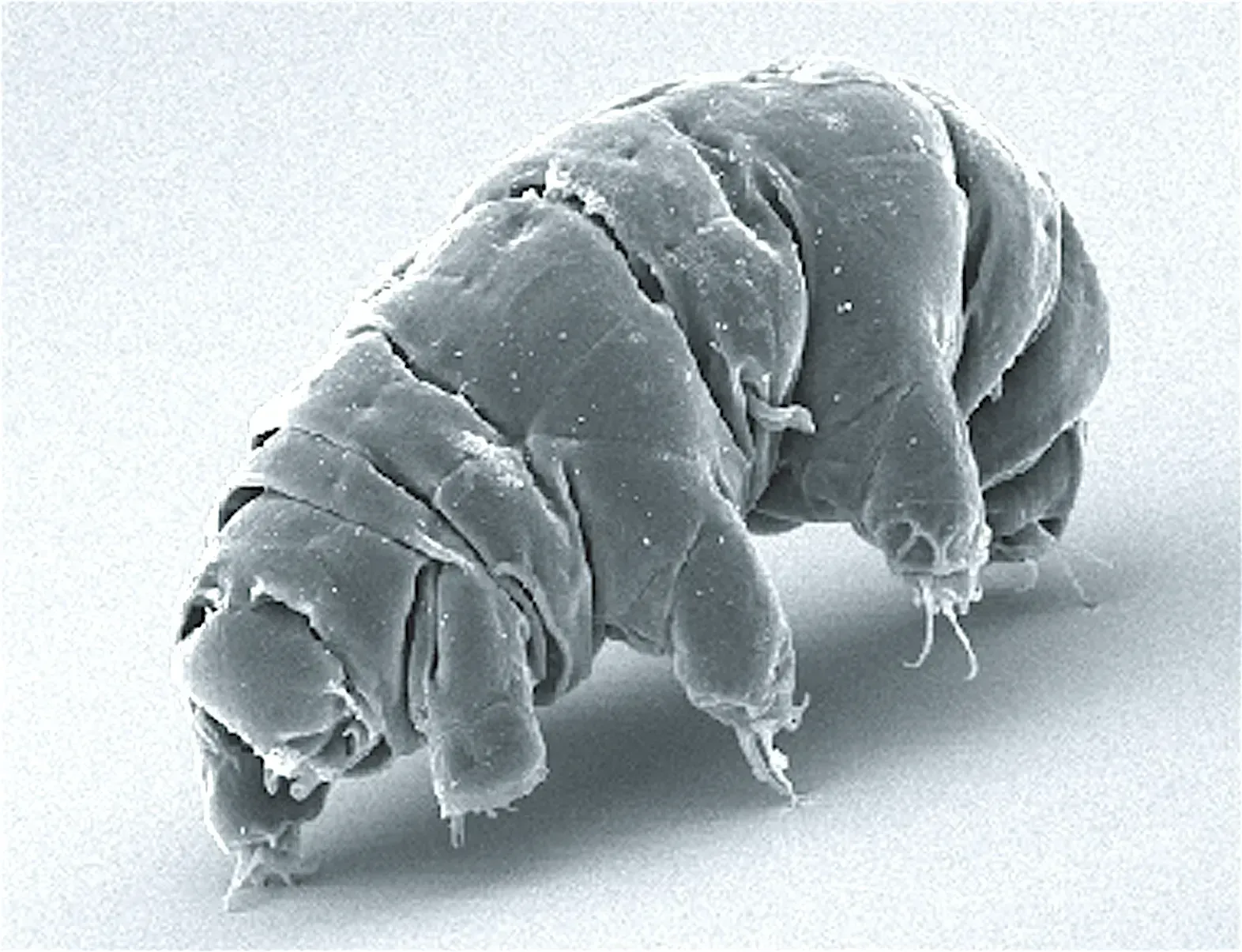
Commonly known as “water bears,” tardigrades have successfully colonized freshwater, marine, and terrestrial environments on every continent, including Antarctica – surviving drought, high doses of radiation, low oxygen environments, and both extreme high and low temperatures and pressures. They are microscopic, barely visible to the naked eye, yet their environmental range is essentially planetary.
These microscopic creatures have colonized glaciers, deserts, ocean trenches, and even ended up on the Moon. When conditions become lethal, they enter cryptobiosis: a state so extreme they can survive freezing, boiling, radiation, and vacuum for decades until revived by water. In the tun state, tardigrades have survived temperatures as low as liquid helium, at around -458 degrees Fahrenheit, and because they also resist radiation, they have been used in experiments in space, surviving even the vacuum.
The Wood Frog: Frozen Alive, Season After Season
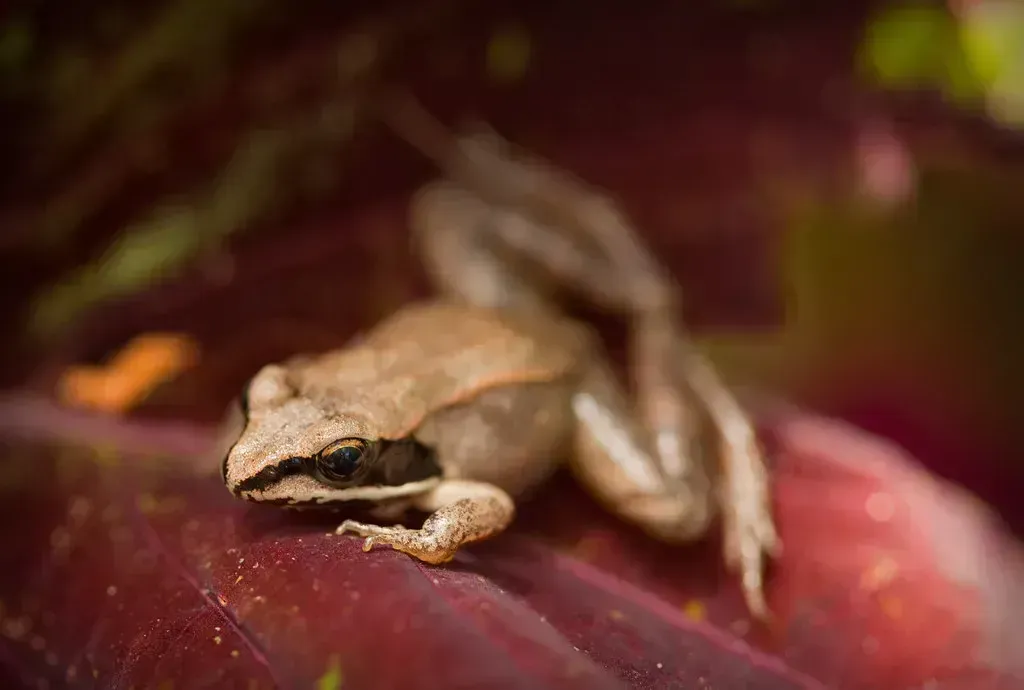
The wood frog has one of the most unbelievable cold-weather adaptations in the entire animal kingdom. During winter, much of its body freezes completely, including parts of its heart and circulatory system. It accomplishes this through special chemicals in its body that act like natural antifreeze and protect its organs from damage. Most animals would be dead within minutes under the same conditions.
The wood frog can survive with up to roughly two-thirds of its body water converted to extracellular ice. This is possible because the animal floods its cells with high concentrations of cryoprotectants, such as glucose or glycerol. Research from the University of Alaska Fairbanks demonstrated that Alaskan wood frogs can survive being frozen for up to seven months with minimum temperatures below -18°C.
The Emperor Penguin: Master of the Antarctic Storm
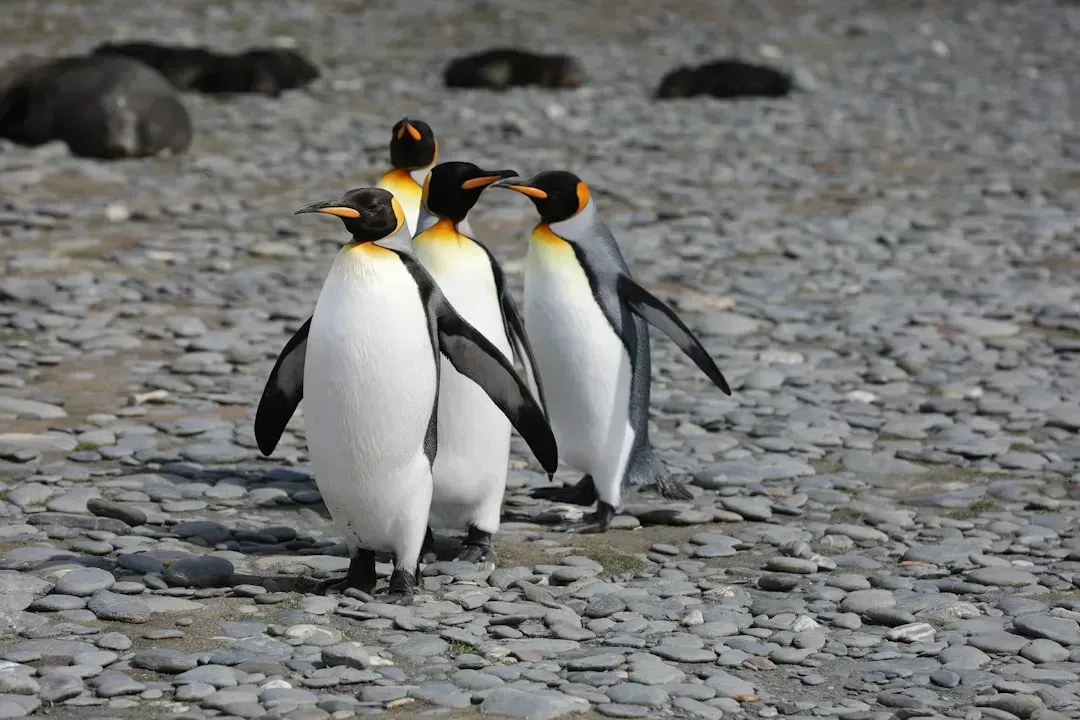
The Emperor Penguin is a remarkable survivor of harsh Antarctic winters. These birds are masters of teamwork, huddling in large groups to conserve warmth, with each penguin taking turns moving to the warmer center, ensuring collective survival. The strategy is elegant in its simplicity – shared body heat as a distributed heating system.
Emperor Penguins possess a thick layer of blubber and tightly packed feathers that provide insulation against freezing temperatures. Their unique physiological adaptations allow them to withstand temperatures as low as -60°C. Their waterproof feathers protect them from the chill of frigid seas during diving, as they forage for food in icy waters.
The Polar Bear: Built for Arctic Extremes
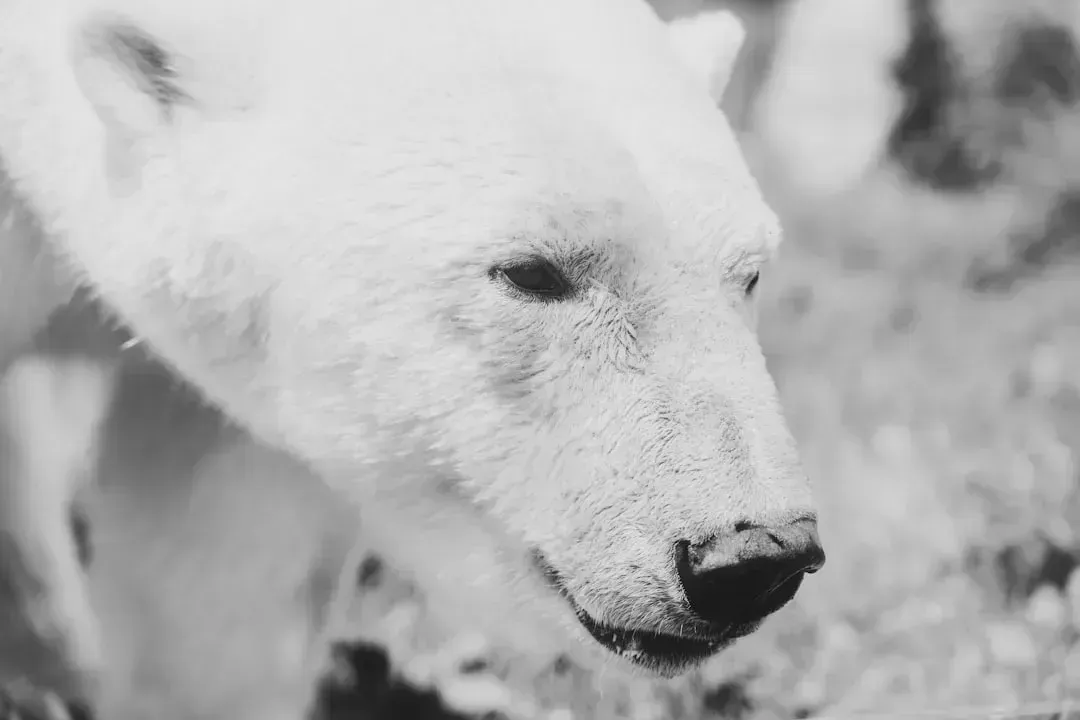
The polar bear is exceptionally well-insulated, with two layers of fur: a thick undercoat and longer guard hairs for waterproofing and insulation. A substantial blubber layer, up to roughly 11 centimeters thick, serves as insulation and an energy reserve, helping polar bears maintain a stable body temperature even at -50°C. That’s a level of insulation that engineers would admire.
Polar bear insulation is so effective that they can actually overheat from excessive exertion, even in subzero temperatures. Polar bears are the largest land carnivores in the world and famous for their incredible resilience to cold. Their round, compact body shape minimizes the surface area exposed to the cold air. Every physical detail, from fur to body geometry, works toward one goal: heat retention.
The Arctic Fox: Surviving at -70°C Without Hibernating
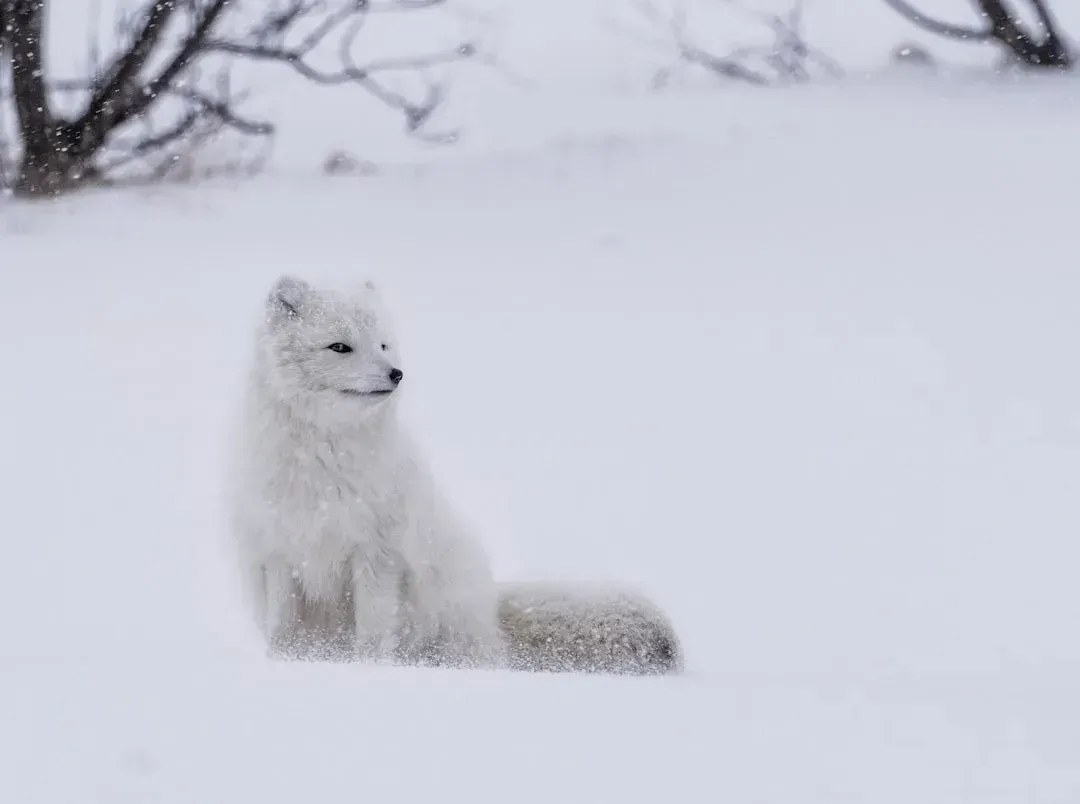
With its suite of clever adaptations, the Arctic fox is a master of its extreme environment. Its dense, multilayered coat of fur, combined with a compact body shape and furry, insulated paws, allow it to survive and thrive at temperatures as low as -70°C. Unlike many cold-weather species, it does this without hibernating at all.
The Arctic fox combines its dense, multi-layered fur and compact body shape with a countercurrent heat exchange system in its paws, which prevents warmth from escaping through the feet and into the frozen ground. During the darkest, coldest months, it survives by scavenging leftovers from larger predators or hunting lemmings beneath the snow. When food is really scarce, the Arctic fox’s metabolism slows down, helping it conserve precious energy.
The Pompeii Worm: Living at the Edge of Boiling
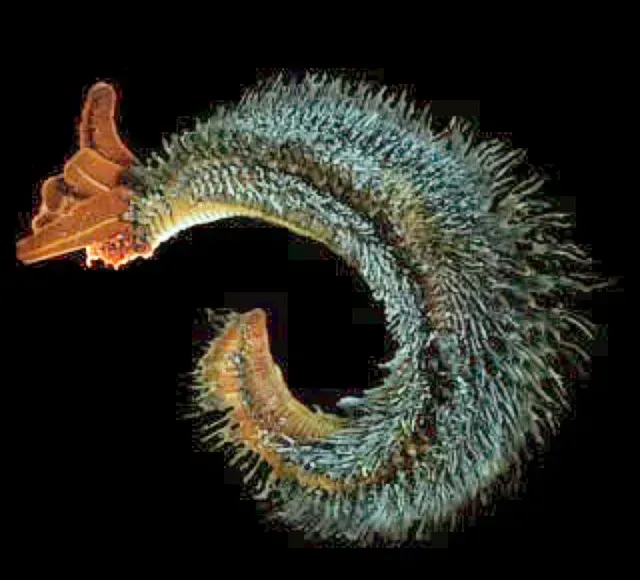
The Pompeii worm is a species of deep-sea polychaete worm and an extremophile found only at hydrothermal vents in the Pacific Ocean, discovered in the early 1980s off the Galápagos Islands. Attaching themselves to black smokers, the worms have been found to thrive at temperatures of up to 80°C, making the Pompeii worm the most heat-tolerant complex animal known to science.
In the deep sea, far beyond sunlight’s reach, life clings to hydrothermal vents where temperatures can soar to 79°C. The Pompeii worm tolerates these extremes by hosting heat-resistant bacteria on its back, creating a living thermal shield. The worms live in tubes and cultivate the chemosynthetic bacteria they feed on, and their symbiotic relationship with epibiotic bacteria allows them to withstand extreme temperatures and conditions.
The Saharan Silver Ant: Sprinting Across 70°C Sand
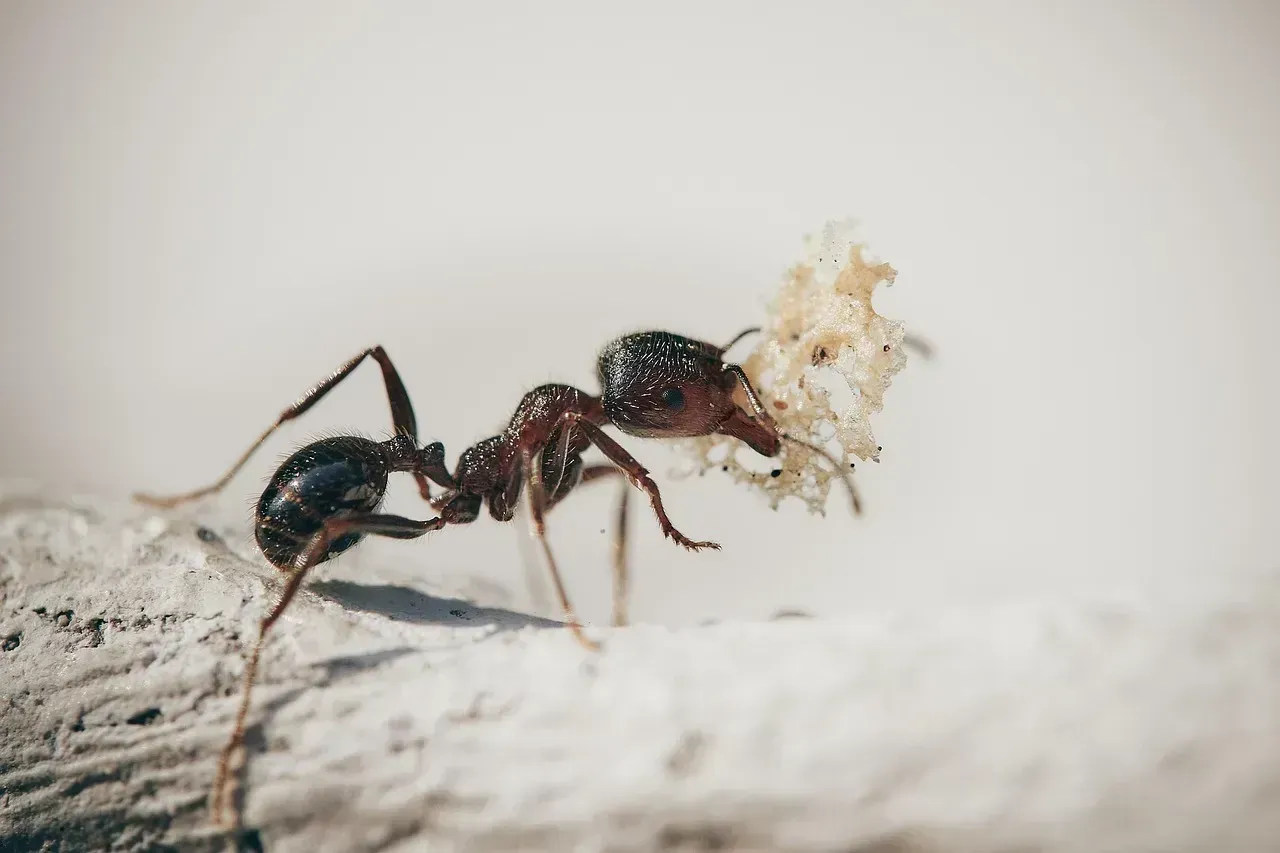
While most desert creatures hide from the sun, the Saharan silver ant struts across burning sands when temperatures hit 158°F, around 70°C. Its silver sheen comes from a covering of triangular hairs with remarkable optical properties that reflect visible and infrared rays while dissipating body heat. The ant is essentially wearing a tiny, highly engineered heat suit.
Workers emerge from the nest during the hottest midday period, when ground temperatures exceed 50°C, to scavenge the corpses of heat-stricken animals. By restricting foraging activity to the hottest part of the day, the ants also minimize encounters with their most frequent predator, a lizard that ceases activity when temperatures become unbearable. The ant dashes at about three feet per second, only exposing itself for a few minutes – just long enough to grab food from heat-struck insects. With comically long legs keeping its body clear of the burning ground, this is Earth’s ultimate heat-resistant land animal.
The Camel: Surviving Desert Heat Without Collapsing
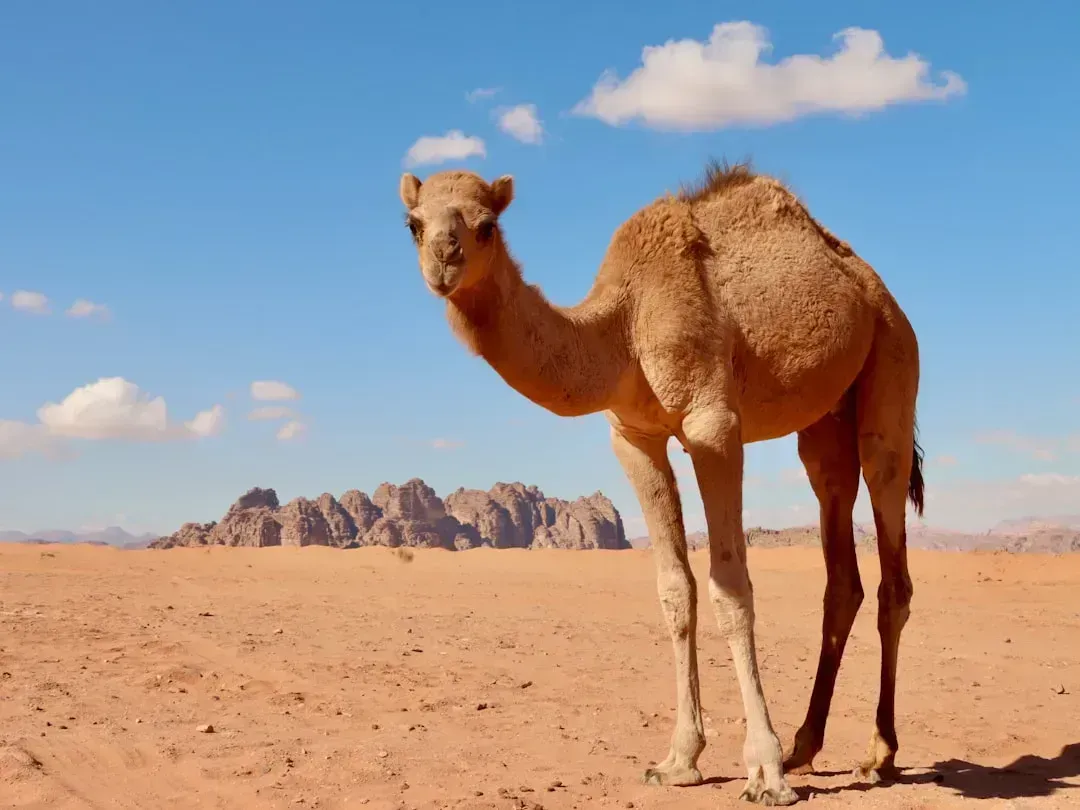
Camels are iconic for their ability to endure the inhospitable conditions of deserts. Their humps store fat, which can be converted into water and energy when resources are scarce – a crucial adaptation for survival during long, dry spells. It’s a common misunderstanding that the humps store water directly; what they store is fuel that the body can convert when needed.
The Arabian camel withstands blistering 49°C heat and can survive a week or more without water. Camels have thick coats that insulate against both heat and cold, and their long eyelashes and ear hairs protect against sand and abrasive desert winds. The animal’s entire physiology is tuned for resource conservation in a landscape that offers almost nothing.
The Caribou: Built for Year-Round Arctic Living
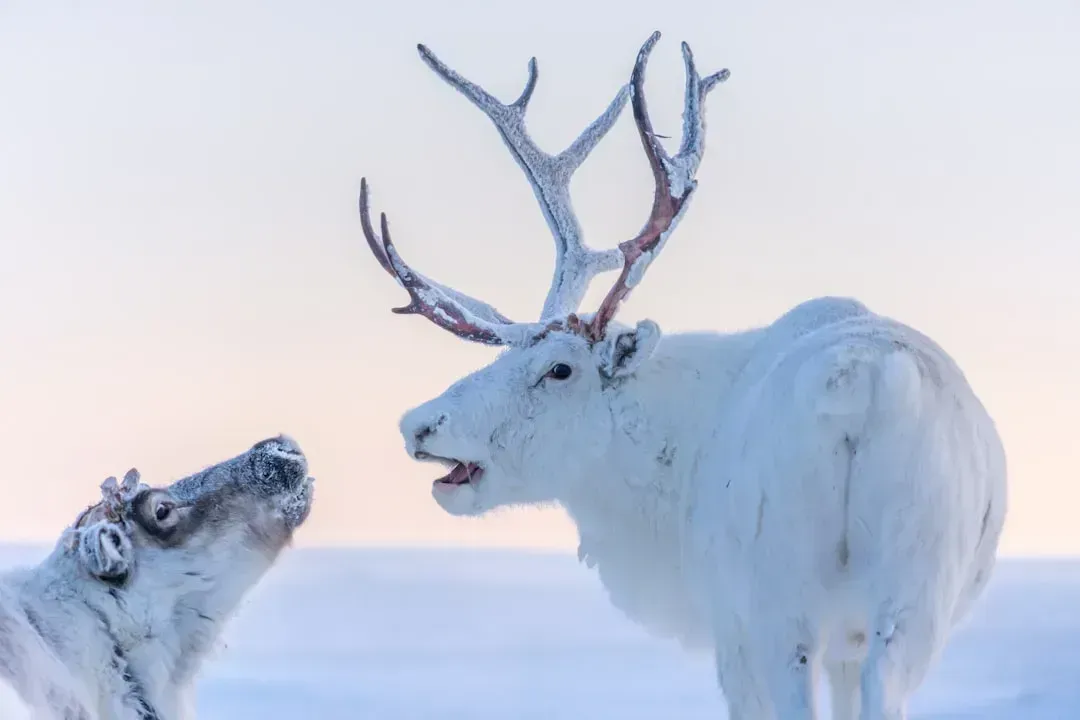
Caribou are the only deer living year-round north of the treeline. They are superbly adapted to extreme weather, with hollow hairs providing an insulating coat, and large hooves that both act like snowshoes and enable them to dig through snow to find the lichen they depend on throughout winter. Few animals commit as fully to their environment as caribou do.
Some species, like the arctic musk ox, have a soft undercoat called qiviut that insulates them from temperatures reaching minus 50 degrees Fahrenheit – and caribou operate in comparable conditions. Their hollow hair structure is one of nature’s most effective insulating designs, trapping air within each strand to create a thermal barrier across the entire body.
The Icefish: Surviving Without Hemoglobin in Frigid Seas
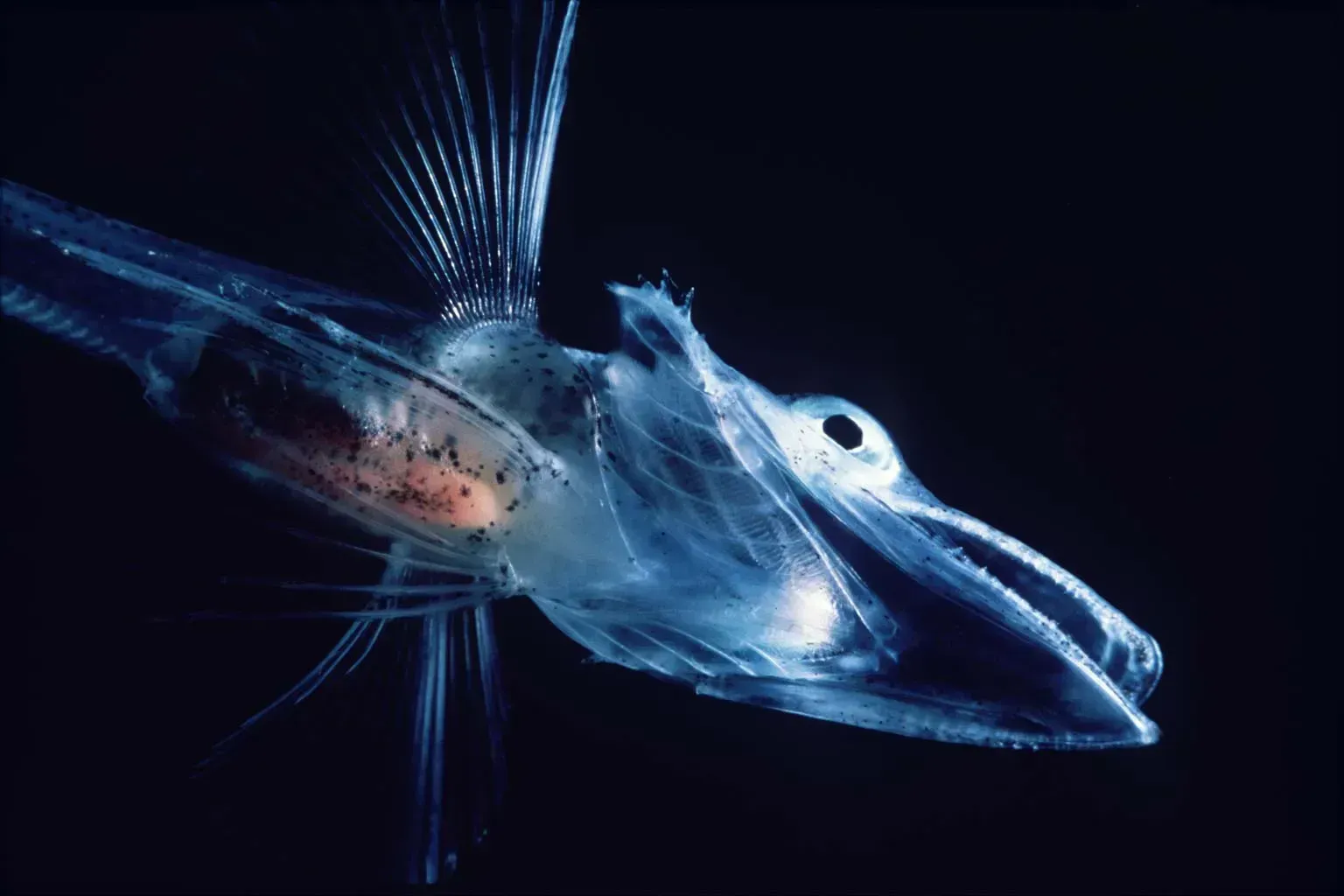
In the frigid, super-oxygenated waters of Antarctica, the icefish has lost its red blood cells entirely – oxygen dissolves straight into the plasma. Extra-large skin capillaries and paper-thin skin pick up the slack. No vertebrate has been found surviving in colder water. The icefish essentially reinvented how a vertebrate body can work.
What makes this animal particularly striking is that hemoglobin, the protein that carries oxygen in virtually every other vertebrate on Earth, is simply absent. Rather than compensating with better insulation or antifreeze proteins, the icefish rewired its circulatory system from the ground up. It’s a reminder that evolution doesn’t always optimize – sometimes it finds a completely different path to the same destination, and occasionally that path leads somewhere no other species has ever gone.
