


- The Most Weather-Resistant Creatures in the Animal Kingdom - May 30, 2026
- These 9 Destinations Leave Travelers Shocked by Their Extreme Weather - May 30, 2026
- Why Bull Sharks Thrive in Murky, Stormy Waters - May 29, 2026
Weather is one of those things most travelers consider briefly before packing a bag, then forget entirely once they’ve booked the flights. That assumption works fine for a lot of places. For the nine destinations below, it can get you into serious trouble.
If you’ve found yourself reconsidering a trip because of extreme weather, you’re not alone. A recent report from World Travel Market and Tourism Economics found that over the past year, roughly three in ten tourists surveyed had rejected a destination outright because of its weather. The places on this list help explain why that number keeps climbing.
1. The Philippines: Typhoon After Typhoon, With No Break in Between
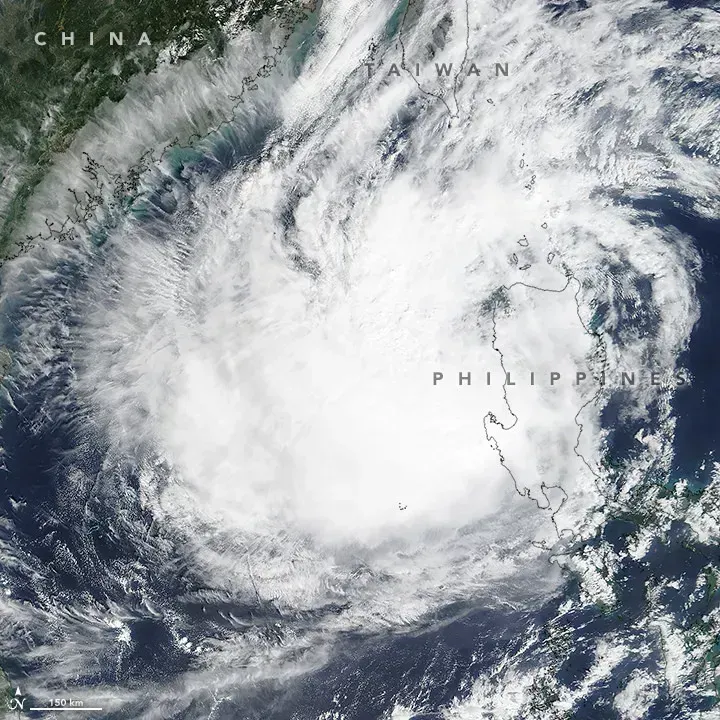
The Philippines sits in one of the most typhoon-prone regions on Earth, with approximately twenty tropical cyclones entering its area of responsibility every year. At least ten are expected to hit the island nation directly, with five typically powerful enough to cause serious destruction. Most travelers are vaguely aware of typhoon season, but what happened in late 2024 shocked even seasoned weather scientists.
In 2024, the Philippines endured six back-to-back tropical cyclones that successively impacted the Luzon Island Group in just 25 days. The first, Severe Tropical Storm Kristine, triggered widespread flooding and landslides, and was quickly followed by five more typhoons that compounded damage in barely recovered areas. The Japan Meteorological Agency confirmed that November 2024 set a record for the simultaneous occurrence of four named storms in the Pacific basin, the most since records began in 1951.
2. Dubai, UAE: A Desert City That Drowned in Its Own Streets
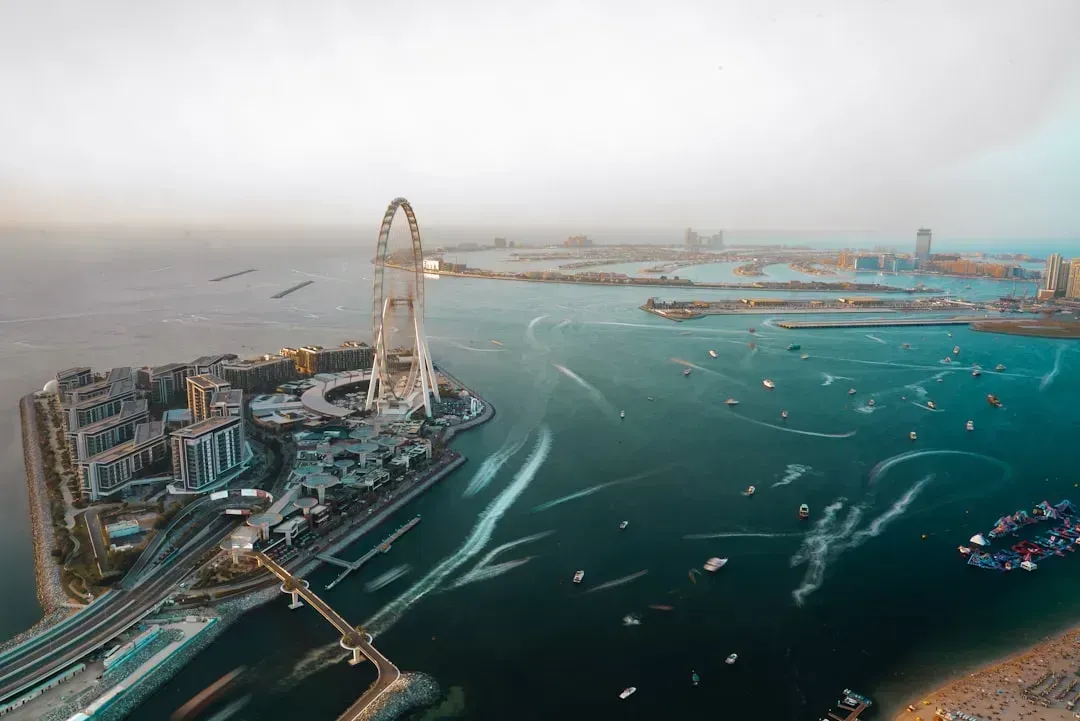
In April 2024, flood conditions gripped Dubai after two years’ worth of rain fell in just 24 hours. Over six inches of rain was recorded in the city in under a day, against an annual average of just 3.12 inches according to the World Meteorological Organization. For a city built on desert, the infrastructure simply had no answer.
A total of 1,244 flights at Dubai International Airport were cancelled over a two-day period, with 41 diverted. Dubai found itself entirely unprepared: the city’s drainage systems couldn’t handle the volume, causing roads and highways to become submerged under water. Video footage of luxury cars nearly fully submerged on major thoroughfares circulated worldwide and became one of the more surreal images of 2024.
3. Death Valley, California: The Hottest Place on Earth That People Still Visit
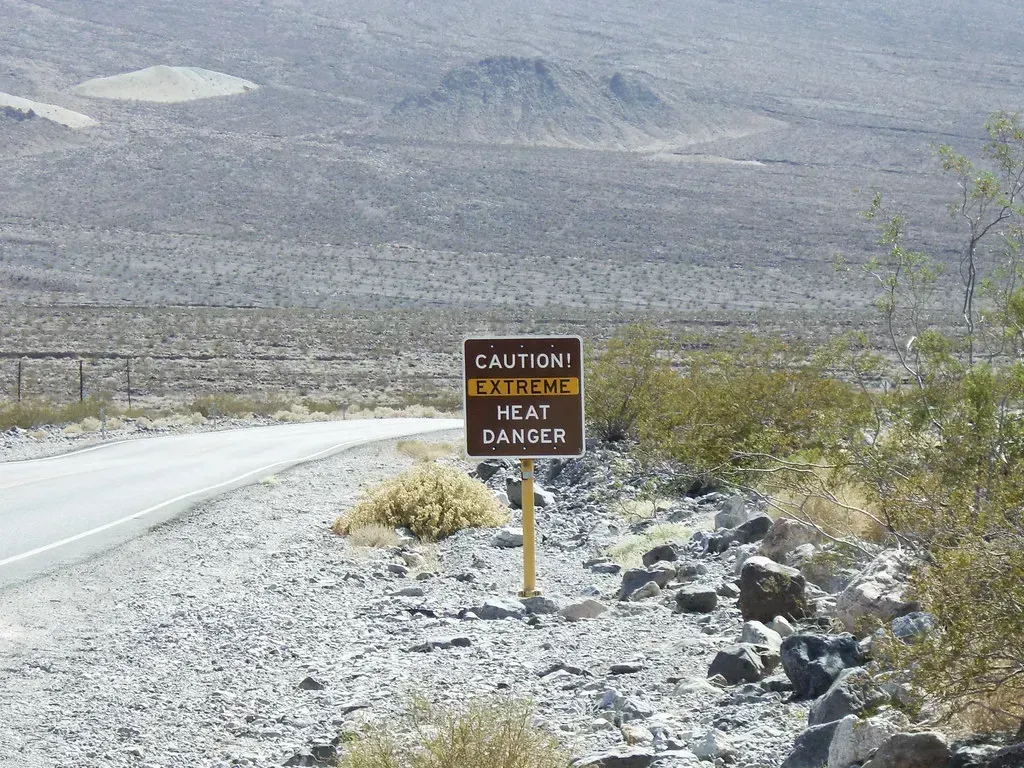
Death Valley in California is one of the hottest places on the planet. The highest temperature ever reliably recorded there was 56.7°C (134°F), measured at Greenland Ranch on July 10, 1913. It also holds the record for hottest month at a single location: between July 1 and July 31, 2018, the average daily temperature reached 42.3°C (108.1°F).
Phoenix, nearby in the Mojave region, endured a record-breaking 31 consecutive days of 110°F-plus temperatures in one summer. America’s national parks, particularly Death Valley and the Grand Canyon, sweltered and saw several deaths suspected to be heat-related. Visitors who show up unprepared, underestimating the dry, furnace-like air, frequently find out very quickly why rangers treat this place with deep caution.
4. Oymyakon, Russia: The Coldest Inhabited Place on Earth
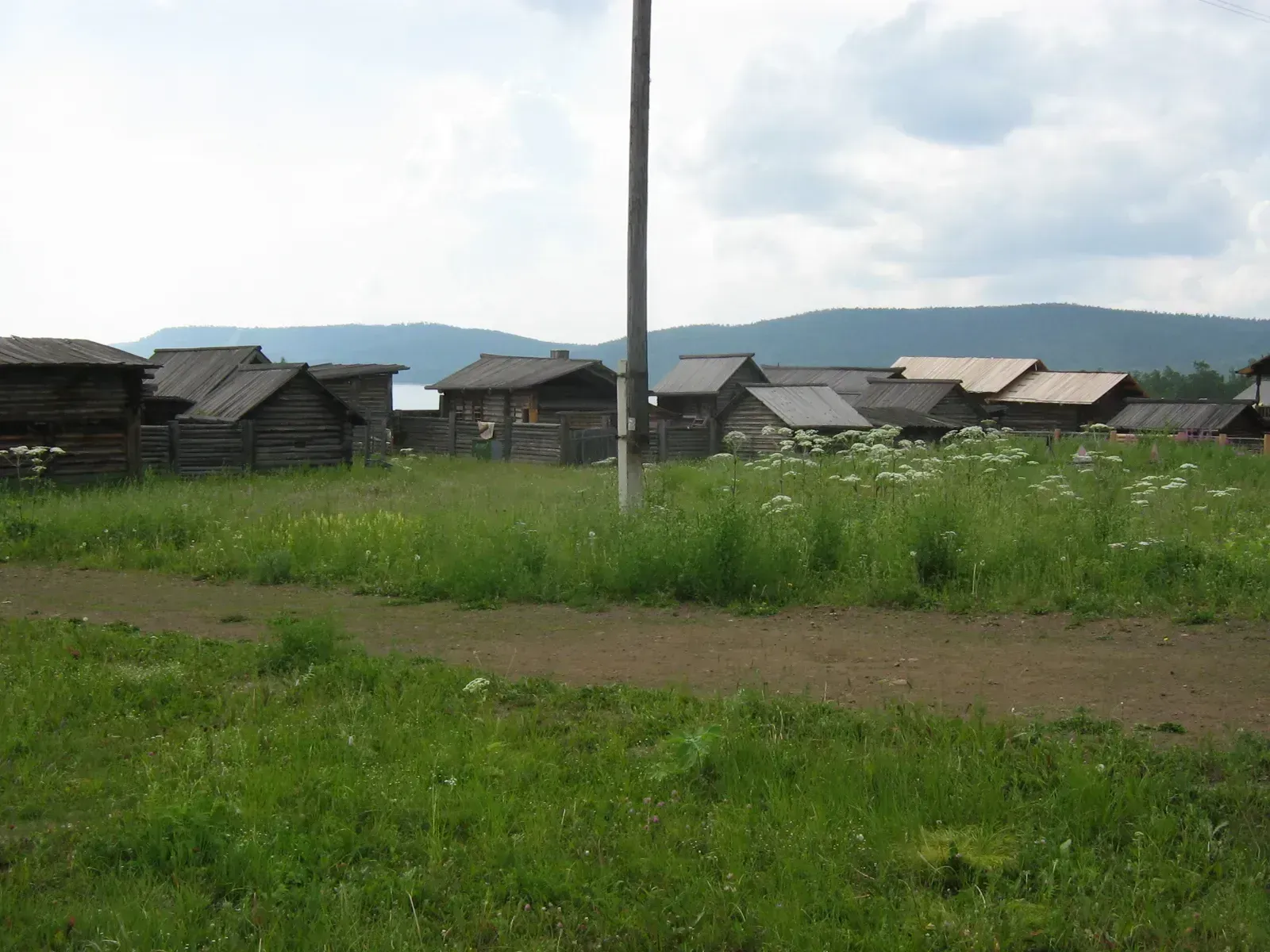
Oymyakon, a remote village in Russia’s Sakha Republic, is widely considered the coldest permanently inhabited place on Earth. Temperatures can plummet below -60°F (-51°C) during brutal winter months, and local schools remain open until temperatures drop below -58°F. There is something genuinely hard to process about a place where school is still in session at temperatures that would halt civilization almost anywhere else.
The village of Oymyakon, two days’ drive from the city of Yakutsk, is home to around 500 people, who endure average winter temperatures of -50°C with only three hours of daylight during the darkest months. A monument in the town square commemorates the lowest temperature ever recorded there: a staggering -71.2°C in 1924. Despite this, summer temperatures have been known to climb above 30°C, making it one of the most extreme temperature ranges of any inhabited place on earth.
5. Mawsynram, India: Where It Barely Ever Stops Raining
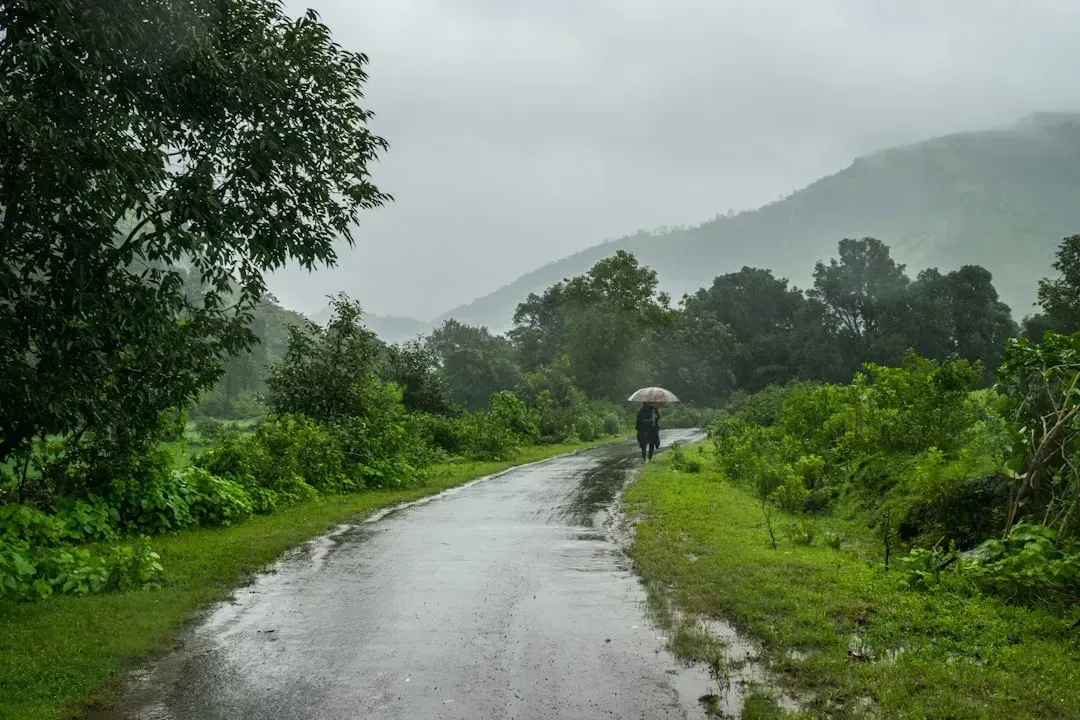
There is genuine scientific dispute about which single location on Earth is the dampest, but Mawsynram is listed by the Guinness Book of Records as having the highest average annual rainfall, while nearby Cherrapunji holds the all-time record for the most rainfall in a calendar month and over the course of a year. Both sit in the hills of Meghalaya in northeastern India, and visitors rarely stay dry for long.
Monsoon clouds carried by southwesterly winds crash into the Khasi Hills, unleashing torrents that can flood entire valleys. Despite the intensity of these downpours, local inhabitants have adapted by constructing living root bridges and elevated walkways to cope with frequent deluges. For travelers who arrive during peak monsoon without fully appreciating the scale of rainfall, the experience tends to be genuinely overwhelming.
6. Tornado Alley, USA: Where the Sky Turns Violent Without Warning
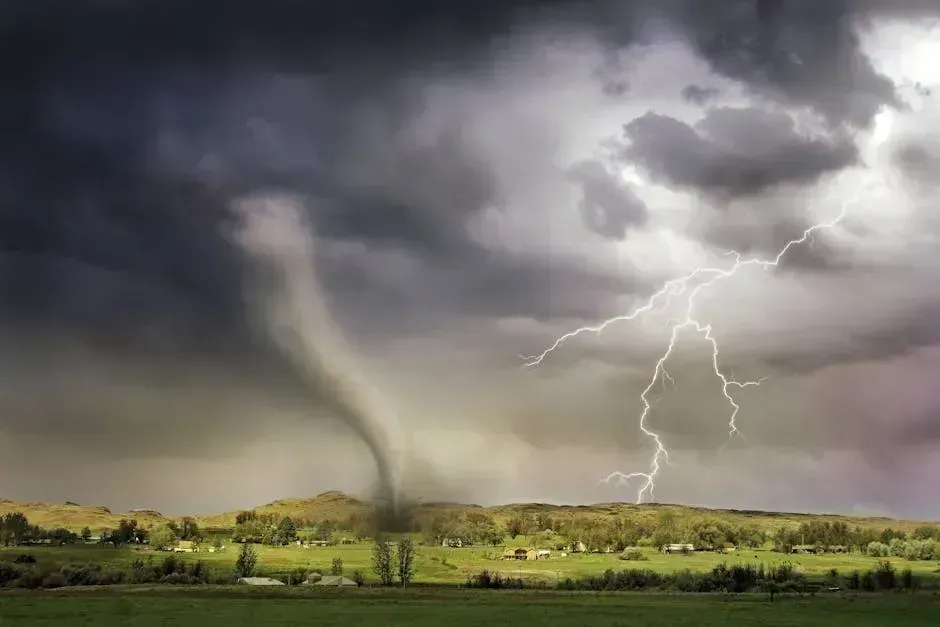
Oklahoma and the broader strip of states in the Great Plains known as Tornado Alley produce tornadoes that are more intense and more frequent than any other region on Earth. Warm air masses from the Gulf of Mexico clashing with cooler air from the Rockies create the conditions for these swirling, destructive systems. The combination is uniquely dangerous and extraordinarily difficult to predict with precision.
During summer, temperatures can reach up to 110°F (43°C), and in winter they can dip to -40°F (-40°C). Violent thunderstorms, dust storms, hail, tornadoes and blizzards are all common sights across the Great Plains. On May 31, 2013, a twister with a span of 4.18 km struck El Reno, Oklahoma, creating a storm so wide it could contain more than 1,900 football pitches. The region has a way of making visitors feel very small.
7. Antarctica: A Continent That Defines the Word Extreme
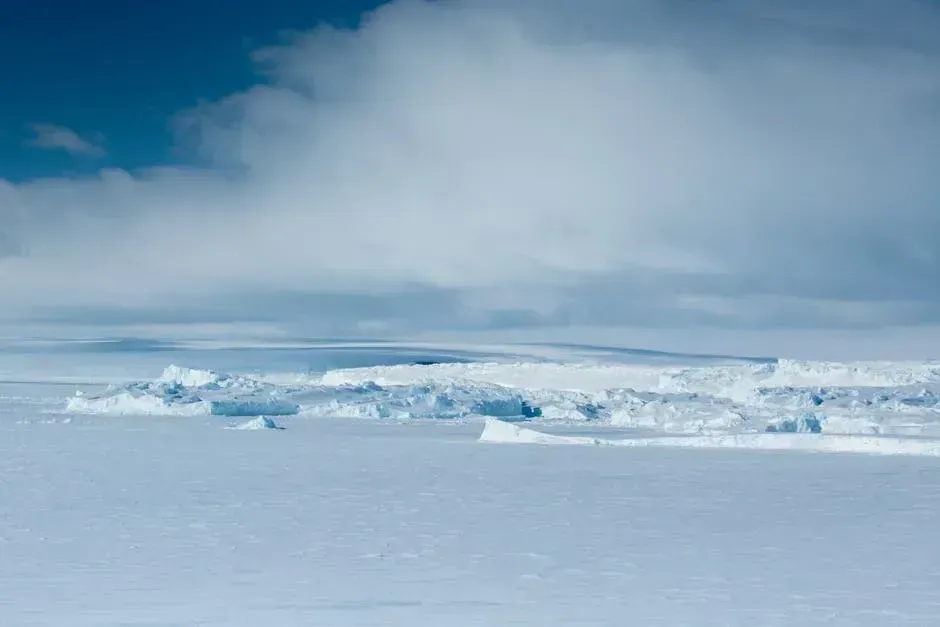
Antarctica is the coldest, windiest and driest continent on Earth, home to the South Pole and considered one of the most extreme and interesting places to experience weather. The Vostok research station recorded the coldest temperature ever measured on Earth on July 21, 1983, when the thermometer plunged to -89.2°C (-128.6°F), some 54°C colder than even the average winter temperature at that site.
In Antarctica, temperatures reach as low as -100°F in some areas while winds reach up to 200 mph. The landscape creates unique weather patterns such as blizzards and whiteouts, alongside some of the most spectacular sunrises and sunsets imaginable. Tourism expeditions to the continent have grown steadily, though the Drake Passage crossing alone is enough to test the resolve of most visitors before they even arrive.
8. Atacama Desert, Chile: The Driest Place on Earth
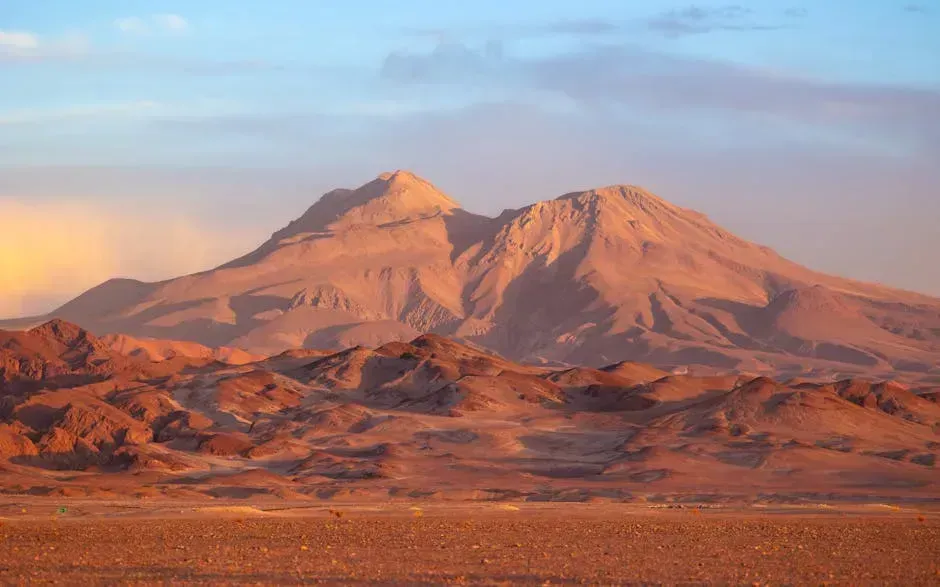
The Atacama Desert in Chile is widely recognized as one of the driest places on Earth. It is also among the oldest deserts on the planet, shaped by surrounding mountain ranges and volcanoes that create an arid climate with virtually no rainfall. Certain areas have gone decades without measurable rainfall, creating a Mars-like landscape that draws both scientists and tourists.
Daytime temperatures can reach up to 35°C (95°F) before dropping to -5°C (23°F) at night. The combination of high winds, scorching heat and freezing temperatures makes it a genuinely unusual and unforgiving environment, yet the desert still supports remarkable wildlife including giant cacti, lizards, foxes and more. Occasionally, after rare rain events, the desert erupts in what locals call the “desierto florido,” a breathtaking flowering of the landscape that draws visitors from across the world.
9. Vanuatu, Pacific Islands: The World’s Most Weather-Vulnerable Nation
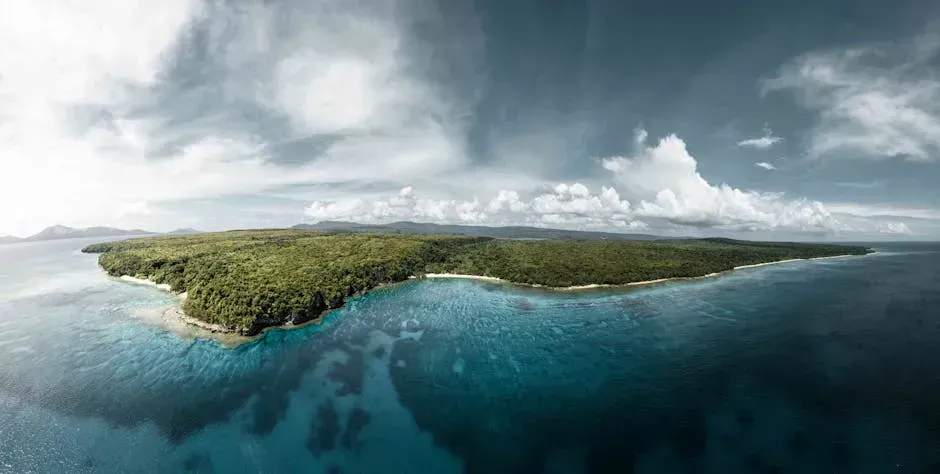
The Pacific Islands of Vanuatu have been ranked the riskiest place to live according to the UN’s World Risk Index. Satellite data shows that sea levels have risen about 6mm per year around Vanuatu since 1993, and average temperatures are projected to continue rising due to climate change. For a low-lying island nation, that combination is particularly serious.
In 2026, ocean temperatures are expected to hit record highs, leading to intensified tropical cyclones, typhoons, and storm surges. Popular beach destinations like Vanuatu and other South Pacific island regions may face dangerous conditions including beach erosion, coral bleaching, and heightened flood risks due to rising sea levels. Travelers who visit Vanuatu are often struck by the raw beauty of its volcanic landscape, then equally struck by just how exposed and fragile that beauty truly is.
What ties all nine of these destinations together is not just the drama of their weather, but how consistently visitors underestimate it. Research shows that roughly four in ten travelers aged between 18 and 34 have now actively avoided destinations exposed to extreme weather. The planet’s most awe-inspiring places and its most punishing climates are often the same place. That gap between expectation and reality is where most of the shock happens.
