


- The Compostable Cup Left Intact for Years – 5 Backyard Composting Failures - November 15, 2026
- Fast-Fashion “Conscious” Lines Under Scrutiny – 5 Red Flags in Eco-Clothing - November 15, 2026
- Space Engineers Explain 5 Quiet Changes Making Rocket Launches Safer Than Ever - November 15, 2026
Water is easy to take for granted until it starts to disappear. Rivers shrink to a fraction of their normal flow, shallow ponds that have held water for decades crack and go bone dry, and the creatures that depend on those systems are left scrambling. Drought has always been part of the natural cycle in many regions, but the pace and severity of what we’re seeing now is a different matter entirely.
Freshwater ecosystems cover only a small fraction of the Earth’s surface, yet they support a disproportionately large share of global biodiversity. When drought bites into these systems, the effects ripple through entire food webs in ways that are rarely quick to reverse.
A Threat That Keeps Getting Worse
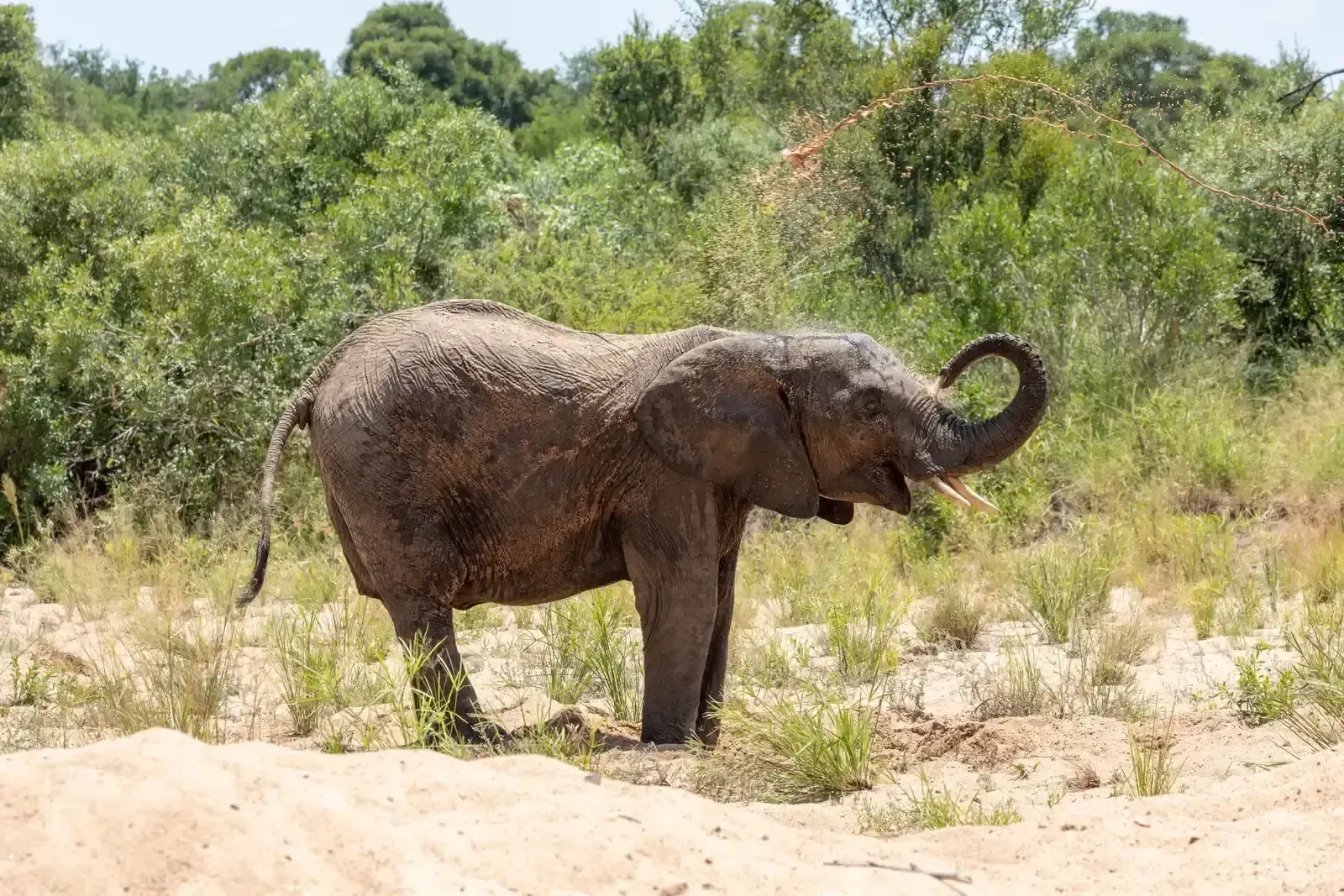
Drought is expected to increase in frequency and severity due to climate change, highlighting the urgency of understanding drought impacts on wildlife across geographies and taxonomic groups. This isn’t a distant projection anymore. The science is clear, and the timelines are shortening.
New research predicts that many wildlife species in the continental U.S. will experience year-long droughts nearly five times as often in the coming decades, roughly between 2050 and 2080, than they did historically. In an even more dramatic turn, three-year droughts may become nearly seven times more frequent. That kind of compounding stress leaves very little time for ecosystems to recover between events.
Freshwater Fish Caught in a Shrinking World
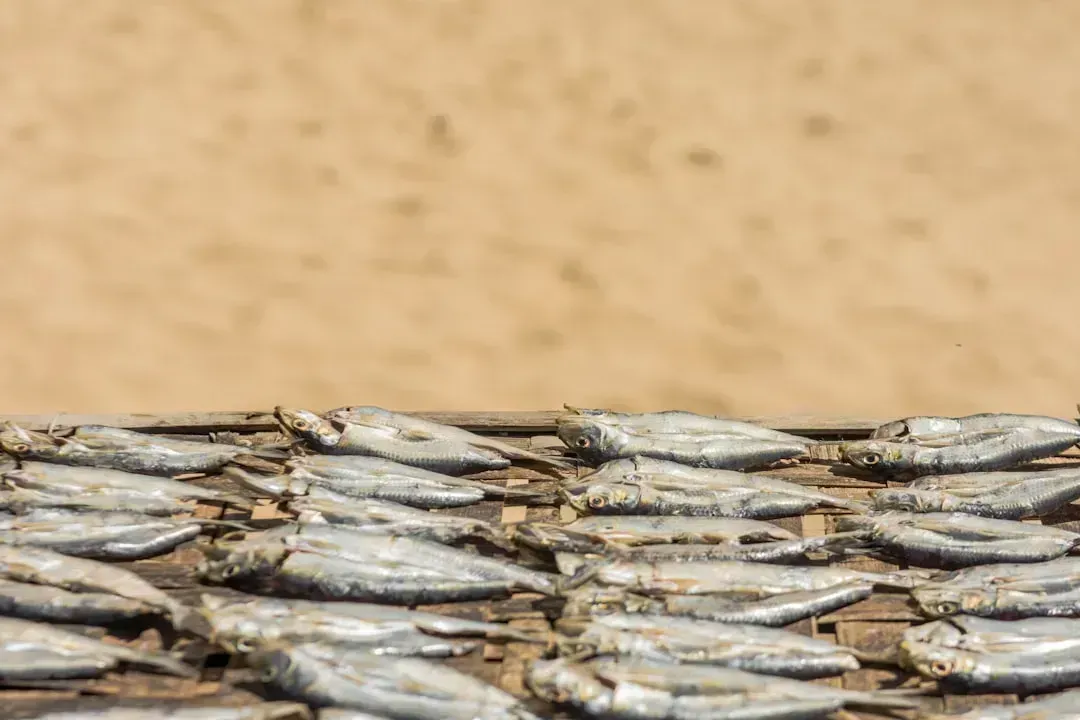
Receding water levels mean a fish will have less and less access to different types of habitat. Some fish are adapted to live in fast-flowing water, others in slow-moving pools. During drought, they all must share the same shallow, sluggish water, an unfair competition that disfavors fish used to flowing water.
Large, mobile fish such as trout or salmon may anticipate drought as water levels begin to dwindle and leave for large lakes or seas. If they are unable to complete the journey before parts of the river dry up, the fish can get stuck in remnant pools and become disconnected from their spawning or feeding areas. For many species, that disconnect is fatal.
Migratory Fish: A Collapse Already in Motion
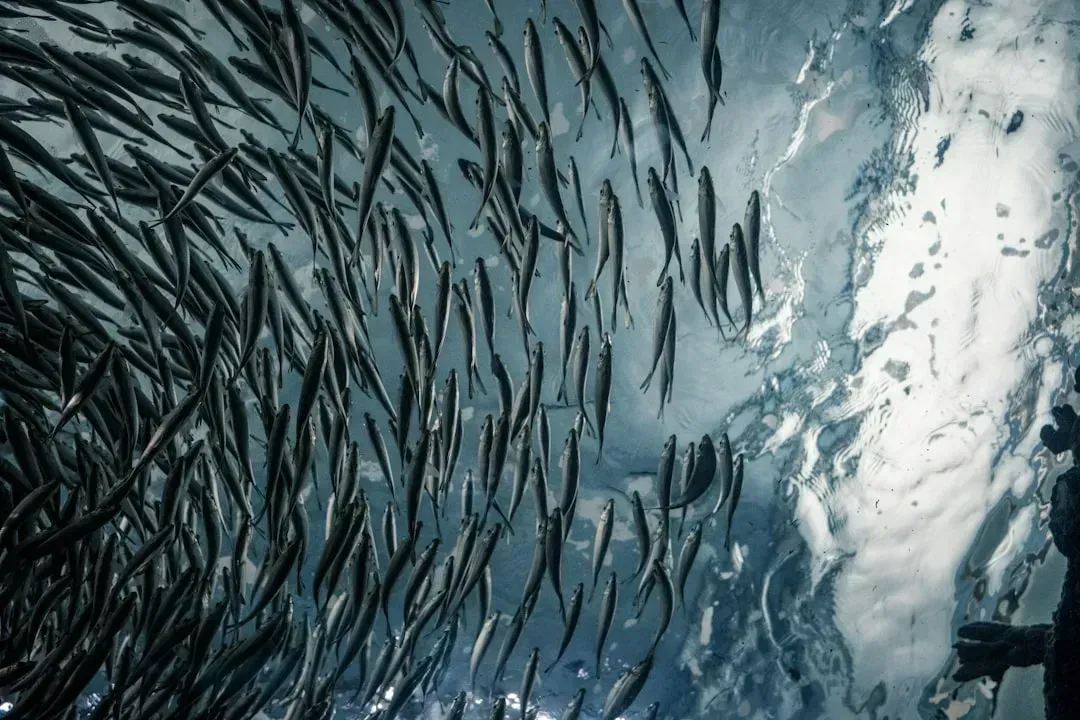
The 2024 update on the Living Planet Index for Migratory Freshwater Fishes shows an average 81% decrease in these fish populations between 1970 and 2020. That figure is staggering. It represents not just numbers but the near-erasure of entire ecological roles that these animals play across river systems.
Latin America and the Caribbean experienced the most severe regional decrease at 91%, while Europe saw a 75% decline. North America showed a 35% decrease, and Asia-Oceania reported a 28% decline. Drought is not the only driver, but it increasingly interacts with other pressures like dams and water extraction to accelerate these losses.
Floodplains and the Aftermath of Extreme Drying
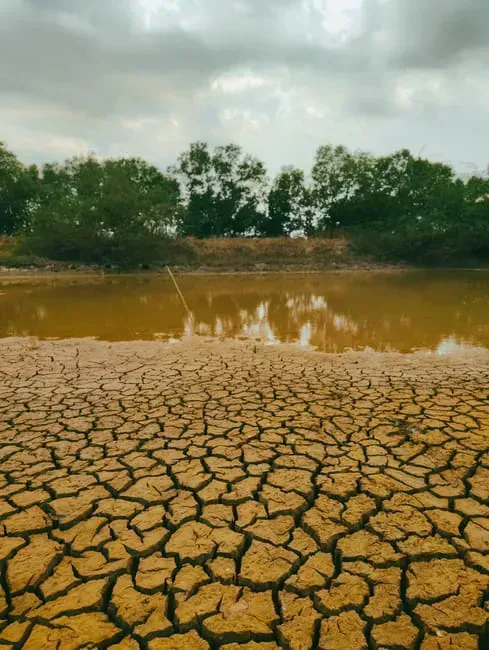
Global climate change is intensifying the frequency, duration, and severity of droughts, profoundly reshaping freshwater ecosystems worldwide. Floodplains, among the most biodiverse and productive components of these systems, deliver critical ecosystem services such as nutrient retention, habitat provision, and water-quality regulation. Their dependence on seasonal hydrological connectivity renders them especially vulnerable to drought-amplified water-level extremes.
Although hydrological connectivity was restored in 2024 in some studied areas, community recovery remained incomplete, with persistent functional gaps and altered species interactions. Even after the restoration of connectivity, drought-induced habitat legacies and priority effects constrained specialist recovery, impeding the re-establishment of pre-drought community composition. Ecosystems have a memory, and that memory works against them.
Amphibians on the Edge
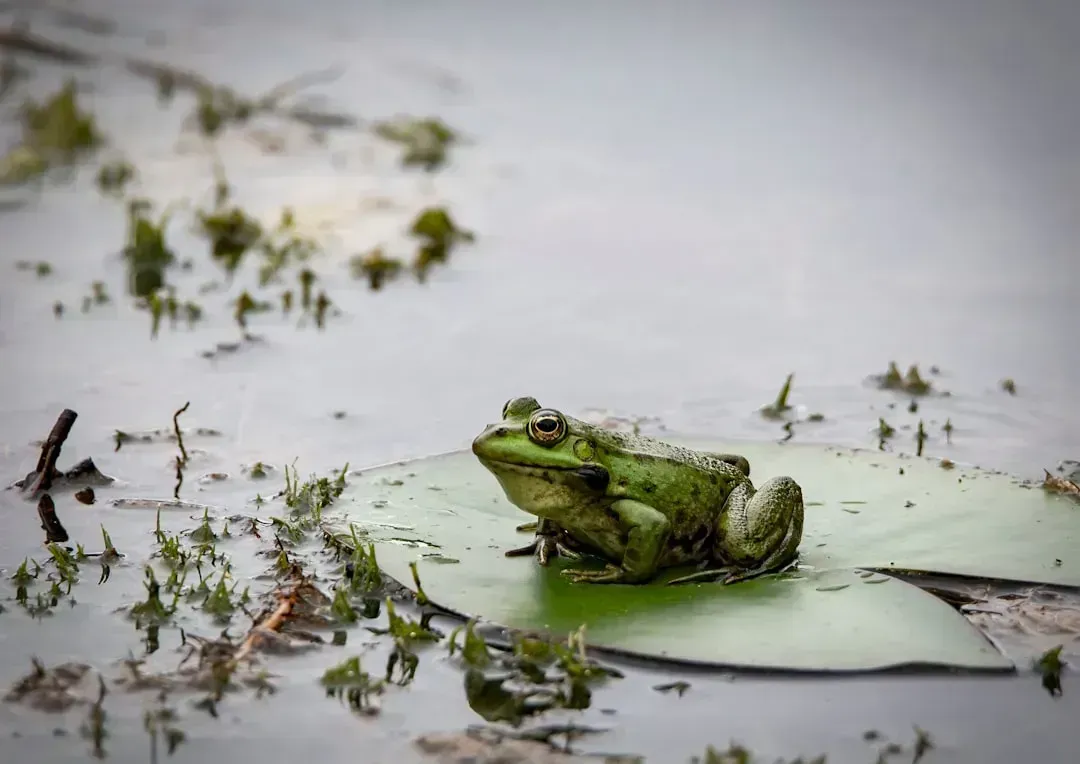
Where heat waves and droughts have increased, the threat status of amphibians on the Red List has also significantly deteriorated since 2004. Amphibians’ dependence on temporary wetlands for breeding makes them particularly vulnerable to droughts and temperature shifts that cause their breeding grounds to dry prematurely.
A major impact of severe drought is the loss of breeding sites, with more than half of monitored ponds in some regions failing to hold water throughout the developmental season. The reduced availability of breeding sites was a major mechanism by which drought affected amphibian species, as evidenced by sharply reduced occupancy and the relationship between hydroperiod, drought, and species persistence. For pond-breeding frogs and salamanders, there is simply nowhere else to go.
Freshwater Mussels: Silent Casualties
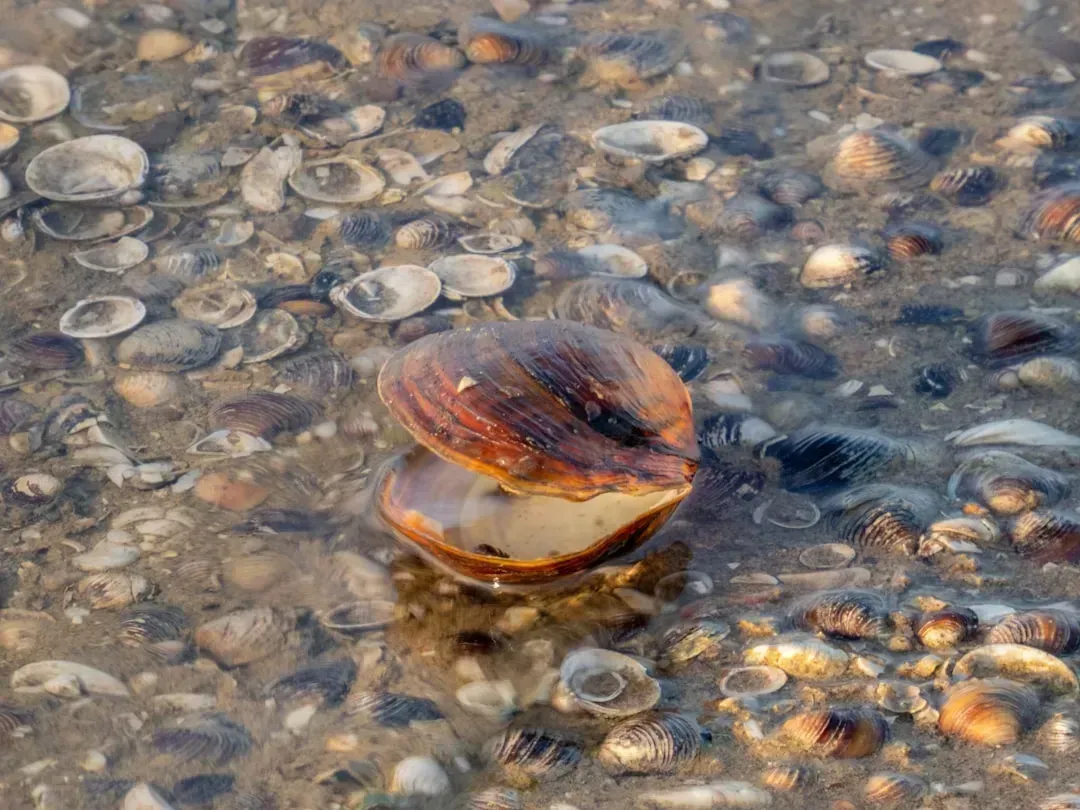
The increase in the frequency and intensity of droughts and heatwaves caused by climate change poses a major threat to biodiversity. Among the least visible victims are freshwater mussels, which cannot flee when conditions deteriorate. Droughts lead to reduced streamflow and the consequent warming of water temperatures, and also contribute to lower levels of dissolved oxygen, which is critical to gill-breathing species including fish, snails, and freshwater mussels, as well as the drying of habitat.
Freshwater mussels are long-lived, sometimes surviving 6 to 100 years, with high native biodiversity in eastern North America. Mass mortality of mussels has been linked to increasing drought, either from emersion or from low dissolved oxygen and high temperatures associated with decreased water volume. When mussel beds collapse, the filtering and nutrient-cycling services they provide to river systems disappear with them.
Water Temperature, Oxygen, and the Chemistry of Crisis
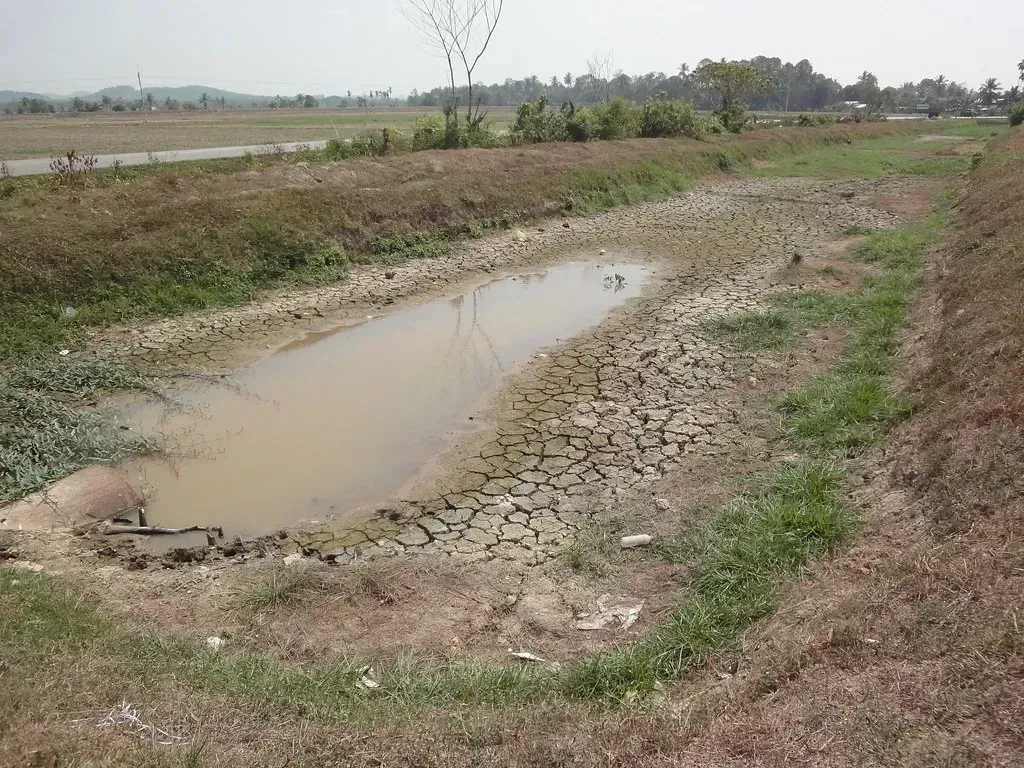
Freshwater ecosystems are under increasing peril due to global warming, and one of the gravest consequences for these ecosystems is rising water temperatures, which are directly linked to elevated air temperatures. When rivers run shallow and slow under drought conditions, they heat up far faster than they would at normal depth and flow.
As rivers shift and lakes become more strongly layered by temperature, a process called stratification that restricts mixing of oxygen and nutrients, habitat is expected to shrink for many species, raising the risk of local extinctions. This stratification effectively creates zones within a water body where life becomes impossible, squeezing species into ever-smaller refuges.
Invasive Species Gain Ground as Native Species Lose It
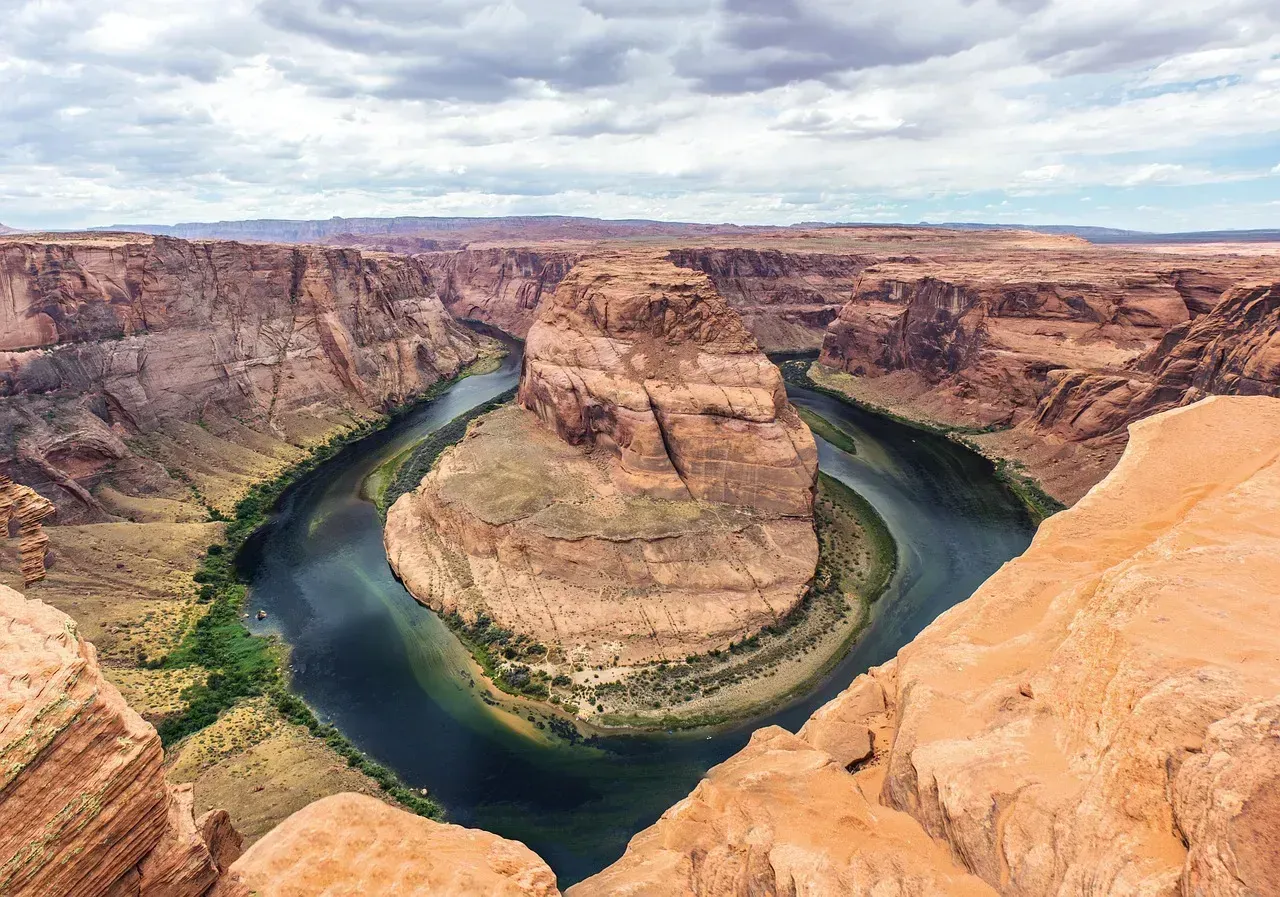
The ongoing drought and water supply crisis in the Colorado River basin threatens water security and native ecosystems. Water supply and storage decisions change river suitability for fishes including non-native species, and recent low reservoir elevations have facilitated the spread of non-native species like smallmouth bass.
Native and invasive species may differ in physiological tolerance of thermal stress, but even those invasive species that are more sensitive to increasing temperatures could retain a competitive advantage in response to heatwaves and drying events because of higher reproductive outputs. This creates a troubling pattern where drought simultaneously weakens native species while lowering the barriers to invasion.
Africa’s Freshwater Crisis and the Data Gap
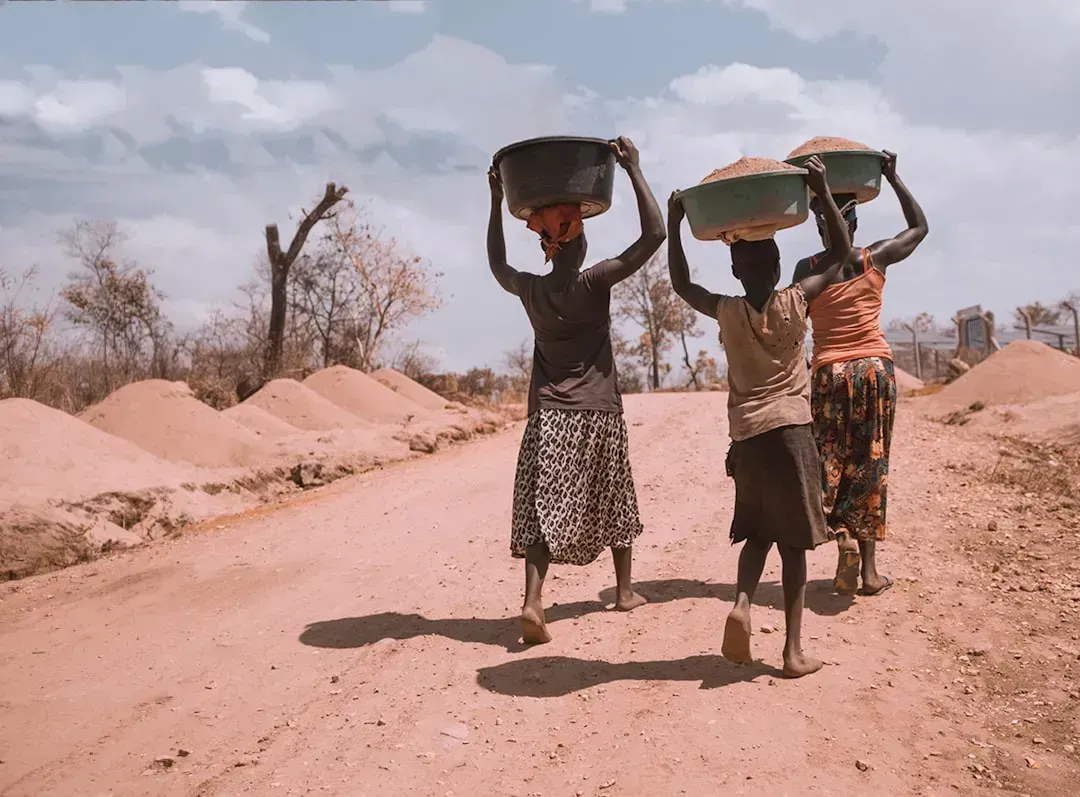
In a 2024 report called “Africa’s Forgotten Fishes,” the World Wildlife Fund warned that freshwater systems on the continent are under growing pressure from warming, drying, and more extreme rainfall. The situation there captures a broader problem: the places most vulnerable to drought are often the places we know least about.
In many rivers of the Global South, baseline data and basic monitoring of water temperature, fish abundance, or species composition are sparse or nonexistent. As a result, scientists don’t just lack answers; they often lack the underlying data needed to ask the right questions. Protecting what we cannot measure is an enormous challenge, and the clock is not waiting for better monitoring systems to be built.
Fragmented Landscapes Make Recovery Harder
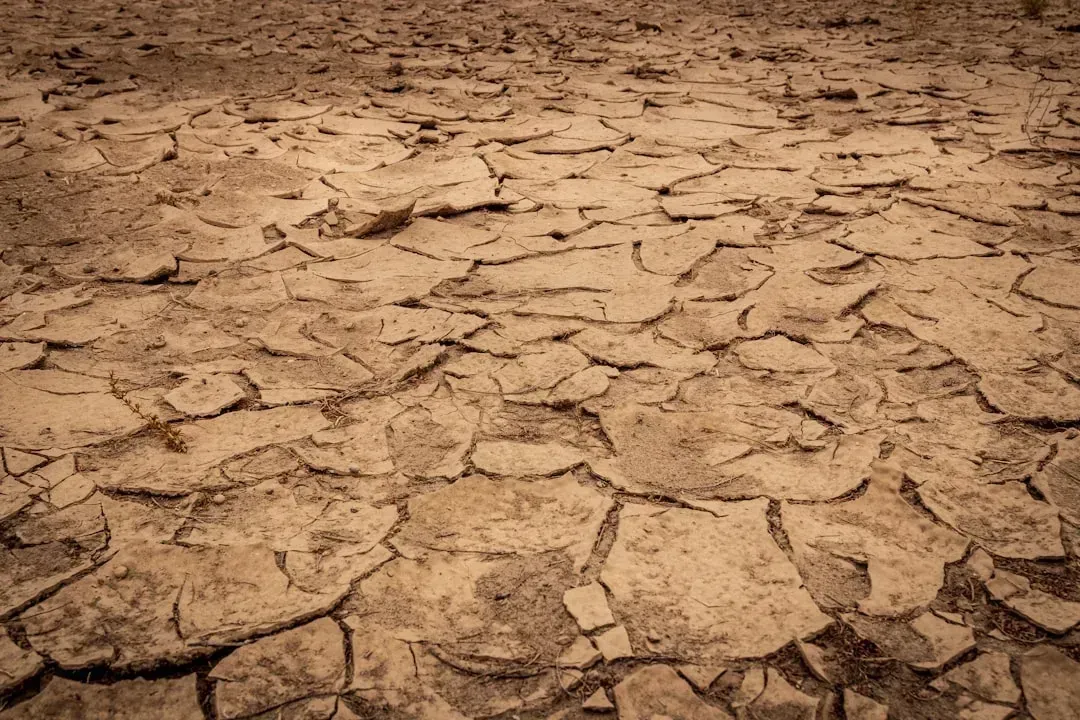
Prolonged drought caused by climate change poses a serious threat to freshwater biodiversity. The risks are increased because so much of the freshwater environment is fragmented and polluted. A species that gets wiped out from one stretch of river can only recolonize if clean, connected habitat still exists nearby. In many landscapes, it does not.
There will be fewer clean and unpolluted habitats for plants and animals to spread into. Sensitive species will be rare in those landscapes because, once eliminated by drought, it will be much harder for them to recolonize. The combination of habitat fragmentation and more intense drought is not simply additive. The two pressures reinforce each other in ways that make population recovery genuinely difficult to achieve without deliberate intervention.
