


- Phantom Energy Sucking Power 24/7 – 7 Home Electronics Quietly Inflating Utility Bills - November 14, 2026
- A Million-Mile Storm Raging for Centuries – 6 Violent Weather Wonders in Our System - November 14, 2026
- Animals Flee Hours Before the Tremor – 7 Natural Warnings Before Disasters Strike - November 14, 2026
Most beachgoers think of sharks as a warm, sunny day problem. The image is familiar enough: glassy water, clear skies, and a fin cutting the surface somewhere past the break. The reality is a little more complicated. Research out of Florida has found that large coastal sharks come closer to shore and show increased feeding behavior prior to hurricanes. That pre-storm window, when skies darken and pressure drops, is precisely when some of the most notable sightings cluster at specific beaches around the country.
Year-to-year variability in oceanographic conditions influences the local abundance of sharks in the water, while weather patterns and economic conditions impact human activities along coastlines. The eleven beaches below each have documented histories of elevated shark activity tied to stormy or unsettled weather, whether from tropical systems, intense nor’easters, or the murky runoff that follows heavy rain. None of them should scare you away from the water, but all of them are worth understanding.
1. New Smyrna Beach, Florida
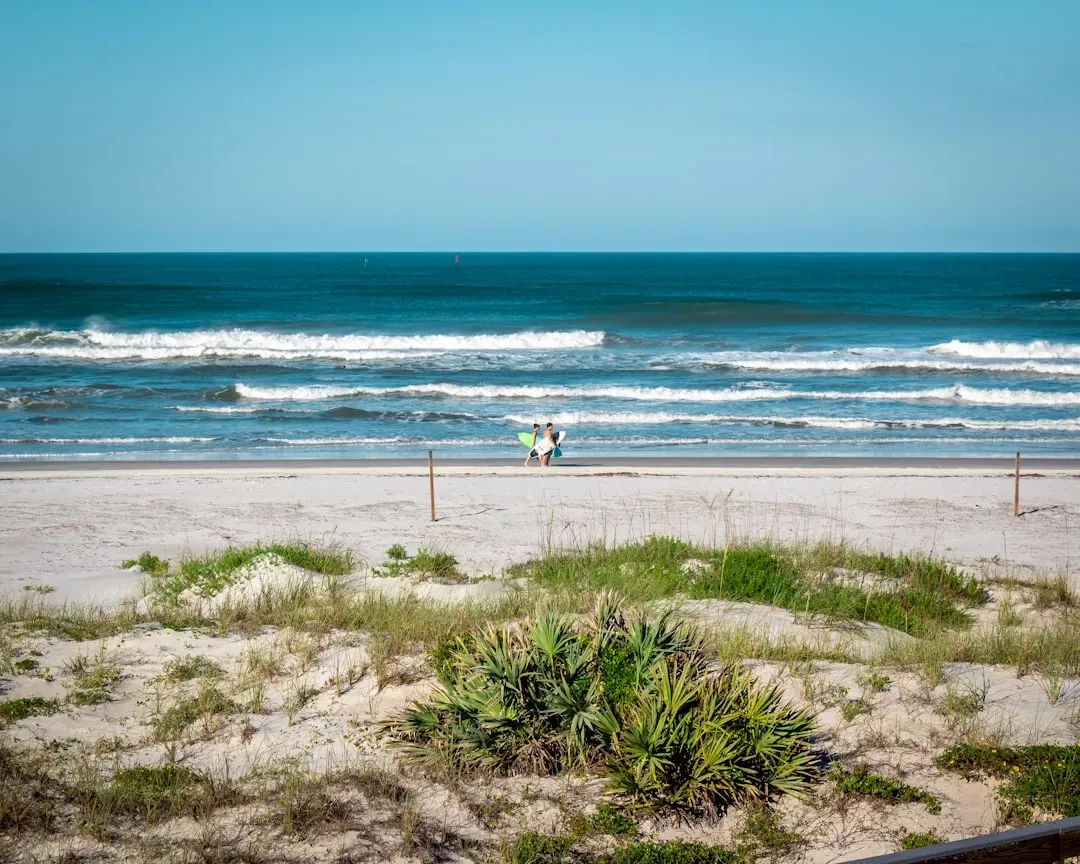
New Smyrna Beach, Florida topped one major shark data analysis with 277 shark attacks since 1642, earning it a lasting reputation as the most shark-active stretch of coastline in the world. The waters off New Smyrna Beach are home to blacktip sharks, spinner sharks, and bull sharks, with blacktip sharks frequently spotted in the shallows during their spring and fall migration period.
Many shark encounters are reported following tropical storms or hurricanes, as changes in water temperature and salinity affect shark movements. New Smyrna sits at the mouth of Ponce de Leon Inlet, which flushes turbid, fish-rich water into the surf after heavy rain events. Add murky water from runoff, extreme rainfall, and flooding, and the risk increases considerably. Storm runoff here essentially rings the dinner bell.
2. South Padre Island, Texas
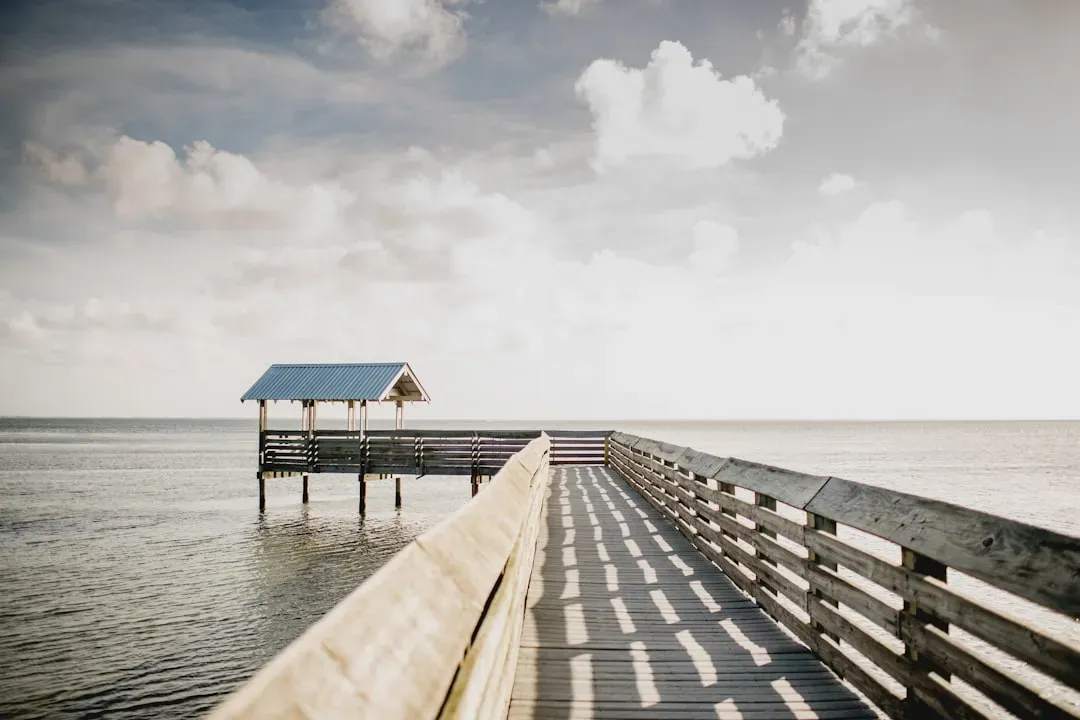
On July 4th, 2024, a single shark injured four people in the waters off South Padre Island; one woman standing on a sandbar in murky water sustained serious injuries to her calf while her husband was also bitten on the leg. The timing was not coincidental. Researchers pointed directly to Hurricane Beryl as a contributing factor, noting that recent research shows larger species like bull sharks and tiger sharks increase their feeding behavior and come closer to shore prior to meteorological disturbances.
Scientists have noted that sharks appear to predict a hurricane before humans do, increasing feeding behavior prior to the storm in a manner similar to how people prepare before a major meteorological disturbance, with encounters likely involving mistaken identity during that heightened feeding window. South Padre Island’s position near the southern tip of Texas, directly in the Gulf of Mexico hurricane corridor, puts it squarely in harm’s way every storm season. South Padre Island also features in broader national rankings of shark attack frequency.
3. Volusia County Beaches, Florida
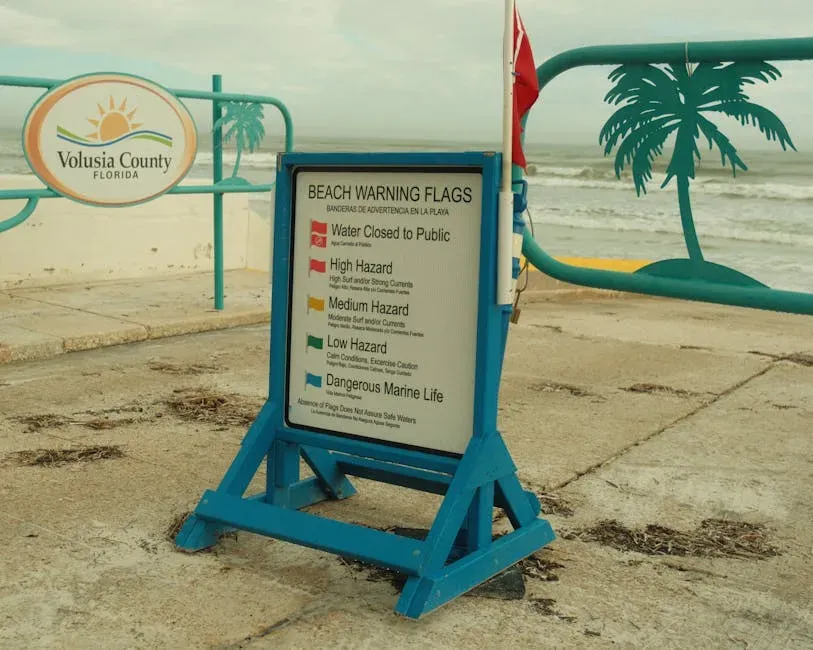
In 2025, Volusia County had the most shark bites of any Florida county with six incidents, representing more than half of the state’s total, though this is lower than the most recent five-year annual average of ten incidents in the area. The county encompasses Daytona Beach, Ormond Beach, and Ponce Inlet, all of which sit along a heavily trafficked surf corridor. Florida remains a hotspot, particularly in Volusia County, often called the “Shark Attack Capital of the World,” and Brevard County.
What makes Volusia particularly storm-sensitive is its inlet geography. After heavy rain or tropical weather, the Halifax River and Mosquito Lagoon dump nutrient-laden freshwater into the Atlantic, drawing baitfish and the sharks that follow them. Sharks follow prey movements, and swimming or surfing near river mouths after floods has been repeatedly identified by researchers as a high-risk activity.
4. Galveston Island, Texas
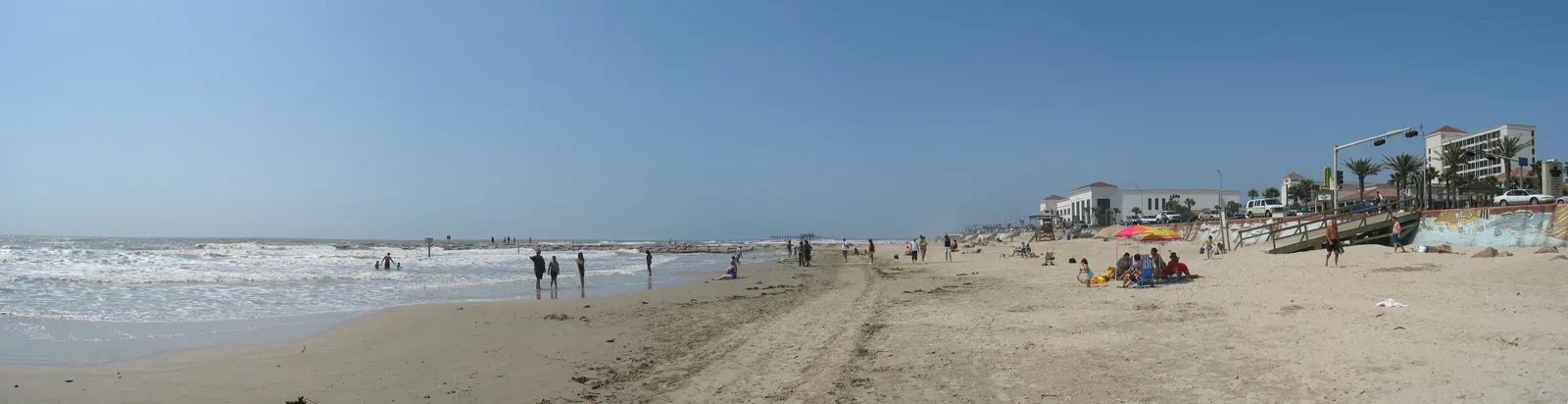
Galveston Island is known for a moderate risk of encounters with bull sharks, seeing regular incidents especially during warm weather and holiday seasons. The island’s proximity to Galveston Bay creates the kind of estuarine mixing zone that bull sharks prefer, and tropical weather in the Gulf regularly churns those waters. In June 2024, a shark latched onto a teenager’s hand as she stood in waist-deep water off Jamaica Beach, and after being treated on site, she required surgery.
Galveston Beach ties with Miami and St. Augustine Beach in national shark attack rankings, each recording around 17 documented incidents over the historical record. Gulf storms tend to concentrate both fish and murky warm water near Galveston’s shores, and the drop in barometric pressure that precedes those systems appears to drive sharks shoreward. A 2001 study at Florida’s Mote Marine Laboratory documented young blacktip sharks leaving shallow water nurseries and heading for deeper water following the dramatic drop in barometric pressure preceding a hurricane, though the larger adults appear to surge coastward just before that same pressure drop hits.
5. Cape Hatteras and the Outer Banks, North Carolina
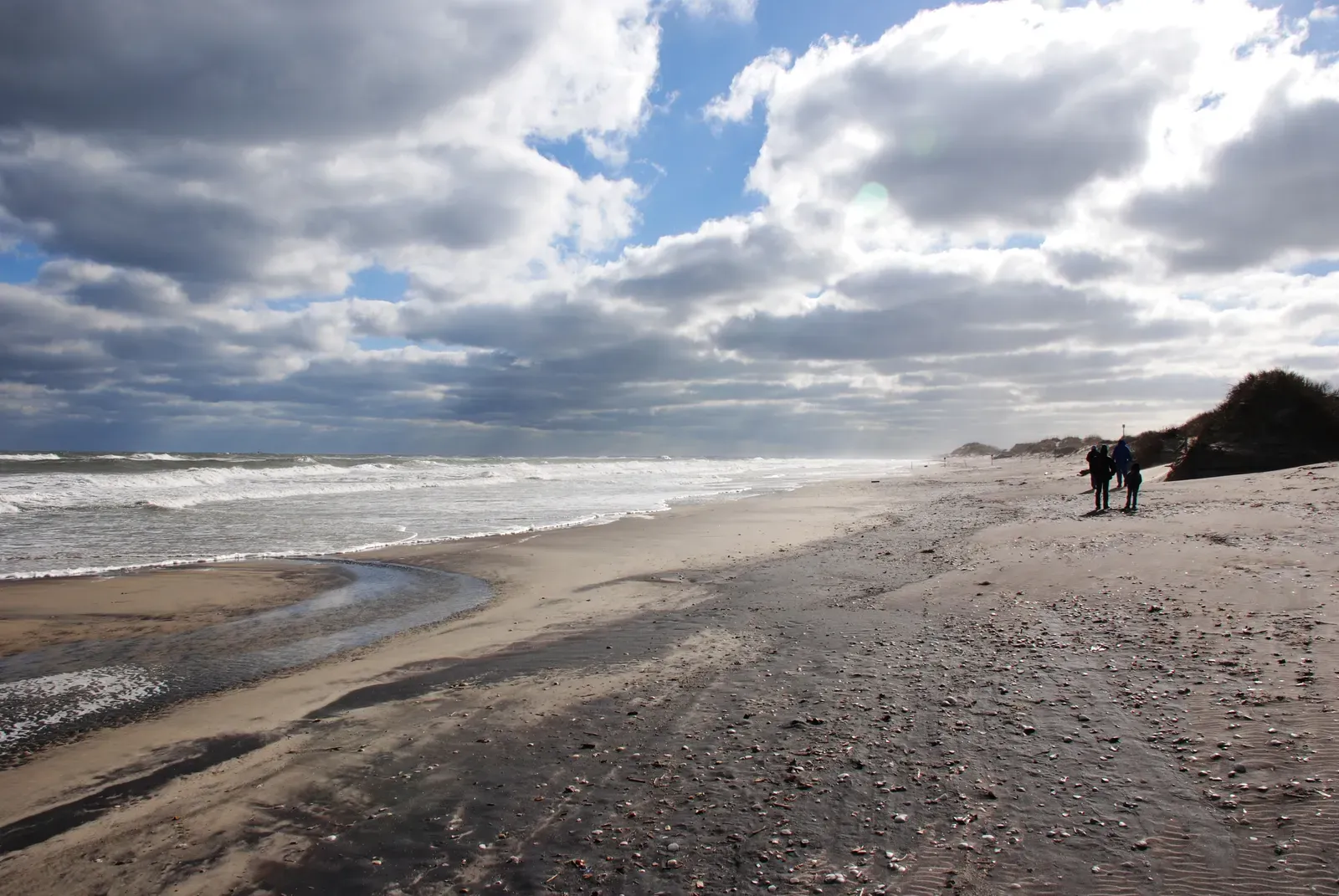
Most attacks in North Carolina occur in the afternoon when more people are in the water, especially in areas popular for surfing along the Outer Banks. The Outer Banks jut far into the Atlantic, sitting in a unique position where the warm Gulf Stream and cooler Labrador Current collide. That thermal boundary attracts everything from baitfish to large pelagic predators. Nor’easters and tropical storms regularly redirect those currents, pushing sharks unusually close to shore.
Warming seawater temperature and conditions are shifting shark distributions, which can create the appearance of sudden population spikes locally. Along the Outer Banks, post-storm surf tends to be murky and baitfish get disoriented near the beach, making human-shark overlap more likely. Fishermen have reeled in massive great white sharks from Outer Banks beaches, a reminder that the species visiting these waters during storm events are not always small.
6. Myrtle Beach, South Carolina
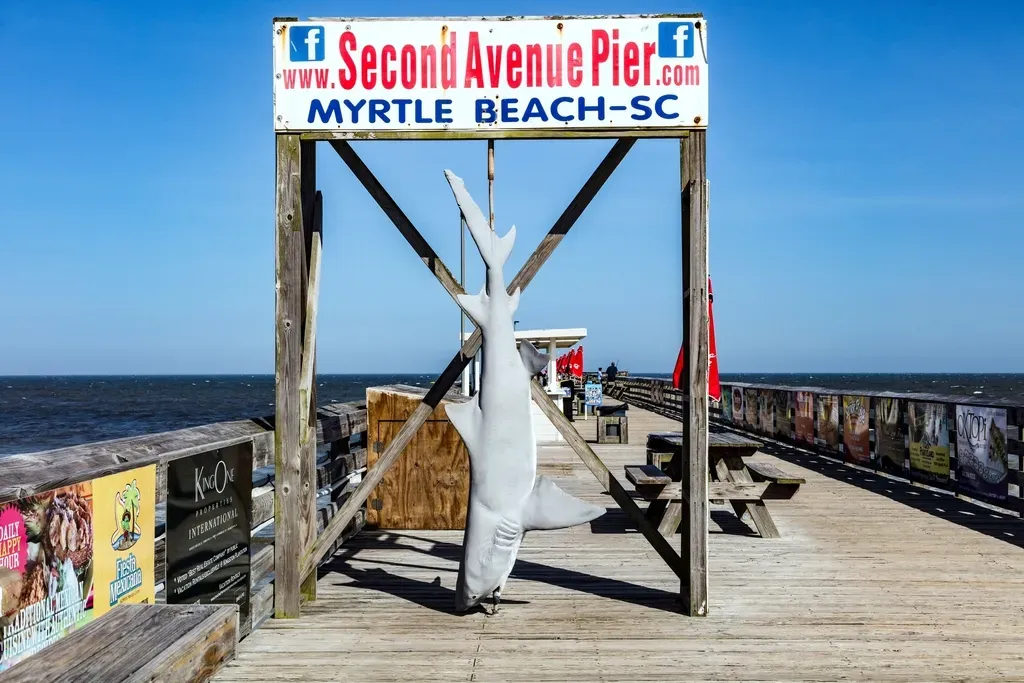
Myrtle Beach is the highest-ranking non-Florida beach in national shark attack data, with 36 recorded attacks over the historical period. The beach draws millions of visitors each summer, and 2024 saw two people nipped by a shark off the Myrtle Beach coast, with small species like blacktips, spinners, and sandbars attracted to these waters and frequently crawling close to the shoreline.
Blacktip sharks are often the culprits behind hand and leg bites at popular beaches in the area, and according to a marine biologist with the South Carolina Department of Natural Resources, the state typically records about four shark bites every year with Myrtle Beach as a consistent hotspot. Storms here matter for a specific reason: the Waccamaw and Pee Dee rivers drain enormous amounts of flood water into the coastal zone after heavy rain events, briefly lowering salinity and drawing in baitfish that blacktips readily follow.
7. Cocoa Beach, Florida
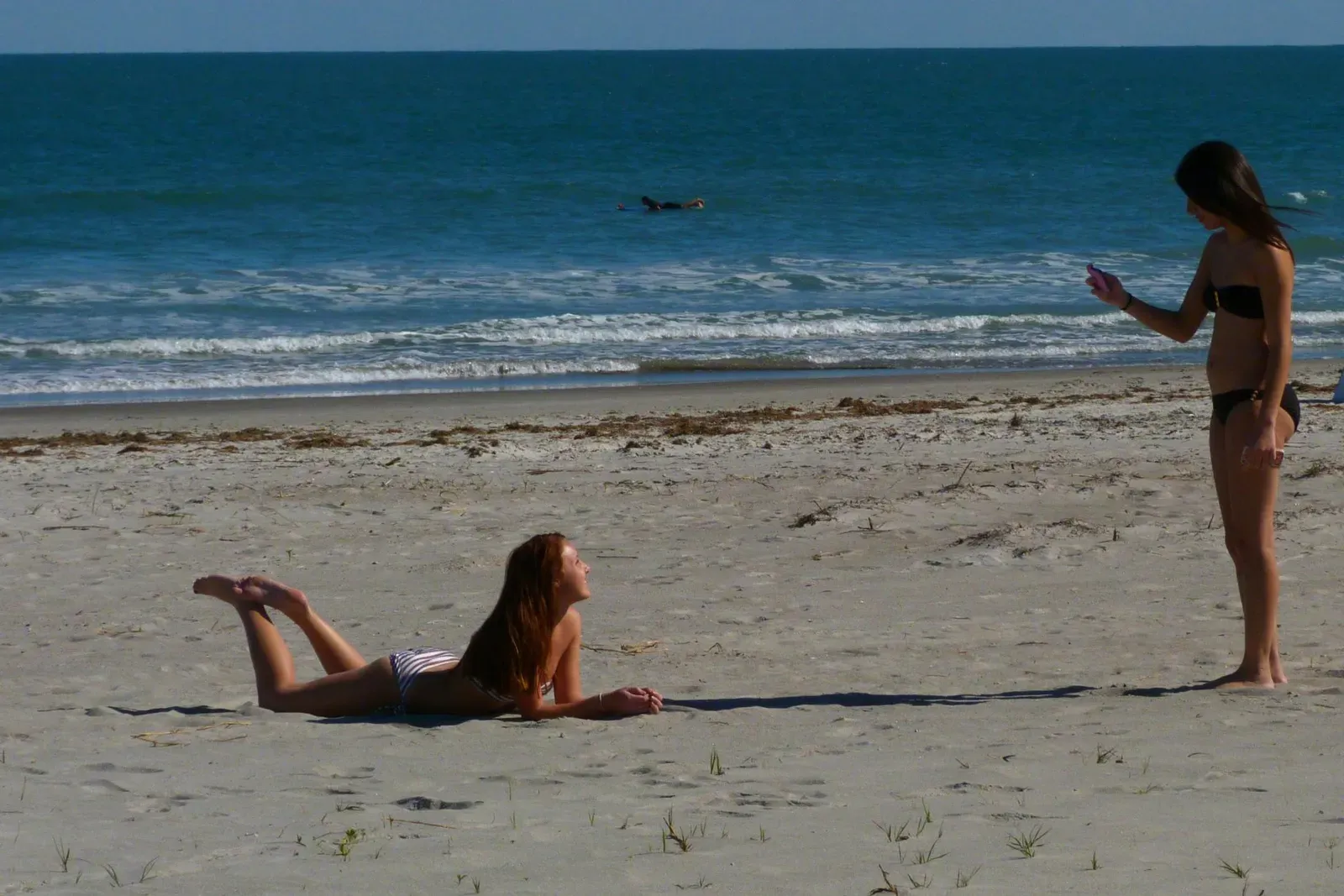
Cocoa Beach is another Florida hotspot that has seen several incidents, especially during peak surfing seasons. It sits in Brevard County, just south of Volusia, and shares the same inlet-driven storm ecology that makes the surrounding coastline so active. The Indian River Lagoon, one of the most biodiverse estuaries in North America, empties near here during storm surges, flooding the nearshore zone with fish. Bull sharks, which often share shallow coastal and estuarine habitats with humans, are more likely to encounter people simply due to the overlap in space.
Cocoa Beach has a dense surfing community and a year-round population in the water, which means storm-associated shark movement is rarely unwitnessed. After tropical weather events, lifeguards here regularly issue precautionary closures as murky water reduces visibility and makes it harder for swimmers and sharks alike to avoid each other. The Florida Fish and Wildlife Conservation Commission advises people to use extra caution in murky waters, and that advice carries particular weight here in the immediate aftermath of rain events.
8. Newport Beach and Huntington Beach, California
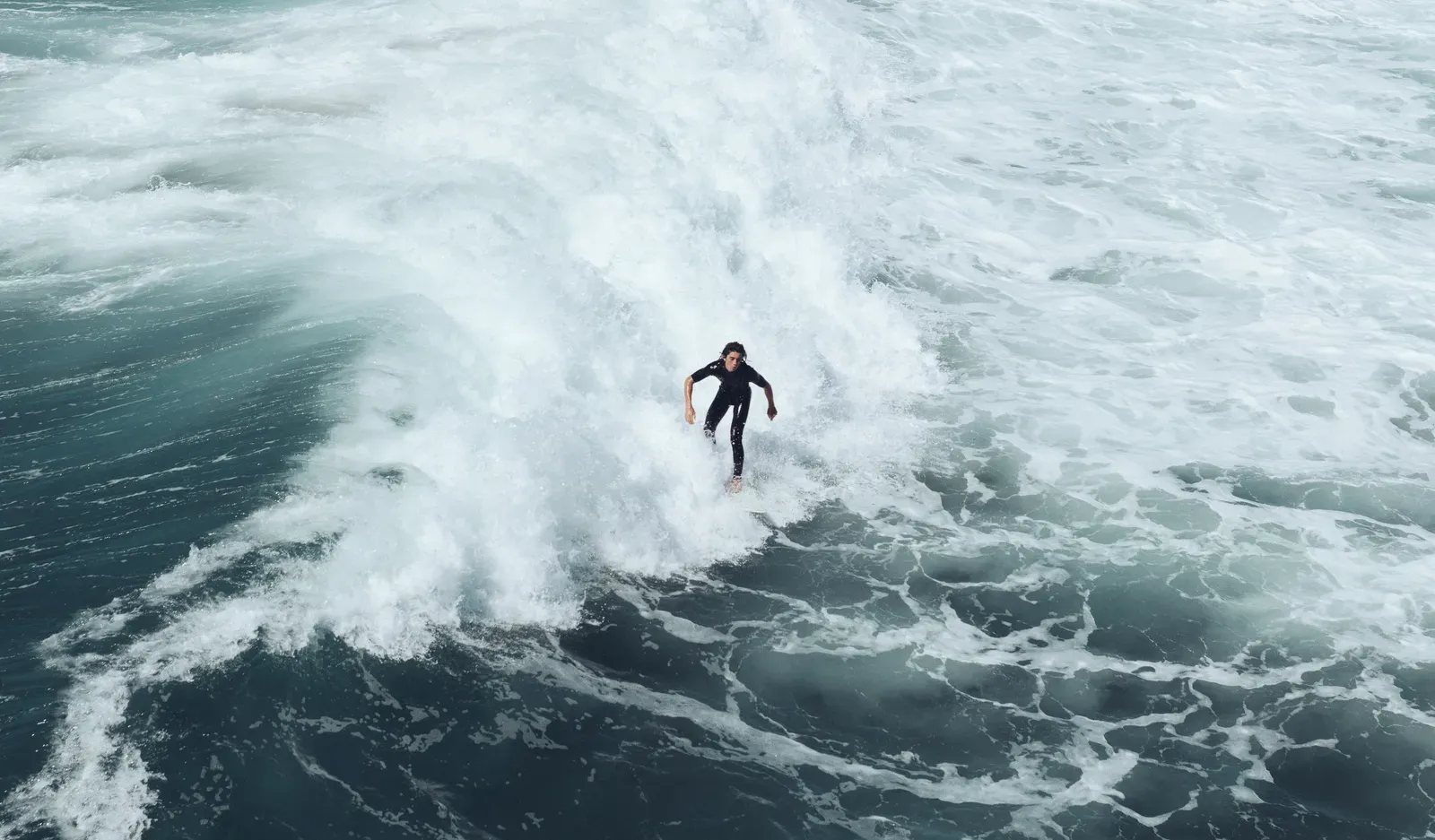
Huntington Beach, popularly known as “Surf City USA,” has long attracted locals and visitors with its celebrated beaches and consistent surf, though sharks are a regular presence in these waters. In March 2026, Newport Beach Fire Department lifeguards confirmed a sighting of an 8-foot great white shark circling a surfer off 35th Street, leading to a water closure spanning one mile in each direction for at least four hours.
Researchers have pointed to a strong El Niño and a marine heat wave from the Pacific Northwest as factors expected to push more sharks to Southern California shorelines. Stormy weather in this region also means increased runoff from the Santa Ana River and storm drains, which flush warm, fish-attracting nutrients directly into the surf break. Shark spotters have reported seeing more sharks than usual in the region, with most people in the water never realizing how close the marine life can get.
9. North Shore, Oahu, Hawaii
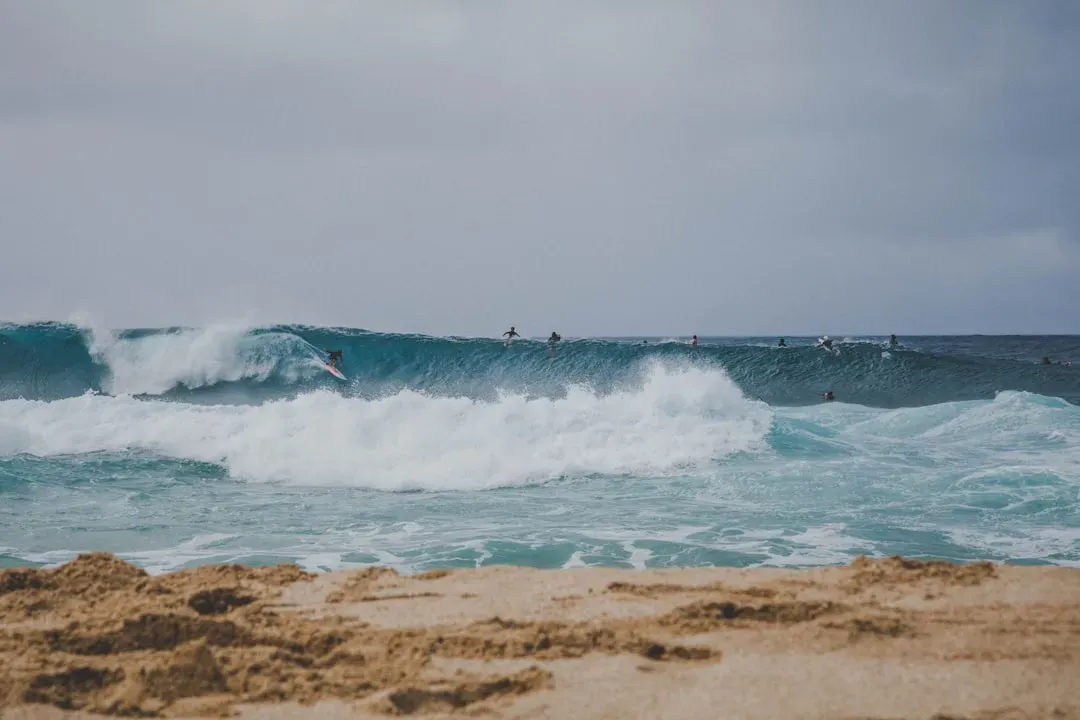
In June 2024, local news outlets reported that a 20-year-old tourist was bitten by a shark on North Shore’s Waikoloa beach, coming just days after a fatal attack that took the life of a local lifeguard and surfer, with these encounters indicative of a long-standing issue with sharks on Hawaii’s North Shore, where tiger sharks are the primary species involved. The North Shore’s winter swells draw large surf, and storm-driven wave systems regularly stir the seafloor and disorient prey fish near the beach.
Hawaii recorded four unprovoked shark bites in 2025, representing a slight decrease from average, though shark bites in Hawaii vary considerably from year to year. Tiger sharks in Hawaii are known to increase nearshore presence during and after heavy tropical rainfall, when freshwater discharge from streams creates the kind of murky plumes they associate with feeding opportunities. The North Shore’s dramatic topography channels those stream flows directly into popular surf zones, which keeps this coastline on researchers’ watch lists regardless of season.
10. Padre Island National Seashore, Texas
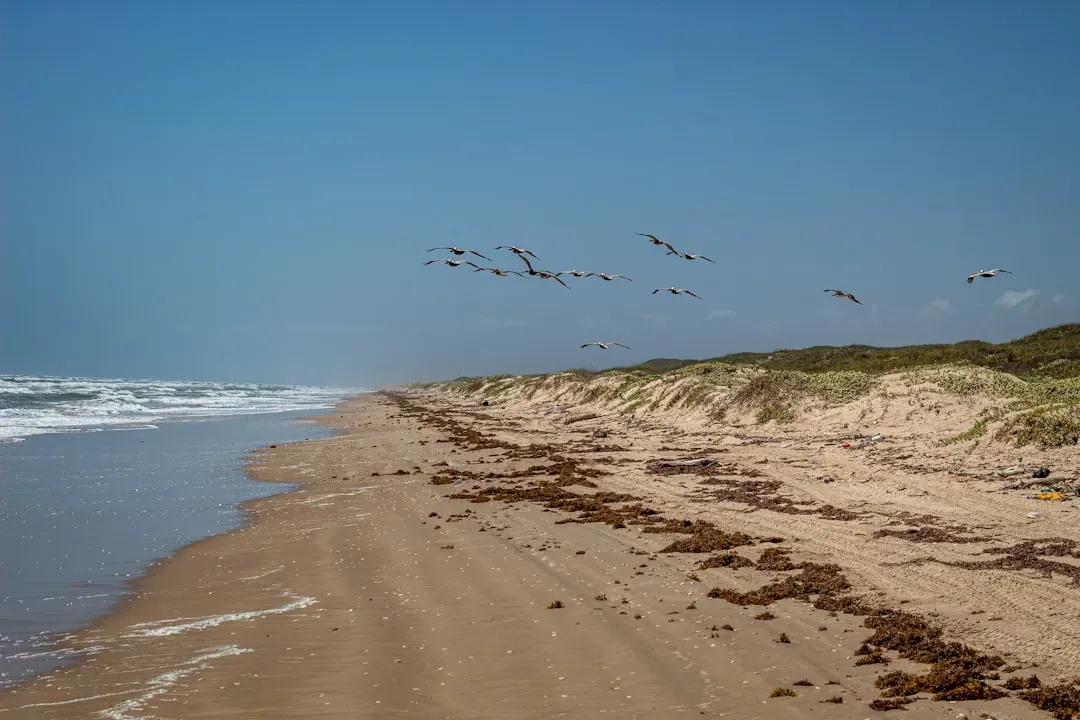
South Padre Island and Mustang Island, the two bookend communities of the Padre Island chain, both feature in national rankings of shark attack frequency. Padre Island National Seashore stretches between them as one of the longest undeveloped barrier islands in the world, and its relative lack of human infrastructure makes shark behavior here unusually visible to researchers. Larger species like bull sharks and tiger sharks are documented to increase feeding behavior and move closer to shore prior to major weather systems.
The Laguna Madre, a hypersaline lagoon running behind the entire island, experiences dramatic salinity swings during major storms. The increased intensity of storm events under climate change predictions has implications for bull shark movements along the freshwater-estuarine-marine continuum, with the pattern of bull shark occurrence and movements likely to respond as the spatial and temporal scales of rainfall events increase. Padre Island’s position within the Gulf hurricane track means those salinity disruptions happen regularly, and the sharks respond in kind.
11. Monterey Bay Area, California
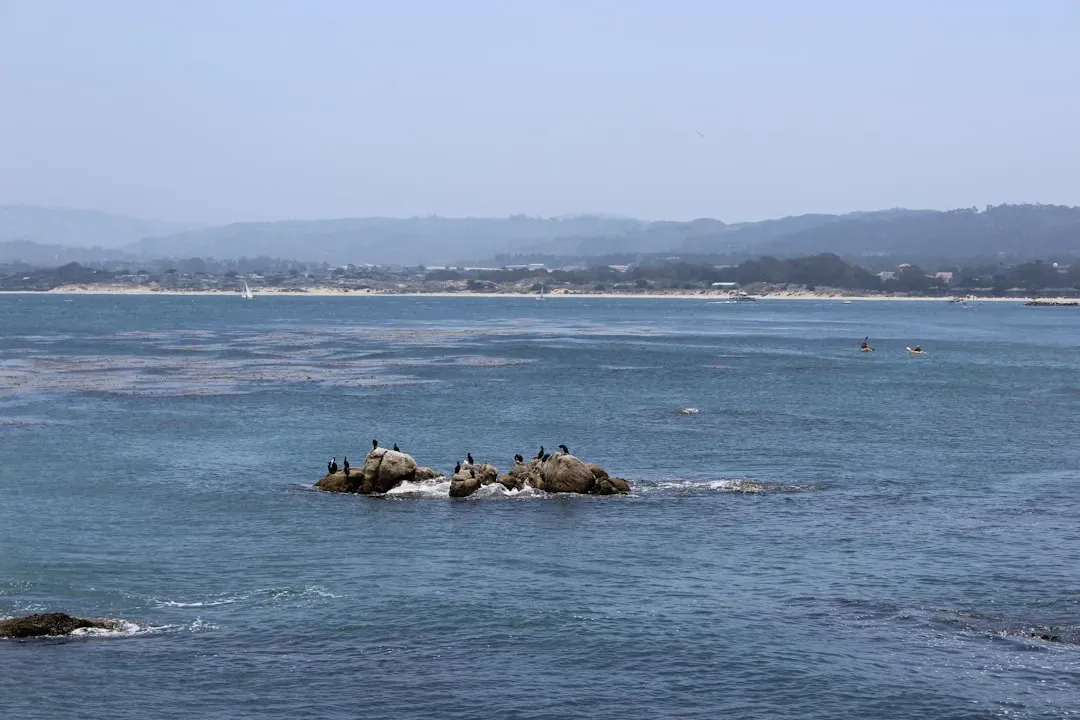
White sharks have been responsible for all documented fatalities in California according to the California Department of Fish and Wildlife, with 17 fatalities recorded out of 233 incidents since accurate record-keeping began in 1950. California recorded a fatal shark attack in Monterey Bay in 2024, and the broader central coast remains one of the most active great white zones in the Northern Hemisphere, anchored by the large seal colonies at Año Nuevo and Point Reyes.
Large adult sharks appear to deliberately avoid incoming storms, with GPS trackers showing big ocean-going sharks such as great whites diving into deeper waters or leaving the path of approaching hurricanes. The interesting pattern along the Monterey coast comes after storms pass: displaced prey fish concentrate in the bays, and great whites follow within hours. Shark encounters are ultimately the outcome of complex interactions between climate change, ecosystem dynamics, and human behavior, and Monterey Bay illustrates that intersection clearly, where post-storm clarity can bring both calm seas and unexpected dorsal fins sliding through the kelp.
What connects all eleven of these beaches is not bad luck or unusual danger. It’s the basic fact that sharks respond to the same environmental cues that storms produce: shifting pressure, disrupted salinity, stirred-up prey. The chances of being bitten by a shark remain extremely low. Knowing which beaches see the most storm-related activity, and why, simply helps beachgoers make smarter decisions about when and where to get in the water.
