

- Scientists are tracking unusual behavior in the polar vortex - November 5, 2026
- When Biodegradable Doesn’t Mean Compostable: How the Two Terms Differ - November 5, 2026
- Where to see the northern lights in the US this winter: 6 spots in Alaska and beyond - November 5, 2026
Walk down any packaging aisle and you’ll see both words on labels, often used as if they were interchangeable. They aren’t. One is a broad description of a natural process, while the other is a tested claim with conditions attached.
The gap between them matters for what ends up in your bin, your garden, and the compost facility down the road. Here’s , and why the difference is easy to miss.
What Biodegradable Actually Means
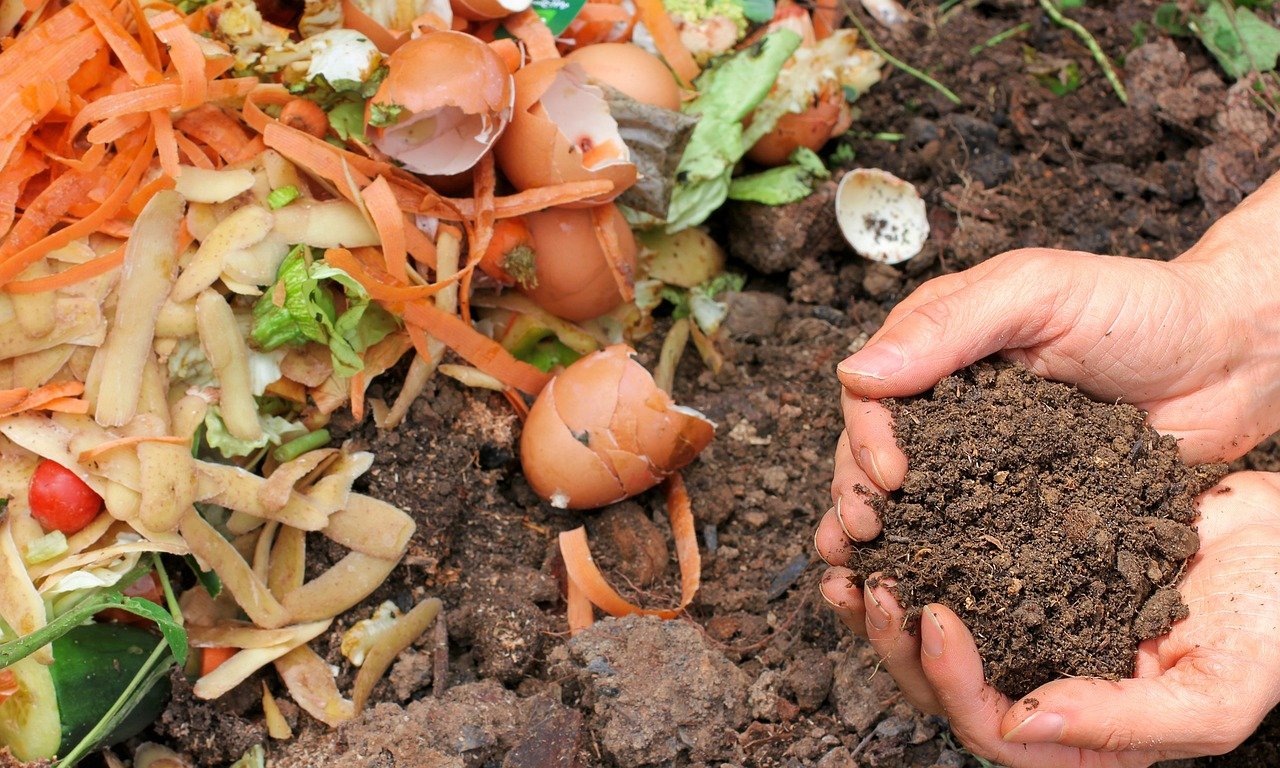
Biodegradable describes a material that microorganisms can break down. There is no set timeframe or conditions attached to the term. A banana peel and a sheet of paper both qualify, but so might a plastic that takes decades.
Because the word is so open ended, it says very little on its own. The timeframe can range from months to centuries, and the end product is unspecified, so residues or fragments may remain.
What Compostable Requires
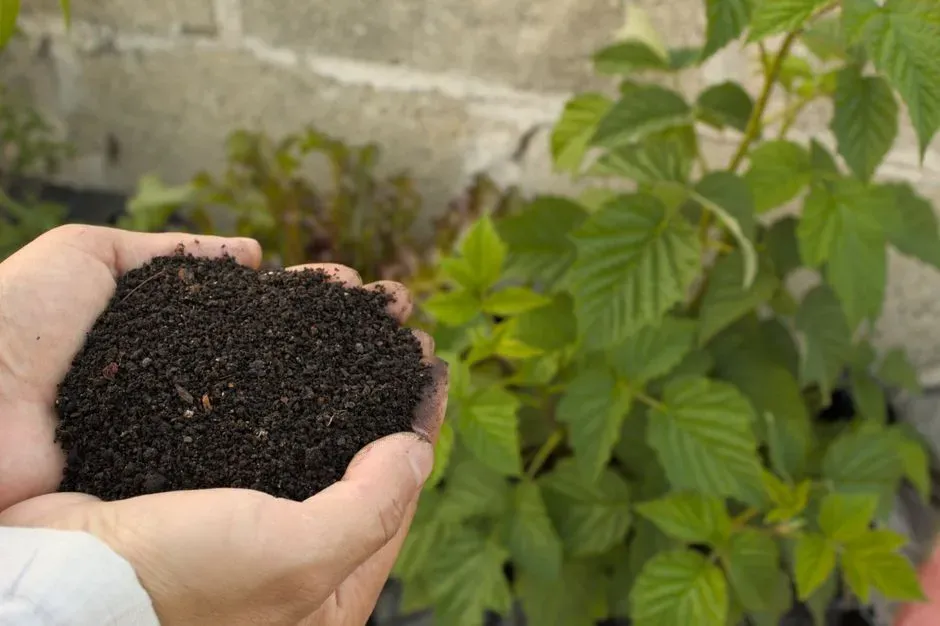
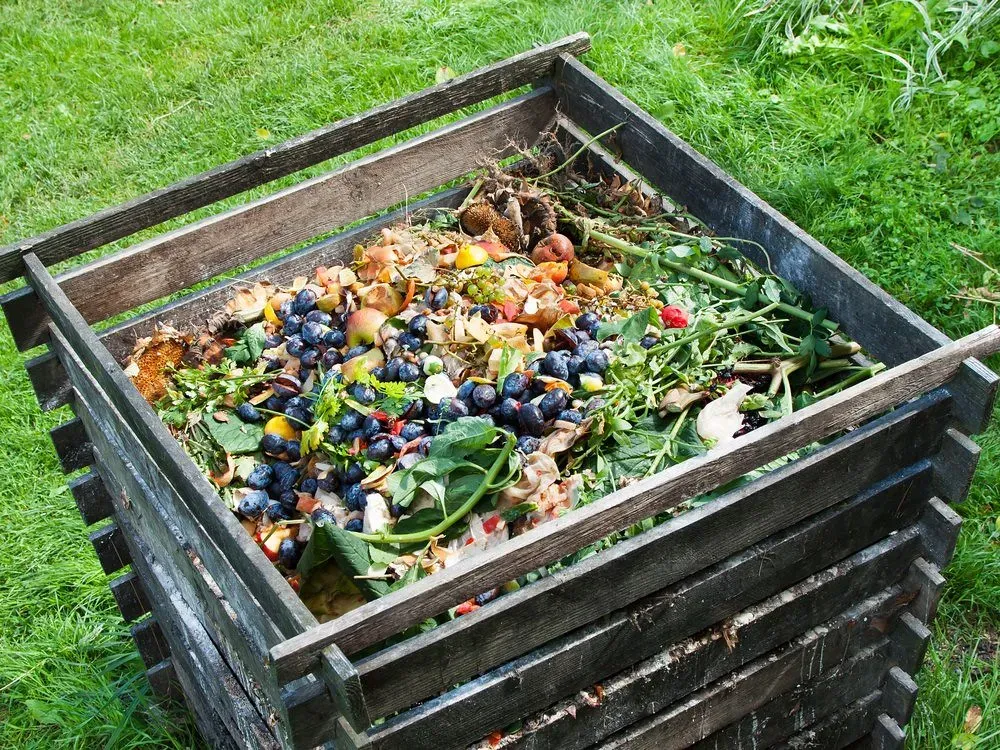
Compostable is a narrower claim. The material must break down into non-toxic organic matter within a defined period under composting conditions, verified by standards like ASTM D6400 or EN 13432.
That makes it a tested result rather than a hopeful description. Both specifications require products to decompose completely in a composting setting within a specific time frame, leaving no harmful residues.
Why One Is a Subset of the Other
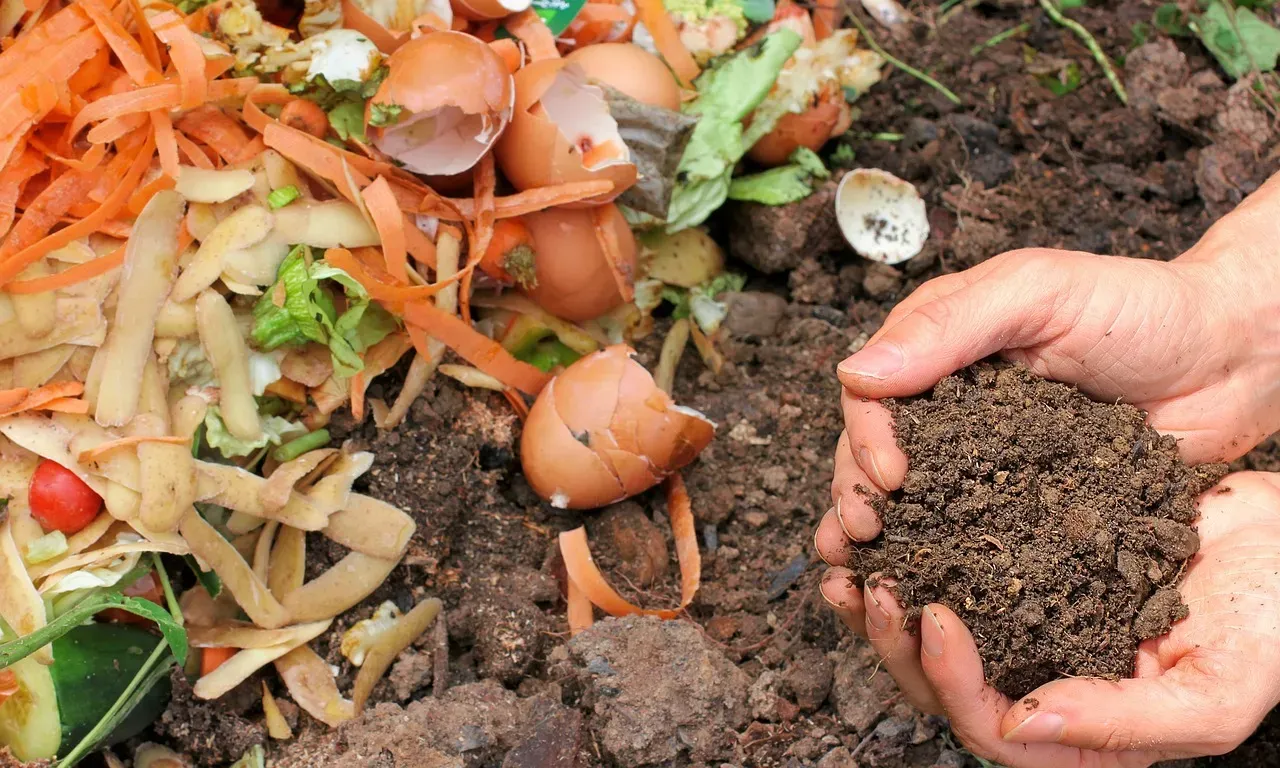
The relationship runs in only one direction. All compostable items are biodegradable, but the reverse isn’t true. Think of compostable as a small circle drawn inside a much larger biodegradable one.
Another way to say it: compostable materials are a specific subset of biodegradable products that break down fully and safely under controlled composting conditions. A product can meet the first description without ever earning the second.
The Standards Behind the Label

Two sets of rules dominate. In Europe, EN 13432 defines what packaging must achieve to be called compostable, recoverable through composting and anaerobic digestion. In the United States, ASTM D6400 plays a similar role for plastics, and ASTM D6868 covers items with a plastic coating on paper.
Certification builds on those tests. In North America the main certifying body is the Biodegradable Products Institute, which uses ASTM D6400 and D6868 to assess compostability. Shoppers can look for that kind of third party mark instead of relying on the manufacturer’s wording.
The Numbers: Ninety Percent and Six Months

The European benchmark is fairly specific. A material must show at least ninety percent biodegradation, and the maximum test duration under industrial composting conditions is 180 days.
Disintegration is judged separately. Packaging must disintegrate within three months in an industrial facility, and must not harm the composting process or plant growth in the resulting compost. So a product has to vanish physically, convert chemically, and leave usable compost behind.
Conditions Matter: Industrial Versus Home
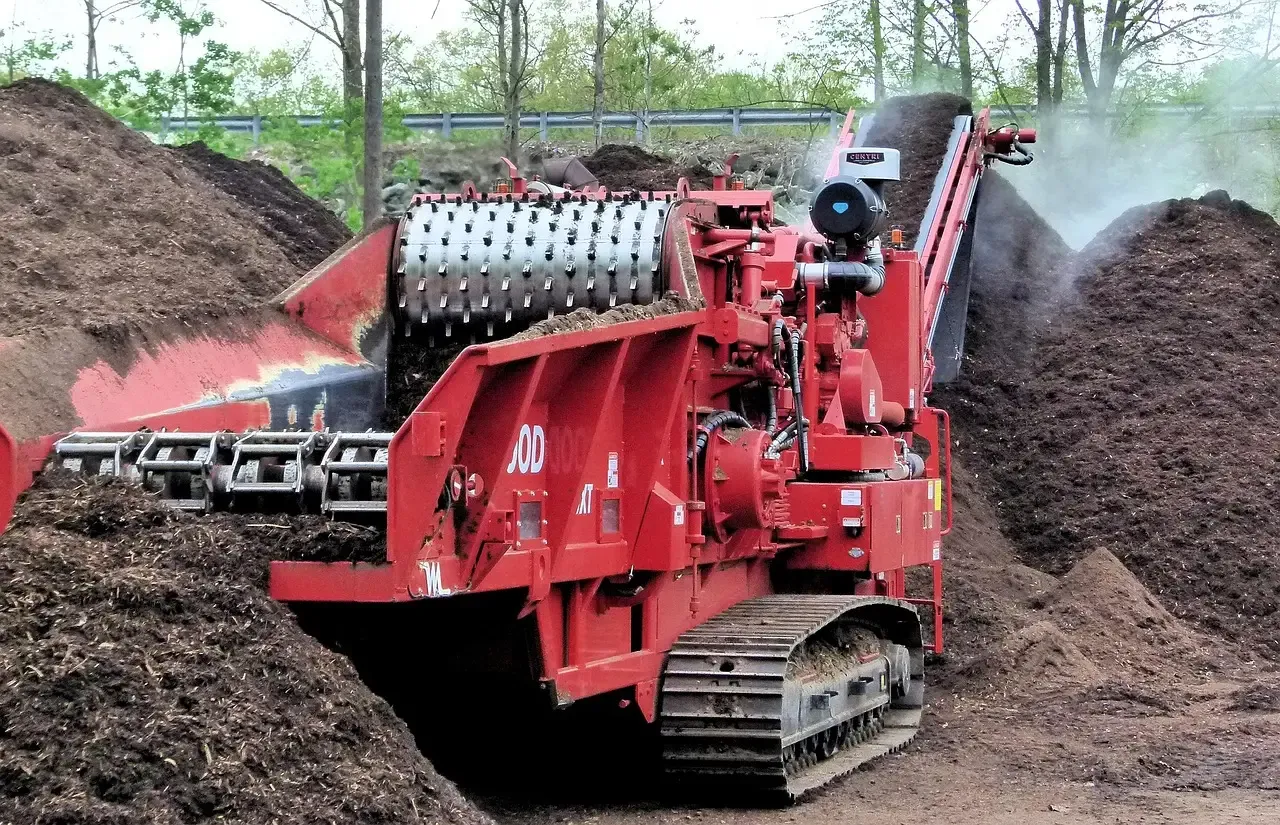
Composting isn’t just a pile of scraps. Organic waste needs the right level of heat, water, and oxygen to go through the process. Industrial facilities hold those conditions steadily, which a backyard heap often can’t.
For that reason, a product certified for industrial composting may not break down at home. Separate home compostable certifications exist, such as TÜV Austria’s OK compost HOME, though they are less common on packaging.
A Marketing Claim Versus a Verified One
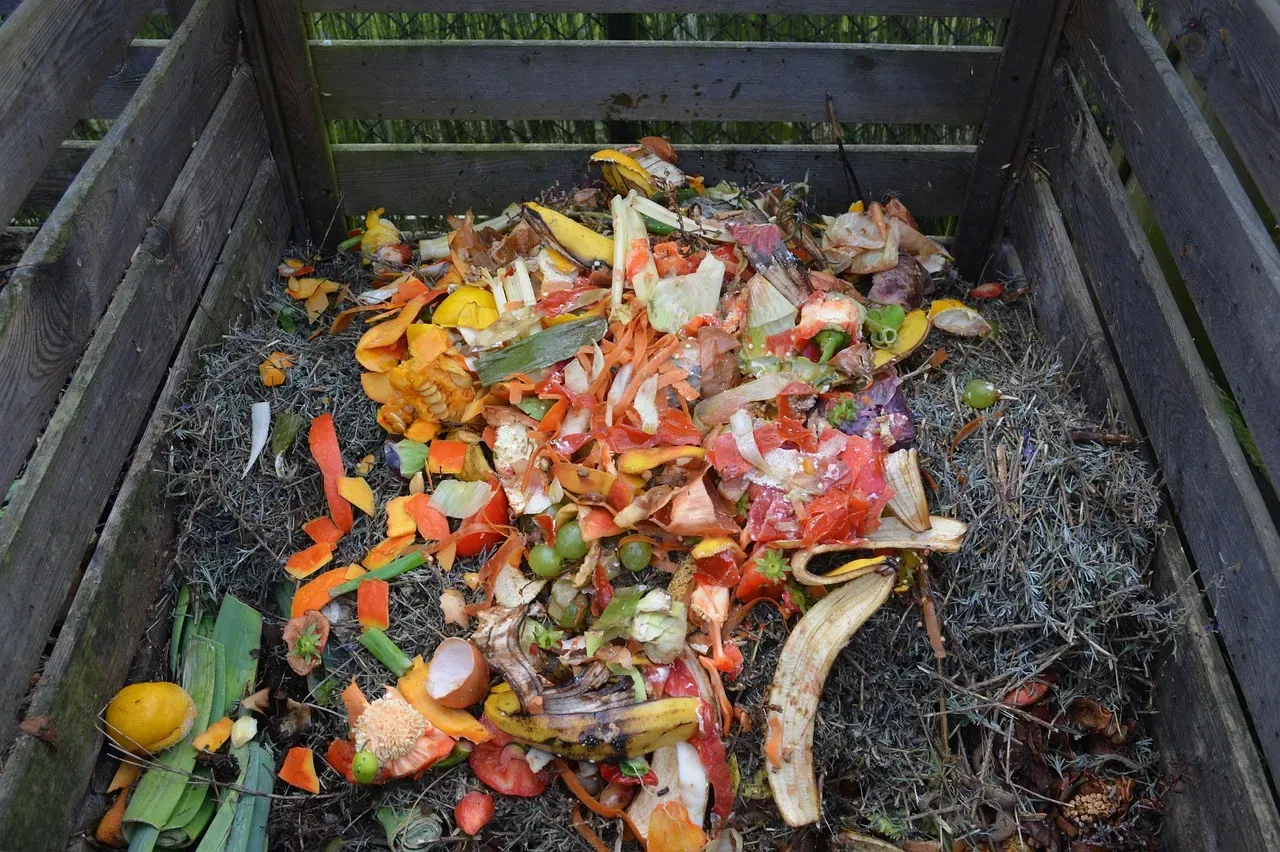
The word biodegradable is easy to print on a package. It’s an unregulated marketing claim with no defined timeframe or conditions. Compostable, by contrast, depends on verification against a recognized standard.
In the US, the Federal Trade Commission’s Green Guides restrict how such claims can be made in marketing, though they don’t set a technical test for the word itself. Even so, a vague label can leave buyers believing an item is safe to toss in a compost bin when it isn’t.
Why It Matters at the Compost Facility

Items that are merely biodegradable can slow things down for composters. If they don’t break down within the facility’s processing window, they may end up screened out as contamination or left as fragments in the finished product.
Compostable certification is meant to avoid that. The criteria for useful compost include very low heavy metal content, no ecotoxicity, and no obvious distinguishable residues. Local acceptance still varies, so it’s worth checking whether your municipal program takes certified packaging at all.
How to Read a Label Wisely
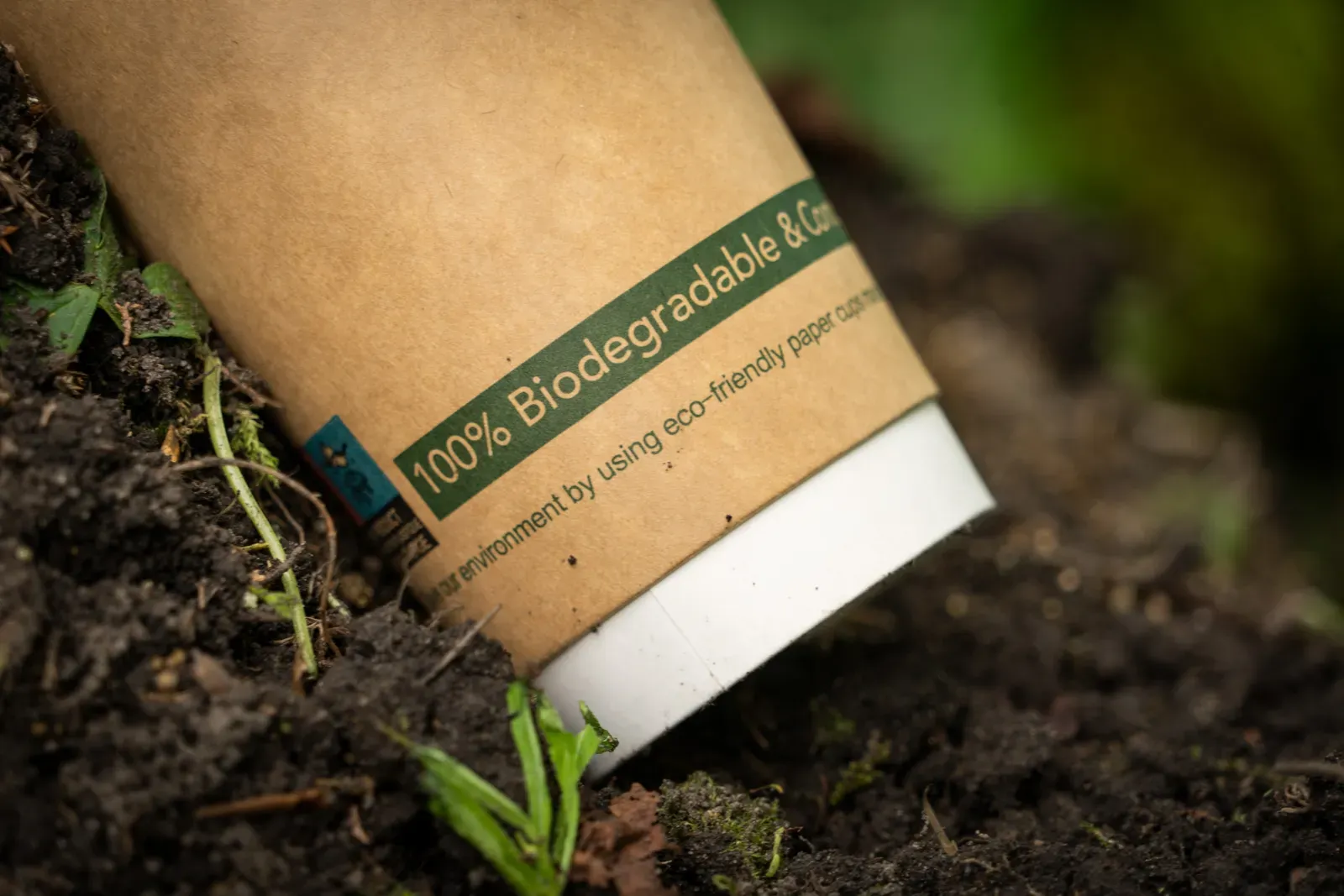
Start by looking past the single word. A trustworthy compostable label usually names a standard or a certifier, such as BPI or TÜV Austria, and says whether the item is for industrial or home composting.
If the package only says biodegradable, treat it as a loose description. Without a standard, a timeframe, or a stated environment, the claim doesn’t tell you where the item should go or how long it will last.
What to Keep in Mind
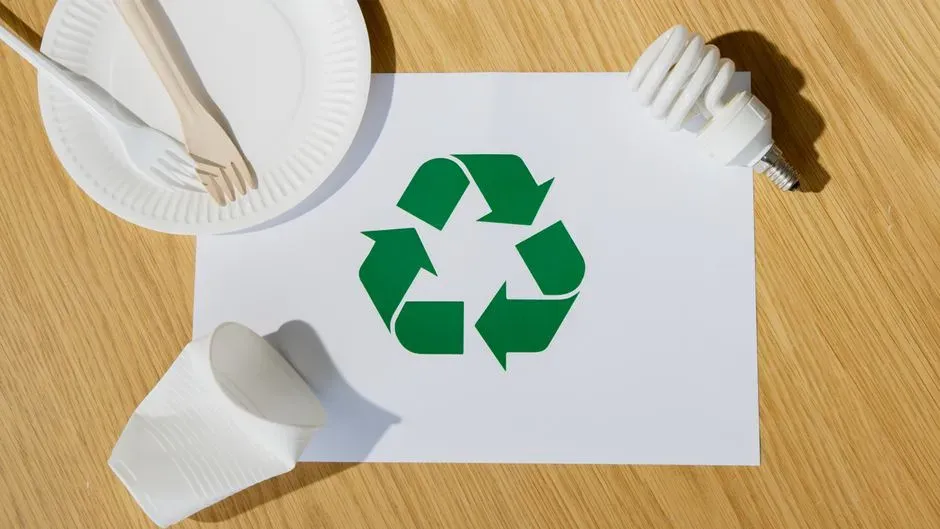
Biodegradable describes a possibility, while compostable describes a proven outcome under set conditions. Every compostable product is biodegradable, but plenty of biodegradable products are not compostable.
When the label names a recognized standard and a certifier, the claim has something behind it. When it doesn’t, the word is only a description.
