


- Phantom Energy Sucking Power 24/7 – 7 Home Electronics Quietly Inflating Utility Bills - November 14, 2026
- A Million-Mile Storm Raging for Centuries – 6 Violent Weather Wonders in Our System - November 14, 2026
- Animals Flee Hours Before the Tremor – 7 Natural Warnings Before Disasters Strike - November 14, 2026
Most people picture the aurora as something that happens in Norway or Iceland. In reality, you can reach several good viewing areas without a passport. This winter is a decent one to try.
The sun runs on a cycle of roughly eleven years. Activity peaked around 2024 to 2025 and is forecast to stay elevated through at least 2027, so winter 2026 to 2027 still sits in a favorable window. Here are six places worth considering, starting in Alaska and moving south and east.
Fairbanks, Alaska
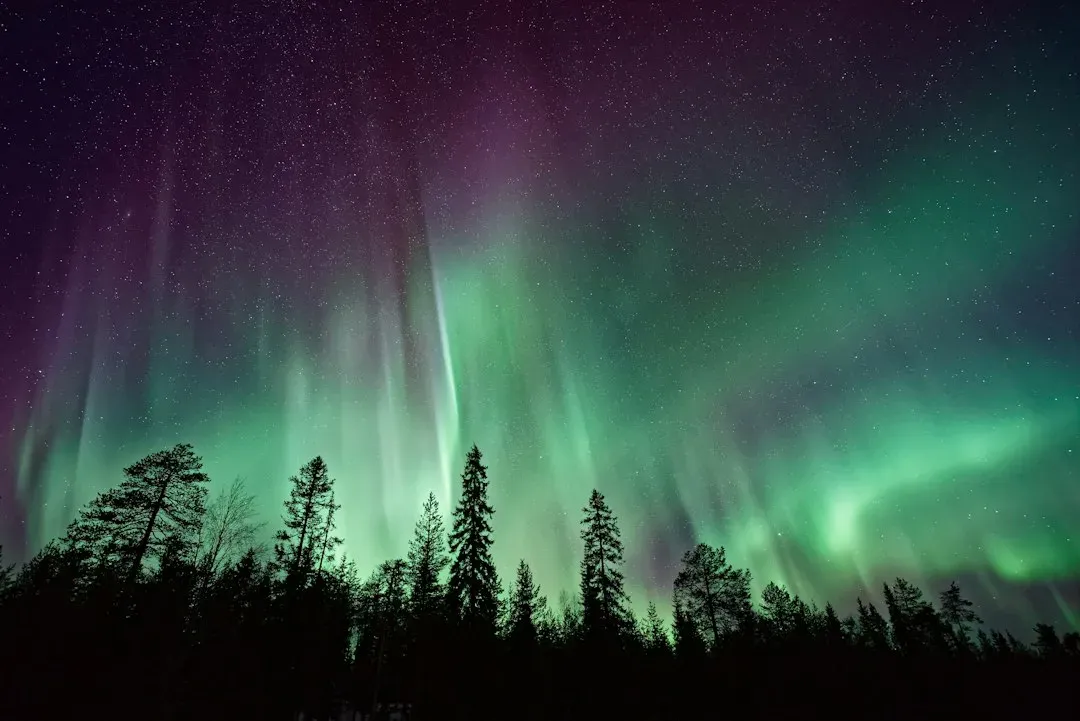
Fairbanks is the usual first choice, and for good reasons. It has the clearest skies of any high latitude US city, daily flights and a well developed aurora tour industry. You don’t need to be a hardened wilderness traveler to see the lights here.
Options range widely in price. You can rent a car, watch from cabin rentals outside the city lights, or join a guided tour, depending on budget. Getting away from streetlights matters more than almost anything else.
Denali National Park
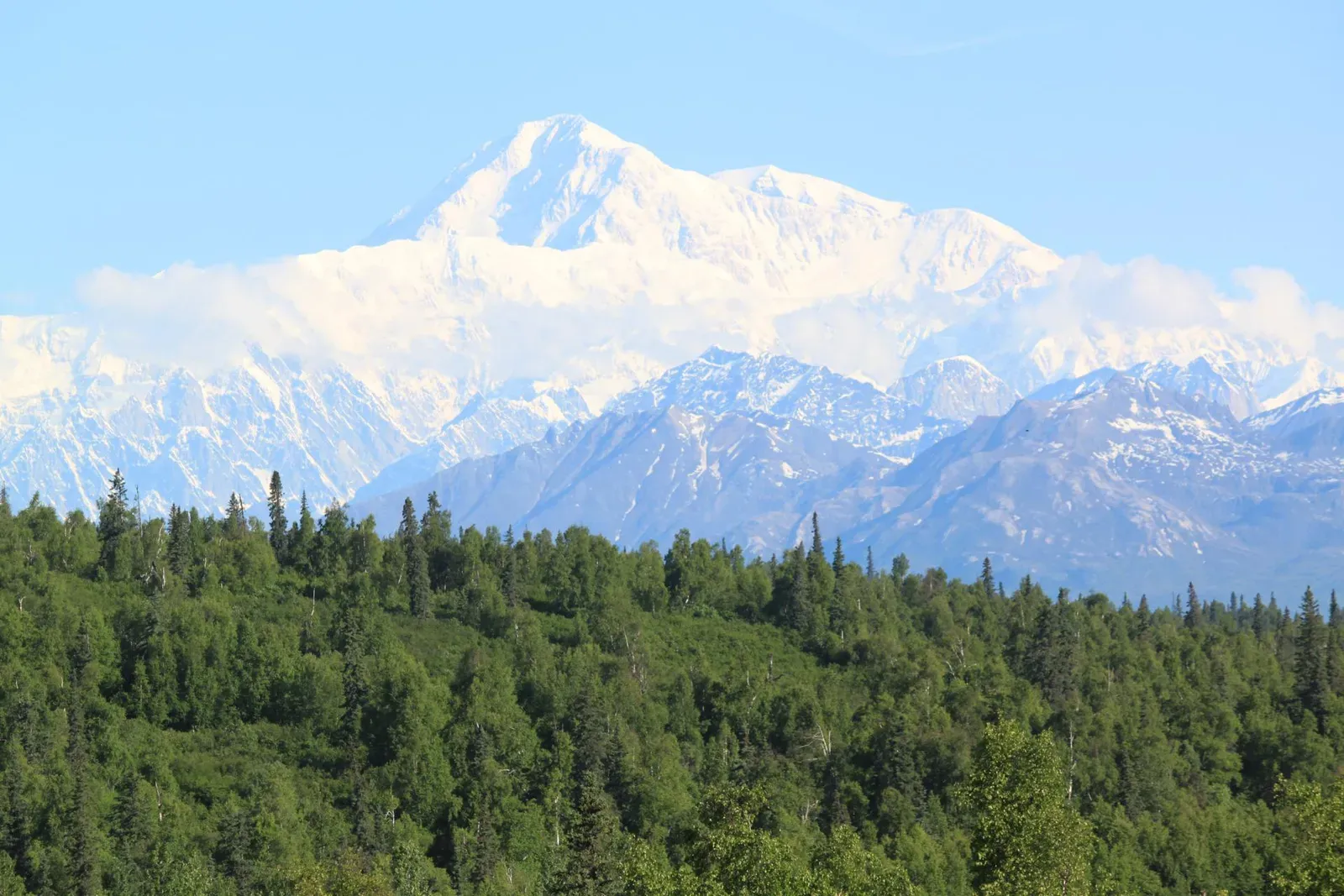
Denali offers something Fairbanks can’t, which is a huge, quiet landscape under the sky. Dark skies and mountain views make it a favorite for photographers. Winter access is limited, so plan the logistics early.
Some travelers go for the remote lodge experience. One example is Sheldon Chalet, which sits on a nunatak overlooking the park about six thousand feet above sea level. It’s only accessible by helicopter, so it’s a splurge rather than a casual option.
Wrangell-St. Elias National Park
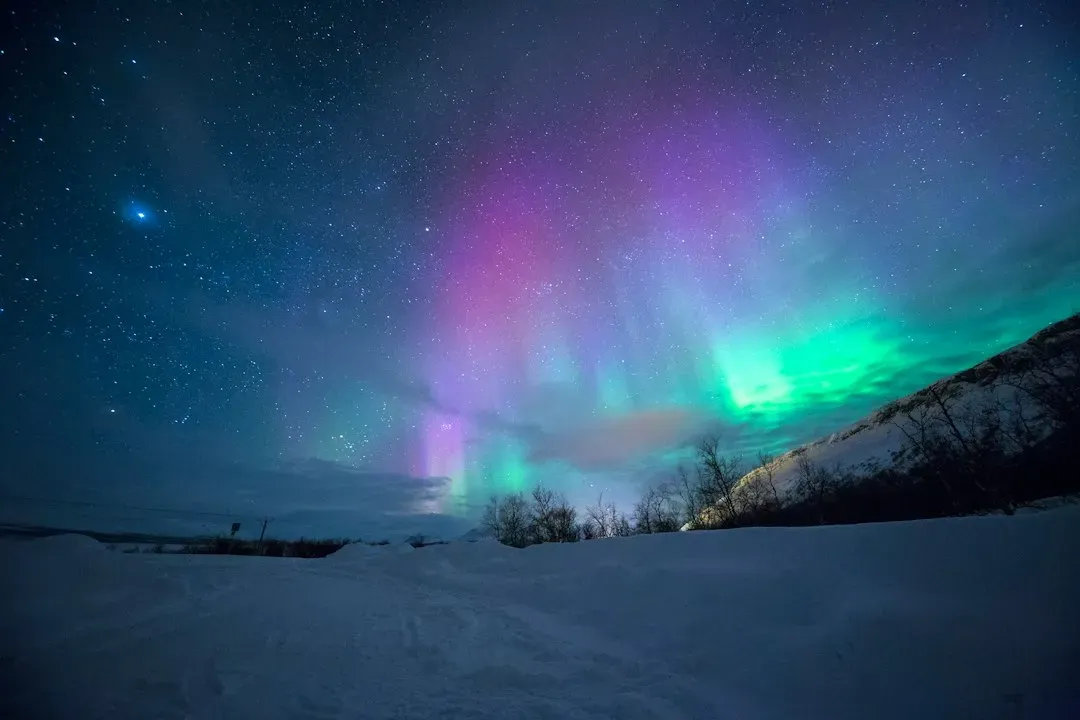
This is the largest national park in the country. Ultima Thule Lodge, owned by the Claus family, sits inside it. The park’s size means very little light pollution.
Guests at remote lodges like this get a front row seat. By night you’re in an ideal spot to watch the lights flicker overhead. It takes effort to reach, though, and the cost reflects that.
Northern Minnesota
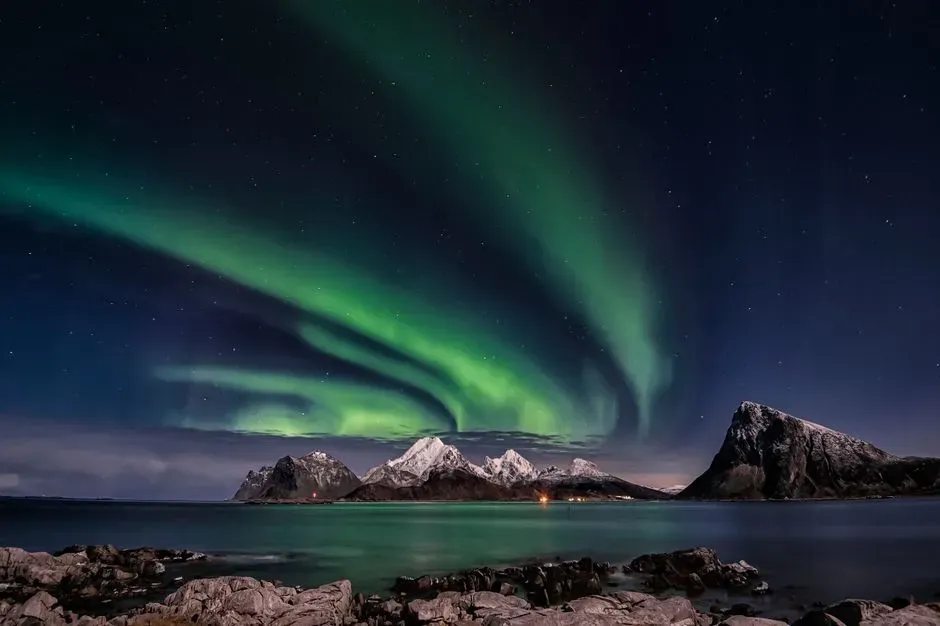
Moving to the Lower 48, Minnesota is one of the better bets. The northern tier of states sees the aurora when conditions are active. At Kp 3 to 4, the lights can show across North Dakota, Minnesota, Wisconsin, Michigan and Maine.
Recent forecasts show how this plays out. In October, NOAA’s map covered most of Montana, essentially all of North Dakota and much of Minnesota on one night. Those chances come and go, so watching the forecast is part of the plan.
Michigan’s Upper Peninsula
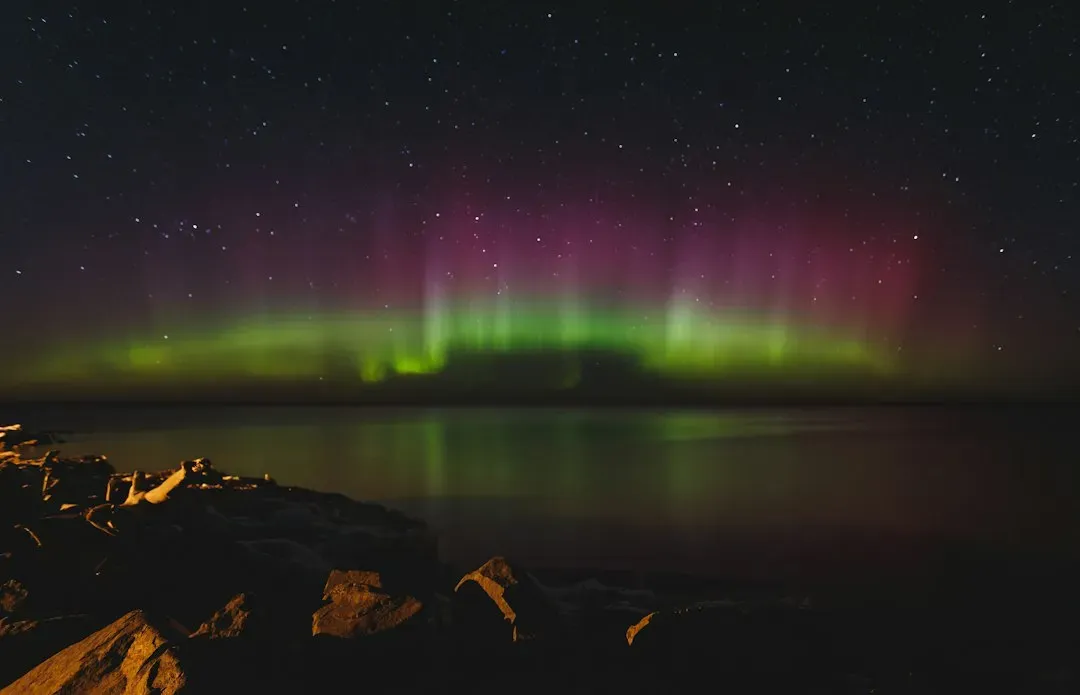
The Upper Peninsula is a hidden gem for aurora chasers. Frigid winter air often brings crystal clear skies, which suits long exposure photos. Dark shorelines along the Great Lakes give you an open northern horizon.
It also appears regularly in NOAA’s outlooks. Recent forecasts have included parts of Minnesota, Wisconsin and Michigan’s Upper Peninsula as places the lights might appear. Bring warm layers and patience, because cold nights can be long.
North Dakota and Montana
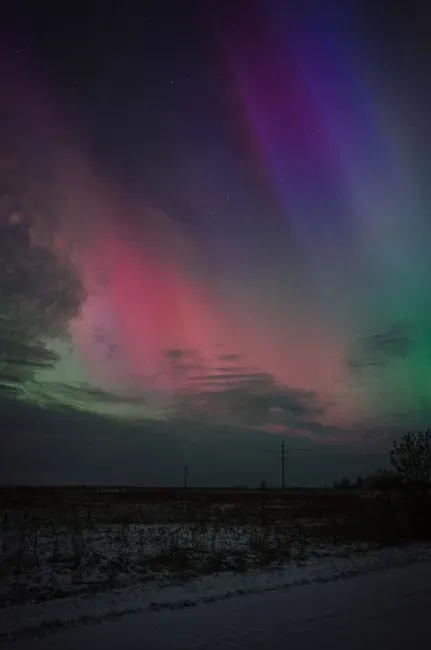
Wide open plains make a good stage for the aurora. Few trees, few cities and a clear view north give you an edge. North Dakota in particular shows up often in northern state forecasts.
During a stronger storm, odds improve a lot. At Kp 5, a G1 storm, the lights can reach far northern states including Montana, North Dakota and Idaho. Even then, cloud cover decides the night.
Planning Your Aurora Trip
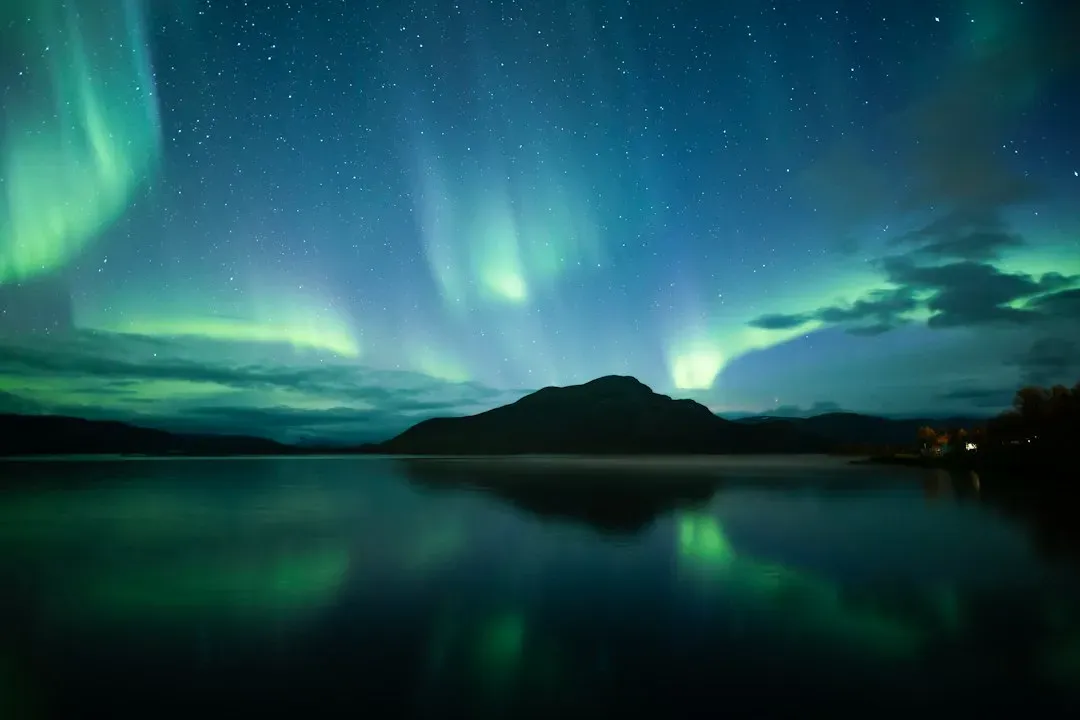
Timing matters as much as place. NOAA recommends looking between 10 p.m. and 2 a.m. local time. Avoiding city lights and heading somewhere remote also makes the lights easier to see.
Check the forecast before you go. NOAA’s Space Weather Prediction Center maintains a detailed 30 minute aurora forecast. Outside Alaska, no spot is guaranteed, so flexibility across several nights helps.
