

- 10 Home Upgrades That Can Lower Summer Cooling Costs - November 10, 2026
- 10 Questions to Ask Before Buying a Home in a Flood Zone - November 10, 2026
- 9 Coffee-Growing Regions Reporting Lower Yields as Temperatures Rise - November 10, 2026
Picture a beach where the sea simply leaves. Wet sand stretches farther than anyone has ever seen it, fish flop in the open, and boats sit on the seabed. It looks like a strange gift, and for people who don’t know better, it has often been an invitation to walk outward.
The reality behind that scene is more complicated than the movies suggest. Giant waves come from several different causes, and they don’t all announce themselves the same way. Here is what scientists understand about the minutes, hours and seconds before the biggest waves arrive.
What Counts as a Mega-Tsunami
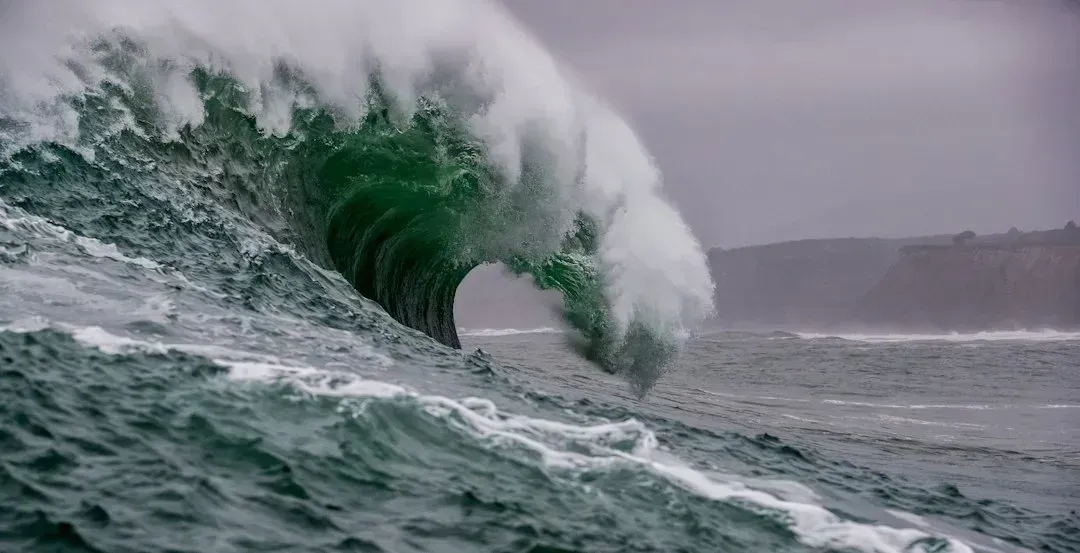
There is no official scientific cutoff for the term. It is generally used for waves that reach extraordinary heights on land, often over a hundred meters, usually because something large fell into water. Ordinary earthquake tsunamis, by comparison, typically run up a few meters to a few tens of meters on shore.
The distinction matters because the cause shapes the warning. An earthquake tsunami spreads across an entire ocean and can take hours to cross it. A landslide wave in a fjord or bay can hit the nearest shoreline within minutes, sometimes before any alert could be issued.
Why the Sea Sometimes Pulls Back First
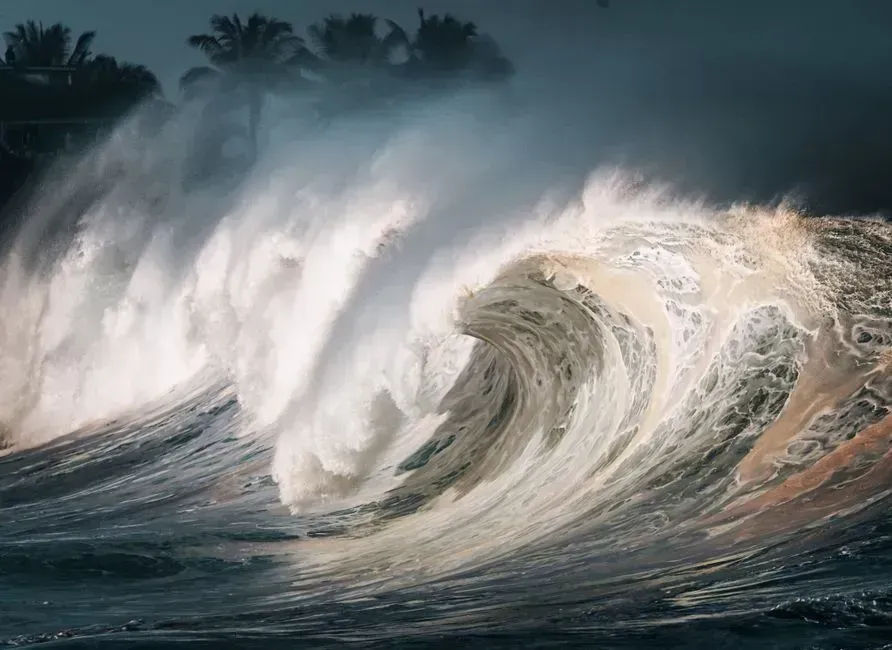
The famous retreat happens when the trough of a wave reaches shore before the crest. During the 2004 Indian Ocean tsunami, water drained away from some coastlines, including parts of Thailand, before the flooding arrived. Whether that happens depends on how the seafloor moved and which direction the shoreline faces.
That means a receding ocean is a sign you can trust when it appears, but its absence tells you nothing. Plenty of tsunamis have struck without any visible drawdown, and the first arrival is often just a fast rise in the water. Treating the retreat as a requirement for danger is a mistake.
The Shaking That Comes First
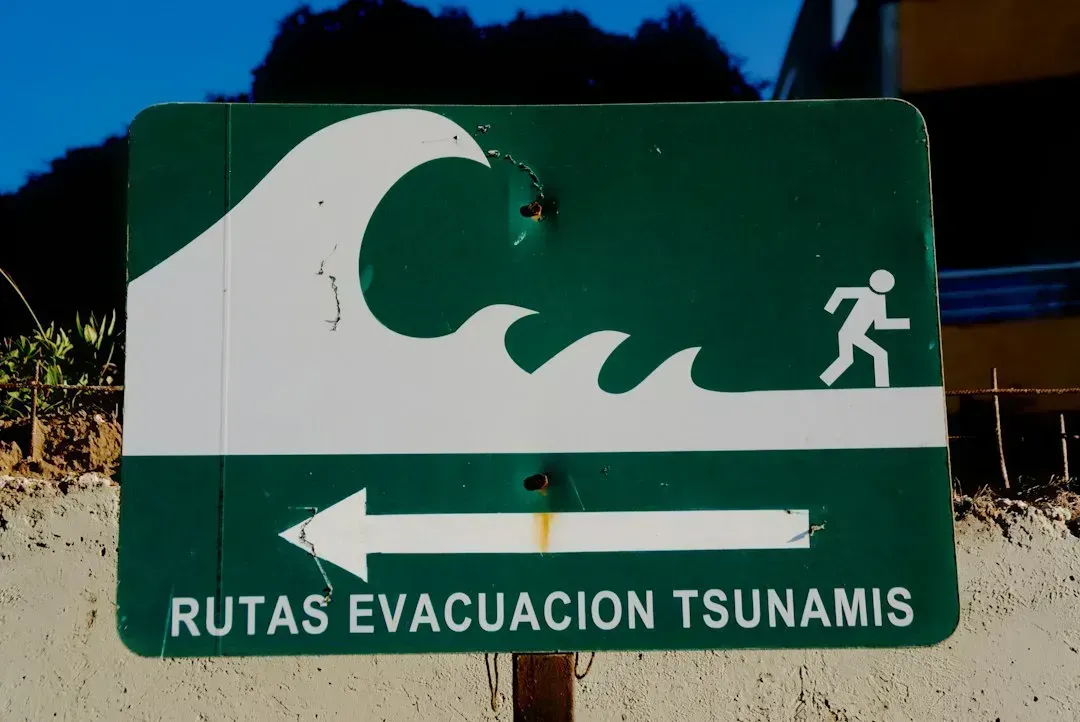
Where a tsunami follows a nearby earthquake, the quake is the earliest warning. Strong shaking that lasts a long time, or makes standing difficult, is the signal coastal authorities tell people to act on. You shouldn’t wait for an official message if you are on the shore and the ground has just moved violently.
The Kamchatka earthquake of July 2025, which was around magnitude 8.8, showed how this plays out at scale. It triggered tsunami alerts and evacuations across the Pacific, from Russia to Japan to Hawaii. The coastal waves it produced were far smaller than the worst case, though the alerts were still treated seriously across the region.
Lituya Bay, 1958: The Record Wave
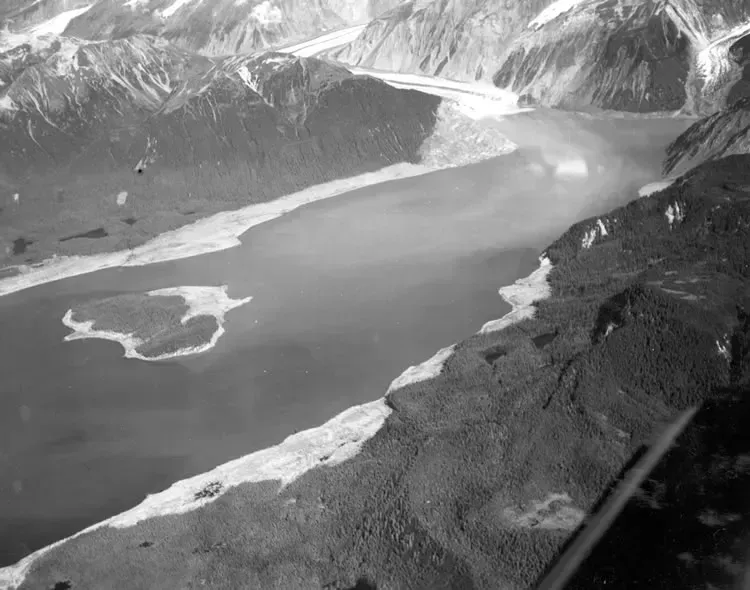
The largest tsunami run-up ever measured happened in Alaska on July 9, 1958. A magnitude 7.8 earthquake on the Fairweather Fault sent a huge mass of rock, roughly thirty million cubic meters, plunging into Lituya Bay. The splash surged up the opposite hillside to about 524 meters, as documented in later geological surveys.
Evidence came from the stripped forest. Trees were torn away along the slope up to that height, leaving a clear line that investigators could measure. Two people died, and a few fishing boats in the bay survived, a small toll only because the area was nearly empty.
Vajont, 1963: A Wave Made by a Reservoir
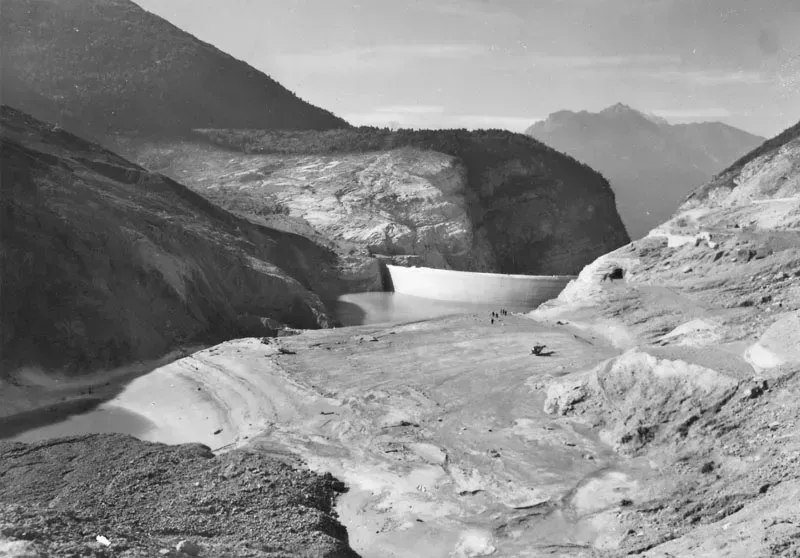
Not every giant wave comes from the sea. In October 1963, a massive landslide of roughly 270 million cubic meters of mountainside slid into the Vajont reservoir in northern Italy. The displaced water overtopped the dam and swept down the valley, killing around two thousand people.
The dam itself largely survived, which is one of the more unsettling details. Engineers had observed ground movement on the slope beforehand, yet the scale of the collapse was underestimated. It remains a standard case study in how slope instability can be a hazard separate from any earthquake.
Greenland, 2023: A Wave That Rang the Planet
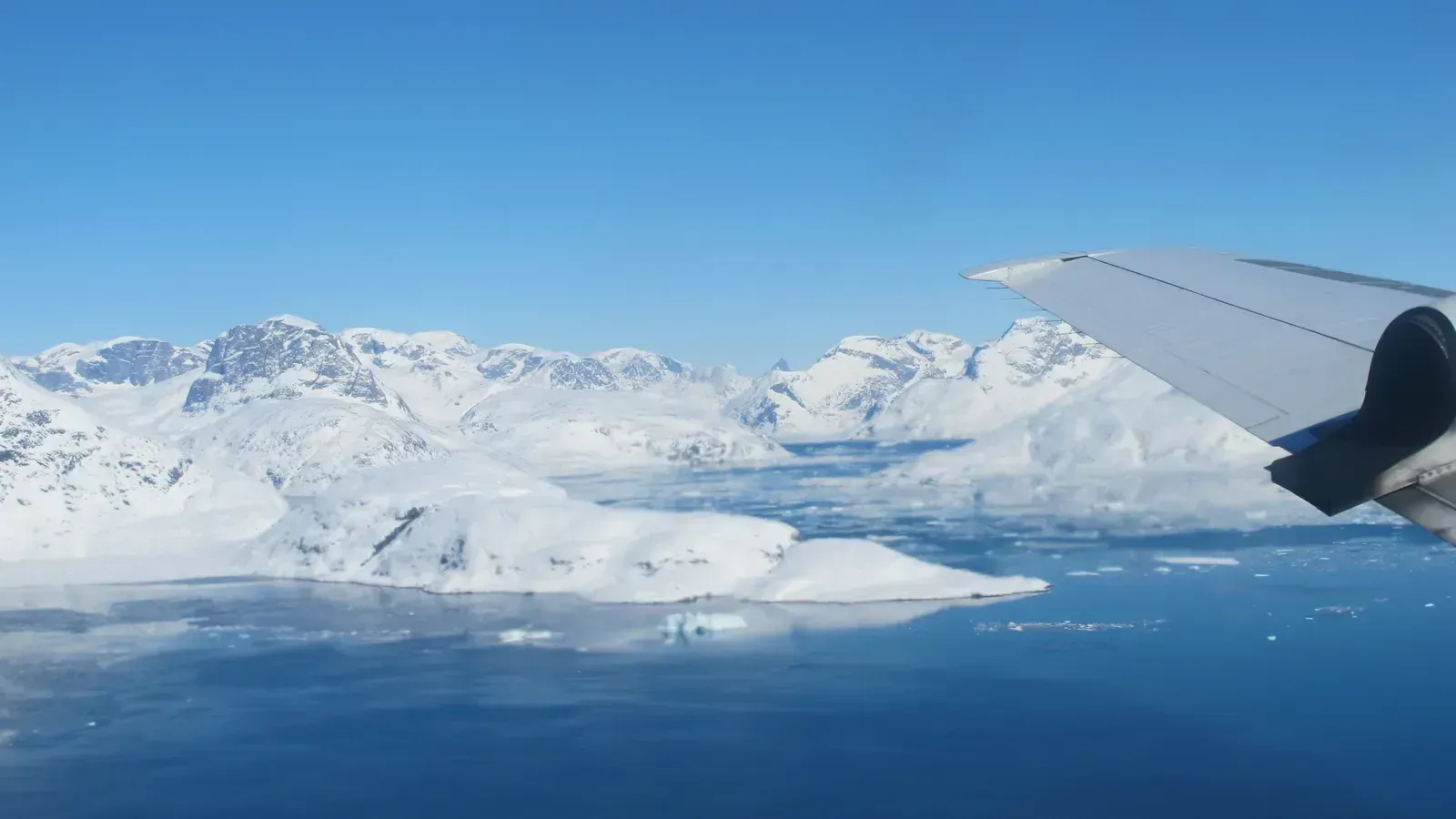
In September 2023, a rock and ice slide of around twenty five million cubic meters fell into Dickson Fjord in East Greenland. A study published in Science in 2024 reported that it created an initial wave of about two hundred meters. The wave then settled into a standing oscillation, called a seiche, that kept sloshing back and forth in the fjord.
That sloshing produced a strange seismic hum that instruments around the world picked up for about nine days. The signal had a period of about ninety two seconds, and researchers linked it to the fjord’s trapped water. The finding also connected the event to climate change, since a thinning glacier had likely removed support from the slope.
Alaska, 2025: Tracy Arm
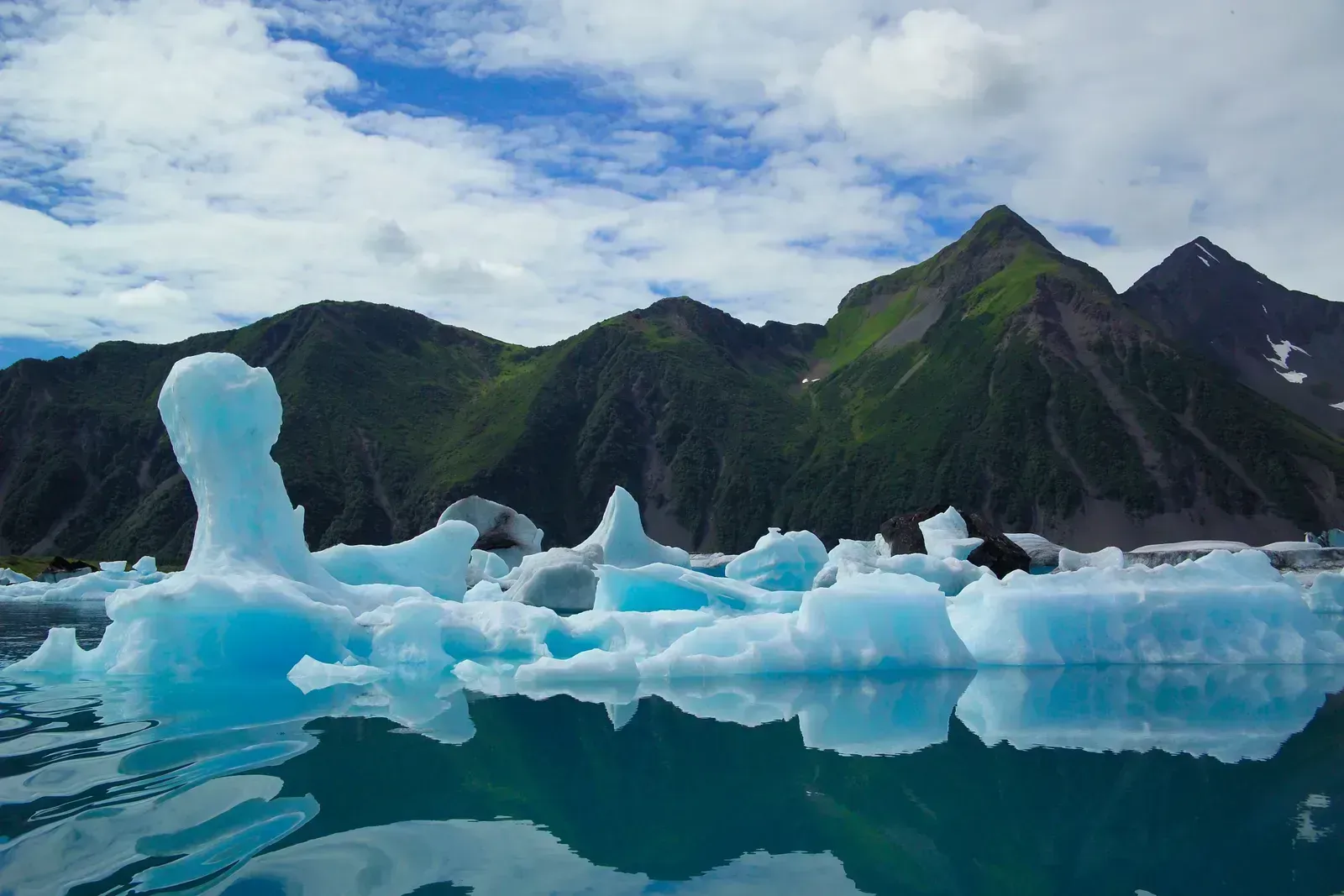
On August 10, 2025, a landslide in Tracy Arm fjord in southeast Alaska produced another very large wave. Early reports and analyses estimated the run-up at several hundred meters in the confined fjord. It occurred in an area known for cruise and tour traffic, though no injuries were reported.
The timing was fortunate, since the event happened in the early morning before most visitors were out. It also drew attention to retreating glaciers and thawing slopes in steep, narrow inlets. Scientists have warned that such places deserve closer monitoring, particularly where tourism and fishing bring boats into the water.
The Overhyped Scenario Everyone Remembers
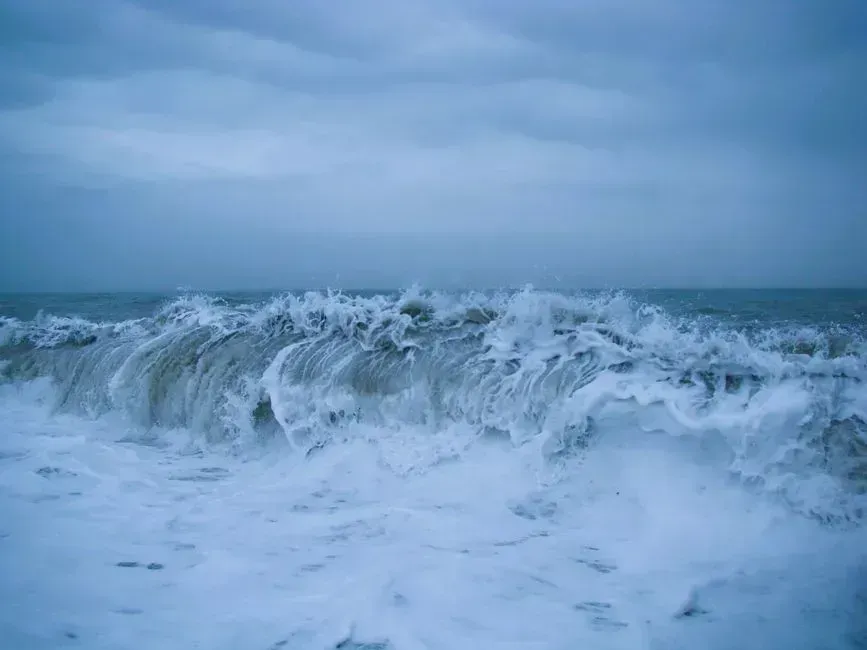
One popular story holds that a volcanic collapse in the Canary Islands could send a wall of water across the Atlantic to the American coast. It came from an early hypothesis about the Cumbre Vieja volcano on La Palma. Later modeling suggested that a collapse would more likely happen in stages and that the wave would lose energy quickly over distance.
That doesn’t mean ancient events weren’t enormous. The Storegga Slide off Norway, roughly eight thousand years ago, moved a vast volume of sediment and left tsunami deposits along the coasts of Scotland and Scandinavia. Real giants exist, but the geologic record suggests they are rare, regional, and slow to repeat.
What To Do When the Water Pulls Back
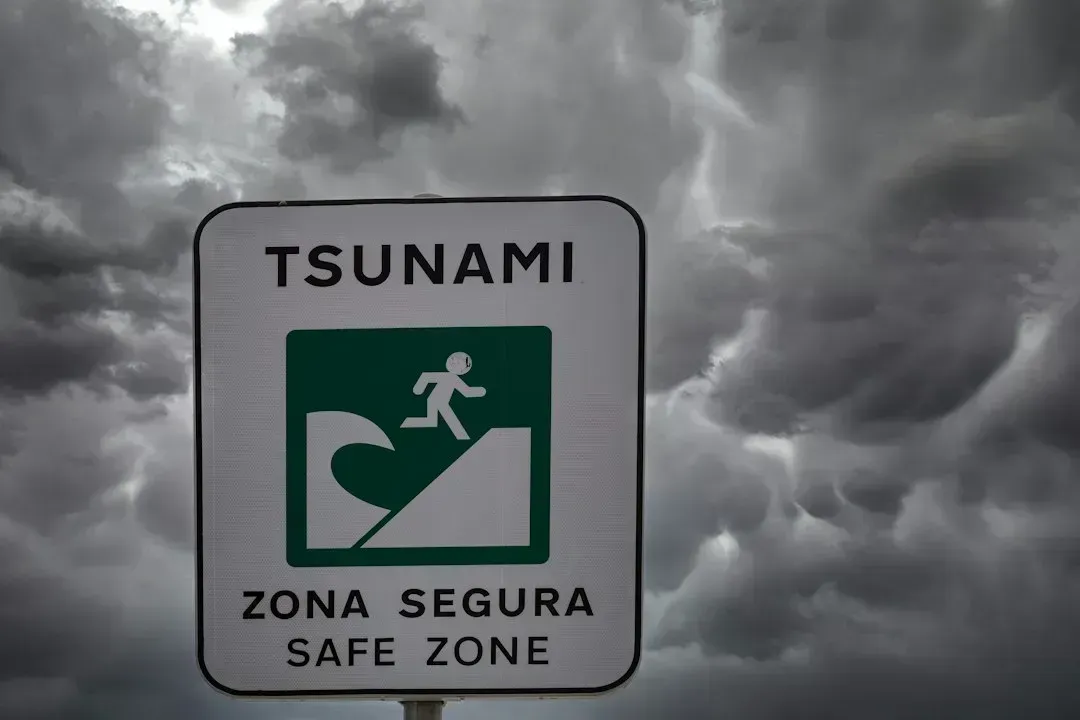
Official guidance from tsunami warning agencies is consistent. If you are near the coast and feel strong or prolonged shaking, see the sea retreat unusually, or hear a loud roar from the water, move immediately to high ground or inland. Do not stay to watch, and do not go down to the exposed seabed.
Stay away until local authorities say it is safe, because tsunamis come as a series of waves and the first is not always the largest. In fjords and narrow bays, a landslide wave can arrive within minutes. In those places, the only practical protection is to know the terrain and have a route uphill already in mind.
