

Landslides don’t get the attention that earthquakes or hurricanes do, yet they kill thousands of people every year. The deadliest ground isn’t one single place on the map. It’s a belt of steep, wet, crowded slopes stretching from the Himalayas to Sumatra and the highlands of East Africa.
This article imagines a day spent in that kind of terrain, hour by hour. The goal is simple: show what the danger looks like, why it concentrates where it does, and what actually improves a person’s odds.
Why the Numbers Keep Climbing
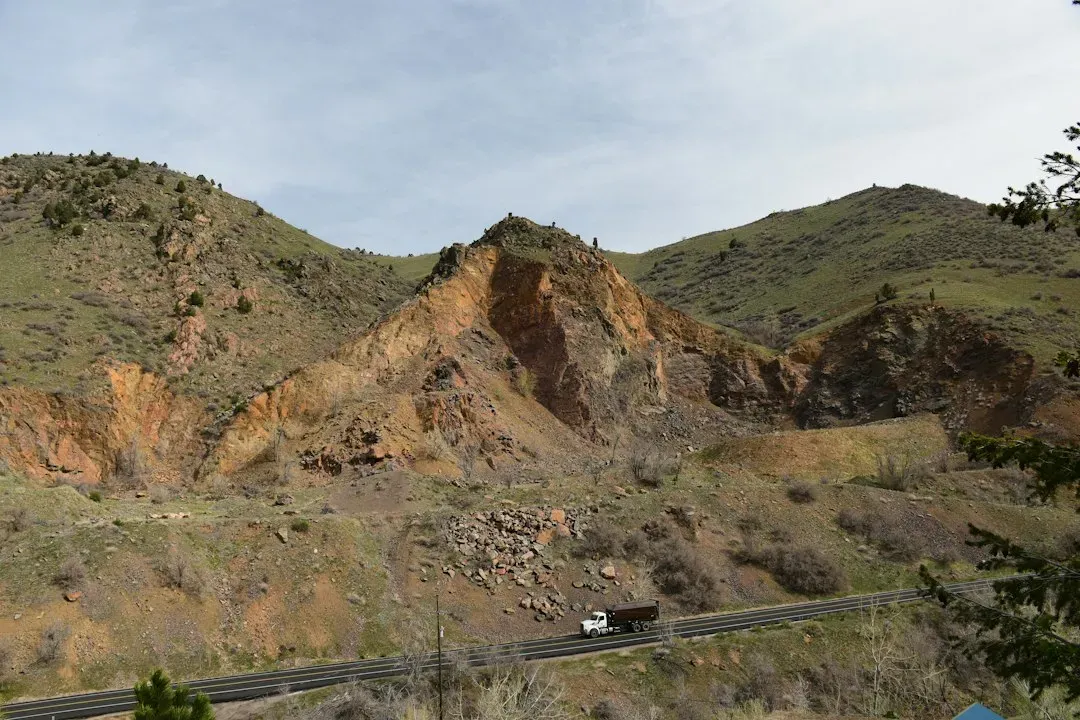
Dave Petley, a landslide researcher who keeps a global database of fatal events, recorded 663 fatal landslides in 2025, costing 5,091 lives. That was the second highest total on record. His count leaves out slides triggered by earthquakes, so the true toll is higher.
The pattern hasn’t eased in 2026. By the end of May, the cumulative number of fatal landslides was far above the long term mean and above the exceptional year of 2024. Rain, not rare geology, is behind most of it.
Hour Zero: Reading the Slope Before It Moves
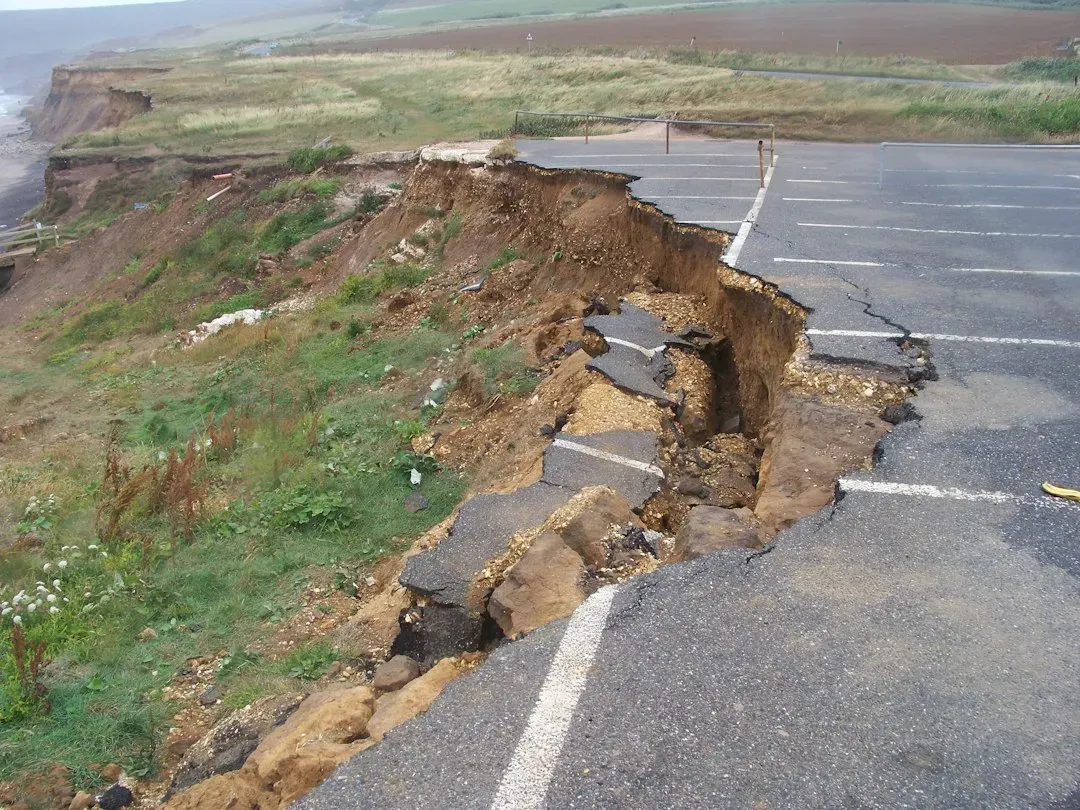
Survival usually starts before anything falls. Hillsides under stress often show warning signs after prolonged rain: new cracks in the ground or in walls, tilting trees or fences, muddy water in streams, and doors that suddenly stick. Geologists commonly advise treating these as reasons to leave, not to wait and see.
Sound matters too. A faint rumble, or the crack of breaking trees, can come moments before a slide. Anyone who hears it should move immediately, since the window is often measured in seconds.
Hour Six: When the Rain Becomes the Threat
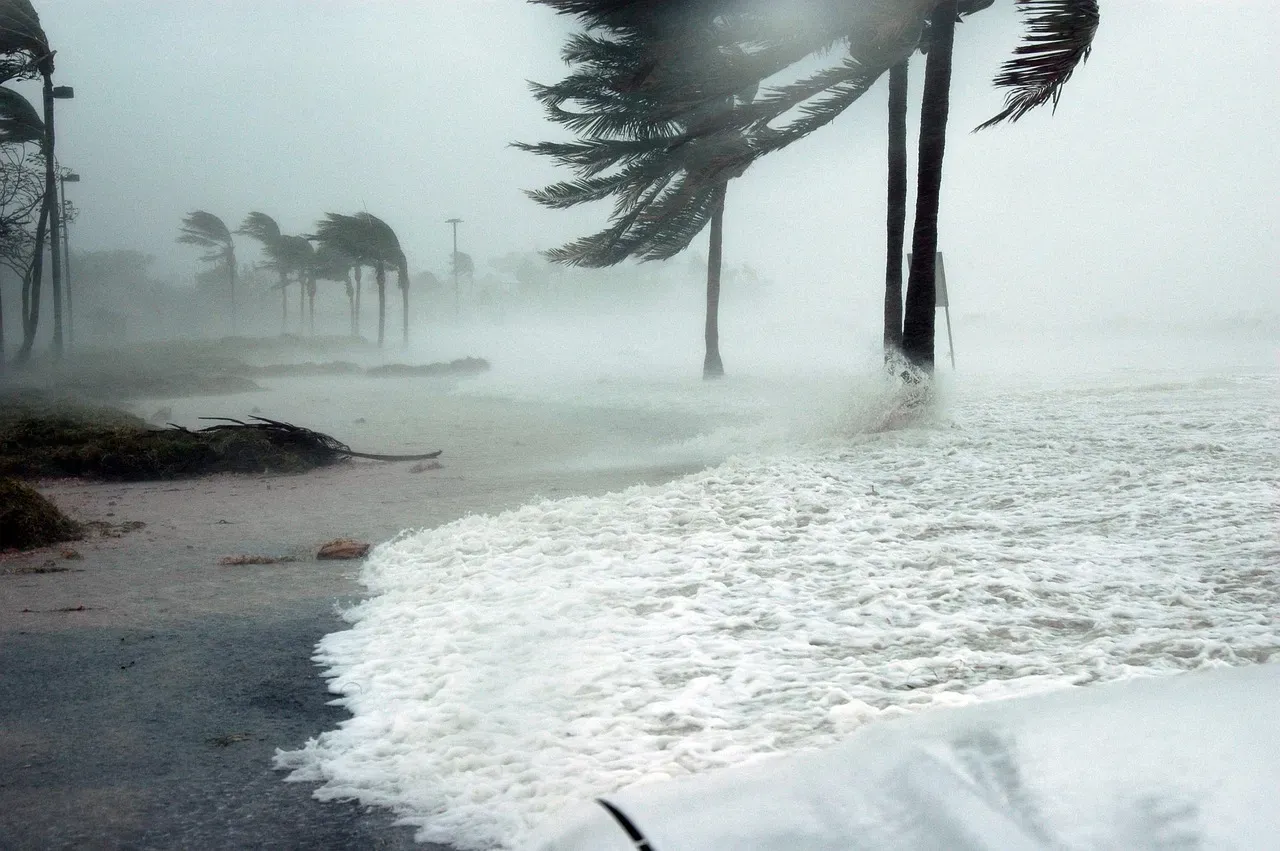
Heavy rainfall is the most common trigger, and the scale can be enormous. In late 2025, Cyclone Senyar brought a huge rain event to Sumatra, setting off thousands of landslides and killing at least 1,300 people in slides and floods. Those deaths were spread across several provinces, not a single hillside.
The same season hit Sri Lanka. Cyclone Ditwah brought very heavy rainfall, many landslides and extensive flooding, and more than 800 people died. Slopes that held for years can fail once the ground is saturated.
Hour Twelve: The Night Is the Most Dangerous Stretch
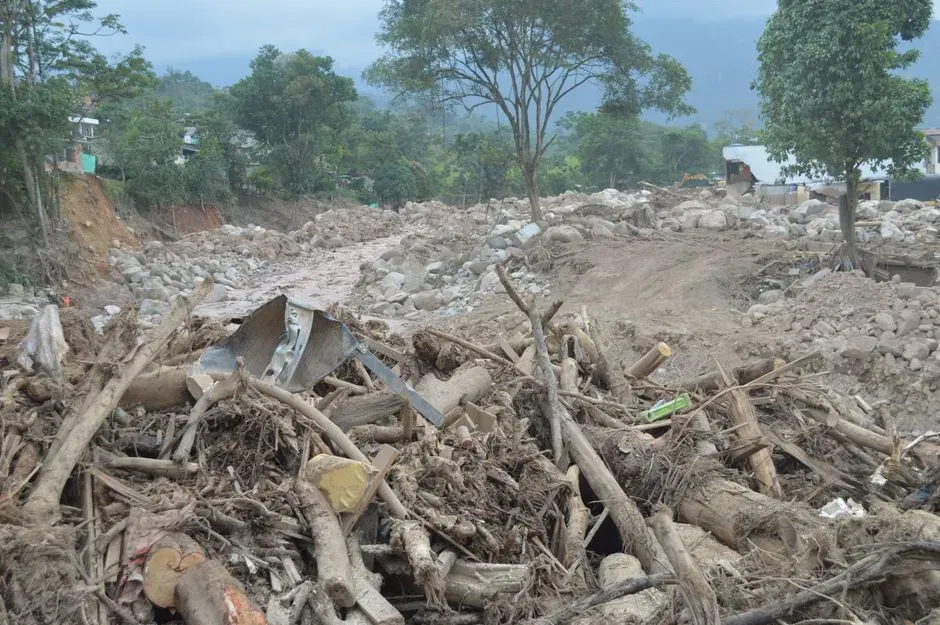
Darkness removes the one tool most people rely on, which is seeing the slope. Slides that strike at night catch families asleep inside homes at the foot of a hill. In Ethiopia’s Gofa area in July 2024, the first landslide hit on the evening of 21 July and buried four households.
That event also showed a cruel second risk. The second landslide buried people who had arrived to help after the first. In total, 257 people died. Rescuers should stay off unstable ground until it’s judged safe, even when every instinct says to run toward the sound.
Hour Fifteen: A Single Slope, a Whole Village
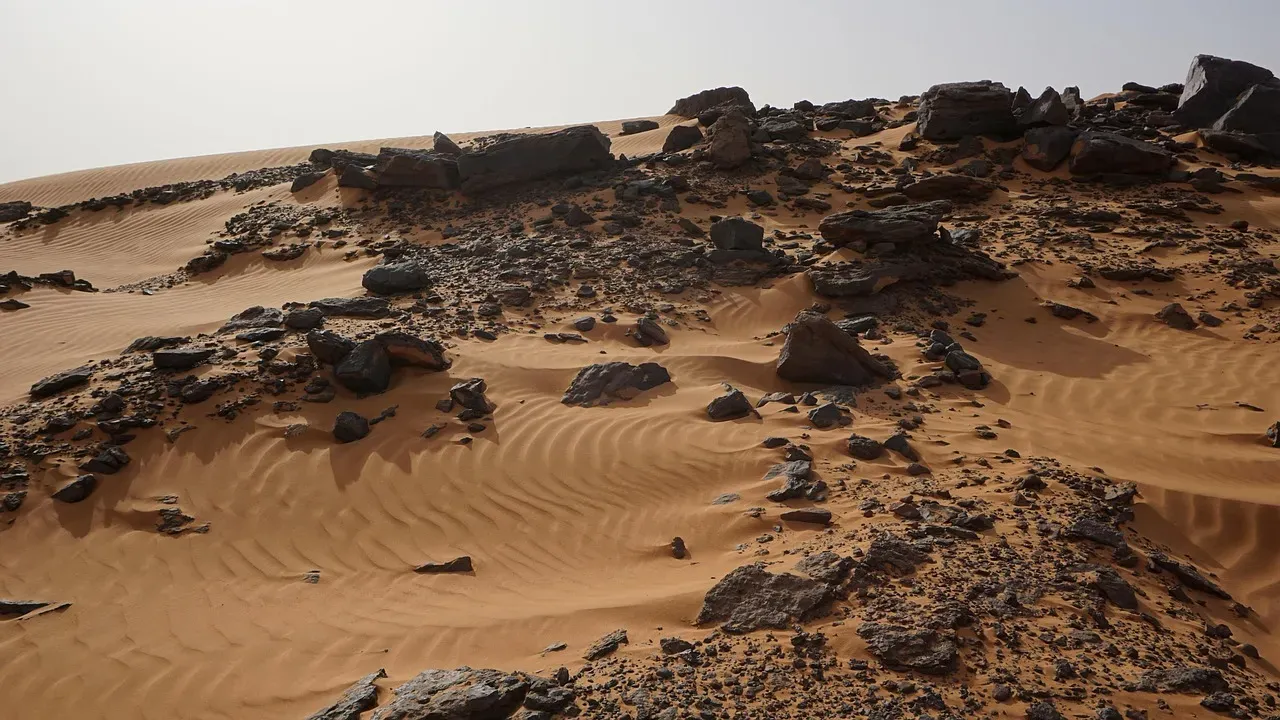
Some of the deadliest recent events weren’t spread out at all. On 31 August 2025, a landslide at Tarasin in Sudan’s Jebel Marra area was reported to have killed 1,573 people. Reports of the toll varied from the start, and Petley himself voiced severe doubts about the fatality figure.
Accounts also described a familiar structure. Witnesses said the slides came in two waves within a few hours, with the second burying villagers trying to help victims of the first. In remote, conflict affected areas, confirming numbers is slow and difficult.
Hour Eighteen: Moving Out of the Path
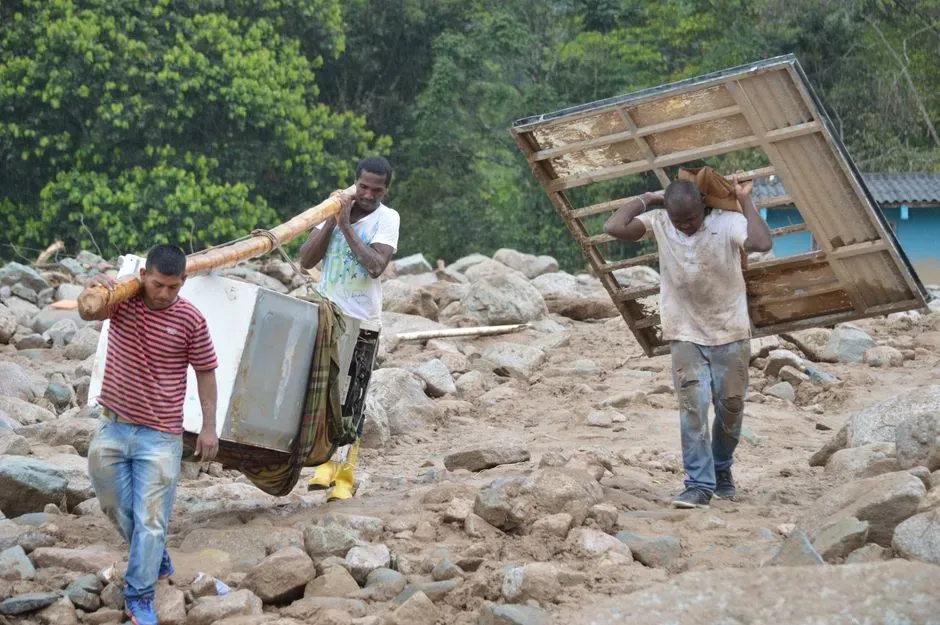
If a slide begins, the usual guidance from geological agencies is to get out of its path, not outrun it downhill. Moving sideways, away from the channel the debris is following, and heading toward higher stable ground gives the best chance. Valleys, streambeds and the base of steep slopes are the worst places to be.
If escape isn’t possible, curling into a tight ball and protecting the head is the standard advice. Afterward, people should watch for a second slide and avoid going back into the area. Flooding often follows when debris blocks a stream.
Hour Twenty One: Slides Set Off by the Earth Itself
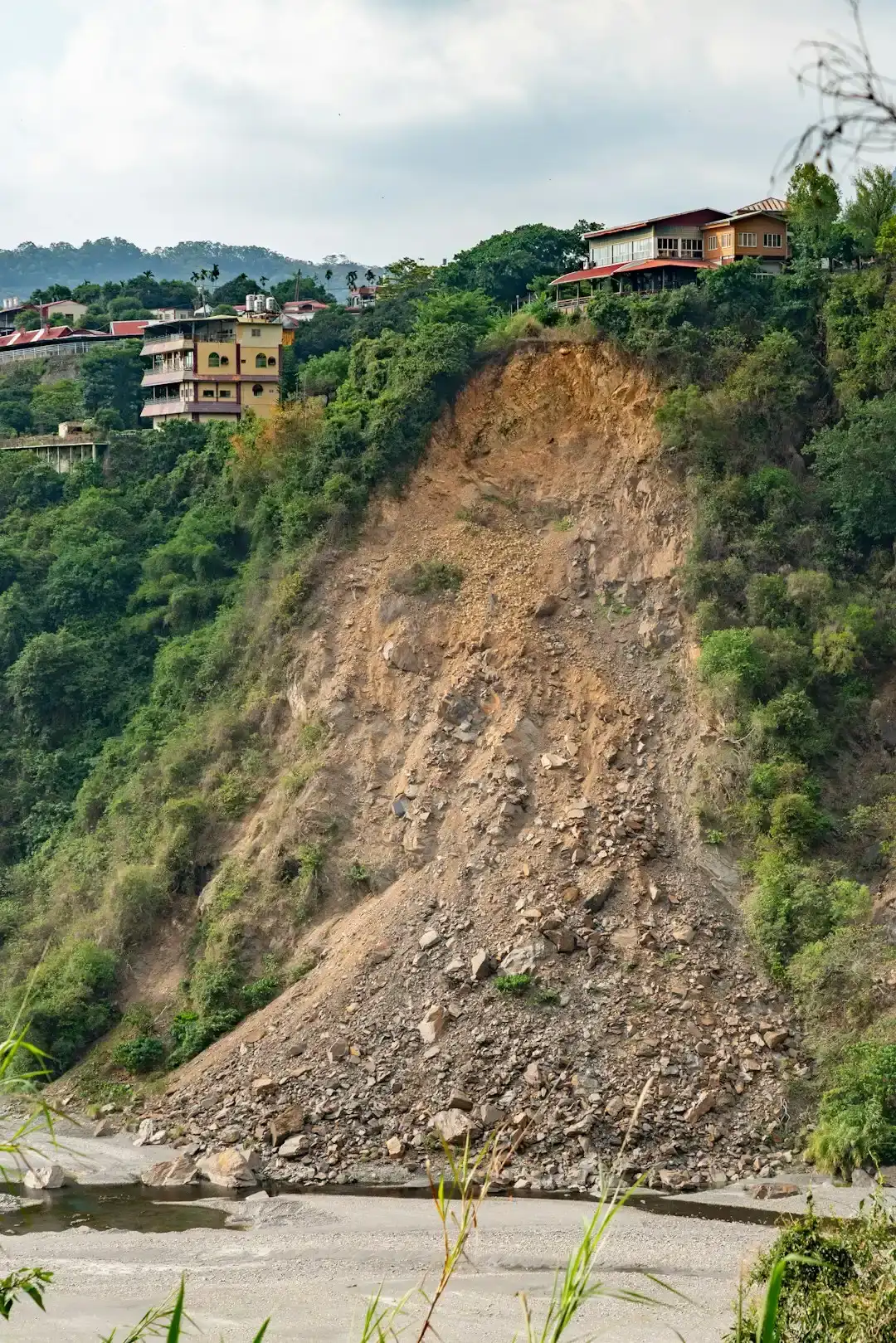
Rain isn’t the only trigger. Earthquakes shake slopes loose, and these deaths sit outside rainfall based counts. A magnitude 7.8 earthquake in the Philippines on 8 June 2026 triggered landslides, with six separate fatal events and 31 deaths recorded so far, though that may be incomplete.
Mountain regions face this double exposure. A quake can weaken a slope that then fails weeks later in a monsoon. In 2026 the global earthquake record has already been heavy, which adds to the stress on steep terrain.
Hour Twenty Four: What the Following Morning Looks Like
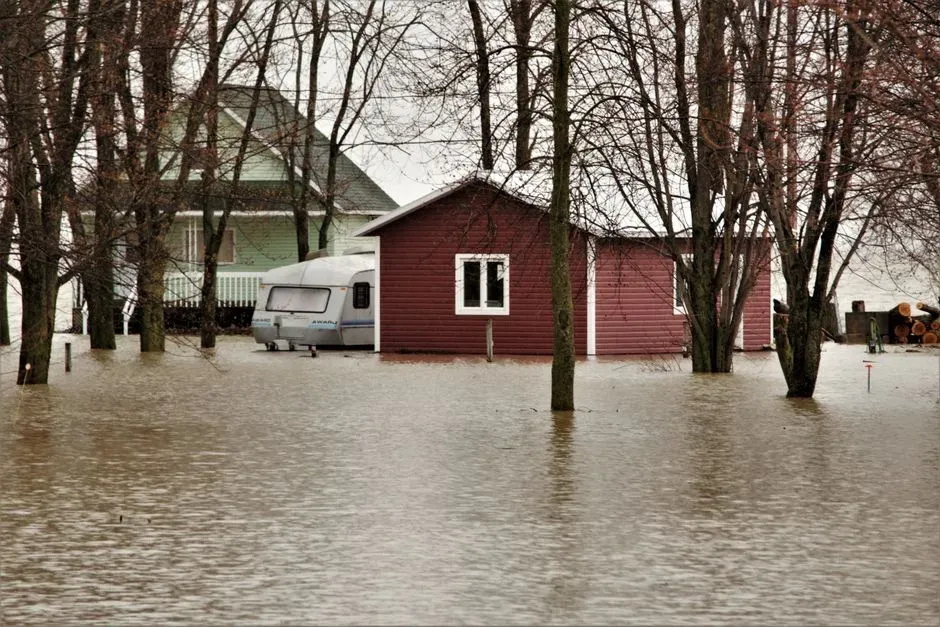
By dawn, the picture is usually one of displaced families, blocked roads and uncertain counts. In Southeast Asia’s late 2025 floods and landslides, at least 263 fatalities were reported in one country, with 200 concentrated in Songkhla Province, which was declared a disaster zone. Recovery of any kind takes far longer than the event.
Human choices shape how bad these days get. One account of the 2025 disaster noted that internal, human created vulnerabilities made it worse. Building on steep land, stripping forest cover and thin early warning systems all raise the cost, and August has become a peak month: 104 fatal landslides were recorded in August 2025, a record for that month.

- Blue whales vanish from the Galápagos, and scientists suspect El Niño - November 11, 2026
- 8 Famous Battles That Were Decided by the Weather - November 11, 2026
- Black Sunday 1935: 9 Photos From the Worst Dust Storm of the Dust Bowl Era - November 11, 2026
