

Across the United States, wild animals have always dealt with the unpredictability of nature. Blizzards in the Rockies, scorching droughts in the Southwest, catastrophic hurricanes along the Gulf Coast. These are not new challenges. What is new is the pace, the scale, and the combination of extremes hitting simultaneously, leaving less and less room for wildlife to recover between events.
Climate change impacts, including extended droughts, massive floods, intense hurricanes, and catastrophic wildfires, are occurring more often and causing more damage than at any time in recorded history. For wild animals, that track record translates directly into disrupted food supplies, destroyed habitat, and in many cases, death. The picture emerging from the most recent research is sobering.
When Wildfires Consume the Only Home They Know
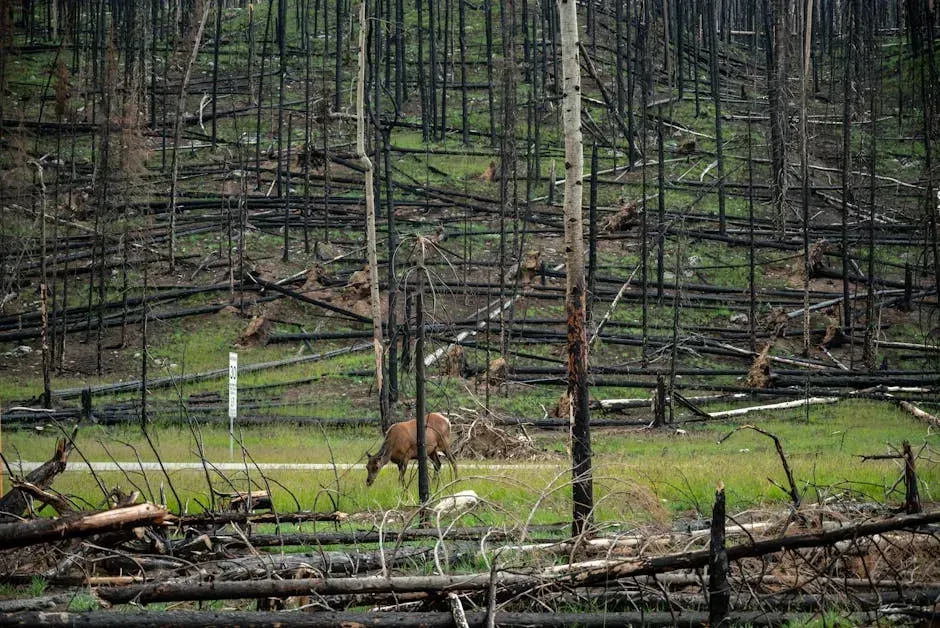
Climate change has very likely increased the size, intensity, and number of wildfires, insect outbreaks, disease outbreaks, and tree mortality in the interior West, the Southwest, and Alaska. Animals caught in the path of these fires face immediate, life-threatening danger. Some can flee. Many cannot.
Wildlife is impacted in several ways. In some cases, they can’t escape the fires. Their habitat may be destroyed or dramatically altered, and they undergo major stressors trying to recover. Even surviving animals often face a landscape stripped of food, nesting cover, and shelter, which can prove just as deadly as the fire itself over the weeks that follow.
Drought and the Slow Disappearance of Water
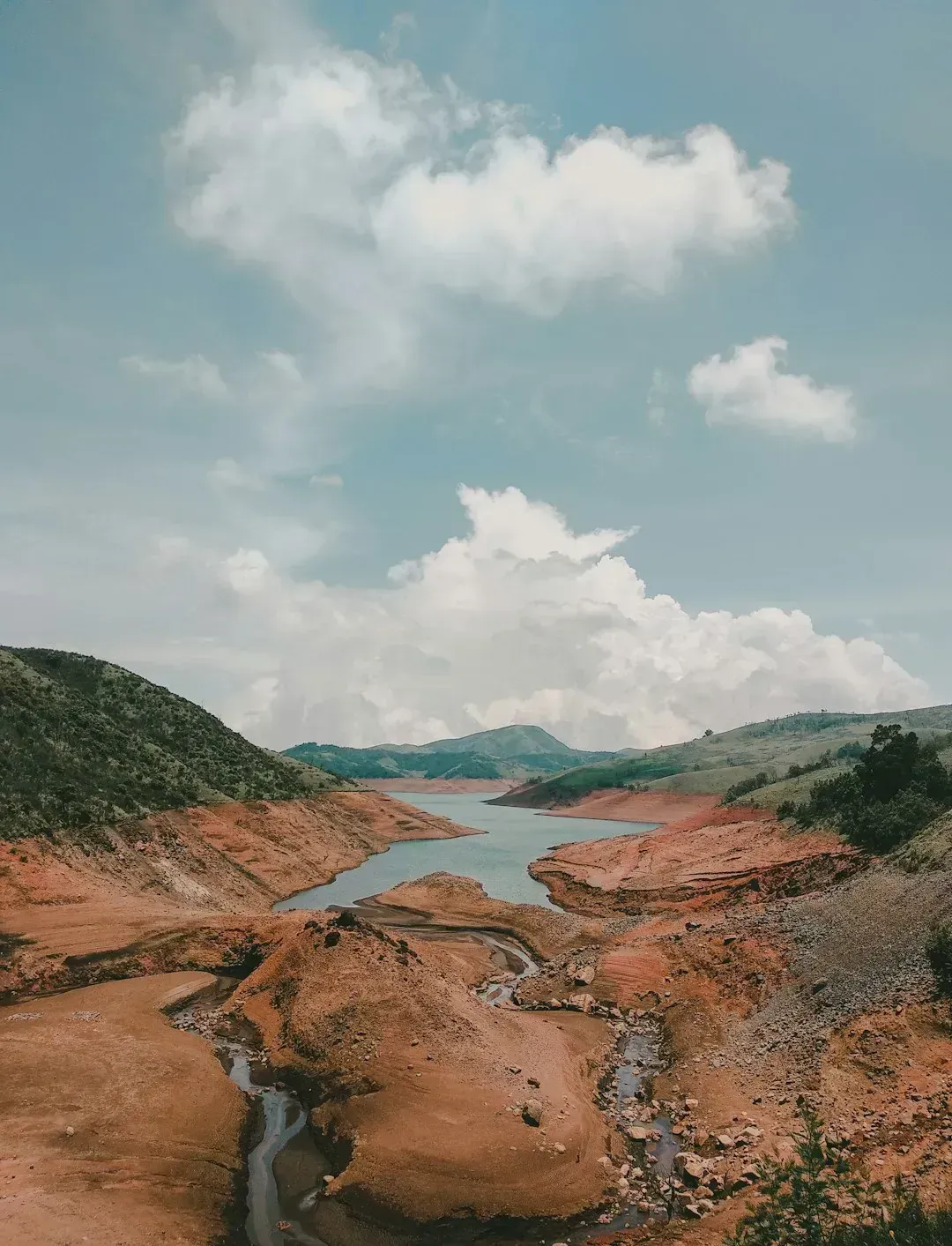
Droughts and heat waves are occurring more often and becoming more intense across the United States, particularly in the West and Southwest, causing dangerous conditions as well as affecting the supply of water and snowpack. For countless species, access to freshwater is not a convenience but a survival requirement, and its loss can trigger cascading failures across entire ecosystems.
Droughts are a major climate-related risk to vertebrates, especially in freshwater ecosystems where they threaten the vast majority of climate-threatened species, primarily fish. Extreme heat and drought can cause river water to exceed temperatures that fish can stand and result in massive die-offs. Rivers that once ran cold and deep through summer are now turning warm and thin, spelling disaster for cold-water species like trout and salmon.
Hurricanes: Nature’s Most Violent Reset Button
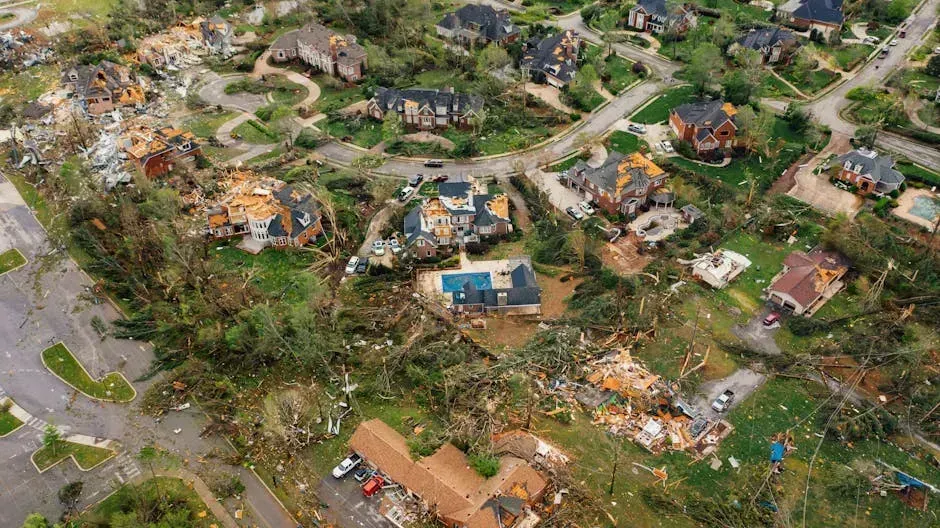
In less than a day, Hurricane Helene rapidly intensified from a Category 1 hurricane to a Category 4 as it moved across the record-hot Gulf Coast waters, making landfall in Florida on September 26, 2024. The storm that followed left entire ecosystems in ruins. Wild animals may be killed in the devastation, and for those who survive, vital resources such as food and shelter are often destroyed.
Major flooding can devastate ecosystems, and strong hurricane winds can wreak havoc on broad expanses of forests, causing downed trees, snapped trunks and limbs, and stripped leaves. Damaged forests increase the risk of wildfire, insect infestation, and the establishment of invasive species. The chain reaction rarely stops at the storm itself. It sets in motion months, sometimes years, of ecological instability that wildlife must navigate without help.
Coastal Species Losing Ground to Rising Seas
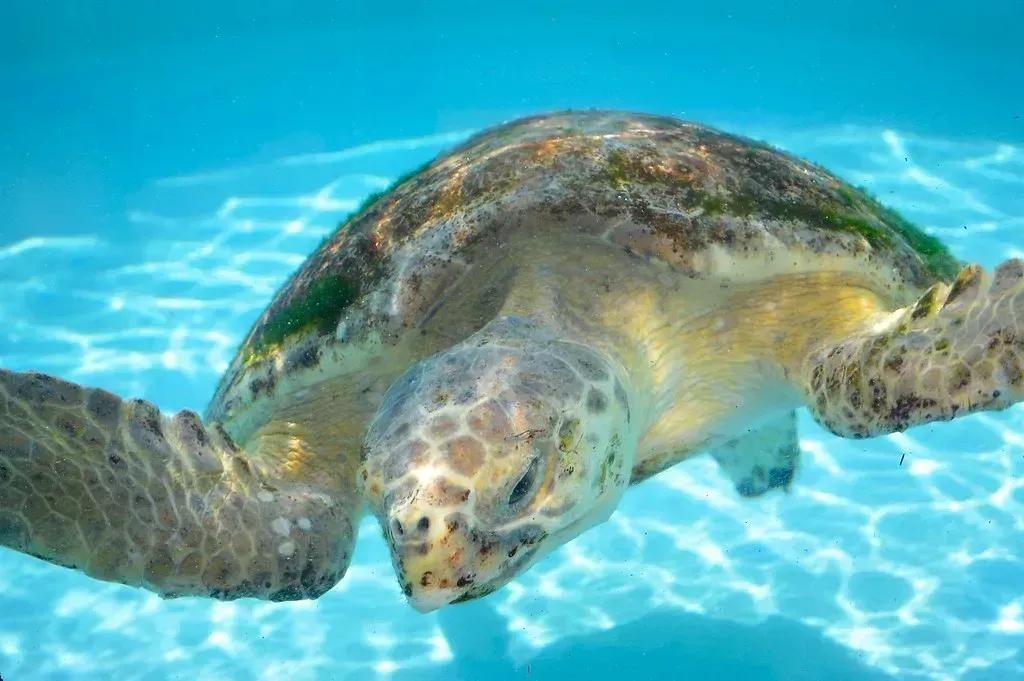
Along the South Carolina coast, the islands of Cape Romain National Wildlife Refuge provide important nesting habitat for the endangered loggerhead sea turtle. Rising seas are eroding nesting areas so badly that staff and volunteers must often rescue and relocate turtle nests before they are washed out to sea. It’s a delicate, resource-intensive effort to buy time for a species that has survived for millions of years.
The American crocodile, native to southern Florida, also faces pressure from rising seas. Staff at Crocodile Lake National Wildlife Refuge have to add sand to historic nesting mounds to elevate them and “buy time” for these ancient reptiles. Both cases illustrate a troubling reality: without active human intervention, rising seas alone would likely wipe out nesting for these species within a generation.
Hibernation Disrupted: Bears, Bats, and the Warmth Trap
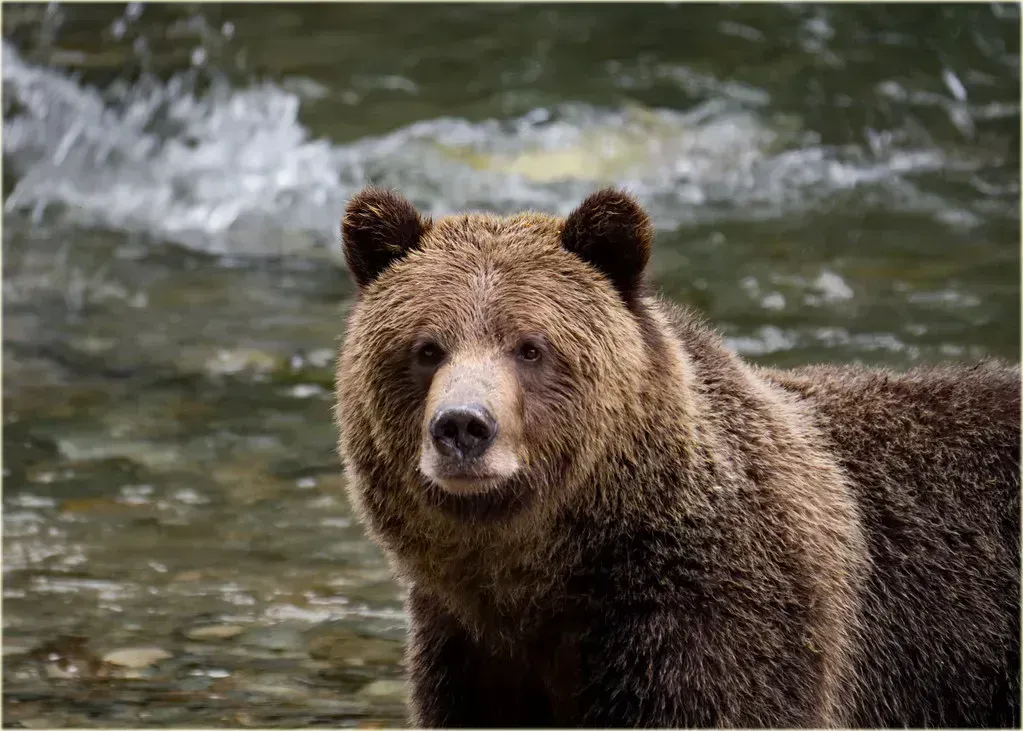
Hibernation is a classic adaptation for animals in a cold climate. While it has worked perfectly for everything from the smallest of bats to the biggest of bears, researchers are beginning to worry about what happens in a shifting climate that has shorter winters and more extreme temperatures. The problem is that hibernation cues are tied to environmental signals that are now arriving out of sequence.
If it gets warm enough, animals can come out of hibernation and then go through an extremely cold period that physiologically they are not prepared for. A bear roused in January by a premature warm spell, only to face a deep freeze days later, burns critical fat reserves and enters spring dangerously underweight. Repeated seasons of this pattern can quietly tip populations into decline.
Elk, Deer, and the Changing Migration Corridor
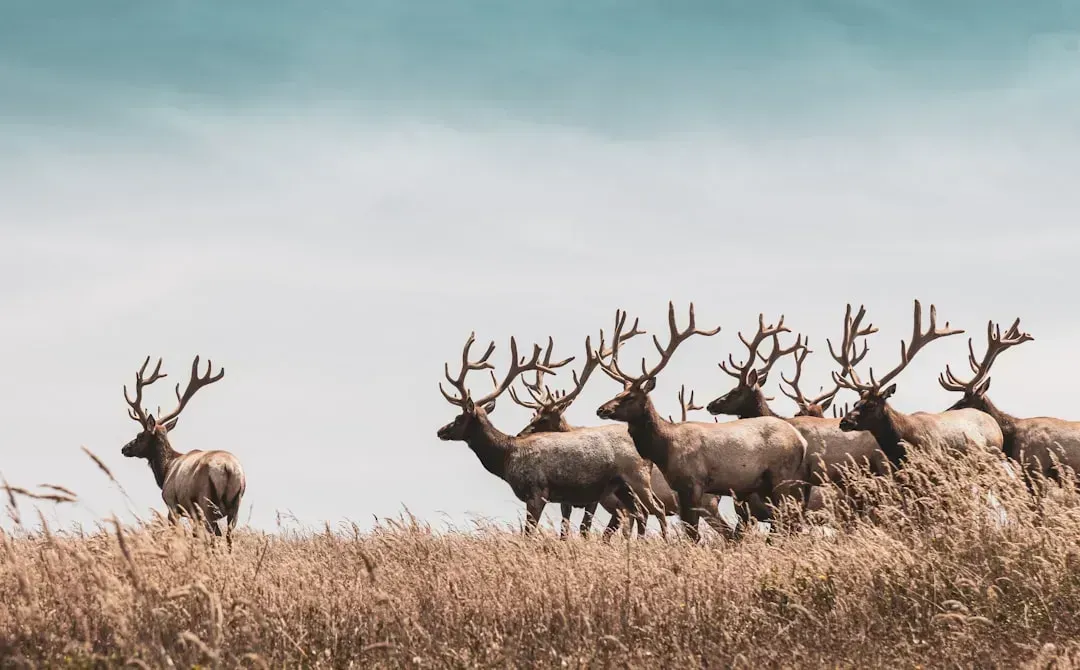
Herds of wildlife such as mule deer, elk, and pronghorn move seasonally to find food and avoid harsh winter conditions. More frequent and intense droughts and shorter plant growing seasons caused by climate change can threaten the availability of forage on seasonal ranges and along migratory routes, which can affect survival and reproduction. These are animals that rely on precise, well-worn corridors refined over thousands of years. Those corridors are now unreliable.
Freeze-thaw or icing events can create food shortages and physical hardships for many species, such as caribou, moose, and small mammals. When rain falls on deep snow and refreezes into a thick crust, the grass and shrubs beneath become completely inaccessible. Animals that survive on vegetation stored beneath winter snow can starve in days, not weeks.
Small Mammals Climbing Higher to Escape the Heat
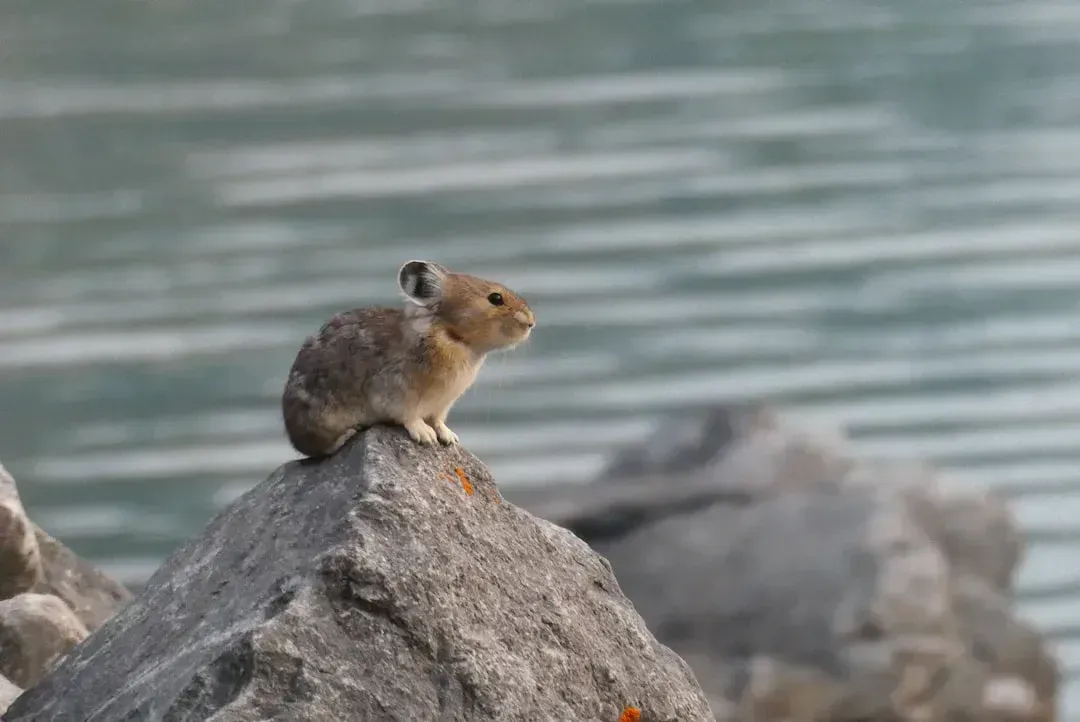
At Colorado’s Arapaho National Wildlife Refuge and other places in the Rockies, small mammals are climbing higher to beat the heat. Species like the pika, a tiny relative of the rabbit, are particularly vulnerable because they overheat easily and have nowhere higher to go once they reach a mountain’s summit.
In northern Minnesota, warmer temperatures and accompanying habitat changes are pushing cold-loving moose farther north. Growing numbers of white-tailed deer are taking over habitat previously occupied by moose. With the deer come deer ticks, which further stress the moose that remain. One species’ shift sets off a chain of consequences that ripples well beyond the animals directly in the spotlight.
Birds Blown Off Course and Habitat Left in Tatters
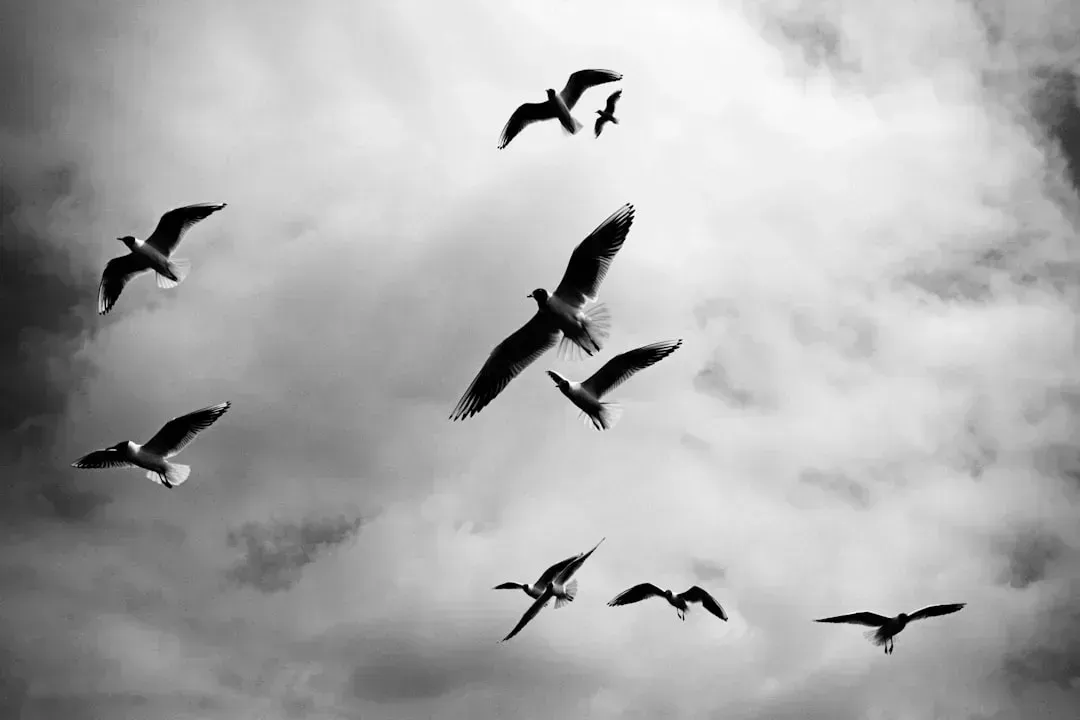
Flooding of coastal marshes has inundated breeding habitats of many coastal bird species, including Atlantic Coast piping plovers, a threatened species that depends upon the shorelines affected by major storms for breeding habitat. Hurricanes can disrupt bird migrations as well as blow seabirds inland, causing them to end up in unusual places sometimes hundreds of miles away from their coastal habitat.
In the Great Plains, some bird species are shifting their range up to 360 miles northward according to recent studies. Some species that used to winter in the South may no longer need to migrate as far to find food or shelter. That sounds like an adaptation, and in some cases it is. The trouble comes when the food sources at those new northern destinations haven’t shifted to match, leaving birds well-positioned geographically but still hungry.
Salmon and Freshwater Fish Pushed to the Brink
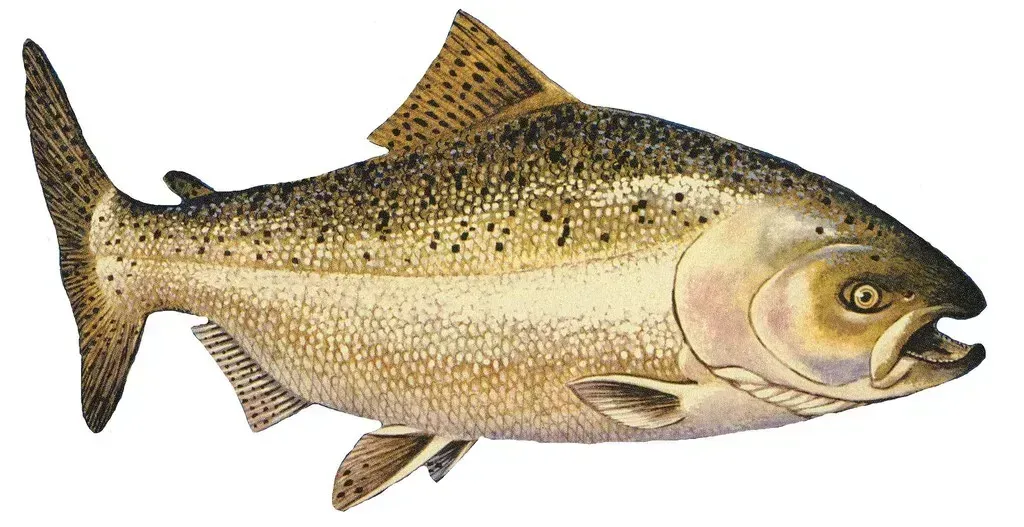
Evidence is growing that higher water temperatures from climate change are negatively impacting cold- and cool-water fish populations, like salmon, across the country. The Chinook salmon is the largest salmon in the Pacific and, in addition to being threatened by commercial fishing, habitat degradation, and dams, is also at risk due to climate change. Chinook salmon are listed as endangered under the Endangered Species Act.
A marine heatwave caused a 71% decline in Pacific cod because of an increase in metabolic demand and a reduced prey base, and roughly 4 million common murres died off the west coast of North America due to starvation and an altered food web from the same extreme heat event. These collapses don’t happen in isolation. When fish populations crash, seabirds, marine mammals, and coastal communities all feel the downstream effects almost immediately.
The Broader Picture: A Crisis That Compounds Itself
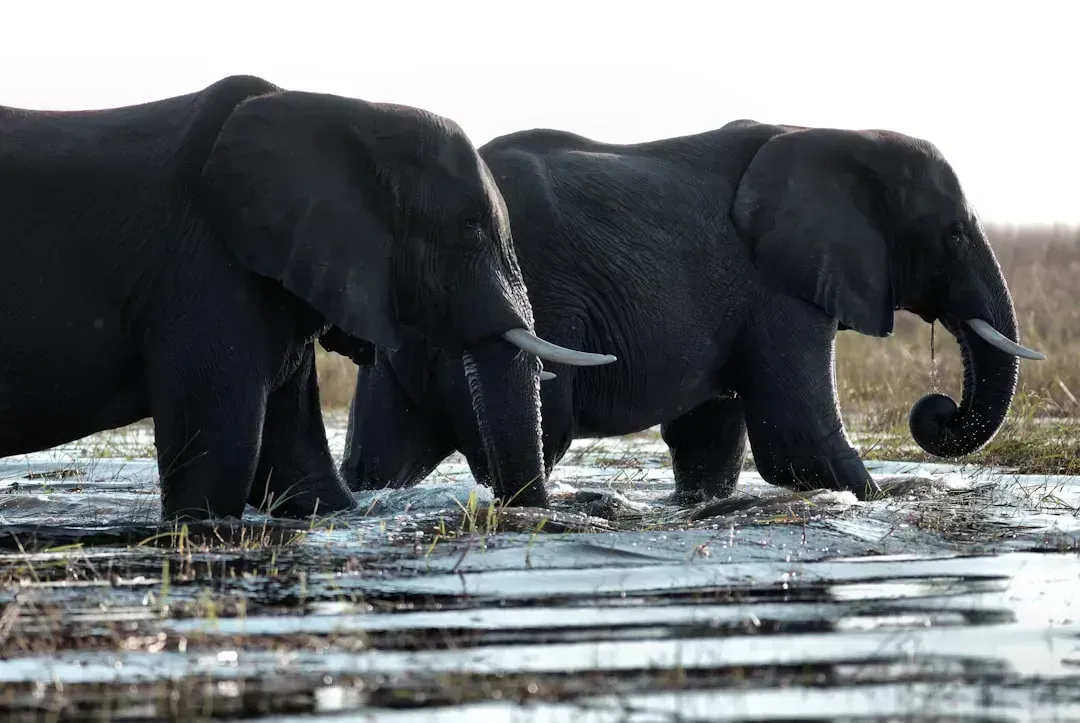
Extreme weather can kill animals directly, or indirectly, by destroying food sources, contaminating water, or altering habitat, forcing a species to move into areas where there may be more competition, fewer resources, or a greater risk of predation. The layered nature of these threats is what makes them so difficult for ecosystems to absorb. Wildlife didn’t evolve to handle the same landscape disruption every two or three years.
More than one third of U.S. fish and wildlife species are at risk of extinction in the coming decades. Shifts in temperature and weather patterns are starting to threaten ecosystems worldwide, which in turn endangers countless animal species, affecting their reproduction, migration, and survival, and ultimately accelerating the alarming decline in global biodiversity. The question facing wildlife managers and conservation scientists isn’t just how to protect individual species anymore. It’s whether the pace of change has already outrun the pace of adaptation.

