


- Phantom Energy Sucking Power 24/7 – 7 Home Electronics Quietly Inflating Utility Bills - November 14, 2026
- A Million-Mile Storm Raging for Centuries – 6 Violent Weather Wonders in Our System - November 14, 2026
- Animals Flee Hours Before the Tremor – 7 Natural Warnings Before Disasters Strike - November 14, 2026
Most homeowners think their house is ready for the worst. The roof looks fine from the driveway. The windows seem solid enough. The sump pump hasn’t caused problems in years. That confidence, it turns out, is one of the bigger risks a property can carry.
The United States has recorded three consecutive years of historic billion-dollar weather disasters, with 28 events in 2023, 27 in 2024, and 23 in 2025, costing more than $115 billion in damages in the most recent year alone. Weather events have caused more than $1.1 trillion in damage over the past decade, the most costly decade on record, yet roughly four in ten homeowners have taken no action to protect their property against extreme weather in the past five years. The list below covers the eight home features that experts consistently identify as failure points when conditions turn severe.
1. The Garage Door
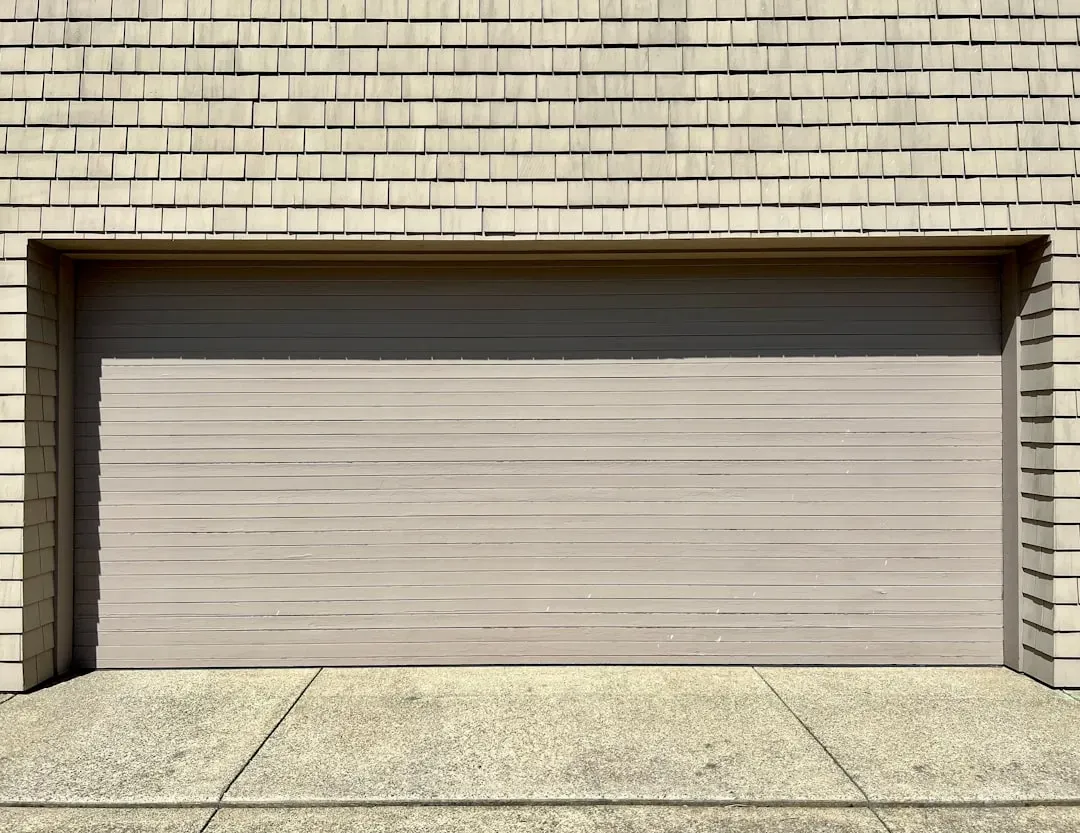
In a hurricane-prone area like South Florida, the garage door is the single largest and often weakest opening in a home. FEMA identifies garage door failure as a leading cause of structural damage during hurricanes, with studies showing it’s the starting point for roughly nine in ten cases of residential wind damage. The physics behind this are not complicated. When a standard garage door fails, wind rushes in, creating intense internal pressurization that can lift the roof or blow out walls from the inside, triggering a domino effect of destruction.
Research from the Insurance Institute for Business and Home Safety confirms a strong garage door is critical to protecting a home from high winds during hurricanes and tornadoes. Post-disaster field studies of Hurricane Ike, the Joplin tornado, and the Moore tornado found that only one in ten homes with an intact garage door also suffered structural damage to the roof. A single-car, ten-by-ten-foot door will be subjected to more than 6,000 pounds of wind pressure at 130 mph, and this continuous stress can result in twisting, bending, or complete structural failure.
2. Aging Roof Shingles
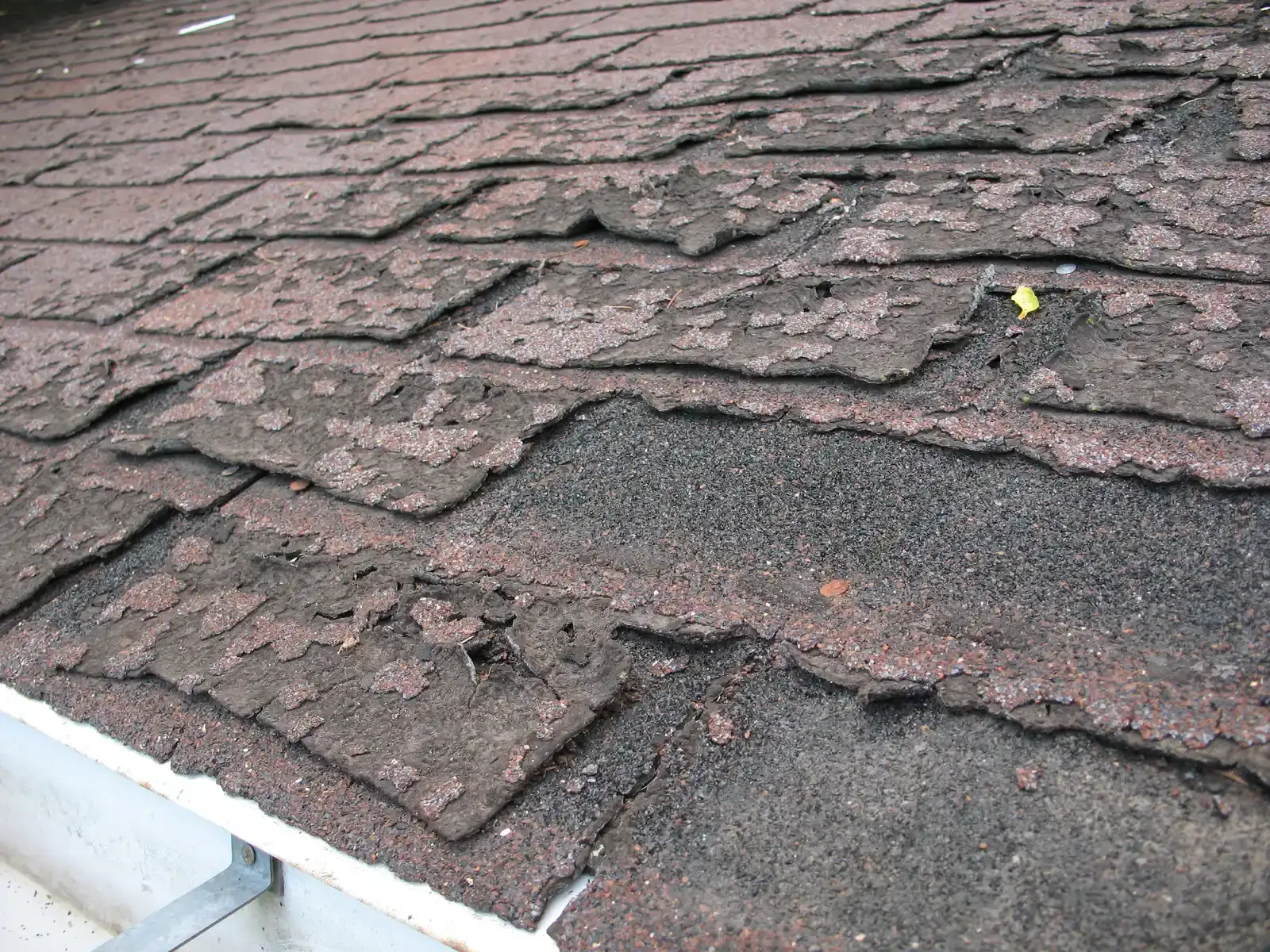
In 2024, roof-related losses made up more than a quarter of all residential claims, according to Verisk. Roof repair and replacement costs totaled nearly $31 billion that year, an increase of roughly a third since 2022. The age of a roof matters enormously in that equation. Roof age is a key factor in storm vulnerability, and homes with roofs over 20 years old are three times more likely to file a wind or hail claim than those with newer roofs.
Securely bonded shingles are the single most important element of a roof’s wind resistance. Modern asphalt shingles are manufactured with an adhesive strip designed to bond them to the layer beneath, but over time, exposure to heat, UV rays, and wind can weaken this bond, making shingles more susceptible to lifting or detaching during storms. Even one loose shingle can lead to significant roof damage during high winds. In 2025, State Farm paid out more than $5.6 billion in hail-related claims alone.
3. Roof Flashing Around Vents, Chimneys, and Skylights
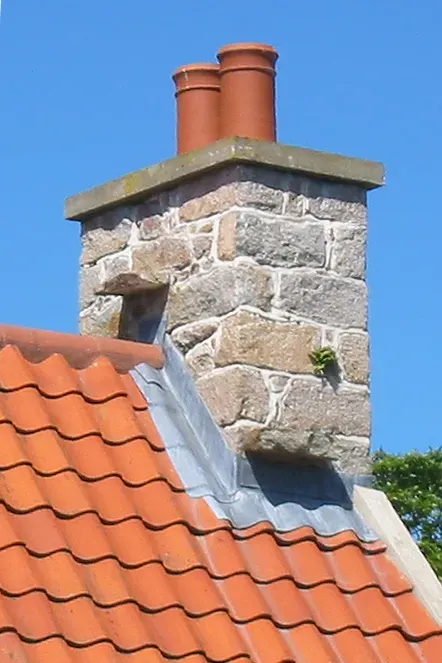
Water intrusion typically happens at transitions: where materials meet, shift, and age differently over time. Flashing, the thin metal installed around chimneys, vents, and skylights, is one of the most common weak points. From the ground, a roof can look completely intact, but if flashing lifts even slightly, wind-driven rain can slip beneath and enter the structure without immediate signs.
Flashing is installed around areas where water is more likely to enter, such as chimneys, roof vents, skylights, and valleys. Storms can cause damage by loosening, bending, or shifting these materials, and even minor changes can allow water to enter gradually. Rain creates a primary damage pathway through penetrations in the roof, where sealing materials eventually dry out and erode. Both pathways are slow-moving and invisible to homeowners, and only fully exposed when a storm drives enough water volume to overwhelm a compromised seal. By then, the repair bill is substantially larger than the original maintenance cost would have been.
4. The Gutter System
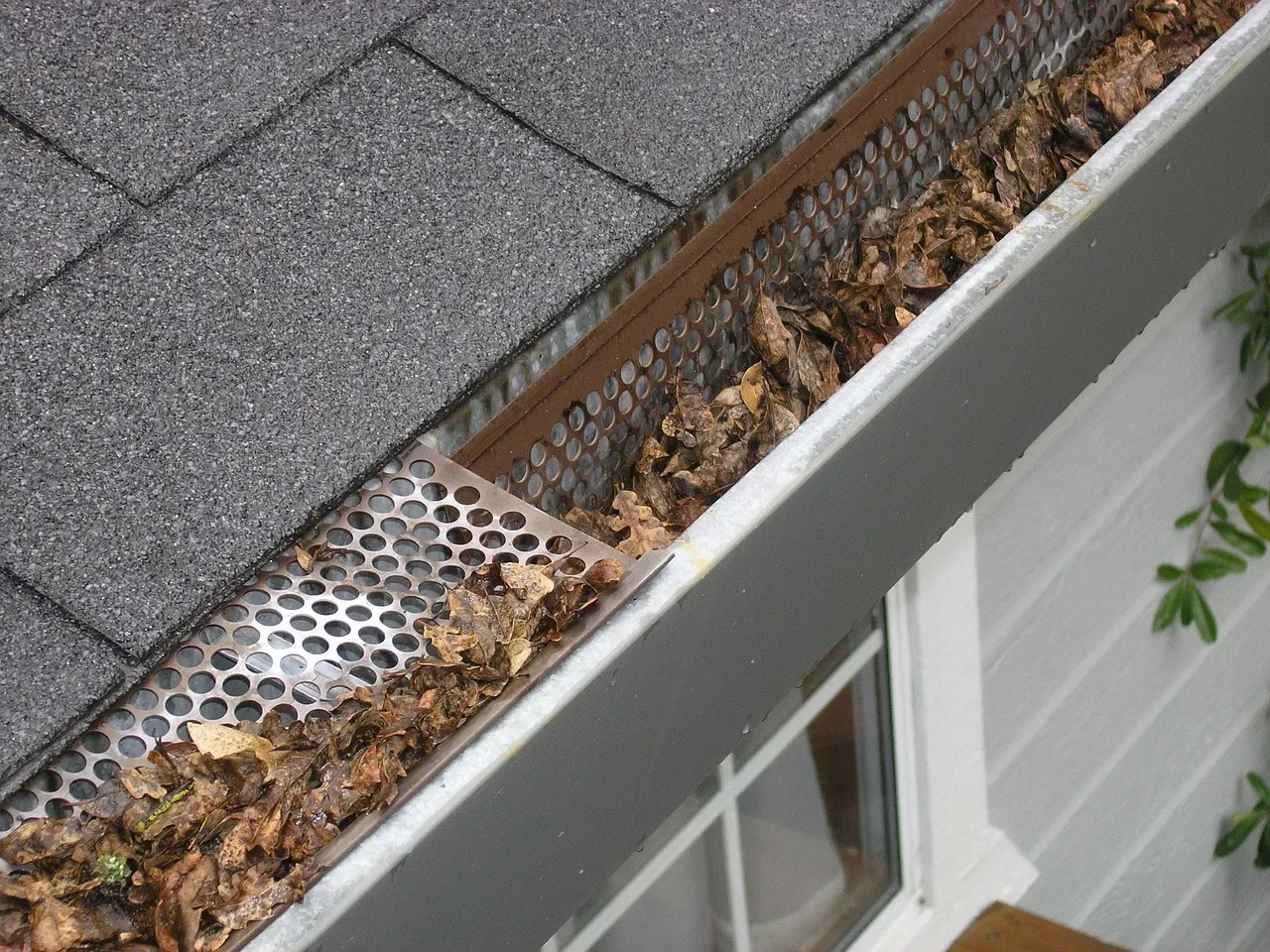
Clogged gutters are the number one cause of water-related roofing damage in winter. They can easily lead to foundation issues, fascia rot, and, most critically, ice dam formation. The ripple effect of a blocked gutter reaches far beyond the roofline. When gutters are full of debris, they cannot fulfill their primary function of collecting and redirecting rainwater away from the roof, walls, and foundation. When they overflow, water can pool on the roof and enter the home.
A blocked or failing gutter system does not just cause puddles. It channels water directly against fascia boards, soffit, and ultimately the roof deck and wall framing. In freeze-thaw climates, this standing water becomes ice, and ice creates pressure that compounds damage over time. Gutters play an important role in directing water away from the home and are often affected during storms, with dents from hail and sections pulling away from the roofline leading to improper drainage. Even small gutter issues can lead to water backing up toward the roof or foundation over time.
5. Standard Windows and Sliding Glass Doors
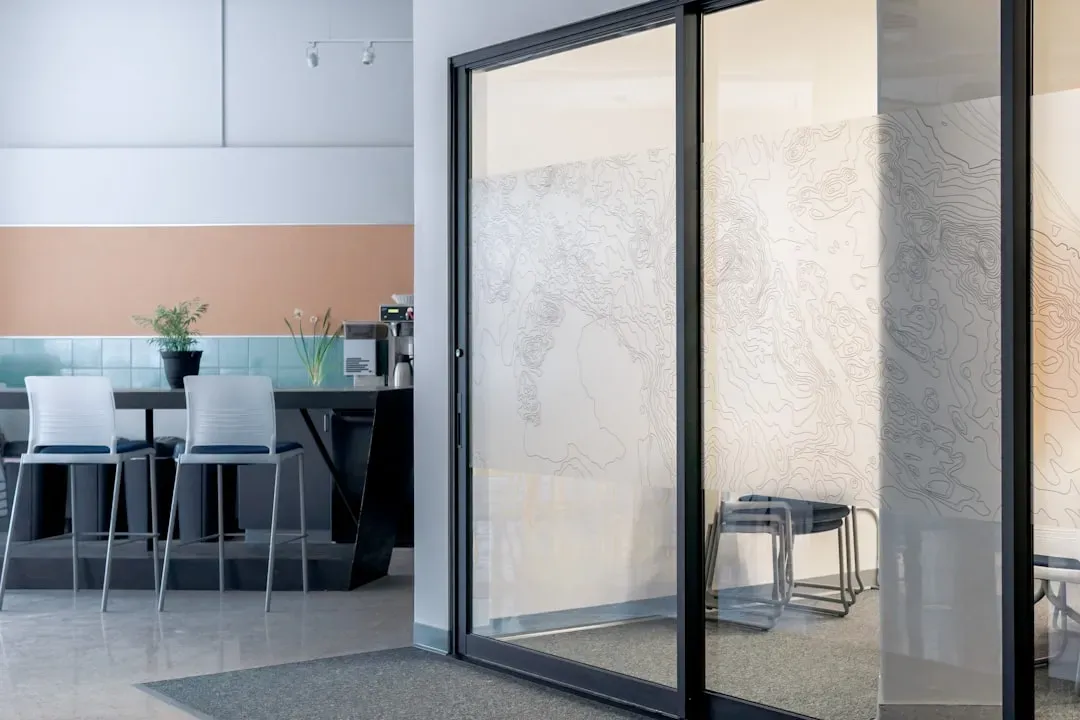
NOAA’s National Severe Storms Laboratory notes that winds can begin causing damage at just 50 mph, compromising roof coverings, uprooting trees, and sending debris through windows. Most standard residential windows are not rated for anything close to that. According to Insurance Information Institute statistics, wind and hail are the number one cause of home insurance claims, and of the homes that filed an insurance claim from 2018 to 2022, nearly half experienced damage due to wind or hail.
Recent studies show that having windows and garage doors open during severe weather can increase the risk of roof failure by as much as 30 percent. When severe wind enters the home, it increases the upward pressure on the roof. Open exterior windows and garage doors increase the risk of damage, especially the risk of roof failure. Large hail can punch holes through roofing materials, break windows and skylights, and heavily dent vehicles. Repeated impacts weaken roofs and increase the risk of leaks and long-term structural deterioration.
6. The Home Foundation and Drainage Grade
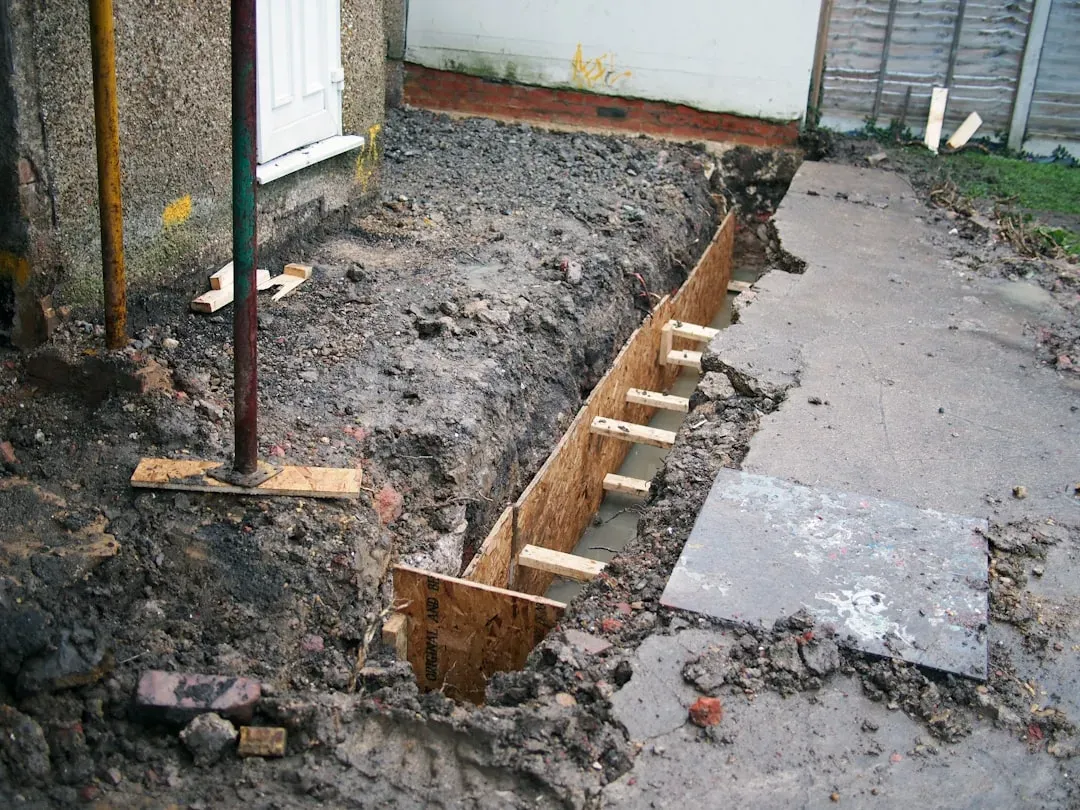
Foundation issues have become more widespread in recent years as soil movement, poor construction practices, and extreme weather conditions come into play. Over time, the foundation of a home may develop cracks due to soil settlement or shifting, and these cracks can lead to structural issues and allow water infiltration. Where water drains around a home makes a critical difference. Improper grading around the house can cause water intrusion toward the home’s foundation, and clogged drainage systems are consistently linked to expensive repair bills. Ensuring the land slopes away from the home to direct water outward is a foundational protection step.
Clogged or poorly maintained gutters and downspouts can channel water toward the foundation, leading to basement flooding and seepage during heavy rainfall. Cracks or openings in the foundation walls or floors serve as entry points for water, allowing it to infiltrate and cause basement flooding, especially during wet weather conditions. People at risk of flooding can extend their downspouts farther away from their home’s foundation or seal foundation cracks as a lower-cost protective measure.
7. The Sump Pump
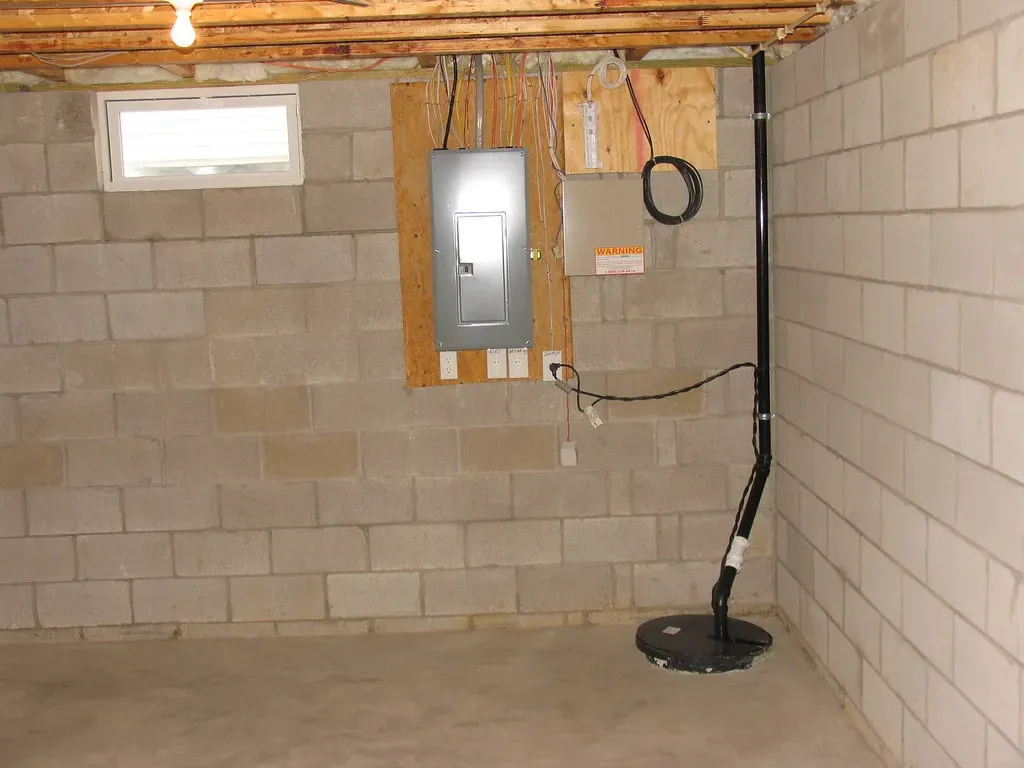
According to FEMA, just one inch of water can cause roughly $25,000 in property damage. Nearly 98 percent of basements in the United States will experience some level of water damage over time, often because groundwater enters through a sump system. The pump itself is usually not the problem. Power outages are a frequent cause of failure during storms, since sump pumps rely on electricity. Debris can also accumulate in the sump pit or discharge line, preventing the pump from functioning, and a clogged inlet screen or frozen discharge pipe can keep water from flowing away.
Most sump pumps last around seven to ten years, and once a pump gets close to that range, it’s more likely to fail under heavy use. Homes with finished basements, nearby water heaters, or sensitive HVAC equipment in lower levels should strongly consider a backup pump or battery system. Neglected sump pumps and French drains may fail during heavy rains, making it essential to test the sump pump before storm season begins.
8. Outdoor HVAC Units
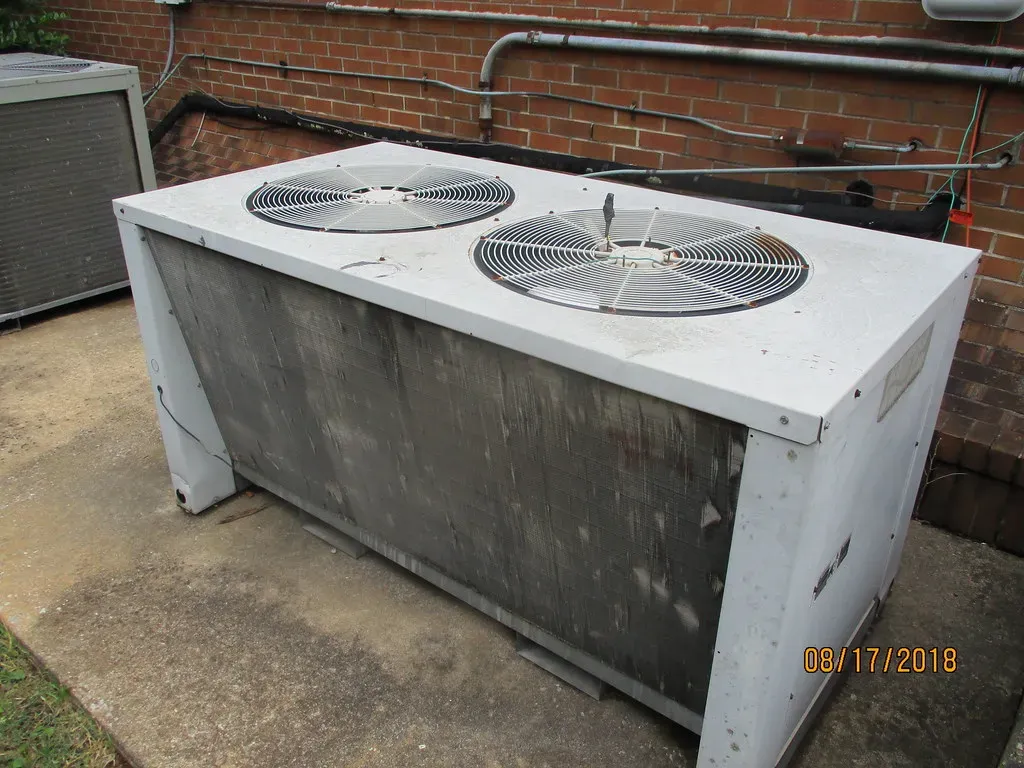
From flash flooding due to heavy thunderstorms to storm surge from a hurricane, floodwater poses a serious risk to HVAC systems. Floodwater is dirty and filled with debris and potentially bacteria. The dirt and sediment can clog the inner workings of an outdoor unit, and if the system is running when rising water infiltrates a furnace or air purification system, it can cause severe electrical damage.
Unprotected HVAC units damaged by hail may require full replacement, while protective screens typically cost only a fraction of the price of repairing or replacing the unit. Hailstorms can also cause broken windows and leaks that allow air to escape from the building, straining the HVAC system as it works harder and longer to maintain a comfortable internal temperature. Mechanical and utility equipment should be installed above the base flood elevation as much as possible, and quick-connect mechanisms can allow equipment to be disconnected before a storm or flood.
