


- The Most Underrated Scientific Discoveries of the Last Decade - September 19, 2026
- 6 Scientific Terms That Sound Made Up – But Aren’t - September 19, 2026
- Top 12 Destinations for Stargazers Who Hate Light Pollution - September 19, 2026
Hurricane season strikes fear into coastal communities across the Americas every year, but not every country sits in the crosshairs. Geography, ocean temperature, and wind patterns all conspire to shield certain nations from these destructive storms almost entirely. Some places are protected by their location near the equator, others by mountain ranges, cold currents, or simply being too far from the warm waters that fuel tropical cyclones.
This list looks at six countries where hurricanes are either scientifically near impossible or so infrequent that locals can barely recall the last direct hit. It’s worth noting that “rarely” doesn’t mean “never,” since tropical storms and their remnants can still bring heavy rain and flooding even to places that dodge full hurricane landfalls.
1. Ecuador
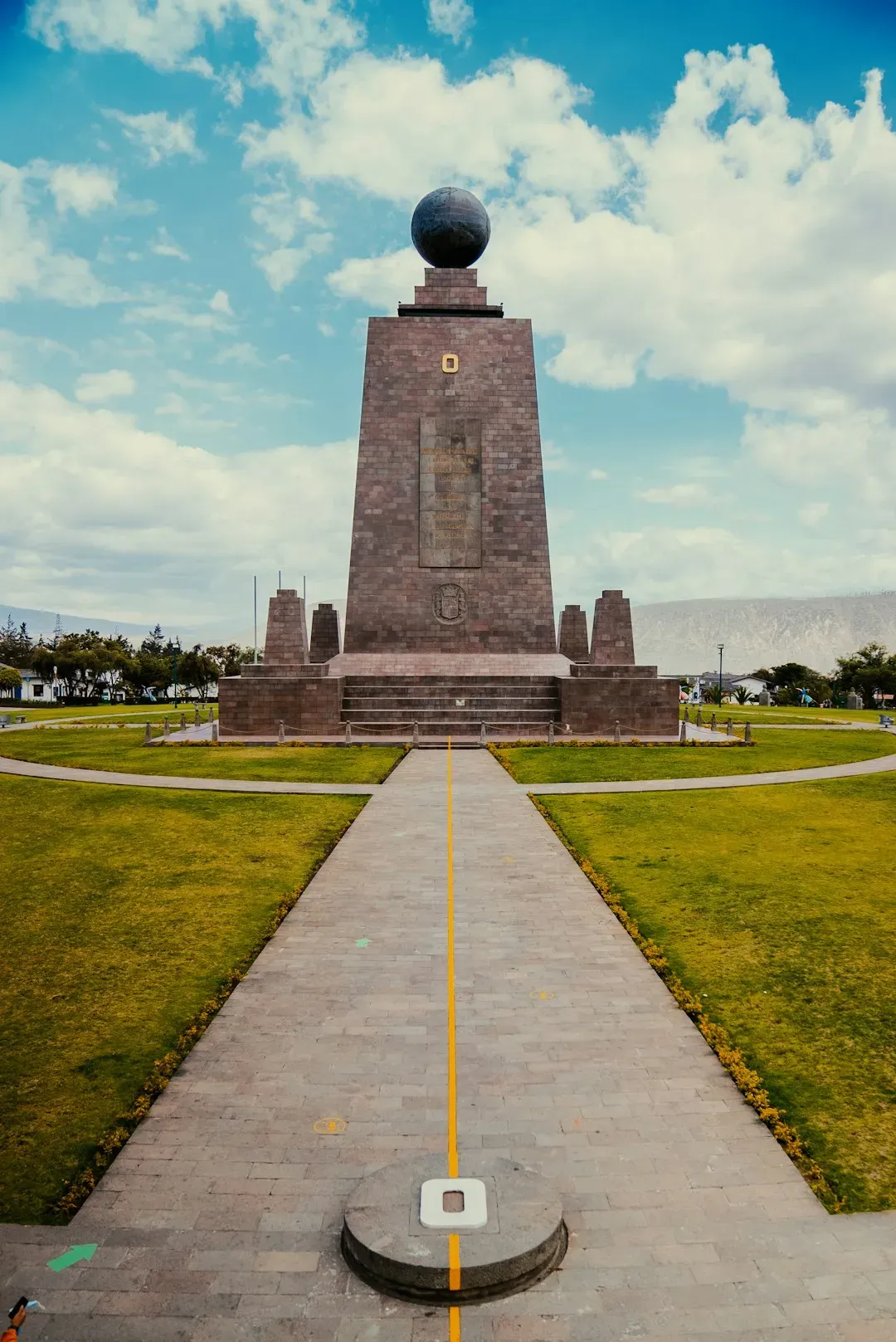
Ecuador sits almost directly on the equator, and that positioning is exactly why hurricanes avoid it. Hurricanes do not form within 5 degrees of the equator because the small Coriolis forces there inhibit circulation development. Without that spin, a storm system simply cannot organize into a rotating hurricane, no matter how warm the water gets.
Beyond the equatorial effect, Ecuador’s position on the Pacific side of South America keeps it away from the Atlantic hurricane belt entirely. The country sits well off the path of Hurricane Alley, the trail of warm water that flows from western Africa through the Caribbean and Central America to the southeastern United States. Locals in coastal towns like Manta say they genuinely can’t remember the last time a hurricane made landfall there, though the country isn’t immune to other weather headaches like El Niño-driven flooding.
2. Panama
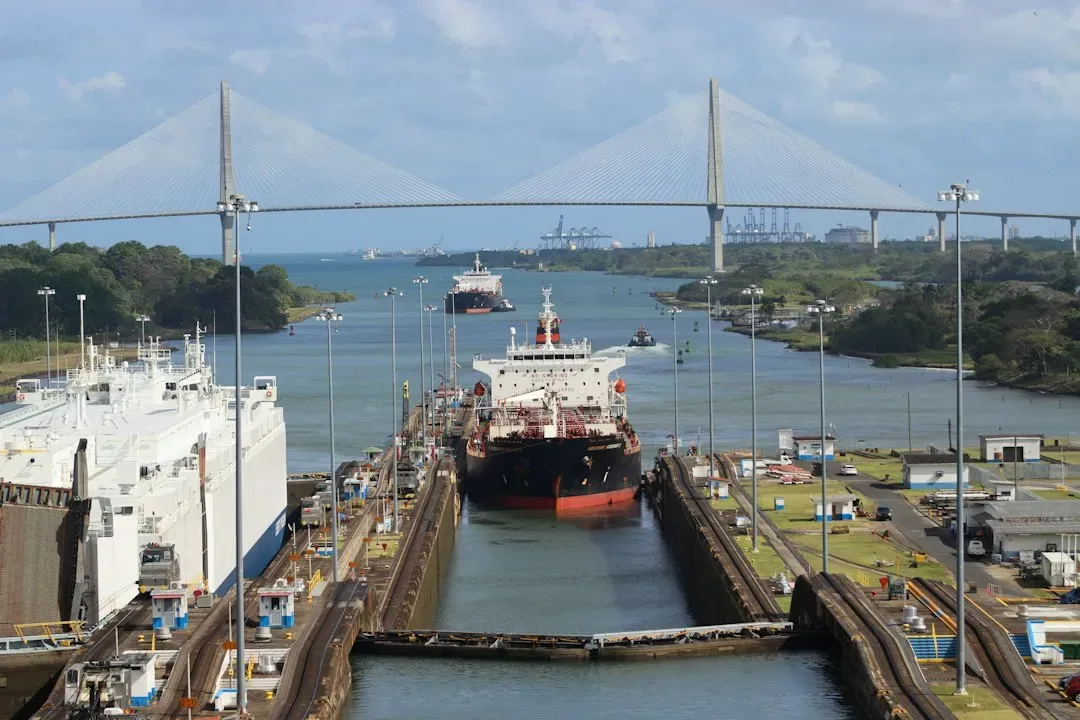
Panama occupies a narrow strip of land between two oceans, and that geography works heavily in its favor when it comes to hurricanes. The country is outside of the Hurricane Belt, usually managing to avoid the storms that hit Nicaragua above and Colombia below. Its low latitude, similar to Ecuador’s situation, keeps the Coriolis effect too weak to spin up a proper hurricane over its waters.
Historical records back this up in a striking way. Hurricane Martha, way back in 1969, is the only one to make landfall within Panama’s borders. That single event over more than half a century says a lot about how rare true hurricane strikes are there, even though the country still feels the indirect effects of nearby systems through heavy rain and occasional flooding, as happened when Hurricane Nate caused landslides across parts of Central America in 2017.
3. Costa Rica and El Salvador’s Pacific Coast Neighbors
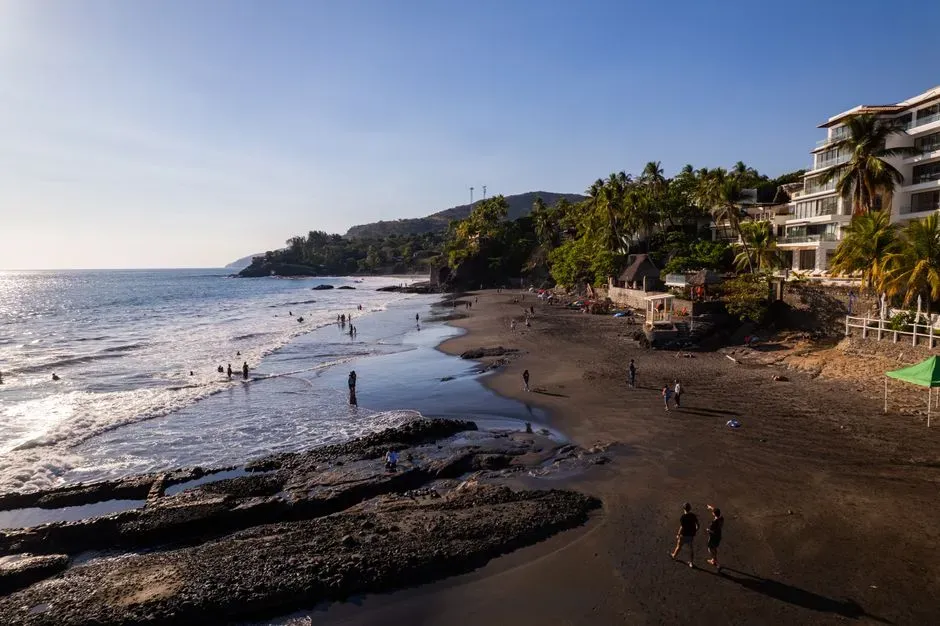
Central America’s Pacific-facing nations enjoy a similar protective buffer, and El Salvador is a good example of just how rare direct hits are. El Salvador is rarely affected by hurricanes, though Tropical Storm Agatha caused heavy rains and flooding in 2010. That single notable exception in recent memory highlights how uncommon true hurricane landfalls are along this stretch of coastline.
The pattern holds for several of El Salvador’s neighbors too, where the Pacific side of the isthmus rarely sees the kind of organized hurricane systems that plague the Caribbean coast. Storms that do affect the region tend to arrive as weakened tropical depressions or as indirect rain bands rather than as full hurricanes making a clean landfall, sparing these communities from the worst wind damage even during active Atlantic seasons.
4. Aruba, Bonaire, and Curaçao (The ABC Islands)
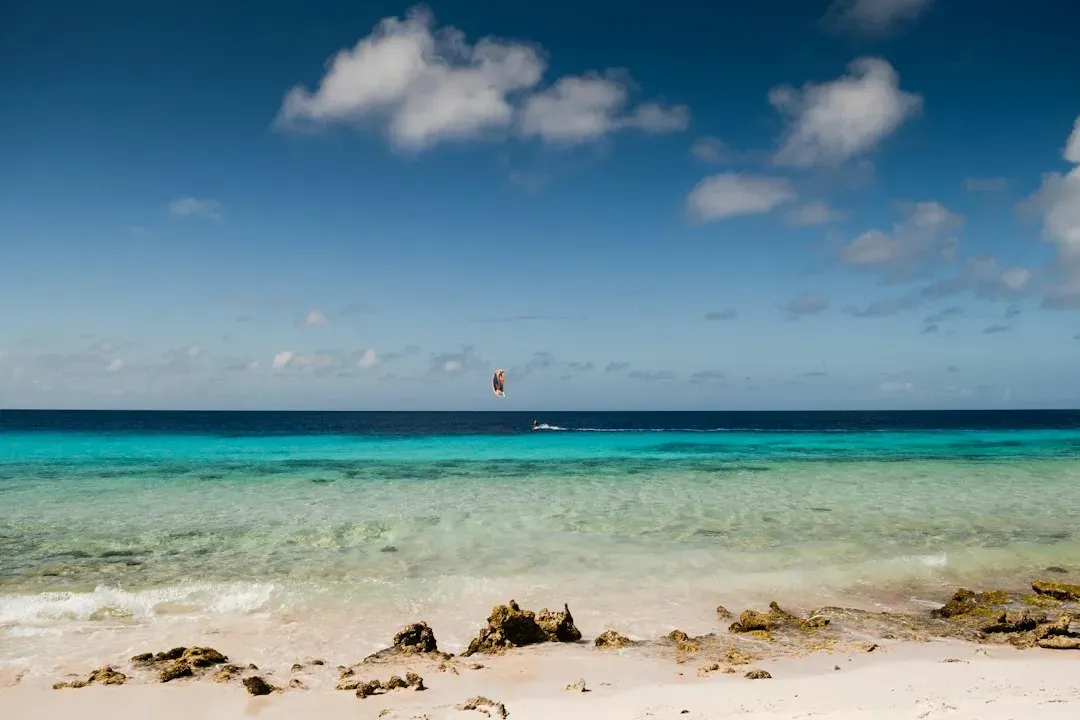
Tucked in the far southern reaches of the Caribbean, these three islands sit low enough in latitude that they largely escape the storm track most vacationers associate with hurricane season. There are a few islands in the hurricane-prone Caribbean that manage to stay out of the storm path, with the ABC trio of Aruba, Bonaire, and Curacao being the best-known, all below the belt of where most disasters occur. Their position just off the coast of Venezuela puts them south of the typical hurricane corridor that runs through the northern Caribbean.
Travelers looking for a Caribbean escape without the hurricane anxiety often gravitate toward these islands for exactly this reason. There are fewer direct-hit storms in Caribbean island countries like Barbados, Trinidad and Tobago, and Aruba. That said, the islands aren’t completely walled off from tropical weather, since strong systems occasionally pass close enough to bring gusty winds and rough seas even without a direct landfall.
5. Uruguay
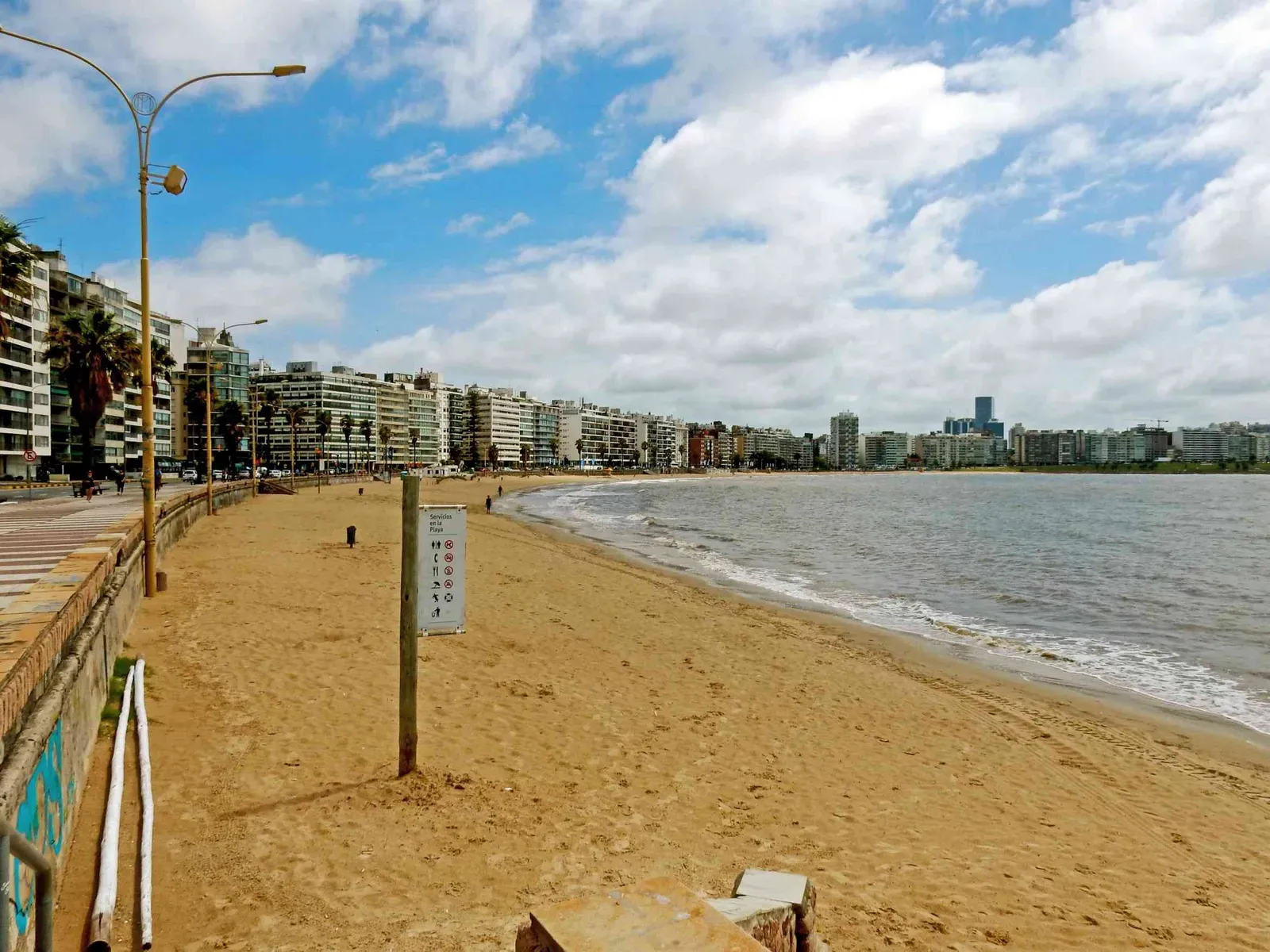
Down at the southern tip of South America, Uruguay benefits from cooler ocean waters that simply don’t provide the fuel hurricanes need to form or survive. Some of the safest destinations to avoid hurricanes include Switzerland, the United Arab Emirates, Uruguay, and Zimbabwe. The South Atlantic’s relatively cold sea surface temperatures make it an inhospitable nursery for tropical cyclones compared to the warm Caribbean and Gulf waters that spawn Atlantic hurricanes.
South America as a whole gets a pass from hurricanes for reasons rooted in basic atmospheric science. For tropical storms to form, the ocean temperature needs to exceed roughly 80 degrees Fahrenheit, a threshold that’s common in the North Atlantic and Caribbean between June and November but rare in the South Atlantic Ocean even during its summer. That temperature gap, combined with wind patterns that steer any developing systems away from the coast, leaves Uruguay essentially off the hurricane map.
6. United Arab Emirates
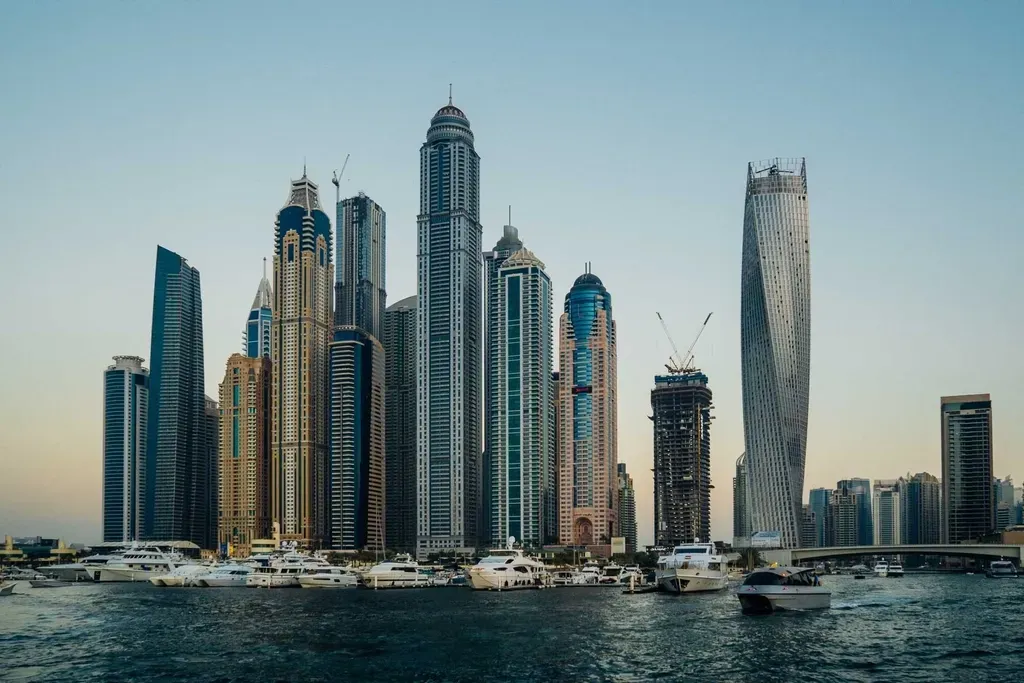
Halfway around the world from the Atlantic hurricane belt, the UAE deals with an entirely different set of weather concerns, and hurricanes simply aren’t one of them. Areas like Dubai in the UAE experience little to no hurricane activity due to geography and ocean temperature patterns. The Persian Gulf’s relatively enclosed geography and the surrounding desert climate don’t produce the sustained warm, moist conditions needed to spin up a tropical cyclone.
Cyclones do occasionally form in the wider Arabian Sea and the northern Indian Ocean, but they rarely track far enough north and west to threaten the Emirates directly. This geographic isolation is part of why travel guides increasingly point to destinations like Dubai as a dependable warm-weather alternative for anyone trying to plan a trip during the height of Atlantic hurricane season without worrying about flight cancellations or storm warnings.
None of these six countries can claim total immunity from tropical weather, since climate patterns shift and rare exceptions do occur, as Ecuador and Panama’s own historical footnotes prove. Still, the underlying science behind why these places stay safe, whether it’s proximity to the equator, cooler ocean currents, or simple distance from the main hurricane belts, is well established and unlikely to change anytime soon. For travelers and expats weighing where to settle or vacation during the stormy months, these locations offer a rare kind of peace of mind that beachfront living in Florida or the northern Caribbean simply can’t match.
