

There’s something quietly remarkable happening at the edges of modern meteorology. While satellites track storm systems from orbit and AI models churn through terabytes of atmospheric data, a different kind of knowledge is being dusted off and examined with fresh eyes. Scientists and forecasters, facing the growing unpredictability of a changing climate, are looking backward as much as forward.
It turns out that centuries of careful human observation weren’t wasted. Some of the oldest weather-reading techniques carry real signal within them, signal that modern tools are only now able to measure and confirm. These eight methods, each with roots stretching back generations, are quietly finding their way back into conversations among serious forecasters.
1. Reading Cloud Patterns and Sky Color
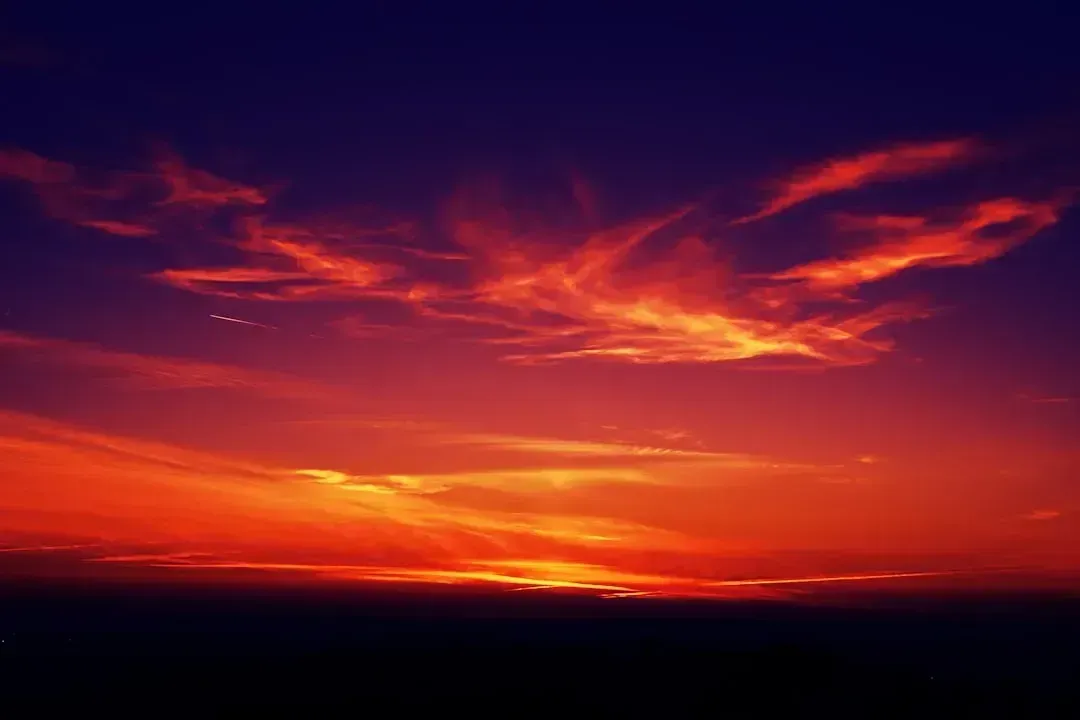
The art of weather forecasting began with early civilizations using recurring astronomical and meteorological events to help monitor seasonal changes, and as far back as 650 B.C., the Babylonians tried to predict short-term weather changes based on the appearance of clouds and optical phenomena such as halos. The practice never really disappeared, but for a long time it was dismissed as folklore. Now it’s being reconsidered as a rapid, low-tech complement to digital tools, particularly in regions where satellite coverage remains patchy.
The saying “red sky at night, sailor’s delight; red sky in the morning, sailor’s warning” has its roots in atmospheric science. A red sky at sunset often indicates stable weather ahead, while a red sunrise can suggest that a storm may be on the way. Cloud morphology, interpreted carefully, still tells a consistent story about pressure systems and incoming fronts, one that forecasters are beginning to layer on top of numerical models rather than ignore.
2. Barometric Pressure Observation
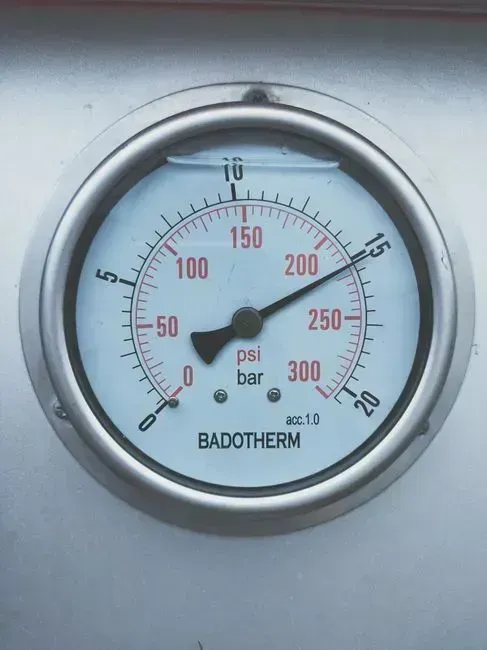
Once calculated manually based mainly upon changes in barometric pressure, current weather conditions, and sky conditions or cloud cover, weather forecasting now relies on computer-based models that take many atmospheric factors into account. Yet the old barometric approach hasn’t disappeared entirely. Its simplicity, zero power consumption, and reliability make it unexpectedly relevant in field settings and remote communities where digital infrastructure is absent.
Barometric pressure and its tendency to change is the basic information that forecasts are based upon. Barometric data collected from a network of weather stations are used by forecasters to create synoptic weather maps, drawing isobar lines between points of equal pressure to produce a contour map showing pressure variations. When combined with wind and other observations over time, reasonably accurate forecasts can be made. Forecasters working in coastal and maritime environments still treat the rate of barometric change as one of the most reliable short-range indicators available.
3. Phenology: Reading Nature’s Calendar
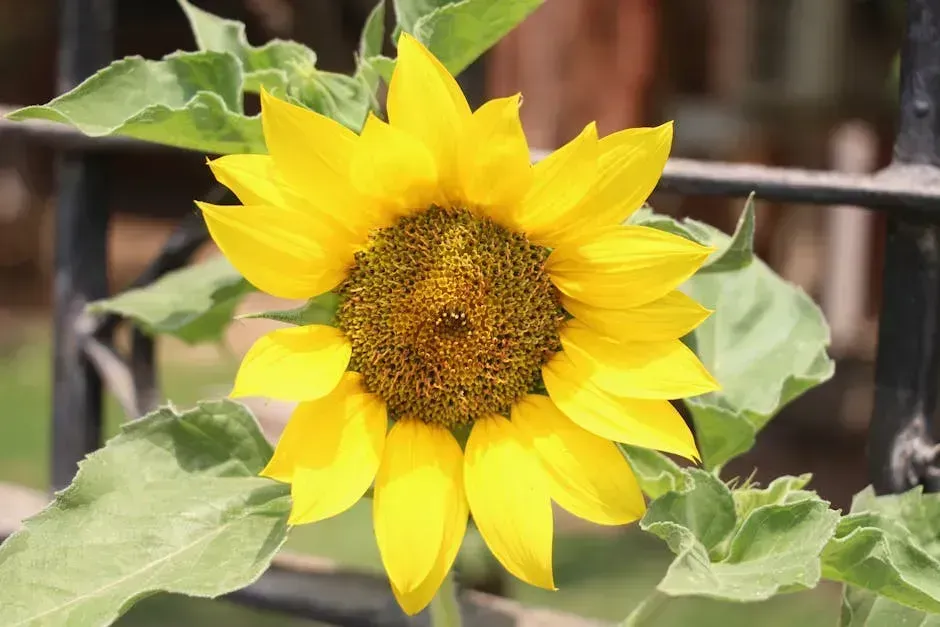
Phenology is the study of the timing of life-cycle events in plants and animals, including flowering, leafing, hibernation, reproduction, and migration. Scientists who study phenology are interested in the timing of such events in relation to changes in season and climate. Phenology is one of the oldest branches of environmental science, dating back thousands of years, with observations of phenological events providing indications of the progress of the natural calendar since pre-agricultural times.
By observing the timing of phenomena such as flowering, migration, and breeding, scientists can gather crucial data on the health of ecosystems and the effects of environmental changes. This discipline bridges the gap between meteorology and ecology, offering insights into the intricate balance of nature and how it responds to global shifts in weather patterns. Crucially, because phenology is driven primarily by weather, it is possible to make predictions for the timing of phenological events based on forecasted weather conditions.
4. Animal Behavior as a Storm Indicator
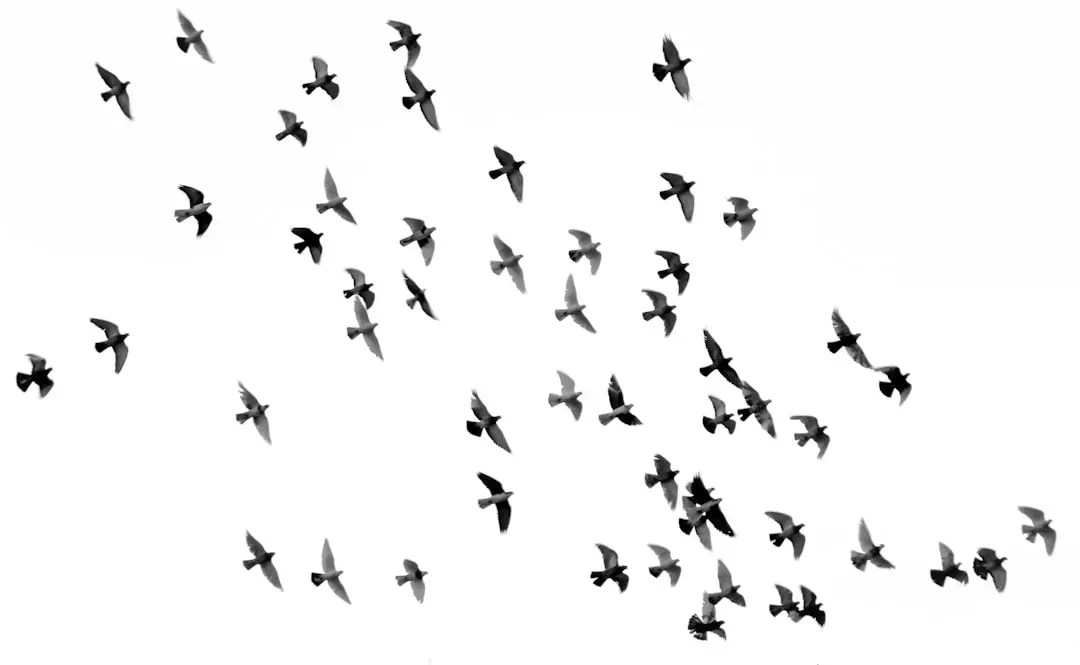
Indigenous communities around the world developed intricate knowledge of their local climates through generations of observation, relying on natural indicators such as animal behavior, cloud patterns, and celestial events to predict changes in the weather. People observed animal behavior, such as birds flying low before a storm or ants building higher mounds, to make their forecasts. These observations were long treated as colorful superstition, yet they consistently showed up across unrelated cultures on different continents.
A scientific explanation for instinctive behavioral changes in plants and animals can be attributed to changes in ocean and atmospheric fields such as barometric and hydrostatic pressure, humidity, and air temperature that may occur prior to events such as tropical cyclones and rainfall. By paying attention to cues from turtles, mango trees, cows, bats, and mackerel, communities in Vanuatu can anticipate weather patterns and take necessary precautions. That’s not guesswork. It’s biology responding to physics.
5. Indigenous Seasonal and Ecological Knowledge
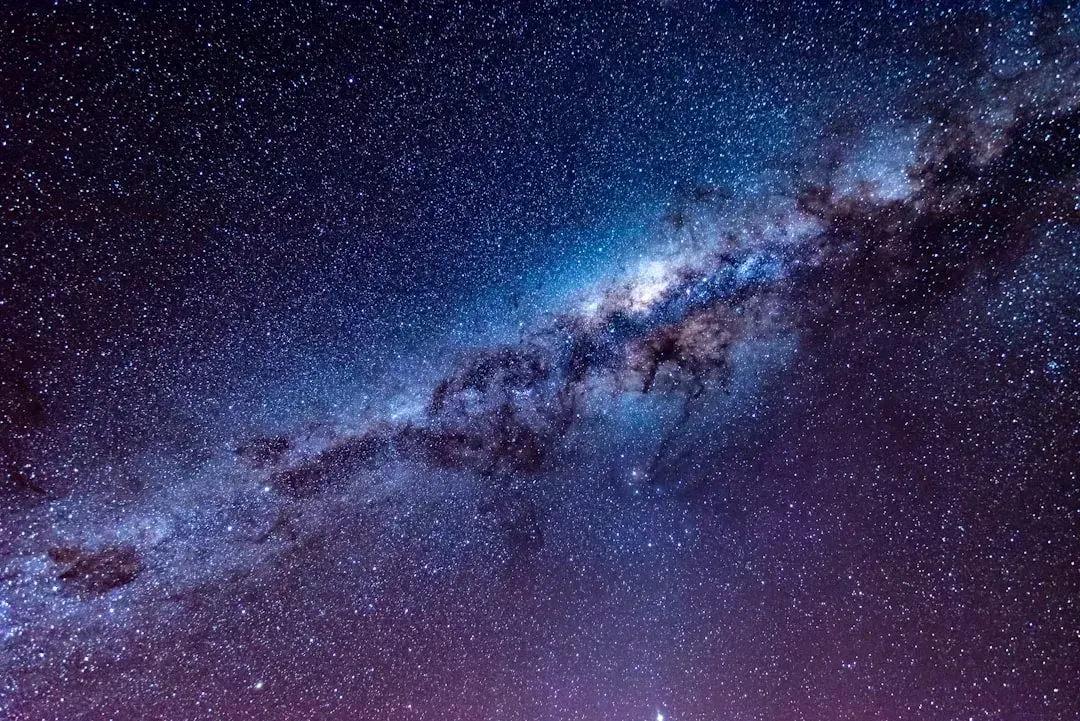
Scientists are rediscovering the value of indigenous knowledge, whether it’s Aboriginal fire calendars in Australia, Inuit ice-reading skills in the Arctic, or Andean star lore used to anticipate El Niño. What’s remarkable about these indigenous weather forecasting techniques is that they’re based on long-term observation, something modern science is only recently starting to fully appreciate. By studying their environments so closely, ancient cultures developed methods of predicting weather that often rival modern meteorology.
In some places, like northern Australia, indigenous weather knowledge is still actively used alongside modern technology. Scientists are now recognizing the value of this ancient wisdom and how it can complement modern weather prediction, especially in areas where traditional forecasting tools fall short. Such knowledge systems are now recognized by several institutions, including the Intergovernmental Panel on Climate Change, as an important participatory forecast approach for decision making, particularly at a farm level.
6. Polynesian Ocean Swell and Wind Reading

Ancient sailors relied on cloud shapes, wind patterns, and wave behavior to predict the weather. The Polynesians developed a sophisticated system using ocean swells, cloud formations, and bird migrations to anticipate incoming weather systems. This was navigational meteorology at its most refined, built over centuries of open-ocean observation with no instruments beyond human perception and accumulated knowledge.
Modern oceanographers and maritime forecasters have taken a renewed interest in this system, particularly as it applies to anticipating swell behavior ahead of tropical weather systems in the Pacific. The way deep ocean swells propagate far ahead of a developing storm is now well-documented in physics, and the Polynesian sailors were essentially reading that same signal intuitively. Their methods are now being studied formally as a validation layer for numerical ocean-atmosphere models.
7. Historical Weather Records and Long-Range Pattern Analysis
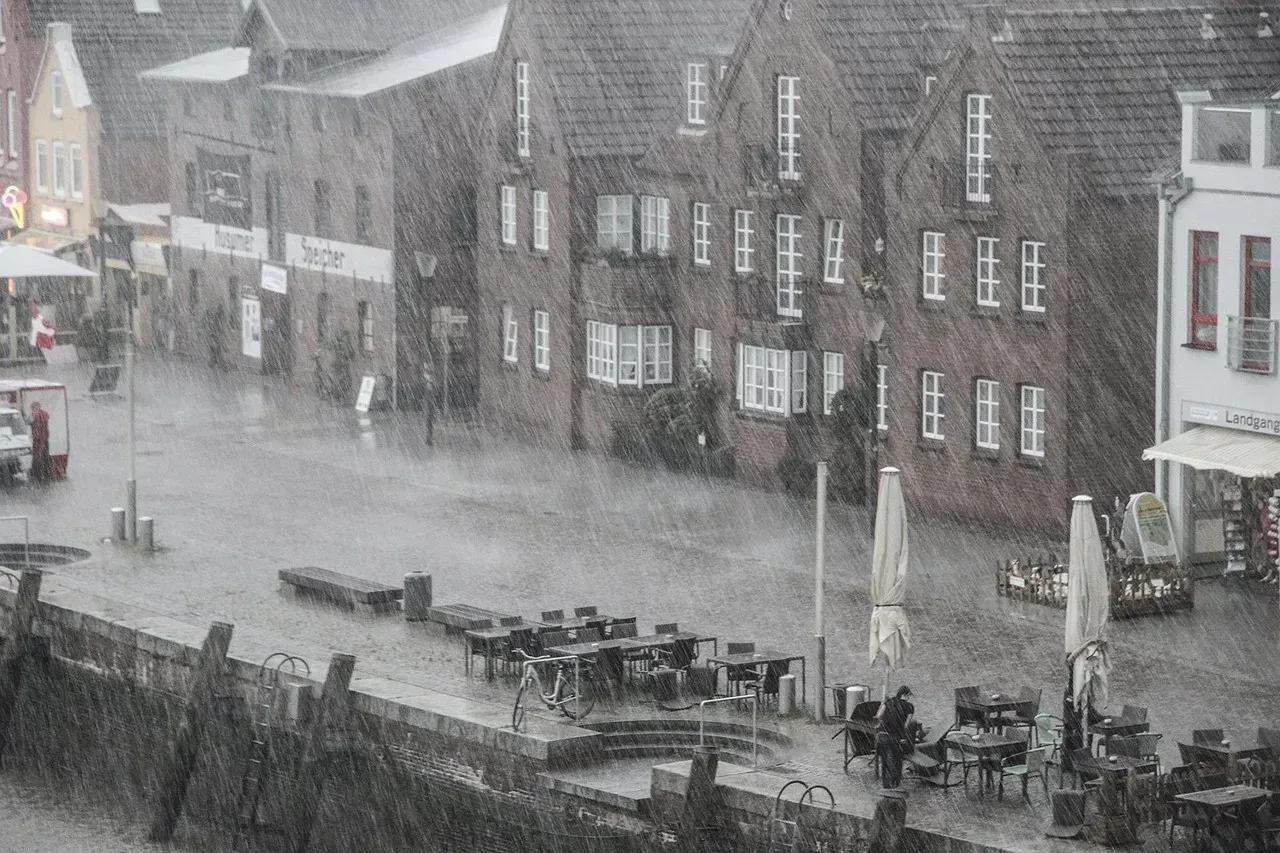
A growing database of historical weather information paired with new techniques in numerical weather prediction can generate a snapshot of weather conditions for the entire planet four times a day, going back to the 1870s. This process of reconstructing past atmospheric states is deeply connected to an old practice: the meticulous keeping of weather diaries and logbooks across centuries. Farmers, ship captains, monks, and amateur naturalists all contributed to a record that modern forecasters are now actively mining.
Scientists, naturalists, farmers, gardeners, fishermen, and many others have been recording their observations of seasonal phenology changes for centuries, with a patchwork of records existing in notebooks and logbooks, ledgers and bills of sale. Matching historical observations with more recent ones has allowed climate scientists to identify shifts in long-term phenology trends that closely match records of Earth’s warming temperature. That continuity of record is irreplaceable, and it starts with people who simply wrote down what they saw every day.
8. Celestial and Astronomical Observation
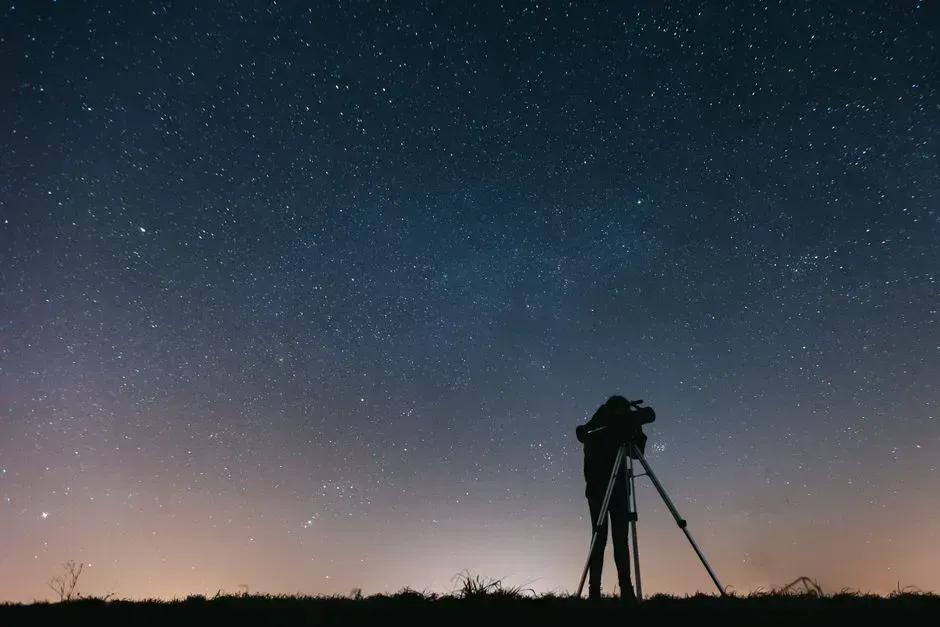
Ancient civilizations such as the Babylonians and Mayans used celestial events like the positions of the stars and planets to predict seasonal changes and the onset of the rainy season. The alignment of celestial bodies played a crucial role in their agricultural calendars. By 300 B.C., Chinese astronomers had developed a calendar that divided the year into 24 festivals, each festival associated with a different type of weather. These weren’t arbitrary associations, they encoded generations of observed correlation between celestial timing and seasonal atmospheric behavior.
As climate change scrambles weather systems and makes prediction harder, ancient wisdom feels newly urgent. Researchers working on long-range seasonal outlooks are revisiting the statistical relationships between solar cycles, lunar patterns, and broad-scale climate variability with a rigor that earlier dismissals never allowed. The goal isn’t mysticism. It’s filling the gaps in predictive models with every reliable signal available, wherever that signal happens to originate.
The common thread running through all eight of these methods is patient, systematic observation over time. Satellites and supercomputers are extraordinary tools, but they’ve existed for only a fraction of the time that humans have been watching the sky. The older methods survived for a reason, and forecasters willing to look past the technology long enough to listen are finding that the older signals still speak clearly.

- The Shoreline Sucked Dry in Seconds – 5 Tsunami Signals Beachgoers Mistake for Low Tide - November 14, 2026
- 9 Dark-Sky Destinations Around the World Where the Stars Look Unreal - November 14, 2026
- The Fault Line That Never Slips – 7 Locked Seismic Zones Overdue for a Massive Release - November 14, 2026
