

- 9 U.S. Cities Developing Creative Solutions to Water Shortages - August 20, 2026
- The 8-Point Checklist Climatologists Use to Decide If a Region Is Livable Long-Term - August 20, 2026
- Why Meteorologists Are Redrawing the Maps for Winter Superstorms - August 20, 2026
Drought does not announce itself the same way everywhere. In some regions it shows up as cracked reservoir beds, in others as quiet policy memos about future rationing. Across the United States right now, a handful of cities are treating water scarcity less as an emergency to manage and more as a design problem to solve, often years before the taps run dry.
What follows is a look at nine American cities where engineers, utility managers, and local governments are testing approaches that range from turning wastewater into drinking water to sharing supplies across state lines. Some of these projects are already flowing. Others are still under construction, with completion dates stretching into the next decade.
El Paso, Texas
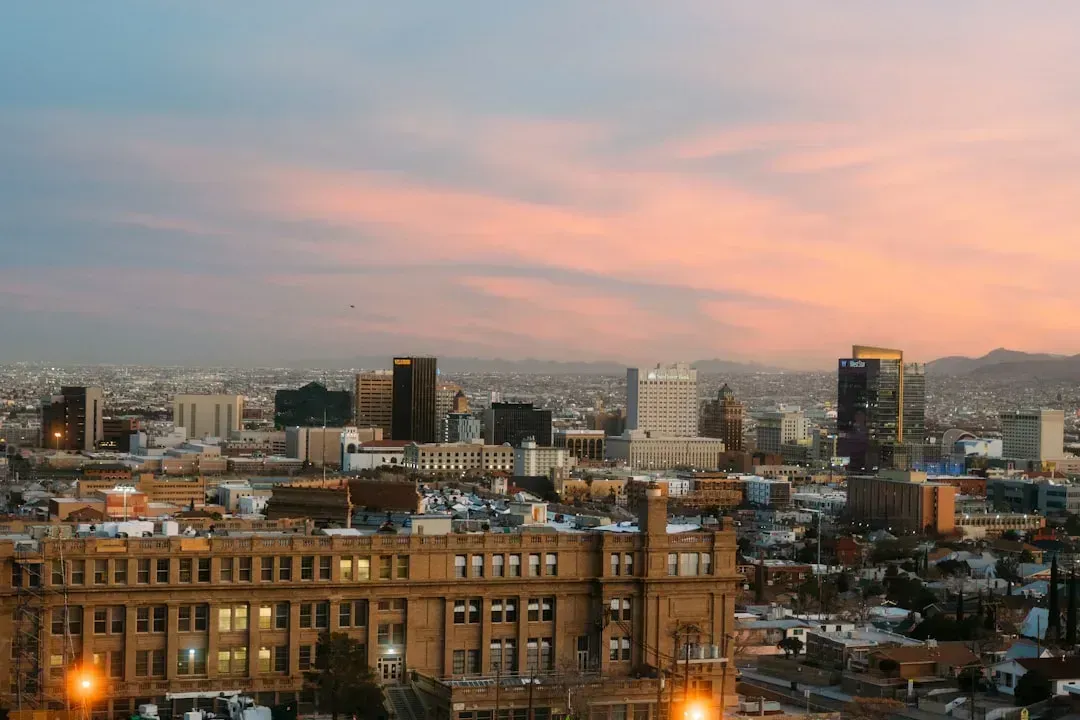
El Paso Water broke ground in early 2025 on the Pure Water Center, a facility designed to send purified wastewater directly into the city’s drinking water distribution system rather than releasing it into a river or aquifer first. The facility is a direct-to-distribution potable reuse facility, the first of its kind in the United States, using a robust treatment process to convert recycled water into high-quality drinking water distributed directly to customers. Project completion is expected by 2028, with the plant anticipated to supply up to 10 million gallons per day of drought-resistant water to the community.
The project did not happen overnight. El Paso Water worked with the Texas Commission on Environmental Quality for over a decade to ensure the project was feasible. El Paso is the first out of the gate on this kind of direct reuse, but Phoenix and Tucson are expected to follow suit, along with communities elsewhere in Texas already considering their own facilities. For a border city that has spent decades pairing groundwater desalination with aggressive conservation, this is simply the next tool in a long-running strategy.
San Antonio, Texas
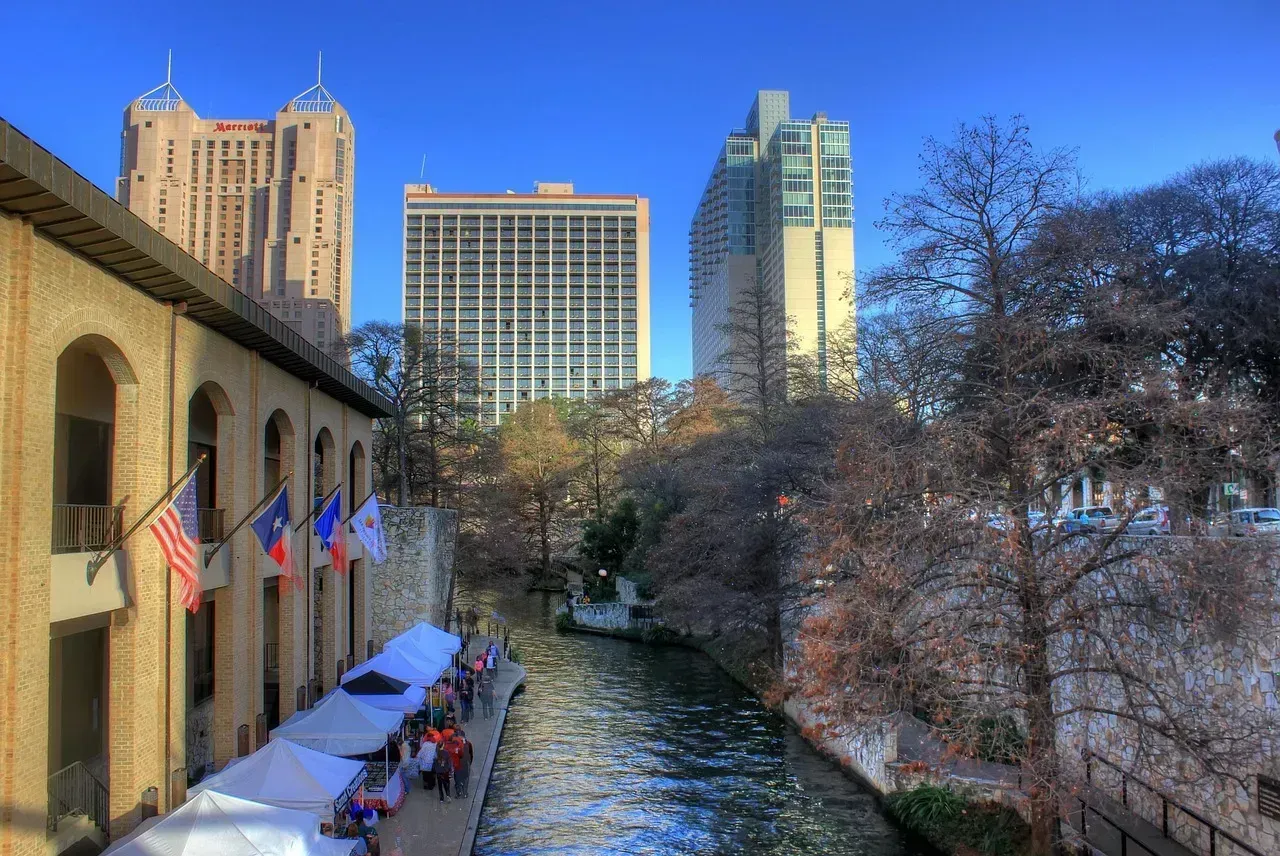
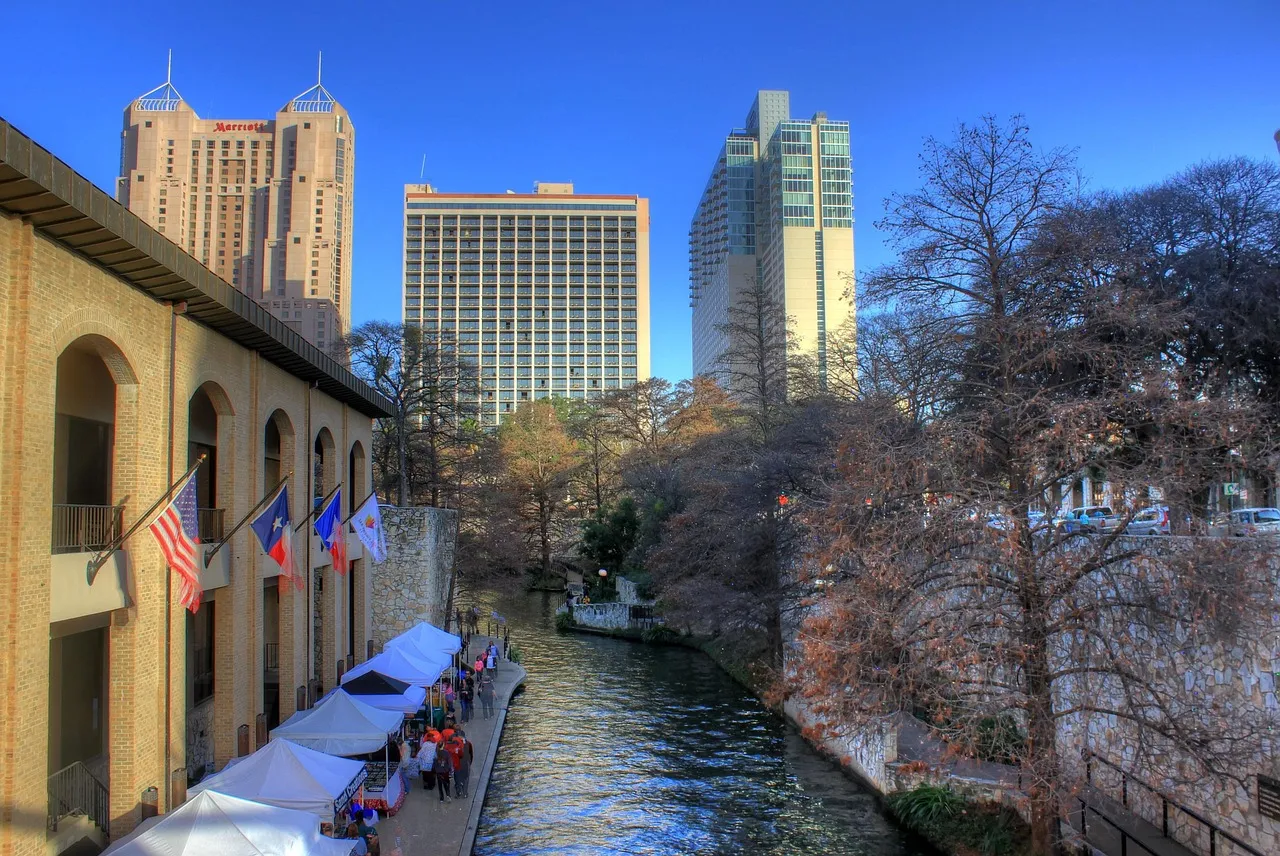
San Antonio’s water utility, SAWS, has leaned on an unusual piece of infrastructure for two decades: an underground reservoir it built itself. SAWS operates one of the largest reservoirs of its kind anywhere in the country, entirely underground, and opened the Aquifer Storage and Recovery program in June 2004. The idea is straightforward. During wet years, water rights that would otherwise go unused get pumped underground and saved for leaner times.
During the historic drought of 2023, SAWS recovered roughly 28,300 acre-feet from the ASR well field, which was about 8.5 percent of the system’s total distribution, and that supply helped keep the city in a less severe drought stage than its neighbors. The city has also diversified away from its traditional aquifer. The Vista Ridge Pipeline Project consists of a 142-mile pipeline that delivers water from wells in Burleson County to over 200,000 households in San Antonio. Between underground storage and imported groundwater, the city has built layers of backup that most metro areas simply do not have.
Las Vegas, Nevada
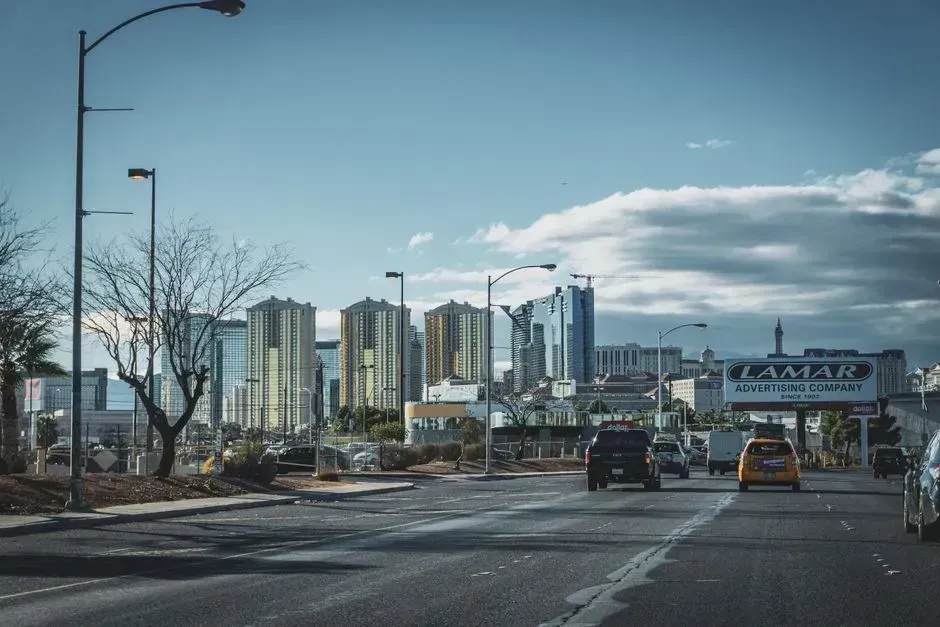
Las Vegas built its reputation as a desert oasis, then spent the last two decades quietly undoing that image. Since 2002, per capita water use in Las Vegas has dropped by an impressive 58 percent, a shift driven largely by changes to what residents are allowed to plant in their yards. A state law now requires businesses and homeowner associations in the Las Vegas Valley to remove their decorative grass by the end of 2026.
The turf removal push is not a symbolic gesture. In its first year alone, the policy saved 3 billion gallons of water and generated 31 million dollars in fees that fund programs to detect and repair leaks. Researchers who studied the Las Vegas case for RAND concluded that infrastructure alone was not the deciding factor. The most important changes came from community members committing to and supporting efforts to conserve water, such as reducing lawn watering.
Phoenix, Arizona
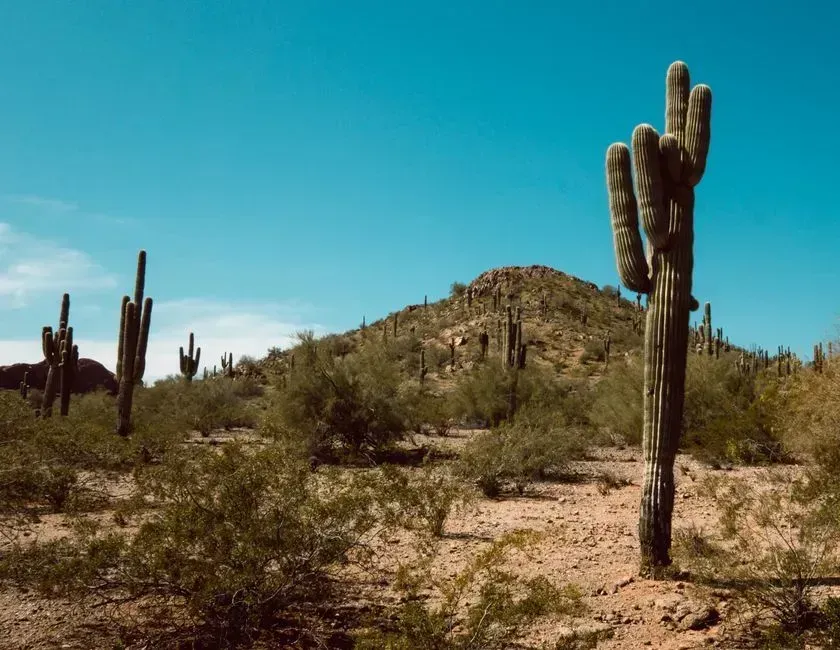
Phoenix draws a large share of its supply from a river system that is shrinking faster than planners hoped. Approximately 40 percent of Phoenix’s current drinking-water supply comes from the Colorado River through the Central Arizona Project. Rather than wait for federal cuts to force the issue, the city helped design a regional workaround. Phoenix and Tucson are developing the Secure Water Arizona Program, a voluntary framework intended to support emergency reserves, offset water supply reduction, and create innovative water-sharing arrangements.
City leaders have been blunt about the stakes involved. Phoenix remains in Stage 1 of its Drought Management Plan, focused on public education and conservation programs, though the city could move to a Stage 2 Water Warning by the end of 2026. The city has also been quietly banking water underground for years as a hedge against exactly this scenario, adding a layer of resilience that does not depend on any single river.
Tucson, Arizona
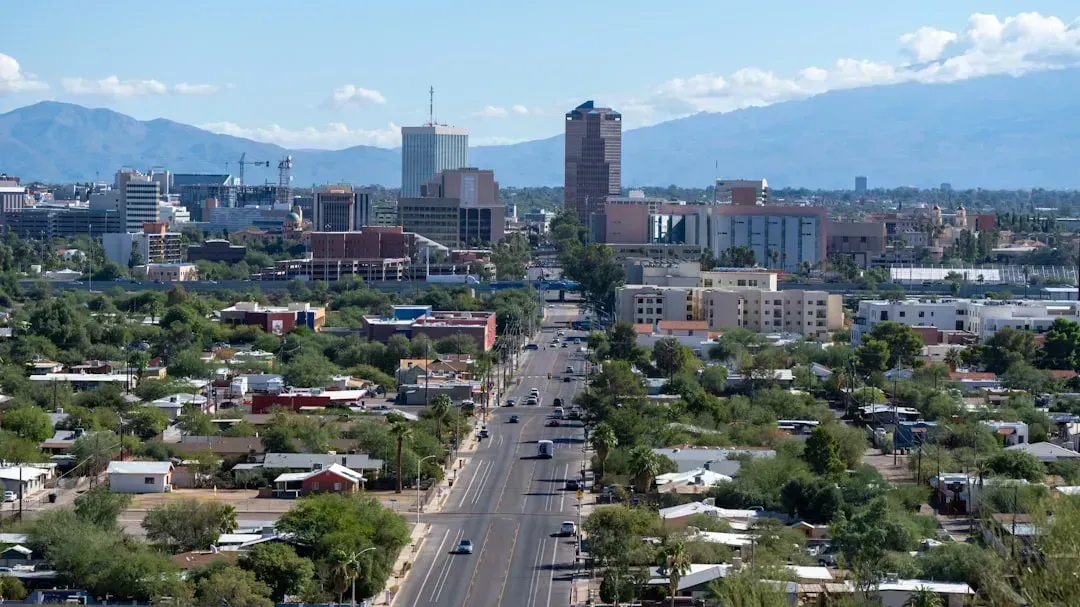
Tucson’s approach leans heavily on cooperation rather than new pipelines or treatment plants. The Secure Water Arizona Program will create an emergency reserve of water and connect cities that are interested in buying and selling water from other cities and businesses. It also includes an experimental program to encourage cities and other water-using entities to come up with and share innovative ideas for producing and using water supplies.
Officials involved in shaping the program have been careful to describe it as flexible rather than fixed. As currently envisioned, in the short term, parties with slight surpluses would provide water to those facing a deficit due to shortages that could occur the following year. For a city that has practiced groundwater recharge for decades, joining a formal water-sharing network is less a leap than a logical next step.
Los Angeles, California
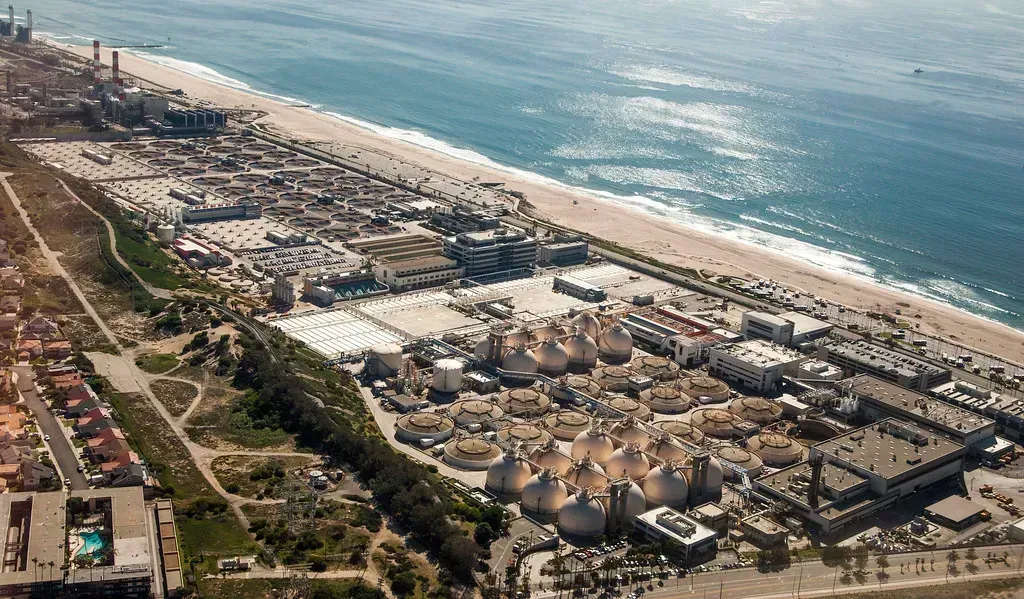
Los Angeles has long depended on water that travels hundreds of miles to reach it, a setup that becomes riskier every time drought tightens its grip on the Colorado River or the Sierra snowpack. Los Angeles relies heavily on water imported from hundreds of miles away and from the Colorado River, which is running dry from overextraction and climate change. City officials have responded by investing in the idea of turning wastewater into a drinking water source rather than a disposal problem.
City officials have been promoting water reuse, including recycling wastewater for drinking, with the long-term goal of scaling up the Hyperion Water Reclamation Plant in Playa Del Rey. That expansion is a multi-decade undertaking rather than a quick fix, reflecting just how much infrastructure a city of nearly four million people needs to rebuild before recycled water can meaningfully replace imported supplies.
San Diego, California
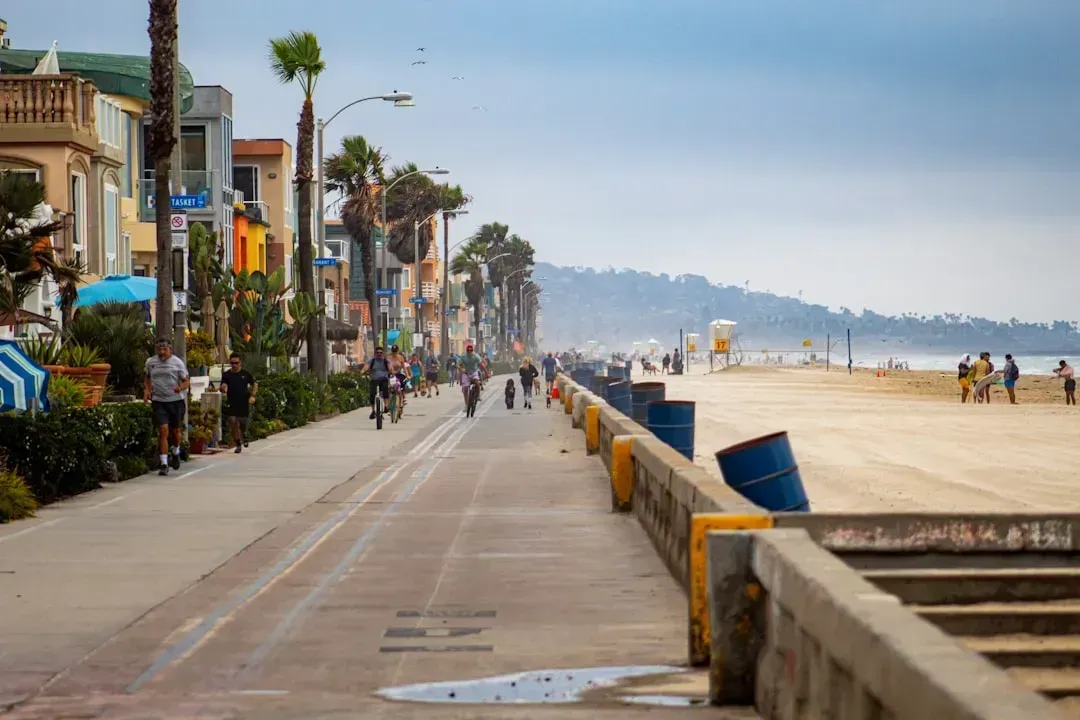
San Diego has spent the past several years building out its Pure Water San Diego program, a multi-phase system that treats wastewater to drinking water standards before returning it to the city’s reservoirs. The approach mirrors what El Paso is doing with direct distribution, though San Diego’s version routes purified water through a reservoir first, giving it an added layer of environmental buffering before it reaches taps.
The program has been framed by city planners as a long-term hedge against imported water costs and availability, since San Diego historically bought the vast majority of its supply from outside sources. Construction has continued in phases through the middle of this decade, with the utility describing the project as central to reducing the city’s reliance on the Colorado River and Northern California aqueducts over time.
Tampa Bay, Florida
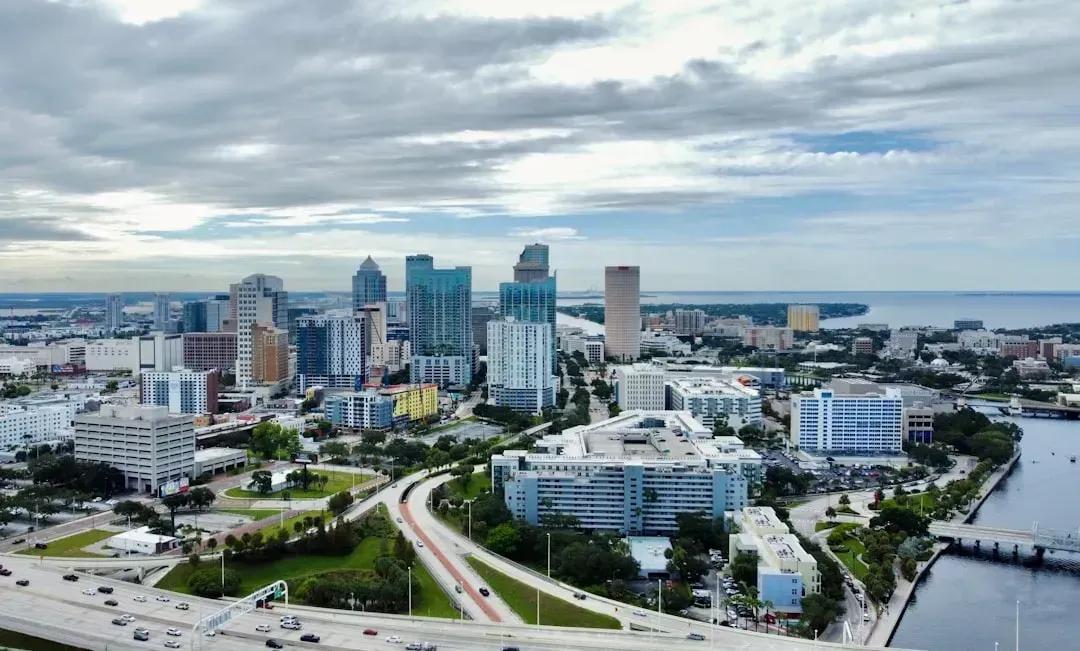
Florida’s water challenges look different from the arid Southwest, but they are no less pressing, particularly around saltwater intrusion and growing demand. Tampa Bay’s answer has been to pull drinking water straight from the sea. The Tampa Bay Seawater Desalination facility is a drought-proof, alternative water supply providing up to 25 million gallons per day of drinking water to more than 2.5 million people in the region.
The plant benefits from an unusual partnership with a nearby power station. It sits next to Tampa Electric’s Big Bend Power Station, capturing warm seawater the power plant already withdraws, separating it into drinking water and concentrated seawater before diluting and returning the brine to the bay. Originally built in 2003, the facility is the second-largest seawater desalination plant in the United States, and it underwent a major reverse osmosis upgrade that was fully operational by January 2025, delivered on schedule and within budget.
Denver, Colorado
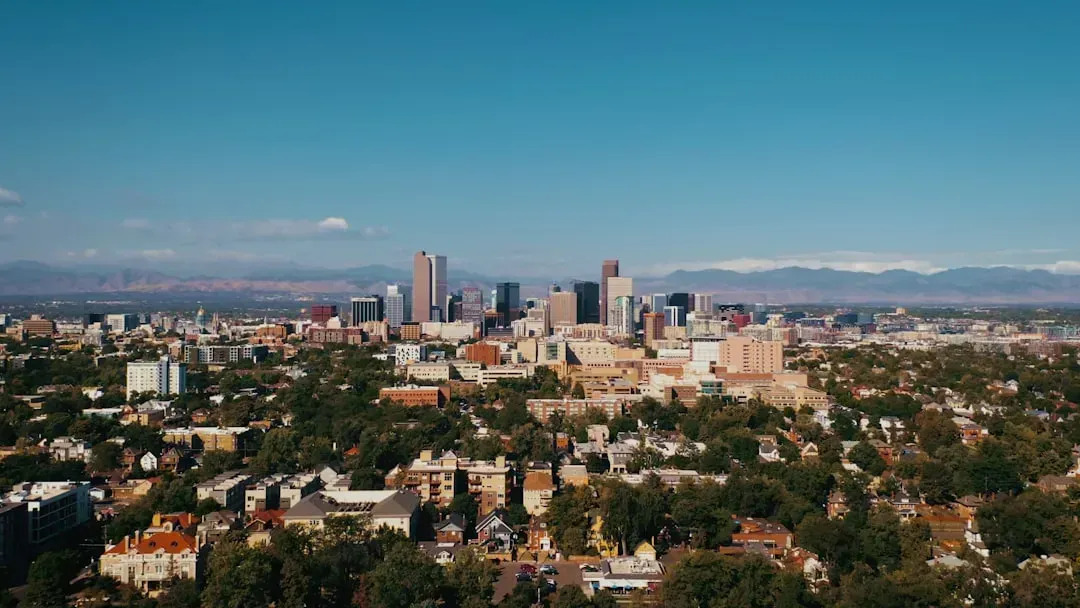
Denver’s water problem is less about a single dwindling river and more about squeezing extra capacity out of the mountain snowpack it already relies on. Construction is underway on the Gross Reservoir Expansion Project, raising the height of the dam by 131 feet and nearly tripling the reservoir’s capacity from about 42,000 acre-feet to 119,000 acre-feet. That is a significant physical undertaking, essentially building a bigger bucket to catch more of the water that already falls as snow each winter.
Denver Water has also leaned on a less conventional tool for decades: seeding clouds over the Rockies to encourage more snowfall. Generators introduce an ice-forming nucleating agent, such as silver iodide, into the appropriate cloud regions to boost precipitation. It is a modest intervention compared to a reservoir expansion, but paired together, the two approaches reflect a utility trying to increase supply at both the small and the massive scale at once.
None of these nine projects promises a permanent fix. Rivers will keep shrinking in dry years, and populations in most of these metro areas are still growing faster than their traditional water sources can support. What connects El Paso’s purification plant, Denver’s taller dam, and Tucson’s water-sharing agreements is a shared willingness to treat scarcity as a planning problem rather than a crisis to react to after the fact, and that shift in posture may end up mattering as much as any single pipeline or treatment plant.
