

- Phantom Energy Sucking Power 24/7 – 7 Home Electronics Quietly Inflating Utility Bills - November 14, 2026
- A Million-Mile Storm Raging for Centuries – 6 Violent Weather Wonders in Our System - November 14, 2026
- Animals Flee Hours Before the Tremor – 7 Natural Warnings Before Disasters Strike - November 14, 2026
Before supermarkets sold stock in cartons, most home cooks simply kept a pot on the back of the stove and threw the trimmings into it. Nothing about that habit was trendy. It was thrift, and it happened to taste good.
Professional kitchens run on the same logic, because wasted trim is wasted money. Here are nine scrap uses that have moved from old family kitchens into restaurant practice, with the reasoning behind each.
Vegetable Scrap Stock
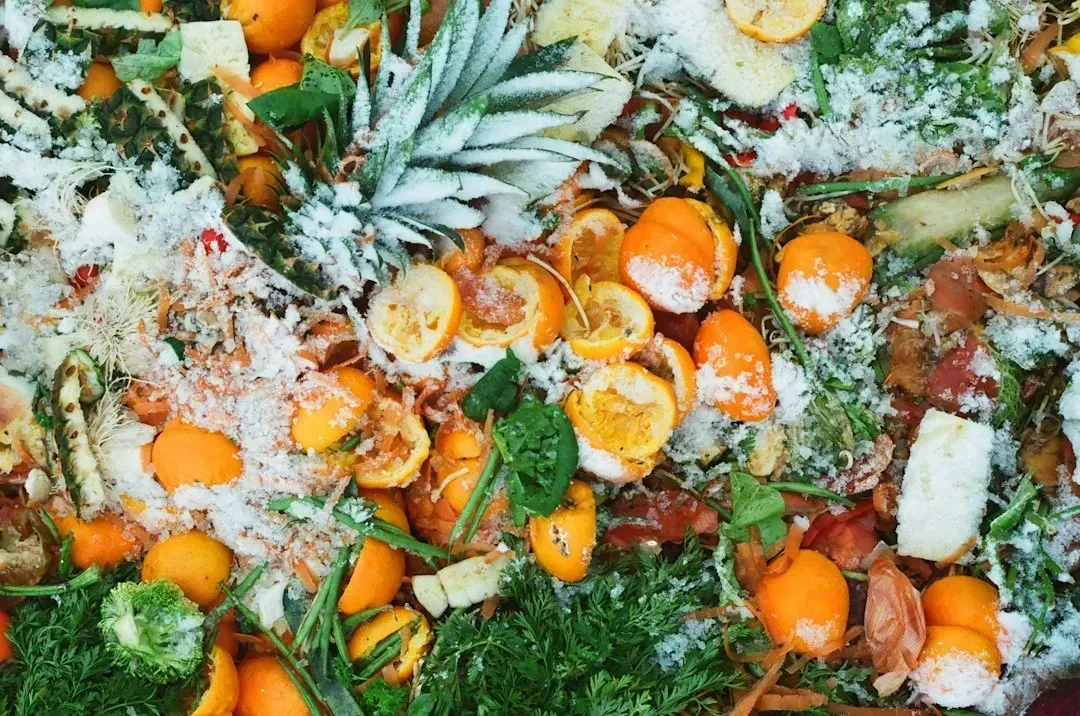
Onion skins, carrot ends, celery leaves and mushroom stems all carry flavor that most people toss. Keep a bag in the freezer and add to it until it’s full, then simmer everything with water for about an hour. Strain it and you have a base for soups, grains and sauces.
Chefs like this because it turns a cost into an ingredient. One thing to watch is the mix. Cabbage family scraps and beet peels can dominate or turn bitter, so use them sparingly.
Parmesan Rind Broth Booster
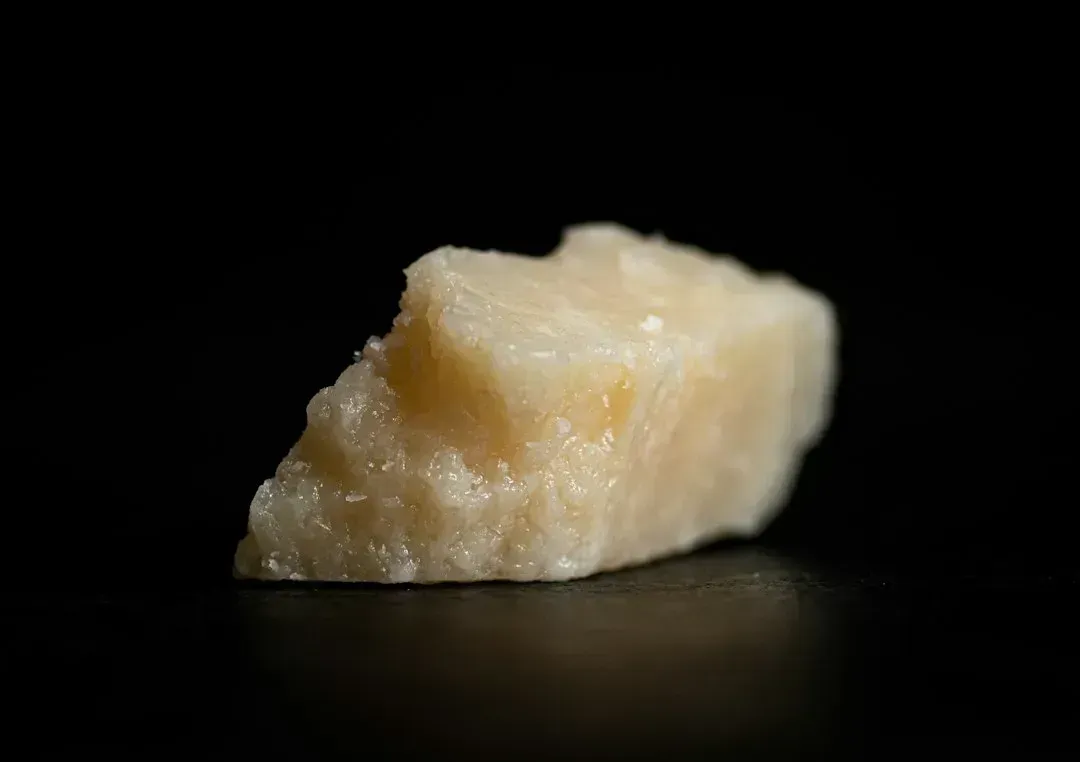
The hard rind of Parmigiano Reggiano is edible in principle but too tough to chew. Dropped into a simmering pot of minestrone, beans or tomato sauce, it softens and releases savory, salty depth. Italian home cooks have done this for generations.
Fish it out before serving, or cut the softened rind into small pieces if you enjoy the chew. Store spare rinds in the freezer so they’re ready whenever a soup needs a little more body.
Stale Bread Crumbs and Panzanella
Dry bread is the base of several classic dishes, including Tuscan panzanella and ribollita. Cube it, toast it, or blitz it into crumbs for coating cutlets and topping baked pasta. Because it’s already dry, it absorbs dressing and broth without turning to mush.
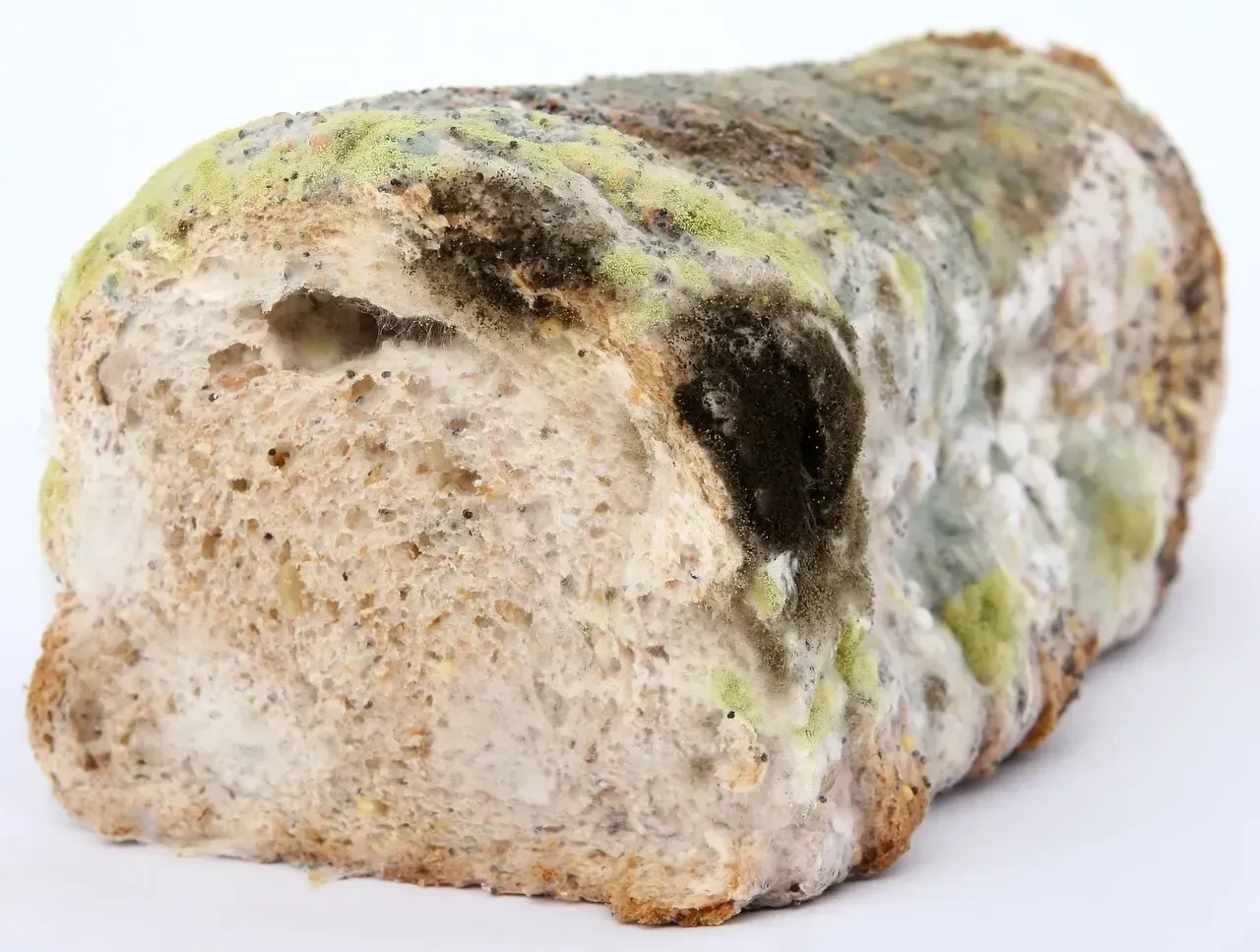
Many restaurants use day-old loaves this way as a matter of routine. If your bread is moldy, though, discard it. Mold can spread through soft bread beyond what’s visible.
Citrus Peel Zest, Oil and Sugar
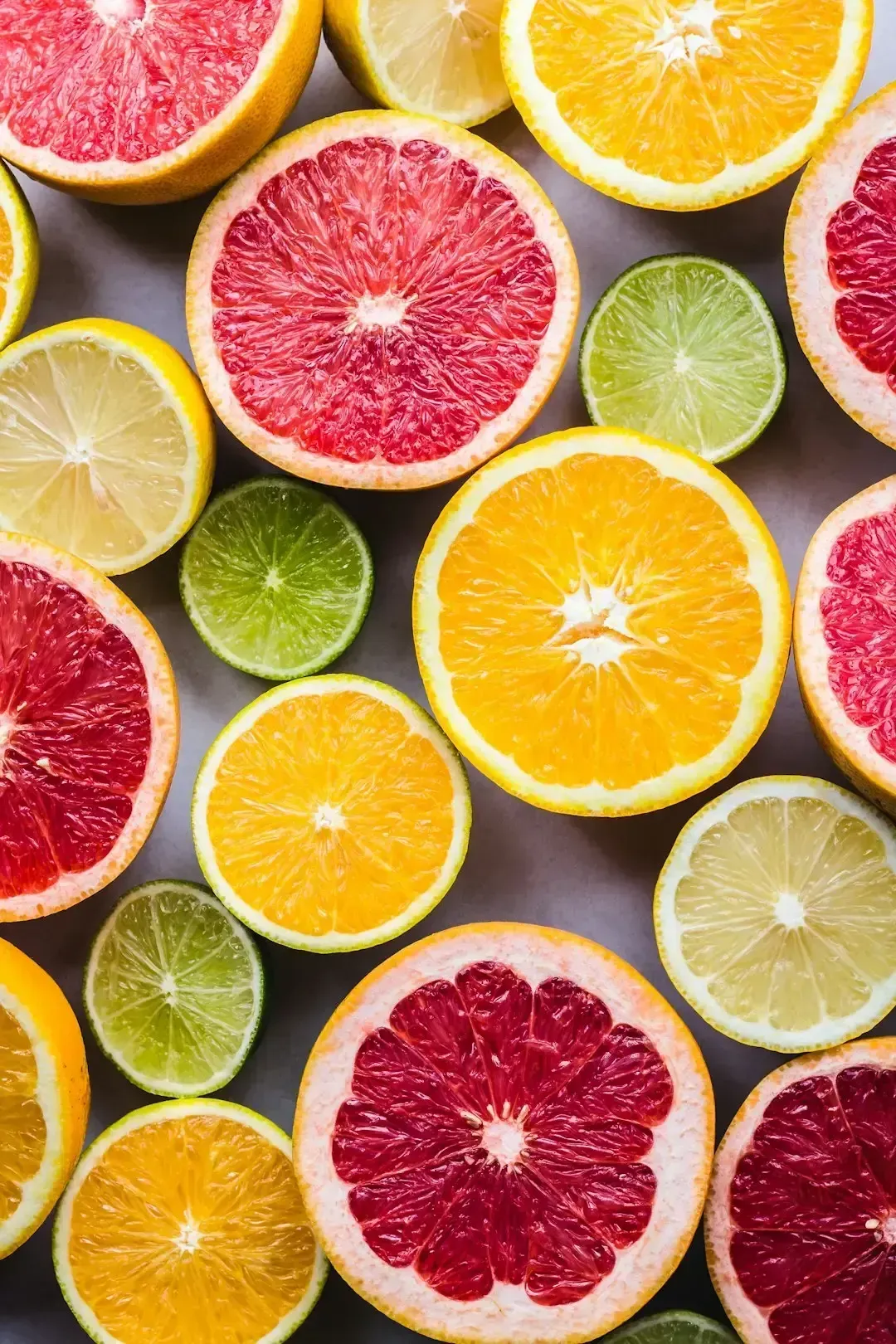
Citrus peels are rich in aromatic oils. Strip the zest before juicing and freeze it, or rub it into sugar to make a fragrant flavoring for baking and drinks. Peels can also be candied by simmering them in syrup, a technique long used in European kitchens.
Wash the fruit well first, ideally choosing unwaxed or organic if you’ll eat the peel. Chefs favor this approach because the zest delivers brighter flavor than juice does.
Herb Stems in Sauces and Oils
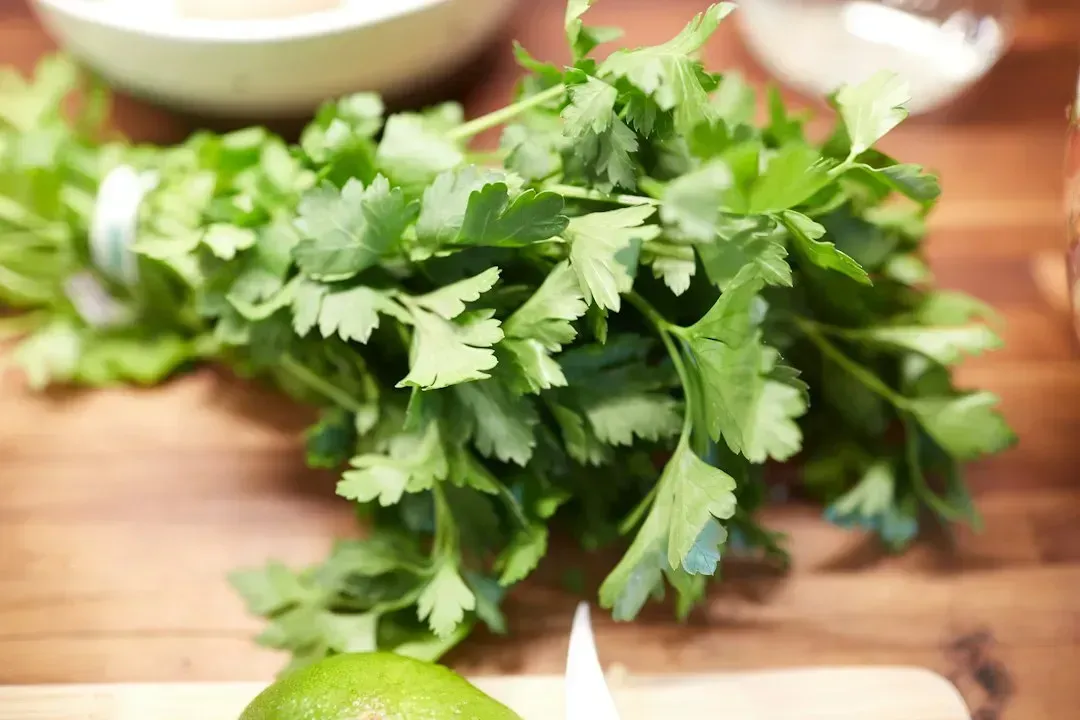
Parsley, cilantro and basil stems are often more flavorful than the leaves. Chop them finely into salsas, chimichurri or green sauces, or simmer them into stocks. Cilantro stems in particular are a staple in many Thai and Mexican recipes.
Soft stems can go straight into the blender with a little oil. Woody stems, such as rosemary, are better used whole to flavor a braise and then removed.
Cooking With Rendered Fat
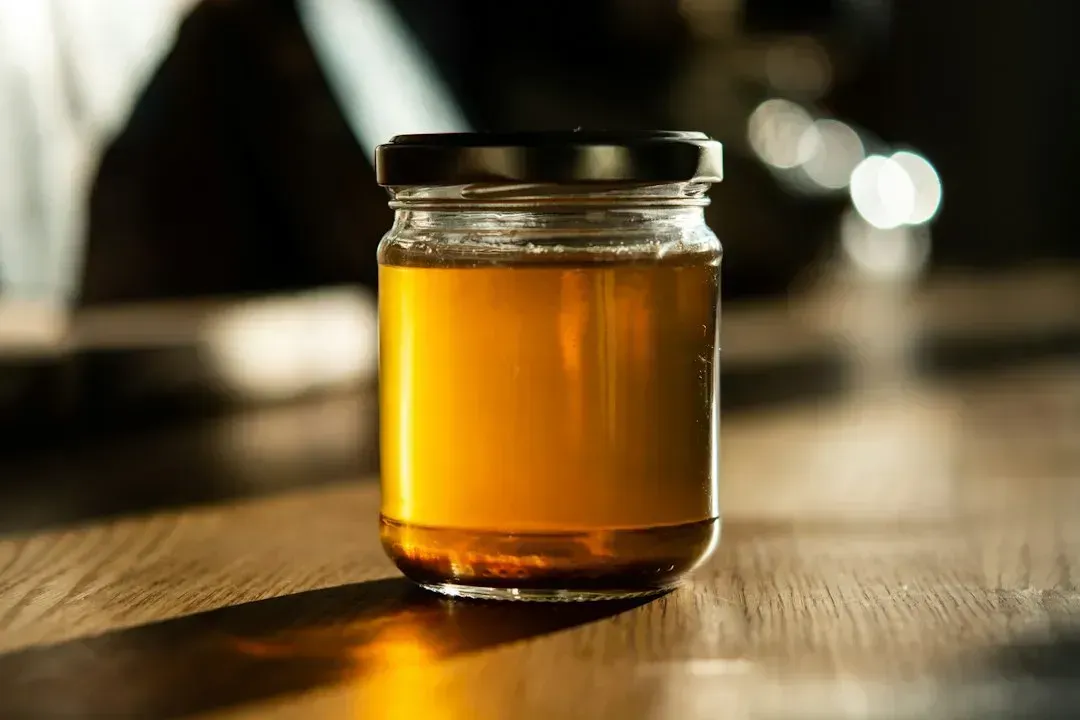
Bacon drippings and poultry fat were once kept in a jar by the stove. They’re excellent for frying potatoes, searing greens or adding richness to beans. Schmaltz, rendered chicken fat, is a traditional staple in Jewish cooking.
Strain the fat through a fine sieve into a clean container and refrigerate it. Use it within a few weeks, and never pour it down the drain, where it can clog pipes.
Vegetable Peel Chips
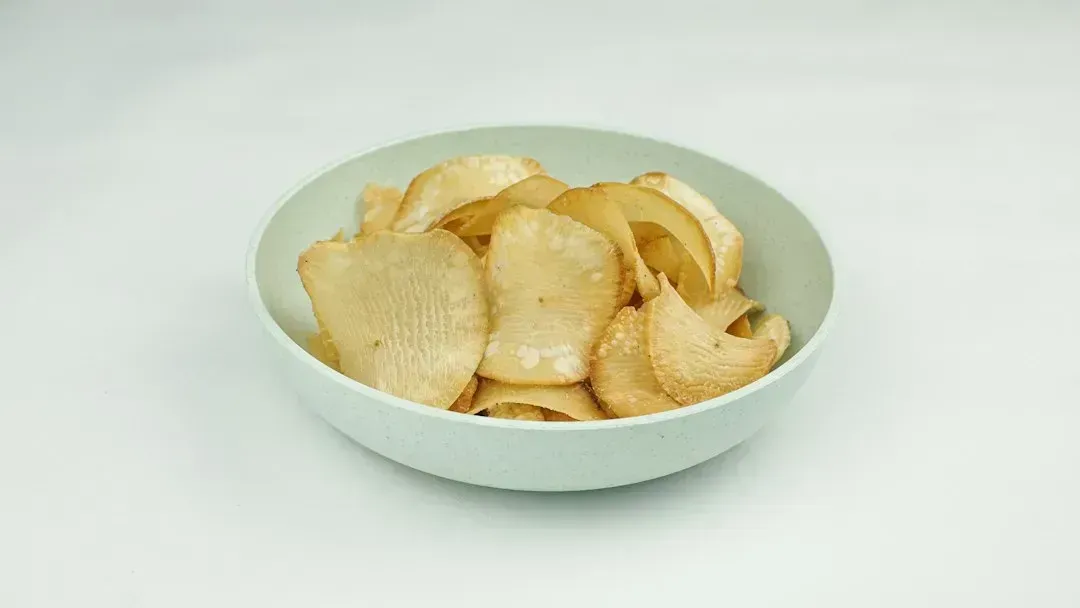
Potato, parsnip and carrot peels crisp up well in the oven. Toss them with a little oil and salt, then bake until browned at moderate heat, watching closely since thin peels burn fast. The result is a snack that costs almost nothing.
Scrub the vegetables thoroughly beforehand. Avoid potato skins that have turned green, since green areas can contain higher levels of solanine, a natural compound that can cause illness.
Homemade Vinegar From Fruit Scraps
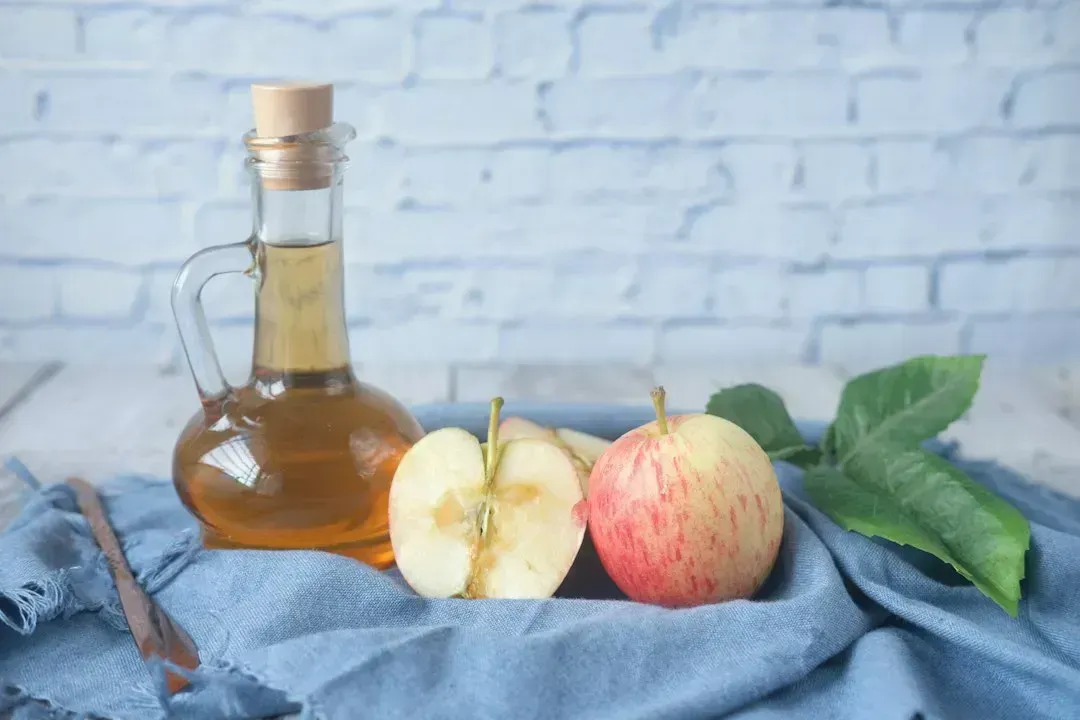
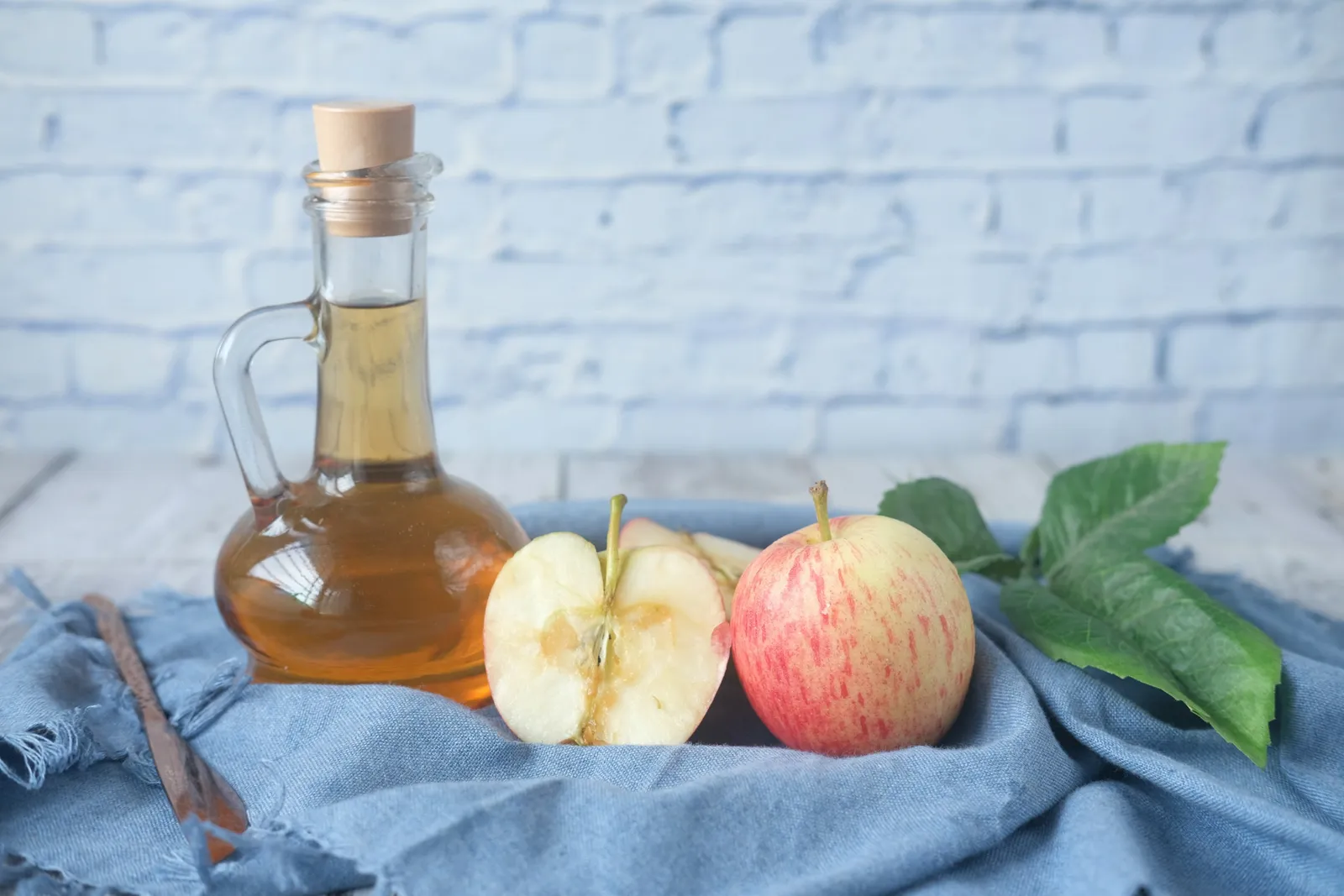
Apple cores and peels can be fermented into vinegar, a method long used in rural households. Cover the scraps with sugared water, let them ferment for a couple of weeks, then strain and leave the liquid to sour further. It takes patience but little else.
Modern chefs use scrap vinegars to add acidity with a distinctive fruit character. Keep the jar covered with cloth, and discard it if you see fuzzy mold on the surface.
Coffee Grounds and Eggshells in the Garden
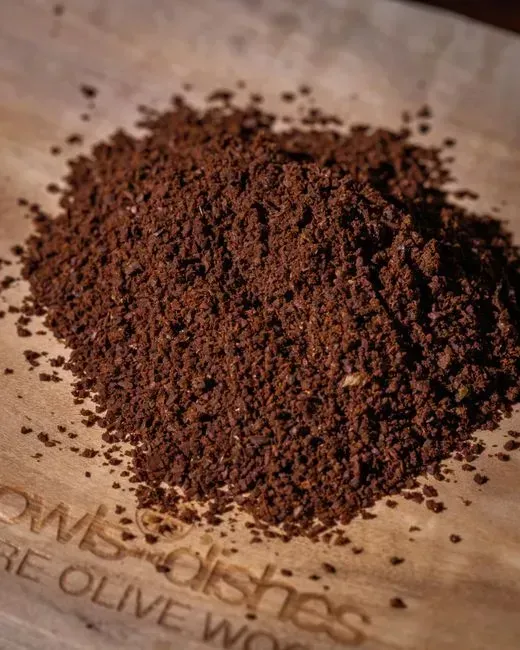
Used coffee grounds and crushed eggshells can go into compost, where they add nitrogen and calcium over time. Grounds are best mixed in moderation rather than dumped thickly on soil. Gardeners have recycled both for generations.
Composting also keeps organic waste out of landfills, where it produces methane. The U.S. Environmental Protection Agency lists food waste as a major component of municipal solid waste, which is why many cities now run food scrap collection programs.
