


- The Compostable Cup Left Intact for Years – 5 Backyard Composting Failures - November 15, 2026
- Fast-Fashion “Conscious” Lines Under Scrutiny – 5 Red Flags in Eco-Clothing - November 15, 2026
- Space Engineers Explain 5 Quiet Changes Making Rocket Launches Safer Than Ever - November 15, 2026
A gentle afternoon shower can seem like very little. A thin film on the windshield, a few puddles by the curb. Spread that same inch of rain across a single acre of land, though, and the volume becomes surprisingly large.
The math is simple, and it’s useful for farmers, gardeners, engineers, and anyone who has watched a driveway turn into a stream. Here are the numbers, along with what they mean in practice.
The Core Number: About 27,154 Gallons
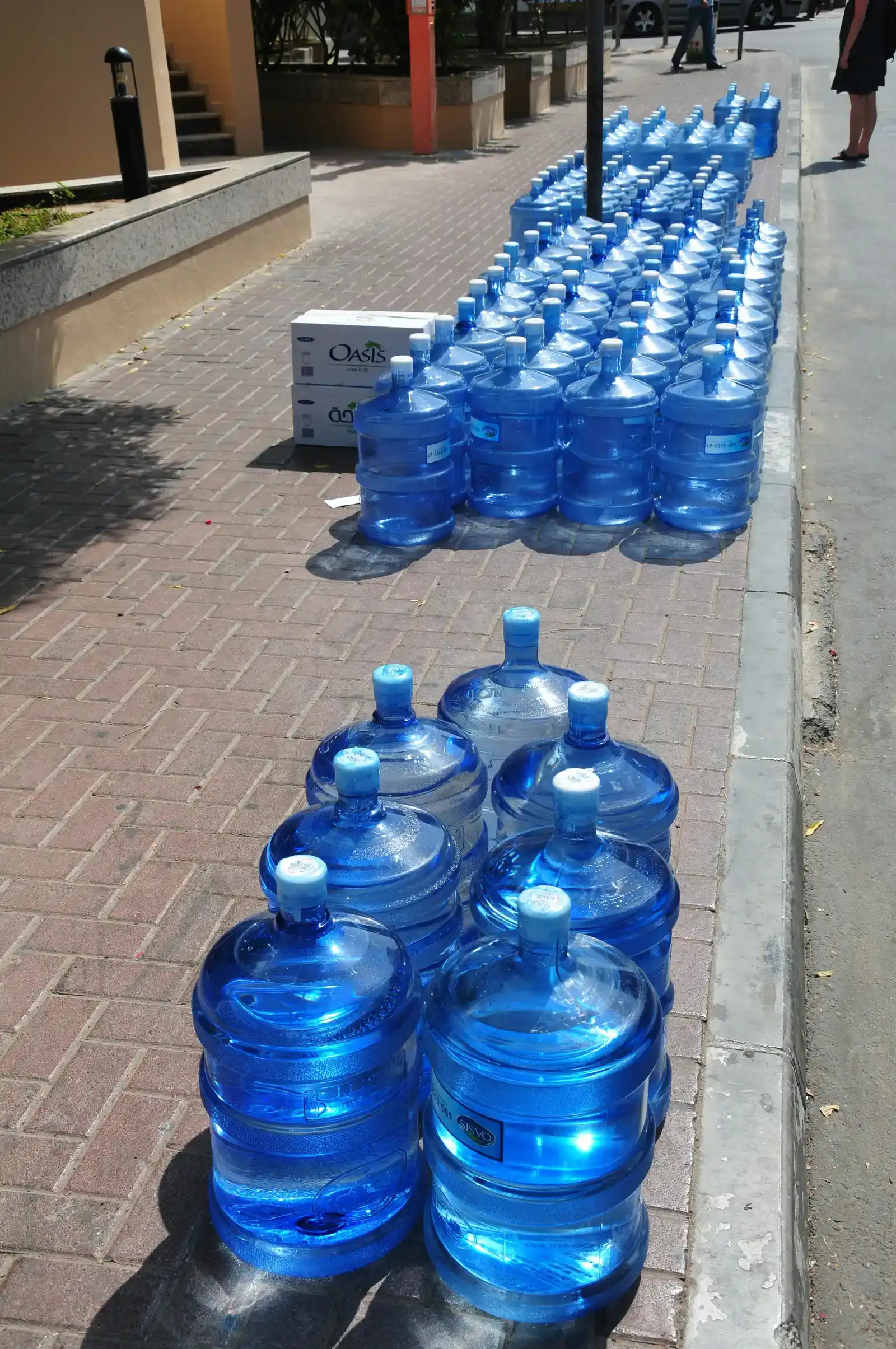
One inch of rain falling on one acre equals roughly 27,154 gallons of water. This figure is widely used by the U.S. Geological Survey and by university extension services. It’s a handy benchmark for anything involving rainfall and land area.
Most people round it to about 27,000 gallons. That’s close enough for quick planning, though the exact figure matters when you’re sizing equipment or checking a water budget.
How the Calculation Works
An acre is defined as 43,560 square feet. An inch is one twelfth of a foot, so the water forms a layer about 0.0833 feet deep. Multiply the two and you get roughly 3,630 cubic feet of water.
A cubic foot holds about 7.48 gallons. Multiply 3,630 by 7.48 and you land at the familiar figure of just over 27,000 gallons. Nothing exotic is involved, only unit conversion.
What That Weighs

Water weighs about 8.34 pounds per gallon. Applied to 27,154 gallons, that comes to roughly 226,000 pounds. In other words, one inch of rain on an acre weighs somewhere around 113 tons.
That’s about the weight of a fully loaded large passenger jet, spread invisibly over a plot of land about the size of an American football field without the end zones. It’s a good reminder of why saturated soil and wet roofs carry real loads.
Converting to Cubic Meters and Liters
For readers who use metric, the numbers are just as tidy. One inch is 25.4 millimeters, and one acre is about 4,047 square meters. That works out to about 103 cubic meters of water.
In liters, that’s roughly 103,000. A standard backyard swimming pool often holds somewhere between 40,000 and 80,000 liters, so a single inch of rain on an acre could fill more than one.
Why Farmers Care
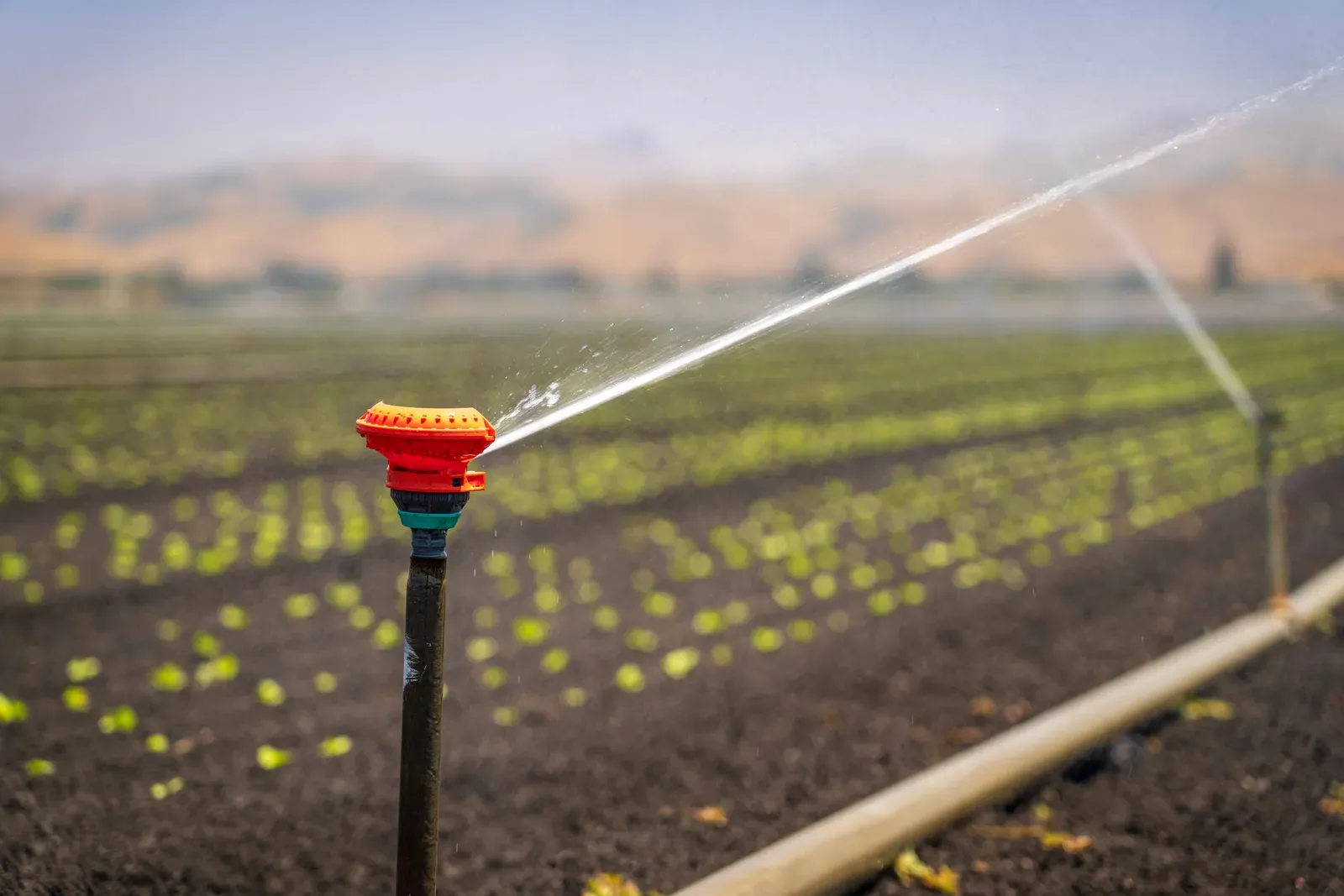
Crop planners often think in inches of water rather than gallons. Many crops need roughly one inch of water per week during active growth, though the amount varies by crop, soil, and climate. That weekly inch equals the 27,000 gallon figure for every acre planted.
For a 100 acre field, one inch of rain delivers roughly 2.7 million gallons. Irrigation managers use this kind of conversion to decide whether a storm has covered the week’s needs or whether pumps still need to run.
The Rooftop Comparison

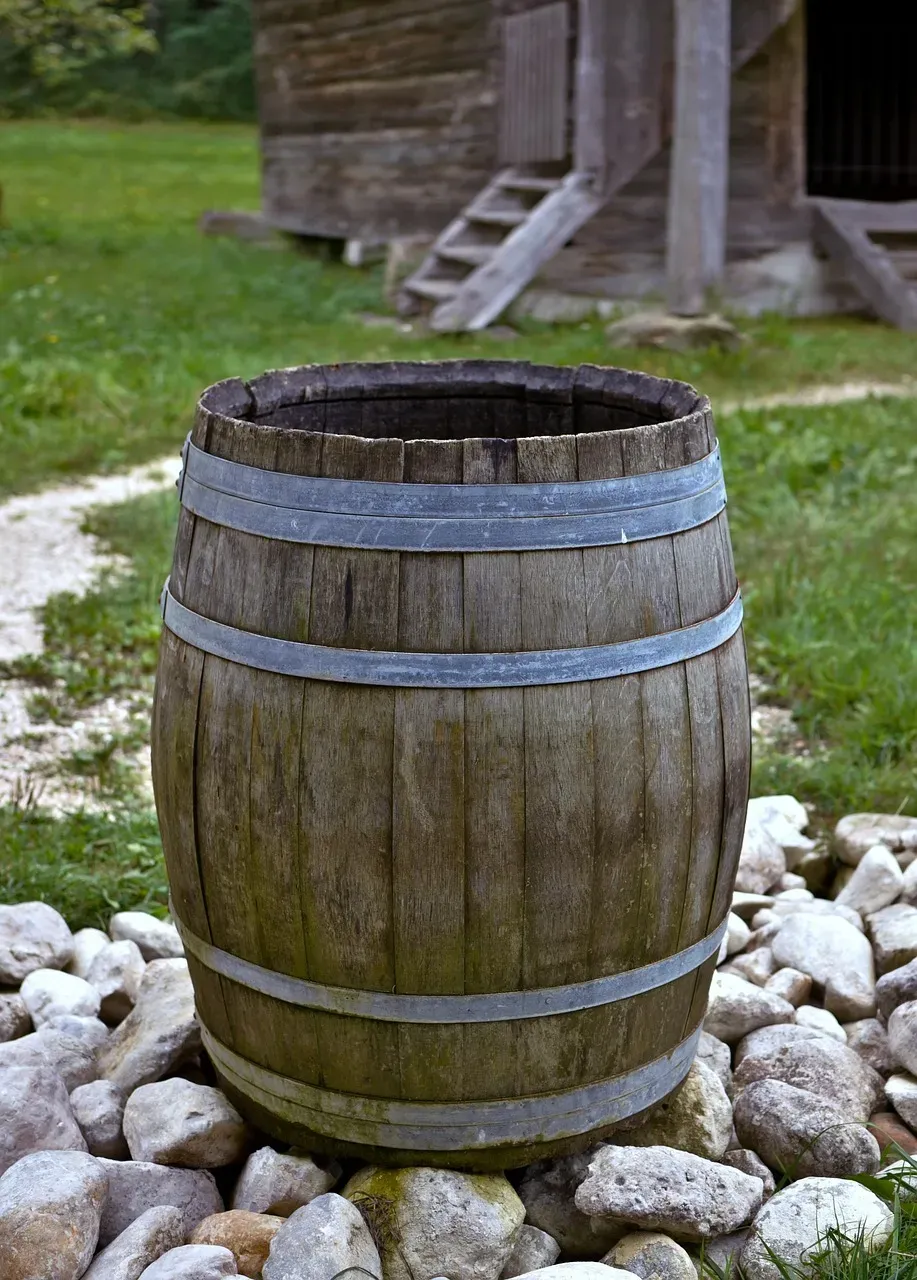
You don’t need an acre to use the same math. A common rule of thumb says that one inch of rain on 1,000 square feet of roof yields about 600 gallons. The ratio holds because the underlying volume per square foot stays the same.
That’s why rain barrel guides often use this shortcut. Real collection runs a bit lower, since some water is lost to splash, evaporation, and first flush diversion.
Runoff and Stormwater Planning
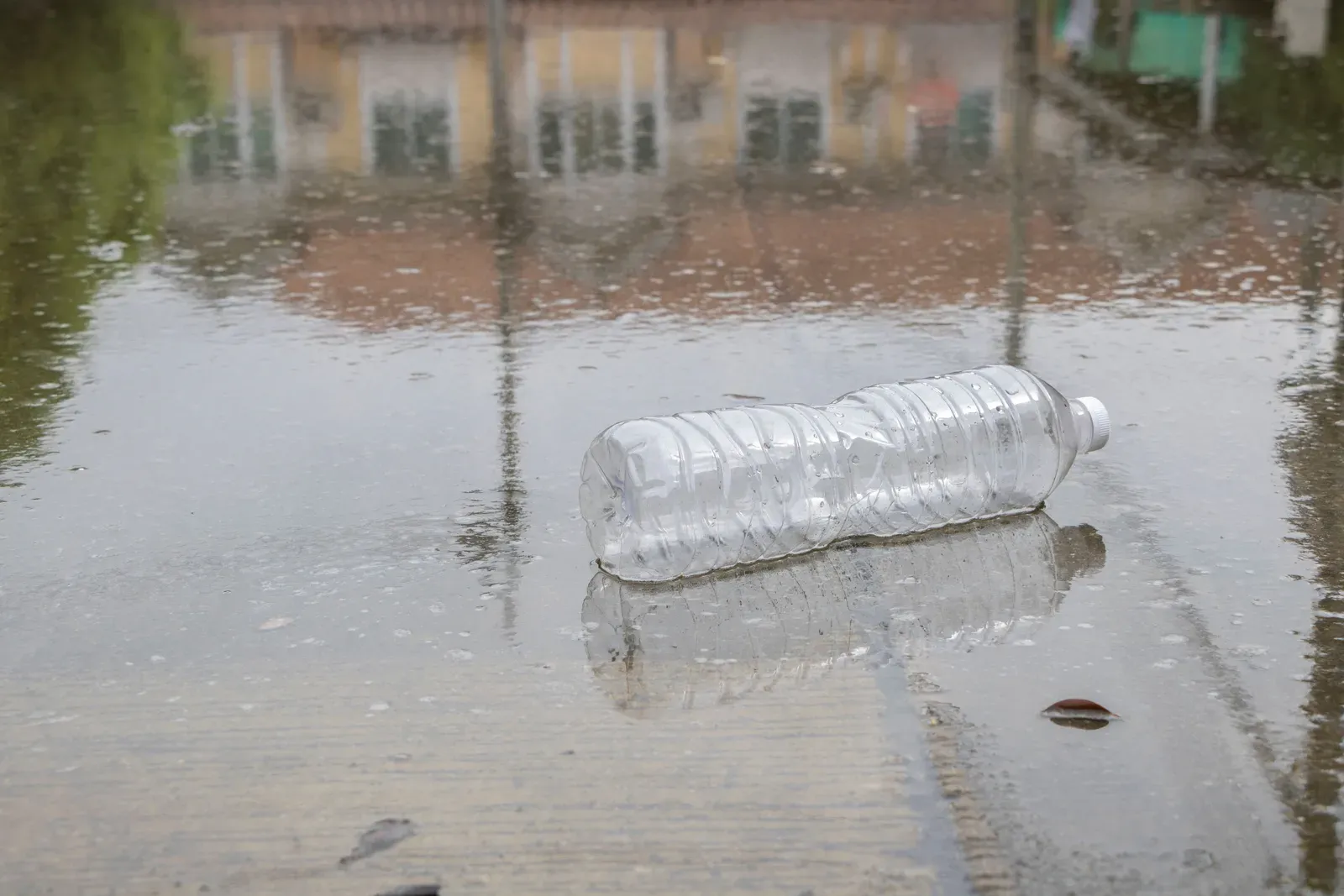
On paved or heavily built surfaces, most of that water can’t soak in. A parking lot of one acre can send a large share of the 27,000 gallons into storm drains, creeks, and rivers in a short period. Natural meadows and forests absorb far more.
Municipal stormwater rules often target the first inch of rainfall for capture or treatment on new developments. Retention ponds, rain gardens, and permeable pavement are designed with volumes like this in mind.
Rainfall Versus Real Soil Absorption

The figure assumes the water stays put and spreads evenly. In reality, slope, soil type, and ground cover decide what happens next. Sandy soil may drink up an inch quickly, while compacted clay can shed much of it.
Gauges also measure only what lands at one spot, so rainfall totals across a large area can vary. Still, the 27,154 gallon number gives a dependable baseline for estimating what any measured inch represents.
Scaling Up to Larger Areas

An acre is a small piece of the map. A square mile contains 640 acres, so one inch of rain over a square mile delivers about 17.4 million gallons. The same inch across a city of 100 square miles brings well over a billion gallons.
Hydrologists and emergency managers use this scaling to understand flood risk and reservoir inflow. A rainfall total that sounds minor on a forecast can add up to enormous volumes once the area is taken into account.
