

For years, one number has dominated the conversation about survivable heat: a wet-bulb temperature of 35°C. It sounds precise, and it’s often repeated as if it were a hard line. The research of the past few years paints a messier and more interesting picture.
The answer depends on humidity, age, sex, activity, and how long a person is exposed. Here’s what laboratory studies and recent modeling work say about where the limits really sit.
Why Wet-Bulb Temperature Matters
Wet-bulb temperature combines heat and humidity into one reading. Scientists use it because moisture in the air can make heat waves far deadlier by blocking the body’s ability to sweat out heat. A thermometer wrapped in a wet cloth gives a rough picture of how well evaporation can cool you.
That’s why 40°C in a dry desert and 33°C in a steamy coastal city can feel very different. Sweat only cools you when it evaporates. When the air is already saturated, that cooling engine stalls.
The Famous 35°C Threshold
The 35°C figure has long been treated as the theoretical top of human tolerance. Heat stress limits for survivability were previously defined by a six hour exposure to a wet-bulb temperature of 35°C. The logic was that at this point skin temperature roughly matches the air, so the body can’t shed heat.
It was a theoretical ceiling, though, not a measured one. Most studies projecting survivability limits with climate change used it without accounting for variations in human physiology. That gap is what newer experiments set out to fill.
What Lab Tests Found at Lower Temperatures
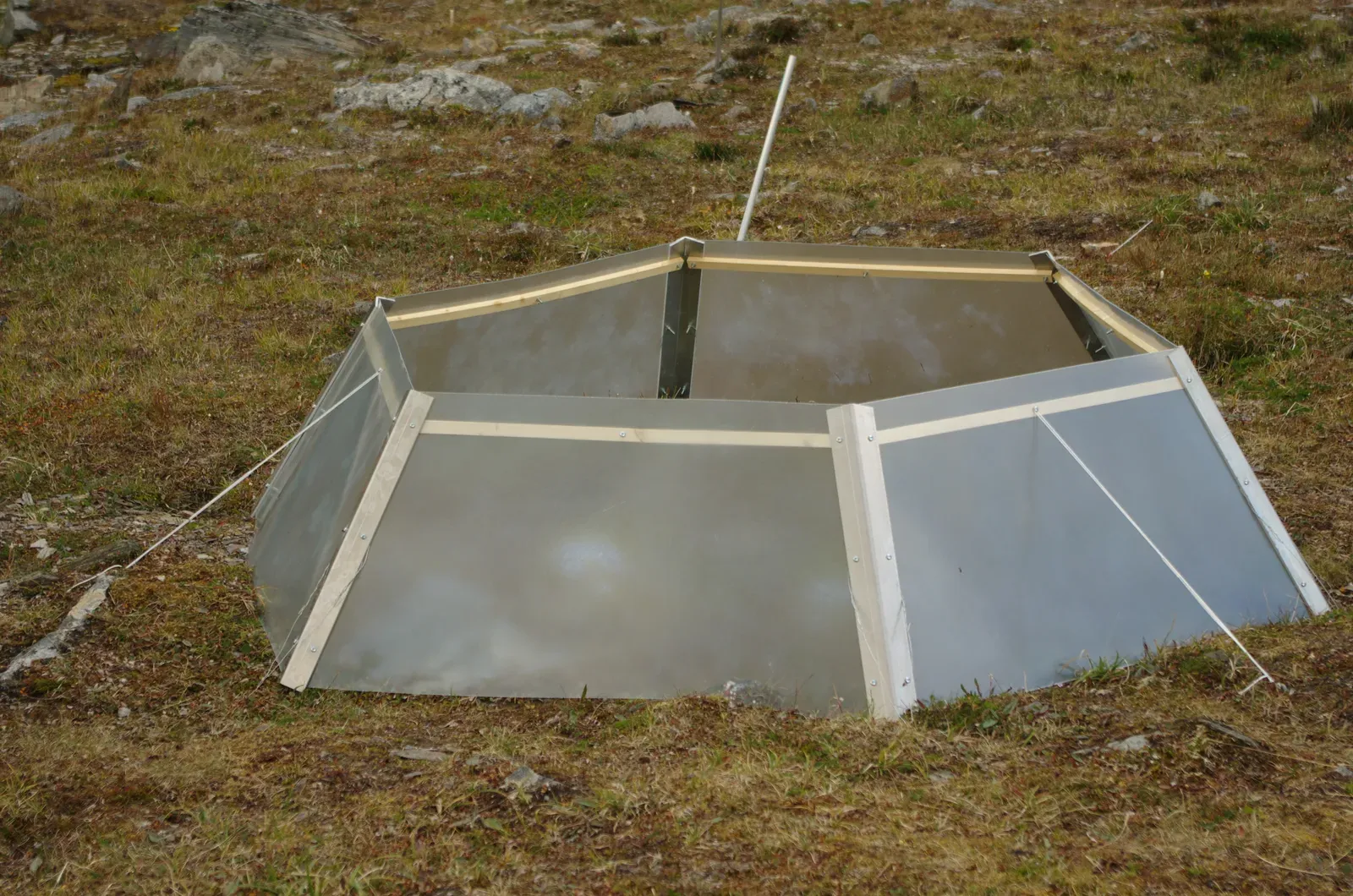
Researchers began putting real people in climate chambers. Those laboratory studies suggested humans cannot effectively thermoregulate above wet-bulb temperatures of about 26 to 31°C, well below the publicized 35°C. The threshold varied with conditions, including whether the air was dry or humid.
One experiment, for example, seated participants seminude in a chamber held at 42°C air temperature and 28 percent relative humidity, which works out to a wet-bulb of 26.8°C. Even that relatively modest wet-bulb reading, in very hot dry air, pushed the body past what it could compensate for.
The 2025 Prolonged Exposure Study

A study published in 2026 in Environment International looked at longer exposures. Healthy, unacclimatized young men and women were exposed to wet-bulb levels of 32, 33, 34, and 35°C for up to eight hours while doing seated light office work with unrestricted hydration. It’s one of the more careful attempts to test the old limit directly.
The results were nuanced. Conditions at 32 to 33°C were compensable, while 34 to 35°C were uncompensable, with core temperature climbing steadily over time. So the body held steady at the lower levels but not at the upper ones.
How Long Can You Last at 35°C?

Uncompensable doesn’t mean instantly deadly. At 35°C, projected times to life-threatening hyperthermia were 7.1 to 7.7 hours in males and 8.3 to 8.6 hours in females. Those are projections from rising core temperatures, not outcomes anyone was allowed to reach.
The cooler the air, the longer the margin. In males, estimated tolerance times were 12.5 to 12.9 hours at 34°C, compared with roughly seven hours at 35°C. A single degree, in other words, changes the clock considerably.
Differences Between Men and Women

Sex showed up as a consistent factor. Females had slower rates of core temperature rise in the prolonged exposure trials. A separate preprint from September 2025, which hasn’t been peer reviewed, reported a similar pattern: females consistently tolerated extreme humid heat longer than males in controlled trials.
These were small samples of healthy young adults, so the findings don’t map neatly onto everyone. Older adults, people with chronic illness, and those on certain medications face different risks, and lab volunteers rarely represent them.
Dry Heat Is Not Safer

It’s tempting to assume that humidity is the whole story. It isn’t. A physiology based analysis found the 35°C wet-bulb model vastly underestimates risk in hot, dry conditions. Extremely high air temperatures can overwhelm the body even when humidity is low.
A 2026 paper in Nature Communications reached a related conclusion. Extremely hot yet dry conditions were found to be just as deadly as hot and humid ones. Sweating costs the body water, and heat gained from the surrounding air can exceed what evaporation removes.
Deadly Conditions Are Already Happening
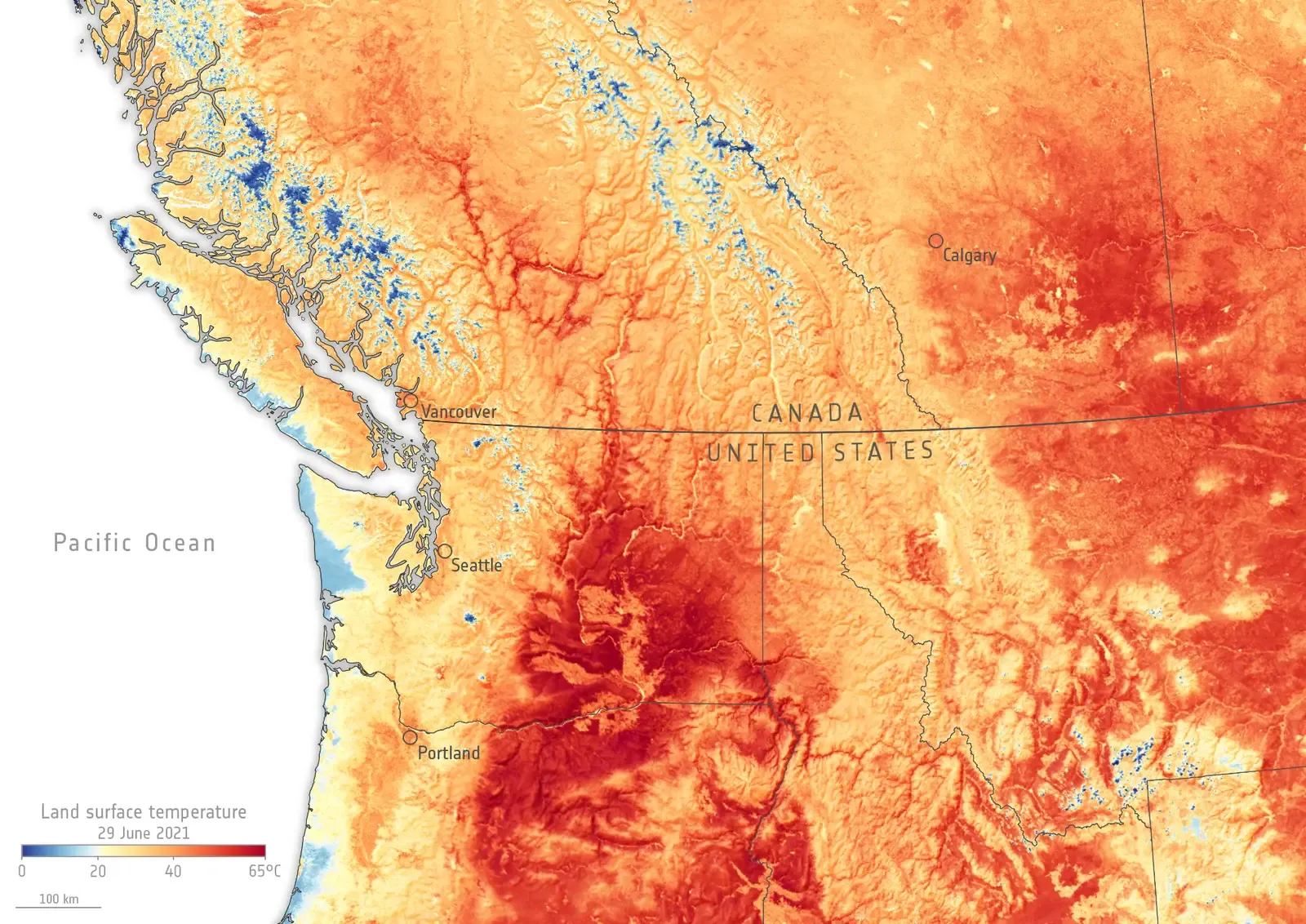
The same Nature Communications analysis applied a physiology based model, called HEAT-Lim, to real events. It examined six historical heat events that were climatologically extreme or linked to high heat related mortality. The goal was to see whether non-survivable thresholds had already been crossed.
The answer was yes. Non-survivable conditions occurred during present day heat events, all at wet-bulb temperatures below 35°C. That suggests the old threshold may have given a false sense of distance from danger.
Why Hydration and Behavior Still Count

Lab limits describe resting people in controlled settings, and real life offers more options. The 2025 preprint reported that hydration and behavioral cooling extended survival beyond the six hour theoretical limit. Shade, water, lighter clothing, and cooler rooms all buy time.
Policy hasn’t caught up with the science. No operational heat early warning system or heat action plan explicitly uses a 35°C wet-bulb threshold, and no single heat stress index has proven universally reliable for public alerts. Wet-bulb globe temperature remains a widely used index, but researchers note it needs specialized measurements.
Where the Science Stands
The 35°C wet-bulb line still appears in headlines, yet the evidence shows it is neither a clean cutoff nor a safe boundary below it. Healthy young adults can compensate at 32 to 33°C for hours, but vulnerable people, hot dry conditions, and physical exertion can bring danger at much lower readings. Tolerance depends on the person, the setting, and the time spent in the heat.
Some of the strongest recent findings come from small lab groups and a preprint still awaiting peer review, so the numbers will likely be refined further. What looks settled is that real world heat limits sit lower than the old theoretical ceiling for many people.

- The Shoreline Sucked Dry in Seconds – 5 Tsunami Signals Beachgoers Mistake for Low Tide - November 14, 2026
- 9 Dark-Sky Destinations Around the World Where the Stars Look Unreal - November 14, 2026
- The Fault Line That Never Slips – 7 Locked Seismic Zones Overdue for a Massive Release - November 14, 2026
