


The Honeymoon Phase Was Real
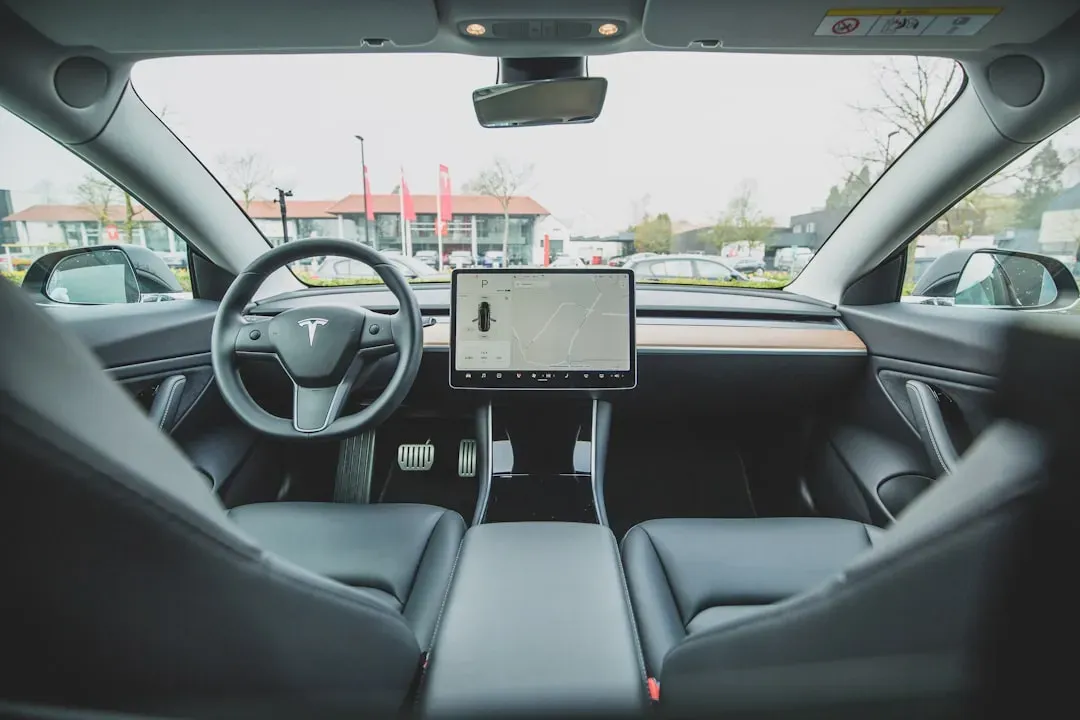
There’s no pretending the first few months weren’t genuinely fun. The instant torque is startling in the best way, the over-the-air software updates feel like something from another decade, and waking up every morning to a “full tank” without ever stopping at a gas station is a quietly satisfying thing. Those aren’t small perks. They’re real.
The vehicle delivers impressive performance with rapid acceleration, smooth handling, and a quiet, comfortable ride. Owners consistently praise the advanced technology, including over-the-air software updates, autopilot features, and the intuitive touchscreen interface. For daily commuting, especially in an urban environment with a home charger, the Tesla ownership experience genuinely lives up to the hype.
What the Data Says About Who Stays and Who Leaves
A substantial seventy percent of Tesla owners simply get another Tesla, an incredible loyalty figure. Another ten percent buy other EVs, with Rivian winning nearly ten percent of those who switch. Just thirteen percent of Tesla owners traded their cars in for gas vehicles. That’s a far cry from the viral headlines that suggested the majority were fleeing back to combustion engines.
Still, the picture isn’t uniformly rosy. Nearly thirty percent of electric vehicle owners globally are likely to switch back to internal combustion engine vehicles, according to a McKinsey survey of consumers around the world. Many U.S. EV owners, in particular, are having second thoughts. The reasons behind that hesitation are worth taking seriously, because they’re not irrational.
Range Anxiety Doesn’t Disappear, It Just Changes Shape
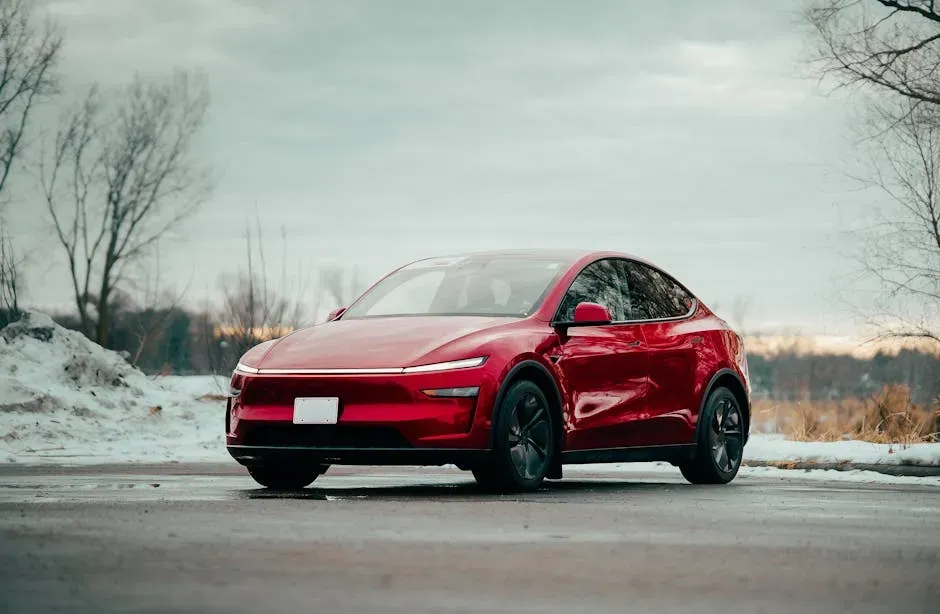
A 2025 Model 3 rear-wheel-drive version delivers roughly 210 to 230 miles of real-world highway range at 70 to 75 miles per hour in mild temperatures, while the Long Range variant manages around 270 to 295 miles under the same conditions. Those numbers are reasonable. The complication is that real life doesn’t always cooperate with mild temperatures or moderate speeds.
Cold weather hurts twice: battery chemistry becomes less efficient, and the cabin heater adds additional load. Sub-freezing highway trips can reduce effective range by another twenty to thirty percent if the driver hasn’t preconditioned the battery. Cold weather can significantly impact battery performance, reducing range by up to thirty percent. For drivers in the northern states or high-altitude areas, that’s not a hypothetical edge case. It’s a winter reality.
The Charging Experience Is More Complicated Than It Looks
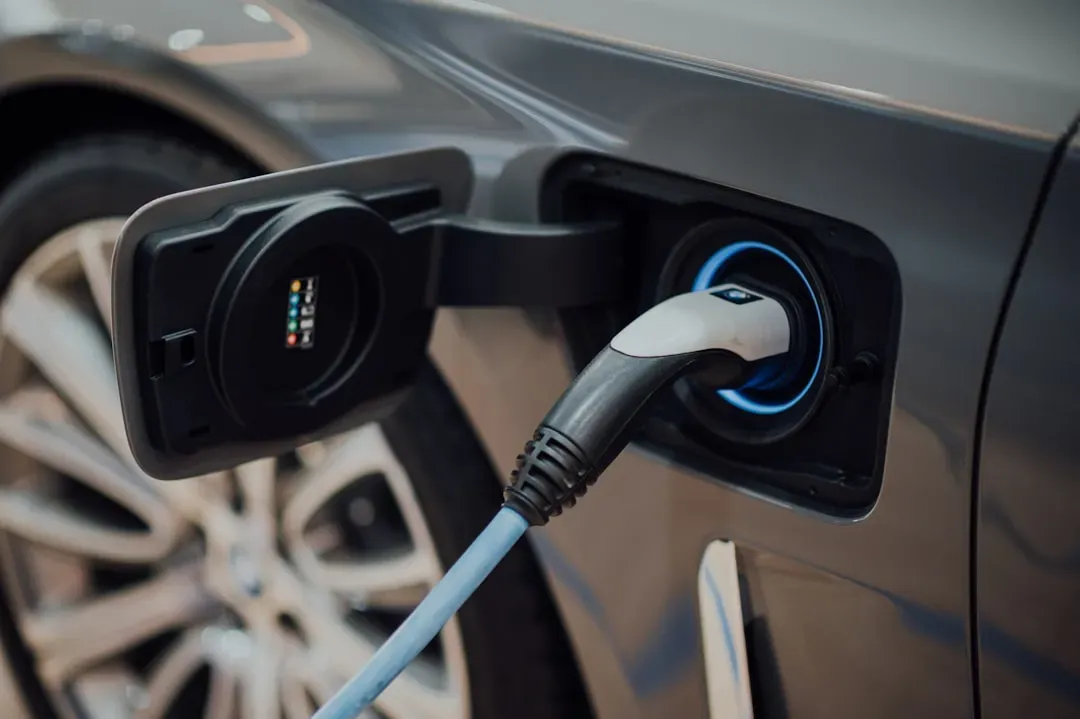
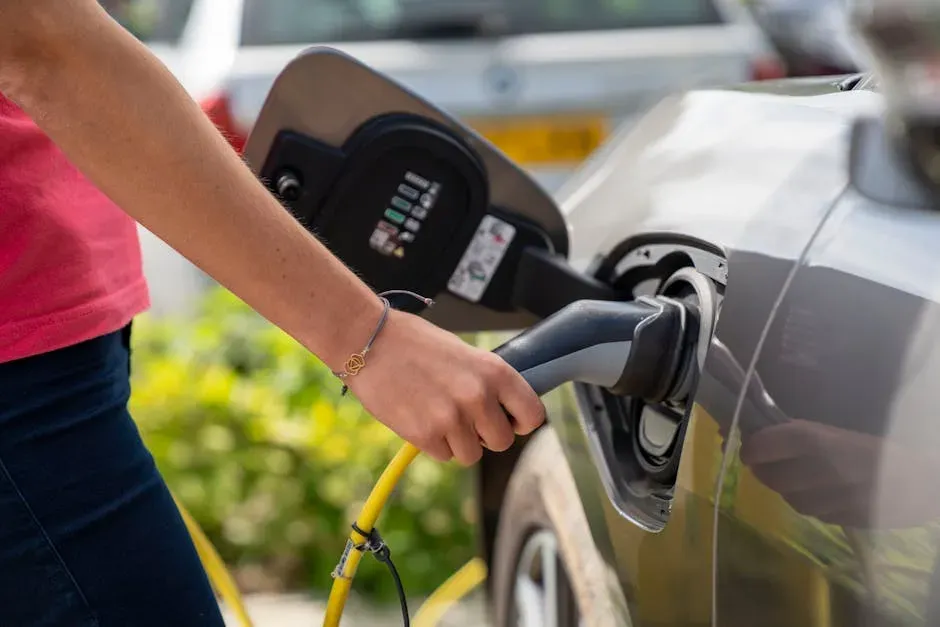
The lack of adequate public charging infrastructure remains a major issue. There are large disparities in the distribution of EV chargers. In the U.S., sixty percent of urban residents live less than a mile from the nearest public charger, compared to forty-one percent of suburban residents and only seventeen percent of rural residents. For city dwellers with a home charger, this barely registers. For everyone else, it’s a daily variable.
Public charger availability not only remains the least satisfying aspect of owning a battery electric vehicle, but the experience actually became notably worse during 2024 according to J.D. Power’s annual EV ownership study. The good news is that things have begun to improve. Among mass market BEV owners, satisfaction with public charger availability rose eighty-six points year over year as infrastructure buildout continued and brands benefited from the opening of the Tesla Supercharger network. Progress is real. It’s just uneven.
The Resale Value Problem Caught Many Owners Off Guard
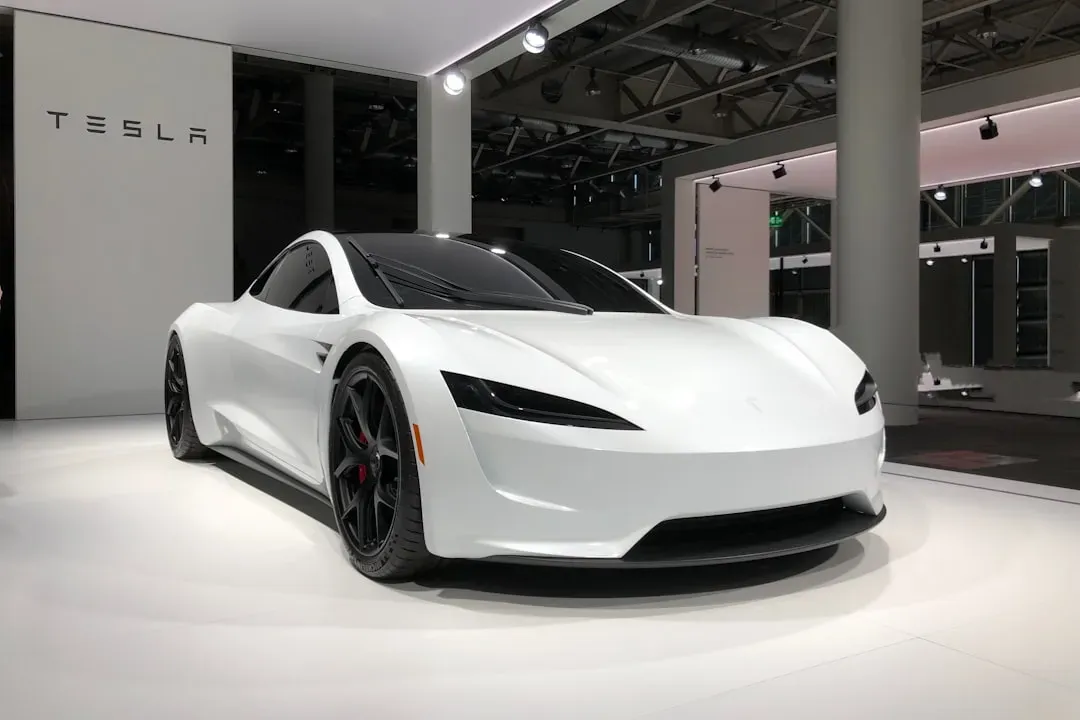
The average price of a Model Y for sale dropped by twenty-five and a half percent between January 2024 and January 2025, and the price of the Model 3 dropped by twenty-five percent. In that same time frame, the average price of a Nissan Maxima only dropped by about five percent. That’s a significant gap, and for owners who bought at peak prices in 2021 or 2022, the financial sting was real.
Tesla repeatedly slashed new vehicle prices from 2022 onward. When a new Model Y suddenly costs five to ten thousand dollars less than it did six months ago, every used Model Y on the market has to follow it down. That instantly compresses resale values, even on cars that are only one or two years old. In recent years, going electric could mean losing a huge amount of a car’s resale value, which became another major turn-off for some current owners.
Reliability Comparisons Are Shifting the Conversation
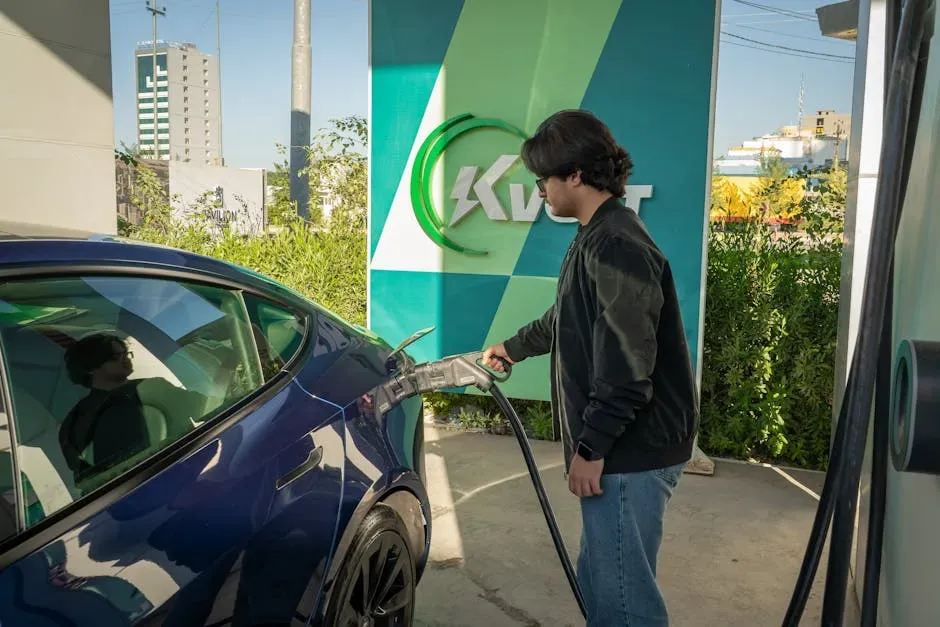
EVs and plug-in hybrids have about eighty percent more problems on average than gas-only cars, according to Consumer Reports. Many of those problems stem from the fact that EVs are newer designs compared to gas technology, so some issues are still being worked out. That figure is worth keeping in perspective, since newer platforms always carry more variability. However, it does explain why some owners found the experience less seamless than expected.
According to J.D. Power’s 2026 U.S. Electric Vehicle Experience Ownership Study, overall satisfaction among current battery electric vehicle owners reached its highest level in the study’s six-year history, hitting an average ownership index score of 786 on a 1,000-point scale among premium brands and 727 for mass-market vehicles. The trajectory is clearly improving. Whether that improvement came fast enough for some owners who already made their decision is another matter.
The Lifestyle Fit Problem Nobody Talks About Enough
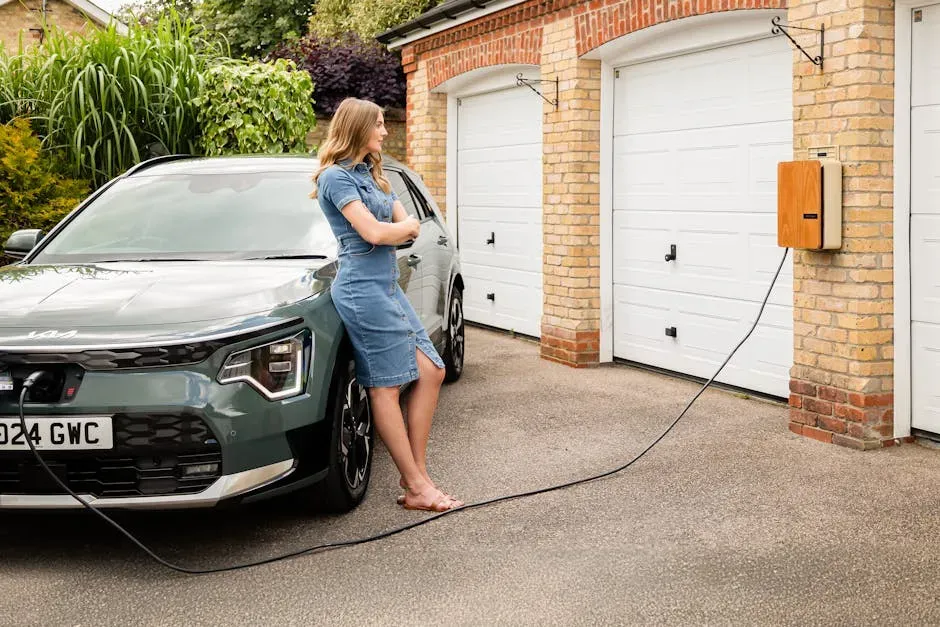
Energy experts found that sixty percent of households with an EV additionally have a large, non-electric vehicle like an SUV, truck, or minivan. Among U.S. households with an EV, roughly thirty-six percent reportedly have more vehicles than drivers, compared to only about twenty-four percent for other households. That statistic quietly reveals something important: for many families, the Tesla became the second or third car, not the primary one.
In homes with multiple cars including an EV, two-thirds of households drive the non-electric vehicle more miles per year. When a Tesla ends up mostly serving short local errands while a gas truck handles everything else, the financial and practical case for keeping the EV weakens considerably. It’s not a failure of the technology. It’s a mismatch of lifestyle.
The EV Tax Credit Removal Changed the Calculus
More than half of battery EV buyers cited tax credits as a reason for purchasing their vehicle, making those incentives among the most influential purchase factors. When the federal EV tax credit program was discontinued in September 2025, it removed a significant financial incentive that had made the initial purchase feel rational for a broad swath of buyers.
EV market share declined sharply following the discontinuation of the federal tax credit program in September 2025, though that dip belies steadily growing customer satisfaction among owners of new EVs. The irony is striking: people who already own EVs are increasingly satisfied, while the pool of new buyers willing to take the leap has narrowed. For someone on the fence about keeping their Tesla, a changing incentive landscape made the switch back to gas easier to justify.
What Long-Term Owners Actually Tend to Say
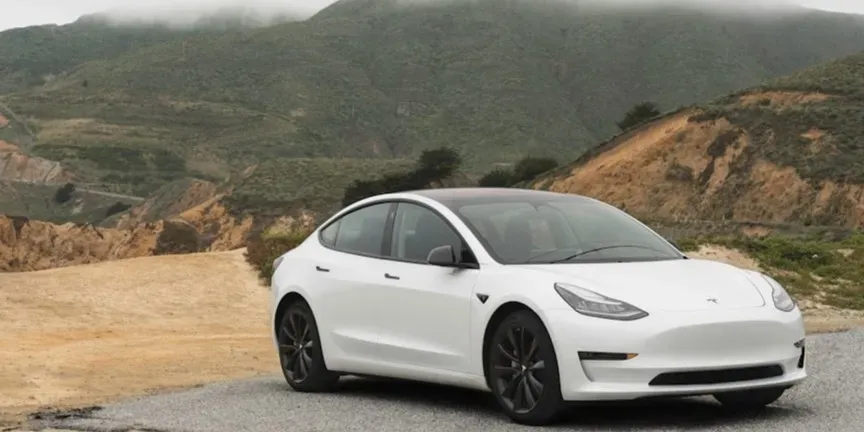
Tesla owners are the least likely EV owners to return to gas-powered cars. Overall, electric car owners are roughly eighteen percent likely to return to gas-powered cars, according to University of California Davis researchers. That means the majority stay. The ones who do leave tend to be those who lack home charging, live in areas with sparse infrastructure, or found that their actual driving patterns didn’t match what an EV does best.
Only twelve percent of EV owners are likely to consider replacing their EV with an internal combustion engine vehicle during their next purchase, according to J.D. Power’s 2025 study. With five years of data and thousands of surveyed owners, it’s apparent that once consumers enter the EV fold, they’re highly likely to remain committed to the technology. The pattern is consistent: those who adapt to the EV rhythm tend to stay. Those who never quite adapted quietly move on.
The Honest Verdict on Switching Back
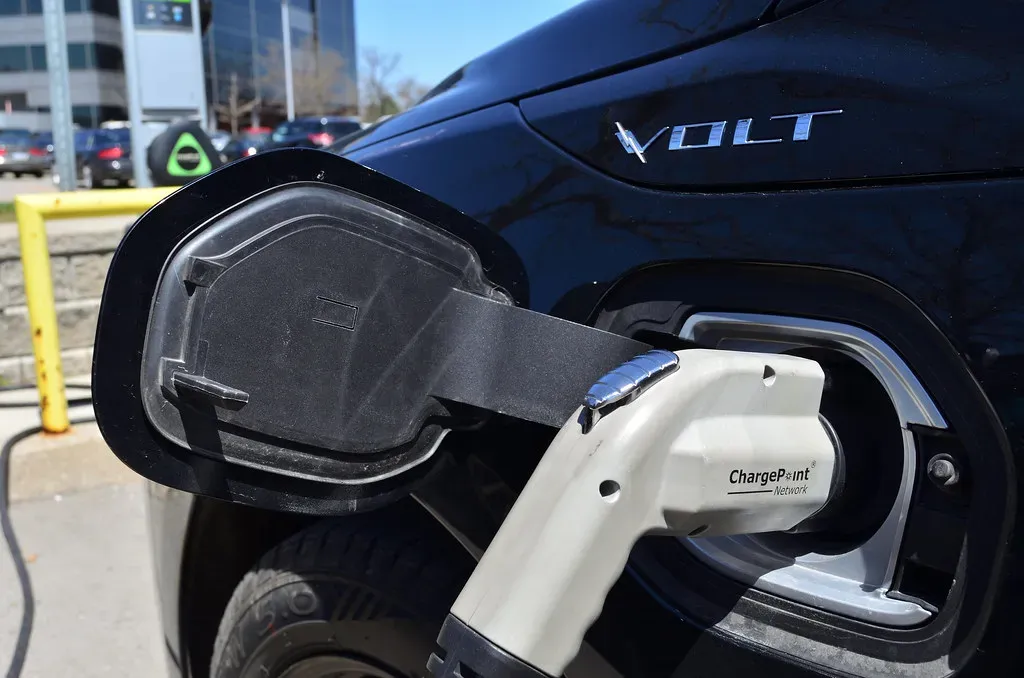
Switching back to gas after a year with a Tesla isn’t a statement about the technology being bad. Most people who do it will tell you the car was genuinely impressive. The acceleration was better, the software was smarter, and the daily convenience of home charging was something they genuinely missed after leaving. The decision is usually about something narrower: a long rural commute, a move to an area with unreliable charging, a financial hit from depreciation, or simply a life that changed in ways the EV couldn’t easily accommodate.
While the EV market has experienced significant volatility during the past year, owner sentiment has never been stronger. According to the J.D. Power 2026 U.S. Electric Vehicle Experience Ownership Study, overall satisfaction is at its highest level since the study’s inception in 2021. Nearly all owners of new battery EVs, ninety-six percent, say they would consider purchasing or leasing another BEV for their next vehicle. The data points to a technology that is steadily winning over the people who stick with it. The people who quietly switch back are often simply those for whom the timing, the infrastructure, or the economics weren’t quite right yet.
