


- The Compostable Cup Left Intact for Years – 5 Backyard Composting Failures - November 15, 2026
- Fast-Fashion “Conscious” Lines Under Scrutiny – 5 Red Flags in Eco-Clothing - November 15, 2026
- Space Engineers Explain 5 Quiet Changes Making Rocket Launches Safer Than Ever - November 15, 2026
The 1990s didn’t lack for weather that stopped people in their tracks. Kids stayed home from school for days, families watched satellite loops on the evening news, and a few storm names became part of everyday vocabulary.
Some of these events changed building codes, forecasting habits, and evacuation plans. Here are eight that shaped the decade, in the order they happened.
The Halloween Nor’easter of 1991

Late in October 1991, a powerful nor’easter collided with the remnants of a hurricane off the New England coast. The result was a huge, long-lasting storm that sent heavy surf crashing onto shorelines from Maine to the Mid-Atlantic. Coastal communities in Massachusetts saw serious erosion and flooding.
The storm is best known for the loss of the fishing boat Andrea Gail and its six crew members. Sebastian Junger’s 1997 book about the disaster, followed by the 2000 film, gave the storm the nickname The Perfect Storm. Few weather events from the decade have stayed in popular memory as long.
Hurricane Andrew in 1992
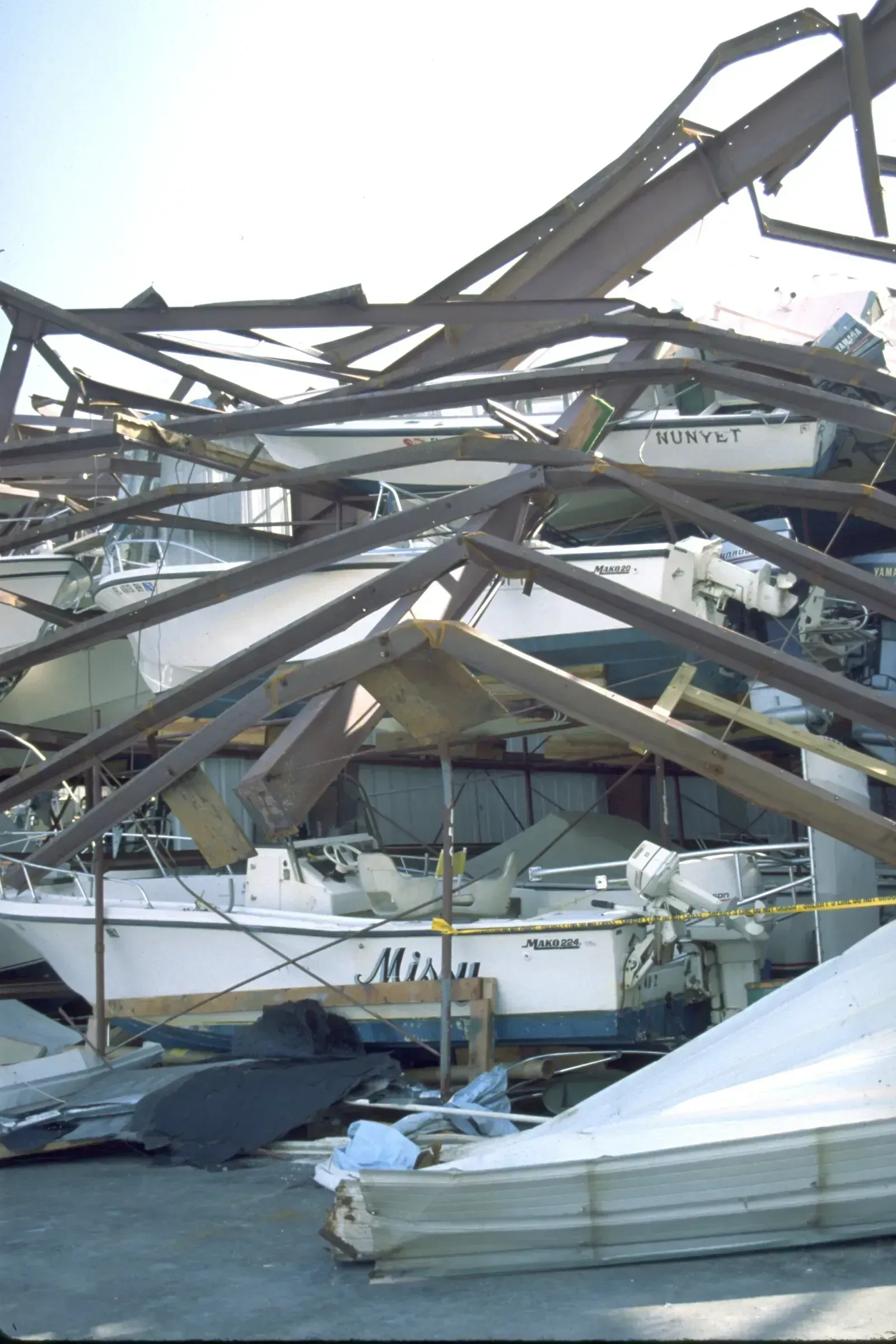
Andrew came ashore near Homestead, Florida, on August 24, 1992. It was a compact but ferocious storm, and it wrecked tens of thousands of homes across South Florida. Damage was estimated at roughly twenty seven billion dollars at the time, which made it the costliest U.S. hurricane up to then.
Forecasters later reviewed the data and upgraded Andrew to a Category 5 at landfall, a change announced in 2002. The destruction pushed Florida to overhaul its building standards and changed how insurers thought about coastal risk. For many people who grew up in the state, Andrew is the storm everything else gets measured against.
The Storm of the Century in March 1993
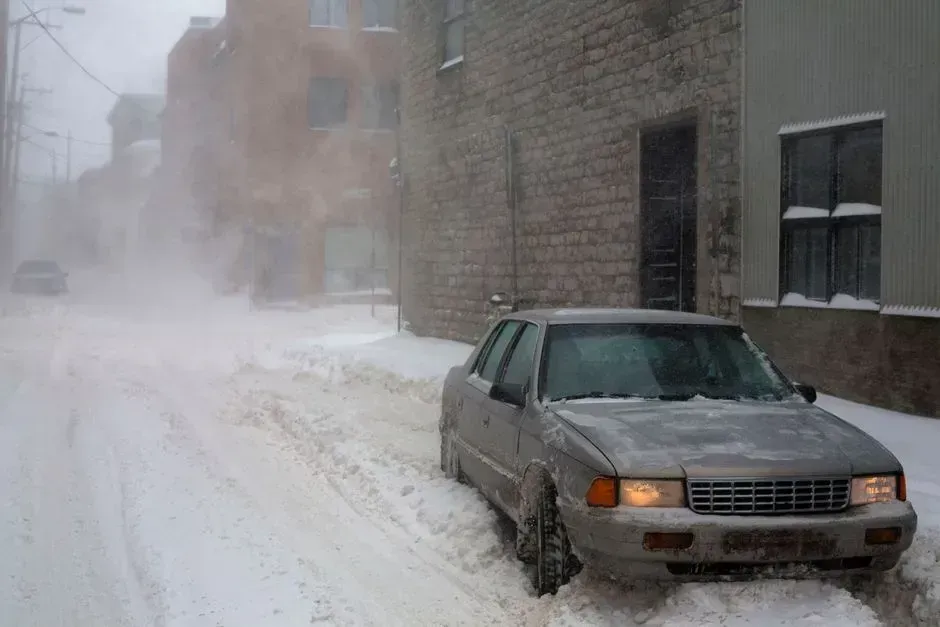
In mid-March 1993, a massive system swept up the eastern United States and affected an area stretching from Cuba to eastern Canada. It brought tornadoes and storm surge to Florida, then dumped heavy snow across the Appalachians and the Northeast. Snow even fell as far south as the Florida Panhandle.
More than 300 deaths were attributed to the storm, including people lost at sea. Its accurate forecast days in advance is often cited as a milestone, since it gave officials time to prepare. Airports closed, highways shut down, and millions of people lost power.
The Great Flood of 1993
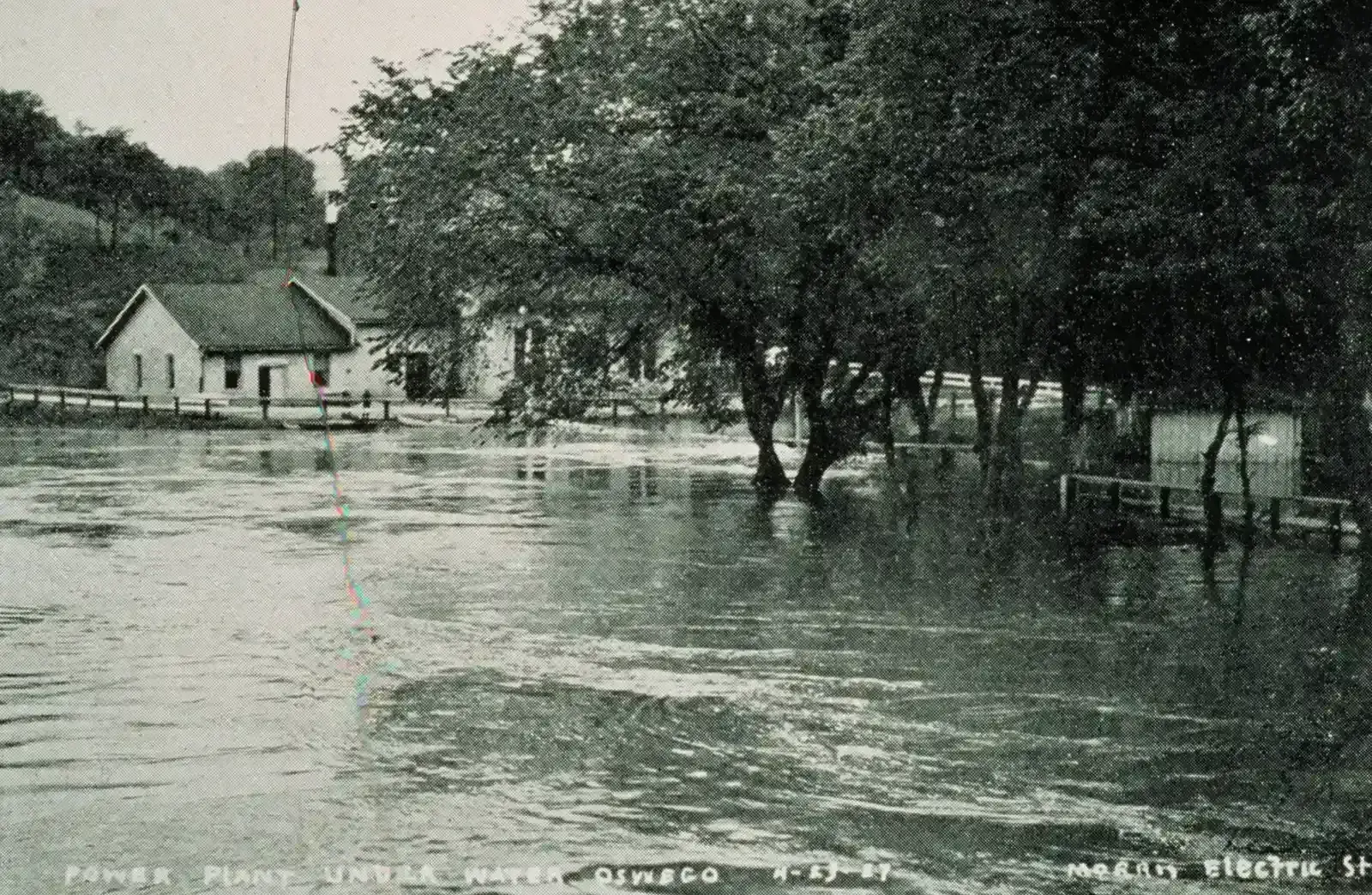
This one crept up on the Midwest over months rather than hours. Persistent heavy rain through spring and summer pushed the Mississippi and Missouri rivers over their banks across a large portion of the upper Midwest. Levees failed in many places, and farmland sat under water for weeks.
The river at St. Louis crested at nearly fifty feet, roughly twenty feet above flood stage, in early August. Damage estimates commonly land around fifteen billion dollars. It remains one of the most costly and widespread river floods in U.S. history.
The Blizzard of 1996
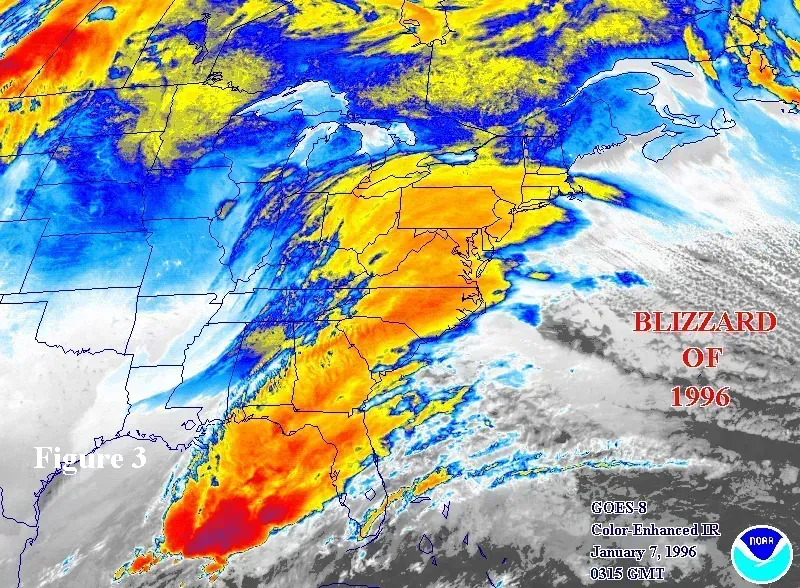
In early January 1996, a blizzard buried the Mid-Atlantic and Northeast, and the snow totals were startling. Philadelphia recorded about thirty inches, a record for the city at that time. Washington, D.C., saw well over a foot, and the federal government shut down for several days.
The aftermath had a second act. A rapid warmup and heavy rain followed within days, and the melting snow caused serious river flooding in parts of the region. Anyone who lived through that January tends to remember both the drifts and the slush.
The North American Ice Storm of 1998
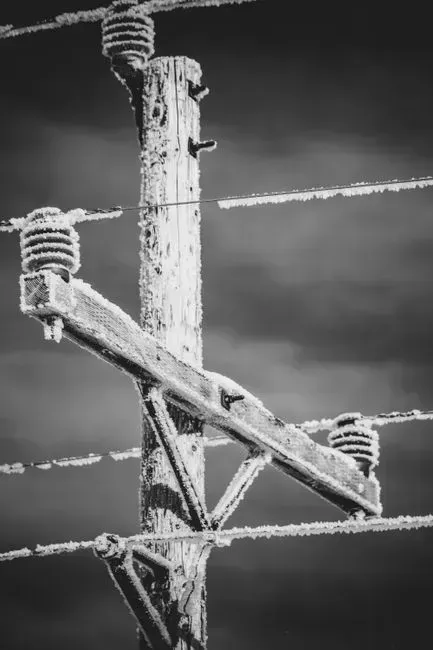
In early January 1998, freezing rain fell for days across northern New York, New England, and southeastern Canada. Ice built up on trees and power lines until they snapped, leaving huge numbers of homes without electricity. Some communities waited weeks for service to return.
Dozens of deaths were linked to the storm across the United States and Canada, many from cold exposure and carbon monoxide poisoning. Quebec was hit hardest, but northern Maine and the Adirondacks also suffered heavy damage. It showed how a modest looking form of precipitation can become a long lasting disaster.
The Oklahoma Tornado Outbreak of May 3, 1999
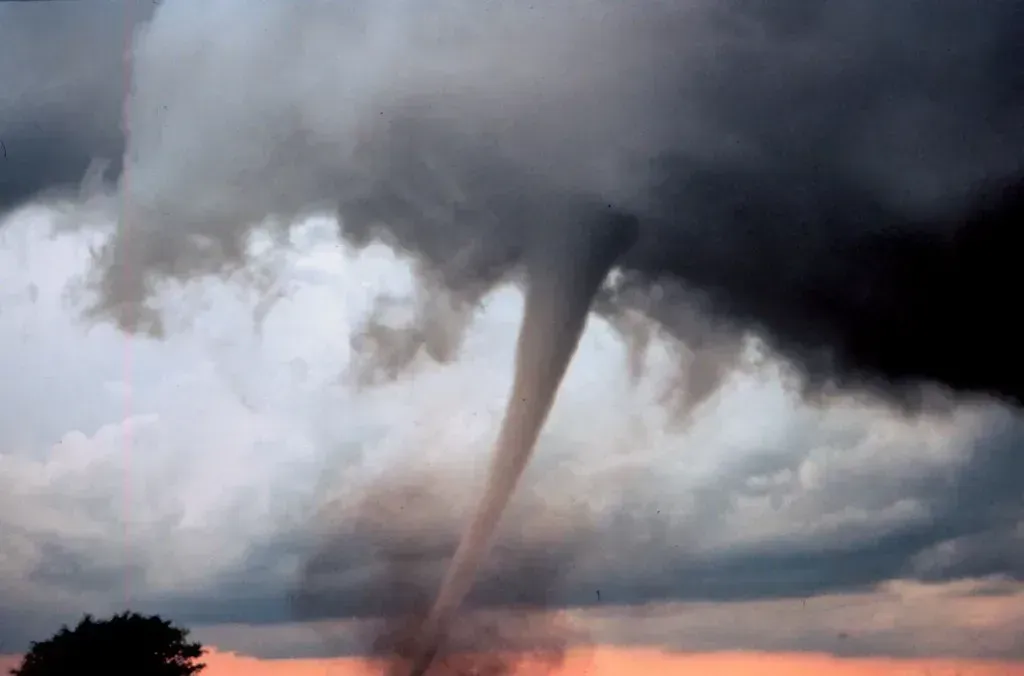
On the evening of May 3, 1999, a large outbreak of tornadoes struck Oklahoma and Kansas. The most violent, the Bridge Creek Moore tornado, tore through the Oklahoma City area. It was rated F5 on the Fujita scale.
Researchers using mobile Doppler radar measured wind speeds near three hundred miles per hour in that storm, one of the highest readings ever recorded. The outbreak killed dozens of people and destroyed thousands of homes. It also became a landmark case for tornado science and warning communication.
Hurricane Floyd in September 1999
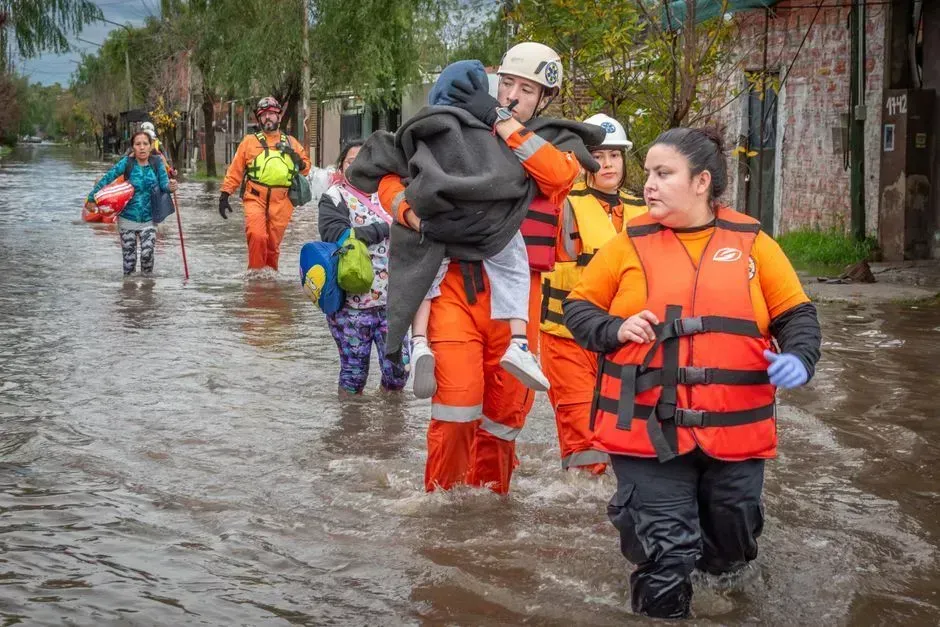
Floyd was huge, and it prompted one of the largest evacuations in U.S. history. Roughly two and a half million people were told to leave coastal areas from Florida to the Carolinas. Highways jammed for hours as families headed inland.
The storm made landfall in North Carolina as a Category 2 hurricane on September 16, 1999. Rain from earlier storms had already soaked the ground, so the flooding along eastern North Carolina rivers was catastrophic. Dozens of people died, and towns such as Princeville were inundated.
Final Thoughts
These eight storms covered coastal hurricanes, river floods, blizzards, ice, and tornadoes, and each left changes in how the country plans for severe weather. The decade’s records and lessons are still cited in forecasting and emergency planning today.
