
Spend enough time in a forecast office, and you start noticing a pattern. The same misunderstandings cycle through every season, passed along by well-meaning relatives, social media posts, and half-remembered school lessons. Some of these ideas are simply harmless. Others, as any working meteorologist will tell you, can lead people into genuinely dangerous situations during severe weather.
After two decades of watching the skies professionally, the myths that stick around the longest tend to share one trait: there’s just enough surface logic to make them feel true. The trouble is, atmospheric science doesn’t run on surface logic. Here are ten climate and weather myths that simply don’t hold up to scrutiny.
Myth 1: “Heat Lightning” Is Its Own Type of Lightning
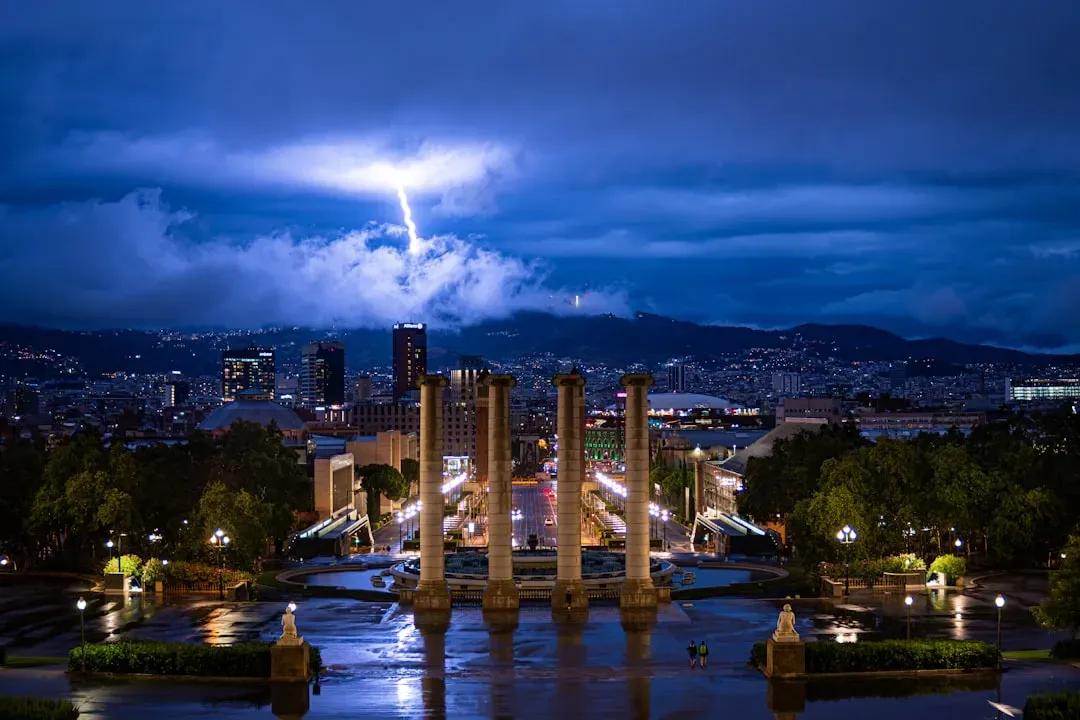
The belief that “heat lightning” is a special phenomenon that occurs after very hot summer days and poses no threat is flat-out wrong. What people call “heat lightning” is actually ordinary lightning occurring in a distant thunderstorm that is simply too far away for the associated thunder to be heard. The heat has nothing to do with it.
Light from lightning can travel much farther than sound from thunder can, over fifty miles versus about ten. This leads to occasions where a thunderstorm is visible from many miles away and lightning is observed in the distance, but no thunder is heard because the sound cannot travel as far. The myth likely persists because thunderstorms and lightning are simply more frequent during hot summer months. The name stuck. The science never supported it.
Myth 2: Lightning Never Strikes the Same Place Twice
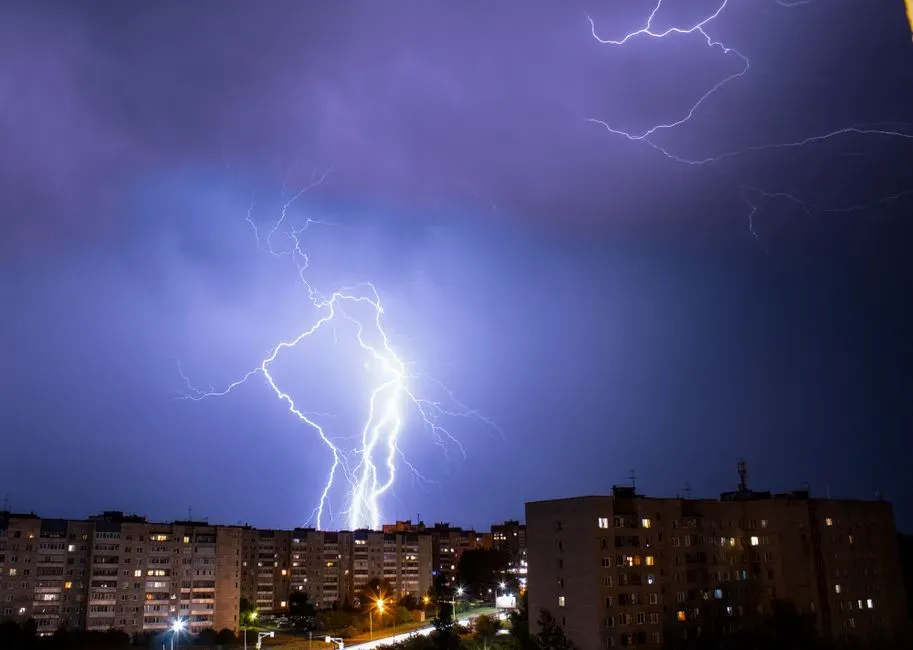
This is perhaps the most famous weather myth of all. In reality, lightning often strikes the same place repeatedly, especially if it’s a tall, pointy, or isolated object. The Empire State Building is hit an average of twenty-three times per year. That single fact should put this one to rest permanently.
A related misunderstanding involves metal objects. Many people believe that wearing jewelry or carrying a cell phone attracts lightning. In truth, height, shape, and isolation are the dominant factors controlling where a lightning bolt will strike, and the presence of metal makes absolutely no difference. Natural objects that are tall and isolated but made of little to no metal, like trees and mountains, get struck by lightning many times a year.
Myth 3: Cold Weather Disproves Global Warming
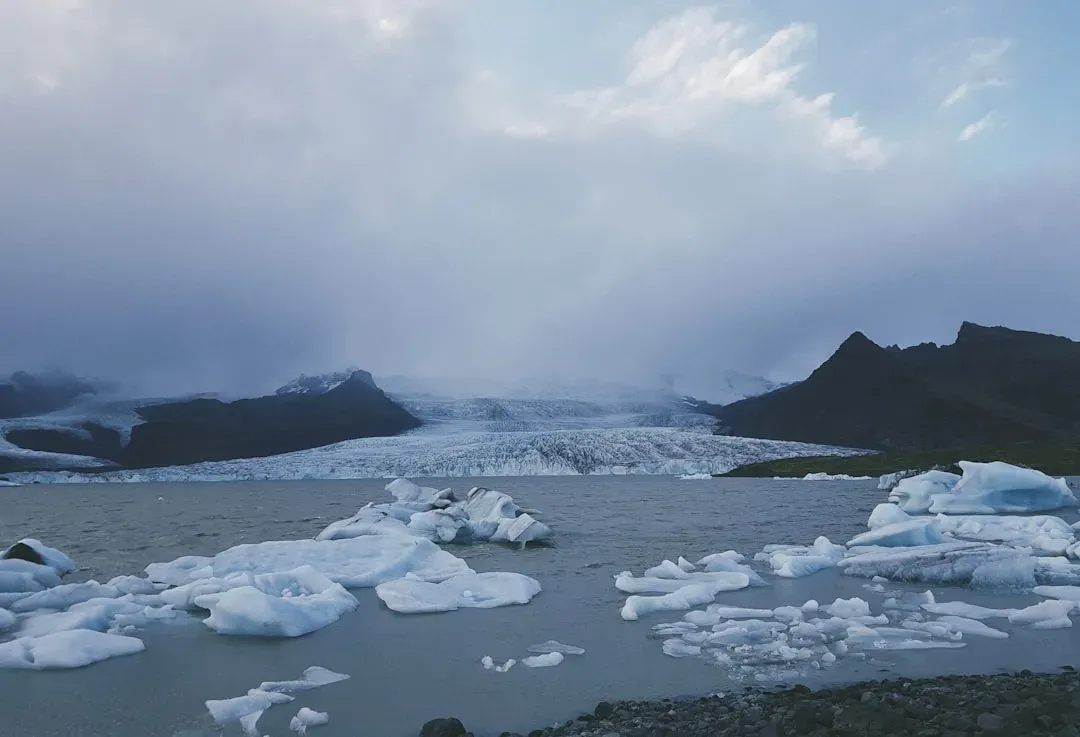
This statement confuses weather and climate, which are two fundamentally different things. Weather is the day-to-day atmospheric conditions in a location, while climate is the long-term pattern over a region. So there can absolutely still be a cold snap while the general trend for the planet is warming. A single cold Tuesday tells you nothing about a fifty-year trend.
A warmer atmosphere holds more moisture, which can actually fuel heavy snowfalls. Shifts in high-altitude wind currents can also push Arctic air southward, creating intense local cold while the globe as a whole keeps heating. Even with occasional cold days, the planet’s average temperature keeps rising faster than at any time in at least ten thousand years, and the last decade from 2015 to 2024 has been the warmest on record.
Myth 4: Climate Change Is a Problem for the Future
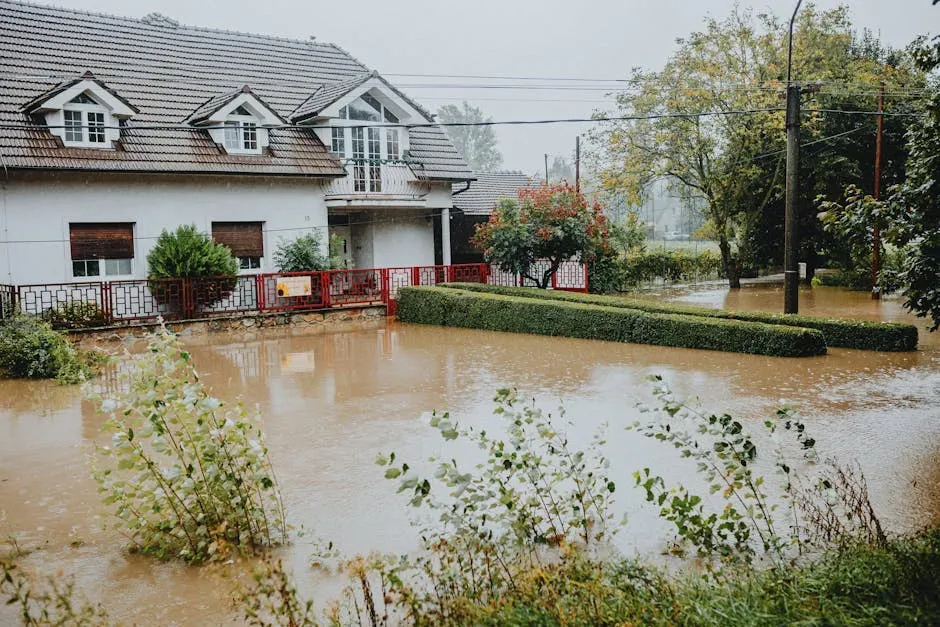
The impacts of climate change are happening right now, not in some distant future. The 2024 Global Climate Report documented that global sea levels have risen eight inches since 1993, putting millions in coastal cities at risk of flooding. In 2025, the United Nations reported that twenty-three million people were displaced by climate-fueled disasters in just one year, a record high.
Extreme weather reached dangerous new heights in 2024. Record-breaking temperatures fueled unrelenting heatwaves, drought, wildfire, storms, and floods that killed thousands of people and forced millions from their homes. This exceptional year shows how dangerous life has already become with 1.3 degrees Celsius of human-induced warming. Framing this as a future concern is a comfortable fiction that the data no longer supports.
Myth 5: Tornadoes Skip Over Rivers, Cities, and Hills
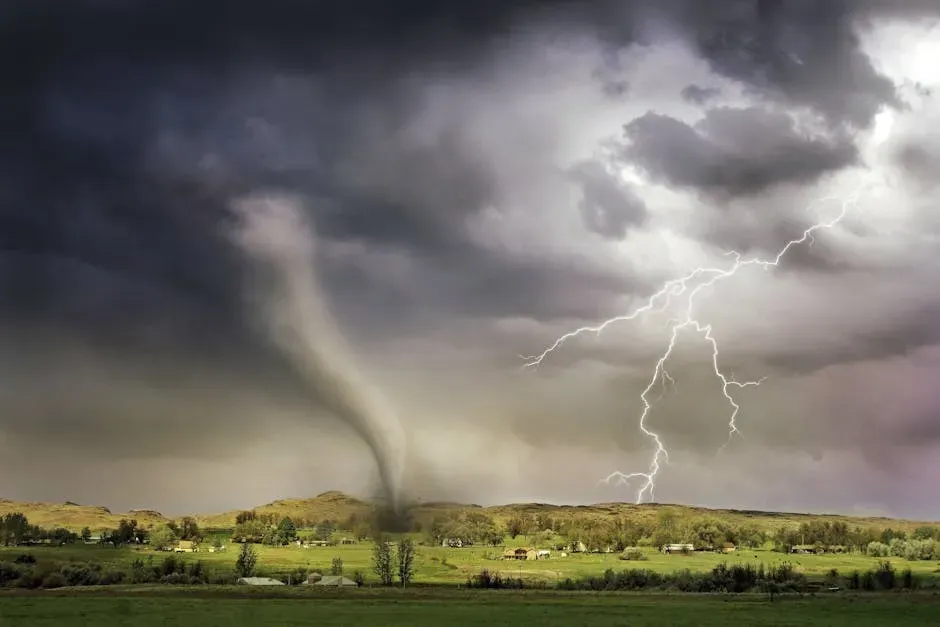
The belief that areas near mountains, rivers, lakes, and large cities are safe from tornadoes is simply false. Tornadoes can occur anywhere. A tornado moved through downtown Miami in May 1997. Geography offers no reliable shield against a determined tornado.
A hill known as Burnett’s Mound on the southwest end of Topeka, Kansas was purported to protect the city from tornadoes according to local legend. However, in 1966, an F5 tornado passed directly over the hill through downtown, killing eighteen people and causing significant damage. The myth persisted for decades after that. Terrain can influence storm behavior in minor ways, but it absolutely cannot stop a mature tornado.
Myth 6: Highway Overpasses Are Safe Tornado Shelters
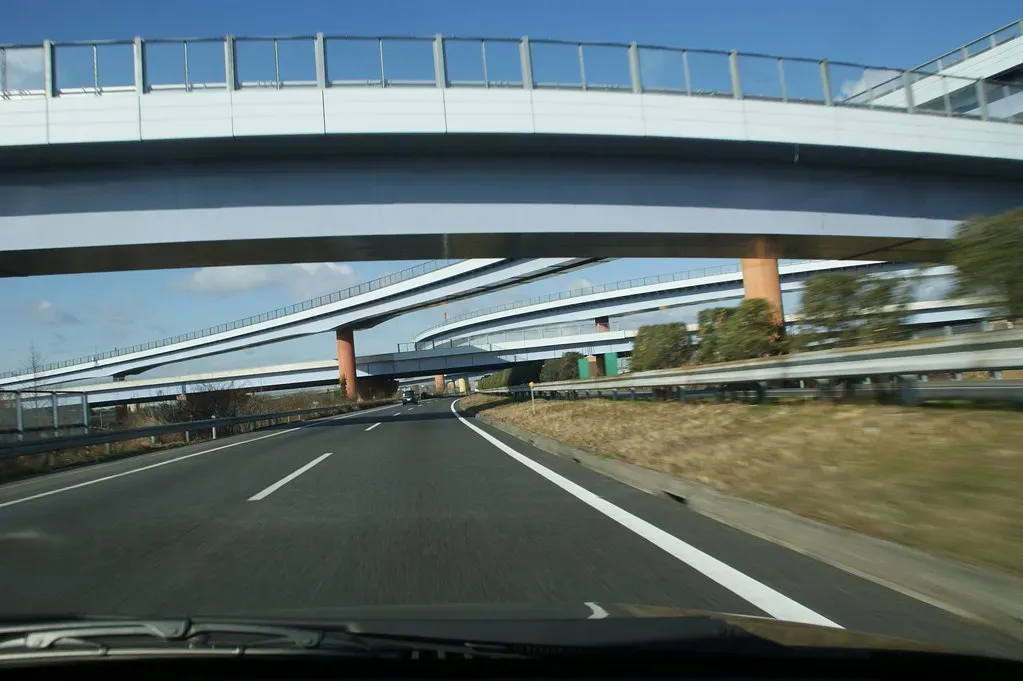
Overpasses are widely believed to offer protection during a tornado, but the opposite is true. Overpasses can actually concentrate tornado winds, causing them to be significantly stronger. People who have sought shelter beneath overpasses have been killed or severely injured in recent years.
Meteorologists insist that overpasses are insufficient shelter from tornado winds and debris and may be among the worst places to take refuge during a violent tornado. The embankment under an overpass is higher than the surrounding terrain, and wind speed increases with height. The overpass design may also create a wind tunnel effect under the span, further increasing wind speed. Head for an interior room at ground level, not a concrete bridge.
Myth 7: Opening Windows During a Tornado Protects Your Home

Tornadoes cause structural damage through strong winds, not pressure differences. Opening windows if a tornado is approaching does not help and wastes the precious seconds you need to take shelter. The pressure-equalization theory sounds plausible until you understand what actually tears buildings apart.
This common myth involves opening windows during a tornado to supposedly equalize barometric pressure and minimize damage to a house. It sounds scientific, but it simply isn’t true. Beyond that, opening windows can put you in a genuinely dangerous situation, making you more susceptible to flying debris that can come straight through the opening. Time spent opening windows is time not spent getting to a basement.
Myth 8: Floods Only Happen Near Rivers and Streams
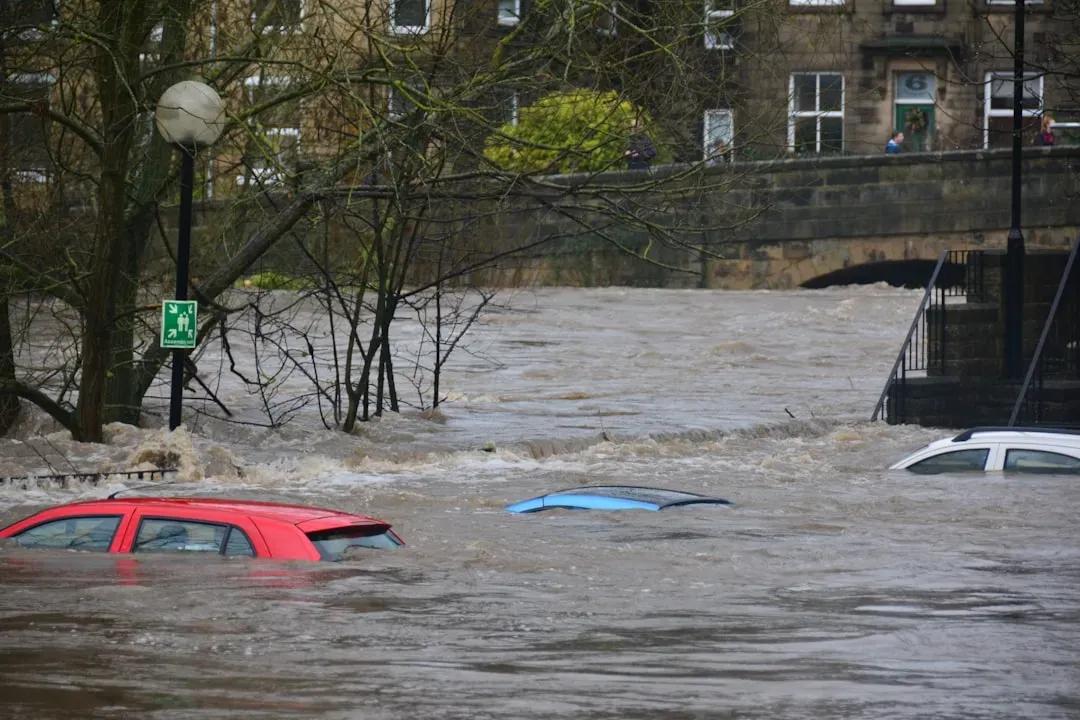
Flash floods can happen anywhere, including dry riverbeds and in the middle of cities. Flash floods can occur in densely populated urban areas, and cities are actually prone to flooding in a short amount of time, sometimes even more severely than rural areas because excessive water can overwhelm urban drainage systems.
NOAA reports that in the United States, floods kill more people annually than tornadoes, hurricanes, or lightning. No car should be driven through floodwaters, no matter how large or heavy it is. Just two feet of moving water can easily sweep a car or truck away. Flooding is routinely underestimated precisely because people assume it belongs to a specific geography.
Myth 9: Natural Climate Cycles Fully Explain Current Warming
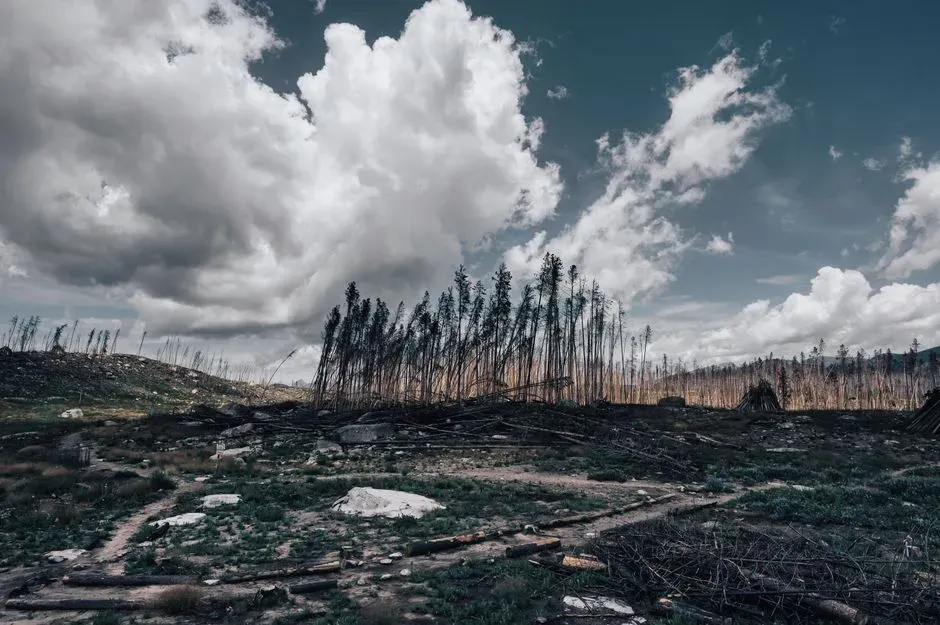
Ice core records and deep-sea sediments analyzed by NOAA scientists reveal that natural cycles, such as those caused by volcanic eruptions and solar changes, cannot account for the rapid temperature spikes seen since 1950. The World Climate Research Programme reported in January 2025 that industrial emissions are now the dominant force altering Earth’s climate.
While natural cycles like El Niño do affect weather, they cannot explain the persistent and accelerating warming visible today. The fingerprints of human influence are clear in atmospheric CO2 levels, which now exceed 420 parts per million, a height not seen for millions of years. The dramatic shifts happening now are not simply a blip in Earth’s history but a direct consequence of human choices. Pointing to past natural variability to dismiss current data is a convenient sidestep, not a scientific argument.
Myth 10: Severe Weather Mostly Kills Through Dramatic Events Like Tornadoes and Lightning
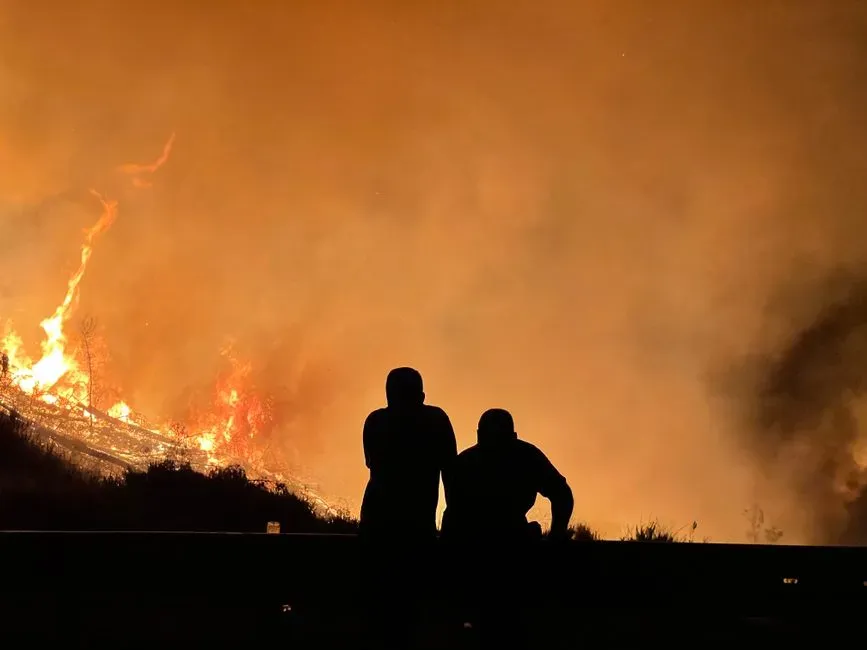
Studies have shown that globally, deaths associated with cold temperatures have historically outnumbered those from heat. However, due to climate change, the number of deaths caused by heat is growing, and extreme heat is becoming one of the deadliest hazards. Between 2000 and 2019, extreme heat caused around 489,000 deaths every year.
The number of climate-related hazards has increased fivefold in the past fifty years. In 2024 alone, roughly 45.8 million people were displaced due to weather-related disasters. Tropical cyclones are responsible for the highest number of deaths in billion-dollar weather events since 1980, followed by drought and heatwave events, and then severe storms. The slow, creeping killers, extreme heat, inland flooding, and prolonged drought, consistently outpace the dramatic ones in raw human cost. That’s the part most people never hear about.

- The Shoreline Sucked Dry in Seconds – 5 Tsunami Signals Beachgoers Mistake for Low Tide - November 14, 2026
- 9 Dark-Sky Destinations Around the World Where the Stars Look Unreal - November 14, 2026
- The Fault Line That Never Slips – 7 Locked Seismic Zones Overdue for a Massive Release - November 14, 2026
