
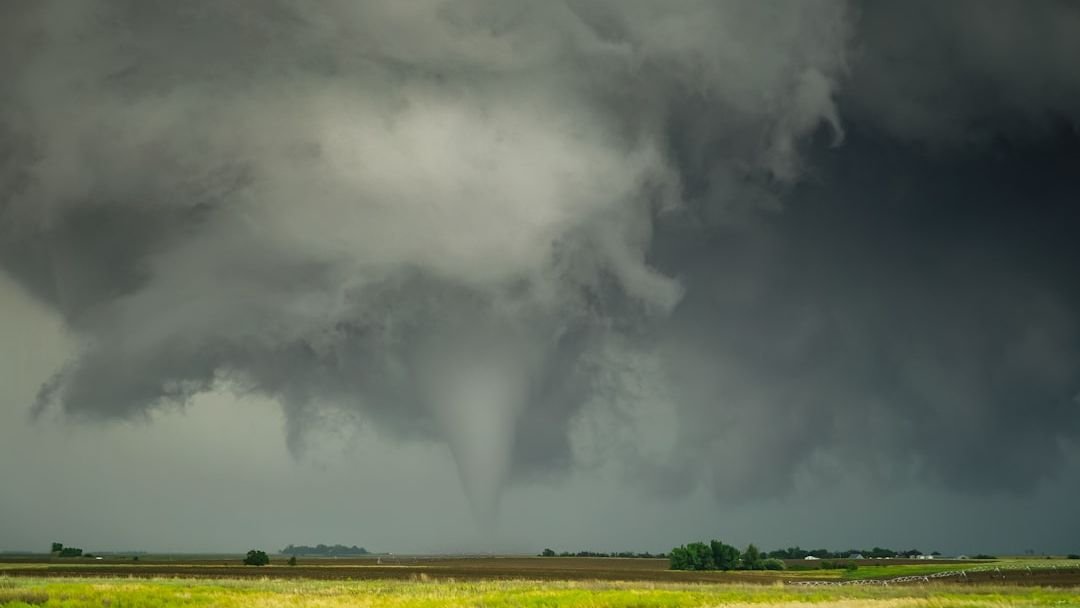

For most of the twentieth century, when Americans thought about tornadoes, they pictured the wide, flat plains of Oklahoma and Kansas. That image was burned into the cultural imagination: golden wheat fields, a darkening sky, and a funnel dropping from the clouds somewhere west of Wichita. It felt like a regional problem, contained and predictable.
That picture is slowly becoming outdated. Researchers, meteorologists, and years of accumulating data are all pointing toward a significant geographic shift in where the worst tornado activity is occurring in the United States. The transformation is not sudden or dramatic, but it is real, and its consequences reach far beyond weather maps.
The Origins of a Well-Known Name
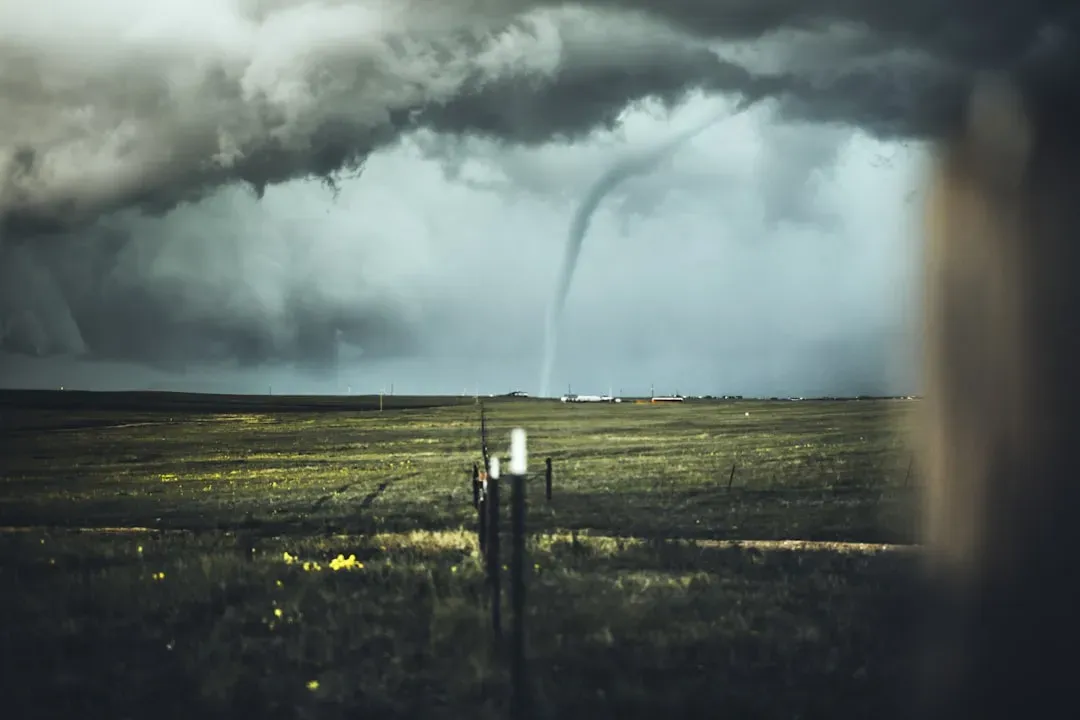
The term “Tornado Alley” was first used in 1952 by U.S. Air Force meteorologists Major Ernest J. Fawbush and Captain Robert C. Miller, as the title of a research project to study severe weather in parts of Texas and Oklahoma. It was a descriptive label born from a specific set of atmospheric observations rooted in mid-20th century conditions. Since then, the term has stuck around as a way to describe the area that encompasses parts of Texas, Oklahoma, Kansas, Nebraska, and South Dakota, where it was believed tornadoes are most frequent.
Over the years, the location of Tornado Alley has not been clearly defined, and no definition of Tornado Alley has ever been officially designated by the National Weather Service. Search for a map of Tornado Alley and you would be hard-pressed to find two that exactly align. Almost every version agrees on the region from north Texas to Nebraska, but then varies widely, with some extending it north into the Dakotas, east into Iowa, or northeast into the Midwest. The name always carried more cultural weight than scientific precision.
What the Data Actually Shows
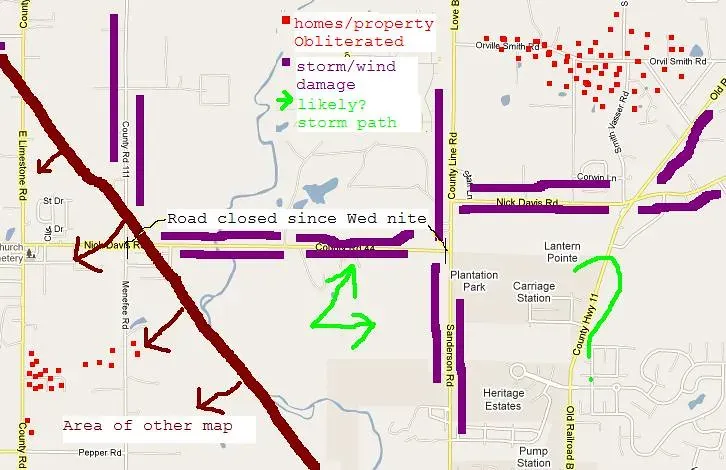
According to a report published in the April 2024 issue of the Journal of Applied Meteorology and Climatology, since 1951 tornado activity has been shifting away from the Great Plains and toward the Midwestern and Southeast U.S. The study compared two distinct time periods and found contrasting trajectories in the two regions. There was a noted decline in tornadoes over traditional Tornado Alley from the first period to the second, and an increase in tornadoes over “Dixie Alley” in that same period.
The number of days with meteorological conditions conducive to tornadoes has declined for parts of the original Tornado Alley, while the number of tornado days has increased significantly east of the Mississippi River. Cities like Dallas and Austin, Texas, are seeing four fewer tornado days per decade, while the traditional Tornado Alley region from the 1950s through the 1990s centered on northeastern Texas and south-central Oklahoma has shifted eastward by 400 to 500 miles. Those are substantial numbers by any measure.
Enter Dixie Alley
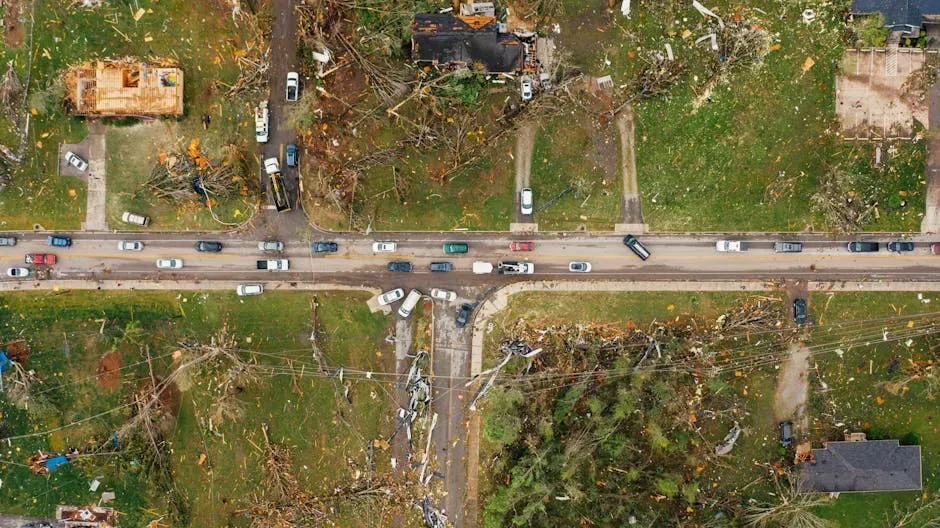
The extension of North American tornado activity in the southeastern U.S., notably the lower Mississippi Valley and the upper Tennessee Valley, is sometimes called by the nickname “Dixie Alley,” coined in 1971 by Allen Pearson, former director of the National Severe Storms Forecast Center. What was once considered a secondary zone of concern has moved to the front of the conversation. In 2024, the hot zones moved from Oklahoma, Kansas, and north Texas to Mississippi, Louisiana, Alabama, Tennessee, and Kentucky, the so-called “Dixie Alley.”
In 2016, research published by tornado scientist Ernest Agee and his students was the first paper that clearly showed, statistically, the emergence of another center of tornado activity in the Southeast, centered around Alabama. The research found a notable decrease in both the total number of tornadoes and days with tornadoes in the traditional Tornado Alley in the central plains, and at the same time an increase in tornado numbers in Dixie Alley, extending from Mississippi through Tennessee and Kentucky into southern Indiana.
Why the Shift Is Happening
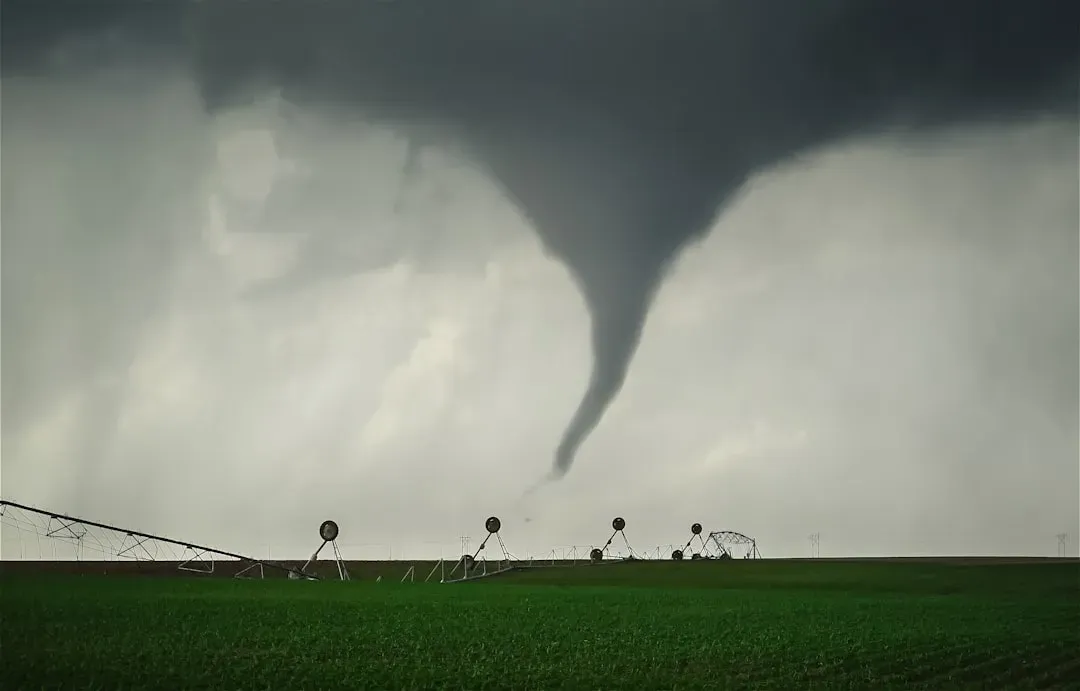
The shift is attributed to climate change, the warming of the Gulf of Mexico’s waters, and a dip in the cold jet stream pattern. The mechanics are interconnected. The dry atmospheric conditions in the southwest create a dome of high pressure over the western U.S., sapping energy from the atmosphere and forcing potential tornado-producing systems to move further east. The jet stream is also dipping further south into the Mississippi delta region because of the southwestern drought. Water temperature in the Gulf has also increased on average by one or two degrees, creating the moist, humid air needed for tornadoes.
Most tornadoes are created by a supercell, which is a strong thunderstorm with a rotating updraft of air. Supercells tend to form when warm, humid, low-level air interacts with cool, dry, upper-level air, and climate change is generating warmer, moister air. The dividing line between the arid western states and humid eastern states, often referred to as the 100th meridian, is also moving eastward due to climate change, which directly impacts the number of tornadoes in a given area and is pushing Tornado Alley to the east.
Tornado Season Is No Longer Just Spring
Over the past few decades, the U.S. has seen a broad shift in tornadoes in three ways: to the east, earlier in the year, and clustered into larger outbreaks. Winter tornadoes have become more frequent over the eastern U.S., from the southeast to the Midwest, particularly Kentucky, Illinois, and Indiana. That last point carries real weight for communities that historically prepared for severe weather only in April and May.
A 2024 study published in the Journal of Applied Meteorology and Climatology found that tornadoes have trended away from the warm season, especially the summer, and toward the cold season. Climate change may extend the typical tornado season as well. Milder winters mean the unstable air masses that can create supercells may become more likely in March or even earlier in the southeastern U.S. March 2025 put an exclamation point on this trend. That month broke records with 299 reported tornadoes, far exceeding the average of 80 for that month over the past three decades.
The Outbreak Problem: Fewer Days, Bigger Events
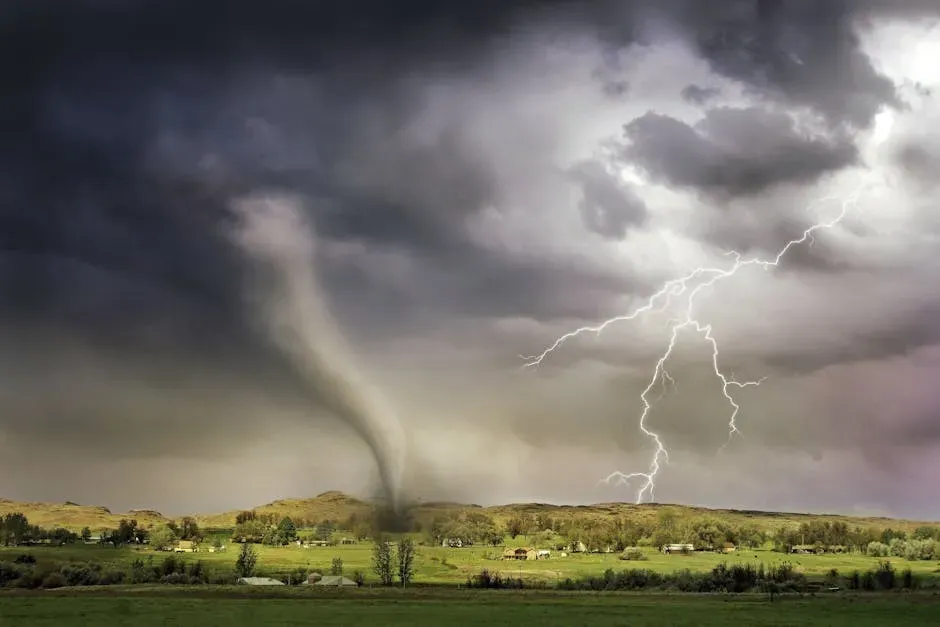
According to researchers from the National Severe Storm Laboratory at NOAA, the average number of tornadoes per year is essentially unchanged, however, tornado outbreaks are increasing. In other words, while there are fewer tornado days, when they do strike, they do so en masse and increasingly outside expected places. This concentration of events in single outbreaks changes the nature of the risk entirely.
Spatial analysis of large tornado outbreaks reveals that their nucleus has been shifting to the Southeast during the recent 31 years compared to earlier records. Large tornado outbreaks, meaning multiple twisters spawned by a single weather system, are shifting even more definitively to the east. The swarms are also clustering in a tighter geographical area than in the old Tornado Alley. A single catastrophic weather system can now devastate communities across multiple states in a region that may have little prior experience with that scale of destruction.
Why Eastern Tornadoes Are More Deadly
This eastward shift is likely making tornadoes deadlier. Tornadoes in the Southeastern U.S. are more likely to strike overnight, when people are asleep and cannot quickly protect themselves, which makes these events dramatically more dangerous. Studies show that tornadoes that strike at night are 2.5 times more likely to cause fatalities. There’s simply less reaction time when a warning goes out at 2 a.m.
Tornadoes in this region are often difficult to see, as they are more likely to be rain-wrapped, embedded in shafts of heavy rain, and are often obscured from view by the hilly topography and heavily forested landscape. Because significant tornadoes in Dixie Alley tend to occur earlier in the year than in other regions, when there are fewer daylight hours, they are more likely to occur at night. Faster wind currents during these cooler months also result in faster-moving tornadoes. Both of these factors leave people more likely to be caught off-guard.
Housing and Infrastructure: A Critical Vulnerability
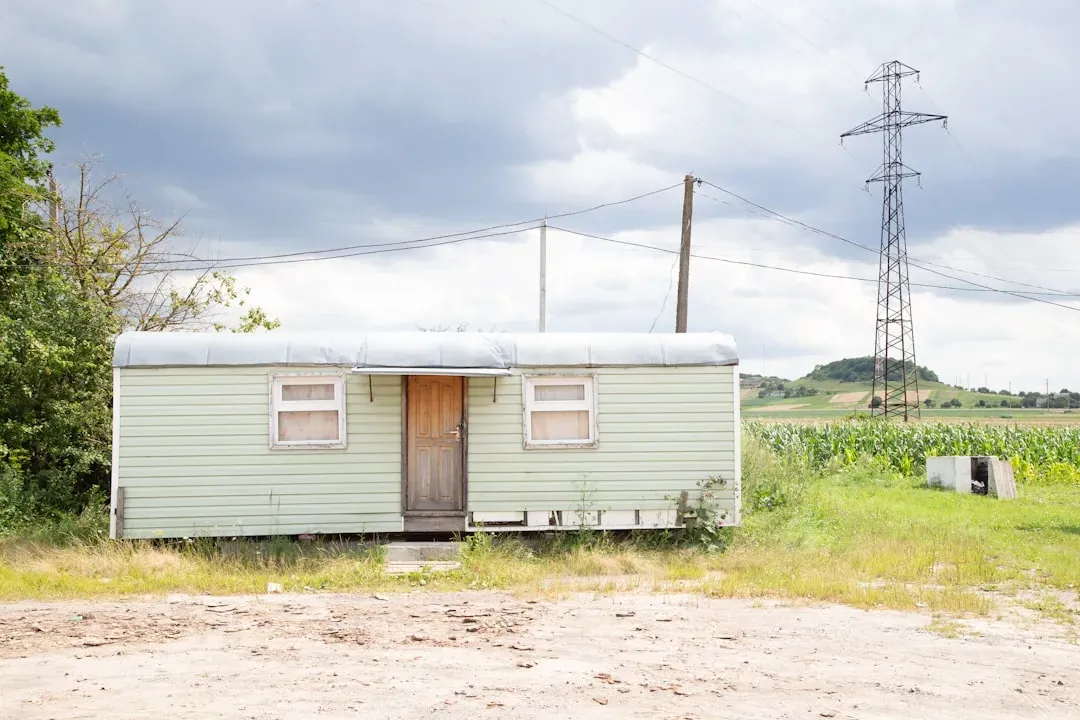
Tornado Alley moving eastward is more than a meteorological curiosity. The shift is serious: tornado shelters are common in Texas and Oklahoma but less so elsewhere. The Southeast is more densely populated, and mobile homes, which fare poorly in windstorms, are much more common. This combination is a structural problem that warning systems alone cannot solve.
On average, a total of nearly three quarters of all tornado-related fatalities occur in homes, and the majority of those fatalities are in mobile homes. When you are in a mobile home, you are 15 to 20 times more likely to be killed compared to when you are in a permanent home. The Southern United States has the highest percentage of manufactured homes in the U.S., which means the populations now most exposed to tornadoes are also the most physically vulnerable to them.
The Midwest and Ohio Valley Are Also Being Drawn In
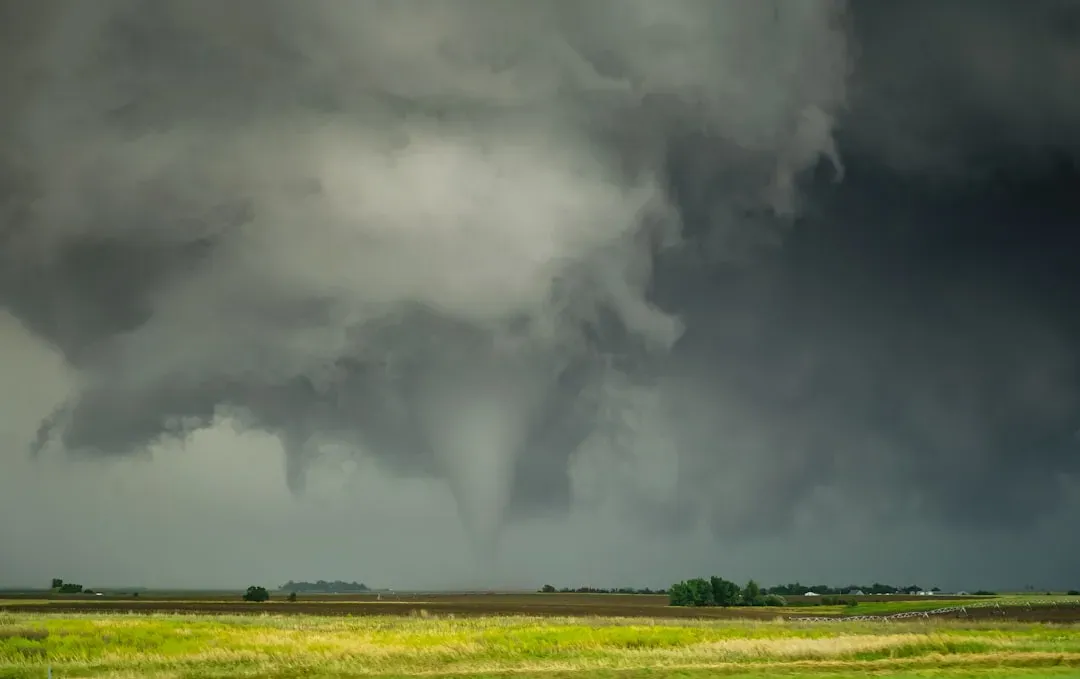
Researchers studying tornadoes and where they form say the typical “tornado alley,” which includes Oklahoma, Kansas, and Texas, is starting to shift east, including Missouri, Arkansas, and Kentucky. States like Ohio have seen numbers that surprised even experienced meteorologists. Ohio, located hundreds of miles from traditional Tornado Alley, recorded 71 tornadoes in 2024. By comparison, Oklahoma, the storm-prone center of the original Tornado Alley, averages 69 per year.
A significant upward trend in tornado frequency was found in portions of the Southeast, Midwest, and Northeast. Both tornado reports and tornado environments indicate an increasing trend in portions of Mississippi, Alabama, Arkansas, Missouri, Illinois, Indiana, Tennessee, and Kentucky. Research suggests that the main alley may be shifting eastward away from the Great Plains, and tornadoes are also becoming more frequent in the northern and eastern parts of Tornado Alley, reaching the Canadian Prairies, Ohio, Michigan, and Southern Ontario.
What This Means Going Forward
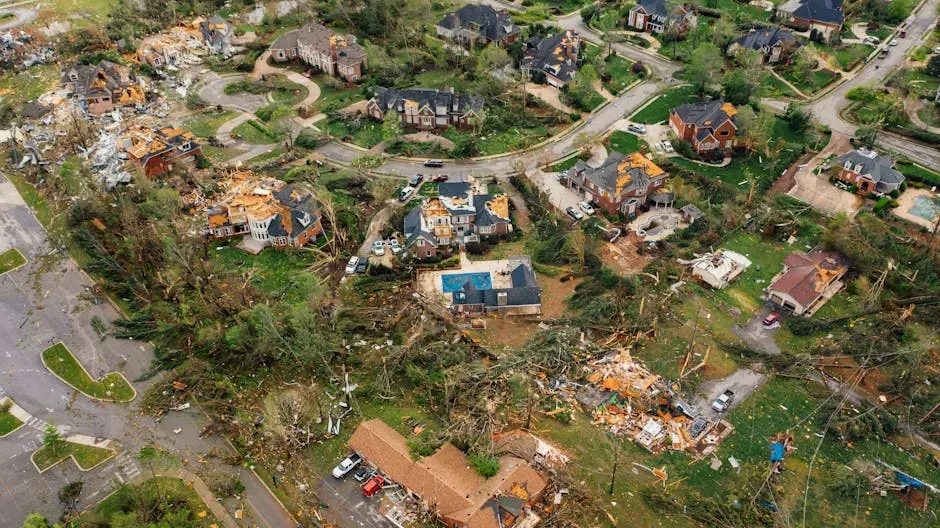
For safety, it’s time to stop focusing on spring as tornado season and the Great Plains as Tornado Alley. Tornado Alley is really all of the U.S. east of the Rockies and west of the Appalachians for most of the year. The farther south you live, the longer your tornado season lasts. That’s a significant mental shift for millions of people who grew up believing this was someone else’s problem.
Local and state governments in the new bull’s-eye region might want to improve community shelters and warning systems, strengthen building codes, better equip emergency responders, and educate residents about what to do if a tornado is headed their way. While it’s still hard for climate models to assess something as small as a tornado, they do project increases in severe weather. The science is cautious about direct attribution, but the directional signal in the data is difficult to dismiss. Communities in the South and Midwest that have historically treated tornado preparedness as an afterthought are increasingly finding themselves in territory that demands a different level of readiness.
