


- The Planet Where It Rains Liquid Glass – 7 Alien Worlds Defying Known Physics - November 14, 2026
- Stars Consuming Entire Worlds – 6 Planetary Systems Swallowing Their Own Worlds - November 14, 2026
- The Ground Liquefies Like Water – 6 Silent Fault Lines Geologists Watch Closely - November 14, 2026
Most sharks are creatures of open, clear water. They hunt by sight over long distances, patrol predictable ocean corridors, and generally avoid the chaos of flooded rivers or storm-churned shorelines. Bull sharks are different. Where other species retreat, bull sharks seem almost to lean in, moving closer to shore, deeper into estuaries, and further up rivers when conditions deteriorate.
This isn’t random boldness. It’s the product of millions of years of highly specific biological fine-tuning. The bull shark’s ability to exploit environments that other apex predators simply cannot tolerate has made it one of the most ecologically successful sharks on Earth, and one of the most misunderstood.
Built for Chaos: The Bull Shark’s Body Plan
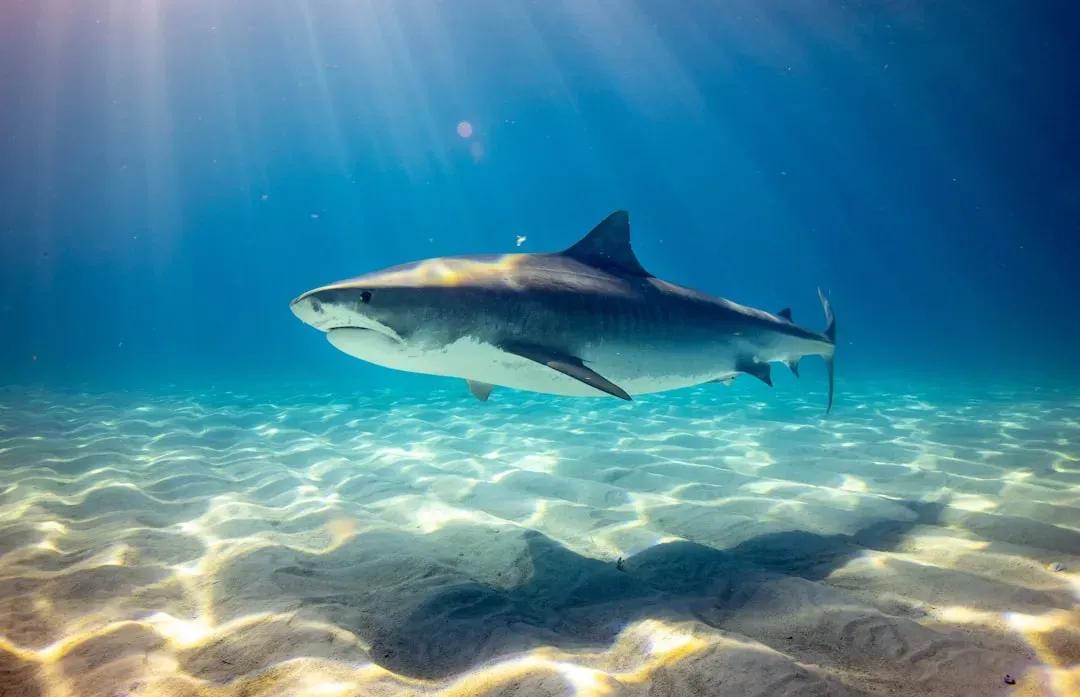
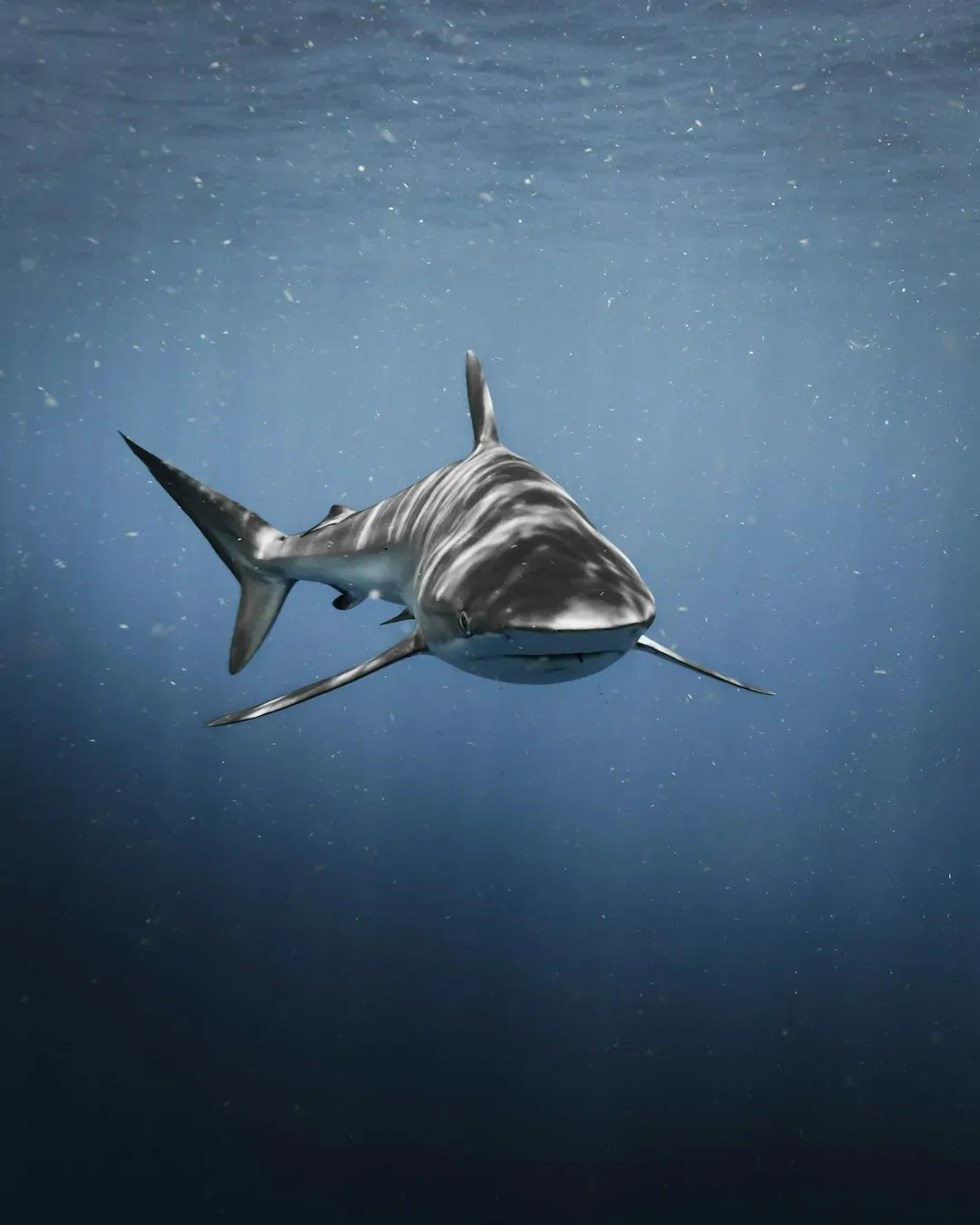
Bull sharks are distinguished from other sharks by their body’s high width-to-length ratio, giving them a stout appearance. Like many fish, they exhibit countershading, with dark coloration on top and light coloration on the underbelly, which helps them blend into murky water when viewed from above. That compact, powerful build isn’t just about looks. It allows them to push through fast-moving currents that would fatigue a more streamlined species.
Male bull sharks grow to roughly seven feet in length, while females can reach eleven feet or more. Adults typically weigh between 200 and 500 pounds. That size and density give them the physical leverage to hold position in turbulent water, something lighter, more gracile sharks simply lack. Bull sharks are remarkably agile animals despite their size, and have even been spotted leaping up river rapids, almost like salmon, en route to inland lakes.
The Master of Osmoregulation
Bull sharks are euryhaline, meaning they can thrive in both salt and fresh water. They are known to travel far up rivers, including the Mississippi, as far inland as Alton, Illinois, roughly 1,100 kilometres from the ocean. This is an extraordinary physiological achievement. Most sharks cannot survive more than a few hours in significantly diluted saltwater without their internal chemistry breaking down.
When entering freshwater, bull sharks significantly reduce the concentration of urea and other salts in their blood, which helps them retain water and avoid dehydration. This is achieved through a highly efficient kidney that can produce urine more dilute or concentrated than its blood, depending on the surrounding water’s salinity. Osmoregulation in these euryhaline elasmobranchs is achieved through the coordinated control of multiple organs, including the kidney, rectal gland, and liver, in response to changes in environmental salinity. The result is a shark that treats salinity shifts as a minor inconvenience rather than a biological crisis.
How Rainfall and Storms Pull Bull Sharks Closer to Shore
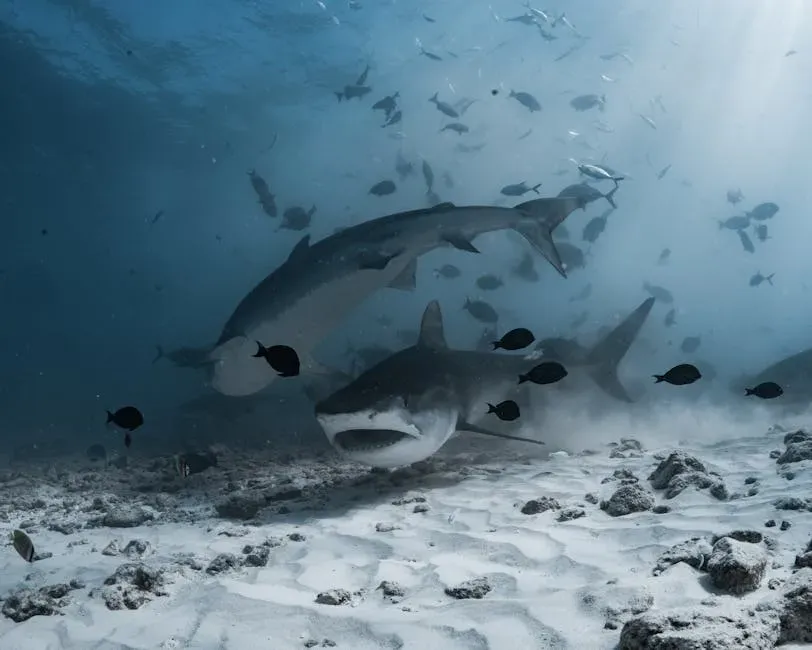
Research tracking over 230 acoustically tagged bull sharks along the beaches of New South Wales found that the occurrence of large bull sharks in nearshore waters was greatest after more than 45 mm of rain and when swell heights were between 1.8 and 2.8 metres. That’s a meaningful pattern, not a coincidence. Rainfall consistently acts as a signal that draws bull sharks into shallower, more turbid zones.
Days of persistent rain flush every creek, drain, and waterway into coastal zones, creating plumes of turbid, brackish water, part fresh and part salt, that bull sharks actively seek out. The fresh water mixing with seawater at harbour entrances brings baitfish close to rocky reefs and shorelines. Bull sharks follow this concentrated food source. The storm, in other words, sets the table for them.
Turbid Water as a Hunting Advantage
Bull sharks have relatively small eyes and rely on other senses to hunt, especially in murky waters. These senses come in particular use when females head to more turbid estuaries to give birth. Far from being a handicap, reduced visibility is something bull sharks are specifically equipped to exploit. While prey fish become disoriented and harder to coordinate in cloudy water, bull sharks remain effective.
The same conditions that flush organic pollutants and nutrients into coastal waters during storm events create the murky, food-rich conditions that bull sharks find irresistible. In murky water, the splashing and movement of people or animals can trigger investigative responses from sharks searching for prey they cannot clearly see. The low visibility effectively removes the prey’s greatest defensive advantage: the ability to spot and evade a predator.
Electroreception and the Lateral Line: Hunting Without Eyes
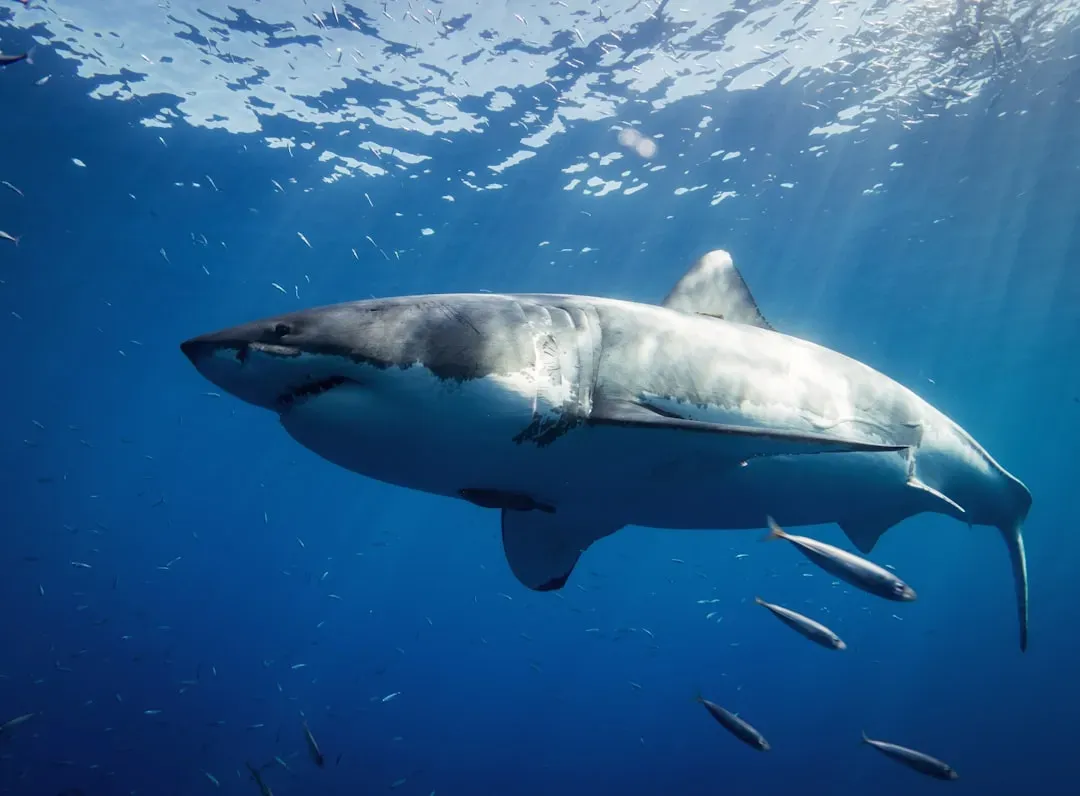
Bull sharks, which frequently hunt in murky river systems with near-zero visibility, rely heavily on electroreception to locate prey in these challenging environments. The system works through specialized organs called the Ampullae of Lorenzini, clusters of gel-filled pores clustered around the snout that detect the faint bioelectrical fields produced by all living creatures. This highly sophisticated sixth sense allows sharks to detect minute electrical fields produced by all living organisms, a remarkable ability that transforms what would be a hunting disadvantage into a precision targeting system.
Another crucial detection tool is the lateral line system, a series of fluid-filled canals running along the shark’s flank and head, containing sensory cells called neuromasts that detect minute water movements, vibrations, and pressure changes. The lateral line allows the shark to sense the pressure waves created by a struggling fish or the wake of a swimming animal, acting as a sense of distant touch that is especially useful in low-visibility conditions or at night. Together, these systems make murky water feel familiar rather than foreign.
Estuaries as Nurseries: Where Young Bull Sharks Are Born
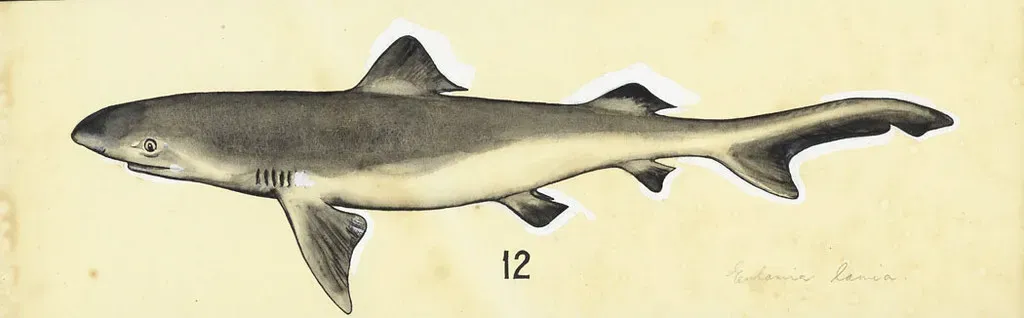
Females head to more turbid estuaries specifically to give birth, and juvenile sharks stay in these waters until the temperature gets too chilly and they head to warmer offshore waters. This isn’t passive behavior. Murky, shallow estuaries offer young sharks a refuge from larger predators and a rich food supply, while the turbidity itself acts as cover. The very conditions that seem inhospitable are precisely what makes these zones safe for pups.
Juvenile bull sharks, which are well-known for their ability to move between fresh and saltwater environments, often live in rivers for their first few years of life. Studies of young bull sharks in the Logan and Albert Rivers in Australia found that flooding events could cause rapid drops in both salinity and dissolved oxygen content that exceeded their ability to adapt. So while turbid estuaries are the preferred nursery ground, extreme floods represent one of the conditions that even young bull sharks may struggle to handle. The relationship between these sharks and stormy water is powerful, but not unconditional.
How Bull Sharks Sense an Approaching Storm
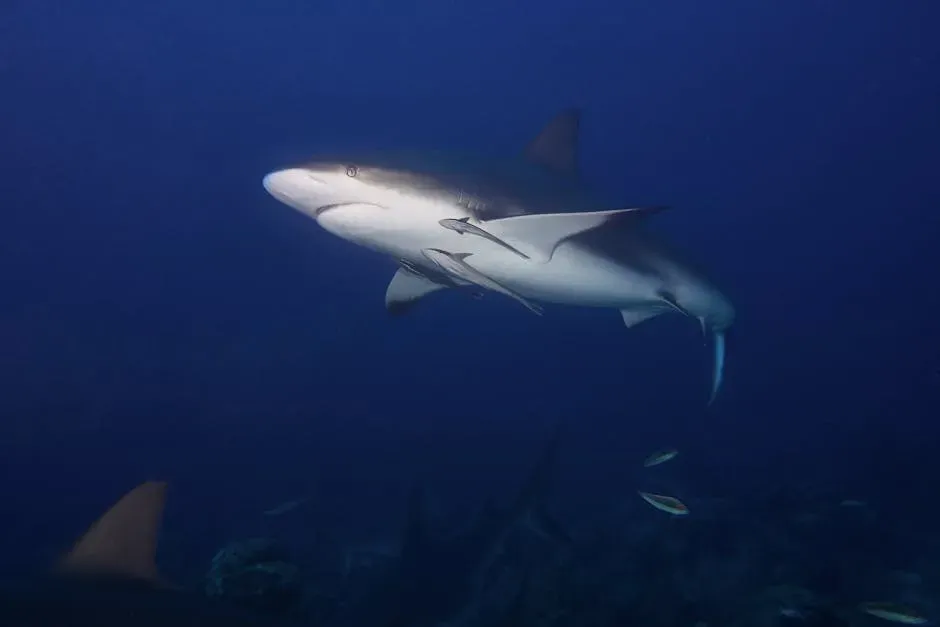
Research from Florida International University studied juvenile bull sharks in the Shark River Estuary as Hurricane Irma struck Florida in 2017. Of 14 tagged animals, 11 regularly detected individuals were absent from the array across the days that Irma hit, leaving anywhere from 17 to 1 day before landfall. This suggests not only that sharks move out of coastal areas before a major storm but that they are able to anticipate the system sometime before it hits.
Eight bull sharks left within hours or days before the hurricane, while three left more than a week in advance. Roughly four out of five eventually returned to the array within weeks or months of the storm passing. The ability to sense dropping barometric pressure or shifting hydrodynamic cues appears to give bull sharks enough advance warning to move strategically, not just reactively. They don’t simply endure storms; they seem to read them.
Climate Change and Shifting Bull Shark Ranges
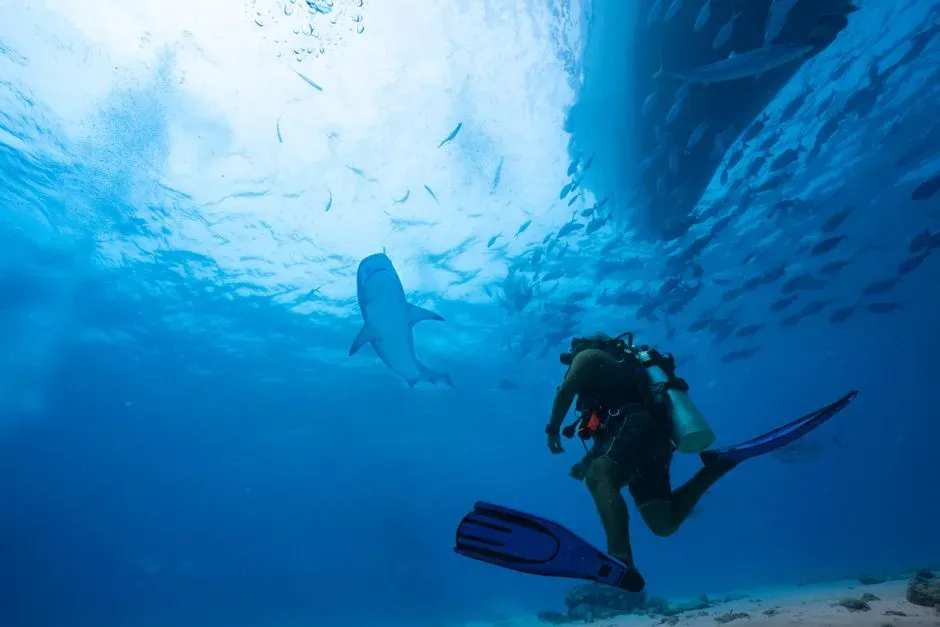
Bull sharks typically migrate south from Queensland waters as ocean temperatures warm during summer, spending the season in harbours and estuaries along the coast. Because the water is warming up so quickly in recent years, they’ve come earlier, stayed longer, and gone back later. Climate change has shifted these patterns, extending the window when bull sharks patrol certain waters.
The increased intensity of storm events under climate change predictions will have implications for bull shark movements along the freshwater-estuarine-marine continuum. As the spatial and temporal scales and intensity of rainfall events increase, the pattern of bull shark occurrence and movements is likely to respond accordingly. A warmer, stormier world doesn’t disadvantage bull sharks the way it does many other species. If anything, it expands the territory they can comfortably exploit.
Bull Sharks, Floods, and Human Overlap
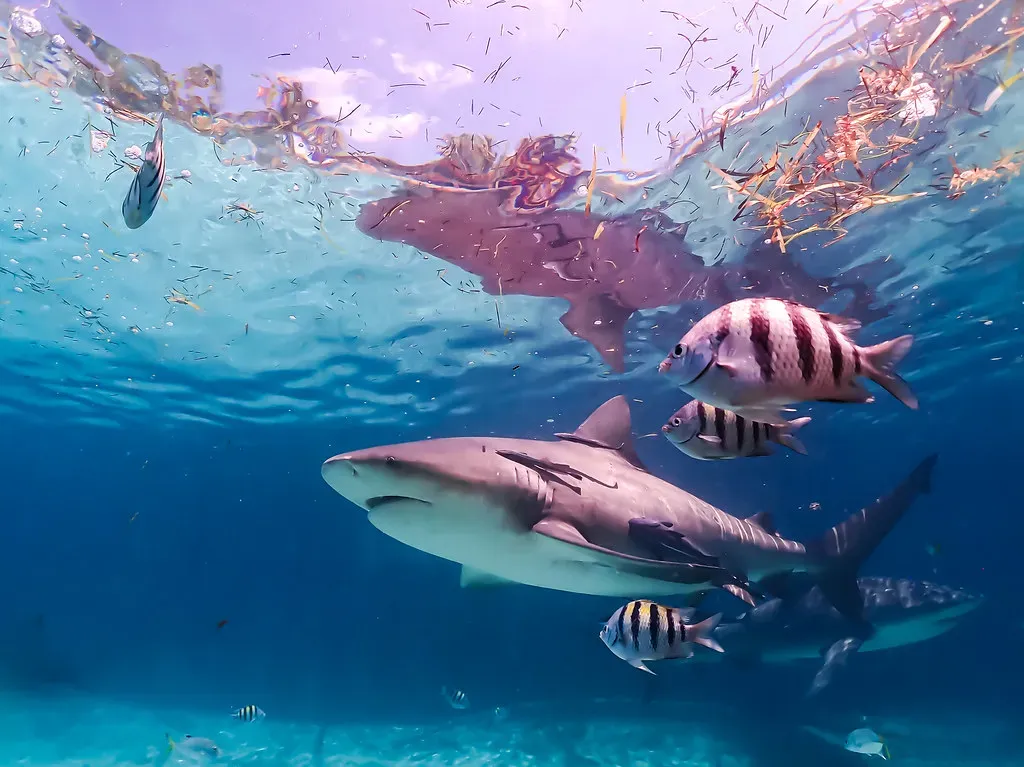
Bull sharks, known for their dense build and adaptability to both saltwater and freshwater, would be the most likely shark species to survive storm surge flooding into coastal communities. During Hurricane Ian in 2022, a shark was genuinely filmed swimming in floodwaters in southwest Florida. As marine biologists have noted, young bull sharks are common inhabitants of low salinity waters including rivers, estuaries, and subtropical embayments, and often appear in coastal canals and ponds connected to the sea.
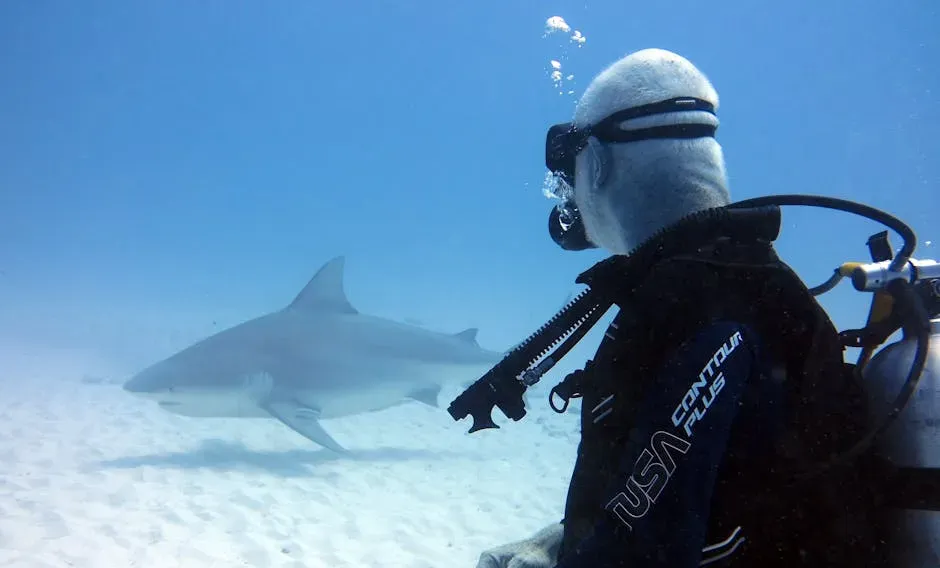
Their use of murky coastal habitats and rivers means bull sharks are more likely to come into contact with people than many other shark species. According to the Florida Museum of Natural History’s International Shark Attack File, there were 47 unprovoked shark bites on humans in 2024 from all species, and of these, bull sharks were the main culprit. The overlap between bull shark habitat and human recreation isn’t accidental. It’s a structural feature of the environments both species tend to favor: warm, shallow, coastal water.
Conservation Status and the Paradox of a Thriving Threat
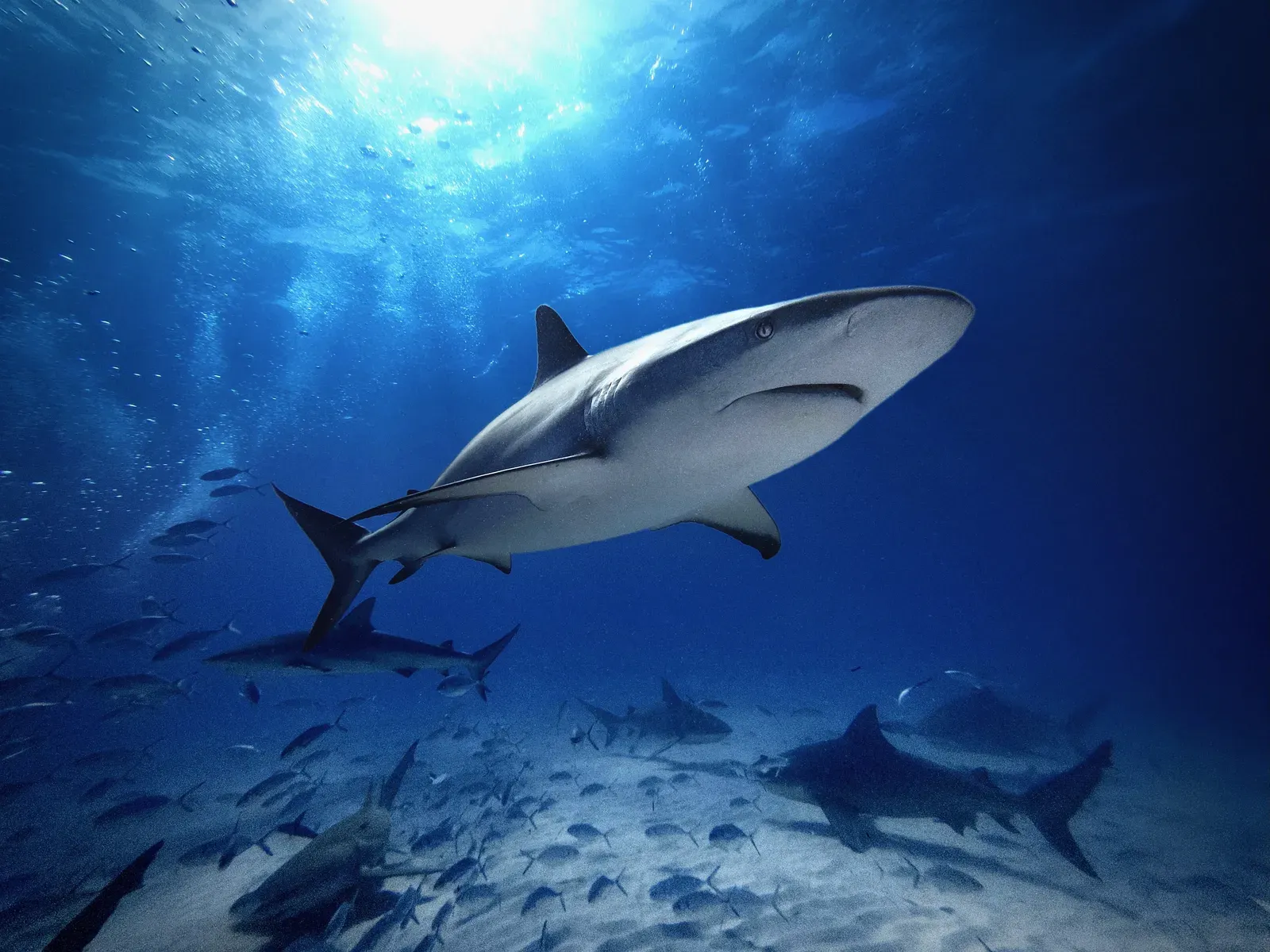
Bull sharks are considered Vulnerable by the International Union for Conservation of Nature, meaning they face a high risk of extinction in the wild. Their numbers are declining largely due to fishing pressure, habitat loss and degradation, and climate change. This is a strange paradox for a species that so visibly dominates its ecological niche. The same adaptability that makes bull sharks seem invincible in murky conditions offers no protection against nets, long lines, and deliberate culling.
Their aggressive nature has led to ongoing shark-culling efforts near beaches to protect beachgoers, which is one of the causes of bull shark populations continuing to decrease. There is a gradual shift in perception, though, as their large coastal nature makes them an attractive option for ecotour operators. There are now numerous locations around the world where people can dive and snorkel with bull sharks, including Fiji, the Bahamas, South Africa, and Mexico, providing an alternative, more sustainable livelihood than fisheries. That tension between fear and fascination defines how we understand this species, perhaps more than any other shark alive today.
