

There’s a moment many younger people recognize instantly: a mild storm rolls in, and suddenly an older relative is filling every pot in the kitchen with water, canceling weekend plans, and checking the weather channel every twenty minutes. To a Boomer, this is simply second nature. To Gen Z, it looks like preparing for the end of the world.
The gap isn’t really about who cares more. Surveys show that concerns about extreme weather span four generations, with roughly three quarters of both Boomers and Gen Z saying they’re worried about atypical or unseasonable weather. What differs is how each group responds to it. The habits Boomers carry into stormy weather were forged in a time when infrastructure was unreliable, information was scarce, and preparation was genuinely a matter of safety. Here are eight of those habits that still look extreme to younger eyes today.
Filling the Bathtub with Water Before Any Storm

Bathtubs, buckets, pitchers, even clean trash cans: when rain is coming, many Boomers turn their homes into emergency water storage facilities. This might seem extreme to someone who’s grown up with reliable utilities, but it reflects a different relationship with infrastructure. Many Boomers remember well water systems that failed in storms, or municipal water that became contaminated after heavy rains.
Boomers lived through times when boil water advisories were common and lasted weeks, not hours. That muscle memory of preparedness doesn’t fade easily. To Gen Z, who can order bottled water for same-day delivery, filling a bathtub for a rainstorm reads as a relic from a much more precarious era. It’s not irrational, though. It’s a habit built on real experience.
Canceling All Plans the Moment a Storm Watch Appears
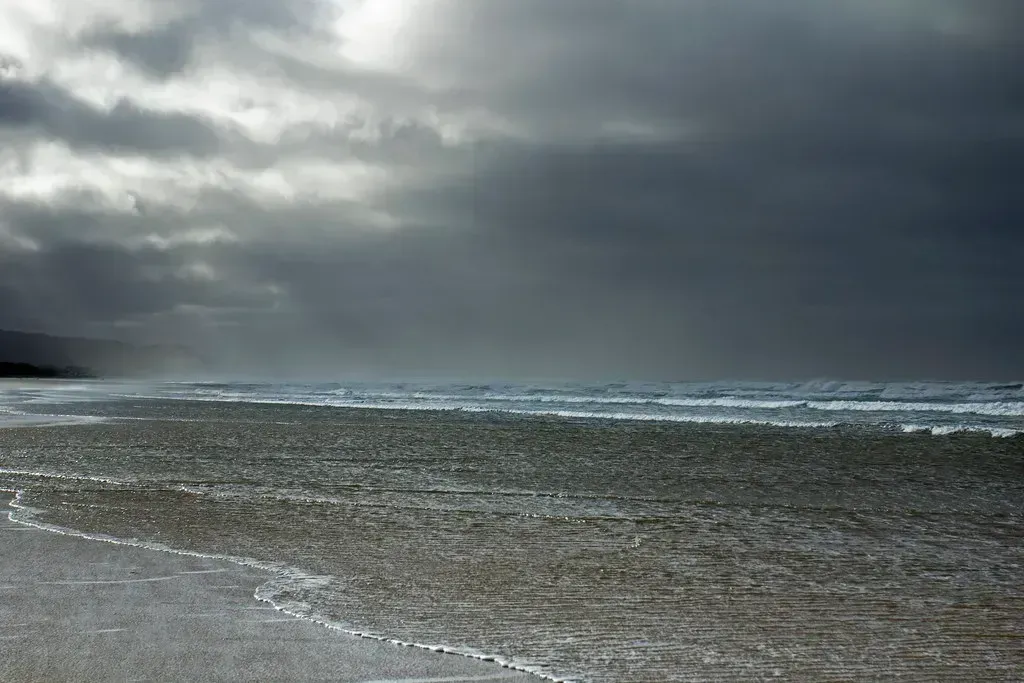
Back in the Boomer era, if the weatherman said rain, you planned accordingly, because you wouldn’t get another update until the evening news. Today’s hourly updates and real-time radar seem almost miraculous by comparison, yet the old habits persist. The idea of going out once a storm watch is posted? Simply not on the table.
This plays out in small ways constantly: older vendors at markets will sometimes pack up their entire setup the night before if there’s even a chance of rain, while younger vendors wait to see the morning forecast before deciding. Gen Z, raised on live radar apps and push notifications, treats weather alerts as starting points for decision-making. Boomers tend to treat them as final answers.
Stocking Up on Bread, Milk, and Canned Goods at the First Forecast
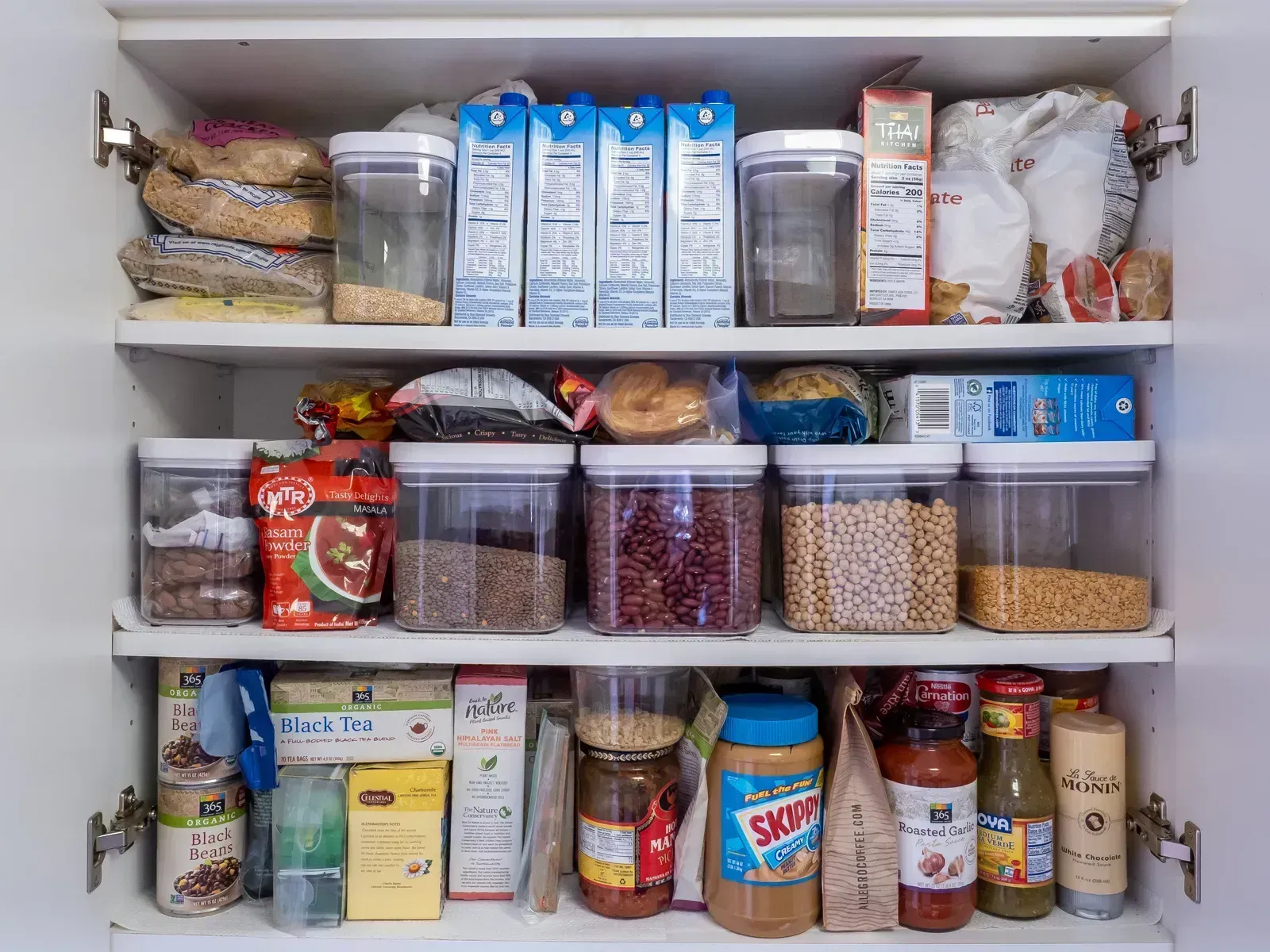
This behavior has roots in past experiences of power outages and limited store access during storms. Before 24-hour supermarkets and reliable infrastructure, a heavy rain could genuinely mean being stuck at home for days. The habit stuck, even though most rain showers today barely interrupt modern deliveries.
What younger people see as panic buying, Boomers might view as basic preparedness. The disconnect happens because Gen Z has never experienced empty store shelves or multi-day power outages from a simple storm. It’s worth noting that nearly two thirds of Americans say the weather in their area has become more extreme in the last decade, so there’s an argument to be made that the Boomers aren’t entirely wrong to prepare.
Relying on the TV Weather Channel Instead of Apps or Social Media
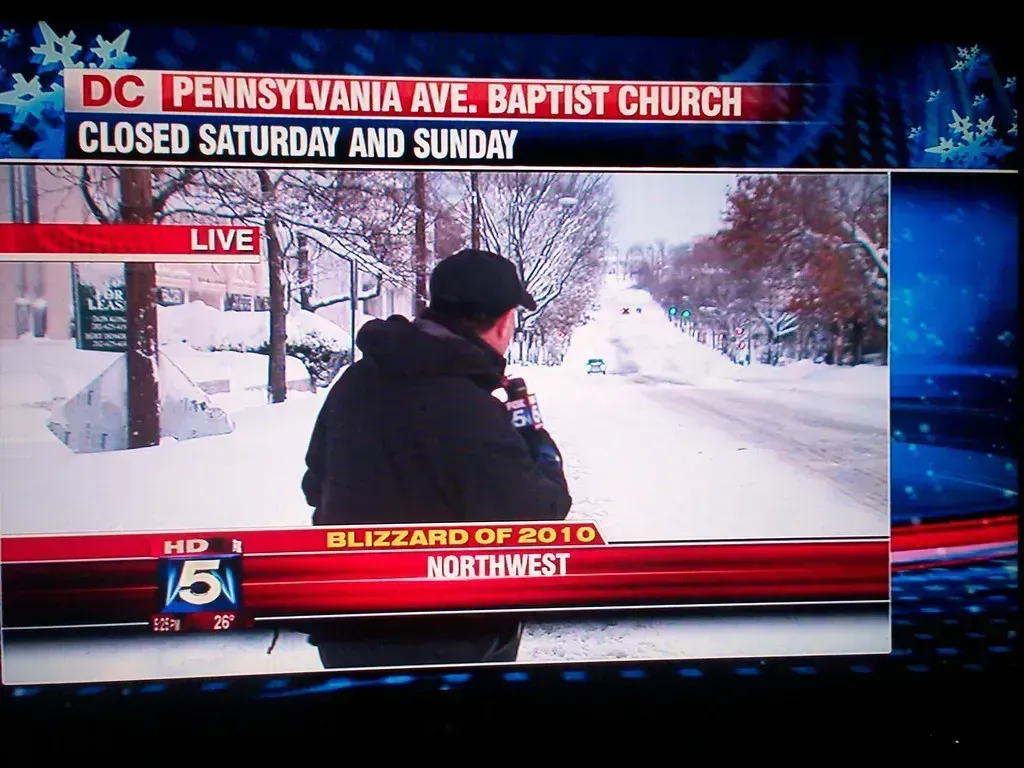
Boomers mix traditional and digital channels. Around 65 percent check email daily, and they still watch cable news or read print newspapers, then hop onto Facebook or YouTube for deeper dives. When a storm is incoming, many Boomers genuinely prefer sitting in front of the TV with The Weather Channel on in the background, waiting for the local forecast segment.
Gen Z finds this approach puzzling. Gen Z craves bite-sized, interactive content. Quick polls, AR filters, and live streams grab their attention. The idea of sitting through commercial breaks to catch a two-minute local forecast feels genuinely foreign to a generation that’s used to pulling up a radar animation in ten seconds. Neither approach is wrong, but the contrast is stark.
Keeping a Physical Emergency Kit Stocked Year-Round
Research shows a clear generational pattern: about 30 percent of Gen Z report not knowing what they need to do to get ready for extreme weather, compared with just 8 percent of Baby Boomers. Boomers are far more likely to maintain a physical emergency kit, stocked with flashlights, batteries, first aid supplies, and portable radios, not just before storm season but all year long.
Research suggests younger people are less confident in performing routine risk-reduction work around the home. Gen Z and Millennial respondents were more likely than older generations to say they do not know how to clear gutters, trim trees and branches, inspect roofs, or secure outdoor items before severe weather. The readiness that Boomers treat as basic household literacy is, for many younger people, knowledge that was simply never passed down.
Dressing in Layers for Any Temperature Below 60°F

Ask a Boomer what they’re wearing on a crisp autumn morning and the answer involves at least three layers. An undershirt, a proper shirt, a sweater, and likely a jacket, regardless of whether the actual forecast calls for anything harsher than mild wind. This approach to dressing for weather is deeply ingrained, shaped by decades of spending time outdoors before climate-controlled cars and heated office buildings were universal.
Older generations are more likely to say that they are already feeling the impacts of changing weather. This makes sense: they have over 60 years’ worth of real-life data on how weather, temperature, and seasons have changed. That lived experience translates into a physical caution around cold and damp conditions that Gen Z, largely accustomed to moving between heated interiors, tends to find excessive. To a Boomer, a hoodie in October is not an outfit; it’s barely a starting point.
Watering the Lawn on a Set Schedule, Rain or Shine
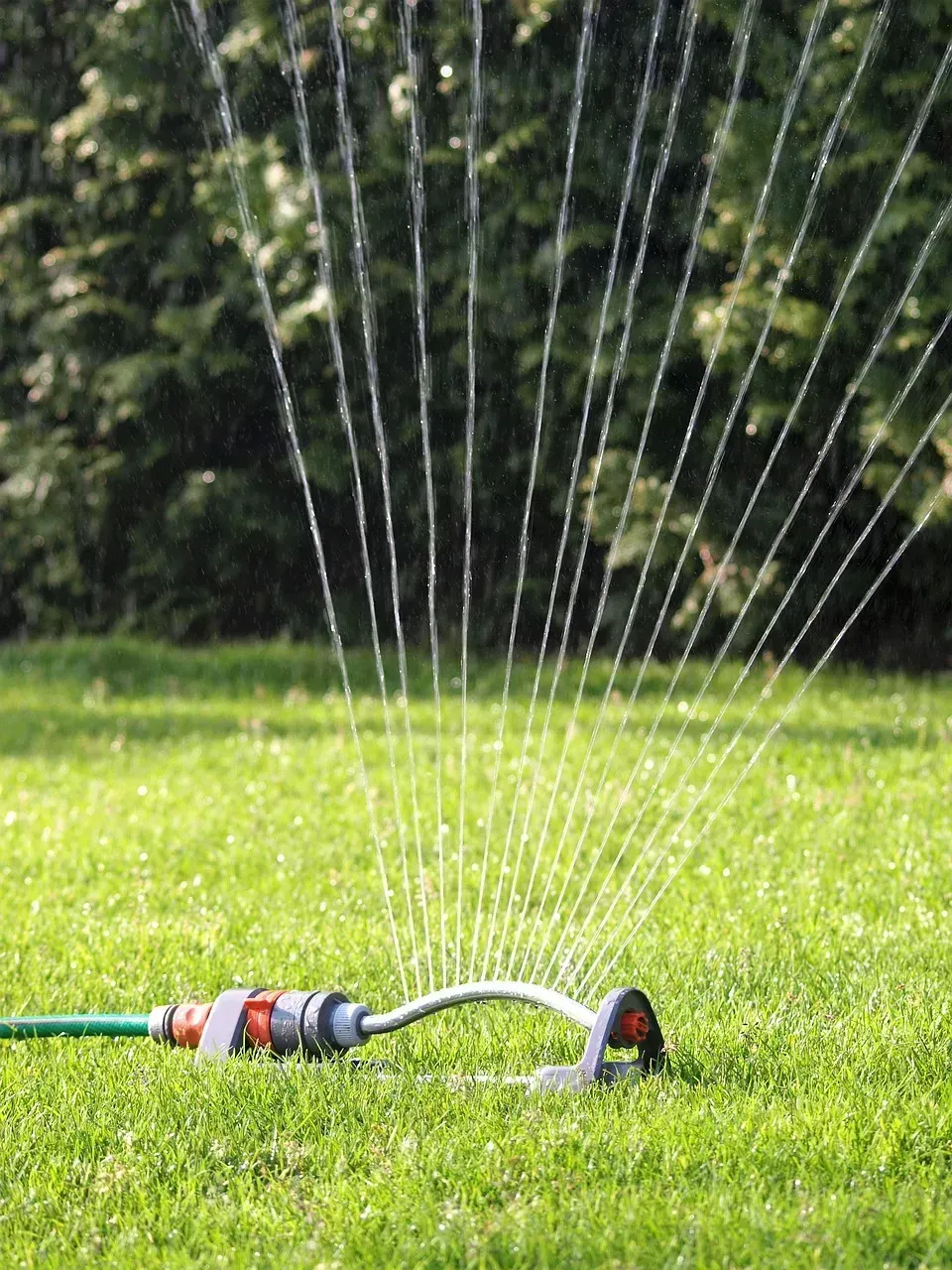
Baby Boomers tend to maintain water use habits formed during a period of perceived abundance, with less environmental regulation shaping their formative years. About 65 percent view water as a critical resource, but only 45 percent actively engage in routine water conservation practices. Their average daily water use is characterized by substantial outdoor activities like lawn watering and car washing.
Gen Z sees routine lawn watering differently, especially against the backdrop of ongoing drought concerns. Generation Z is growing up in an era of digital connectivity and heightened climate activism. These generations have the potential to make the most robust commitment to water conservation, with a 2023 report suggesting the vast majority from these generations do or will monitor their water usage through apps. Watching a neighbor run sprinklers the morning after a heavy rainfall is the kind of thing that genuinely baffles them.
Refusing to Drive During Any Precipitation, No Matter How Light
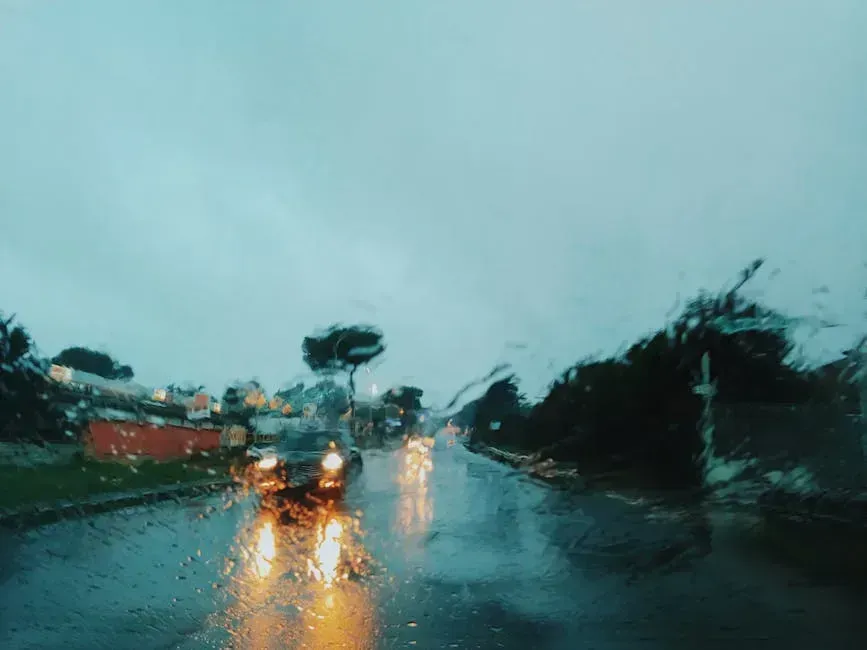
Avoiding unnecessary travel during storms was a safety measure that made sense in earlier decades. The habit persists even though circumstances have changed dramatically. Many Boomers will simply not get behind the wheel if rain is in the forecast, a decision that seems disproportionate to Gen Z when the drizzle in question is barely worth an umbrella.
These behaviors might seem excessive to younger generations, but they tell a story of adaptation and survival. Every canceled plan reflects past experiences that younger people haven’t shared. What looks like overreaction might actually be hard-won wisdom from a time when infrastructure was less reliable and weather events were more isolating. Gen Z navigates rainy days with ride-share apps and real-time traffic alerts. Boomers navigate them with the same instinct they’ve always had: when in doubt, stay home. Both approaches reflect the world each generation grew up in, and that’s probably the most honest way to understand the gap.
The behaviors that look extreme through a Gen Z lens are, in most cases, deeply practical responses to a world that no longer quite exists. Infrastructure is more reliable now. Information is immediate. The grocery store doesn’t close because of a little sleet. Still, the habits endure, passed down not through instruction but through lived experience. The Boomer tendency toward over-preparation could genuinely save lives in a real emergency, while younger generations’ flexibility and reliance on real-time information represents a more adaptive approach to uncertainty. There’s probably something worth keeping from both sides of that divide.

- The Shoreline Sucked Dry in Seconds – 5 Tsunami Signals Beachgoers Mistake for Low Tide - November 14, 2026
- 9 Dark-Sky Destinations Around the World Where the Stars Look Unreal - November 14, 2026
- The Fault Line That Never Slips – 7 Locked Seismic Zones Overdue for a Massive Release - November 14, 2026
