


- That Metallic Taste in Storm Air – How Lightning Generates Pure Ozone - November 16, 2026
- Atlantic Hurricane Activity Has Often Rebounded After Strong El Niño Years, Records Show - November 15, 2026
- The Planet Where It Rains Liquid Glass – 7 Alien Worlds Defying Known Physics - November 14, 2026
Extreme weather has become something many Americans no longer experience just on television. Overall, roughly three quarters of Americans say they’ve experienced at least one of five forms of extreme weather in the past 12 months. That’s not a distant statistic. It’s neighbors, families, and entire towns reshaped by floods, fire, and wind.
The average length of time between billion-dollar disasters in the U.S. has fallen from 82 days during the 1980s to just 16 days during the last decade. The pace is no longer gradual. These are the seven events Americans consistently rank among the worst they’ve ever been through, and the ones they hope never to face again.
1. Hurricane Helene (2024): The Inland Catastrophe Nobody Predicted
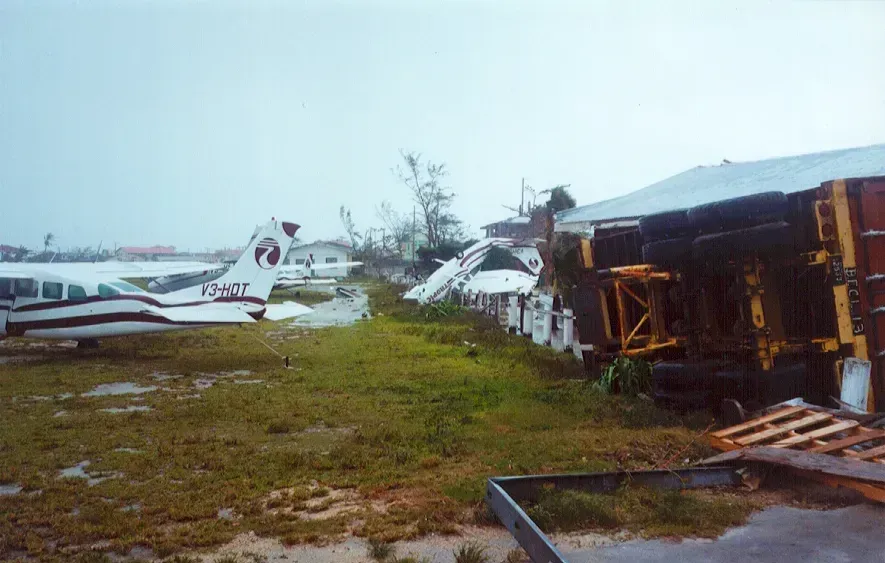
Hurricane Helene was a powerful and devastating tropical cyclone that caused widespread catastrophic damage and numerous fatalities across the Southeastern United States in late September 2024. It was the strongest hurricane on record to strike the Big Bend region of Florida and the deadliest Atlantic hurricane since Hurricane Maria in 2017. What made Helene so uniquely traumatic was how far inland the destruction reached, catching many communities completely off guard.
At least 252 deaths and $78.7 billion in damages have been attributed to Helene, making it the second-deadliest hurricane to strike the continental United States in fifty years, after Katrina in 2005. For western North Carolina, Helene was the worst natural disaster on record. Some 20 to 30 inches of rain fell in the Appalachian Mountain areas, and more than 60 river and stream gauges recorded record levels in South and North Carolina, Tennessee, and Virginia.
2. The July 2025 Texas Hill Country Floods: A Holiday Turned Tragedy
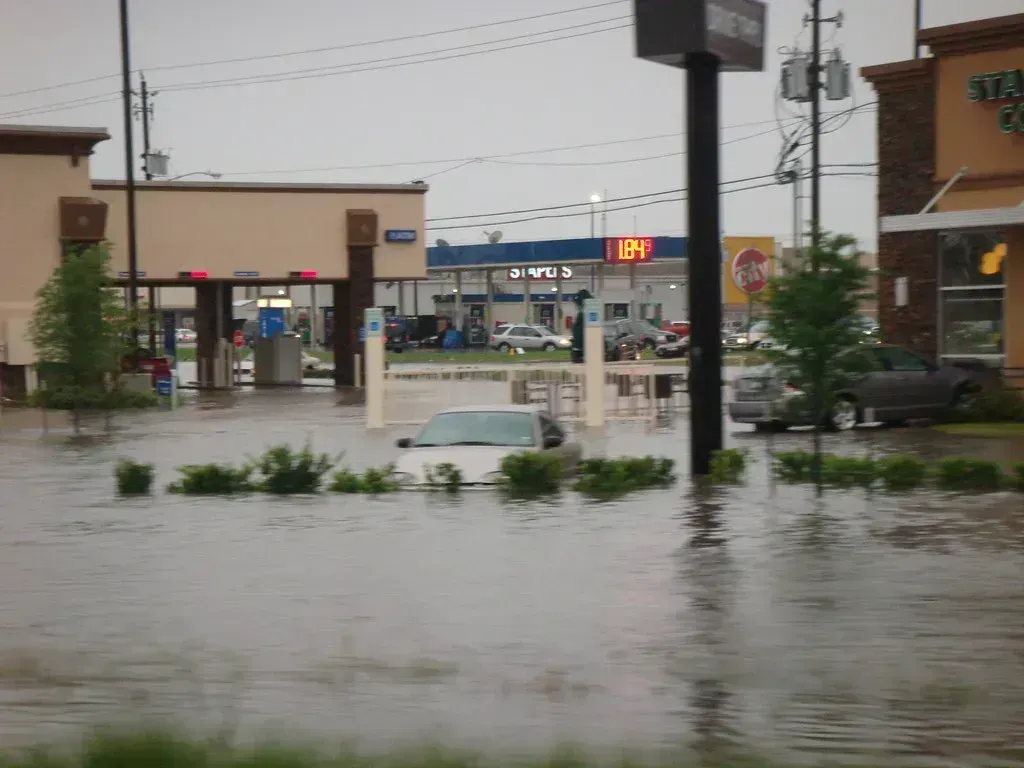
On July 4, 2025, destructive and deadly flooding took place in the Hill Country region of Texas. Water levels along the Guadalupe River rose rapidly, and at least 139 people were killed, at least 117 of them in Kerr County. The fact that it happened on the Fourth of July, when the riverbanks were packed with vacationers and summer campers, made the loss all the more devastating.
Altogether, four months’ worth of rain fell, causing the Guadalupe River to rise about 26 feet in 45 minutes. Located in a low-lying area of a region known as “flash flood alley,” Camp Mystic lost at least 27 campers and counselors. The flood was the deadliest inland flooding event in the United States since the 1976 Big Thompson River flood, surpassing flooding from Hurricane Helene in 2024.
3. The 2025 Los Angeles Wildfires: The Costliest Fire Disaster in U.S. History
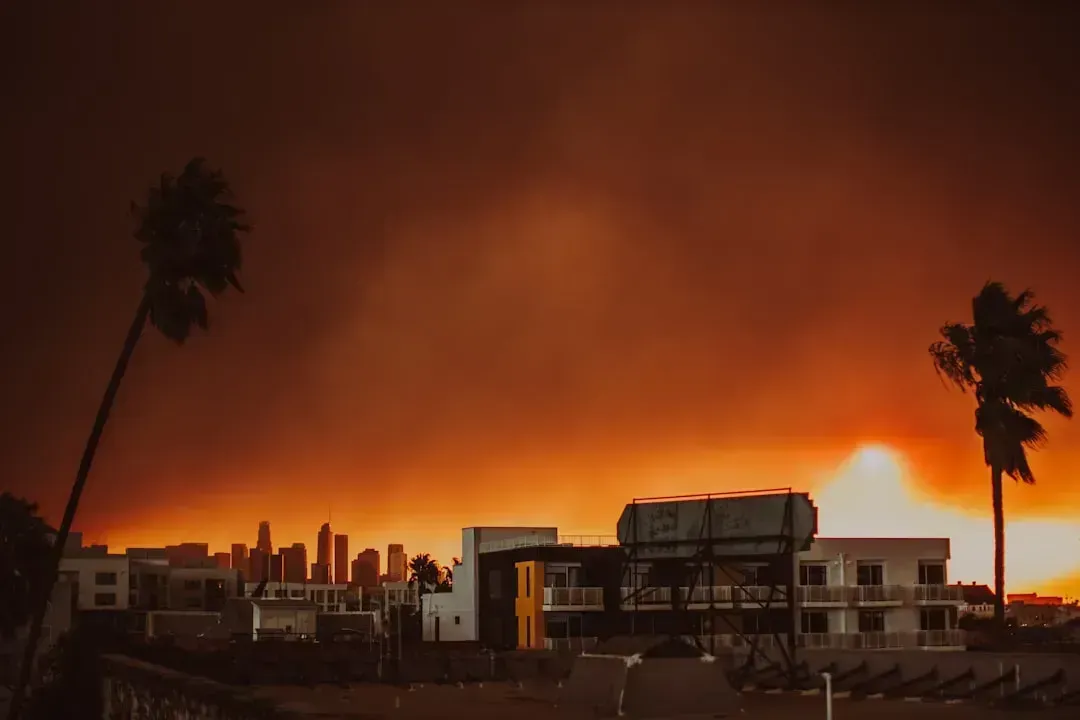
The January 2025 Los Angeles wildfires were the costliest event of that year as well as the costliest wildfire on record. With $61.2 billion in damages, this devastating event was about twice as costly as the previous record wildfire. Entire neighborhoods burned within hours, and the scale of destruction left hundreds of thousands displaced across Los Angeles County.
The Eaton Fire burned 14,021 acres while the Palisades Fire burned 23,448 acres, being the second and third most destructive wildfires in California history, respectively. Seventeen of the 20 largest California wildfires by acreage and 18 of the 20 most destructive wildfires by the number of buildings destroyed have occurred since the year 2000. For Angelenos who lived through the fires, the speed and ferocity made escape feel like luck rather than preparation.
4. Hurricane Katrina (2005): The Storm That Defined a Generation’s Fear of Hurricanes
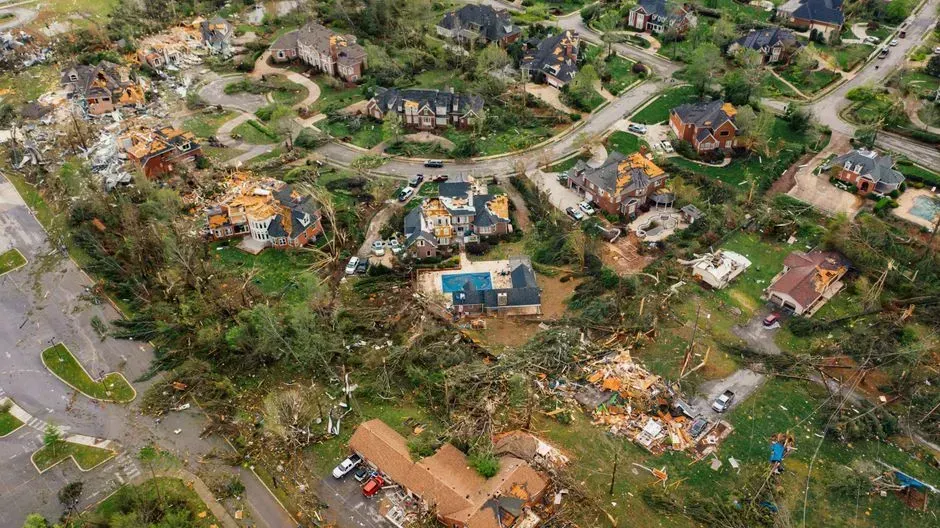
Nine out of ten of the most expensive natural disasters in the U.S. were hurricanes, with the most expensive being Hurricane Katrina in 2005, costing over $201 billion. Hurricane Katrina caused a great deal of material and economic damage, and the number of fatalities was the most devastating, with a death toll reaching almost 2,000 people. For those who experienced it firsthand, the storm left scars that no rebuilding effort could fully erase.
The failure of levees transformed a hurricane into a prolonged humanitarian crisis, leaving entire communities submerged for weeks. In the South, hurricanes were the type of extreme weather hazard most likely to affect people, with roughly more than a quarter of Southern respondents saying they experienced one in the past two years. Katrina’s legacy is still visible in how Americans across the South talk about hurricane preparedness today.
5. Extreme Heat Waves: The Silent Killer Most People Underestimate
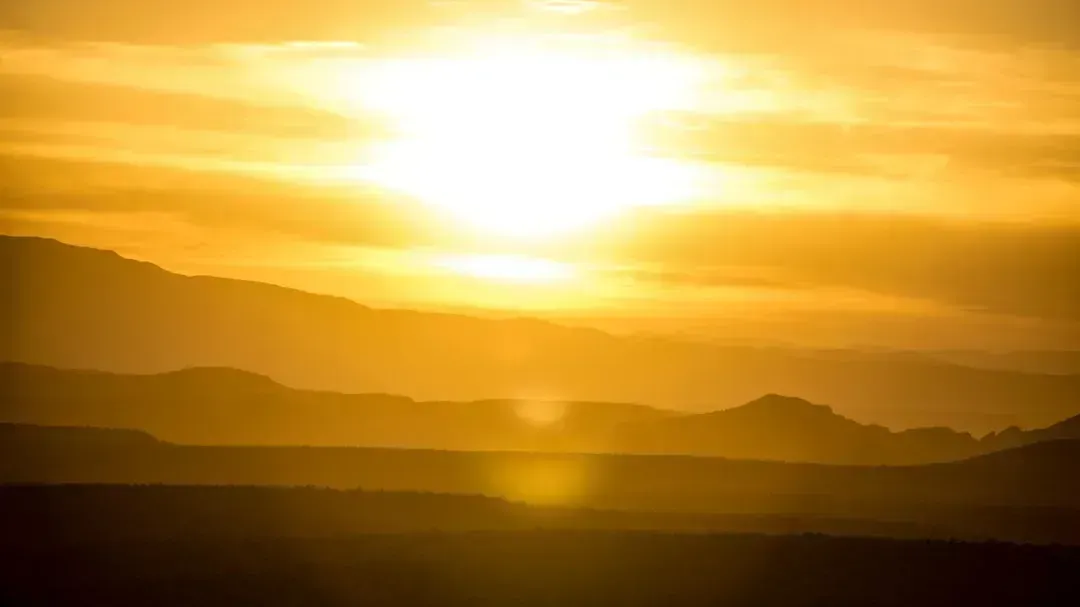
Following tropical cyclones, drought and extreme heat are responsible for the largest sum of natural disaster related fatalities, causing over 4,500 deaths between 1980 and 2023 in the U.S. Heat is uniquely dangerous because it’s invisible. There’s no visible wall of water, no roar of a tornado. It simply builds, and by the time someone recognizes the danger, it can already be too late.
Among the roughly half of Americans who say they have experienced long periods of unusually hot weather in the last year, the vast majority say climate change contributed either a lot or a little to this. Half of Westerners and more than half of Southerners say they experienced stretches of unusually hot weather in the past year, compared with roughly a third each in the Northeast or Midwest. Sustained heat events now rank among the weather experiences Americans describe as most physically and psychologically exhausting.
6. Tornado Outbreaks: When the Sky Gives Almost No Warning
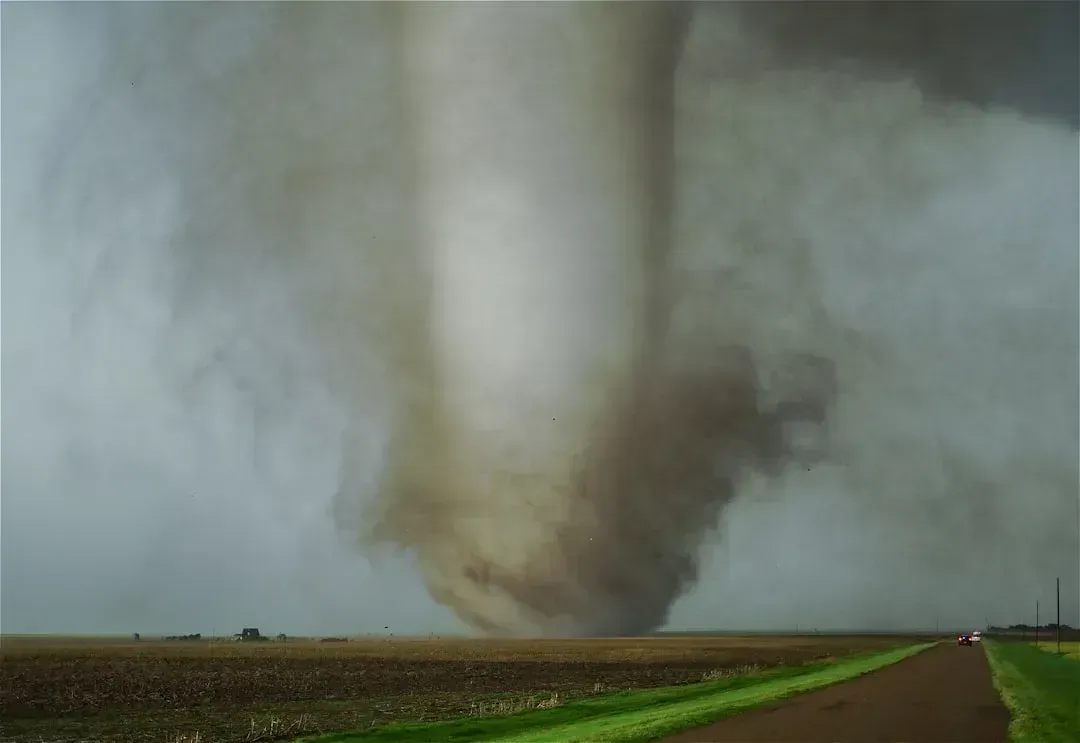
Severe weather accounted for a record 21 billion-dollar disasters in 2025, concentrated in a series of spring and summer tornado outbreaks across the central U.S. Tornadoes are the extreme weather event most likely to produce a kind of helplessness. Seconds matter, and the difference between shelter and open ground can mean everything.
In June 2025, an EF5 tornado, the first in over twelve years worldwide, moved through areas near Enderlin, North Dakota. Historically, events like the 1925 Tri-State Tornado remain benchmarks of destruction: the deadliest tornado in U.S. history carved a 219-mile path of destruction, leveling entire towns and killing 695 people. Communities were blindsided with no warning systems in place, and the storm’s speed made survival nearly impossible. The fear of tornadoes never fully fades for those who’ve sheltered through one.
7. Catastrophic Inland Flooding: When Rivers Stop Following Their Banks
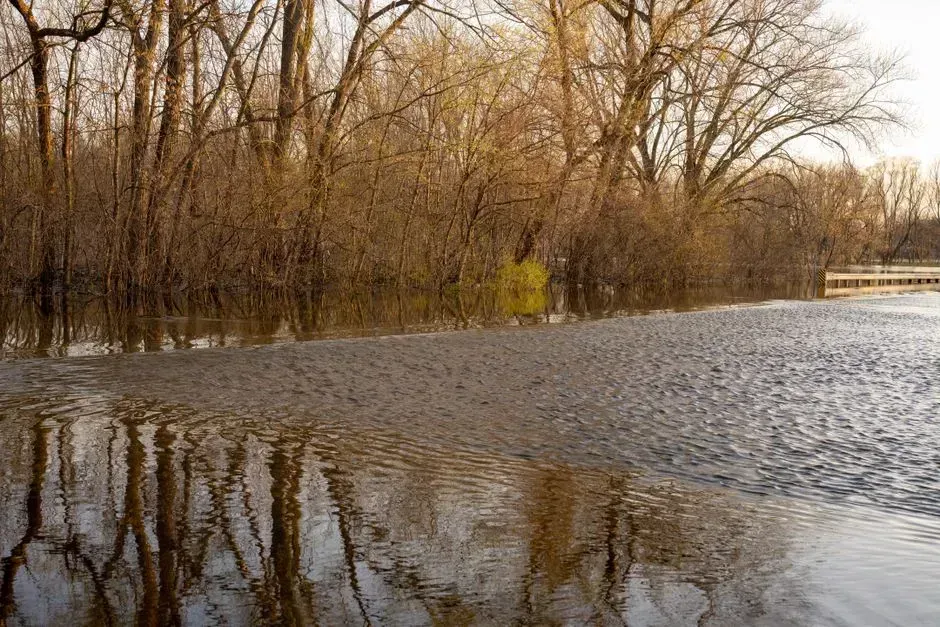
During the U.S. Census Bureau’s Household Pulse Survey, between roughly one and two percent of respondents reported having been displaced by a natural disaster in the past year, representing an average of about 3.1 million people. This finding means about 1 in 70 adults in the country were estimated to have been displaced from their homes because of a disaster in the previous year alone. Flooding accounts for a significant share of that displacement, and it hits communities in ways that linger long after the water recedes.
A large share of those displaced were because of hurricanes and floods, but other disasters like fires and tornadoes were also prevalent. More than three-quarters of respondents who were displaced because of a disaster reported some level of damage to their property and possessions. For anyone who has watched their home fill with water, the experience is not just physical loss. It’s the dismantling of a place that felt permanent, replaced overnight by something unrecognizable.
The numbers behind these events are staggering, but they still don’t fully capture what it feels like to stand in the aftermath. From 1980 through 2025, the U.S. suffered 426 separate billion-dollar weather and climate disasters. These catastrophic events took an estimated 17,194 lives and resulted in damages exceeding $3.1 trillion. Behind each of those figures is a community that rebuilt, or tried to, and a set of memories that most would rather never revisit.
