

- Phantom Energy Sucking Power 24/7 – 7 Home Electronics Quietly Inflating Utility Bills - November 14, 2026
- A Million-Mile Storm Raging for Centuries – 6 Violent Weather Wonders in Our System - November 14, 2026
- Animals Flee Hours Before the Tremor – 7 Natural Warnings Before Disasters Strike - November 14, 2026
There’s a certain kind of pleasure in listening to an older relative describe the weather. They don’t reach for their phone or open an app. They glance at the sky, sniff the air, and deliver a verdict with the confidence of someone who has lived through enough seasons to trust their own senses. Baby boomers, generally defined as those born from 1946 to 1964, came of age during the post-World War II years, long before 24-hour weather channels and radar apps became the default.
Much of the language that used to define the boomer generation has fallen out of use, and the words that did stick have been around so long that most people wouldn’t even realize where they came from. Weather talk is a surprisingly rich example of this. Certain phrases land differently depending on who’s saying them, and the ones below tend to mark the speaker’s generation almost immediately.
1. “It’s Raining Cats and Dogs”
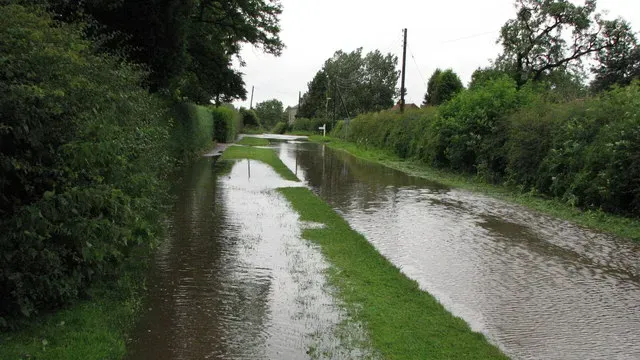
This is probably the most recognizable weather phrase on this list, and it still rolls off a boomer’s tongue without a second thought. Etymologists have suggested a variety of mythological and literal explanations for why people say “it’s raining cats and dogs” to describe a heavy downpour. One popular theory links it to Norse mythology, where Odin was pictured with dogs and wolves as symbols of wind, while witches riding broomstorms were pictured with black cats as signs of heavy rain for sailors, making “cats and dogs” a fusion of wind and rain.
The first recorded use of a phrase similar to “raining cats and dogs” appeared in the 1651 collection of poems Olor Iscanus, where British poet Henry Vaughan referred to a roof that was secure against “dogs and cats rained in shower.” The phrase in roughly its current form appears in English texts from the 18th century onward. Younger generations tend to say it’s “pouring,” “bucketing down,” or simply “coming down hard.” The cats and dogs version, vivid and odd as it is, belongs to an older vocabulary that boomers inherited almost instinctively.
2. “Red Sky at Night, Sailor’s Delight”
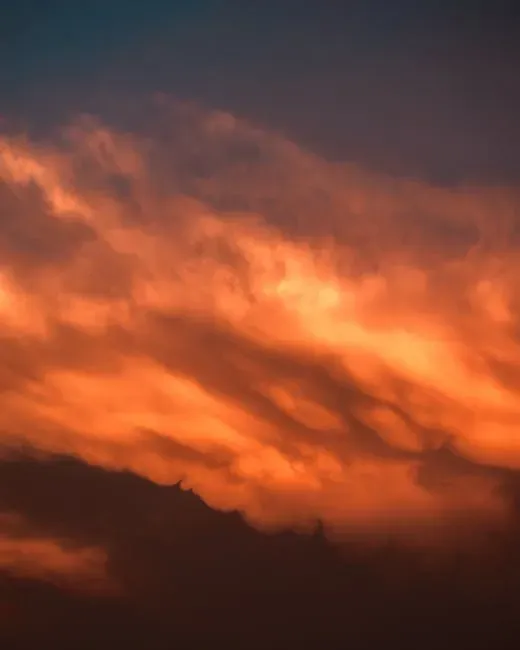
This rhyming proverb is one of the oldest weather sayings in the English language, and boomers reach for it with genuine confidence rather than as a novelty. In the Bible, there is a passage in which Jesus references the red sky in the evening as a sign of fair weather and a red sky in the morning as a warning of storms. It’s a phrase rooted in genuine meteorology. When there is a high-pressure system, the air sinks further and creates a more vibrant red sky. High pressure means dry, clear weather is coming, and since weather moves west to east, that good news is heading in the right direction.
A reddish sunrise, on the other hand, means that dry air has already passed overhead, clearing the way for a storm to move in. The high-pressure air has likely already shifted east, and an area of low pressure may follow, which usually brings clouds, rain, or storms. Long before weather apps and satellites, farmers, sailors, and nature lovers relied on weather proverbs and folklore to predict rain, clouds, and storms. Boomers grew up with this kind of observational knowledge passed down directly from older relatives, and it shows.
3. “We Need the Rain”
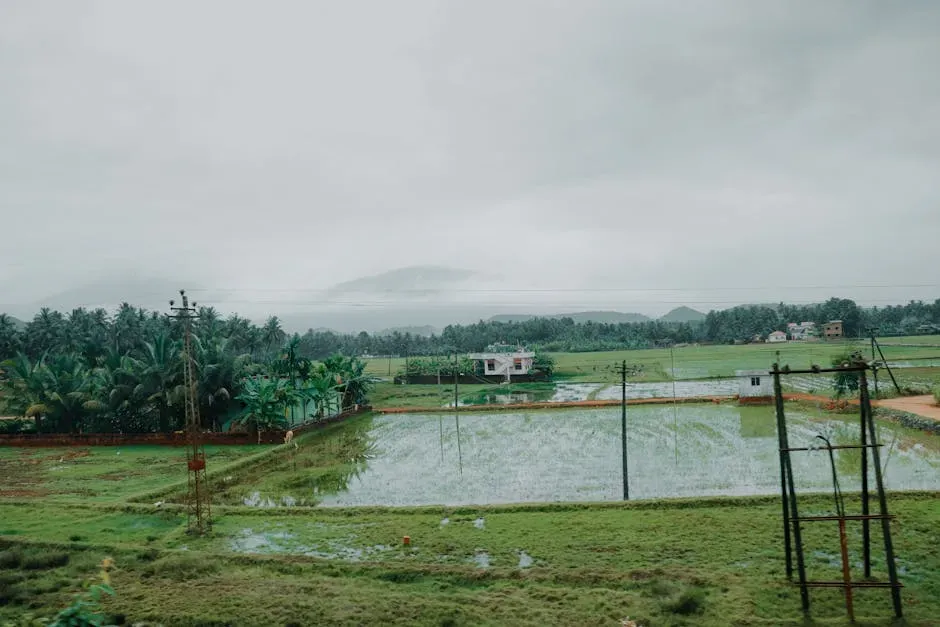
Younger generations might check a drought map or scroll through a weather app. Boomers tend to look at a gray sky and say, simply, “we need the rain.” It’s a phrase that carries a quiet agricultural awareness, a leftover reflex from a time when more families had direct ties to land, gardens, or farming communities. Weather impacts decisions every single day, from what you wear to when you leave for your commute, the chores you do, and the hobbies and family activities you plan.
People have long planted and planned by carefully watching signs in nature, including the weather. Over time, they noticed patterns for what worked and what didn’t, and those observations became catchy sayings that could easily be taught to future generations. “We need the rain” is less a weather report and more a worldview, one that treats precipitation as a resource rather than an inconvenience. It’s been noted as one of the recognizable humorous boomer phrases still in wide circulation.
4. “In the Dead of Winter”
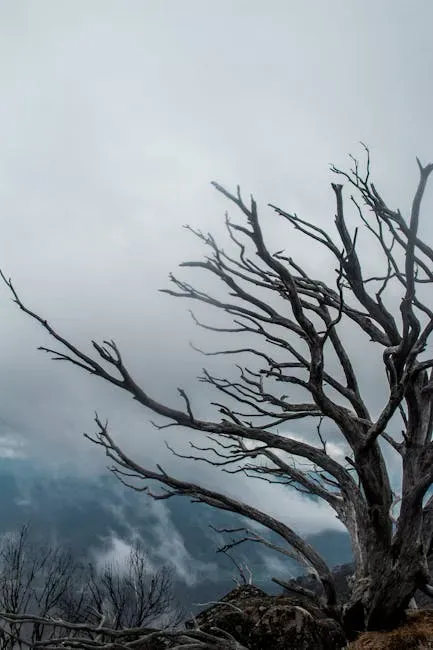
Boomers don’t just say it’s cold. They say it’s “the dead of winter,” a phrase with a real literary pedigree that younger speakers rarely use without feeling slightly theatrical. “Dead of winter” describes those shortest days and coldest temperatures, and in much of the Northern Hemisphere, where winter is a time when the earth quite literally stops growing with most vegetation dormant, this expression from the 1600s makes perfect sense. The phrase captures something more than temperature. It captures stillness, bare branches, and the sense that the world has temporarily stopped.
The expression “in the dead of” refers broadly to any time that is silent or still, and while there are technical terms a weatherman might use, English speakers have adopted their own turns of phrase for what they see outside their windows. For boomers, this kind of language came naturally, absorbed from parents and grandparents who described seasons with a poetic weight that weather apps simply can’t replicate. Gen Z tends to say it’s “freezing” or just “so cold right now.” The dead of winter belongs to a different register entirely.
5. “A Halo Around the Moon Means Rain Is Coming”
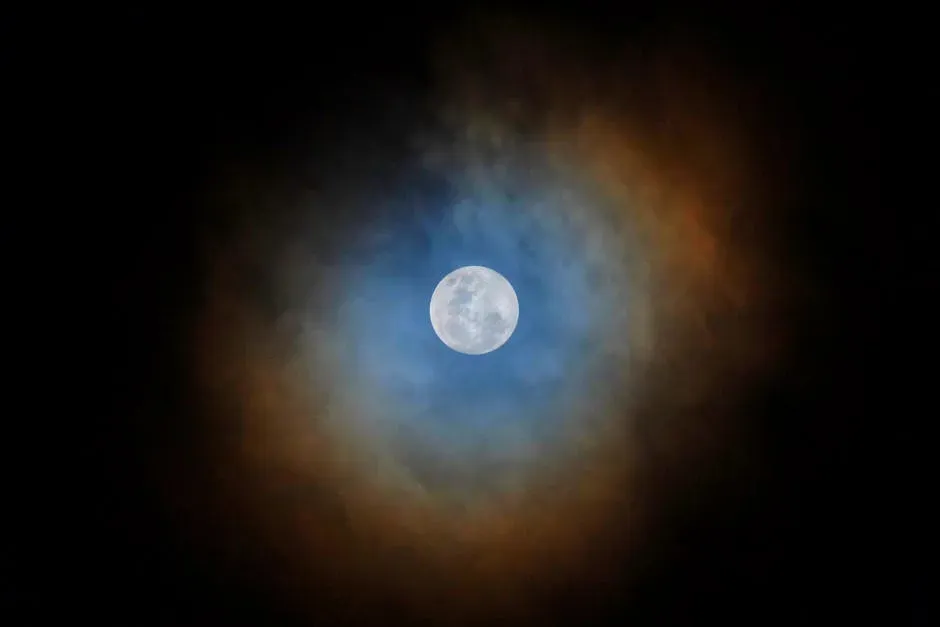
If you spot a boomer staring at the night sky and calmly announcing that rain is on the way based on what they see around the moon, you’ve witnessed a tradition that stretches back centuries. The proverb “a halo around the Moon predicts wet or stormy weather” has a basis in real meteorology: a ring around the moon usually indicates an advancing warm front, which means precipitation. Under those conditions, high, thin clouds get lower and thicker as they pass over the moon, and ice crystals are reflected by the Moon’s light, causing a halo to appear.
For centuries, farmers and sailors whose livelihoods depended on the weather relied on lore to forecast it, quickly connecting changes in nature with rhythms or patterns of the weather. Perhaps surprisingly, most of this handed-down folk wisdom is really quite accurate and has a lot of science behind it. Boomers who grew up in rural or semi-rural households absorbed this kind of sky-reading as a natural skill. Saying it out loud today can feel like speaking a language that most people around them stopped learning decades ago.
6. “It’s Hot as Hell Out There”

When a boomer steps outside in July and doubles back through the door muttering “it’s hot as hell,” they’re using an expression with a surprisingly long and colorful history. When the temperature soars, describing the weather as “hot as hell” or “hot as fire” evolved from the even older expression “hot as Hades,” the ancient Greek name for both the god of the underworld and the underworld itself. It’s not casual profanity so much as embedded idiom, the kind of phrasing that lands differently depending on who says it and how.
Language is always evolving, and understanding what people from different generations are actually saying can be downright confusing at times. Younger generations tend to reach for “it’s literally boiling” or just “it’s insane outside.” The boomer version is blunter, more dramatic in an old-fashioned way, and carries a faint echo of the kind of weather small talk that once happened on front porches rather than in comment sections. There’s something refreshingly uncomplicated about it, even if it does date the speaker.
7. “There’s a Storm Brewing”
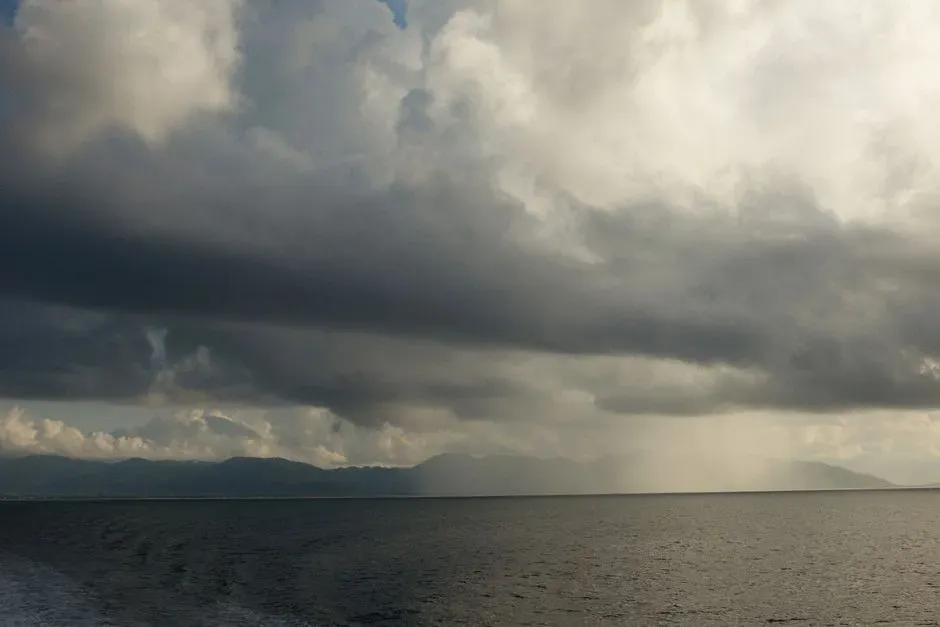
This phrase does two things at once. It describes actual weather, and it reveals that the speaker has spent enough time outdoors to sense a change before it officially arrives. Today we have meteorologists and entire government agencies dedicated to predicting the weather with high-tech computers and algorithms, but in earlier times, folks had to rely mostly on observation and rudimentary tools. Farmers, sailors, and amateur meteorologists came up with handy sayings that could guide their observations, realizing that animal behavior, wind direction, and air pressure were accurate indicators of how the weather would behave.
Old-fashioned weather sayings hold a lot of truth and are sometimes humorous. Although the people who coined them probably didn’t know or fully understand the science behind them, they knew they worked. Knowledge and information handed down from generation to generation became lost as we gained weather forecasts on our televisions and radios. “There’s a storm brewing” is one of those phrases that comes from a time when reading the environment was a practical skill, not a hobby. Hearing a boomer say it in a calm, certain tone while everyone else checks a weather widget is, quietly, a small window into a different way of relating to the natural world.
Language is one of the more honest timestamps we carry. Weather talk, in particular, tends to reflect not just where someone grew up but when, which generation shaped their first vocabulary of the sky. These seven phrases aren’t outdated in any dismissive sense. They’re living fossils, proof that some words survive because they actually work, even if only a certain generation still reaches for them first.
