
Some storms pass and leave only wet streets behind. Others leave something harder to describe – a before and after, a dividing line in people’s lives that separates the world they knew from something entirely different. The storms in this list belong to that second category.
They span centuries and continents, and each one carries its own particular weight. Some broke records. Some broke cities. All of them left behind people who still talk about them, decades or even generations later, in the hushed tone that tends to follow something truly unforgettable.
1. The Galveston Hurricane of 1900 – America’s Deadliest Natural Disaster
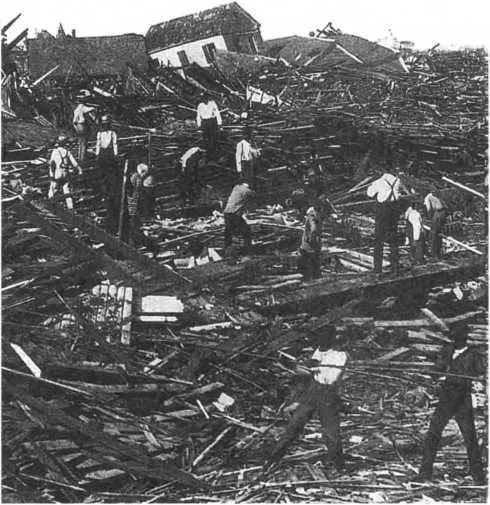
Galveston’s location on a low-lying barrier island off the Texas coast left it vulnerable to storms, and none was more catastrophic than the hurricane of 1900. On September 8, the day it struck, Galveston was the wealthiest city in Texas and the third richest in the country. By the afternoon of September 8, the city was hit with a tropical cyclone consisting of heavy rains, 120 mph wind gusts, and 16-foot storm surges that left much of the city underwater.
When it was over, few buildings remained and a fifth of the population was dead. Weather bureau forecasters had thought the hurricane was headed for the Atlantic Coast, and by the time it hit Galveston, the destruction of bridges to the mainland prevented islanders from escaping. Between 6,000 and 10,000 people died, and the 1900 hurricane remains the country’s deadliest weather disaster to this day.
2. The Great Blizzard of 1888 – The Storm That Rewired a City
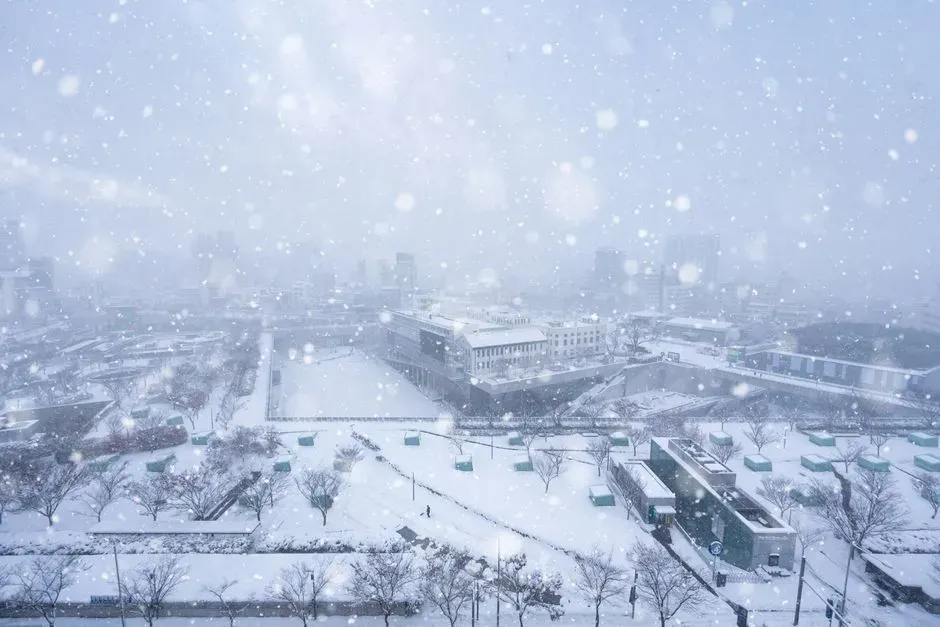
The Great Blizzard of 1888, also known as the Great White Hurricane, was one of the most severe recorded blizzards and the deadliest in American history. The storm paralyzed the East Coast from Chesapeake Bay to Maine, as well as the Atlantic provinces of Canada. From March 11 to 14, up to 50 inches of snow fell, and winds gusted up to 80 miles per hour, causing snowdrifts as high as 50 feet.
Many New Yorkers unfamiliar with blizzard conditions tried to go to work. As the weather worsened throughout Monday, workers were stranded in the streets, on trains, in elevated transit cars, and at their places of employment. Shops, government offices, courts, Wall Street businesses, and even the Brooklyn Bridge closed. The transportation gridlock caused by the storm was partially responsible for the creation of the first underground subway system in the United States, which opened nine years later in Boston, as well as New York’s first underground subway line in 1904.
3. The Tri-State Tornado of 1925 – Three States, Three Hours, Unfathomable Loss
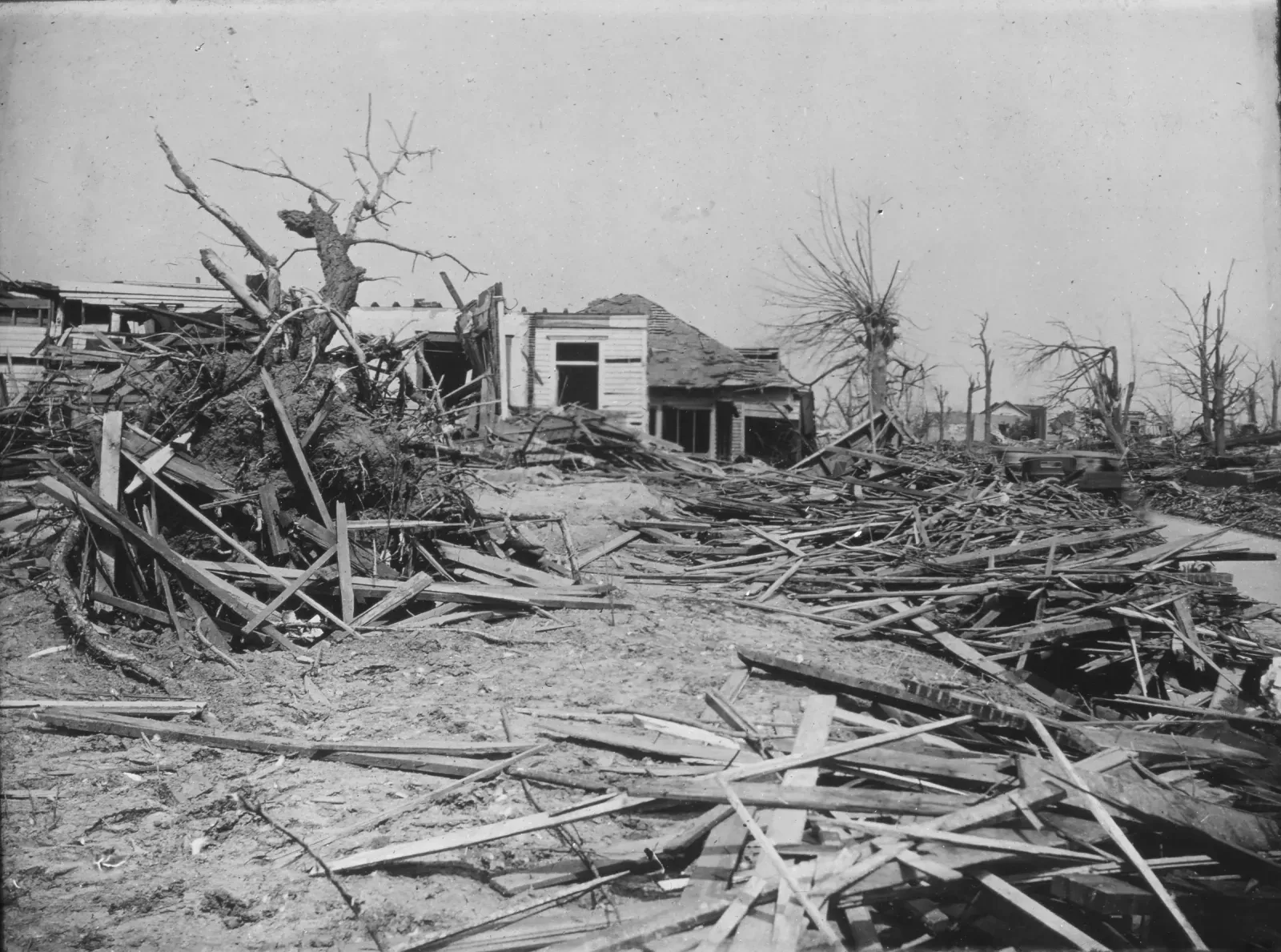
On March 18, 1925, a single tornado carved a path of destruction over 219 miles through Missouri, Illinois, and Indiana, killing 695 people – the deadliest tornado in American history. The monstrous storm ran 164 miles through those states, destroying 15,000 homes. Fueled by the mixing of warm air masses, cold fronts, and a moving low-pressure system, the tornado devastated the midwestern region for more than three hours.
With winds reaching 300 miles per hour, the Tri-State Tornado demolished entire towns in its wake, leveling homes, schools, and factories in a matter of minutes. In all, at least 751 people died, and 2,298 were injured, making the outbreak the deadliest tornado outbreak in U.S. history. The sheer speed and width of the tornado gave communities almost no time to react, a fact that haunted survivors for the rest of their lives.
4. The Bhola Cyclone of 1970 – The Storm the World Was Slow to Answer
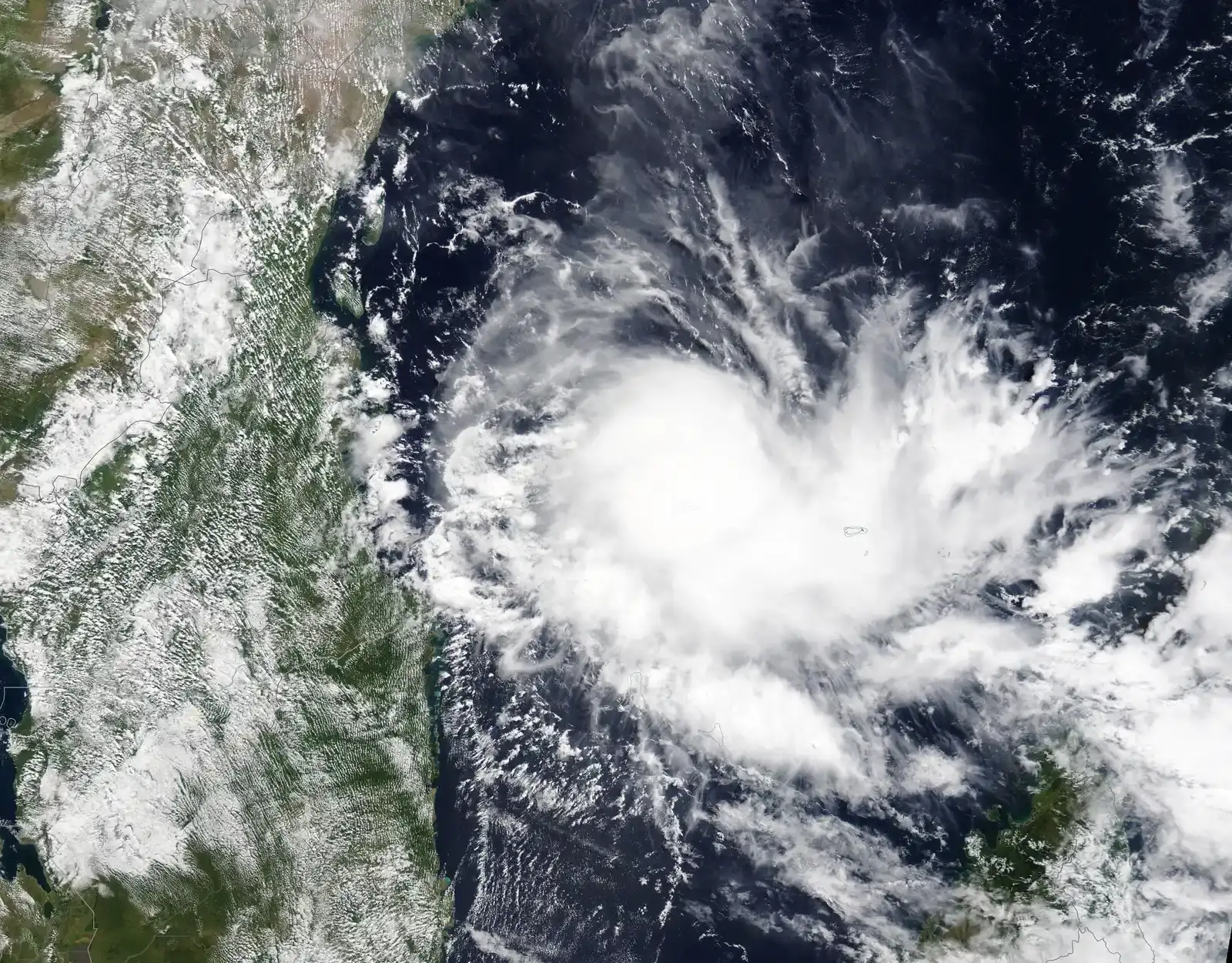
The Bay of Bengal has borne witness to numerous devastating cyclones throughout history, but none more catastrophic than the Bhola Cyclone of 1970. This immense storm struck East Pakistan (now Bangladesh) and West Bengal, India, with unimaginable force, claiming the lives of between 300,000 and 500,000 people. The Great Bhola Cyclone, which struck Bangladesh in 1970, is considered the deadliest tropical cyclone in world history, causing approximately 500,000 fatalities.
The Bhola Cyclone underscored the urgent need for improved cyclone forecasting and disaster response efforts in the region, leaving an enduring mark on the collective memory of those affected. The political fallout from the Pakistani government’s sluggish response to the disaster contributed to the tensions that ultimately led to Bangladesh’s war of independence in 1971. It is one of those events that reshaped not just a coastline, but an entire nation’s trajectory.
5. Hurricane Andrew of 1992 – The Storm That Rewrote Building Codes
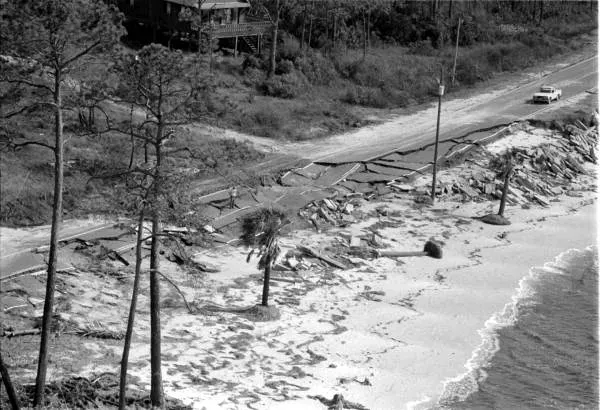
A compact but ferocious Category 5 hurricane, Andrew bulldozed through South Florida on August 24, 1992, with sustained winds of 165 miles per hour. The storm flattened entire neighborhoods, including Homestead, and caused $27 billion in damages, making it the costliest hurricane in U.S. history until Katrina. One million people were evacuated and 54 died in the hurricane.
Andrew’s devastation led to significant changes in building codes and disaster preparedness, proving that small does not mean weak. Before Andrew, Florida’s construction standards were widely regarded as inadequate. The storm stripped entire subdivisions down to bare concrete slabs, and investigators found that many structures had simply not been built to code. What followed was one of the most sweeping overhauls of residential construction standards in American history.
6. Hurricane Katrina of 2005 – When a City Went Underwater
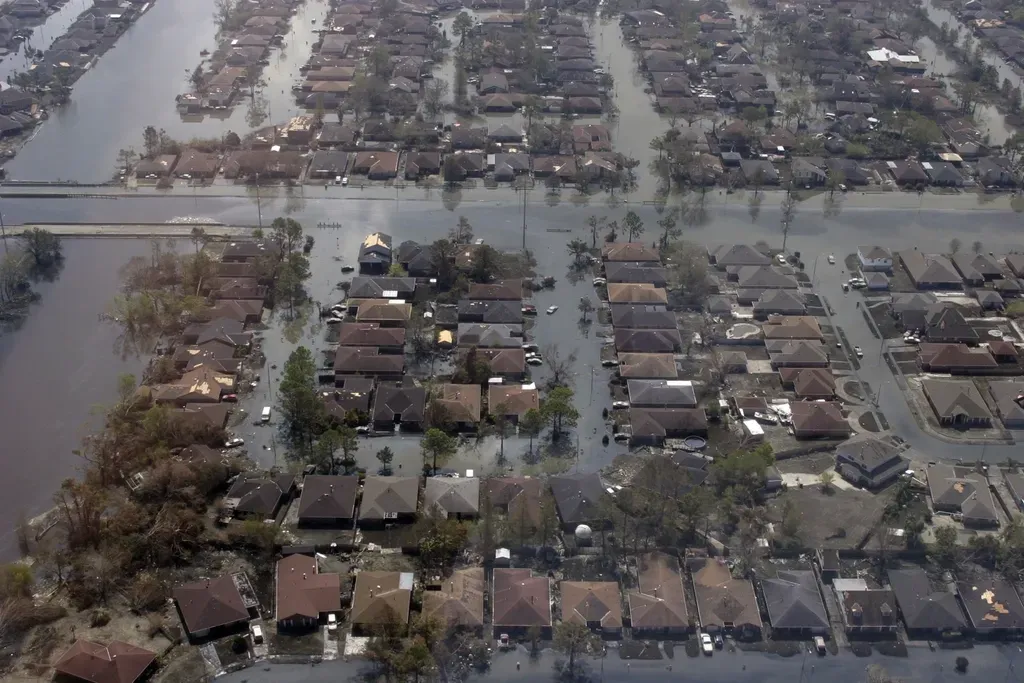
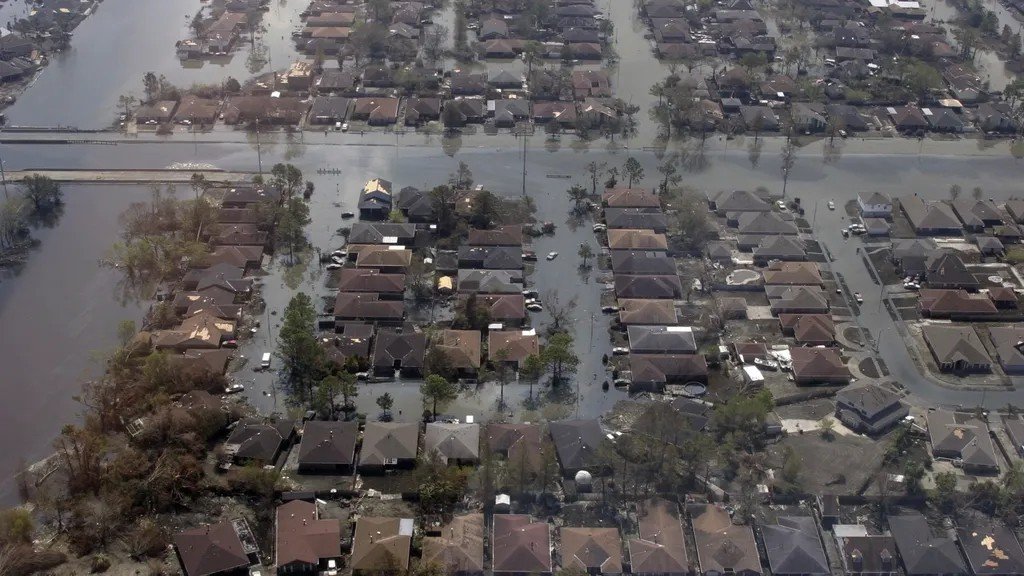
One of the most devastating and deadliest hurricanes in U.S. history, Hurricane Katrina made landfall as a major Category 3 hurricane in August 2005, primarily affecting the Gulf coast. Katrina’s massive size, 125 mph wind gusts, and storm surge overwhelmed levees, causing catastrophic flooding in New Orleans with roughly four fifths of the city left underwater. In all, Hurricane Katrina was responsible for 1,833 fatalities and approximately $108 billion in damage.
The devastating aftermath exposed deep-rooted problems, including controversies over the federal government’s response, difficulties in search-and-rescue efforts, and lack of preparedness regarding the city’s aging levees. Fifty of those levees failed during the storm, significantly flooding the low-lying city and causing much of the damage. The city’s Lower Ninth Ward was impacted most severely, with a disproportionate number of low-income and African American families bearing the worst of it. The storm caused more than $125 billion in damage and reduced the population of New Orleans by 29 percent between the fall of 2005 and 2011.
7. Super Typhoon Haiyan of 2013 – The Most Powerful Storm to Ever Make Landfall
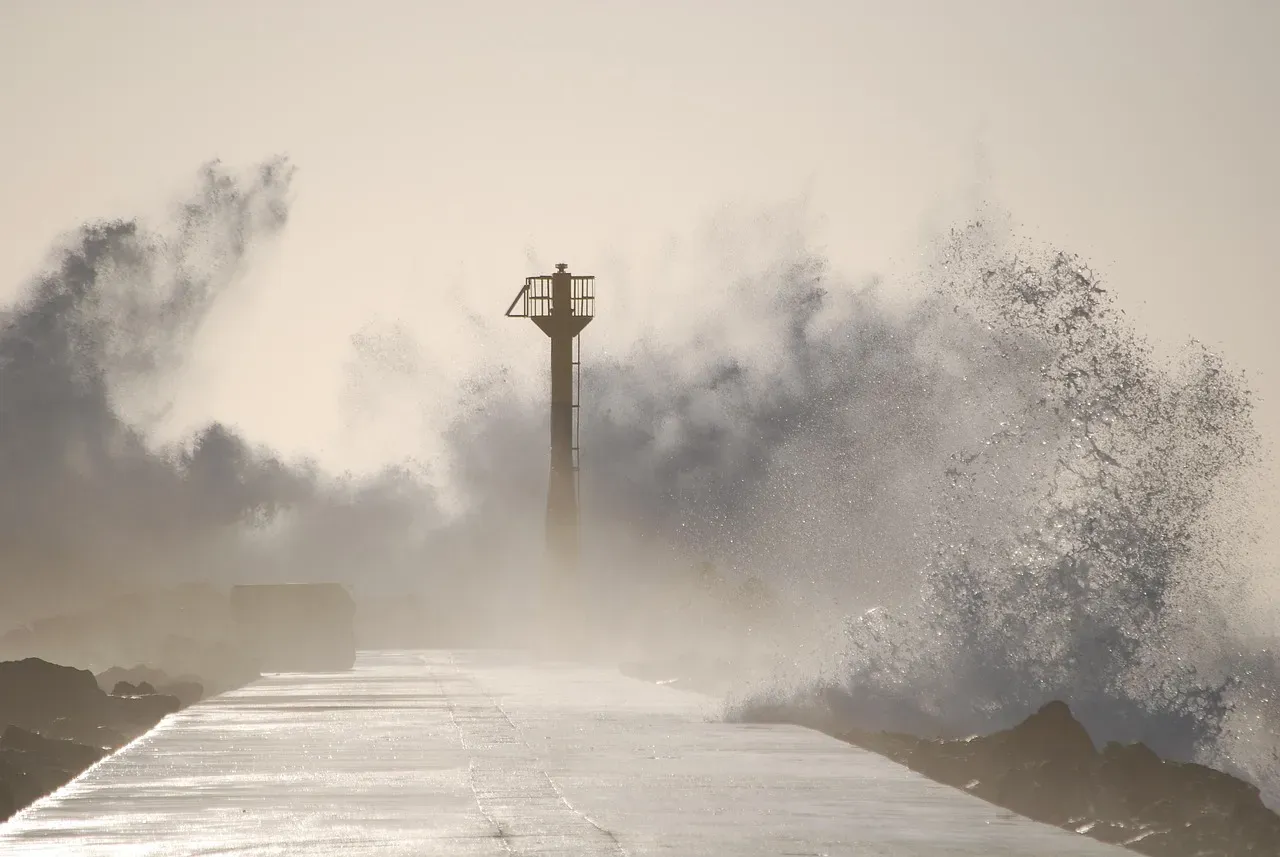
In the early hours of November 8, 2013, Super Typhoon Haiyan raged into the southern Philippines. The Category 5 storm struck the Visayas region with devastating winds and towering waves, striking with such force that even government-designated storm shelters were swept away. The storm was possibly the most powerful tropical cyclone to ever make landfall anywhere on earth.
Winds reached 315 kilometres per hour, laying waste to houses and tearing up trees. Tsunami-like storm surges inundated coastal settlements. More than 6,300 people lost their lives, and four million people were displaced, many of them permanently. The storm affected more than 16 million people and left 4 million homeless. The city of Tacloban, in particular, was nearly erased from the map, and the images that emerged from its streets in the days following landfall remain among the most haunting ever captured after a weather event.
8. The Great Hurricane of 1780 – The Atlantic’s Deadliest Storm on Record
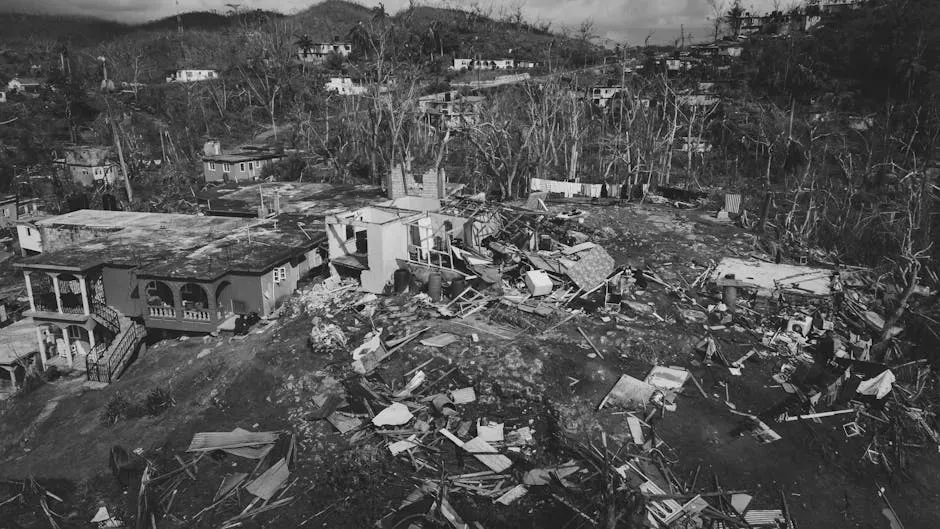
The Great Hurricane of 1780, often described as the deadliest Atlantic hurricane in recorded history, unleashed its wrath upon the islands of Barbados, St. Lucia, and Martinique. With winds that reached an astonishing 200 miles per hour, this colossal hurricane left a trail of devastation in its wake. The storm’s relentless onslaught claimed the lives of an estimated 22,000 people, and entire communities were obliterated.
This was the deadliest tropical cyclone in the western hemisphere’s history, killing around 22,000 people in the Lesser Antilles, a chain of islands in the Caribbean. The hurricane raged from October 10 to 16 and impacted the U.S., Bermuda, Hispaniola, Puerto Rico, the Dominican Republic, and more. It was one of five hurricanes that ripped through the Caribbean islands throughout a months-long period in the latter half of 1780. The absence of early warning systems or evacuation routes meant that for most of those in the storm’s path, there was simply no escape.
What connects all eight of these storms isn’t only the scale of destruction. It’s the way they lodged themselves permanently in collective memory, shaping how entire communities, cities, and sometimes nations came to think about risk, resilience, and the raw indifference of nature. Long after the floodwaters recede and the debris is cleared, the storm stays with people.

- The Shoreline Sucked Dry in Seconds – 5 Tsunami Signals Beachgoers Mistake for Low Tide - November 14, 2026
- 9 Dark-Sky Destinations Around the World Where the Stars Look Unreal - November 14, 2026
- The Fault Line That Never Slips – 7 Locked Seismic Zones Overdue for a Massive Release - November 14, 2026
