
Space has a habit of humbling us. Just when scientists think they’ve built a solid model of how the universe works, something turns up that quietly dismantles the picture. The years between 2024 and 2026 have been particularly generous in that regard, producing a string of findings so unexpected that even veteran astronomers have paused to reconsider long-held assumptions.
What makes this era of discovery so striking isn’t just the scale of what’s being found. It’s the sheer variety. Visitors from other star systems, possible signs of ancient life on a neighboring planet, and a cosmic structure that stretches across more than a billion light-years of space, all confirmed in roughly the same stretch of time. Here are seven discoveries that stand apart from the rest.
1. Quipu: The Largest Known Structure in the Universe
Astronomers have identified an unprecedented cosmic titan, a vast superstructure of galaxies stretching 1.3 billion light-years across, making it the single largest known structure in the universe. Named Quipu after the Incan system of knotted cords used for counting, this colossal filamentary web contains an unimaginable 200 quadrillion solar masses and extends more than 13,000 times the length of the Milky Way.
By plotting 68 X-ray-bright clusters in one swath of the heavens, researchers saw them line up like beads on a cosmic cord. The clusters mark the densest knots of matter, and tracing those knots reveals the filament’s spine. Weighing in at around 200 quadrillion times the mass of the Sun, this structure corrals galaxies, hot gas, and dark matter into one elongated zone, and such bulk, concentrated in one place, can tilt measurements of cosmic expansion and subtly tweak the cosmic microwave background.
2. Comet 3I/ATLAS: A Visitor From Another Star System
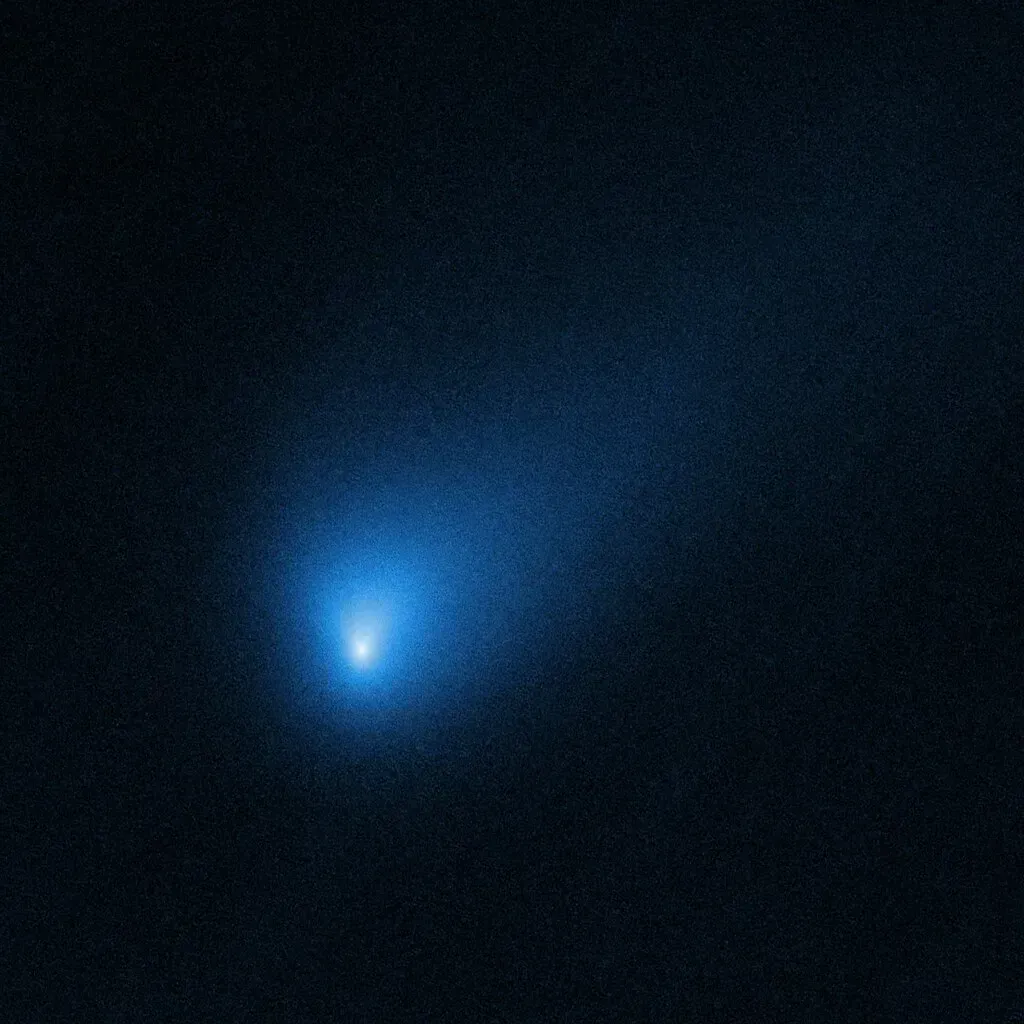
Comet 3I/ATLAS is only the third known object to pass through our solar system from outside it. Based on observations from NASA’s Hubble Space Telescope in August 2025, astronomers estimated the diameter of its nucleus to be no less than 1,400 feet and no greater than 3.5 miles. When it was discovered, 3I/ATLAS was traveling at about 137,000 miles per hour.
Observations from the James Webb Space Telescope revealed an unusually high carbon dioxide to water ratio in the comet’s coma, approximately 8 to 1, one of the highest ever observed in any comet. Observations of the comet by SPHEREx in December 2025 revealed organic molecules, a sharp brightening, and the venting of ancient debris, with scientists noting the coma showed a more active and diverse composition generated by subsurface water ice mixed with other ices, organics, and rocky material.
3. The “Leopard Spots” on Mars: The Closest We’ve Come to Finding Ancient Life
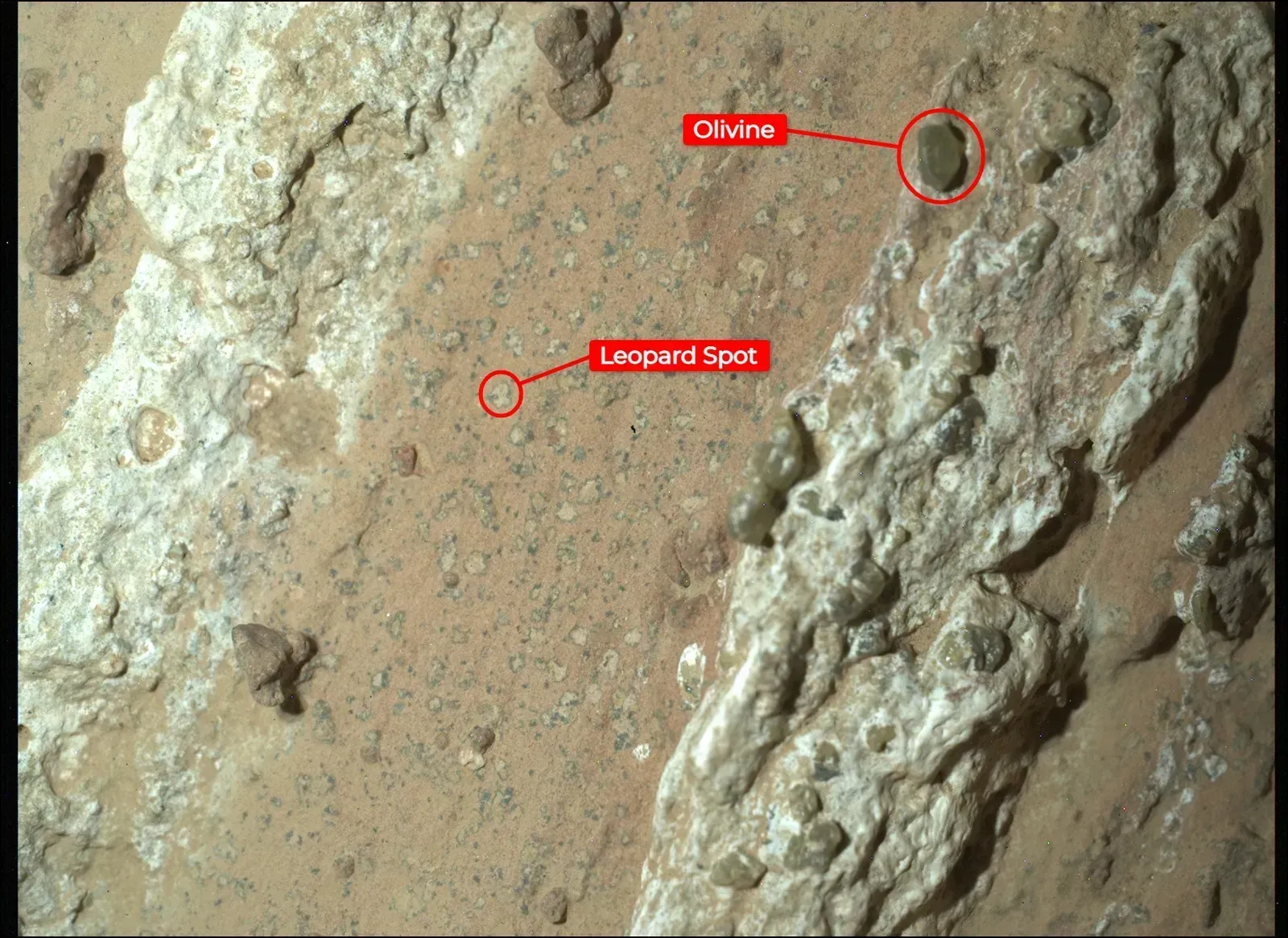
On September 10, 2025, NASA announced that analysis of a sample collected by its Perseverance rover on Mars had yielded a potential biosignature, which is possibly fossilized evidence of ancient microbial life. The rock, discovered in July 2024 and named Cheyava Falls, has a peculiar spotted pattern, and analysis revealed spectral signs of organic matter and minerals that could have been excreted by ancient microbes.
The rock not only contains ingredients for life, including organic carbon, sulfur, oxidized iron, and phosphorus, but also minerals that are often associated with microbial metabolism on Earth. Researchers say the only way to rule out nonbiological origins for the minerals is to analyze the samples in more powerful labs back on Earth, and NASA says it will announce a new Mars sample-return mission concept in the second half of 2026.
4. Neptune’s Hidden Auroras Finally Revealed by JWST
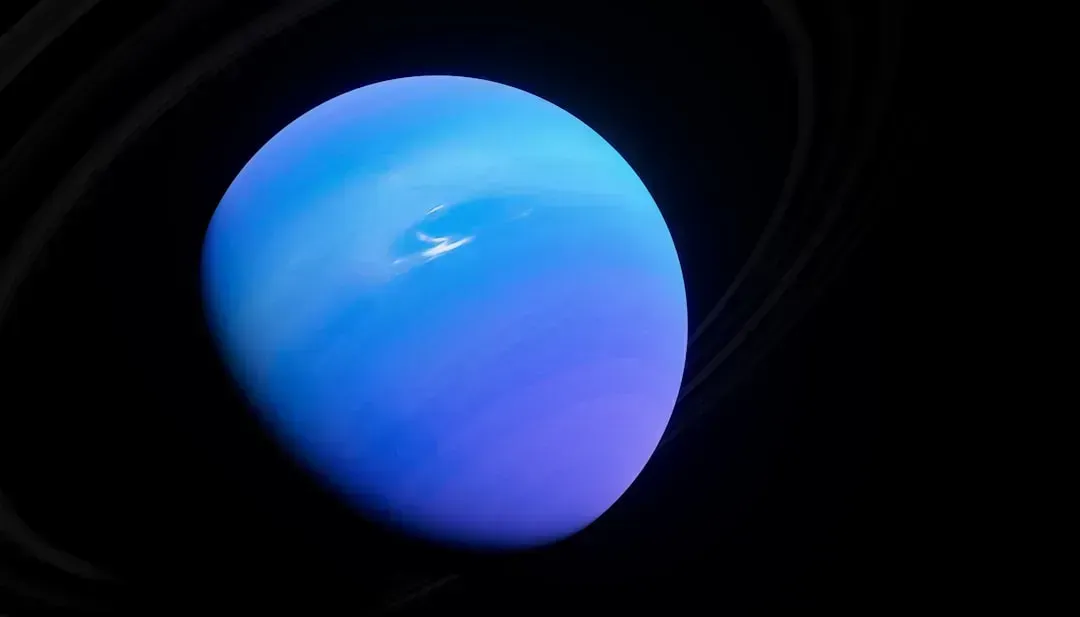
All other giant planets in the solar system have auroras, but it took until March 2025 for the light show on Neptune to finally be recorded in all its glory. Intriguingly, hypothetical Neptunian beings wouldn’t need to trek to the poles of their planet to witness the spectacle, as we do on Earth. Neptune’s magnetic field is tilted about 47 degrees away from its rotation axis, which means auroras there occur roughly over a region equivalent to where South America sits on our planet.
It was JWST’s infrared capabilities that provided the critical data to reveal the long-hidden auroras on Neptune, and it turns out they were fainter than expected because the Neptunian atmosphere has cooled by hundreds of degrees in the last few decades. The cooling alone is a discovery within a discovery, raising new questions about what’s been happening in Neptune’s atmosphere over the past generation of observation.
5. JWST Detects Possible Biosignature Molecules on Exoplanet K2-18b
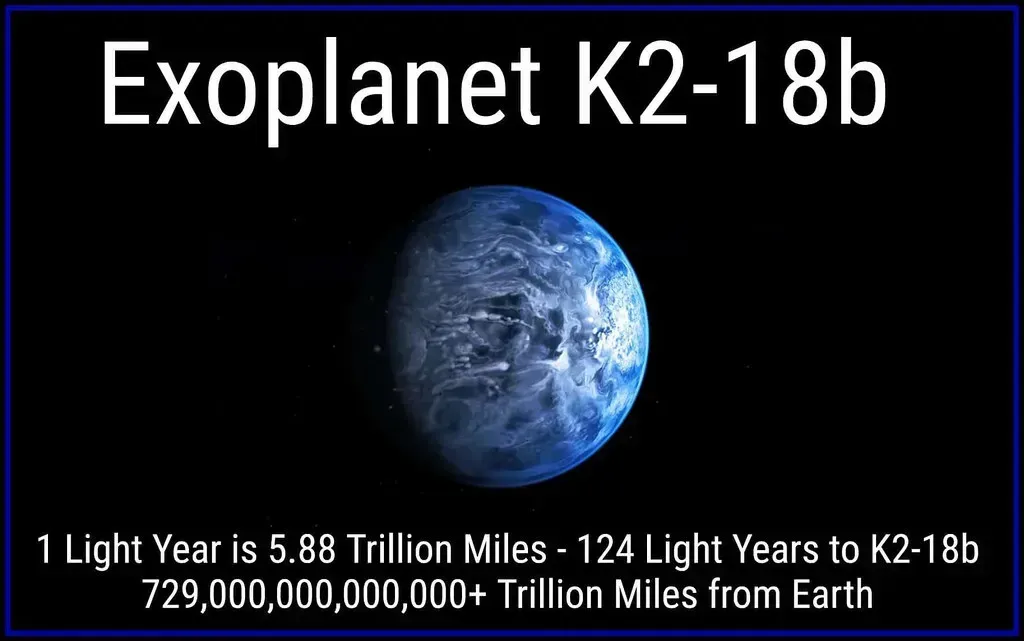
In March 2025, JWST produced stronger evidence for dimethyl sulfide’s existence on K2-18b. Even so, many astronomers remain skeptical of the discovery. Some argue against the concept of “hycean” worlds, point out that the signal is very weak, and raise the possibility that dimethyl sulfide can also form through non-biological processes.
K2-18b is now the only super-Earth exoplanet known to host both water and temperatures that could support life. The debate over its significance is itself a measure of how seriously astronomers are taking the question. Dimethyl sulfide on Earth is produced almost entirely by marine phytoplankton, which is why its potential detection on another world carries weight, even with the caveats firmly in place.
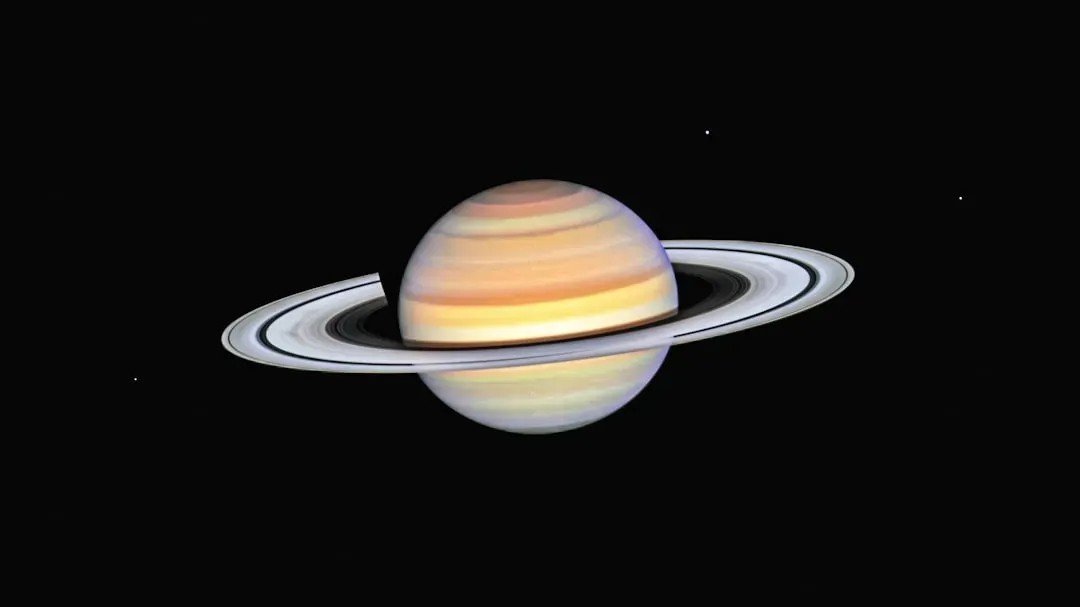
6. Saturn’s Decades-Long Spin Mystery Solved
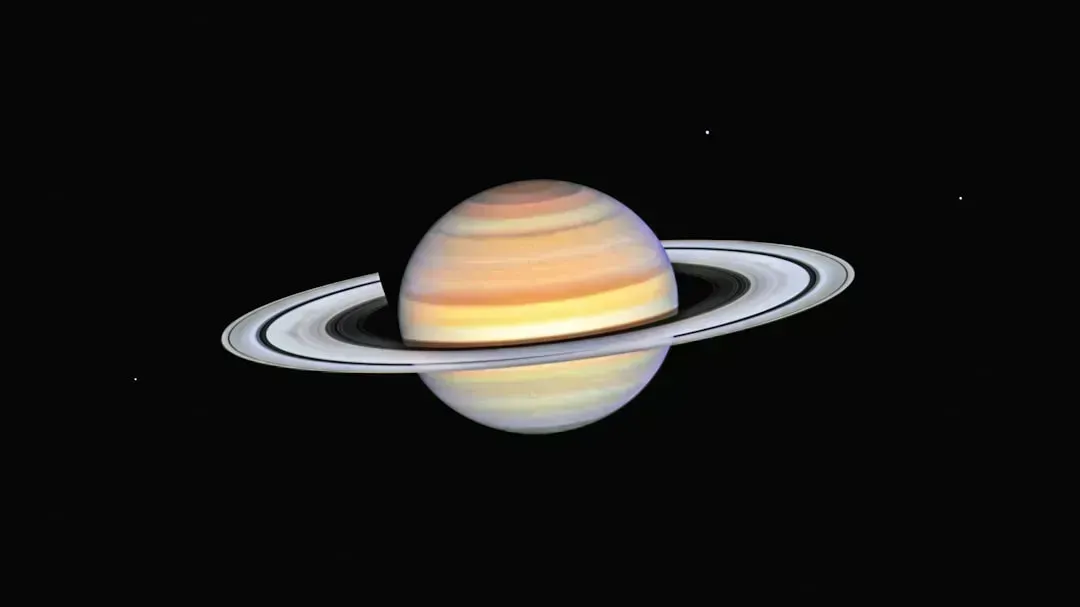
A decades-old mystery about Saturn has finally been solved thanks to the James Webb Space Telescope. Scientists discovered that Saturn’s changing “rotation rate” was never caused by the planet itself. For years, scientists had been puzzled because the rotation period seemed to drift over time, which made no physical sense for a massive gas planet whose interior shouldn’t be subject to that kind of variation.
Astronomers finally solved the puzzle in May 2026, determining that Saturn’s changing “rotation rate” was not caused by the planet. The explanation, once confirmed, pointed to the way Saturn’s magnetic field and atmospheric layers interact with the data instruments were actually measuring, a subtle but fundamental distinction. It’s a reminder that what telescopes record and what’s physically happening can diverge in ways that take decades to untangle.
7. Rogue Planet Moons Could Harbor Life Without a Star
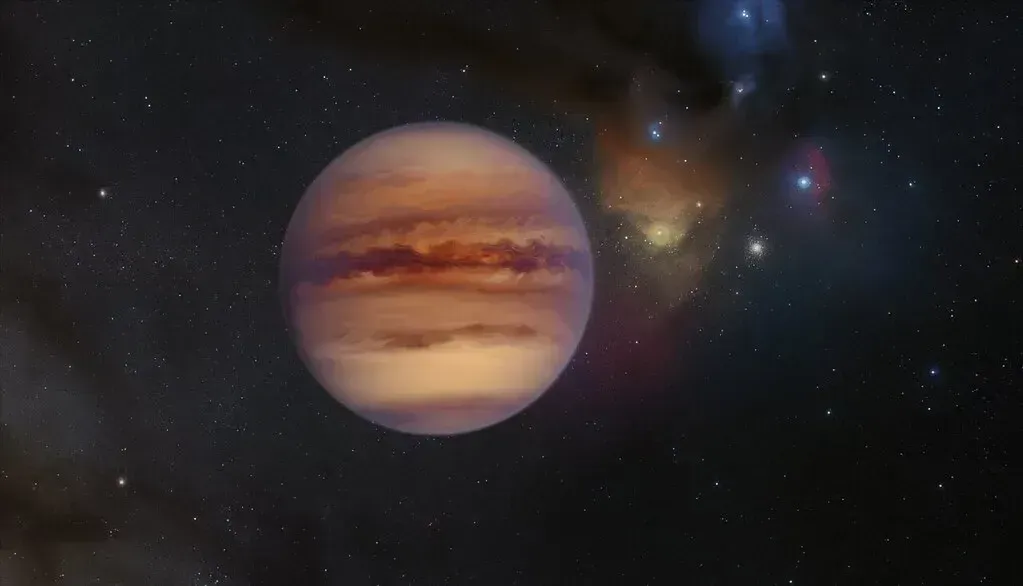
Scientists say moons around rogue planets wandering through the galaxy could remain warm enough for life thanks to tidal heating and hydrogen-rich atmospheres. These dark, starless worlds may have conditions that sustain liquid water and biological chemistry for billions of years. The implication is striking: life doesn’t necessarily need a star at all.
Rogue planets are ejected from their home solar systems during gravitational upheavals, sent drifting through interstellar space with no central sun to orbit. The conventional assumption had always been that such worlds would be frozen and lifeless. The new research challenges that assumption head-on, suggesting habitable zones may be far more widespread than solar-system-centric thinking ever allowed. If correct, the number of places in the galaxy where life could theoretically exist would increase dramatically.
Taken together, these seven discoveries form an unusual pattern. They don’t just add new data to existing frameworks. Several of them actively push back against what astronomers thought they already knew, whether about where life can exist, how large cosmic structures can grow, or what a visitor from another star can tell us about the chemistry of the wider galaxy. The universe, it turns out, is still full of surprises, and the tools we now have to find them are only getting sharper.

- The Shoreline Sucked Dry in Seconds – 5 Tsunami Signals Beachgoers Mistake for Low Tide - November 14, 2026
- 9 Dark-Sky Destinations Around the World Where the Stars Look Unreal - November 14, 2026
- The Fault Line That Never Slips – 7 Locked Seismic Zones Overdue for a Massive Release - November 14, 2026
