

- The Planet Where It Rains Liquid Glass – 7 Alien Worlds Defying Known Physics - November 14, 2026
- Stars Consuming Entire Worlds – 6 Planetary Systems Swallowing Their Own Worlds - November 14, 2026
- The Ground Liquefies Like Water – 6 Silent Fault Lines Geologists Watch Closely - November 14, 2026
There’s something strange about looking back at weather records from the 1960s. The numbers don’t match what most people experience today, and that gap is wider than most of us realize. The seasons of that era had a rhythm, a dependability, a kind of cold that arrived on schedule and stayed until it was ready to leave.
Climate science has quietly confirmed what older generations have long suspected: the seasonal patterns they grew up with are measurably different from what exists today. Some have shifted. Some have compressed. Some have simply vanished. Here are seven of the most striking ones.
The Deep, Sustained Winter Cold That Lasted for Months
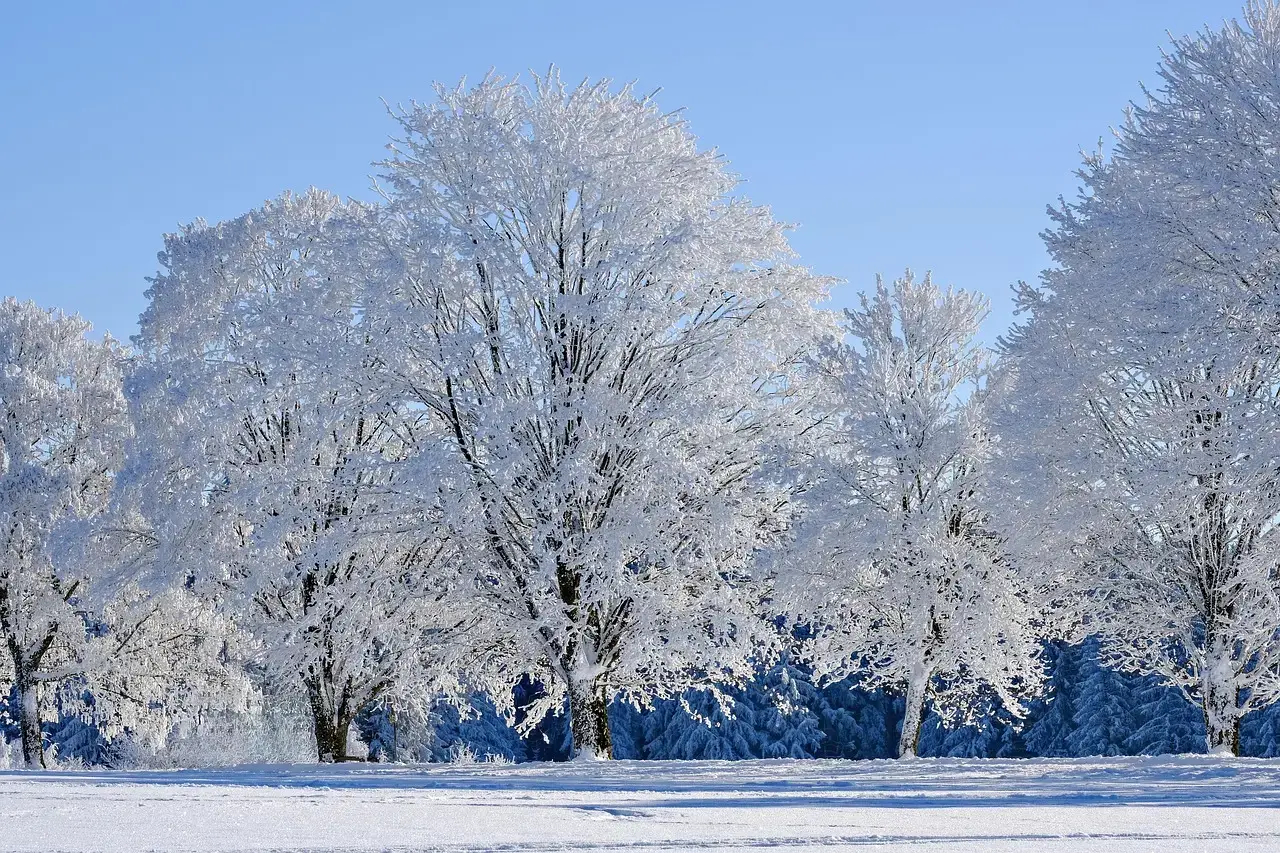
In the 1960s, winter wasn’t just a few cold weeks sandwiched between mild spells. It was long, reliable, and unrelenting in many regions. The number of icing days, when the daily maximum temperature stays below 0°C, has been decreasing since the 1960s. That’s not just a statistical footnote – it represents an entire category of winter that has essentially been erased from many climates.
In a warming climate, winters are getting shorter in roughly four out of five major U.S. cities, and the coldest time of year is now about nine days shorter on average than during the period from 1970 to 1997. When you push that comparison further back to the early 1960s, the difference becomes even more pronounced. The sustained cold that once defined January and February in temperate regions is now routinely interrupted by mild stretches that would have been unthinkable sixty years ago.
The Abundance of Frost Days That Marked the Calendar
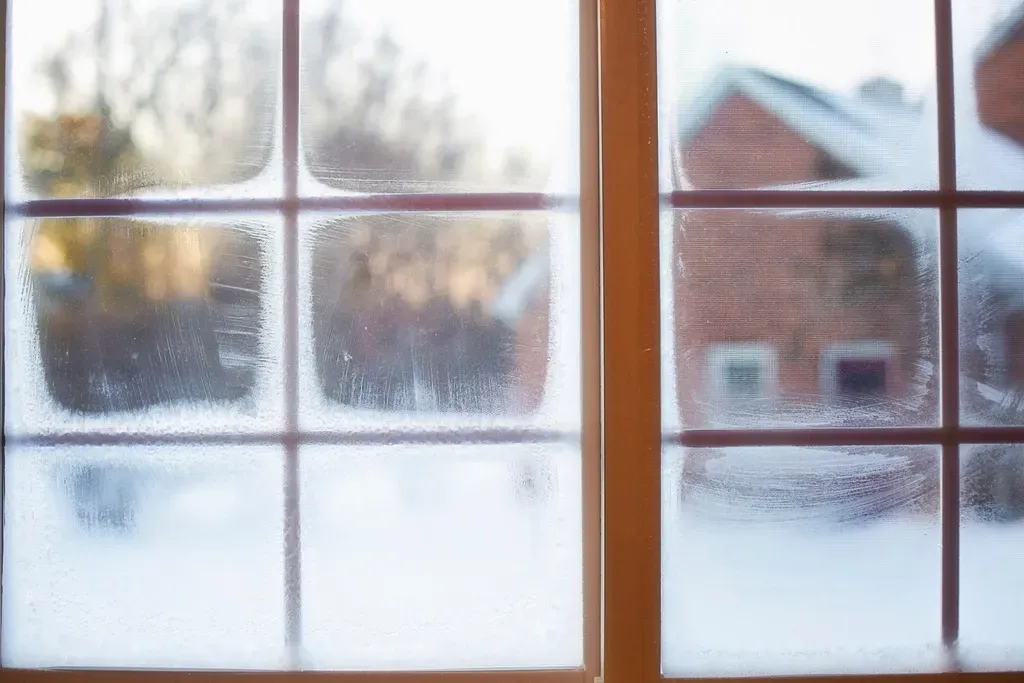
For gardeners, farmers, and anyone who grew up in a temperate zone, frost days were once a reliable seasonal signal – the kind that told you when to plant, when to harvest, and when to accept that the ground had given up for the year. That signal has weakened considerably. In the UK, there are now 37 fewer ground frost days per year due to global warming compared to 1962. Thirty-seven fewer days is not a minor adjustment; it’s closer to a complete rewriting of the seasonal calendar.
Across broader comparisons, there have been roughly a quarter fewer days of air frost and about a fifth fewer days of ground frost compared to the 1961 to 1990 baseline. For those who remember scraping ice from windshields week after week or watching frost patterns form on single-pane windows, those memories now belong to a meteorological era that no longer quite exists in the same form.
The Predictable Cold Wave That Swept Through Every Winter

Cold waves, those stretches of several days or weeks where temperatures plunged well below normal, were once a near-certain feature of winter in mid-latitude regions. You could count on at least one or two arriving each season, often with a particular intensity that made the outdoors genuinely dangerous for a stretch. For the UK, as global temperatures have risen over recent decades, the risk of experiencing cold waves has decreased, and the coldest nights have become about 1.8°C warmer since records going back to 1879.
There are far fewer cold wave days than in the past, with Europe experiencing more than five fewer days of cold events each decade, a reduction driven by global warming effects that are causing these cold events to be less severe than they were forty years ago. The bitter, weeks-long arctic intrusions that once paralyzed whole regions have become genuine outliers rather than seasonal expectations. One study found that the chance of experiencing a December as cold as the one in 2010 is roughly half of what it was in the 1960s.
Spring That Actually Arrived Late and Gradually

The springs of the 1960s came on their own terms. Cold air lingered well into April across large parts of the Northern Hemisphere, and the transition from winter to warmer weather was slow enough that it felt genuinely earned. Today, that patient unfolding has been replaced by something noticeably faster and earlier. Spring is arriving earlier in the U.S., and it’s already getting warmer and coming an average of three days earlier across the country than just a few decades ago.
Spring has begun arriving earlier by over a week in New England over the last half century, though while the average date of the last spring frost is getting earlier, temperature fluctuations are also on the rise. That paradox matters. Weather is more variable now, with increasing frequency of periods of warm temperatures followed by a cold snap that can shock and damage sensitive organisms. The slow, cold spring that once defined the seasonal experience of millions has given way to something more erratic and unpredictable.
The Reliable Late-Summer Cooling That Signaled Autumn’s Approach

In many temperate regions during the 1960s, August carried a distinct sense of seasonal transition. There was a coolness in the mornings by mid-month, a shift in the light, and a reliable dip in overnight temperatures that told you summer was drawing down. The frequency of local summer temperature anomalies was close to a normal distribution in the 1950s, 1960s, and 1970s, but in each subsequent decade the distribution shifted toward more positive anomalies, with the positive tail – the hot outliers – shifting more than the negative tail. Simply put, what once counted as an unusually hot summer is now closer to average.
As the planet warms, all four seasons are warming, and the seasonal clock itself is warping, with the hottest time of year lasting longer and the coldest time of year shrinking. The natural tapering of summer heat that people in the ’60s knew as a reliable seasonal cue has stretched far into what was once reliably cool autumn territory. The evening coolness that once arrived in August now frequently holds off until October in many regions.
The Snow-Covered Winters That Defined High-Latitude Seasons
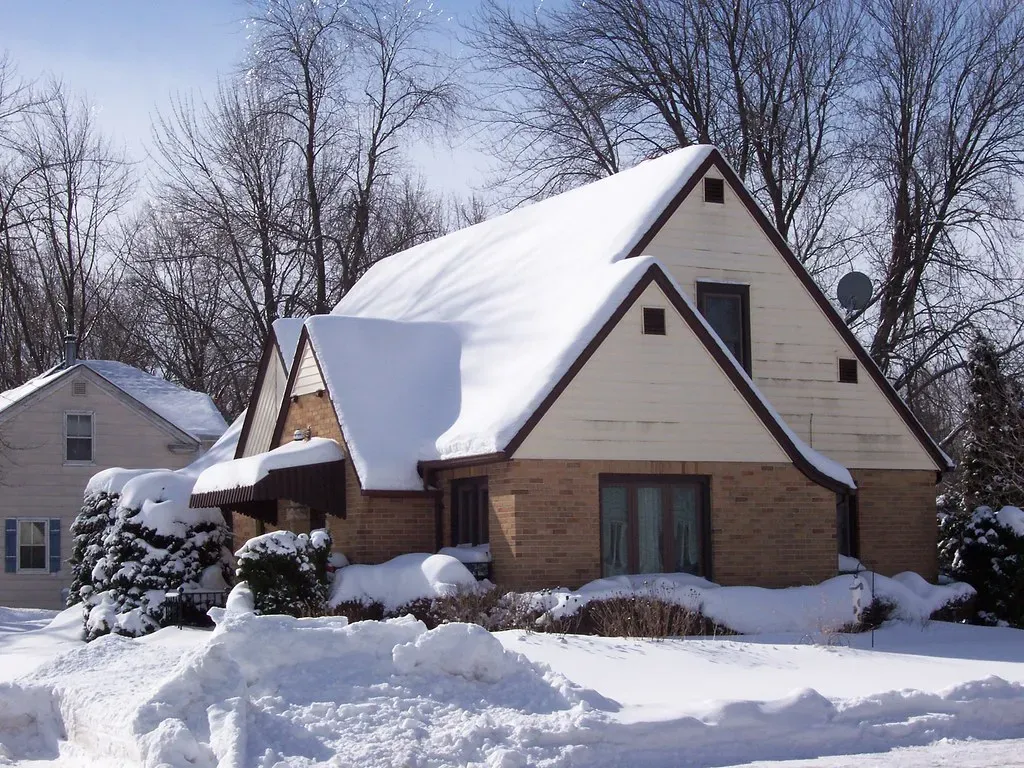
Consistent winter snowfall was a defining feature of seasonal life across large swaths of North America, Europe, and Asia in the 1960s. Landscapes stayed white for months. Rivers and lakes froze over reliably. The snow was part of the cultural fabric, not an occasional novelty. Satellite data show that there have very likely been decreases of about ten percent in the extent of snow cover since the late 1960s, and ground-based observations show that there has very likely been a reduction of about two weeks in the annual duration of lake and river ice cover in the mid- and high latitudes of the Northern Hemisphere over the 20th century.
Global warming has been linked to climatic changes over land surfaces, including decreased snowfall and melting ice, alongside changing precipitation patterns and shifting climate zones. The shift is particularly visible in transitional climate zones where snow was once reliable but now arrives inconsistently, stays briefly, and disappears with the first mild stretch. In places like Wisconsin, winters have become less cold and have warmed more than any other season in recent decades, with projections suggesting winters will be about a month shorter and produce significantly less snow by 2050.
The Distinct, Sharp Seasonal Transitions That Separated One Season from the Next
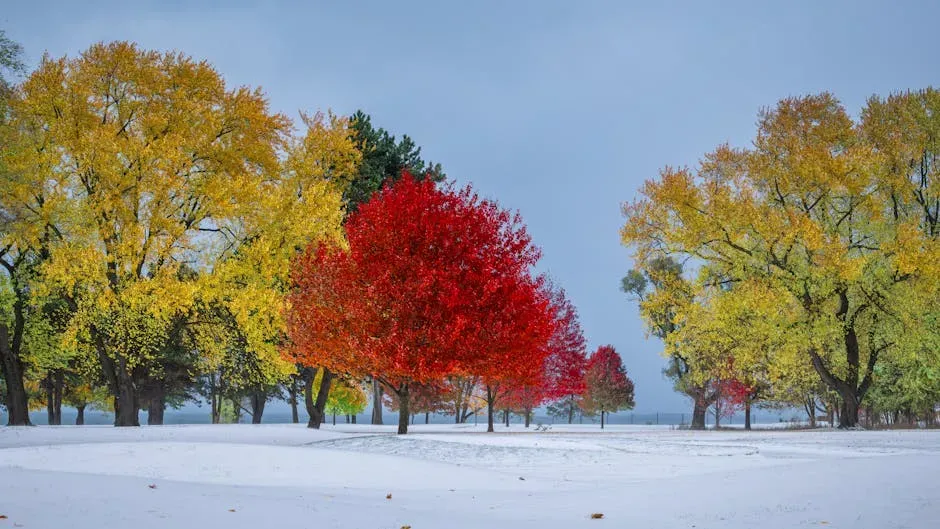
Perhaps the most quietly mourned loss is not any single extreme weather pattern but the clean, unmistakable boundary between seasons. In the 1960s, when autumn ended, winter arrived. When winter broke, spring came with a clear signal. A number of important characteristics of the global atmospheric circulation and climate changed in a near-monotonic fashion over the decade or less centered on the late 1960s. That shift marked the beginning of a slow blurring of the seasonal lines that had defined life in temperate regions for generations.
Global warming tilts the odds in favor of more warm days and seasons and fewer cold days and seasons, and climate change means not only changes in globally averaged surface temperature but also changes in atmospheric circulation, in the size and patterns of natural climate variations, and in local weather. The result is seasons that now overlap and bleed into each other. The growing season in the continental U.S. has lengthened by about two weeks during the 20th century, with this lengthening occurring faster during the latter half of the century. What was once a tightly sequenced four-act year has become something looser, warmer, and harder to read from the weather alone.
