

- The Compostable Cup Left Intact for Years – 5 Backyard Composting Failures - November 15, 2026
- Fast-Fashion “Conscious” Lines Under Scrutiny – 5 Red Flags in Eco-Clothing - November 15, 2026
- Space Engineers Explain 5 Quiet Changes Making Rocket Launches Safer Than Ever - November 15, 2026
Something has shifted in how scientists talk about coastal flooding. It used to be a future problem, a 2050 scenario or a 2100 projection. Now the language has changed. A study published in the journal Nature in early 2026 found that millions of people live in areas facing inundation, and new research suggests those numbers have been vastly underestimated – as many as 132 million more people than previously thought may be in the path of rising seas. That is not a small revision. That is a fundamental rethink.
For many coastal regions, projections of global sea-level rise by the year 2100 are comparable in magnitude to today’s extreme but short-lived increases in water level due to storms. The 21st century will see significant changes to coastal flooding regimes, where present-day extreme-but-rare events become common, posing a major risk to the safety and sustainability of coastal communities worldwide. What follows is a look at nine regions where that transition is no longer theoretical.
Tuvalu, South Pacific
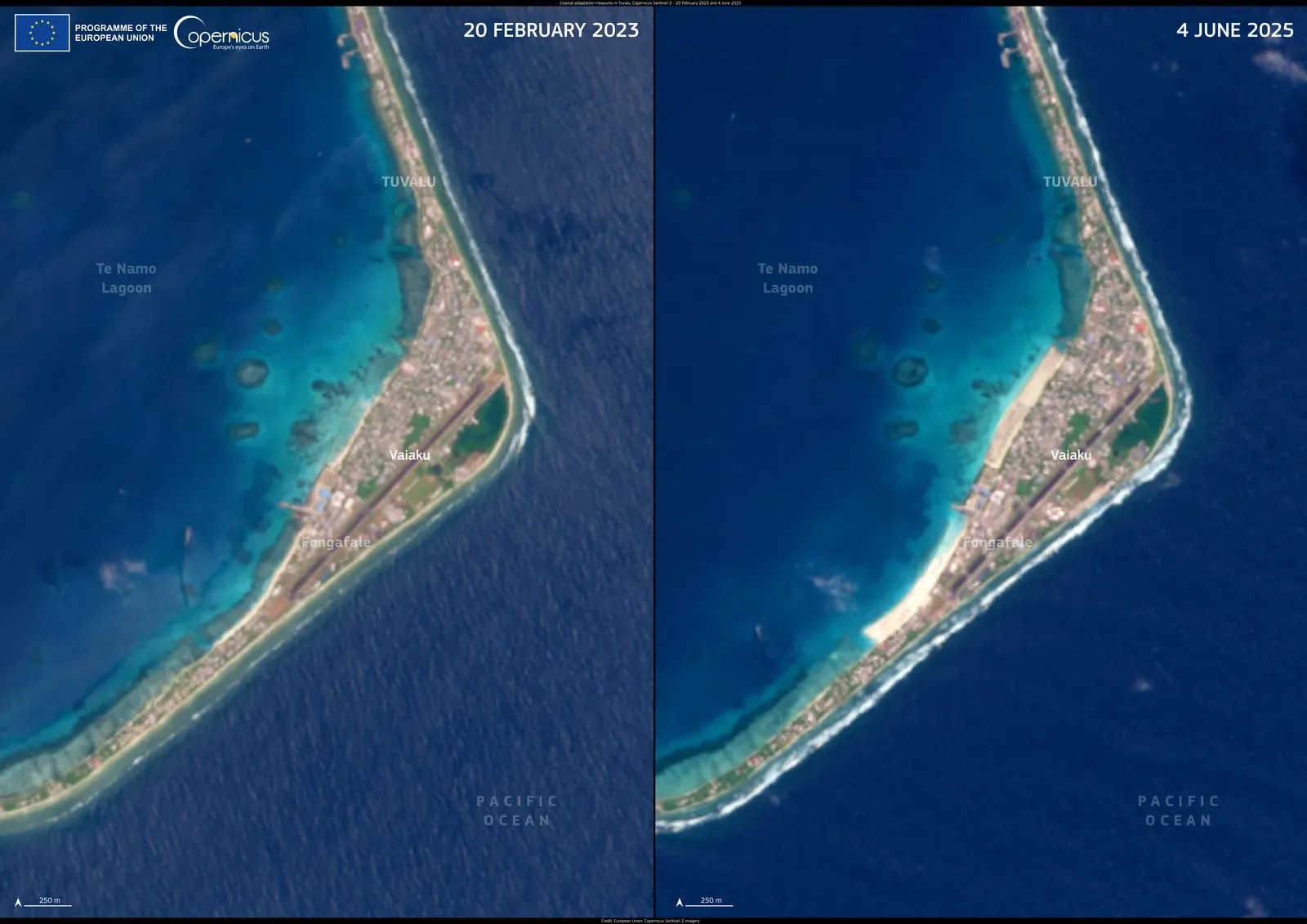
In the independent island nation of Tuvalu, sea levels have risen 21 centimetres in 30 years, nearly twice the global average. At the current rate, some projections suggest 95 per cent of the country could be under water by 2100. The day-to-day reality is already severe, with king tides pushing seawater through porous coral rock and regularly flooding the main airport on Funafuti.
Areas of Tuvalu that currently see fewer than five high-tide flood days a year could average 25 flood days annually by the 2050s, according to NASA analysis. In 2025, more than 90 per cent of Tuvaluans applied for a visa scheme to obtain residency or citizenship in Australia, a sign that many residents have stopped waiting for the water to stop rising and started planning their exit instead.
The Mekong Delta, Vietnam
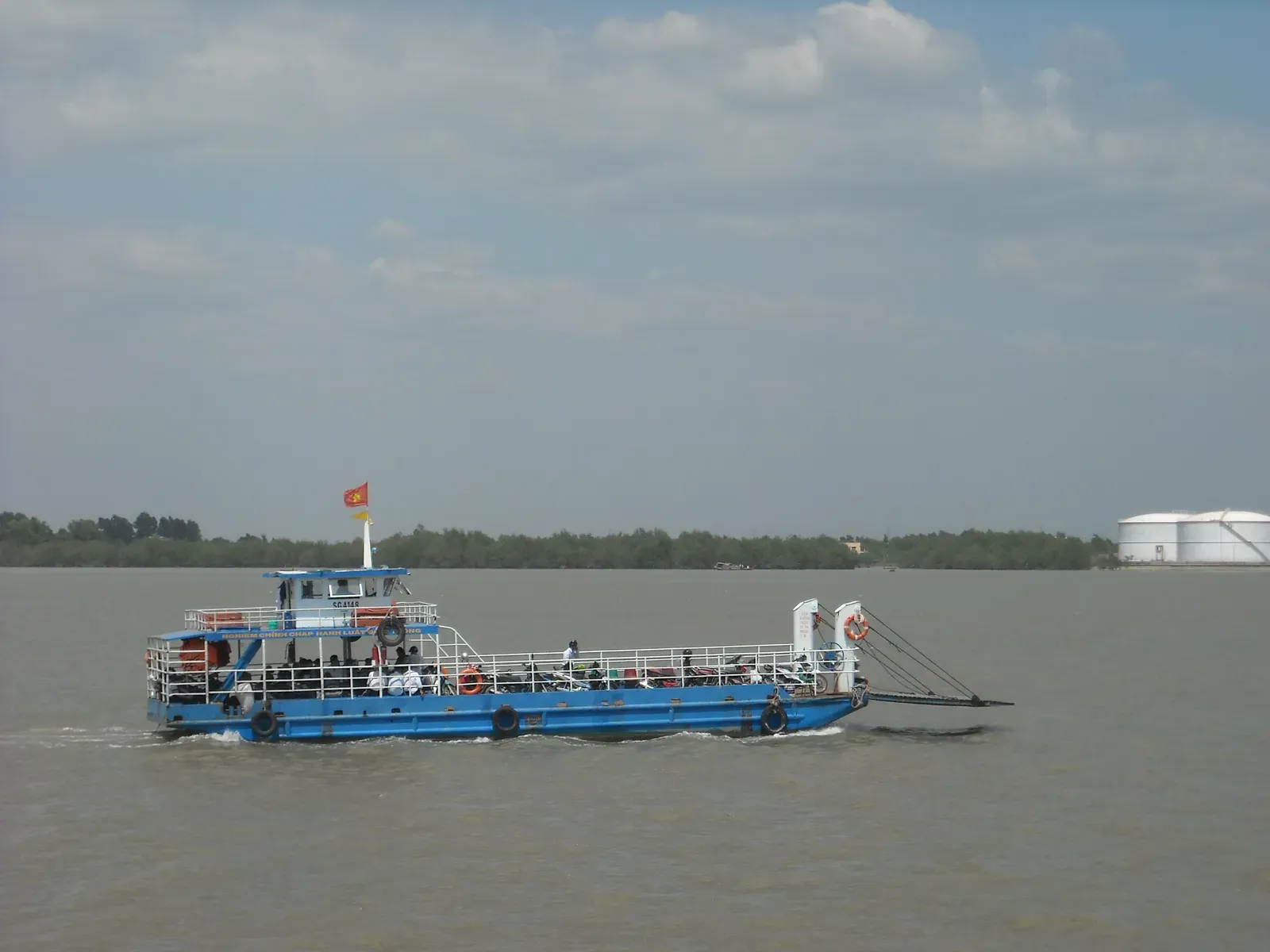
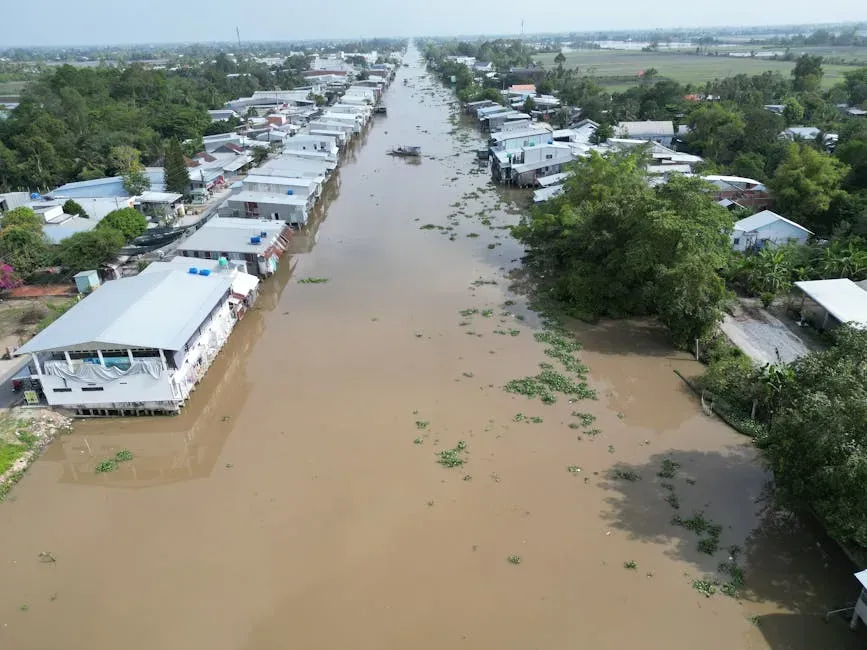
In Vietnam, where 18 million people live within the 2030 annual flood risk zone, rising seas are expected to threaten land now home to an additional 7 million with at least once-per-year coastal flood risks by 2100. At that point, the annual flood risk zone would cover an area where roughly a third of the population lives today. The Mekong Delta sits at the heart of this crisis, a fertile but dangerously flat landscape that feeds much of Southeast Asia.
One study author noted he was working in Vietnam’s Mekong Delta when he realized the water was much higher than global studies had accounted for. He and colleagues looked at 385 sea level rise studies from 2009 to 2025 and found that nearly all of them were starting with current sea levels that were too low, a methodological blind spot rooted in the computer models scientists use. In other words, the danger in the Mekong Delta has been systematically underestimated for years.
Jakarta, Indonesia
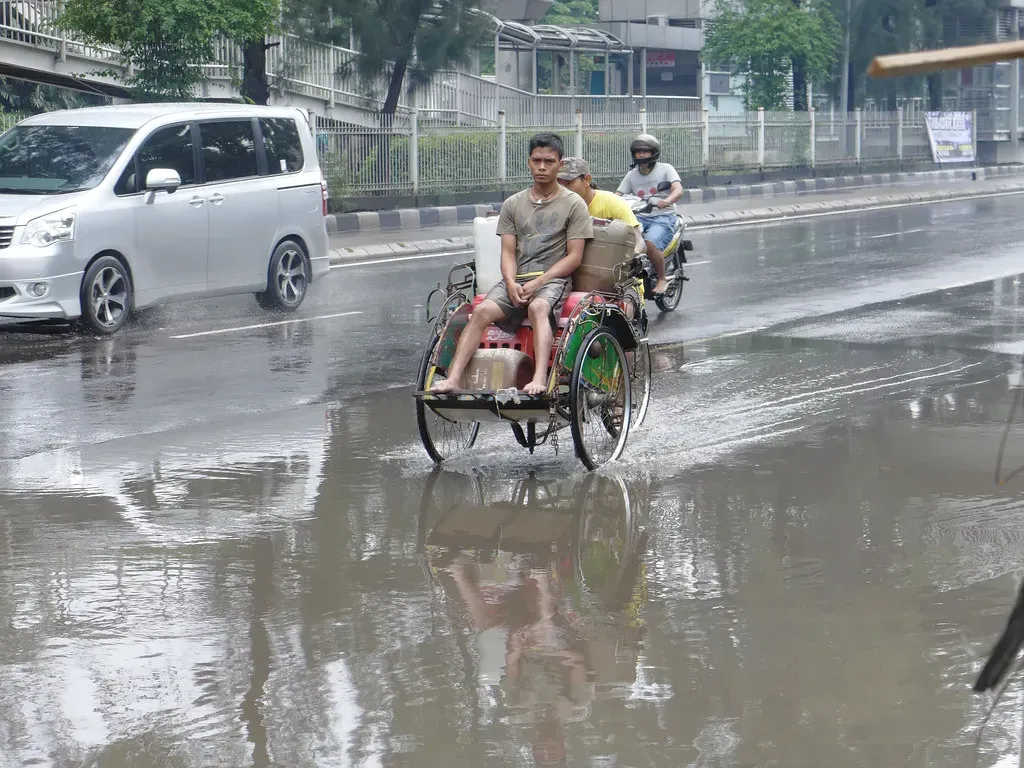
In northern Jakarta, close to 90 percent of the metropolitan region already lies below sea level, and more than 60 percent of the city’s 10.6 million residents are vulnerable to flooding. What makes Jakarta’s situation particularly grim is that it faces a double threat: rising seas from outside and sinking land from below.
Jakarta is especially susceptible to sea level rise and high tides since it is also experiencing one of the fastest land subsidence rates in the world. The digging of illegal wells is deflating the city from below, while the crushing weight of urban sprawl adds additional pressure, causing land to sink by 20 to 25 centimetres a year in certain areas of North Jakarta. Subsidence, land sinking due to groundwater extraction or soil compaction, can worsen the effects of sea level rise, as seen in Bangkok and Jakarta.
Bangladesh’s Coastal Zone
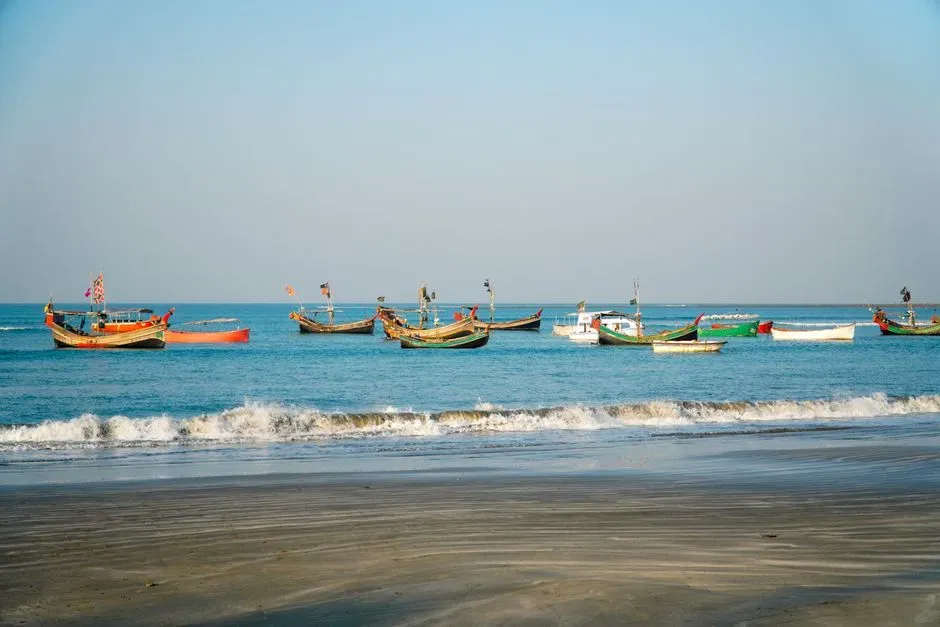
More than 160 million people live in the Bangladesh Delta and depend on its unique characteristics for their lives and livelihoods. What makes the Delta distinctive also makes it highly vulnerable: sediment loading, industrialization, population growth, saltwater intrusions, floods, erosion, subsidence, and drought. These weaknesses are further exacerbated by the threat of future climate changes, which are expected to increase the risk of extreme weather impacts including floods, storm surges, and coastal erosion.
Bangladesh’s coastal zone experiences what scientists call relative sea level rise: the combined effect of the ocean getting higher and the land getting lower. Both are happening at the same time, and their effects compound each other. An estimated 3.5 million people are at risk of river flooding every year due to sea level rise and increasingly intense monsoon seasons, and the UN predicts that over the next decade, roughly one in six Bangladeshis may need to be relocated if global warming persists at the present rate.
Miami and South Florida, USA
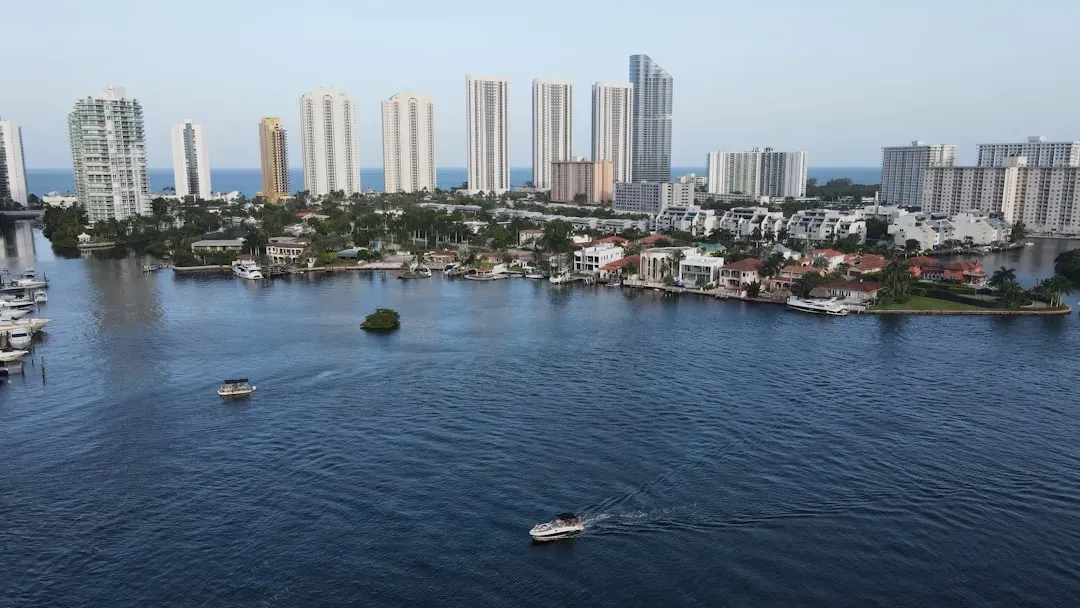
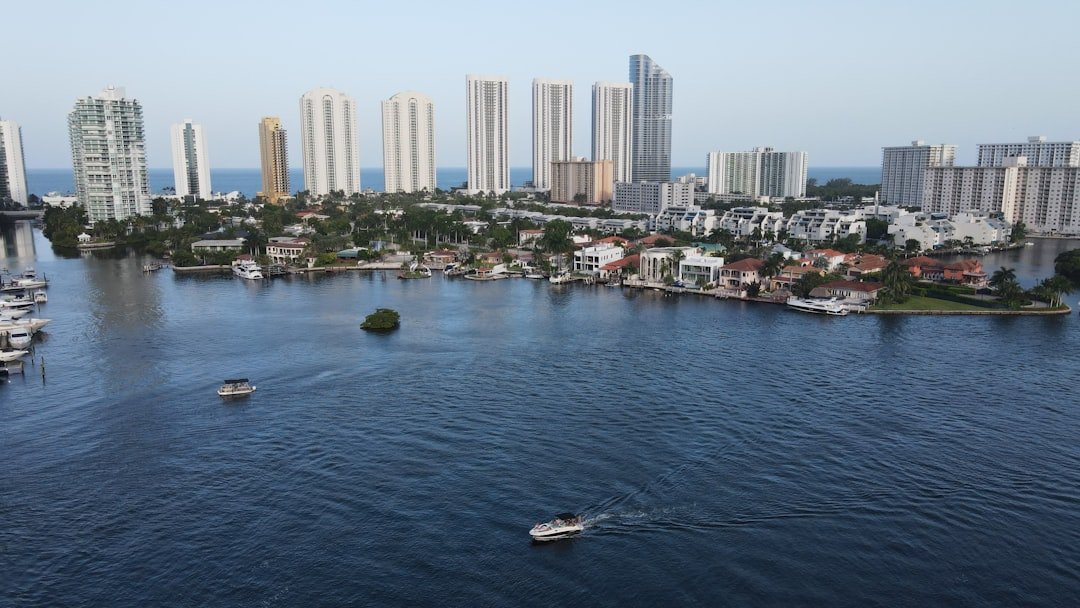
Miami faces accelerating coastal flooding due to rising seas, porous limestone ground, and frequent hurricane exposure. Even with seawalls and pumps, high-tide flooding – also known as sunny day flooding – occurs more often each year. The city does not need a storm to flood anymore. On a clear afternoon, during a routine high tide, streets in low-lying neighborhoods can fill with water.
Cities on the east coast of the US, including New York City and Miami, are particularly vulnerable, while US east coast cities are witnessing sea level rise that is two to three times faster than the global average. The sea level along US coastlines is projected to rise by roughly a quarter to a third of a metre by 2050, increasing the probability of more destructive flooding and inundation in major cities. South Florida’s flat topography and porous bedrock mean there is nowhere for excess water to drain.
Kiribati, Central Pacific
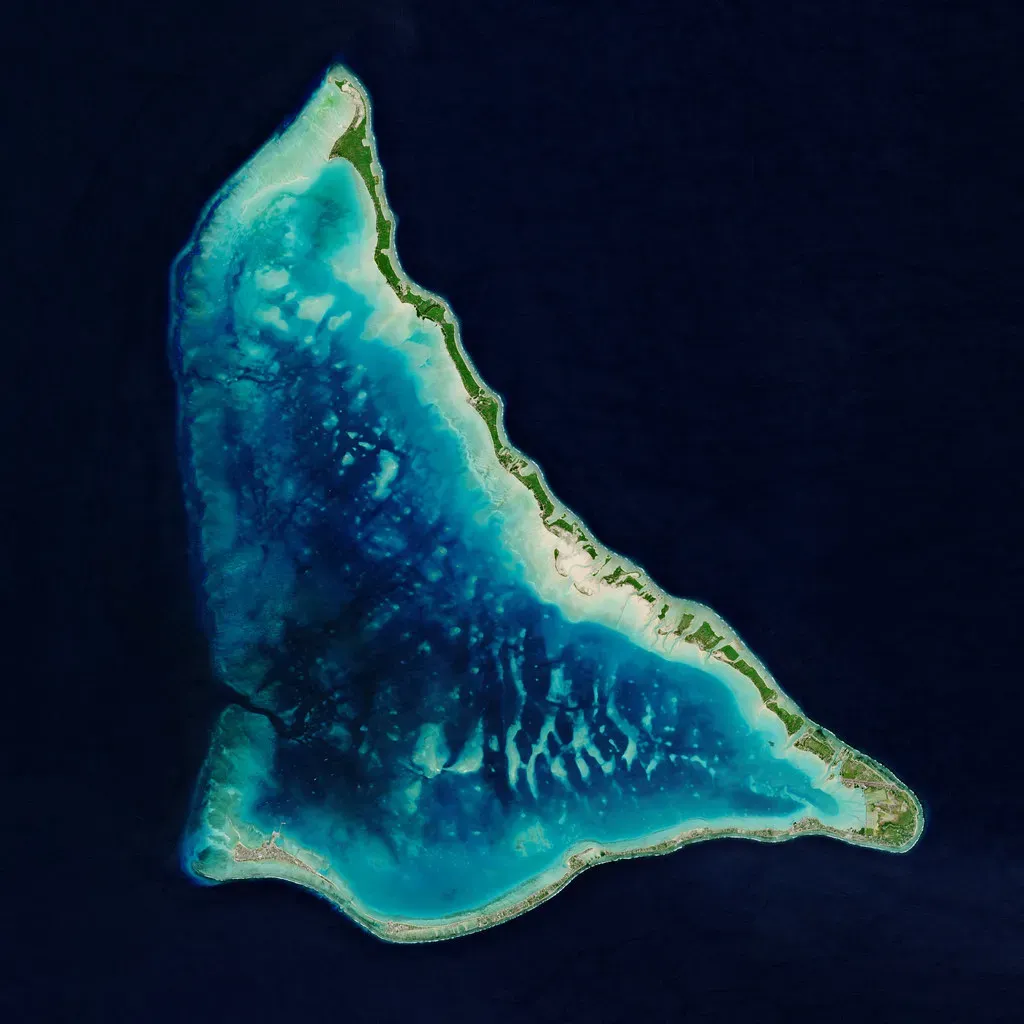
For Tuvalu, Kiribati and the Marshall Islands – three of the four lowest-lying countries in the world – the measures being tested in Tuvalu may offer a template for future adaptation and survival. Kiribati’s situation is especially urgent. Spread across a vast stretch of ocean, its 33 atolls sit barely above the waterline, and the government has already purchased land in Fiji as a potential resettlement site.
Regions of Kiribati that see fewer than five flood days a year today will experience an average of 65 flood days annually by the 2050s, according to NASA analysis. Smaller island nations such as Tuvalu, Maldives, and Kiribati will experience the highest economic damages as a percentage of GDP from coastal flooding, with Tuvalu facing between roughly 38 and 59 percent of its GDP in damages, and the Marshall Islands facing between 8 and 18 percent.
The Gulf Coast of the United States
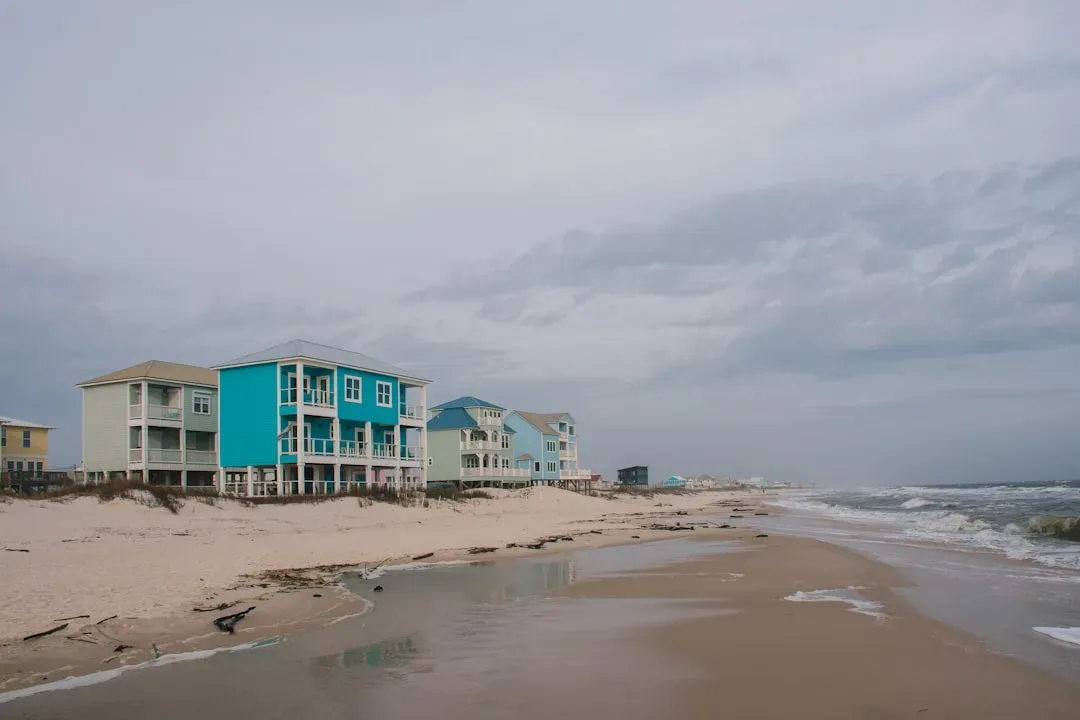
Communities along the western Gulf Coast are predicted to experience some of the most high-tide flood days in the country, ranging between 7 and 15 days across the region. Cities like New Orleans, Galveston, and Houston sit in a zone where land subsidence, storm surge vulnerability, and rising seas are converging at the same time. The Gulf is warmer and shallower than the Atlantic, which supercharges hurricanes quickly and pushes surge water further inland.
As sea level rise continues, it no longer takes severe weather to cause flooding along the coast. This flooding is increasingly disrupting life in the nation’s coastal communities, which are home to almost 40 percent of the US population and support tens of millions of jobs. For the Gulf Coast, what was once an occasional weather event has become a semi-regular seasonal reality.
China’s Yellow River Delta and Eastern Coast
Cities along China’s Yellow River Delta are experiencing sea level rise of more than 22 centimetres per year, a figure that makes most other at-risk regions look stable by comparison. The combination of rapid industrial development, heavy groundwater extraction, and natural delta compaction has caused the land itself to sink at alarming rates. China has approximately 52 million people living within the annual flood risk zone, where coastal floods are expected to occur at least once per year.
Areas like parts of East Japan, China, North Vietnam, and many of the South Pacific Small Island Developing States are projected to experience the highest increase in extreme sea levels, exceeding one metre under high-emission scenarios toward the end of the century. China’s eastern coastal cities, many of them major manufacturing and economic hubs, are building flood defenses at speed, but the pace of sea-level rise and subsidence is putting those investments under intense pressure.
The Maldives, Indian Ocean
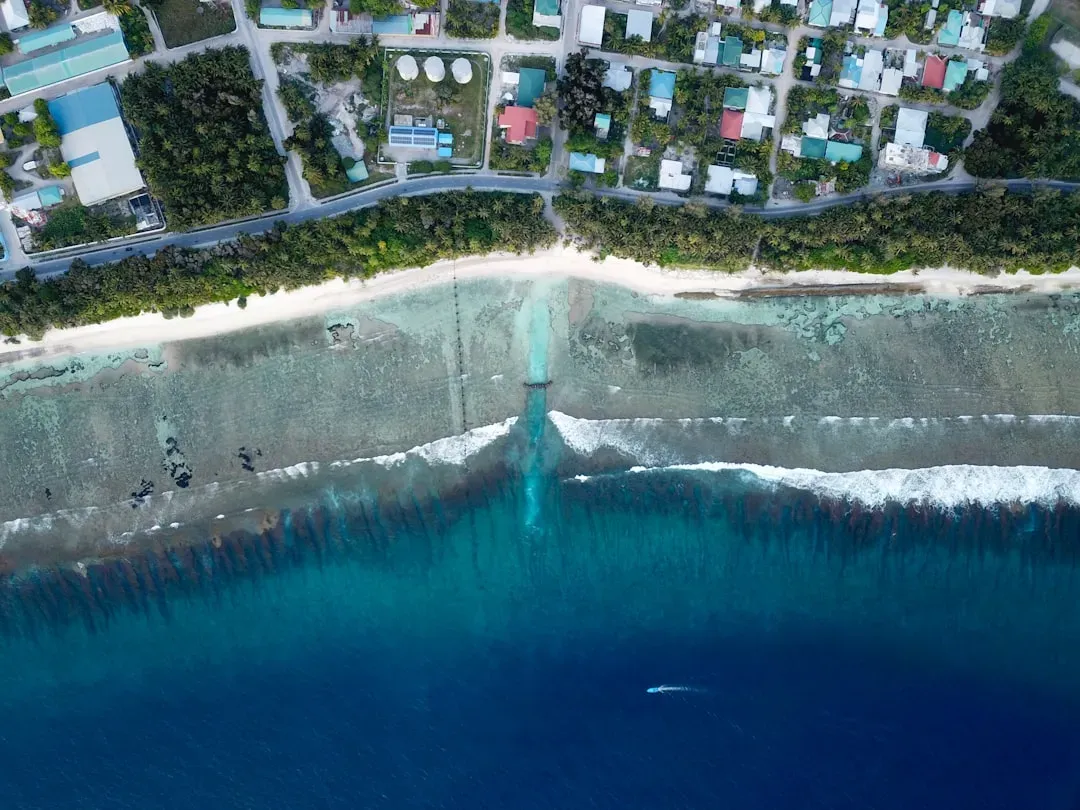
As one of the lowest-lying countries on Earth, the Maldives faces existential risk. Many islands rise only a metre above sea level, making them highly susceptible to long-term inundation. The country relies almost entirely on tourism and fishing, both of which depend on the physical existence of its islands and the health of surrounding reefs. Rising seas and ocean warming are attacking both at once.
Smaller island nations such as Tuvalu, Maldives, and Kiribati will experience the highest economic damages as a percentage of GDP from coastal flooding. Global mean sea level rise under low-emission scenarios puts at least 190 million people at risk of permanent or episodic flooding by the year 2100, increasing to 630 million under high-carbon emission scenarios. Populations residing in major coastal cities could experience annual financial losses of approximately 52 billion US dollars by 2050 and surpass one trillion dollars if no mitigation measures are taken. For the Maldives, a country with no higher ground to retreat to, the financial calculus is existential in the most literal sense.
