


- Atlantic Hurricane Activity Has Often Rebounded After Strong El Niño Years, Records Show - November 15, 2026
- The Planet Where It Rains Liquid Glass – 7 Alien Worlds Defying Known Physics - November 14, 2026
- Stars Consuming Entire Worlds – 6 Planetary Systems Swallowing Their Own Worlds - November 14, 2026
Something measurable shifted in the global climate around 2023. The three years that followed – 2023, 2024, and 2025 – stacked up as three of the hottest ever recorded. Scientists weren’t just noting incremental change anymore. They were watching the numbers jump in ways that didn’t fit the previous 50-year trend line.
The predictions coming from major climate agencies in 2025 and 2026 reflect that unease. The data, the models, and the physical mechanisms all point toward a decade ahead that will likely push weather into territory we’ve simply never prepared for.
Three Years That Changed the Conversation
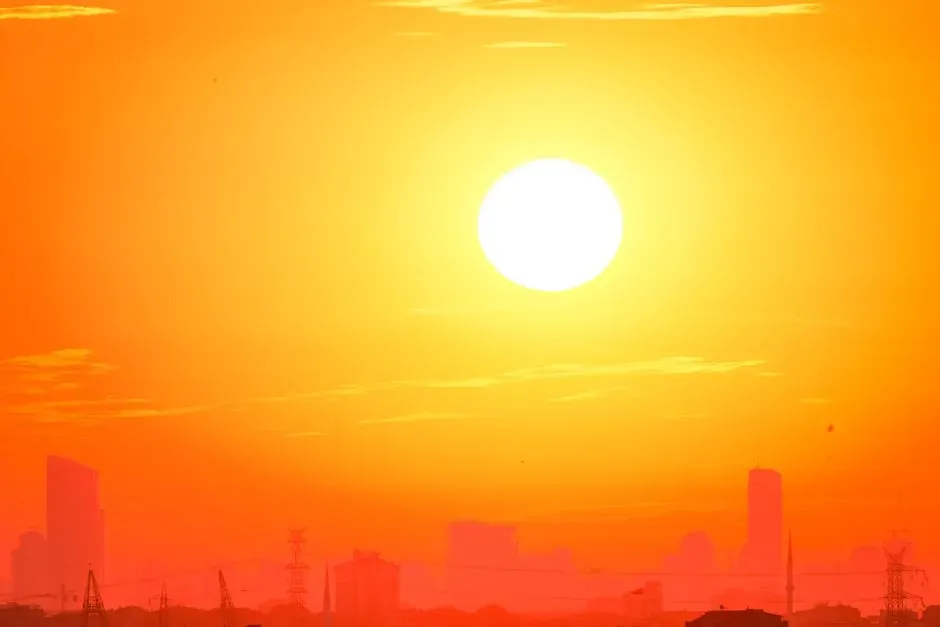
The last 11 years have been the hottest 11 years on record, according to international climate monitoring groups. That’s a striking streak. When charted on a graph, 2023, 2024, and 2025 “seemed to jump up,” said NOAA climate monitoring chief Russ Vose, and when averaged together, those three years shoot above the 1.5-degree mark, according to the European climate service Copernicus.
Scientists at Berkeley Earth have described the last three years as “indicative of an acceleration in the warming” that is “not consistent with the linear trend we’ve been observing for the 50 years before that.” That shift in trajectory is precisely why meteorologists are now speaking in terms of record-breaking decades rather than record-breaking seasons.
The 1.5°C Threshold Is No Longer Hypothetical
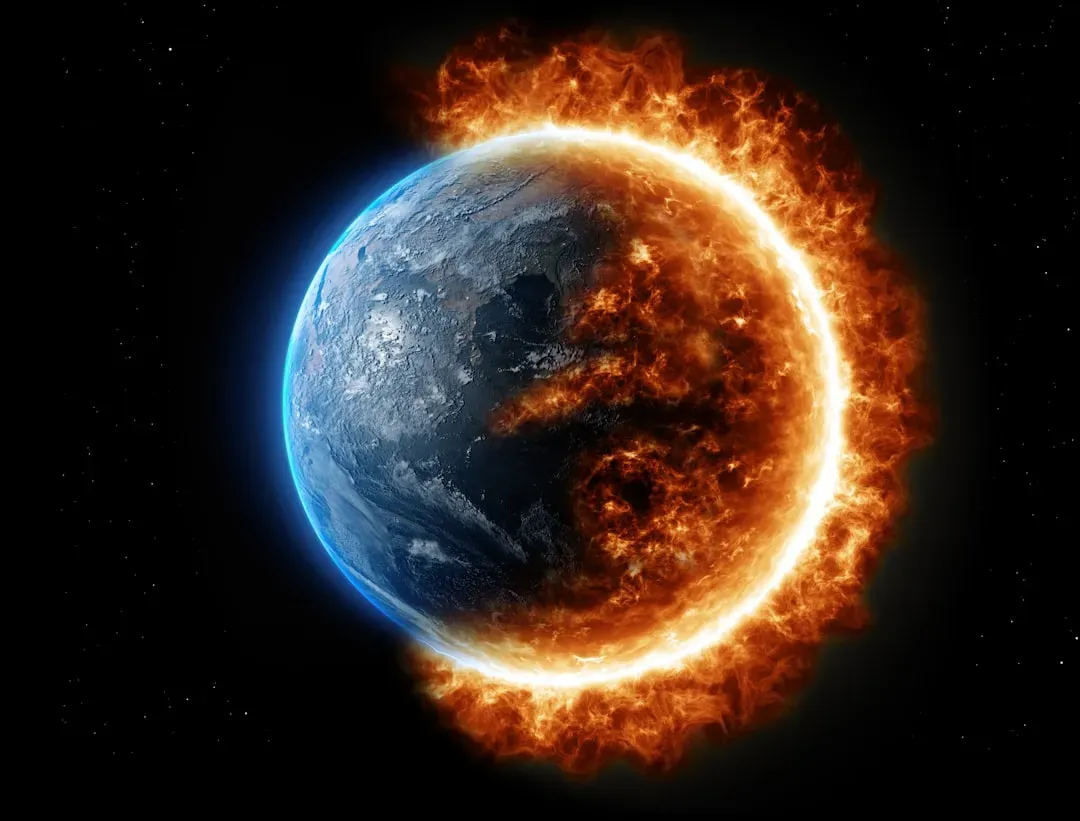
Global average temperatures reached 1.55°C above pre-industrial levels in 2024, when the last El Niño event supercharged human-made warming primarily caused by greenhouse gas emissions generated through burning fossil fuels. The WMO State of the Global Climate 2024 report confirmed that 2024 was likely the first calendar year to be more than 1.5°C above the 1850-1900 average, making it the warmest year in the 175-year observational record.
The 1.5-degree threshold is the agreed-upon limit of warming, averaged over 20 years, set in 2015 by the Paris climate agreement. A single year crossing it doesn’t constitute a formal breach of that target. The UN has conceded, however, that a multi-decadal breach is very likely to happen within the next decade. The distinction between a policy milestone and a physical reality is growing harder to maintain.
What the WMO’s Latest Forecasts Actually Say
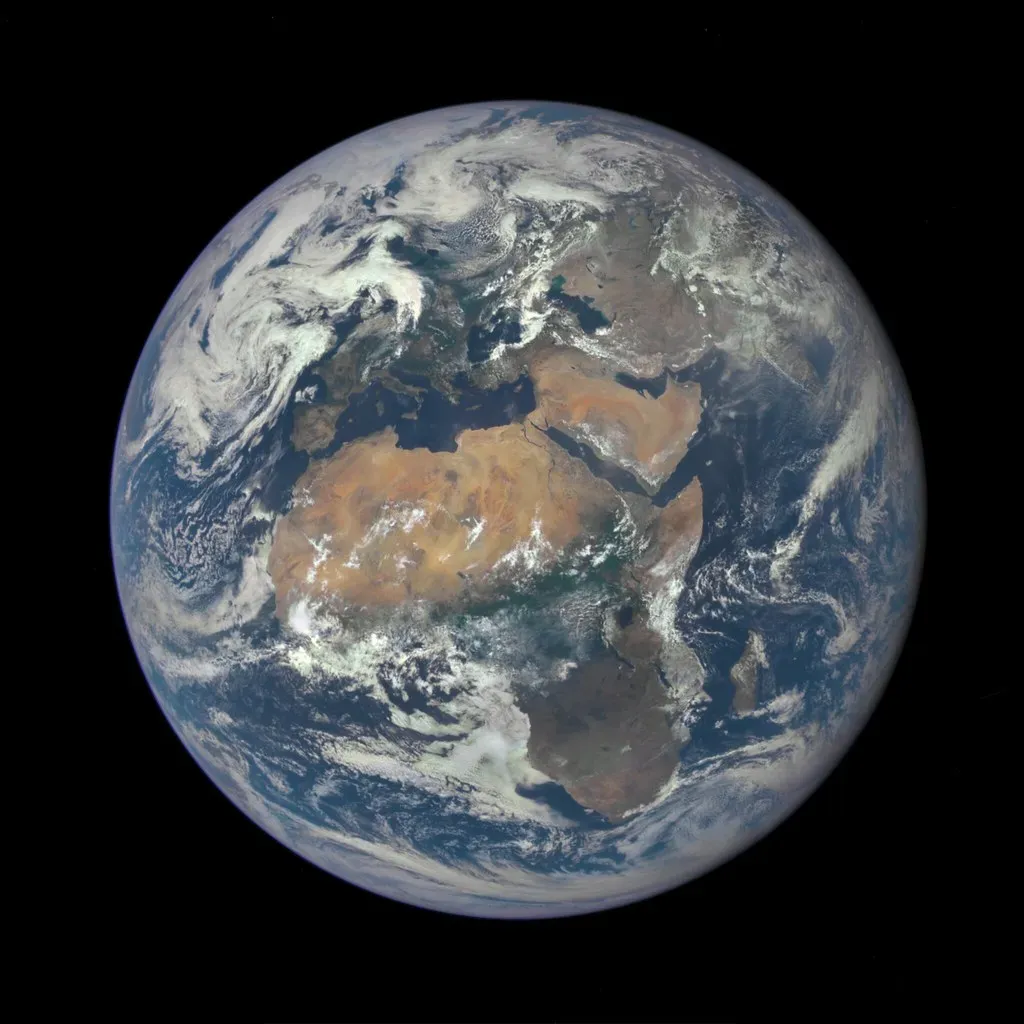
The World Meteorological Organization’s annual update predicts an 86% chance that at least one year between 2026 and 2030 will surpass 2024 as the warmest year on record, up from 80% in last year’s forecast. These aren’t projections from a single model. The projections are based on the averaging of about 200 runs of computer simulations using 13 different climate models from various countries.
The U.N. climate agency and the United Kingdom’s Meteorological Office put the chance that average global temperature between 2026 and 2030 will exceed 1.5 degrees Celsius above pre-industrial times at roughly three in four. The probability of a five-year average above 1.5°C has risen sharply, from about one in three in the 2023 forecast to nearly three in four in the most recent report. That upward revision speaks to how rapidly the baseline is shifting.
El Niño Is Coming Back, and It Could Be a Strong One

Meteorologists expect El Niño – the natural climate phenomenon characterized by unusually warm sea-surface temperatures in the eastern Pacific Ocean – to start developing as early as mid-2026, and some forecasters say this event could become particularly powerful. The lead author of the WMO report noted that the prediction of El Niño for the second half of 2026 “increases the chances of the following year, 2027, being the next record-breaking year.”
If the next five years average more than 1.5 degrees Celsius above pre-industrial times, Earth will have warmed a full quarter degree Celsius in a decade, which is notably faster than the previous rate of roughly two-tenths of a degree per decade. Carlo Buontempo, director of Copernicus’ climate service, expects that when El Niño materializes, it will likely drive another record annual temperature. The combination of a strong natural cycle stacked on top of an already elevated baseline is what makes the next few years particularly significant.
The Arctic Is Amplifying Everything

The Arctic is warming two to four times faster than other parts of the Earth because of a dynamic called Arctic amplification, which changes both ocean currents and how much sunlight is absorbed by the Earth’s surface near the pole. The Arctic last season was the hottest it had been in the past 125 years, and sea ice extent during its usual March maximum was the lowest in 47 years of satellite recordkeeping.
Arctic winters from 2020 to 2025 were on average about 2.1 degrees Fahrenheit warmer than the 1991-2020 baseline, and the WMO projects the next five winters to average 5.1 degrees Fahrenheit warmer than that recent normal. Sea ice in the Arctic Ocean is decreasing as the region warms faster than anywhere else on the planet, and that loss has far-reaching effects because sea ice helps regulate Earth’s climate, influences global weather patterns, and affects ocean circulations. What happens at the poles doesn’t stay at the poles.
The Financial Damage Is Already Staggering
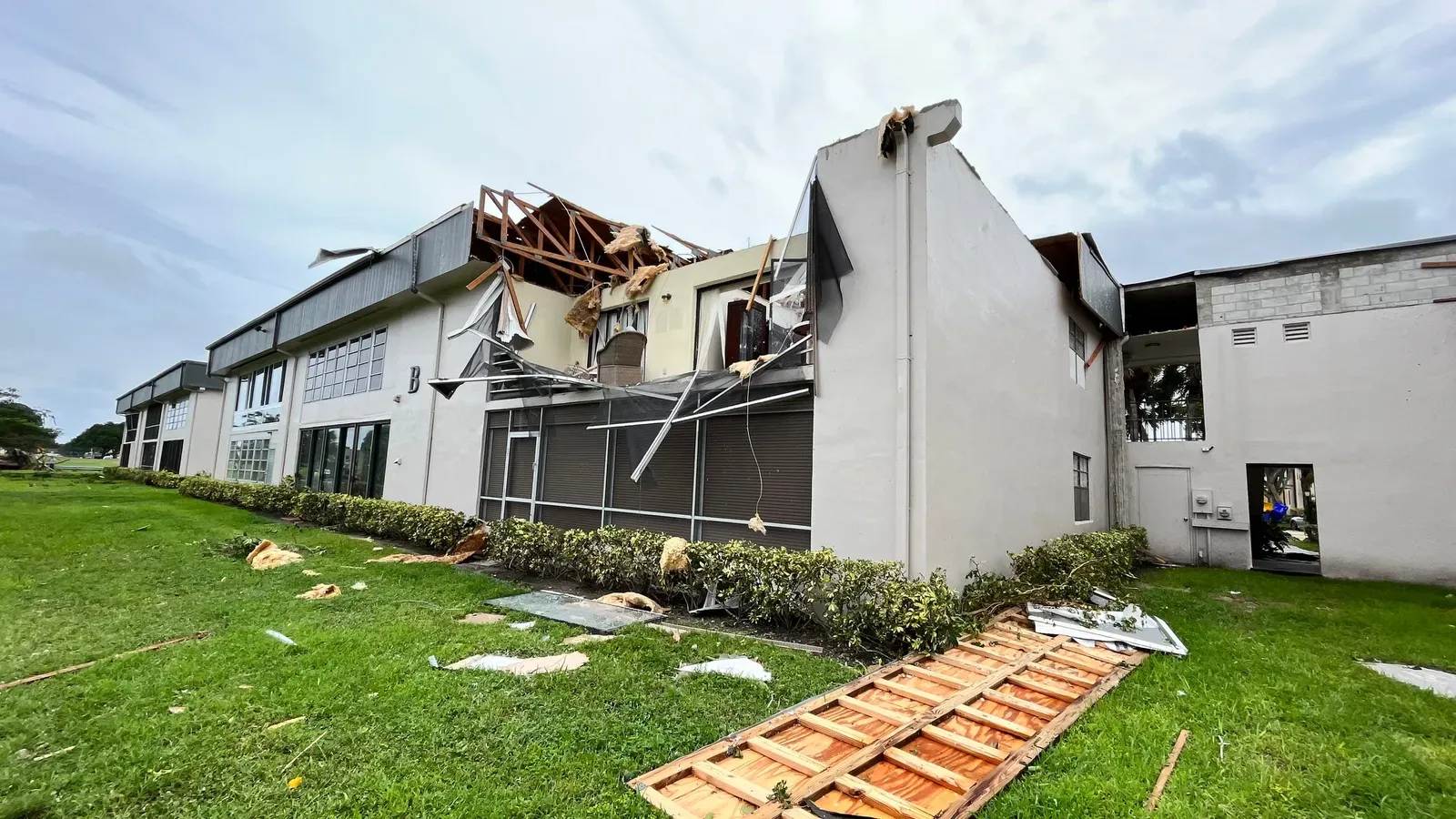
According to Munich Re, total economic losses from natural disasters in 2024 exceeded $320 billion globally, nearly 40% higher than the decade-long annual average. In the United States alone, at least 568 lives were lost in 27 separate disasters that each reported damages of $1 billion or more, with a total economic cost of at least $182.7 billion.
Researchers at Imperial College London determined that climate change increased Hurricane Helene’s wind speeds at landfall by about 13 mph, and calculated that roughly 44% of the economic damages caused by Helene and 45% of those caused by Milton could be attributed to climate change. The emissions released in recent years, combined with cumulative historical emissions, commit the planet to a future of more frequent and intense extreme weather events that will disproportionately burden younger generations. The bills are coming due faster than most economic models anticipated.
Everyday Extreme Heat Is Becoming the Norm
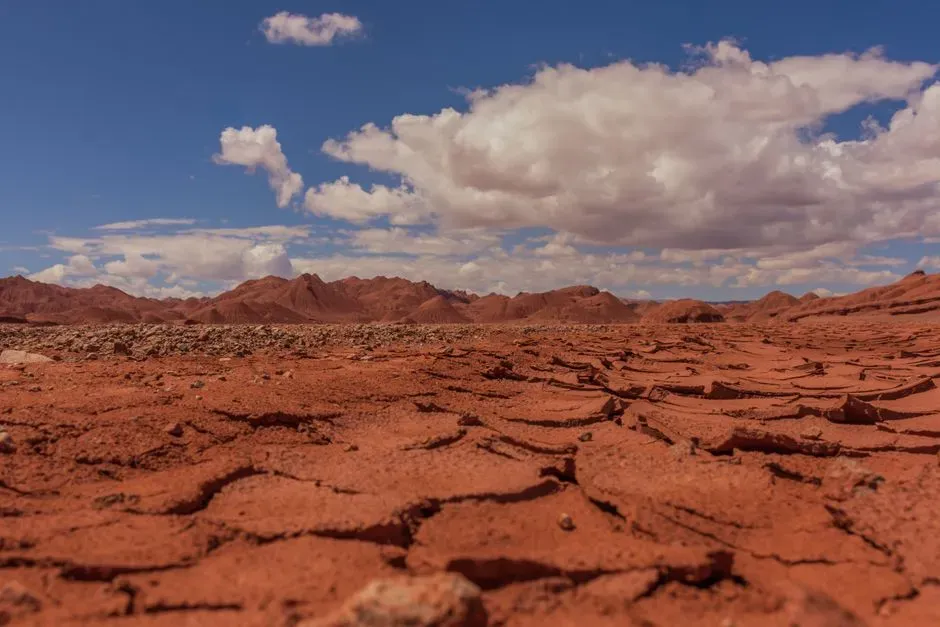
Global analysis found that climate change added on average 41 more days of dangerous heat in 2024 and contributed to the deaths of thousands of people and the displacement of millions during extreme weather events. Berkeley Earth calculated that roughly 770 million people – about one in every 12 people on the planet – experienced record annual heat, with nearly 450 million of them in China, while other record hot spots included much of Australia, northern Africa, the Arabian Peninsula, and Antarctica.
Weather monitoring teams warn that rising temperature increases are a dangerous sign of worsening storms, heat, floods, and fires. The current level of warming already drives more harmful heatwaves, extreme rainfall events, intense droughts, melting of ice sheets, sea ice, and glaciers, as well as ocean heating and rising sea levels. That list of consequences is no longer a projection; it’s an annual weather report.
Storms and Floods Are Growing Measurably More Intense
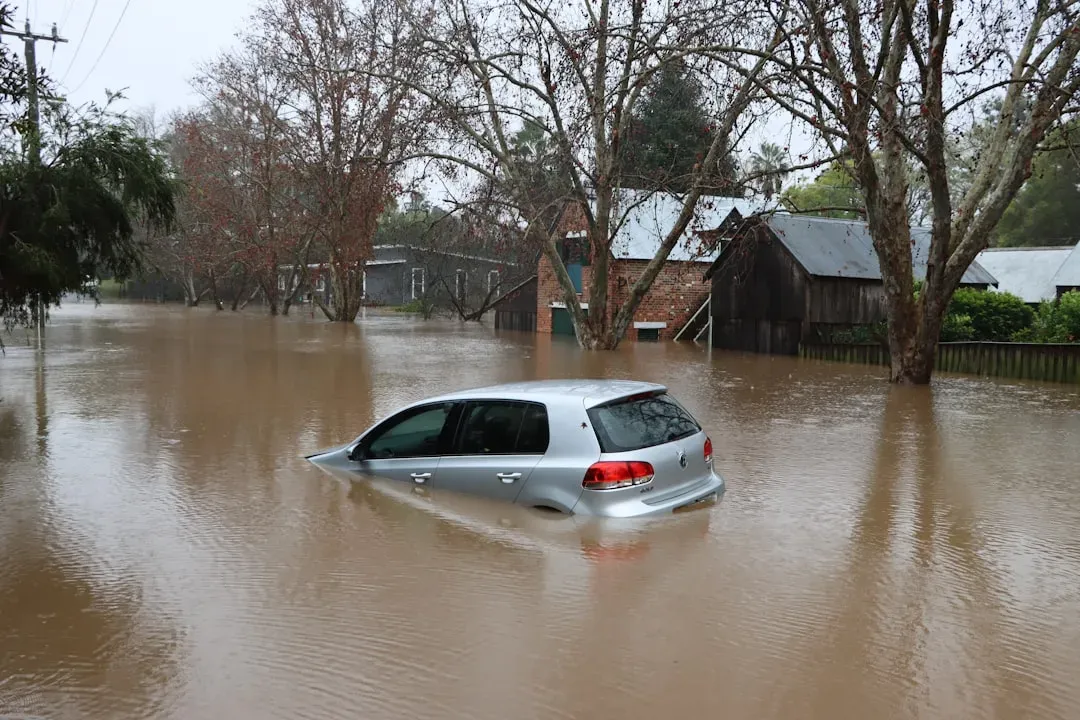
Researchers at the World Weather Attribution and Climate Central reviewed heat waves, droughts, wildfires, storms and floods that struck in 2024 and found that nearly every extreme weather event they studied was made more intense and more frequent because of continued burning of fossil fuels. In October 2024, torrential rain caused severe flooding in Spain’s Valencia region, where a weather station recorded nearly 20 inches of rain in just eight hours – equivalent to a full year’s worth of rainfall according to Spain’s meteorological agency.
Extreme event attribution research confirms that human-caused climate change is increasing the frequency and intensity of certain types of extreme weather, most notably drought vulnerability, lengthening wildfire seasons in western states, and the potential for extremely heavy rainfall becoming more common in eastern states. Climate-related disasters have displaced over 20 million people annually in the past decade. As storm systems feed on warmer oceans and moisture-laden air, the ceiling for what counts as a severe event keeps rising.
What the 2030s Could Actually Look Like
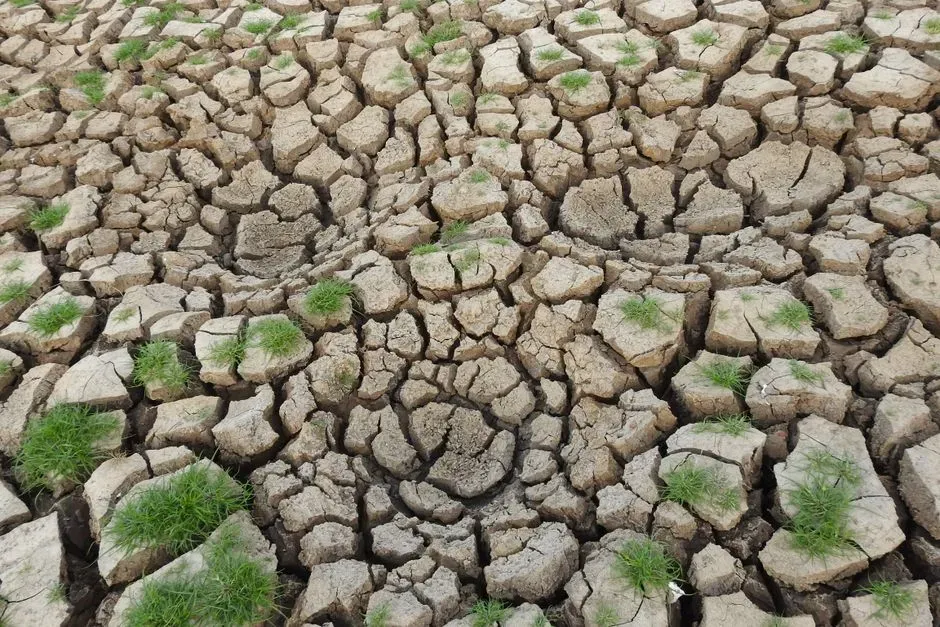
Both Copernicus and Berkeley Earth have calculated that 2029 is the likely date that the planet’s long-term average will breach the 1.5-degree threshold. In the 2030s, scientists project that the number of extreme events around the world will increase and the cost associated with the damages and impacts of those events will be worse.
An entire year or more above the 1.5-degree mark means a whole range of extreme weather events, probably many so hot, wet, or dry that they exceed anything we’ve experienced in the past, and crucially, anything our city planning and agriculture were designed for. The scientific community has repeatedly warned that warming of more than 1.5°C risks unleashing far more severe climate change impacts and extreme weather, and that every fraction of a degree of warming matters. Fractions of a degree, it turns out, translate into floods, fires, and displacement at a scale that tends to surprise even the forecasters doing the math.
