

- The Planet Where It Rains Liquid Glass – 7 Alien Worlds Defying Known Physics - November 14, 2026
- Stars Consuming Entire Worlds – 6 Planetary Systems Swallowing Their Own Worlds - November 14, 2026
- The Ground Liquefies Like Water – 6 Silent Fault Lines Geologists Watch Closely - November 14, 2026
The question of whether we are alone in the universe is one of the oldest humans have ever asked. What’s changed in recent years is that scientists are no longer just philosophizing about it. They’re pointing to specific places, within our own solar system, where the physical and chemical conditions look surprisingly favorable for life as we know it – or perhaps life we haven’t imagined yet.
Among the stunning variety of worlds in our solar system, only Earth is known to host life. Still, other moons and planets show signs of potential habitability. The list below covers eleven of those candidates, ranked not by drama but by what the science actually says. None of these are confirmed. All of them are genuinely worth the conversation.
1. Europa – Jupiter’s Most Tantalizing Moon
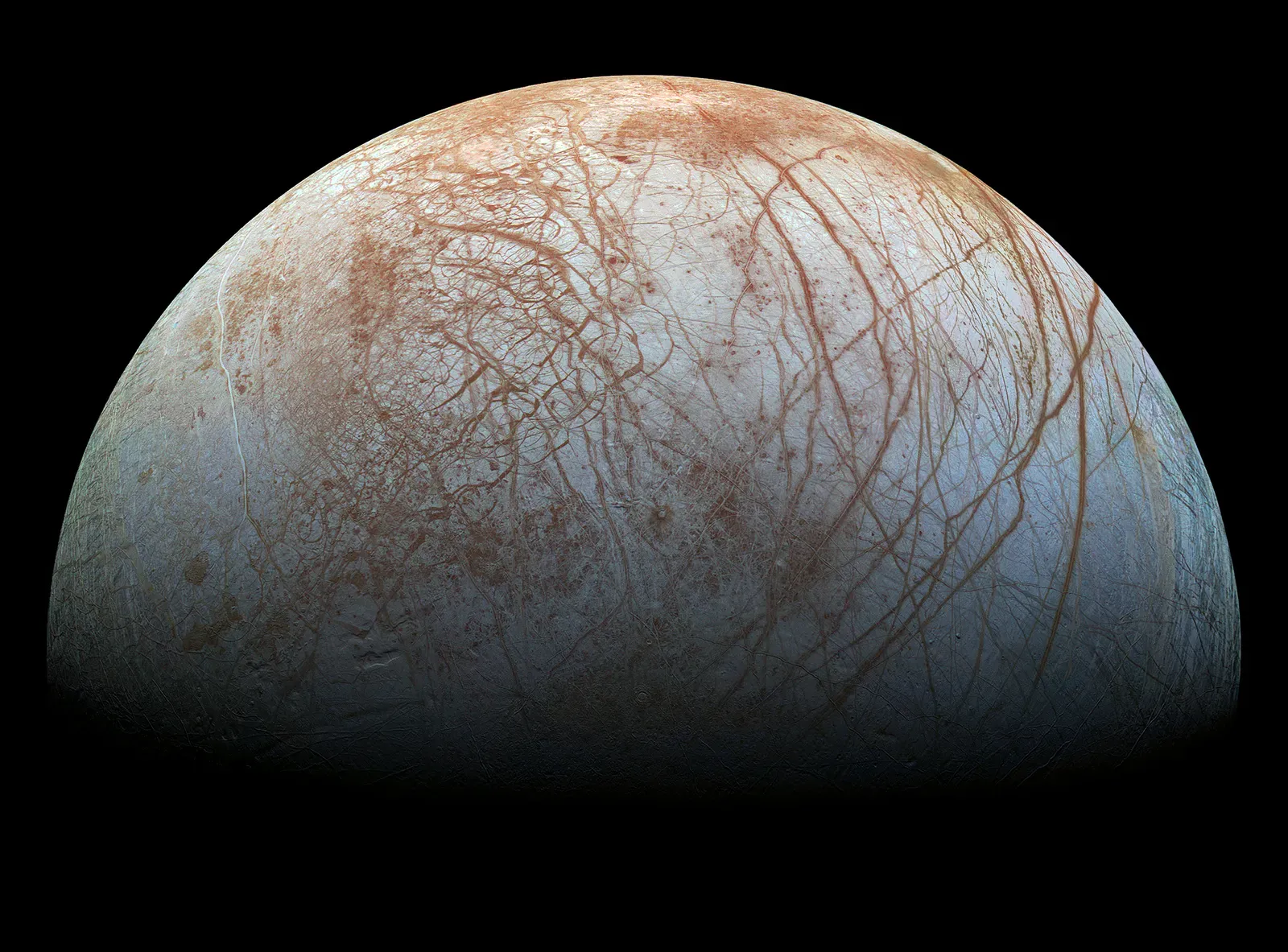
Europa’s subsurface ocean is considered the best target for the discovery of life. A briny ocean is concealed beneath the icy crust of Jupiter’s fourth largest moon, with more water than all of Earth’s oceans combined. That alone makes it stand out from every other body on this list. The sheer volume of liquid water, locked away beneath kilometers of ice, creates an environment that scientists cannot easily dismiss.
Europa’s subsurface ocean might be getting fed after all – scientists found that salty, nutrient-rich surface ice can become heavy enough to break free and sink through Europa’s icy shell. The Europa Clipper, which would assess the habitability of Europa, launched in 2024 and is set to reach the moon in 2030. That mission could reshape everything scientists currently believe about where life can take root.
2. Enceladus – Saturn’s Active Geyser Moon
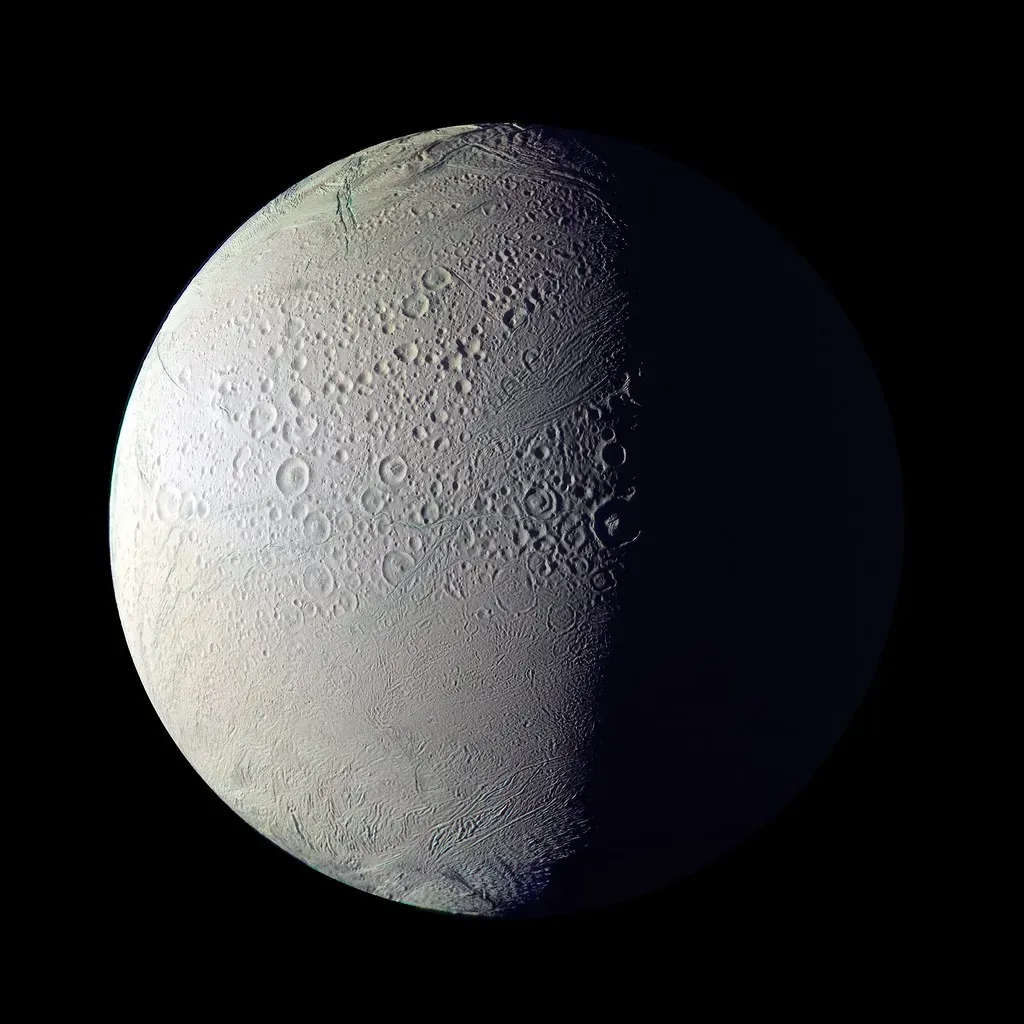
Enceladus’ south pole is covered in a series of fissures through which plumes of water have been observed shooting up into space. That makes it one of the most accessible ocean worlds in the solar system – no drilling required. Cassini mission data confirms Enceladus has a subsurface ocean, hydrothermal activity, organic molecules, molecular hydrogen, and even phosphates, ingredients well-suited for life.
A recent study found that Saturn’s icy moon Enceladus had the most potential to support life powered by cosmic rays, followed by Mars, and then Jupiter’s moon Europa. Cosmic rays from deep space might be the secret energy source that allows life to exist underground on Enceladus and similar worlds. New research reveals that when these rays interact with water or ice below the surface, they release energy-carrying electrons that could feed microscopic life, a process known as radiolysis. The implication is that Enceladus may have not one but two potential energy sources available to any organisms that might exist there.
3. Mars – The Red Planet’s Buried Secrets
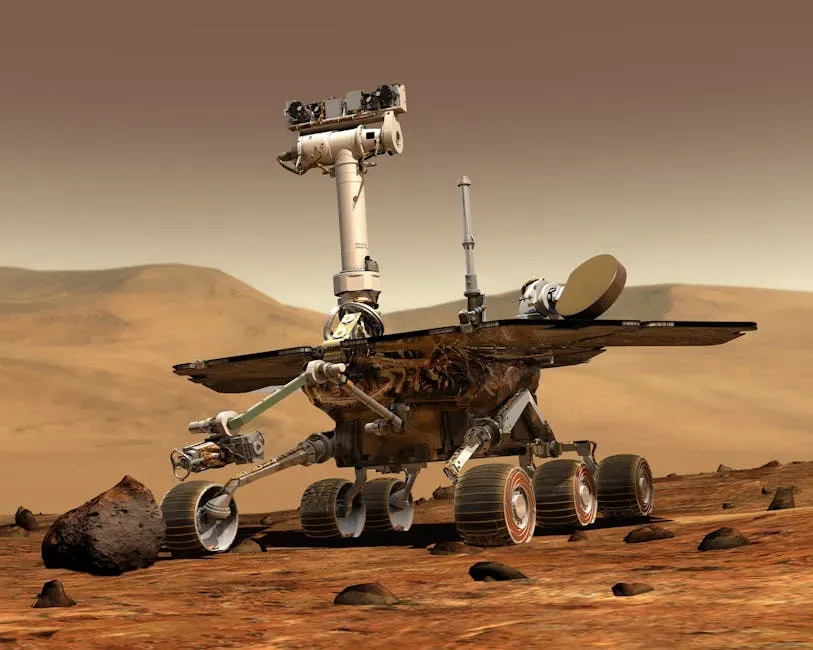
Today’s Mars cannot sustain stable bodies of liquid water. But in its infancy, it possessed perhaps twice as much water as Earth does now, and space probes revealed dried-up riverbeds, deep valleys and eroded grooves in bedrock, strongly hinting at water activity. The surface is now deeply hostile, with radiation, extreme cold, and toxic perchlorates in the soil posing serious challenges to any surface organism.
NASA’s InSight lander revealed liquid water might still exist 10 to 20 kilometers under the surface, and ESA’s Mars Express hinted at subglacial lakes beneath the south polar cap. In a study published in the journal Astrobiology, researchers said that non-biological sources they considered could not fully account for the abundance of organic compounds in a sample collected on Mars by NASA’s Curiosity rover – the largest organic compounds found on Mars, hypothesized to possibly be fragments of fatty acids preserved in ancient mudstone in Gale Crater. That finding has kept Mars firmly in the conversation.
4. Titan – Saturn’s Organic Chemistry Lab
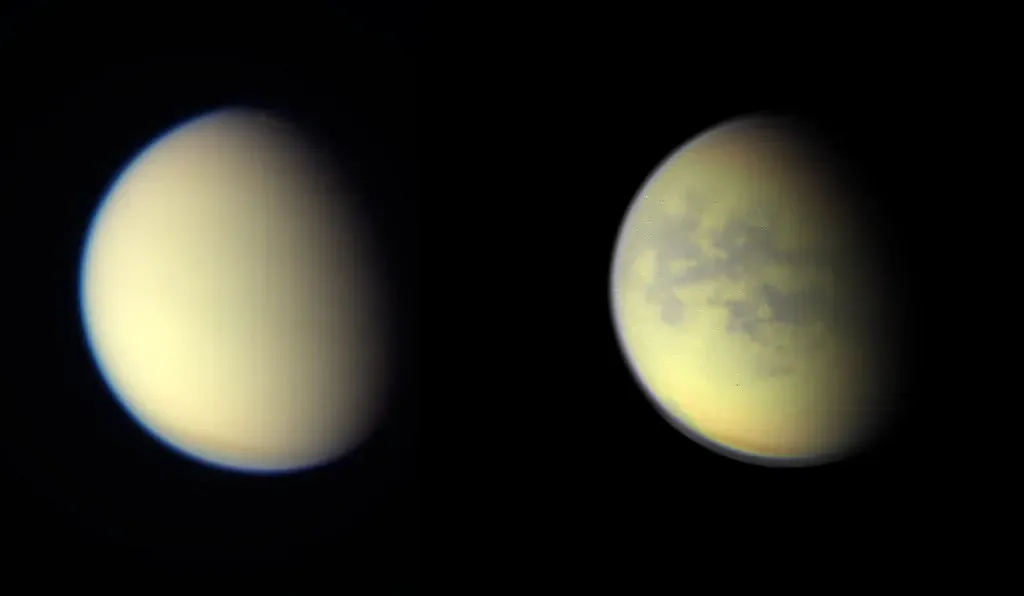
Titan is the only extraterrestrial body in the solar system with an abundant, complex, and diverse carbon-rich chemistry and a surface dominated by water ice, with an interior water ocean, making it a high-priority target for astrobiology and origin-of-life studies. It has a subsurface ocean of liquid water, methane lakes and rivers on the surface, and even clouds and rain of methane. No other moon in the solar system offers that particular combination of surface liquids and subsurface water simultaneously.
Titan is an analog to the very early Earth and can provide clues to how life may have arisen on our planet. During its planned 2.7-year baseline mission, NASA’s Dragonfly will explore diverse environments from organic dunes to the floor of an impact crater where liquid water and complex organic materials key to life once existed together for possibly tens of thousands of years. Dragonfly is scheduled to launch in 2026 and will arrive at Titan eight years later. When it lands, it’ll be doing science unlike anything attempted before.
5. Venus – Life in the Clouds
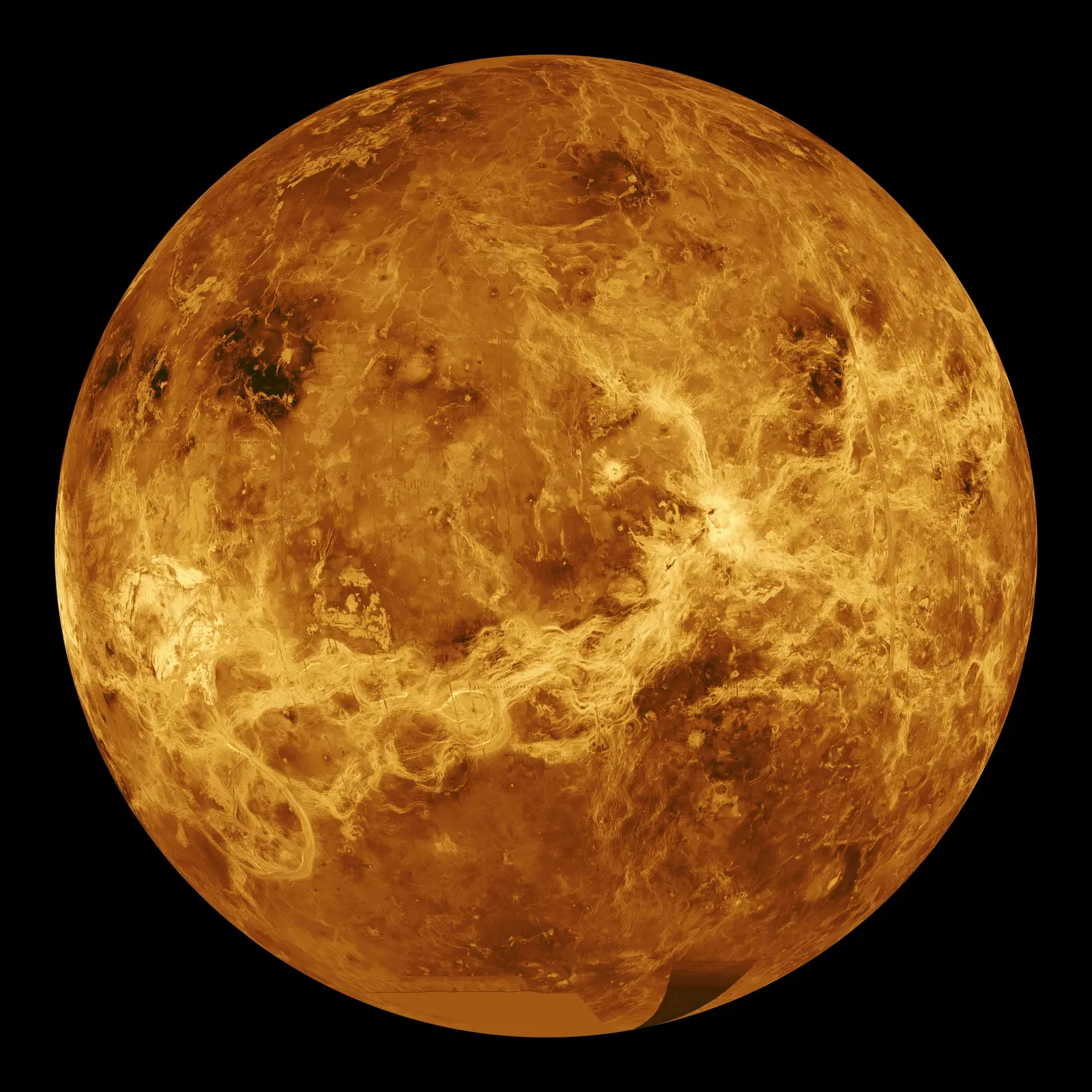
Venus is often thought to have too harsh an environment for life, but it may have been a more hospitable place in the distant past. If life evolved there in the past, the cloud decks of Venus are the only remaining niche where life as we know it might survive today. If the cloud decks of Venus are indeed an abode of life, it should reside in the habitable zone between roughly 50 to 60 kilometers altitude, where the temperature and pressure are similar to conditions at Earth’s surface.
Recent interest has arisen from several realizations: the unexplained ultraviolet absorption spectrum of Venus resembles many organics, there is chemical disequilibrium in the cloud layer, and the solar radiation received in the cloud layer contains the appropriate wavelengths and flux to support phototrophy. The composition of Venus cloud particles, however, is concentrated sulfuric acid, a substance fatal to most of Earth life’s building blocks – which is why scientists are cautious and why dedicated missions to probe those clouds remain a research priority.
6. Ganymede – Jupiter’s Quiet Giant
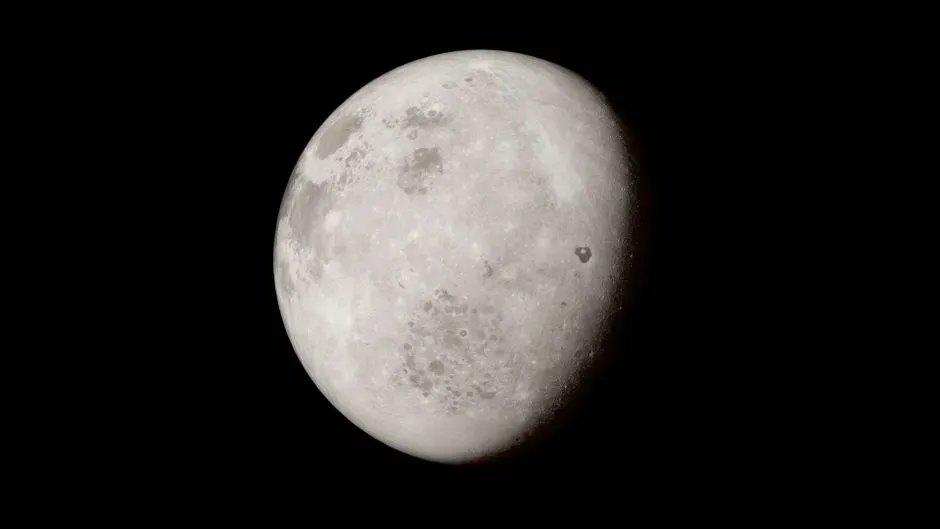
Ganymede, the largest moon in the solar system, is the only one that has a magnetic field of its own. It is suspected that it has an ocean below the surface, and that primitive life may be possible there. This suspicion is caused in part because of the unusually high level of water vapor in the thin atmosphere of Ganymede. The magnetic field is also thought to create a partial shield from Jupiter’s intense radiation, offering a somewhat more protected environment than other nearby moons.
Scientists are fairly certain that not just Titan, but also Saturn’s moon Enceladus and Jupiter’s Europa have underground oceans, and that others probably exist beneath the frozen surfaces of the moons Mimas around Saturn, Ganymede and Callisto around Jupiter, and Triton around Neptune. The European Space Agency has already launched the Jupiter Icy Moons Explorer, or JUICE, which will make detailed observations of Europa and the moons Ganymede and Callisto, which show hints of oceans. Ganymede is firmly in the crosshairs of that mission.
7. Callisto – The Overlooked Ocean World
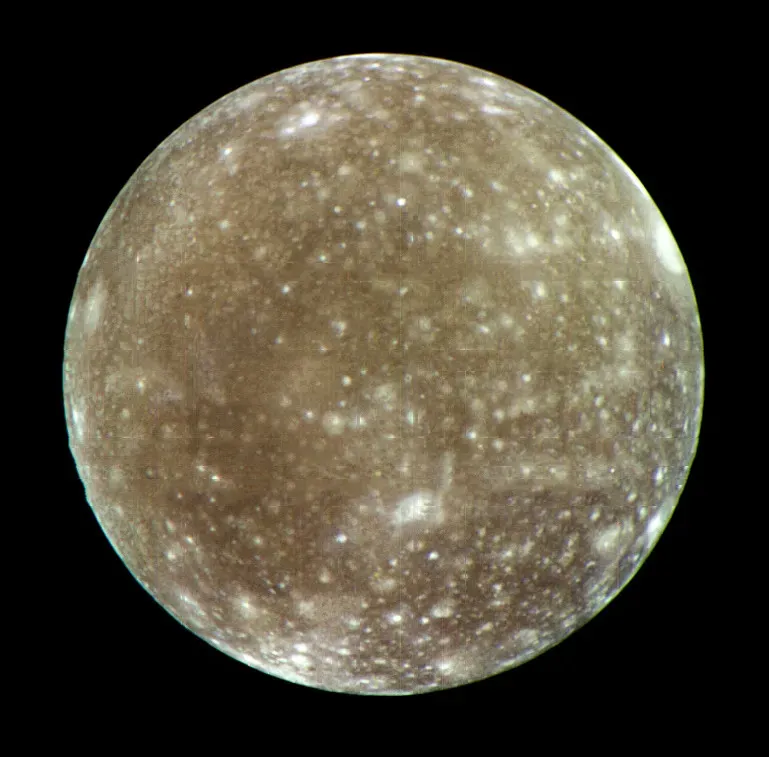
More pocked with craters than any other object in our solar system, Jupiter’s outermost Galilean moon Callisto appears geologically unremarkable. In the 1990s, however, NASA’s Galileo spacecraft captured magnetic measurements near Callisto that suggested its ice shell surface may encase a salty, liquid water ocean. The craters haven’t moved in billions of years, suggesting no active geology churning the surface – but what lies beneath is another matter entirely.
Evidence for Callisto’s subsurface ocean had remained inconclusive, as the moon has an intense ionosphere. Scientists thought this electrically conductive upper part of the moon’s atmosphere might imitate the magnetic fingerprint of a salty, conductive ocean. Confirmation of Callisto’s status as an ocean world would likely prompt further investigation on its potential to support life, just as the confirmation inspired research about Europa. A study published in AGU Advances in 2025 revisited the Galileo data more rigorously, adding new weight to the ocean hypothesis.
8. Mimas – Saturn’s Surprise
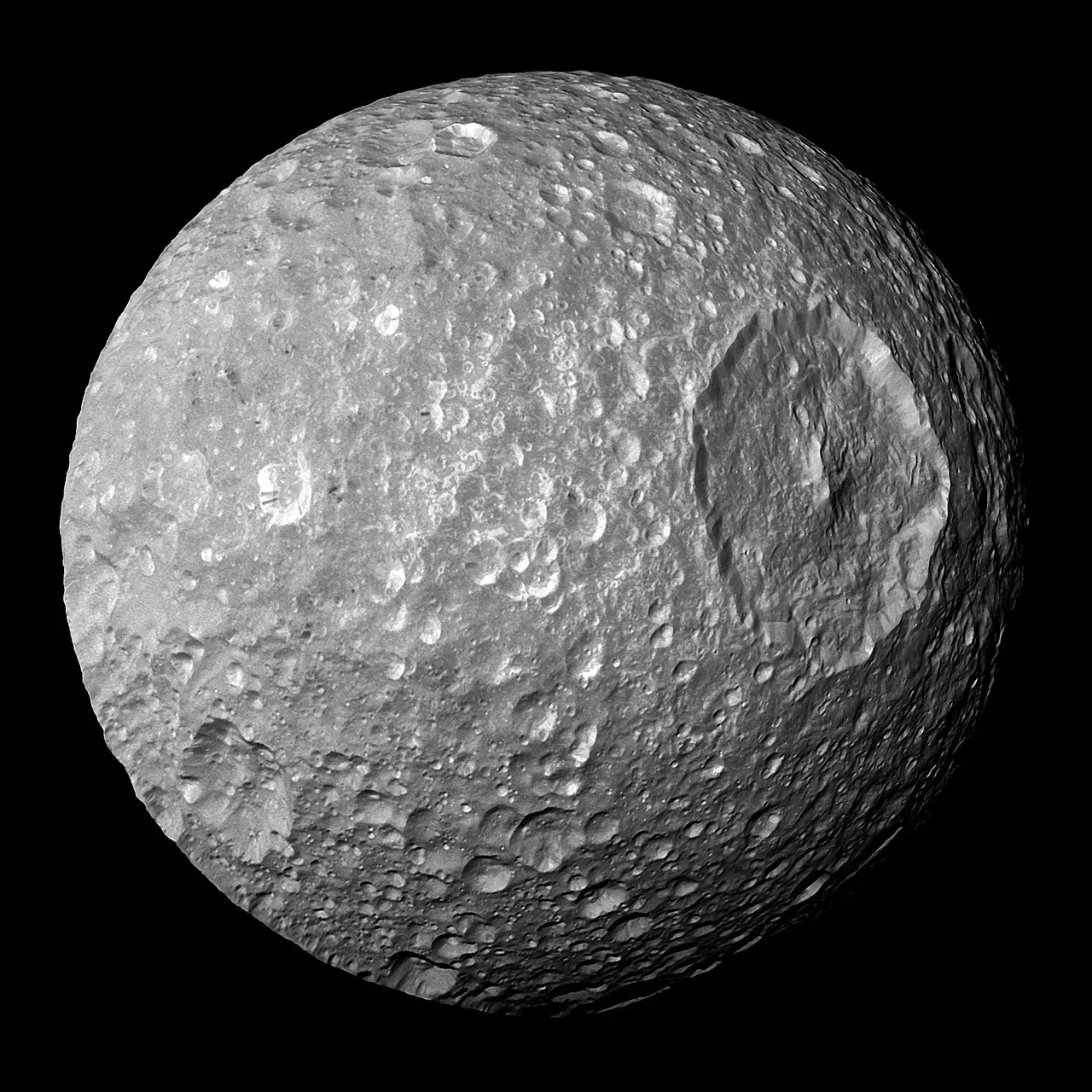
Saturn’s moon Mimas, famous for its Death Star crater, likely harbors a subsurface ocean. A new analysis of images taken by NASA’s Cassini spacecraft has revealed that tiny changes in Mimas’s orbit can be explained only if the moon hosts an ocean beneath 20 to 30 kilometers of ice. The research, published in Nature, adds an unlikely member to the small roster of ocean worlds in the solar system. Nobody expected Mimas to make this list.
In 2024, based on orbital data from the Cassini-Huygens mission, Mimas was calculated to contain a large tidally heated subsurface ocean starting roughly 20 to 30 kilometers below the heavily cratered but old and well-preserved surface, hinting at the potential for life. There’s also growing interest in habitability – whether these oceans are suitable for supporting life. Scientists don’t currently know whether any of the solar system’s oceans, other than Earth’s, are habitable, have been inhabited, or are currently inhabited. But if Mimas truly has an ocean, we could have a window into how these worlds develop and even how habitats are created and lost.
9. Triton – Neptune’s Backward Moon
Titan’s liquid water is beneath the surface, as is the case on Jupiter’s moons Europa and Ganymede, Titan’s fellow Saturnian moon Enceladus, and possibly Neptune’s moon Triton. Triton is unusual in other ways too: it orbits Neptune backwards relative to the planet’s rotation, which most scientists believe means it was captured from the Kuiper Belt long ago. That violent past may have generated enough internal heat to maintain liquid water for extended periods.
The large moons Ganymede and Callisto, of Jupiter, and Neptune’s mysterious Triton, are all thought to harbor underground liquid oceans. Triton also has active geysers shooting dark material into its thin nitrogen atmosphere, which hints at some internal energy source still operating today. No spacecraft has visited Neptune’s system since Voyager 2 in 1989, leaving Triton as one of the most scientifically underexplored ocean world candidates in the solar system.
10. Pluto – The Frozen Dwarf With Hidden Water
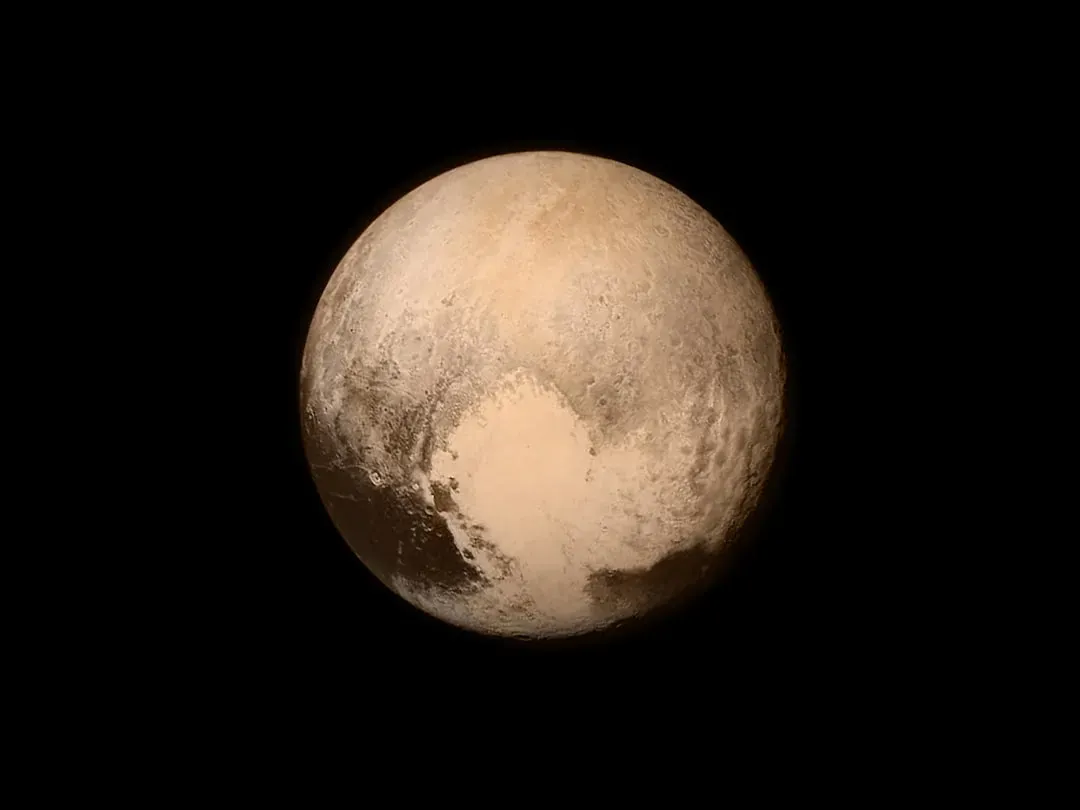
The large moons Ganymede and Callisto, of Jupiter, and Neptune’s mysterious Triton are all thought to harbor underground liquid oceans. Even Pluto could have a kind of briny water, and an underground lake was recently discovered on Mars. Data from NASA’s New Horizons flyby in 2015 revealed Pluto to be far more geologically complex than expected, with mountain ranges, vast plains, and signs of possible past geological activity.
Research into cosmic ray-powered life opens the door to microbial life on worlds farther afield, perhaps on Pluto in the Kuiper Belt, or even on rogue exoplanets wandering in the vastness of space far from any star. This shifts the familiar Goldilocks Zone concept – where life depends on surface liquid water – to a Radiolytic Habitable Zone. In this model, cosmic rays penetrating thin atmospheres or ice trigger radiolysis, releasing electrons that microbes can use as energy, even in frigid, sunless environments. Pluto, cold and distant as it is, fits that model more comfortably than most people realize.
11. The Subsurface of Mars – A Separate Case From the Surface
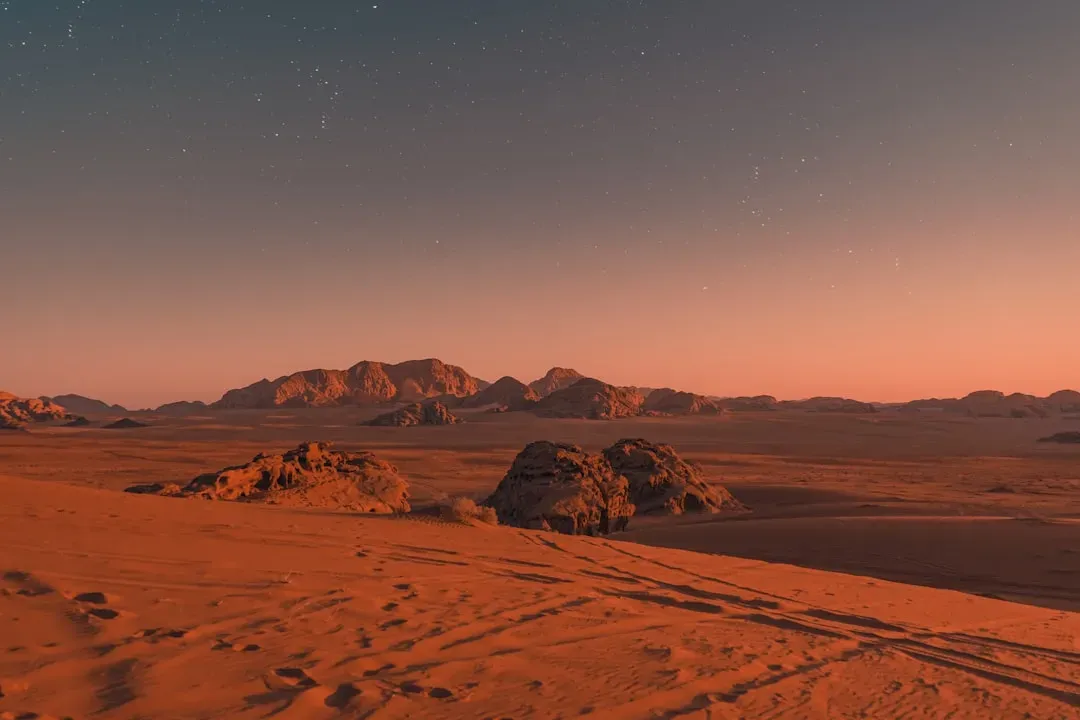
If life ever arose on Mars, it probably occurred at microscopic levels in liquids or sediments. Halotolerant organisms capable of enduring total darkness, low nutrient levels, and high pressures could exist in subglacial lakes or near geothermal hotspots. Scientists increasingly treat Mars’s subsurface as a distinct environment from its hostile surface – one that deserves its own focused investigation rather than being lumped in with surface exploration.
If life exists on Mars, it would be underground, embedded in permafrost, and could potentially explain anomalous methane readings scientists observe in Mars’ atmosphere. This research suggests that life doesn’t need sunlight or heat – just some buried water and radiation. The methane signal alone, detected repeatedly by the Curiosity rover, remains one of the most debated and unresolved data points in all of planetary science, keeping the question very much open.
What makes this list remarkable isn’t the number of candidates – it’s the diversity of environments they represent. Subsurface oceans, acid clouds, frozen plains, radiation-driven chemistry. The universe, it turns out, offers more blueprints for habitability than Earth’s own particular recipe. Whether life took advantage of any of them is still anyone’s best guess, and the missions currently underway may eventually tell us something definitive about at least a few of these worlds within our lifetimes.
