

1. Home insurance premiums have become unaffordable or unavailable

The clearest early warning sign is what’s happening in the insurance market. Global insured losses from natural disasters reached $140 billion in 2024, marking it the third most expensive year on record, and the first half of 2025 saw insured losses hit $100 billion, 40% higher than the same period in 2024. That kind of loss history forces insurers to raise rates or leave entirely.
The exits are no longer isolated incidents. State Farm, controlling roughly 20% of California’s insurance market, stopped writing new policies in the state, Allstate followed suit, and in Florida more than 30 home insurance companies have either failed or exited the market in recent years. When multiple carriers pull out of a region at once, it’s usually a signal that the area is becoming structurally harder to insure, not just temporarily expensive.
2. The state-run “insurer of last resort” is swelling with policyholders

When private insurers walk away, homeowners often land in state-backed FAIR Plans, and their growth tells its own story. The California FAIR Plan had 140,000 policyholders in 2018, and since then the Plan has more than tripled in size, with over 610,000 policies in force as of June 2025, 97% of which were home-insurance policies. A residual market growing that fast means the private market has effectively given up on those neighborhoods.
This isn’t just a California problem. FAIR plans now serve as insurers of last resort in 34 US states and the District of Columbia. If your region’s FAIR Plan enrollment keeps climbing year over year, that’s a fairly reliable proxy for rising climate risk that the private market refuses to absorb.
3. Property values are softening in high-risk zip codes while safer areas gain
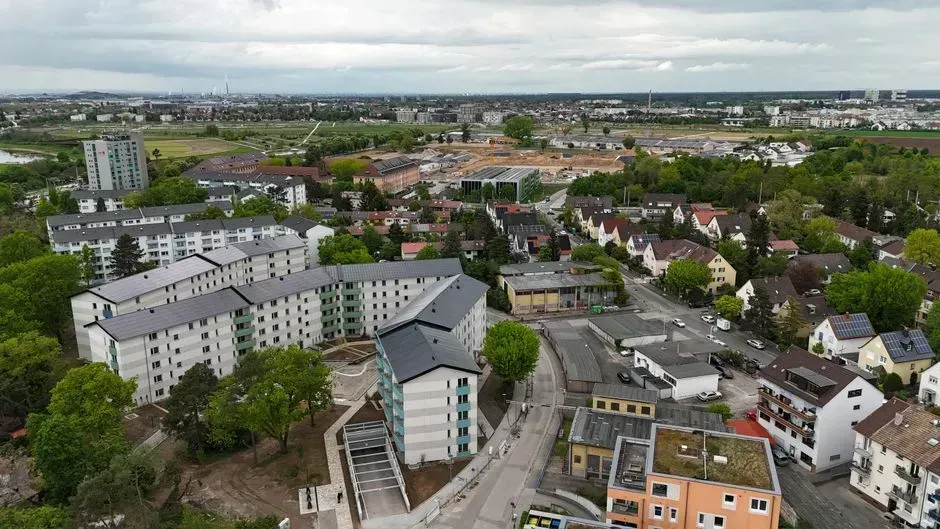
Money tends to move before people do, and real estate data is starting to show a split. A 2025 report by First Street Foundation projects $1.47 trillion in net property value losses over the next 30 years due to insurance pressures and shifting consumer demand. That’s not a distant hypothetical figure; it’s baked into how appraisers and lenders are already adjusting their models.
Meanwhile, the inverse is happening in lower-risk places. Data from the U.S. Census Bureau shows a 12% increase in housing permits in low-risk regions in 2025, compared to a 15% decline in high-risk areas. If your town is seeing more construction permits than usual while a neighboring coastal or wildfire-prone county sees fewer, that divergence is climate migration showing up in building department records.
4. Local buyers are openly avoiding certain states because of climate risk

Survey data now captures something that used to be anecdotal: people naming specific states they refuse to move to. The survey found that 58% of homeowners would avoid moving to Florida and 52% would avoid California due to extreme weather risks, making these states the top markets associated with climate concerns. That kind of aversion reshapes demand curves well before anyone actually packs a bag.
The broader intent to relocate is climbing too. According to Kin’s data, 49% of homeowners are considering a move in 2026 specifically due to climate concerns. When roughly half of homeowners in a national survey say climate is a factor in a potential move, that sentiment eventually filters into actual relocation patterns, especially among younger or more mobile households.
5. Repeated disaster displacement is becoming semi-permanent rather than temporary
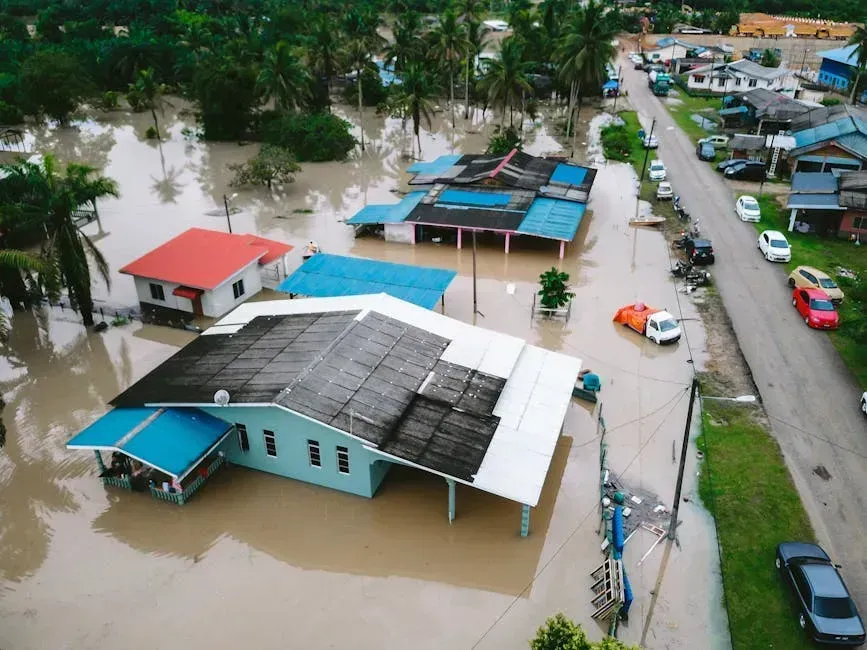
Traditionally, most disaster evacuees returned home within months. That pattern is starting to break down in specific places. According to U.S. Census Bureau data, 3.2 million U.S. adults were displaced or evacuated due to natural disasters in 2022, of whom more than 500,000 had not returned by the beginning of 2023. A rising share of people who never go back is one of the clearest markers that a region has crossed from disruption into displacement.
Puerto Rico offers a stark, well-documented example of what long-term displacement looks like once it takes hold. Analyses drawing on census data, air travel records, and mobile phone data estimated population losses ranging from 129,000 to 476,000 in the year after Maria, and by 2019, Puerto Rico had lost an estimated 4 to 14 percent of its total population. If your region has seen a major disaster followed by a Census population dip that never recovered, that’s the same mechanism at smaller scale.
6. Businesses and employers are quietly factoring climate risk into site and hiring decisions

Migration signs aren’t limited to homeowners; employers read the same risk data. Site selection consultants note that high insurance rates make it more difficult for companies to recruit and retain workforces in affected regions. When a local employer struggles to fill positions or relocates part of its operations inland, it’s often responding to the same cost pressures showing up on residential insurance bills.
Federal Reserve leadership has flagged this dynamic at the national level. Federal Reserve Chair Jerome Powell warned that “if you fast forward 10 or 15 years, there will be regions of the country where you can’t get a mortgage, there won’t be ATMs, banks won’t have branches and things like that.” That’s a warning about financial infrastructure withdrawing from a place, which tends to precede or accompany population withdrawal.
7. So-called “climate haven” destinations are absorbing new arrivals faster than expected
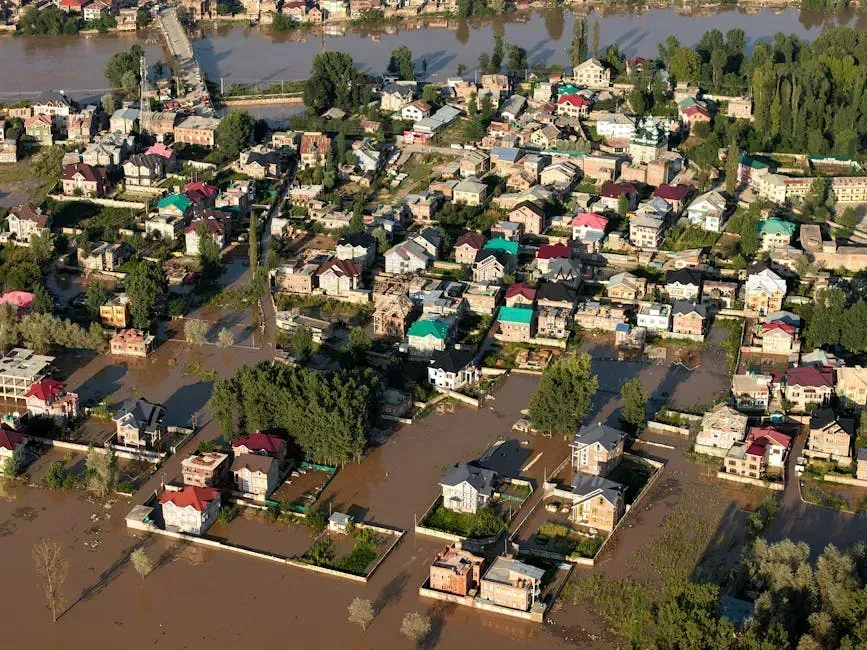
The flip side of outmigration is inmigration, and certain regions are becoming quiet magnets. There may be winners, with northern, currently less-populated areas from Montana to Wisconsin, and in parts of the East, taking in more people because of the region’s greater climate resilience. If your town has seen an uptick in out-of-state license plates, new school enrollments, or a sudden housing crunch despite no major local economic boom, a climate-driven influx is a plausible explanation.
Even places once branded as safe havens aren’t guaranteed protection, which complicates the picture. Many residents believed that Asheville, North Carolina, situated in the Blue Ridge Mountains, was a climate haven, but a one-in-one-thousand-year event resulted in unprecedented flooding that took more than 100 lives. Watching how a receiving region’s own infrastructure and insurance market holds up under new arrivals is itself a sign worth tracking, since today’s haven can become tomorrow’s cautionary tale.
These seven signs rarely appear in isolation. A region under real climate migration pressure usually shows several of them layered together: shrinking insurance options, a swelling FAIR Plan, softening property values, and a steady trickle of residents who never quite come back after the last big storm. Recognizing the pattern early, whether in a school district’s enrollment report or a neighbor’s insurance renewal letter, gives residents and local officials a rare thing in this conversation: a bit of lead time.
- The Shoreline Sucked Dry in Seconds – 5 Tsunami Signals Beachgoers Mistake for Low Tide - November 14, 2026
- 9 Dark-Sky Destinations Around the World Where the Stars Look Unreal - November 14, 2026
- The Fault Line That Never Slips – 7 Locked Seismic Zones Overdue for a Massive Release - November 14, 2026
