


- Phantom Energy Sucking Power 24/7 – 7 Home Electronics Quietly Inflating Utility Bills - November 14, 2026
- A Million-Mile Storm Raging for Centuries – 6 Violent Weather Wonders in Our System - November 14, 2026
- Animals Flee Hours Before the Tremor – 7 Natural Warnings Before Disasters Strike - November 14, 2026
Ask most people what worries them about owning a house near the water, and they will probably mention storms first. Hurricanes make headlines, insurance adjusters show up on the news, and the damage is easy to photograph. What gets less attention is the slower, quieter math happening underneath all of that: the gradual rise of the ocean itself, and the way it is already reshaping property values, insurance bills, and long-term planning for millions of Americans.
That math is not abstract anymore. Federal agencies, universities, and private risk modelers have all published figures over the past few years that put real numbers on what used to be a vague sense of coastal unease. Below are five of them, each one worth understanding if you own, or are thinking about buying, a home anywhere near a coastline.
10 to 12 inches: how much the U.S. coastline is expected to rise by 2050

This is the foundational number behind everything else on this list. NOAA’s Sea Level Rise Technical Report projects that sea levels along the coastline will rise an additional 10 to 12 inches by 2050, with specific amounts varying regionally, mainly due to land height changes. That may sound modest at first glance, but the context matters more than the raw figure.
The United States is expected to experience as much sea level rise by 2050 as it witnessed over the previous hundred years. In other words, a century’s worth of change is being compressed into three decades. The rise is not uniform either; in the western Gulf region, sea level rise is likely to be about 16 to 18 inches higher than 2020 levels by 2050, almost half a foot higher than the national average. For homeowners in Texas or Louisiana, that regional gap is not a rounding error, it is the difference between manageable adaptation and a much steeper problem.
18 percent: the yearly cap on flood insurance premium increases
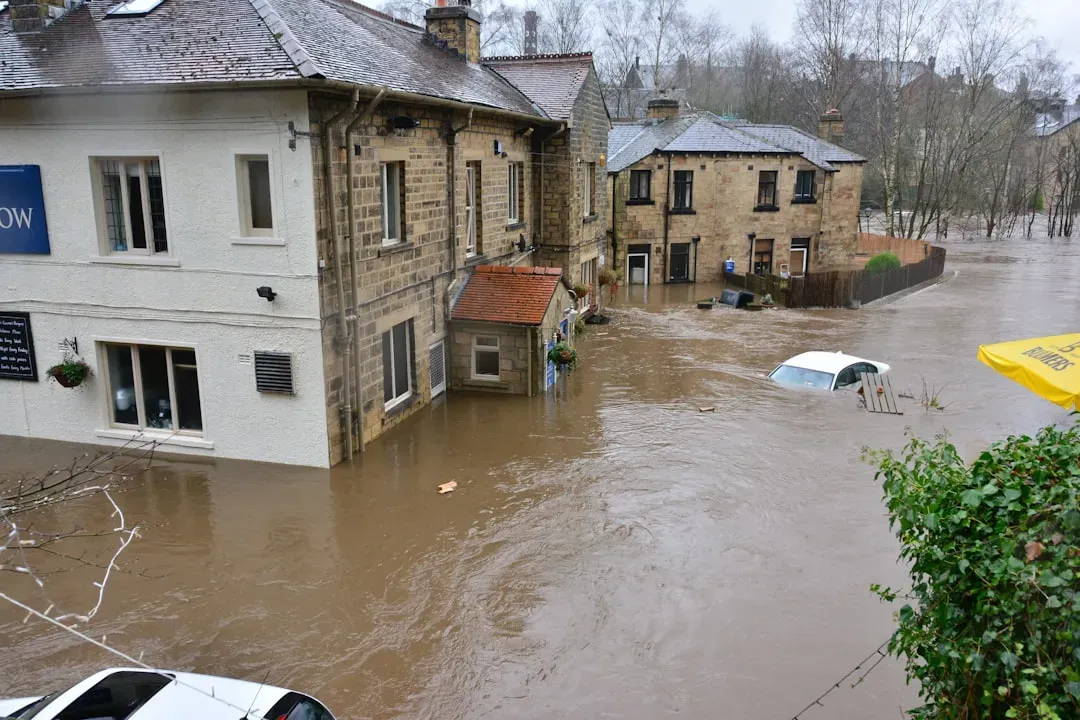
FEMA’s Risk Rating 2.0 system, which replaced decades-old flood zone pricing, has changed how homeowners experience rising insurance costs. Since FEMA fully rolled out Risk Rating 2.0 in April 2023, premiums are now calculated using more than 30 property-specific data points, including distance to water, elevation, flood frequency, replacement cost value, and local building characteristics. That is a much more granular approach than the old system, which relied heavily on which side of a line a house happened to sit.
The practical effect for many owners is a slow, steady climb rather than a sudden shock. Policyholders facing premium increases see their rates transition gradually, with most annual increases capped at 18 percent, until the full-risk rate is reached. That cap sounds protective, but compounded over several years it adds up fast. One real-world example from coastal North Carolina illustrates the gap well: a grandfathered policy costing roughly 800 dollars a year could translate into a brand new policy priced closer to 2,500 dollars annually for the same house today. Buyers who inherit a seller’s older policy also inherit that lower starting point and the same 18 percent glide path, which is why insurance history has become as important as square footage during a coastal home purchase.
14.7 percent: the price discount on the most exposed properties
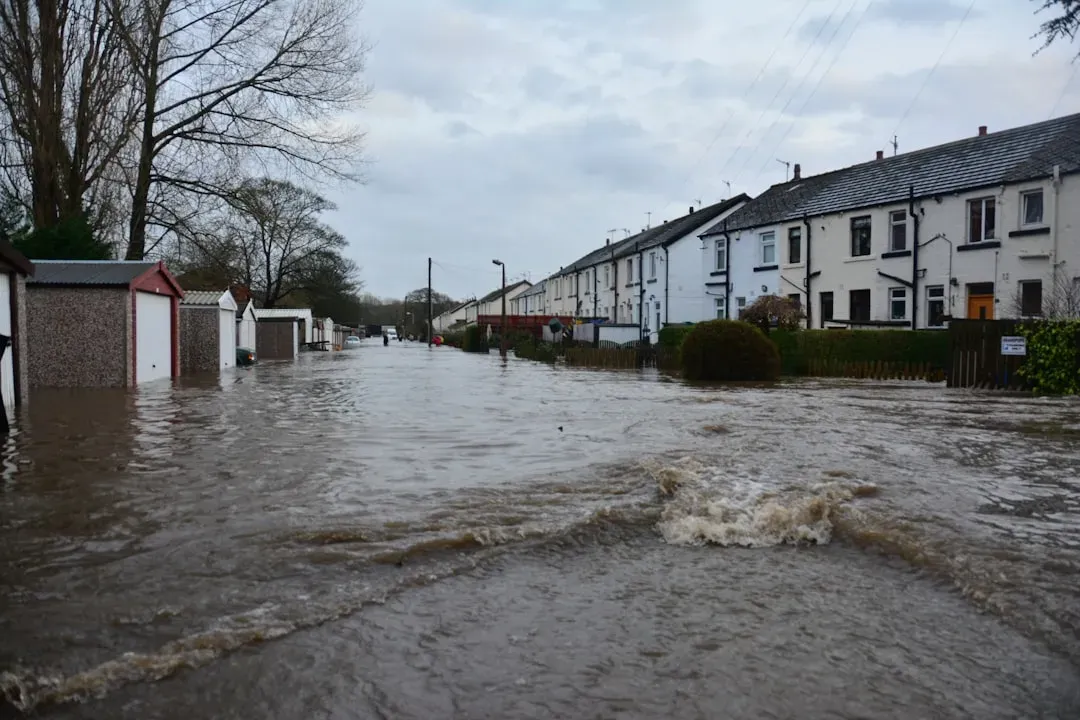
Markets have started pricing in flood risk even before the water arrives. Researchers at the University of Colorado Boulder and Pennsylvania State University compared otherwise similar homes and found that those exposed to future flooding sold for measurably less than unexposed properties nearby, a discount of roughly 6.6 percent on average.
The gap widens sharply for the most vulnerable homes. Properties expected to flood after just a one foot rise in sea level were selling at a discount of about 14.7 percent compared to unaffected homes. That is not a hypothetical future penalty, it is already showing up in closed sales data. For an owner sitting on a 600,000 dollar home, a discount in that range translates into tens of thousands of dollars in lost equity, often without a single flood ever having touched the property.
300,000: coastal homes facing regular flooding within two decades

A Union of Concerned Scientists study estimated that more than 300,000 coastal homes will be at risk of regular flooding by 2045. Regular flooding here does not mean a once-in-a-generation hurricane. It means tidal and nuisance flooding becoming frequent enough to affect daily life, insurability, and resale value on a recurring basis rather than as a rare disaster.
Sea level rise is increasing instances of tidal flooding, since twice a month during new and full moons, the combined gravitational pull of the sun and moon creates tides that rise higher than average, and water can flood into seaside communities if levels reach too high. As baseline sea levels creep upward, those routine high tides need less help from storms to cause problems. For homeowners, that shift changes flooding from an occasional emergency into something closer to a maintenance issue, with all the added cost and hassle that implies.
11.2 billion dollars: relative home value already lost across three states
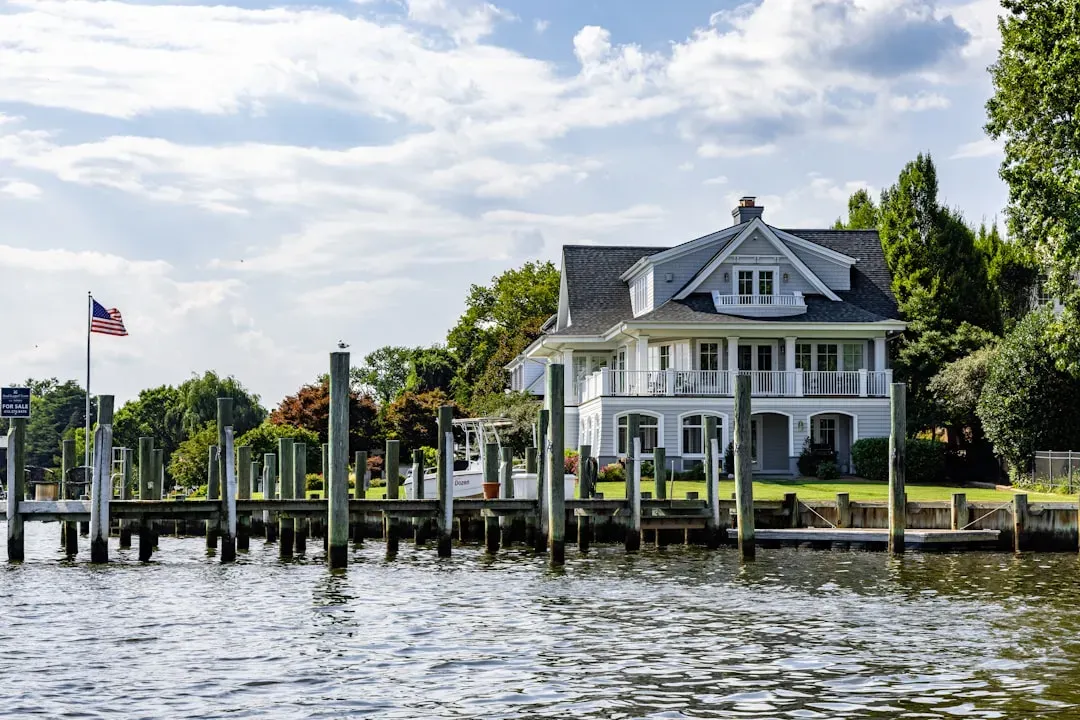
Some of the clearest evidence that this is not a future problem comes from value already erased today. According to First Street Foundation data, Florida has seen the greatest loss in relative home values at 5.4 billion dollars, followed by New Jersey at 4.5 billion dollars, and New York at 1.3 billion dollars. Add those three figures together and you get more than 11 billion dollars in value that has quietly disappeared from just a handful of coastal markets.
The losses are not spread evenly within those states either. Specific towns known for their beachfront appeal, including Ocean City in New Jersey, Miami Beach in Florida, and Charleston in South Carolina, have recorded some of the sharpest relative declines. That pattern suggests the very features that make a property desirable today, ocean views, walkable beaches, low elevation, are the same features driving the discount tomorrow. It is a strange trade-off, and one that owners in these markets are increasingly forced to weigh against the lifestyle they bought into.
Final thoughts
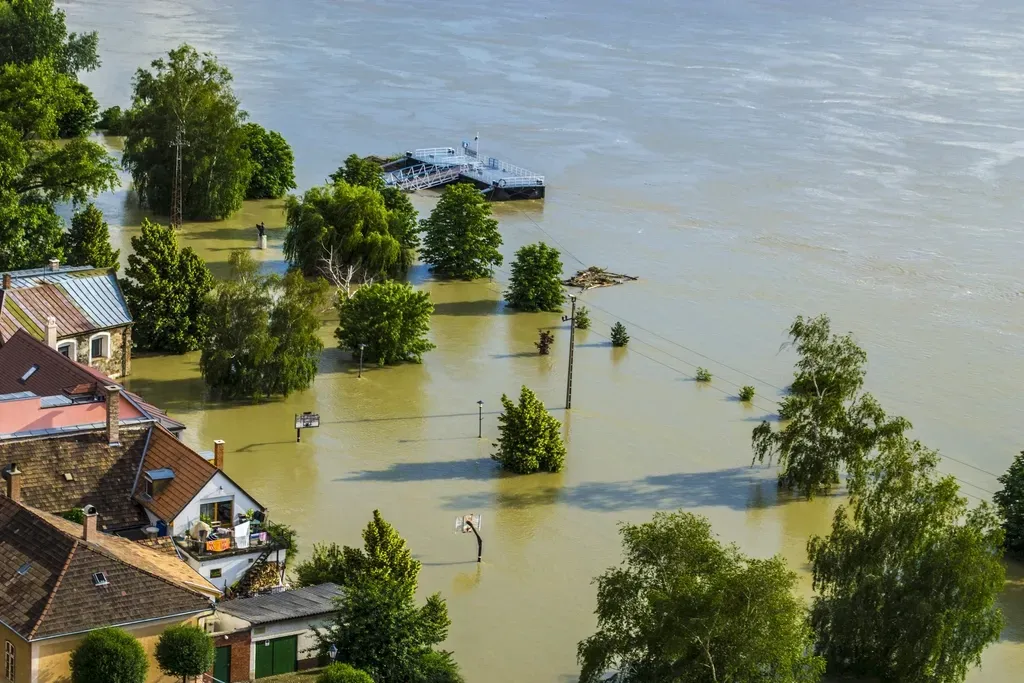
None of these five numbers, taken alone, spells disaster for every coastal homeowner. Plenty of properties sit far enough inland, high enough above sea level, or in states with slower relative rise that the risk stays modest for decades. Still, taken together, they describe a market that is beginning to price in a future most buyers used to ignore.
For anyone who already owns near the water, or is considering it, the practical takeaway is straightforward: check your property’s specific flood risk rather than relying on general assumptions about your neighborhood, ask for full insurance rate history before buying, and factor gradual premium increases into your long-term budget rather than treating them as a one-time surprise. The tide, in more ways than one, is not waiting for anyone to catch up.
