


- Phantom Energy Sucking Power 24/7 – 7 Home Electronics Quietly Inflating Utility Bills - November 14, 2026
- A Million-Mile Storm Raging for Centuries – 6 Violent Weather Wonders in Our System - November 14, 2026
- Animals Flee Hours Before the Tremor – 7 Natural Warnings Before Disasters Strike - November 14, 2026
Most people think hurricane preparedness is something you handle in the final 48 hours before a storm makes landfall. You run to the hardware store, grab some plywood, fill the bathtub, and call it done. That mindset has cost lives. A lot of them.
The 2024 hurricane season served as a brutal reminder. There were 18 named storms that killed 437 people and caused an estimated $130 billion in damage. Hurricane Helene alone was responsible for at least 250 fatalities in the United States, making it the deadliest hurricane in the contiguous U.S. since Katrina in 2005. The right plan, built well before a storm is named, changes everything.
Know Your Real Risk Before You Do Anything Else
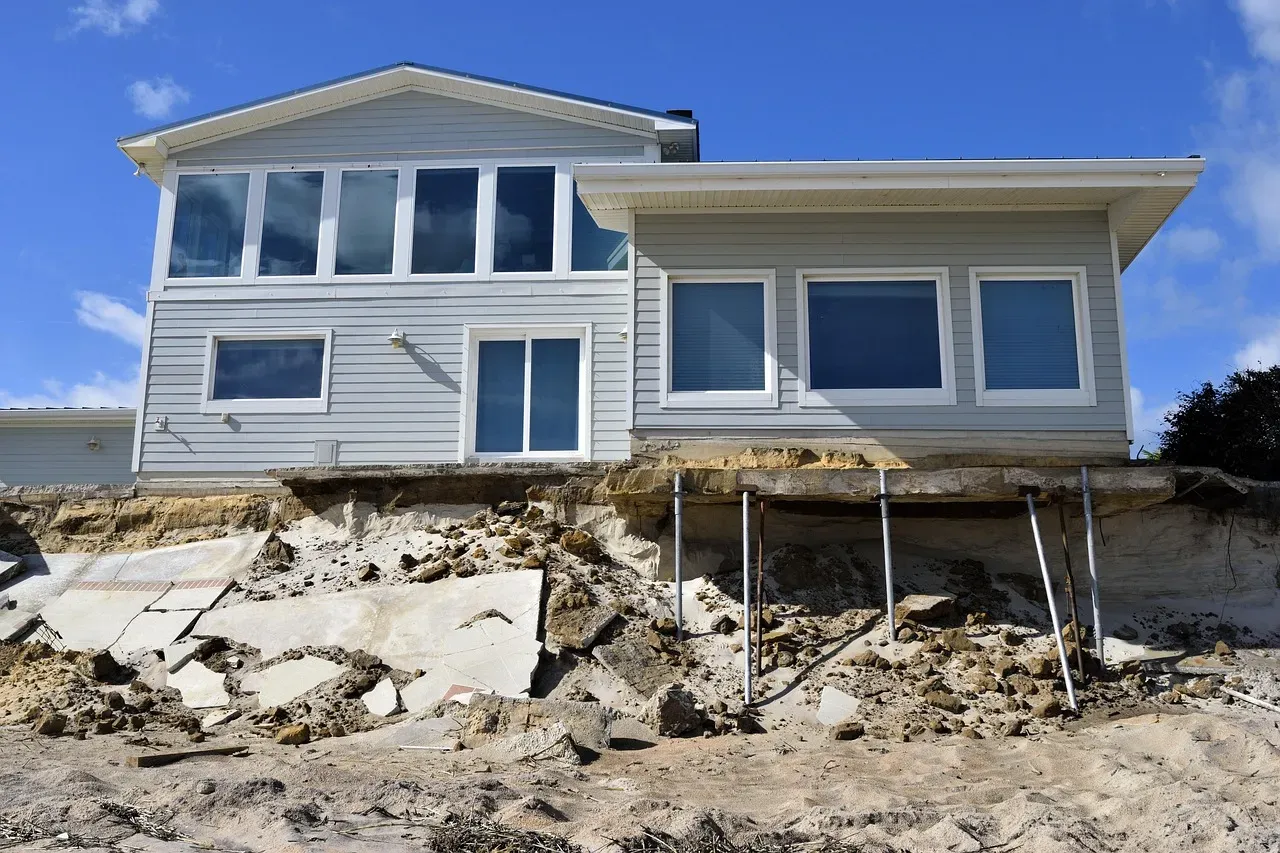
Hurricanes are not just a coastal problem. Impacts from wind and water can be felt hundreds of miles inland, and significant impacts can occur regardless of the storm’s strength. This is still one of the most misunderstood facts about these storms, and it causes people in inland communities to skip preparation entirely.
Know if you live in an area prone to flooding, if you live in an evacuation zone, and identify any structural weaknesses in your home. These three things should be the very first items on your list. Mobile homes and basements can be especially vulnerable, and understanding your home’s specific structural risk is information that can genuinely save your life.
The Water Threat Dwarfs the Wind Threat
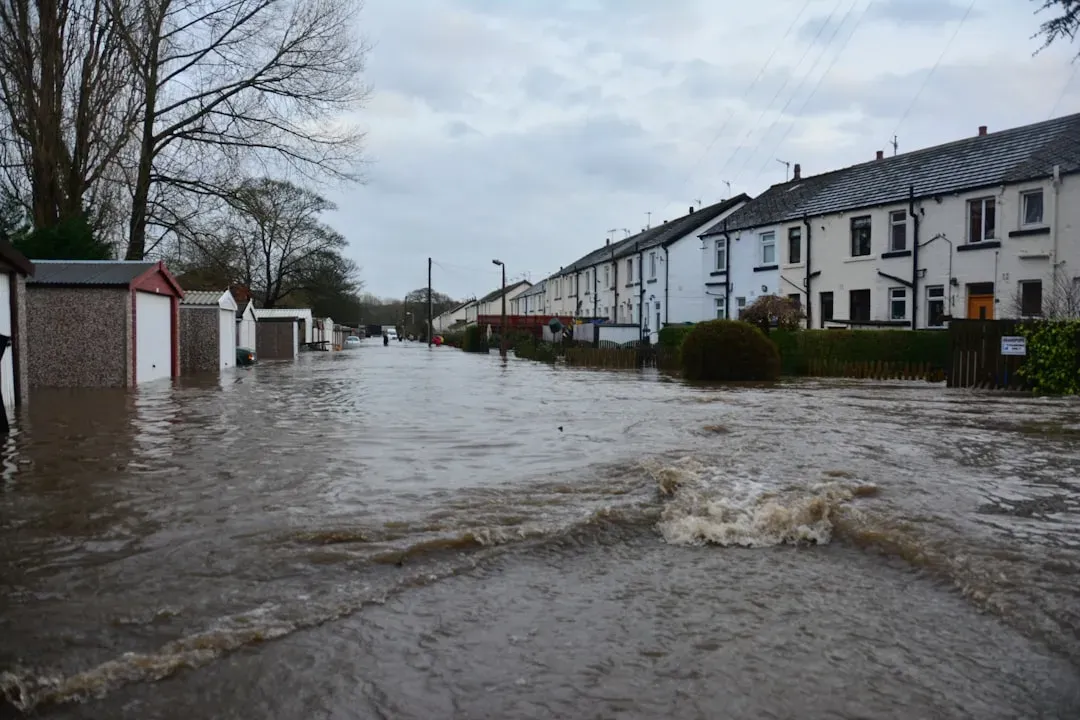
Taken together, roughly 86 percent of direct hurricane or tropical storm fatalities in the U.S. since 2013 have been from water impacts such as rainfall flooding, storm surge, and rip currents. Only about 12 percent of fatalities were from wind, even though tropical storm and hurricane intensity is classified based on wind. That’s a striking disconnect between how we talk about storms and what actually kills people.
The storm caused about 250 deaths, and many of those who died in Helene fell victim to massive inland flooding, rather than high winds. Helene caused significant damage to the Florida coast and devastated more than 400 miles inland to western North Carolina, resulting in loss of power, water, sanitation, and communications for several weeks. The wind grabs the headlines. The water does the killing.
Build Your Emergency Supply Kit Far Ahead of Season
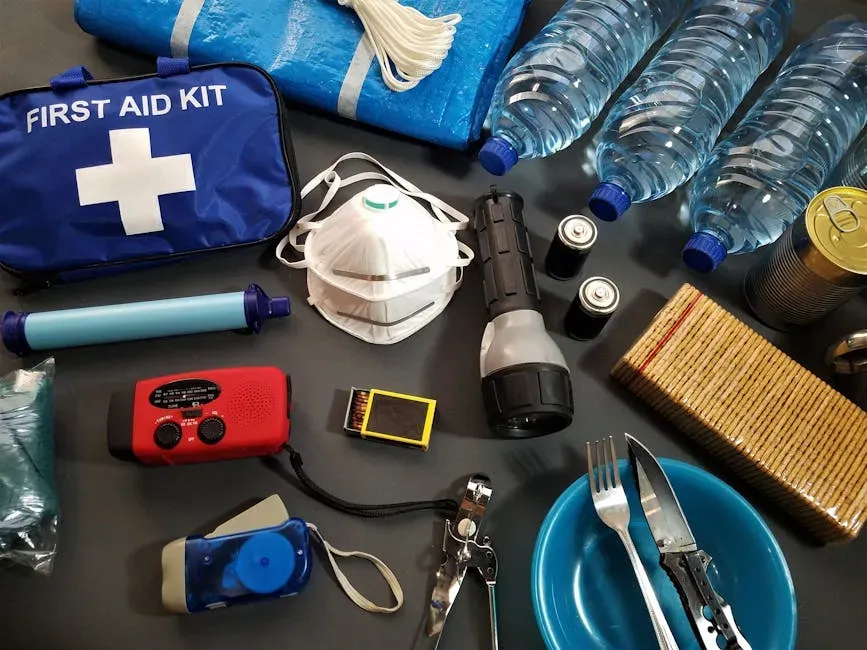
Get your disaster supplies while the shelves are still stocked, and get that insurance checkup early, as flood insurance requires a 30-day waiting period. Waiting until a storm is in the forecast means you will find empty shelves and long lines. Power outages are almost guaranteed during major hurricanes, so your kit needs to account for that reality from the start.
FEMA suggests storing one gallon of water per person per day, with at least a three-day supply for each household member, considering both drinking and sanitation needs. Practically speaking, many emergency managers now recommend going further. You should store at least a two-week supply of fresh water for each member of your family, especially if you live in an area where past storms have disrupted utilities for extended periods.
Secure Your Home Structurally, Not Just Cosmetically
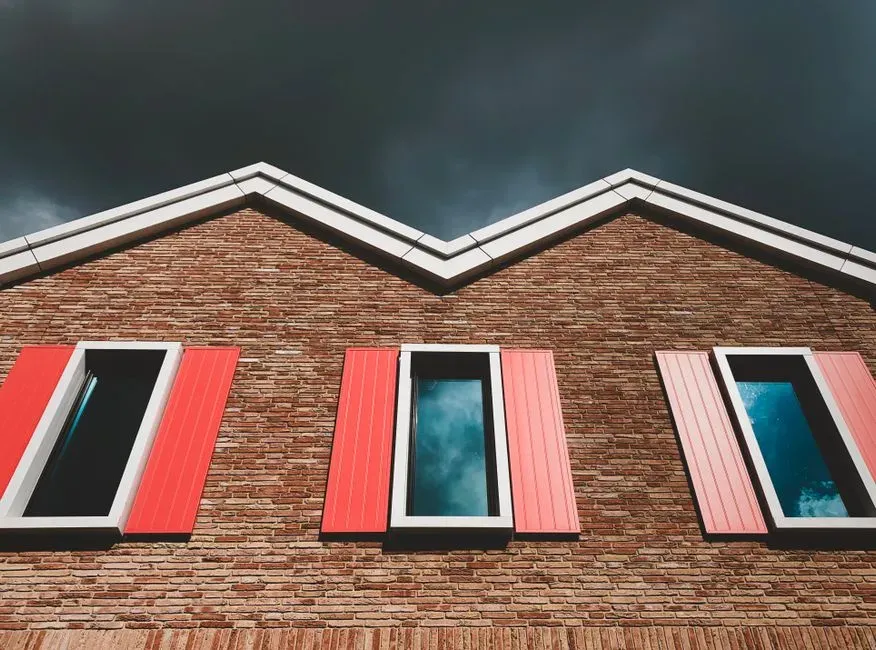
Windows and doors suffer the most during hurricanes because they are the weakest points in the building envelope. One broken window can allow wind to infiltrate the building and cause catastrophic structural damage. This is why the standard advice to tape windows in an X pattern is so dangerous. Taping your windows with an X will not keep them any safer. Plywood or pre-installed storm shutters are the best way to protect your windows from hurricane winds and flying debris.
One of the most common mistakes homeowners make is the assumption that heavy items or those tucked under a lanai are safe. Loose patio furniture, decorative planters, and even “secured” grills become unguided missiles in a storm. Once the envelope of the home is breached by a projectile, the internal pressure of the house changes, which often leads to roof failure. Everything outside needs to come in, period.
Get Your Insurance Right, Long Before You Need It
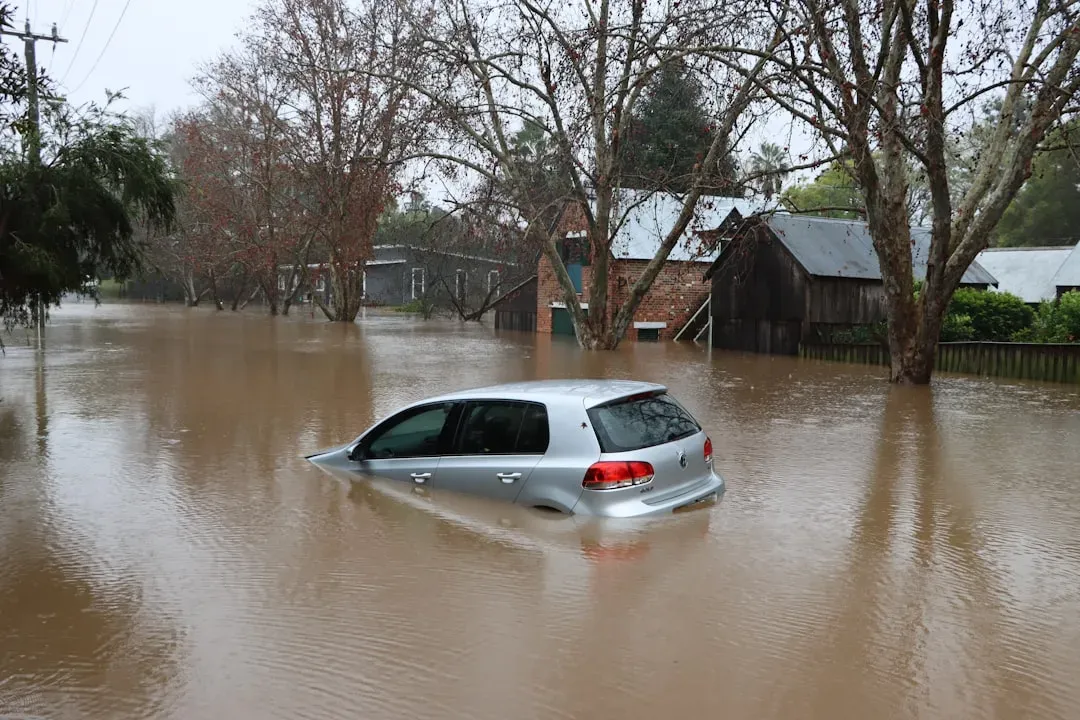
The most common myth is that a standard homeowners insurance policy will cover all the damage from a hurricane. While your traditional homeowner’s insurance will likely cover some of the damage, it won’t cover all of it. Any part of your home damaged by rainfall or storm surge is considered flood damage, typically covered under a separate type of policy.
After Hurricane Helene, more than half of residential insurance claims were withheld. Victims from Carolina and Georgia had only about 2 percent of the required flood insurance coverage. Having clear photos of your home pre-hurricane is as important as storm supplies. Insurance claims require them as evidence to settle home destruction claims, leaving families stranded with nowhere to go otherwise.
Build a Solid Evacuation Plan While You’re Calm

Creating a comprehensive family evacuation plan is essential for ensuring everyone’s safety during a hurricane. Unfortunately, many homeowners neglect this crucial step, which can lead to confusion and panic when a storm is imminent. A well-thought-out evacuation plan helps keep your family organized and informed, reducing the emotional stress associated with hurricanes.
You may have to evacuate quickly if you live in an evacuation zone. Learn your evacuation routes, practice with your household and pets, and identify where you will stay. It’s important to designate a meeting point in case family members get separated. This location should be easily recognizable and accessible. Ensure that everyone knows how to contact each other, and consider having an out-of-state relative or friend serve as a point of contact.
Stay Alert With Multiple Ways to Receive Warnings
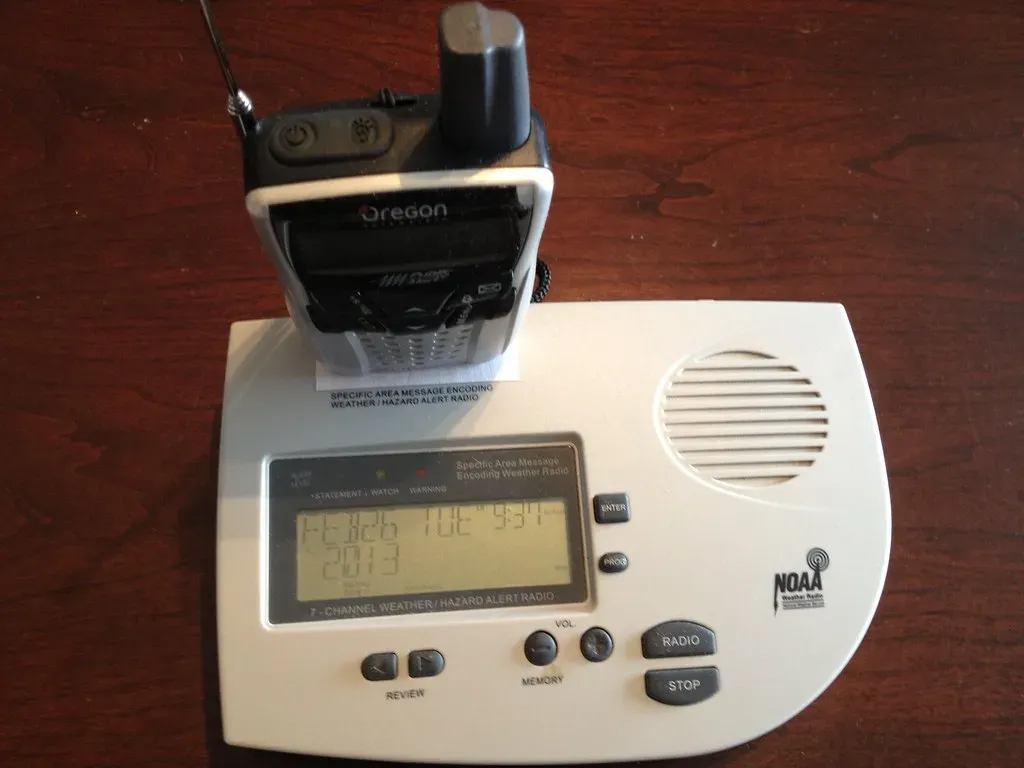
Have a way to receive alerts. Being aware of impacts ahead of, during, and after a hurricane may save your life. Have a way to receive alerts should the power go out, through a NOAA Weather Radio or Wireless Emergency Alerts on your cellular device. Cell towers can fail in major storms, so a battery-powered or hand-crank weather radio is not optional equipment.
Rely on forecasts from the National Hurricane Center and your local NWS office. Know your alerts and the difference between a Watch and a Warning. Focus on potential impacts, regardless of storm size or category. Know that deadly hazards occur well outside of the forecast cone. The cone only shows where the center of the storm may travel. The danger zone is always much wider than it looks on the map.
The 1 Mistake That Undoes Every Other Preparation
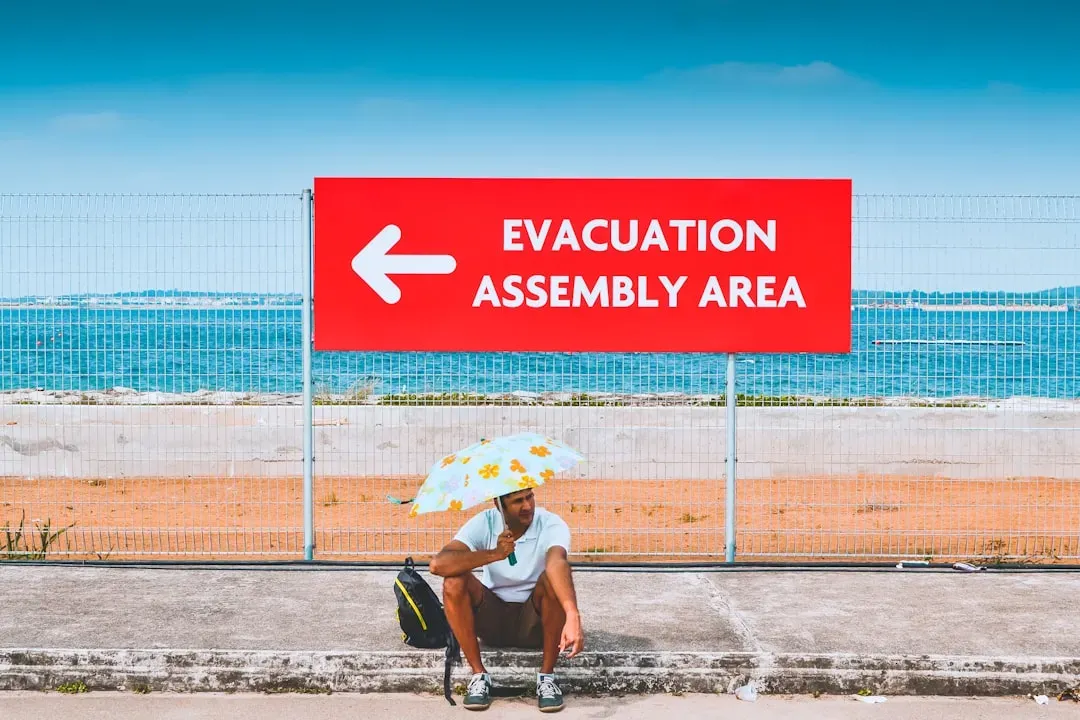
There is one mistake that stands apart from all the others. It overrides supplies, shutters, plans, and insurance. That mistake is deciding not to evacuate when officials order you to leave. Failing to evacuate is a critical mistake. Some homeowners feel their house is a fortress and want to stay to protect their property. When local officials issue an order to evacuate, they are doing so for your benefit.
Evacuation orders are issued for your safety. Staying behind might seem brave or convenient, but it can leave you stranded without help. Rescue services may be limited, and you’re putting both yourself and emergency responders at risk if you don’t leave on time. No possession inside a home is worth a life. Emergency responders cannot always reach you when a major storm is still making landfall, and help may not arrive for days.
After the Storm: Dangers That Catch People Off Guard
It might be tempting to go outside between the hurricane’s bands or during the eye of the storm, but this is a dangerous mistake. The calm eye is only temporary, and the back end of the storm could hit with even more intensity than the front. Many injuries happen precisely during this calm period when people assume the worst has passed.
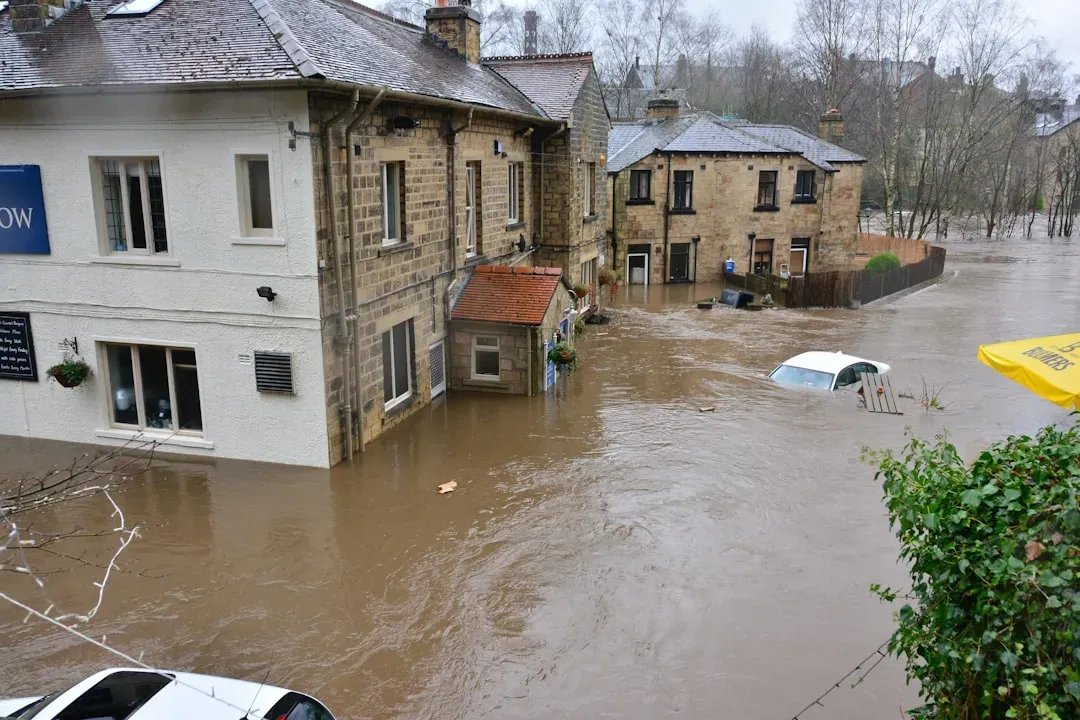
Do not walk, swim, or drive through flood waters. Standing water may be contaminated and may hide other hazards, such as debris, waste, and wildlife. Underground or downed power lines can also electrically charge the water. Just six inches of fast-moving water can knock you down, and one foot of moving water can sweep your vehicle away. The post-storm environment is genuinely hazardous in ways that are easy to underestimate once skies clear.
