

Most conversations about climate change focus on the places people are leaving. Coastal towns swallowed by rising water. Sun Belt cities baking under relentless heat. Insurance markets fleeing Florida. What gets far less attention is the other side of that equation: the cities quietly positioning themselves to receive everyone who moves.
In 2022 alone, more than three million adults in the United States were displaced or evacuated because of climate-related disasters, and in a recent national survey, nearly one in three Americans cited climate change as a motivation to move. A small but growing group of mostly northern, post-industrial cities has taken notice. They’re not just watching. Some are acquiring land, rewriting zoning codes, and drafting formal plans to absorb what researchers are calling the next great American migration.
Buffalo, New York: The Self-Declared Climate Refuge
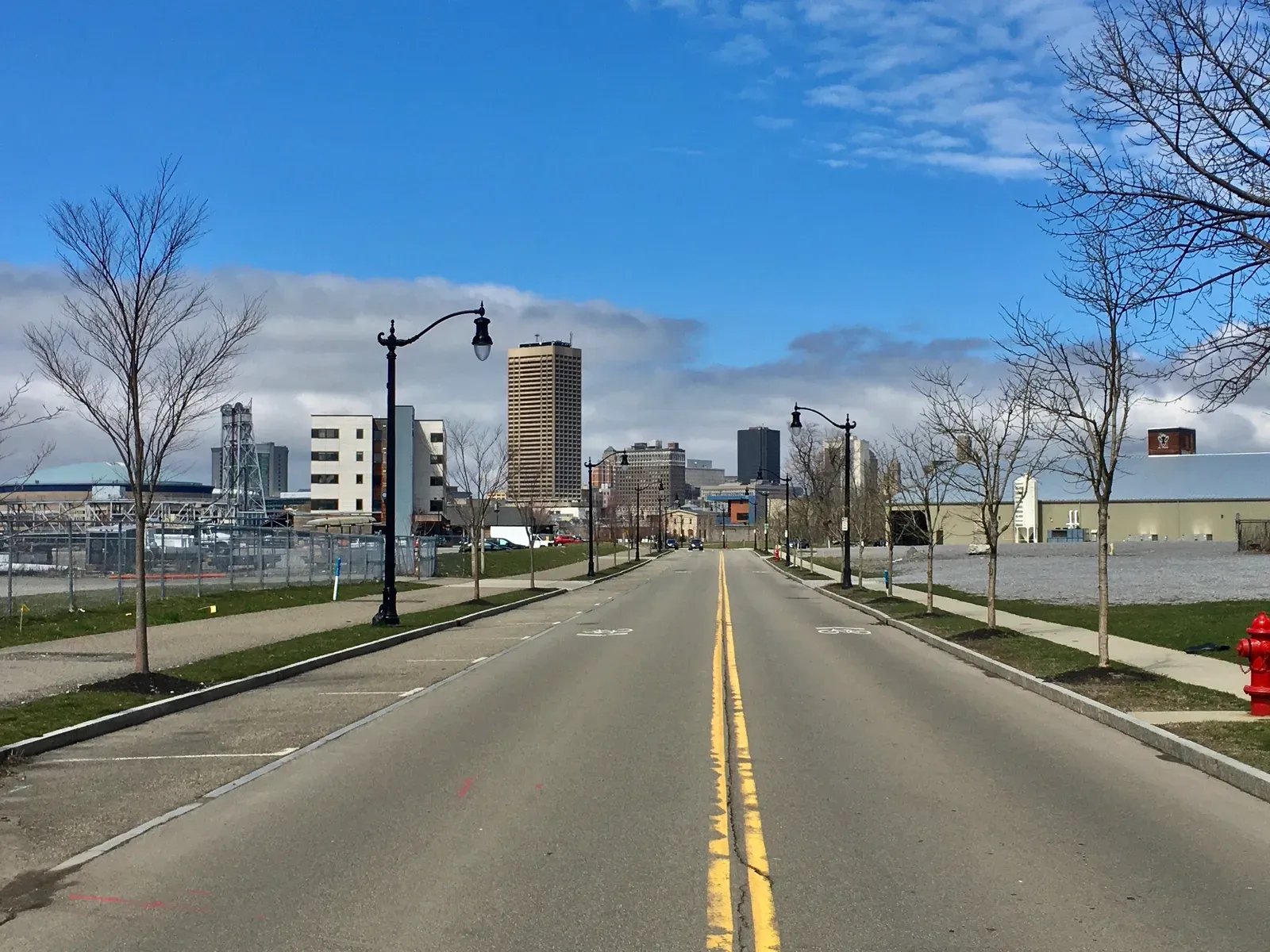
In 2019, Buffalo Mayor Byron Brown formally called the city a “climate refuge” during his State of the City address, and his office described that opportunity in a draft of the city’s Four-Year Strategic Plan. That wasn’t just political branding. The city has backed it with concrete land-use numbers that are hard to ignore.
Buffalo has approximately 16,000 lots of underutilized or unoccupied urban space, a legacy of decades of population decline. The city also demonstrated its capacity early on by welcoming as many as 5,000 new migrants from Puerto Rico after Hurricane Maria. The combination of vacant land reserves and a demonstrated track record of absorbing displaced populations puts Buffalo in a genuinely different category from cities that are merely talking about climate readiness.
Cincinnati, Ohio: The City That Actually Wrote a Plan
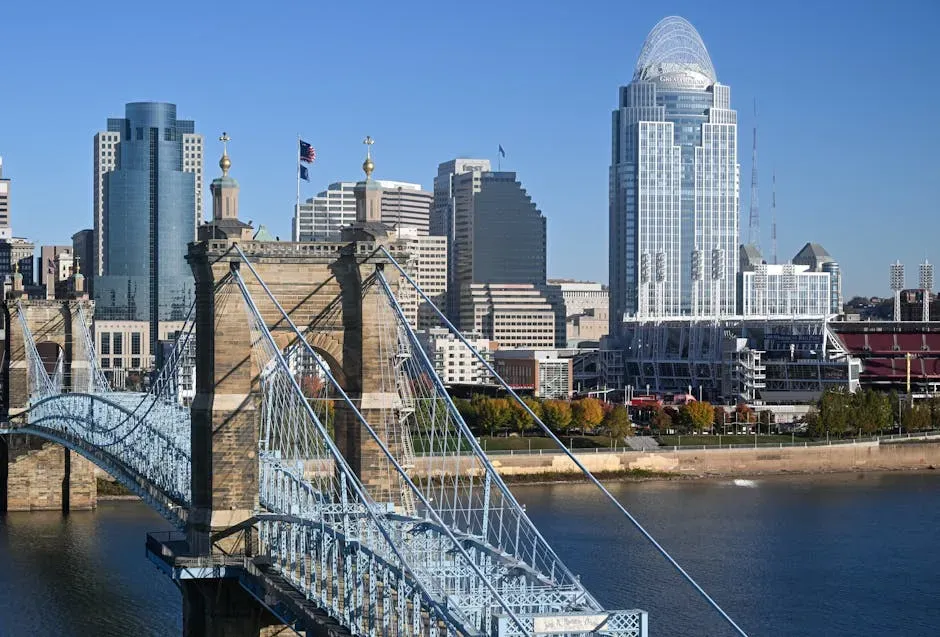
Cincinnati formally labeled itself a future climate refuge in its 2023 Green Cincinnati Plan, which states that “although Cincinnati has its own climate vulnerabilities, it will likely emerge as a climate haven.” That language didn’t appear by accident. Cincinnati is one of many post-industrial legacy cities that lost population throughout the second half of the twentieth century but experienced a modest population increase for the first time since 1950 in the past 15 years.
The Green Cincinnati Plan, approved by City Council in 2018 and updated in 2023, would improve the city’s preparedness to receive climate migrants in the short term through improved sewer systems and increased shelter capacity, and in the long term through development of a formal “climate migration response plan” and implementation of affordable and mixed-income housing strategies. The plan’s authors also propose to cultivate Cincinnati’s reputation as a safe location for risk-averse businesses, hoping to attract new residents and enterprises from climate-vulnerable areas.
Duluth, Minnesota: Where “Climate-Proof” Became a Slogan
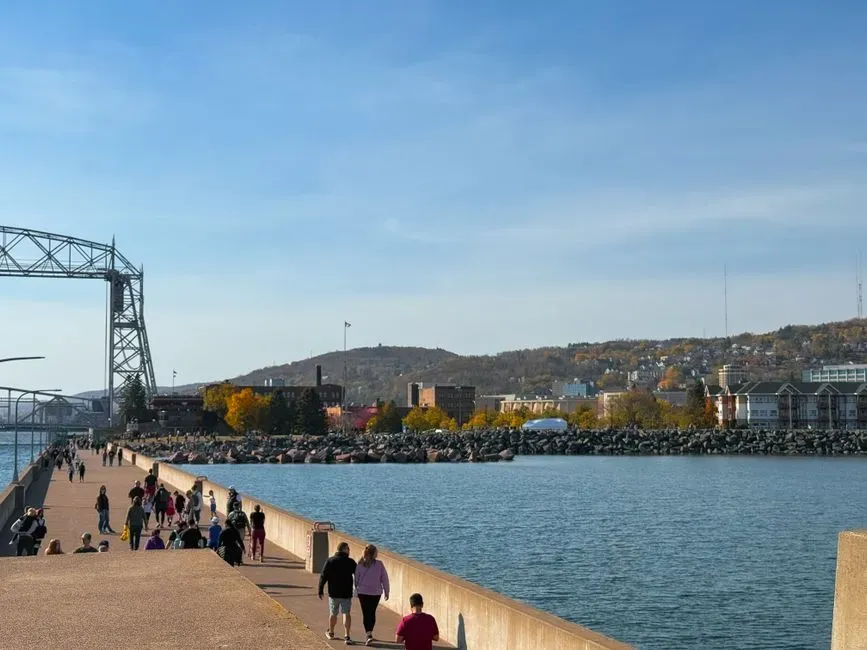
Duluth, Minnesota is among a group of old industrial northern cities billing themselves as “climate havens” in an effort to lure newcomers and revitalize their economies. The pitch has a real geographic foundation. States near the Great Lakes are particularly well-positioned because fresh groundwater will be an increasingly precious resource as the planet warms. Duluth sits directly on Lake Superior, the largest freshwater lake in the world by surface area.
Duluth is home to roughly 86,000 residents but has the infrastructure to accommodate double that population, with one researcher presenting renderings of the city with 45,000 new housing units, an expanded hospital, a new train station, and a light-rail system. Climate gentrification has already become a persistent concern in Duluth, illustrated when billionaire Kathy Cargill bought many homes above assessed value in the Park Point neighborhood and subsequently demolished many of the houses. The city’s challenge is turning its infrastructure headroom into genuinely affordable growth, not just a windfall for outside investors.
Detroit, Michigan: Vacant Land as Strategic Asset
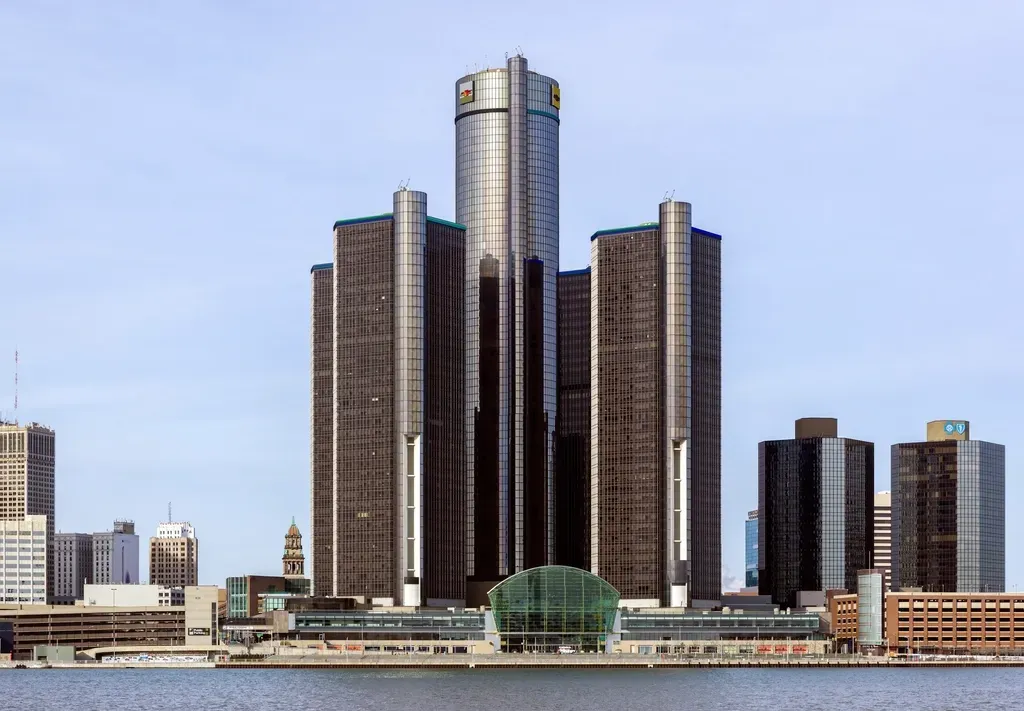
Detroit has lost nearly two-thirds of its population since its industrial heyday in the 1950s and today has more than 30 square miles of empty land inside its city limits. That kind of vacancy, painful as its origins are, gives the city something that land-scarce coastal metros simply cannot offer: room. Post-industrial cities like Detroit could actually be better suited for climate migration due to factors like vacant housing stock, desire for economic revitalization, and access to natural resources such as fresh water.
Municipal governments in cities like Detroit can purchase empty or underutilized land adjacent to future receiving communities to better plan for affordable, high-density, and transit-oriented growth, while also ensuring that speculators cannot exploit migration through development of high-cost housing. The risk is real. According to Outlier Media, property speculators have controlled approximately 20 percent of properties in Detroit since the early 2010s, a dynamic that city planners are watching closely as climate interest in the region grows.
Rochester, New York: Quietly Building Institutional Capacity
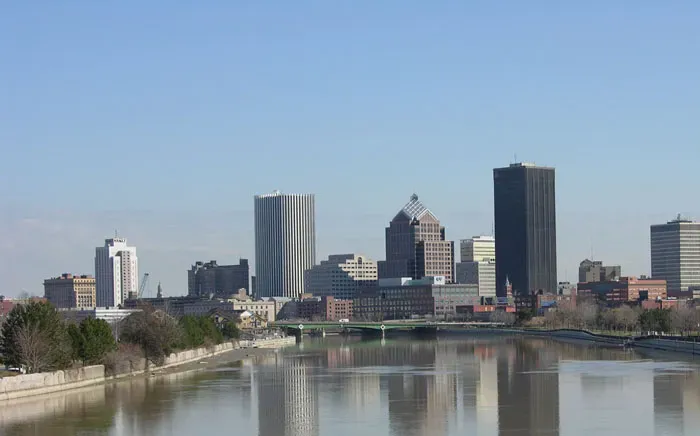
Rochester, New York is among the cities branding itself as a climate haven, boasting cooler summers, freshwater access, and fewer natural disasters, and real estate agents in upstate New York already report buyers from California, Texas, and Florida citing climate as a factor in their decisions. Rochester’s approach has been less about flashy public declarations and more about steady institutional groundwork.
Rochester ranks only behind Utica and Buffalo in upstate New York in numbers of refugees resettled and has focused on expanding outreach programs to assist climate refugees transition into the community. Residents from California and Puerto Rico already cite affordable housing, progressive climate policies, and abundant water as key reasons for relocating to Rochester. In April 2026, the University of Rochester and the Rochester Institute of Technology co-hosted a formal symposium on climate havens, resilience, migration, and resources, reflecting the degree to which climate migration has moved from theoretical concept to active civic planning in the city.
Cleveland, Ohio: Cuyahoga County’s Coordinated Push
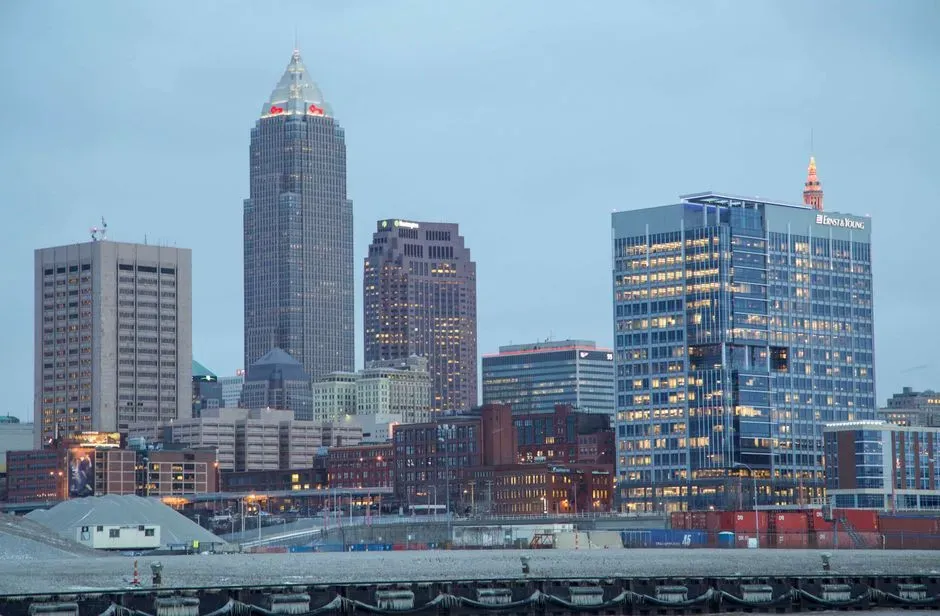
Planners in Cleveland, Ohio are among a group of Great Lakes city leaders beginning to map out what a future with thousands more residents could and should look like. Cleveland sits on the southern shore of Lake Erie and currently has around 30,000 vacant lots, giving it one of the largest inventories of developable urban land of any mid-sized American city.
In Cuyahoga County, which encompasses Cleveland, planners and civic leaders have been building out an urban tree canopy program that has seen more than 11,000 trees planted since 2019. A growing population carries obvious financial advantages, with taxpayers contributing to city and county coffers in ways that fund better services, and a larger population also potentially means a greater number of Congressional representatives. Without proper planning, however, rapid population growth in receiving cities like Cleveland could lead to climate gentrification, intensifying urban inequality and threatening to displace lower-income residents. Getting ahead of that dynamic, rather than reacting to it, is exactly what city land acquisition is designed to do.

- Crows Remembering Human Faces for Decades – 6 Bird Behaviors Far Smarter Than We Knew - November 15, 2026
- 8 Things Astronauts Do on Their First Day in Orbit That Rookies Find Strange - November 15, 2026
- 11 Everyday Routines That Are Completely Normal on the Space Station but Baffle Everyone on Earth - November 15, 2026
