


- Phantom Energy Sucking Power 24/7 – 7 Home Electronics Quietly Inflating Utility Bills - November 14, 2026
- A Million-Mile Storm Raging for Centuries – 6 Violent Weather Wonders in Our System - November 14, 2026
- Animals Flee Hours Before the Tremor – 7 Natural Warnings Before Disasters Strike - November 14, 2026
Most of us have looked up at the night sky and felt something hard to name. It’s not exactly fear, not exactly wonder. It’s more like a quiet suspicion that whatever is going on up there operates on rules your brain was simply never built to process. That feeling is correct.
The facts below aren’t just trivia. They are genuine recalibrations, the kind that tend to sneak up on you later, mid-conversation or just before sleep, and suddenly make a very long commute feel perfectly irrelevant.
1. The Observable Universe Is About 93 Billion Light-Years Wide, and That’s Only What We Can See
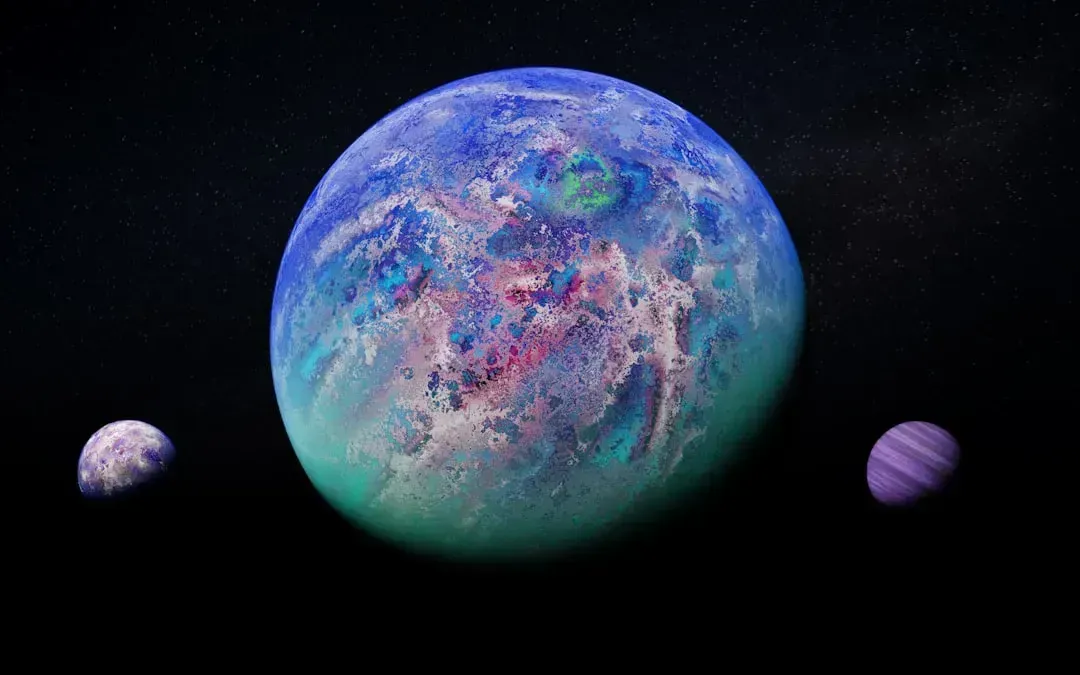
The observable universe stretches more than 46 billion light-years in any direction from Earth, making it roughly 93 billion light-years in diameter. That number is so large it resists any honest comparison. The observable universe is so big that it could fit around one septillion Earths inside it, a number written as a one followed by twenty-four zeros.
Still, that is only the portion we can observe. According to Bayesian mathematical models, the whole universe is likely at least 470 billion light-years across, and possibly much more, or even infinite. So the universe we can actually see may be just a sliver of everything that exists. Every map astronomers draw is, in a sense, a map of the lobby.
2. The Sun Dominates Our Solar System in a Way That’s Almost Unfair
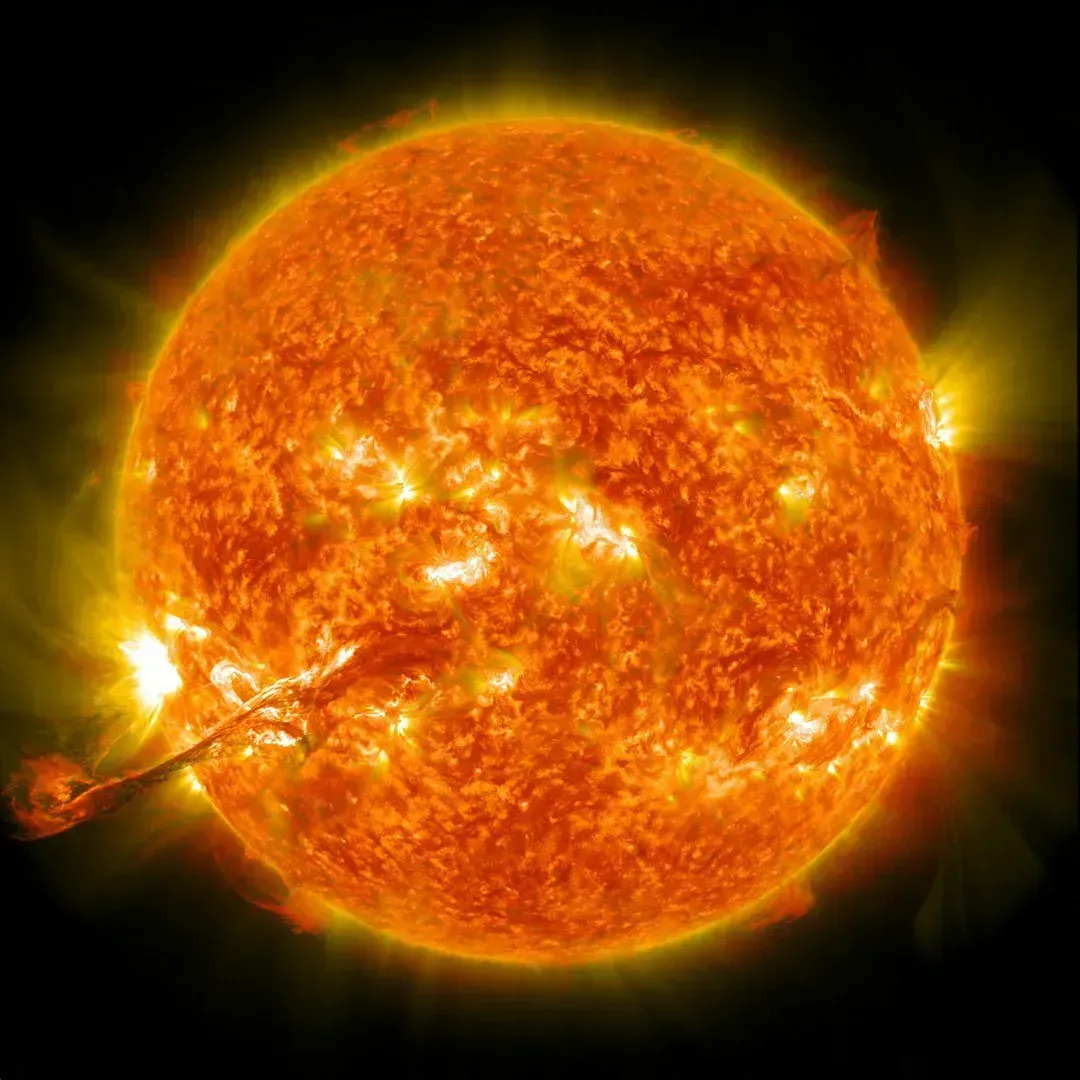
The sun makes up an incredible 99.86 percent of the total mass in our solar system. Of the remaining percentage, 99 percent is made up of the four giant planets. That leaves just 0.002 percent for everything else, including Earth, Mars, Mercury, Venus, dwarf planets, moons, asteroids, and comets.
The sun is about 109 times the diameter of Earth and so large that Earth could fit inside it about 1.3 million times over. To put that in an everyday image: if the sun were as tall as a typical front door, Earth would be the size of a nickel. Everything you’ve ever known fits on something the size of a coin, next to a door.
3. The Milky Way Is So Large That Light Itself Takes 100,000 Years to Cross It
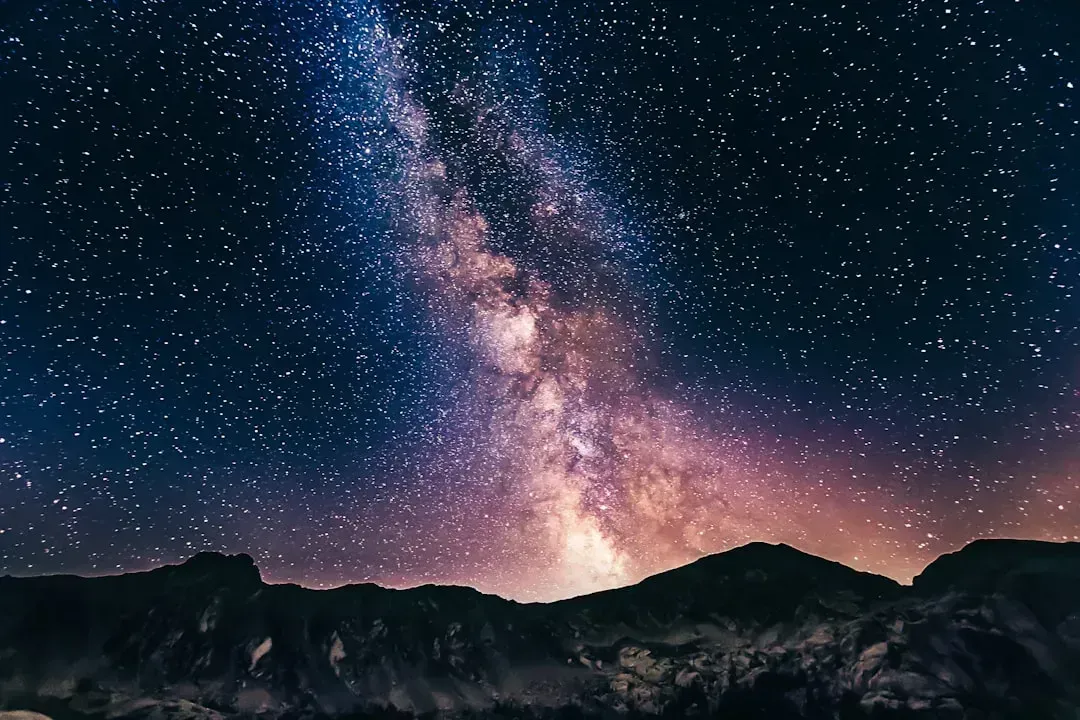
The Milky Way is such a vast city of stars that even at the speed of light, it would take 100,000 years to travel across it. That is not a metaphor. That is the time light, traveling at about 186,000 miles per second, would need to get from one edge to the other. No human technology comes remotely close.
Then consider that in the area of the universe we can see, there are approximately two trillion galaxies. Each one has its own hundreds of billions of stars. Our galaxy is just one of the billions and billions of galaxies in the observable universe, as revealed by space telescopes like the Hubble. The Milky Way, for all its staggering size, is a single grain in an incomprehensible sandstorm.
4. Normal Matter, Everything You Can Touch or See, Makes Up Less Than 5 Percent of the Universe
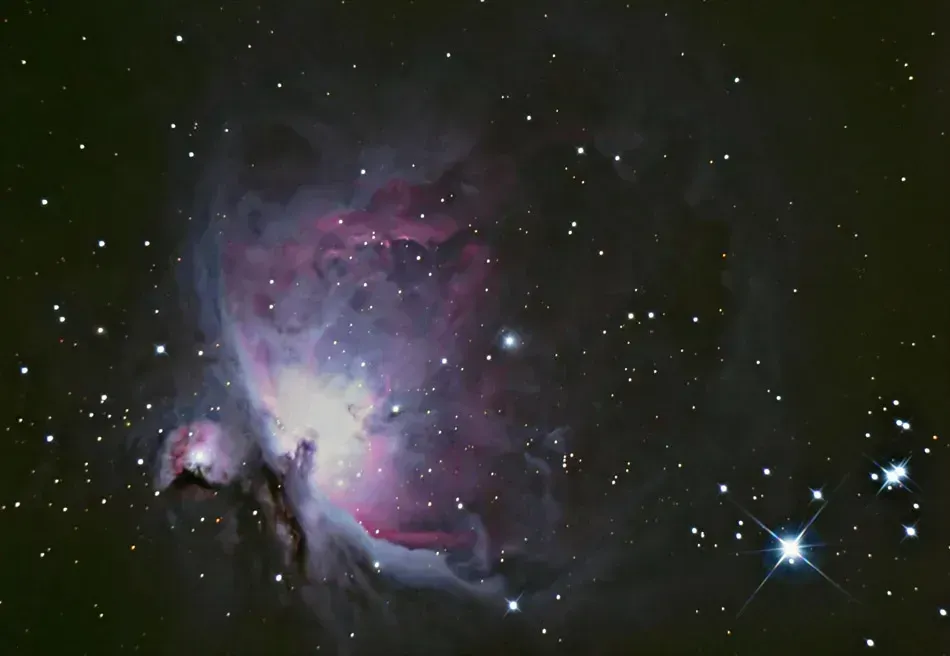
Roughly 70 percent of the universe is made of dark energy. Dark matter makes up about 25 percent. The rest, everything on Earth, everything ever observed with all of our instruments, all normal matter, adds up to less than 5 percent of the universe. Every star, planet, ocean, mountain range, and living creature sits in that tiny leftover fraction.
The uncomfortable part isn’t just how little “normal” matter there is. It’s that science still doesn’t fully understand what dark energy or dark matter actually are. Scientists believe the universe’s accelerating expansion is due to a mysterious force called dark energy, but we still don’t know what dark energy actually is. It remains one of the biggest mysteries in science today.
5. Voyager 1, Our Farthest Spacecraft, Is Still Just Barely Outside the Solar System
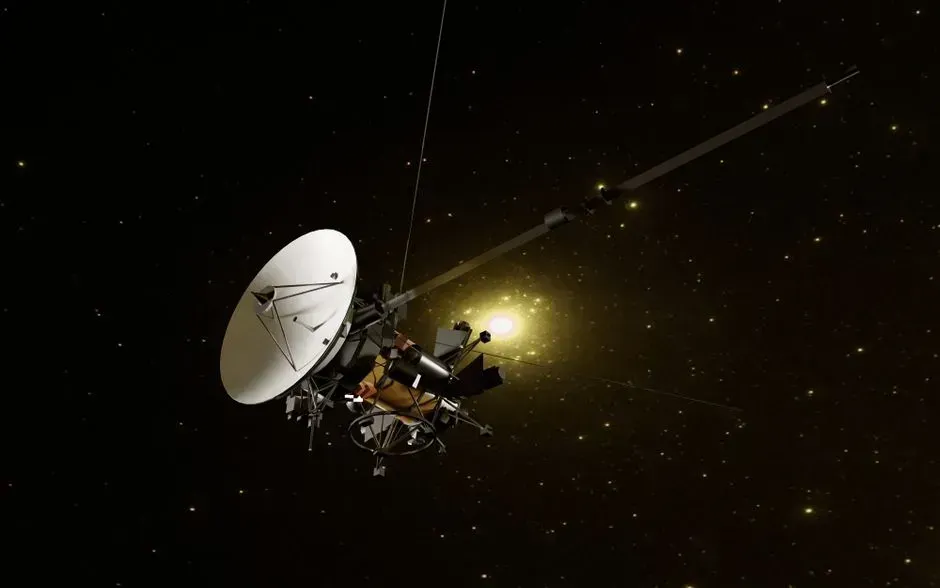
Voyager 1 is the most distant human-made object ever built, currently traveling through interstellar space. Launched by NASA in September 1977, it has been traveling for nearly five decades. As of 2026, it is more than 24 billion kilometers, or about 160 astronomical units, from the Sun.
A radio signal traveling at the speed of light takes over 22 hours to travel from Earth to Voyager 1 one way. That’s a 22-hour delay just for a message to arrive at something we launched ourselves, nearly half a century ago. Voyager 2 is speeding along at more than 39,000 miles per hour, but will still take more than 296,000 years to pass Sirius, the brightest star in our night sky. We are nowhere near anywhere.
6. The James Webb Telescope Can See a Galaxy That Existed Just 280 Million Years After the Big Bang
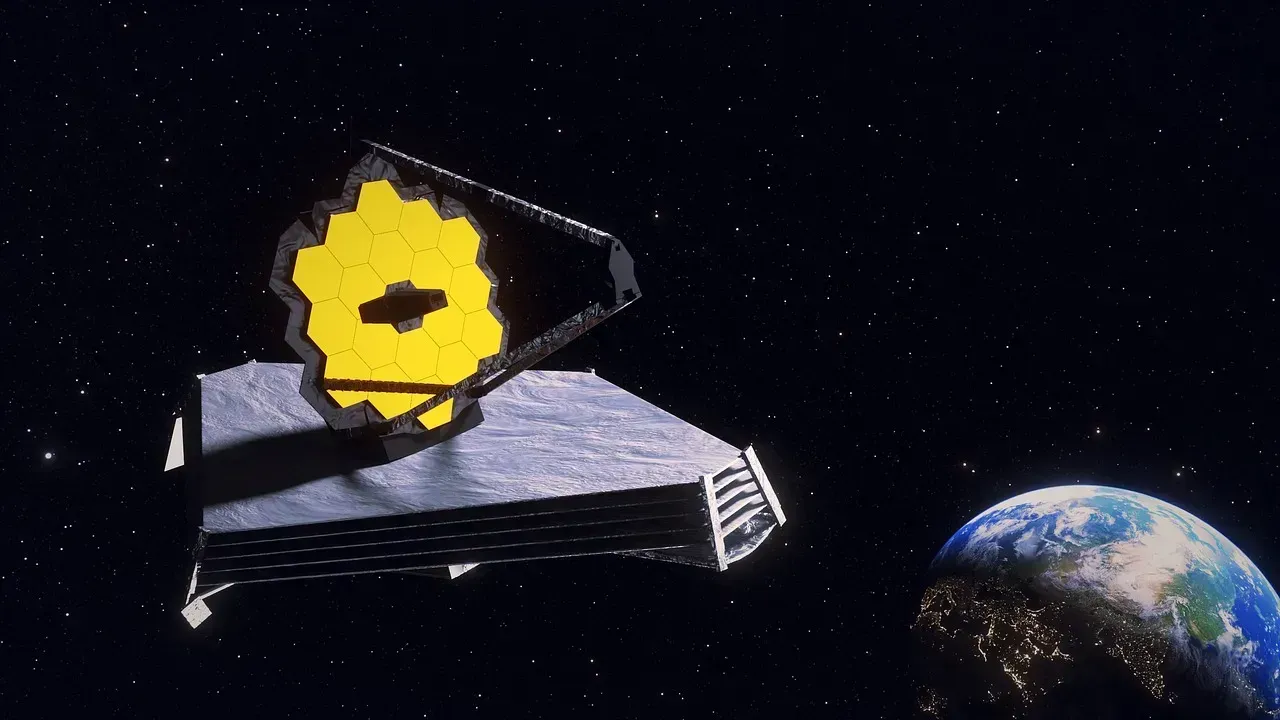
The James Webb Space Telescope has confirmed the most distant, early galaxy in the known universe. The new contender, MoM-z14, is visible just 280 million years after the Big Bang. That light has been traveling toward us ever since the universe was barely a toddler. It only just arrived.
According to NASA, MoM-z14 is “brighter, more compact, and more chemically enriched” than astronomers anticipated for such an early era. Among its most surprising features are elevated levels of nitrogen, which suggest that massive stars may have formed and evolved more rapidly in the dense early universe than current models predict. In other words, what we’re seeing is actively challenging what we thought we knew about how the cosmos got started.
7. A Neutron Star Is So Dense That a Teaspoon of It Would Weigh More Than All of Humanity
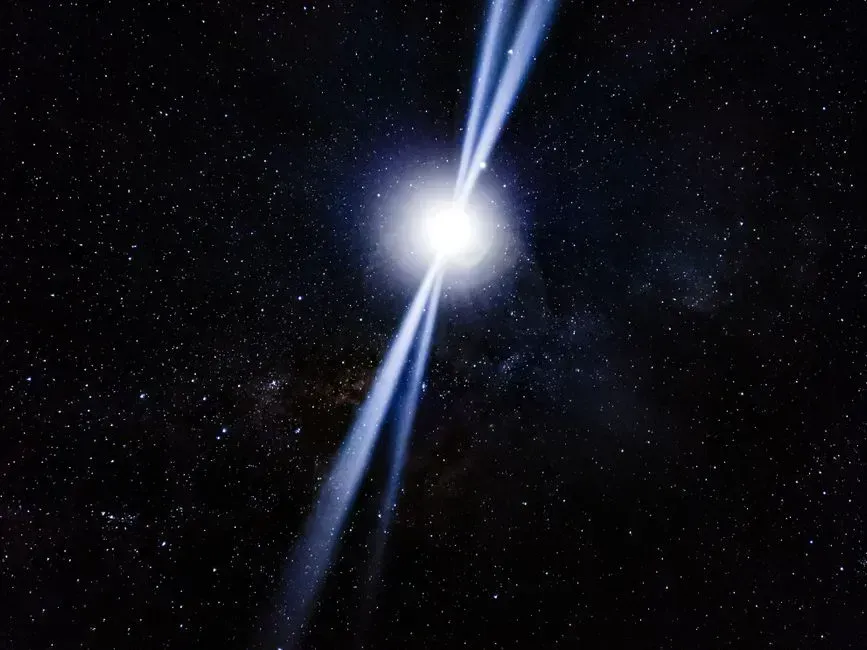
A neutron star’s density is mind-boggling. These stars are composed almost entirely of neutrons packed together in a tiny radius. Just a teaspoonful of neutron star would weigh over a trillion kilograms, more than the weight of the entire human population.
To make something as dense as a neutron star, the whole of humanity would need to be crammed into a space the size of a sugar cube. These objects form when massive stars collapse at the end of their lives. They pack the mass of our sun into a sphere roughly the size of a city. It’s the kind of object that doesn’t feel real until you try to picture a sugar cube carrying the weight of every person who has ever lived.
8. All Seven Other Planets in Our Solar System Could Fit in the Space Between Earth and the Moon
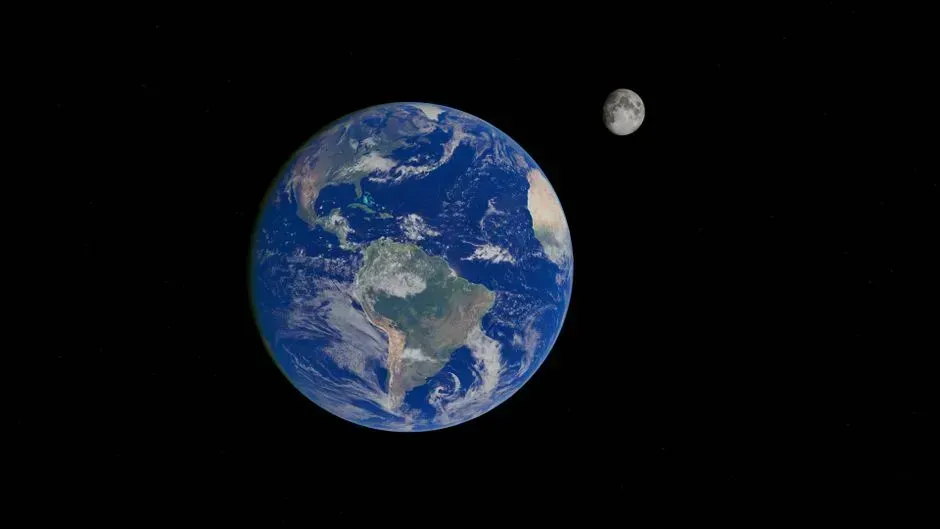
The other seven planets of the solar system could fit into the space between Earth and the Moon. This is one of those facts that sounds like it must be wrong, then turns out to be exactly right. It turns out that you could fit all the other planets in our solar system within the average distance between the Earth and Moon. The average distance is 384,400 kilometers, and the diameter of the seven remaining planets added together would still leave about 8,030 kilometers to spare.
The Moon looks close. In a sense, it is, cosmically speaking. Despite how close it appears, we could put 30 Earths in the space between us and the Moon, and driving at highway speeds, it would take half a year to get there. Space is far emptier than any diagram in any textbook has ever honestly conveyed.
9. Every Star You’ve Ever Seen in the Night Sky Sits in a Tiny Corner of Our Own Galaxy
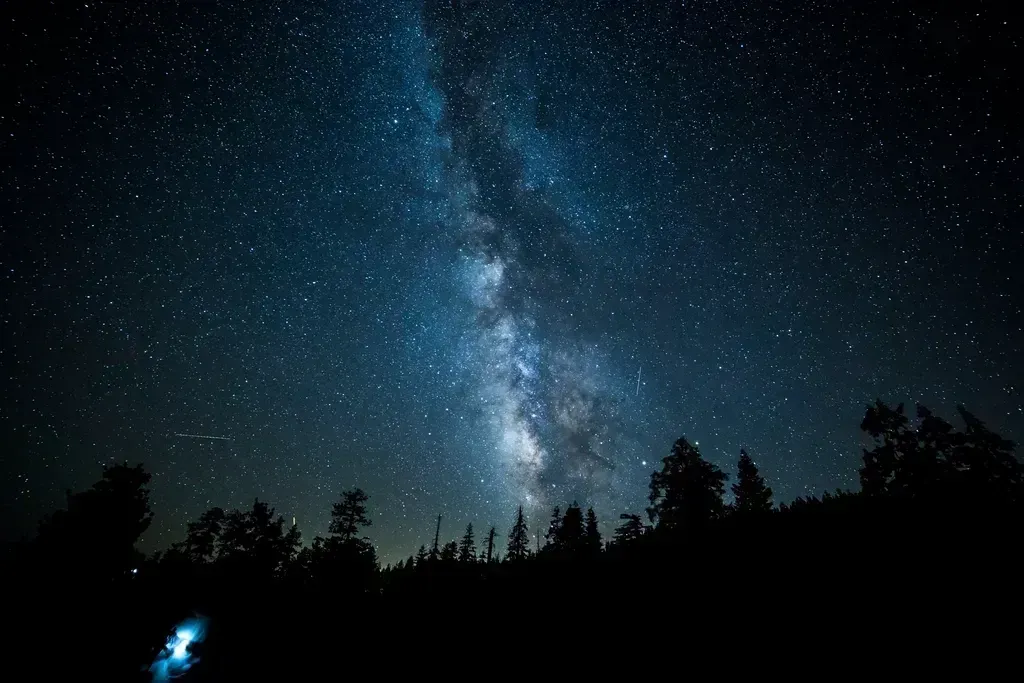
Based on radio signals, nearly all the stars in our galaxy couldn’t possibly know we exist yet. Nearly all the stars you can see in the darkest night sky with the unaided eye would number about 3,000, and they would all fit within a small fraction of our real Milky Way. That glittering canopy overhead is, in reality, just the local neighborhood.
Since the first discovery of exoplanets in the 1990s, astronomers have built up a catalogue of almost 7,000. And astronomers calculate that, for every star you see in the night sky, there is on average at least one planet orbiting it. Every point of light you’ve ever squinted at while lying in the grass probably has worlds circling it, places with their own geology, their own chemistry, their own silence. We’ve barely introduced ourselves to the neighborhood.
There’s something oddly grounding about all of this. The universe doesn’t diminish us exactly, it just reframes the whole picture. Earth is a tiny, specific, astonishingly habitable speck, and the fact that anything here is alive, curious, and asking these questions at all might be the strangest fact of the nine.
