
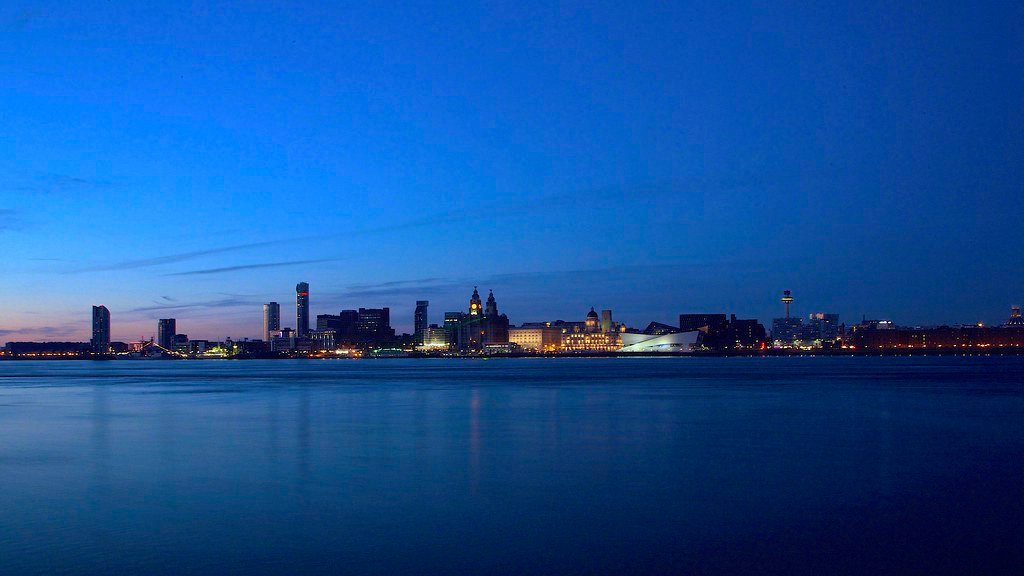
Coastal cities have always lived with a certain amount of weather-related uncertainty. Storms roll in, tides rise, and infrastructure absorbs the blow. For most of the 20th century, the risks were manageable and roughly predictable. That calculus is changing.
A growing body of research, much of it published within the last two years, is pointing to a set of specific weather patterns that are intensifying in ways that outpace earlier projections. Scientists are no longer just watching these trends. They are actively warning that urban planning, infrastructure design, and emergency response systems in coastal regions are not keeping pace with what is coming.
Rapidly Intensifying Hurricanes
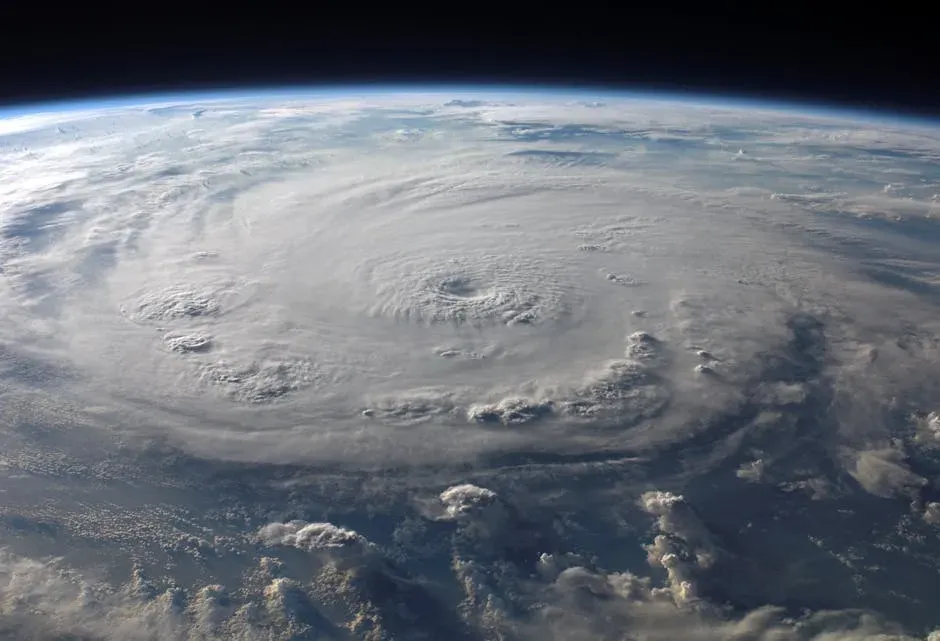
Compared with open oceans, where annual rapid intensification counts do not show significant changes, offshore areas within 400 km of the coastline have experienced a significant increase in rapid intensification events, with the count tripling from 1980 to 2020. That is not a subtle shift. It means storms are spinning up faster in the exact zones where coastal populations have the least time to react.
Hurricane Helene ramped up from a Category 1 hurricane with 80 mph winds to a Category 4 monster with 140 mph winds in the 24 hours before landfall. While we may not be seeing a steady increase in the overall number of hurricanes every year, we are seeing a shift in what matters most for loss: intensity. A warmer ocean and a moister atmosphere can supercharge storms that do form, increasing the likelihood of rapid intensification and more Category 4 and 5 storms.
Accelerating Sea Level Rise
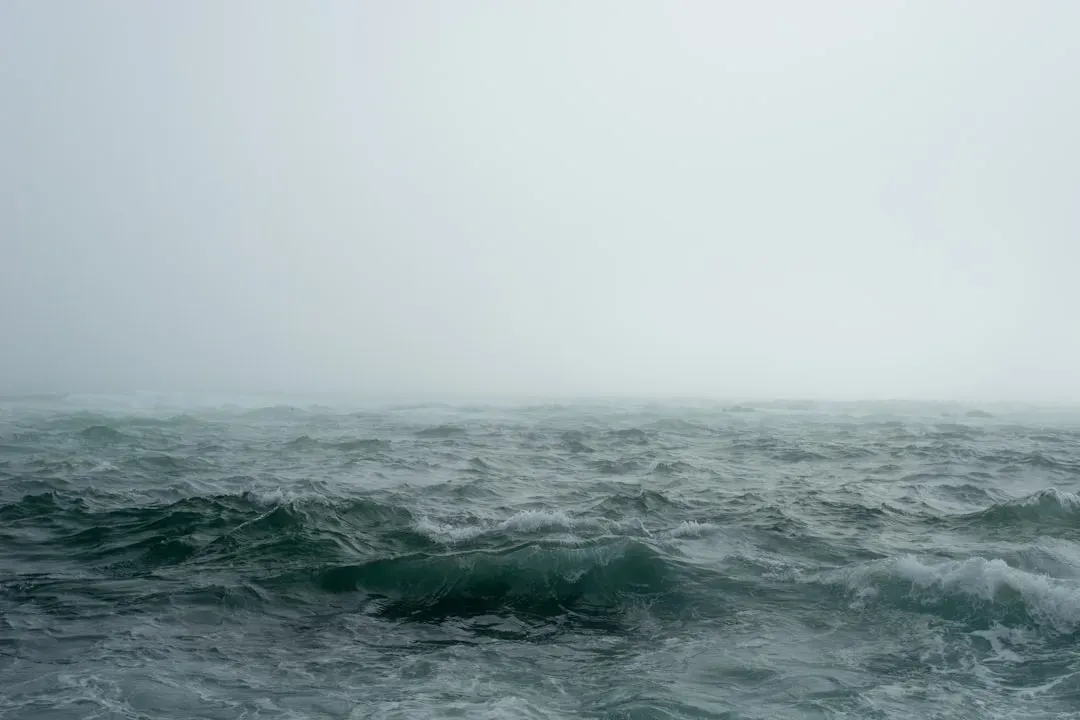
From 1901 to 2018, the global average sea level rose by 0.20 m. The rise has accelerated even further, at a rate of 3.7 mm per year between 2006 and 2018, becoming a major concern for the coastal region. What makes this especially alarming is that the pace of acceleration itself is accelerating, not just the baseline rise.
Meta-analyses on a global scale show that measured coastal sea level is higher than assumed in most coastal hazard assessments. In other words, the risk baselines that cities have been planning around were already off. Even just 20 cm of sea level rise by 2050 would lead to global flood damages of at least one trillion dollars a year for the world’s 136 largest coastal cities.
Compound Flooding Events
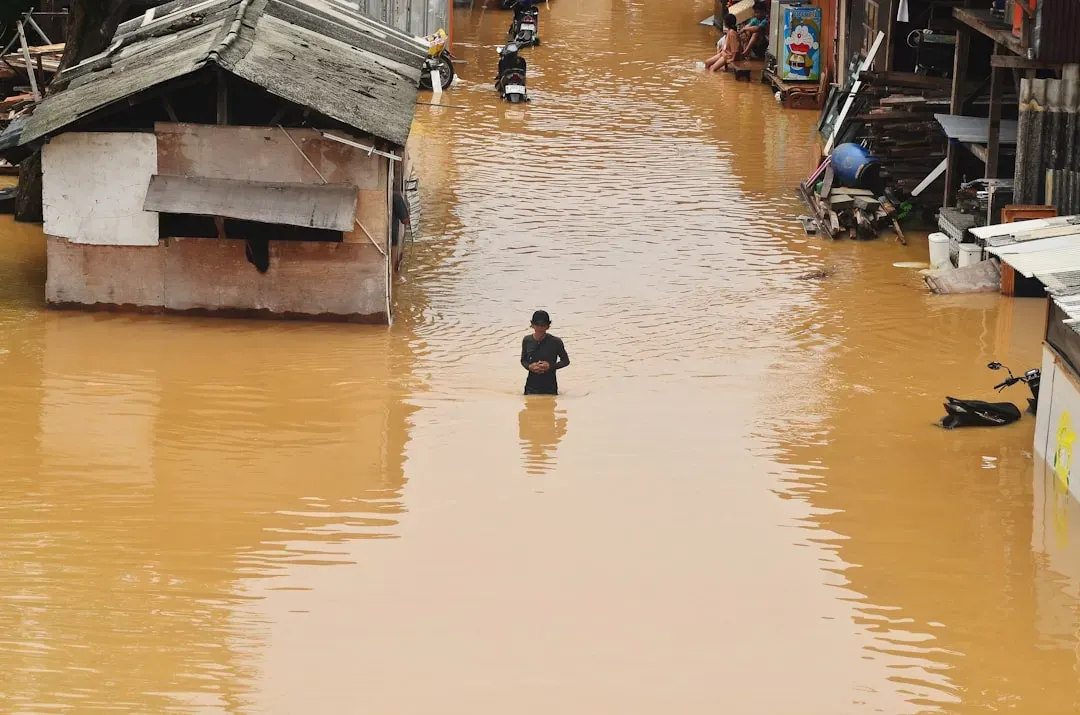
Compound flooding is what happens when multiple flood drivers hit at once. Storm surge arrives while rivers are already swollen, heavy rainfall saturates drainage systems that are already overwhelmed by high tides, and the combined result is far worse than any single driver would produce on its own. Compound flooding arises from storms causing concurrent extreme meteorological tides and precipitation, and this flooding can severely affect densely populated low-lying coastal areas.
Under a high emissions scenario, the concurrence probability of compound flooding would increase globally by more than a quarter by 2100 compared to present, and in latitudes above 40 degrees north, compound flooding could become more than two and a half times as frequent. Cities like New York, Boston, and London sit squarely in those higher latitudes. Compound flooding caused by multiple drivers often amplifies the harm in ways that cannot simply be calculated as a linear sum of risks from individual drivers.
Land Subsidence Combined With Rising Seas
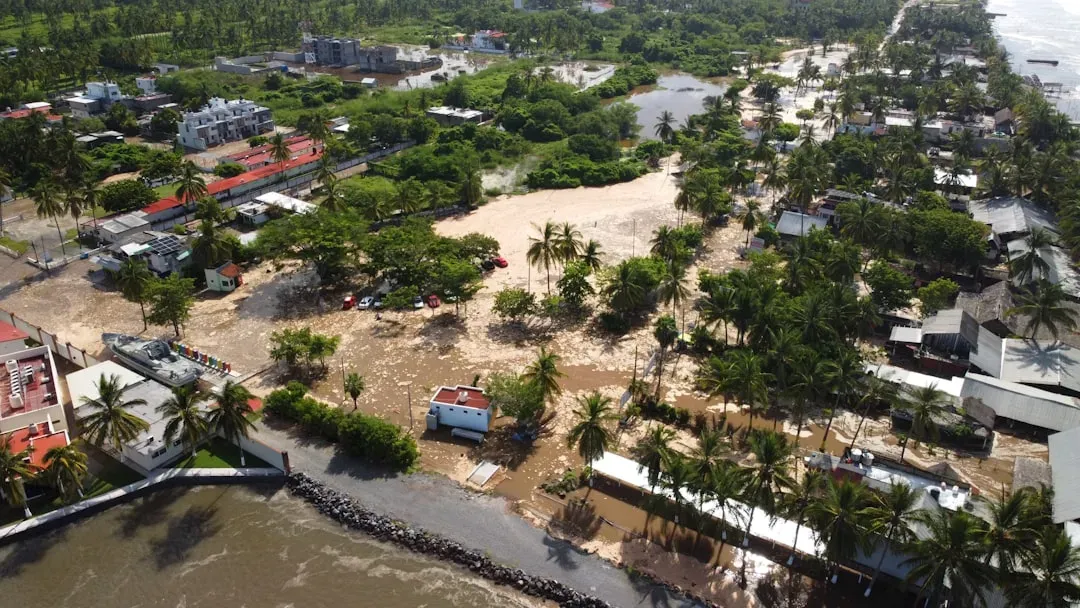
Urban metropolises in low-lying coastal regions are particularly vulnerable to inundation due to localized ground subsidence and relative sea level rise, amplified by climate change. Subsidence is often invisible until it isn’t. Cities built on soft sediment, river deltas, or reclaimed land are sinking gradually, and that sinking is being compounded by rising ocean water from above.
New research shows how the combination of extreme climate events, sea-level rise, and land subsidence could create larger and deeper floods in coastal cities in future. A study focused on Shanghai found that by 2100, the inundation extent of the 200-year event could increase by up to 80%, reflecting subsidence accounting for roughly a third of that increase and climate change responsible for much of the rest.
Exponential Growth in Coastal Flood Frequency
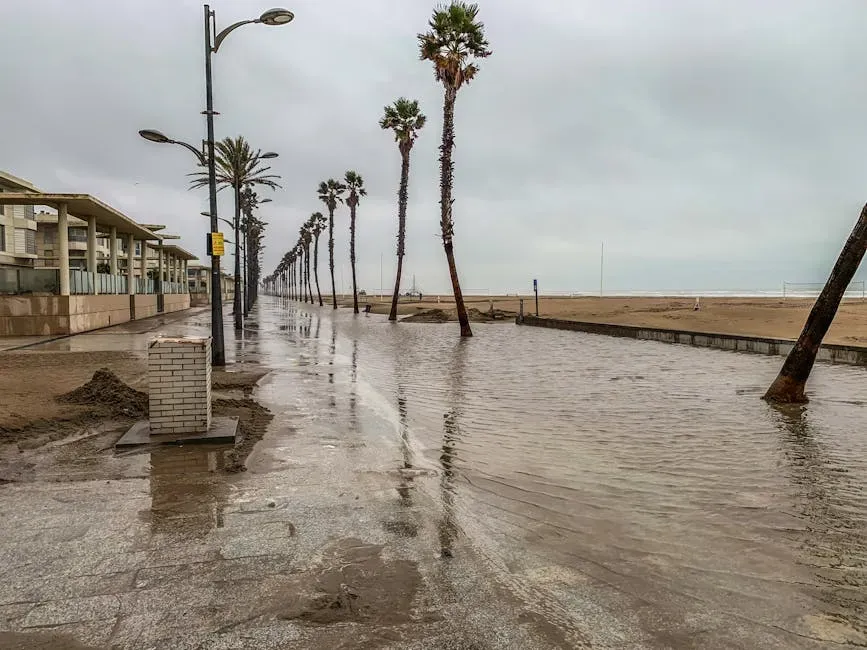
One of the more counterintuitive findings from recent research is how a relatively modest rise in sea level can produce a dramatic and disproportionate increase in how often flooding actually occurs. Fixed amounts of sea-level rise of only roughly one to ten centimeters in areas with a narrow range of present-day extreme water levels can double the odds of flooding. The underlying math is exponential, not linear.
The present-day 50-year extreme water level, based on historical records, will be exceeded annually before 2050 for the vast majority of coastal regions in the United States. What used to be a once-in-a-generation event will, within a few decades, simply be a routine seasonal occurrence for many cities. In 2025, the World Economic Forum said that rising sea levels caused by climate change were impacting around one billion people worldwide.
Intensifying Storm Surges
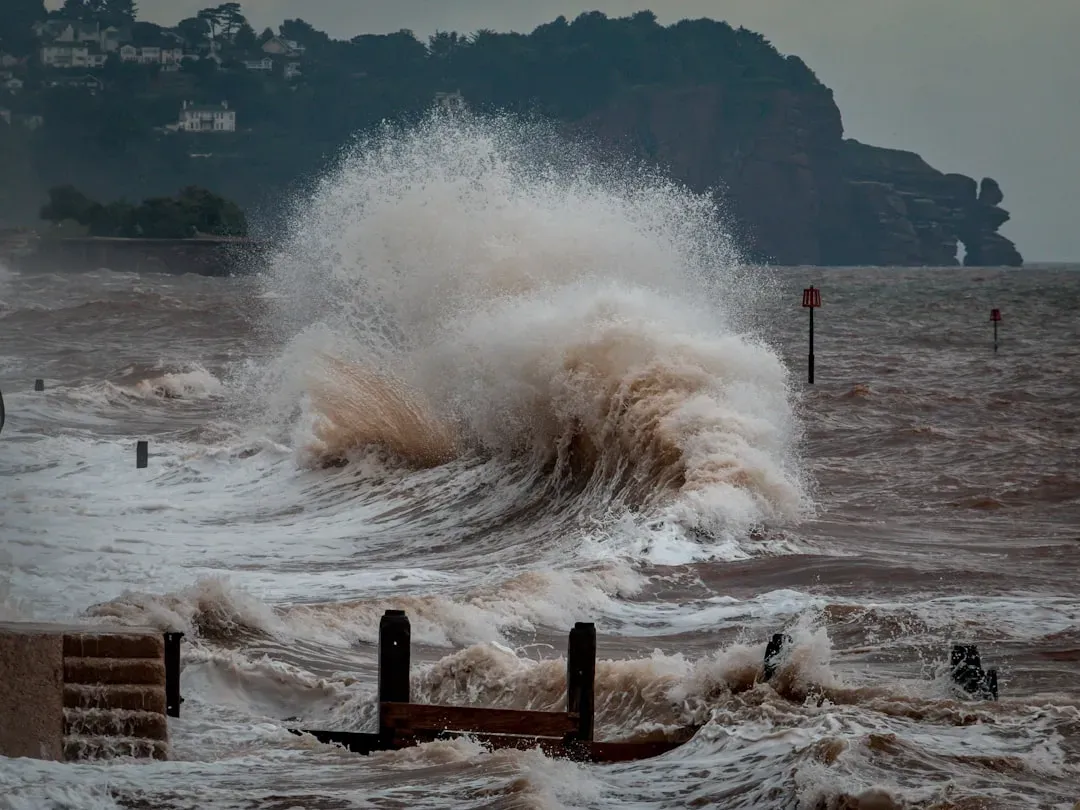
The combined effects of sea level rise, hurricanes, storm surge, land subsidence, and other climate-related weather effects are causing extreme danger to the vitality and safety of coastal and river cities, despite investments in infrastructure. Storm surge is often the single deadliest element of a hurricane, yet it tends to receive less public attention than wind speed ratings.
For many coastal regions, projections of global sea-level rise by the year 2100 are comparable in magnitude to today’s extreme but short-lived increases in water level due to storms. The 21st century will see significant changes to coastal flooding regimes, where present-day extreme-but-rare events become common, posing a major risk to the safety and sustainability of coastal communities worldwide. As base sea levels rise, even modest storm surges now push water over barriers that once held.
Coastal Erosion and Shoreline Loss
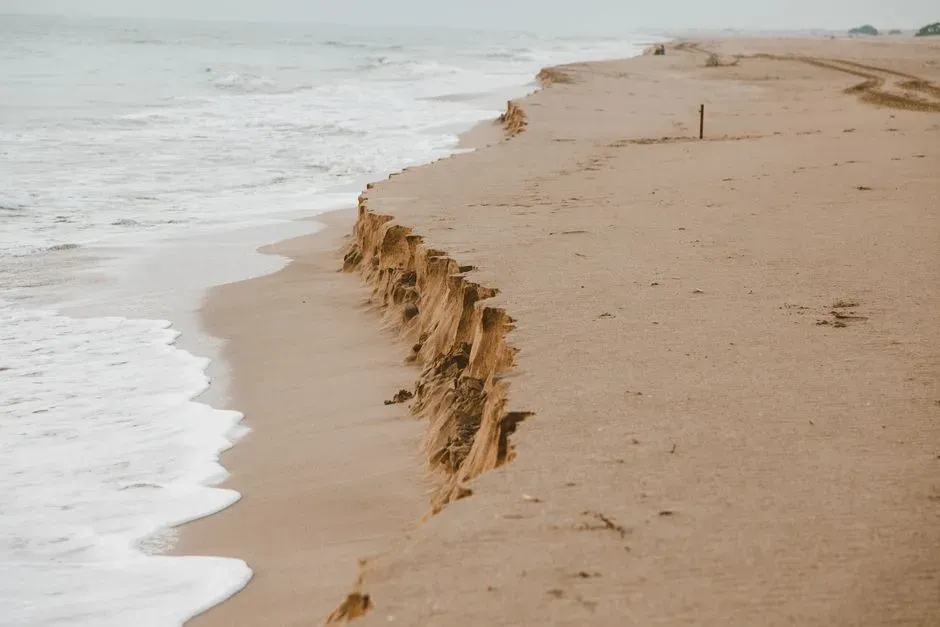
Coastal regions globally face challenges from climate-induced erosion, threatening communities, resources, and infrastructure. Over two-thirds of global coastlines undergo erosion, emphasizing the need for immediate measures in sustainable management to address both human pressures and the impacts of global climate change. The loss of beaches and natural buffer zones directly increases the vulnerability of everything built behind them.
A global survey found that roughly seven in ten sandy beaches worldwide are eroding, while only about one in five remain stable. Those beaches are not merely recreational spaces. They function as natural shock absorbers for coastal communities. Some coastal regions are rich agricultural lands, and their loss to the sea could cause food shortages, a particularly acute issue for river deltas such as the Nile Delta in Egypt and the Mekong Delta in Vietnam.
Sinking Cities Facing a Double Threat
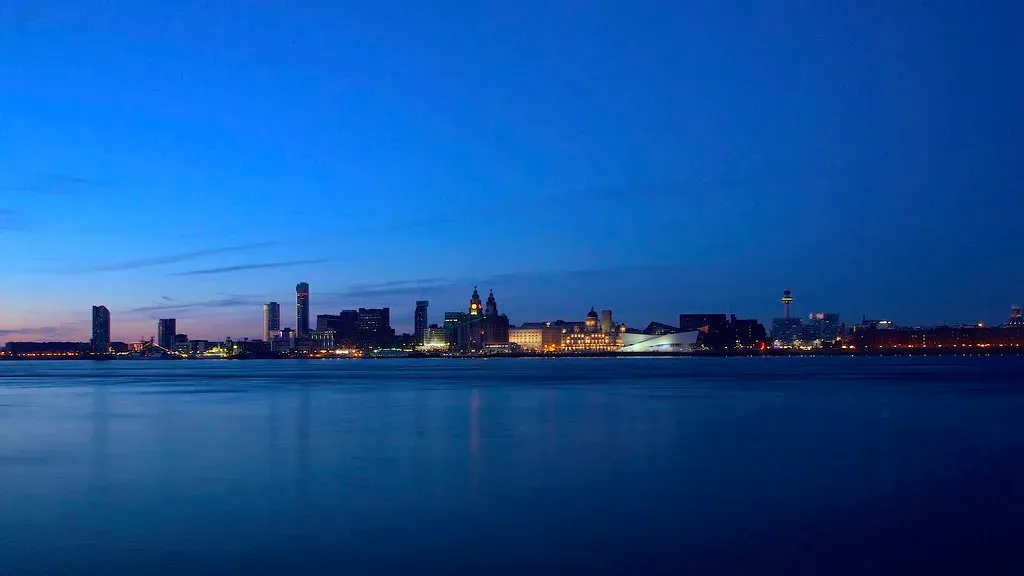
Across America’s 28 biggest cities, the ground is shifting. A study using millimeter-precision satellite data reveals that almost all these cities are sinking, with some areas declining at measurable rates. Subsidence driven by groundwater extraction, heavy construction loads, and sediment compaction is quietly lowering the elevation at which cities sit, narrowing the margin between normal high tides and catastrophic floods.
The removal of subsurface water, often through excessive extraction, is the major cause of rapid subsidence. When too much water is pumped from groundwater systems, it causes the subsoil to compact, which can permanently reduce the storage capacity of aquifer systems. As of May 2025, roughly 230 million people live within one meter above current sea level, and around one billion live within ten meters above sea level. For sinking cities, those margins are narrowing from both sides at once.

- The Shoreline Sucked Dry in Seconds – 5 Tsunami Signals Beachgoers Mistake for Low Tide - November 14, 2026
- 9 Dark-Sky Destinations Around the World Where the Stars Look Unreal - November 14, 2026
- The Fault Line That Never Slips – 7 Locked Seismic Zones Overdue for a Massive Release - November 14, 2026
