


- The Planet Where It Rains Liquid Glass – 7 Alien Worlds Defying Known Physics - November 14, 2026
- Stars Consuming Entire Worlds – 6 Planetary Systems Swallowing Their Own Worlds - November 14, 2026
- The Ground Liquefies Like Water – 6 Silent Fault Lines Geologists Watch Closely - November 14, 2026
There’s no dramatic announcement, no single alarming press conference. The warnings about America’s heating future are coming in steadily, through data releases, forecast maps, and carefully worded reports from scientists who, by training, tend toward caution. Yet if you read enough of those documents, the picture that emerges is striking.
The numbers are no longer outliers. The Northern Hemisphere’s summers of 2023, 2024, and 2025 were the three hottest on record, according to climate agencies in both the European Union and the U.S. For researchers tracking long-term trends, three consecutive record-breaking summers is the kind of signal that shifts conversations from “unusual” to “structural.”
Three Years in a Row: A Pattern That’s Hard to Dismiss
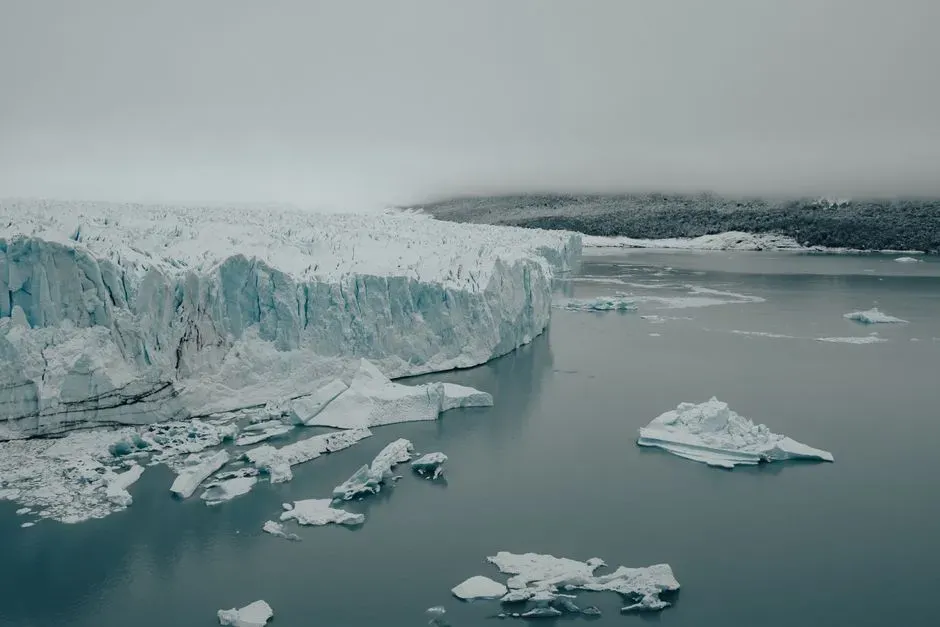
When charted on a graph, 2023, 2024, and 2025 “seemed to jump up,” said NOAA climate monitoring chief Russ Vose. When averaged together, those three years shoot above the 1.5-degree Celsius mark, according to the European climate service Copernicus. That threshold carries real weight, as it represents the warming limit set by the Paris Agreement.
Climate change worsened by human behavior made 2025 one of the three hottest years on record. It was also the first time that the three-year temperature average broke through the threshold of limiting warming to no more than 1.5 degrees Celsius since preindustrial times. Scientists note that a single warm year can be dismissed as a fluke, but a sustained pattern like this cannot.
NOAA’s Summer 2026 Forecast Paints a Broad Red Map

NOAA’s summer 2026 temperature outlook shows above-average temperatures are expected over most of the nation. Keep in mind that NOAA’s official outlook doesn’t predict exact temperatures. It gives probabilities of above-normal or below-normal temperatures, and those probabilities are elevated across most of the U.S., meaning higher odds of frequent heat waves and above-average seasonal temperatures.
The temperature forecast for summer 2026 paints a very warm picture across the western half of the country, with the most intense signal sitting over the interior West. The core of that heat is centered over Utah, Colorado, Nevada, and surrounding states, where some areas show a 50 to 60 percent probability of above-normal temperatures. The warmth radiates outward across the entire West Coast, the Southwest, and much of the Plains. The Northeast also leans above normal, with New England and the mid-Atlantic showing elevated odds of a hotter than average summer.
El Niño Is Waiting in the Wings
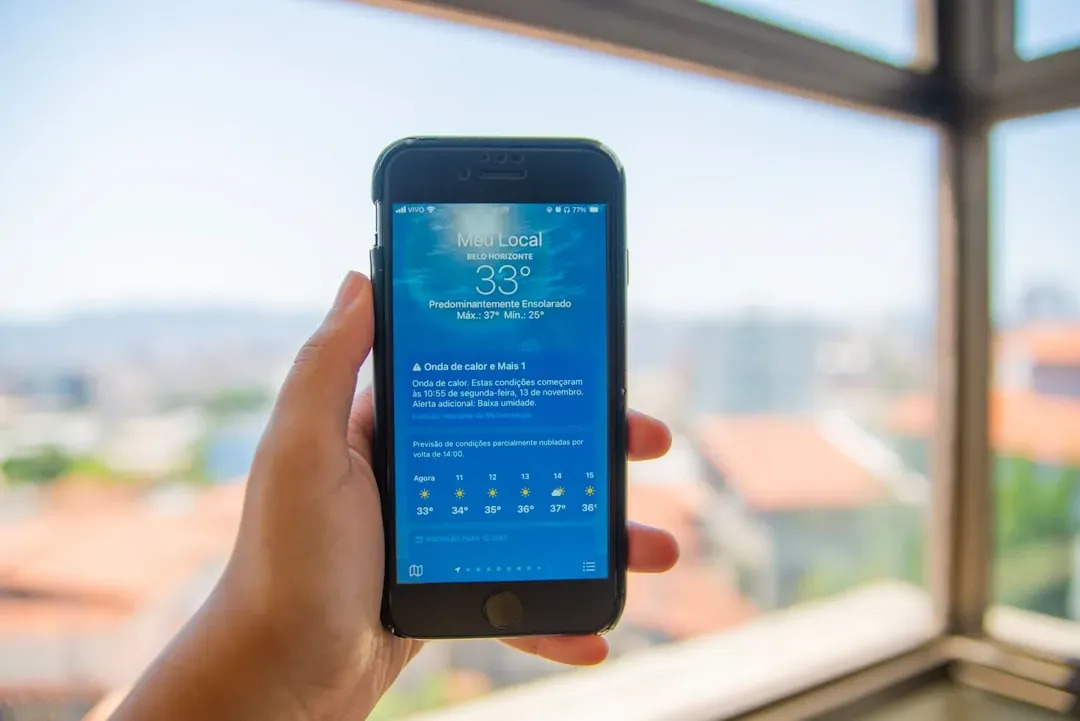
According to AccuWeather, El Niño is expected to develop early in the summer and will have a growing influence on the tropics and the broader weather pattern across the United States through the rest of 2026. That matters because El Niño years typically amplify already-warm baselines, adding extra heat on top of what greenhouse gas emissions have already locked in.
The latest forecasts suggest a growing likelihood of El Niño conditions developing by June, which may lead to warmer temperatures in late 2026 and potentially much warmer temperatures in 2027. Carbon Brief predicts that global average surface temperatures in 2026 are likely to be between the second and fourth warmest on record. With the growing likelihood of El Niño conditions developing in the second half of 2026, it is increasingly likely that 2027 will challenge 2024 for the title of the warmest year on record.
The Heat Season Itself Is Getting Longer

As heat-trapping pollution continues to warm the planet, summer temperatures are arriving earlier and getting hotter, and dangerous heat extremes are becoming more frequent and intense. This isn’t just about peak temperatures in July. It’s about a longer window of dangerous heat that stretches further into spring and fall.
In cities across the United States, the average rate of extreme heat events increased from two per year in the 1960s to ten per year between 2010 and 2020. Additionally, as of 2024, the average length of heat-wave season in the U.S. has increased by 46 days since the 1960s. That’s more than six additional weeks of dangerous heat season compared to two generations ago.
America’s Cities Are Burning Hotter Than the Countryside
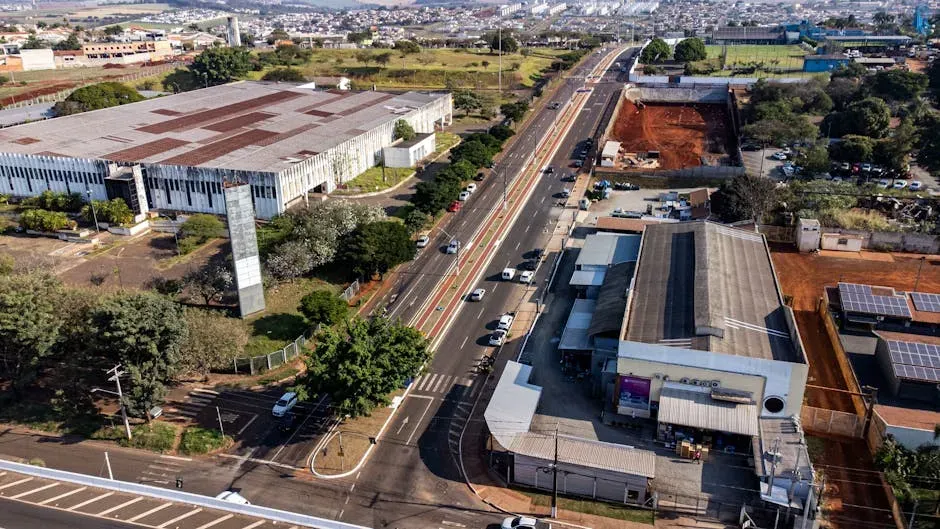
Cities stay warmer than surrounding rural areas, especially at night, because buildings, roads, and infrastructure absorb and trap heat that is then slowly released into the air. Cities get hotter mainly because natural landscapes like trees and soil are replaced with concrete, asphalt, and buildings that absorb more sunlight and release less moisture. Tall structures also trap heat and reduce airflow, contributing to city temperature rise.
Studies, including those by the U.S. Environmental Protection Agency, show that cities in many regions can be about 1 to 7 degrees Fahrenheit warmer in the daytime and 2 to 5 degrees Fahrenheit warmer at night than nearby rural areas, depending on size, density, and local climate. Many cities are warming at twice the global rate, a problem that’s only worsening with rapid urbanization. For the tens of millions of Americans who live in major metros, those numbers are not abstractions.
The Human Cost Is Already Rising

Extreme heat is the leading cause of weather-related deaths in the United States, resulting in an average of 238 fatalities a year between 1995 and 2024. Between 2000 and 2025, heat deaths in the United States increased by more than 50 percent. That trajectory is moving in the wrong direction, and scientists expect it to worsen alongside temperatures.
Extreme heat is the deadliest form of extreme weather and, in most years, kills more Americans than floods, tornadoes, and hurricanes combined. More than 21,000 deaths in the United States from 1999 to 2023 were recorded as being related to heat. Nearly 210 million Americans live in counties vulnerable to health threats from unexpectedly high summer temperatures. Between 1999 and 2023, the number of heat-related deaths in the U.S. increased by 117 percent.
The June 2025 Heat Dome: A Preview of What’s Coming

The start of summer 2025 brought a massive heat dome over the United States, subjecting more than 255 million Americans to what meteorologists called “dangerous, life-threatening” conditions of triple-digit temperatures and high humidity. That single event alone covered nearly the entire country and offered a glimpse of what forecasters are projecting as an increasingly routine scenario.
Researchers said some of the heat waves studied in 2025 were ten times more likely than they would have been a decade ago due to climate change. Looking ahead, the Fifth National Climate Assessment estimates that most areas of the United States will experience 15 to 30 more days over 95 degrees Fahrenheit per year with 2 degrees Celsius of global warming. That’s a significant shift in what Americans will experience as a normal summer.
The West and Southwest Face the Sharpest Risks
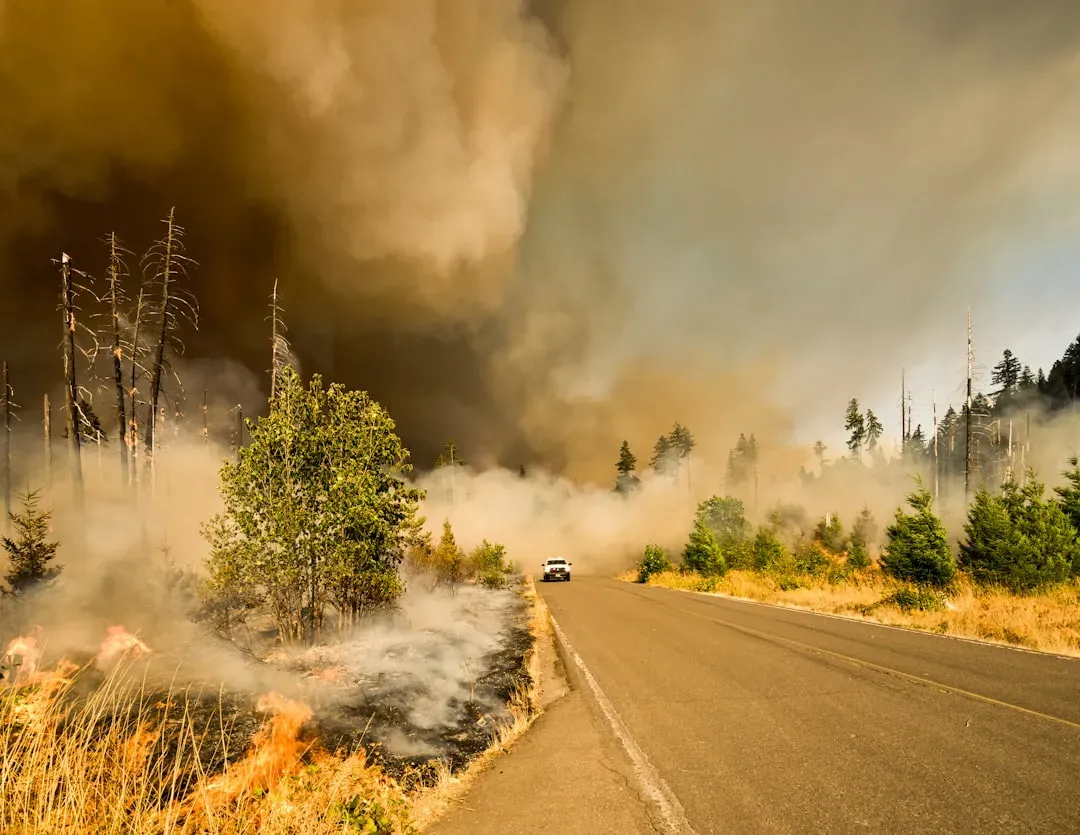
As for where the worst of the heat is expected in summer 2026, AccuWeather points to parts of California, Idaho, Montana, Nevada, Oregon, Utah, Washington, and Wyoming, fueling a widespread fire threat. “Northwest and Great Basin wildfires can be destructive this summer, along with impressive heat waves and increasing drought conditions,” AccuWeather meteorologist Brandon Buckingham noted.
About 60 percent of the contiguous United States is currently experiencing drought conditions, and above-normal temperatures in recent weeks have increased evaporative demand. Many regions, especially large areas of the western United States, may experience drier-than-normal conditions. However, some areas such as parts of the Midwest, the South, and most of southern Canada may trend wetter than what’s typical. The contrast between a baking, drought-stricken West and a stormier East is itself a signature of a climate system under pressure.
Warming Is Accelerating, Not Plateauing
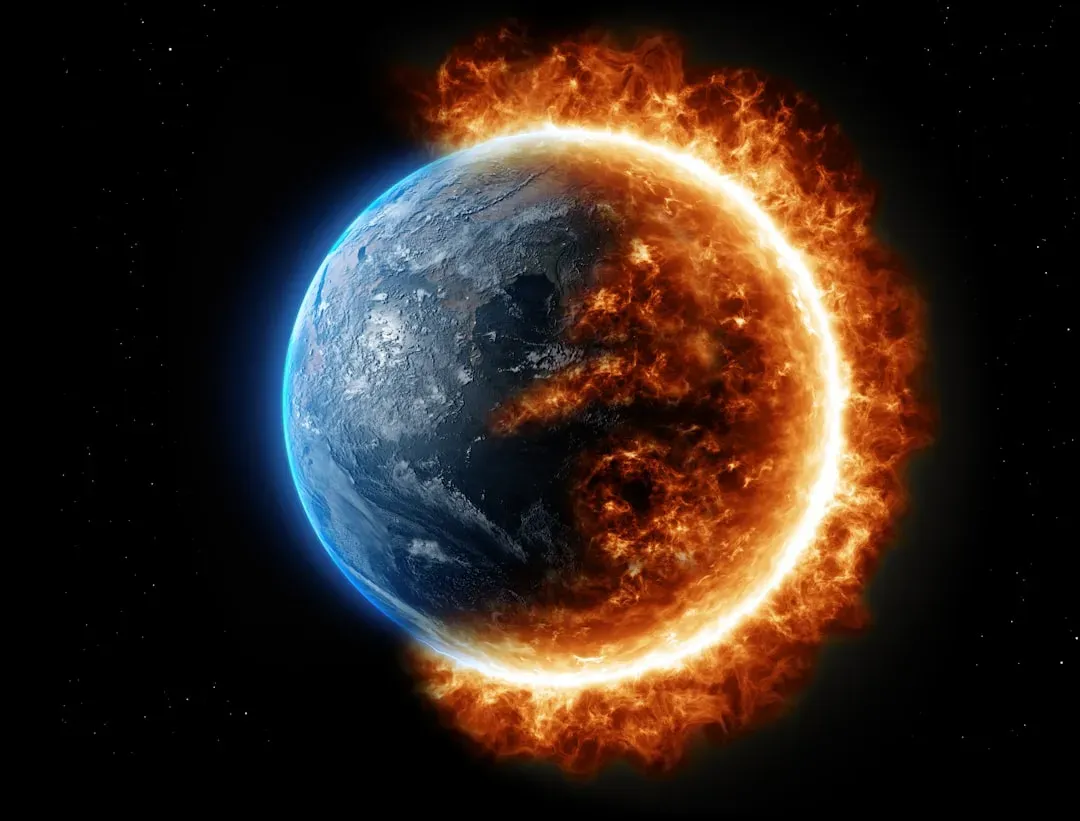
The rate of warming has notably accelerated over the past 15 years, and the period of exceptionally warm years that started in 2023 shows no signs of abating. The last 11 years have been the hottest 11 years on record. Several climate monitoring groups are predicting that 2026 will be about as hot as 2025. Each new year is less of a surprise and more of a confirmation.
The Paris climate goal for limiting temperature increases, established in 2015, is likely to be breached by the end of this decade, the scientists said. U.S. greenhouse gas emissions increased by 2.4 percent in 2025, marking a change from the prior two years of decreases. Carbon dioxide emissions from fossil fuels and cement production reached a record 38.1 billion tons of carbon dioxide, according to the 2025 Global Carbon Budget report. The gap between what the science demands and what emissions data shows remains wide.
What Needs to Happen Now

Infrastructure alone won’t protect residents during current and future heat events. Cities increasingly rely on extreme heat action plans that identify high-risk neighborhoods, issue early warnings, and guarantee access to cooling centers, shaded transit stops, and extended-hours libraries or recreation centers. Public-health outreach, teaching residents how to recognize heat stress, stay hydrated, and check on neighbors, can reduce heat-related illness.
Infrastructure changes, like planting trees or painting roofs white, can significantly reduce temperatures and help cities combat the urban heat island effect. Some cities have begun to integrate heat-resilience into zoning and infrastructure planning, including incentives for green roofs and requirements for reflective surfaces on new construction. Over time, these changes can reduce how much local warming adds to the broader climate trend. The tools are available. The gap is mostly a matter of urgency and political will.
